
The Role of Sugar in French Pastry Baking

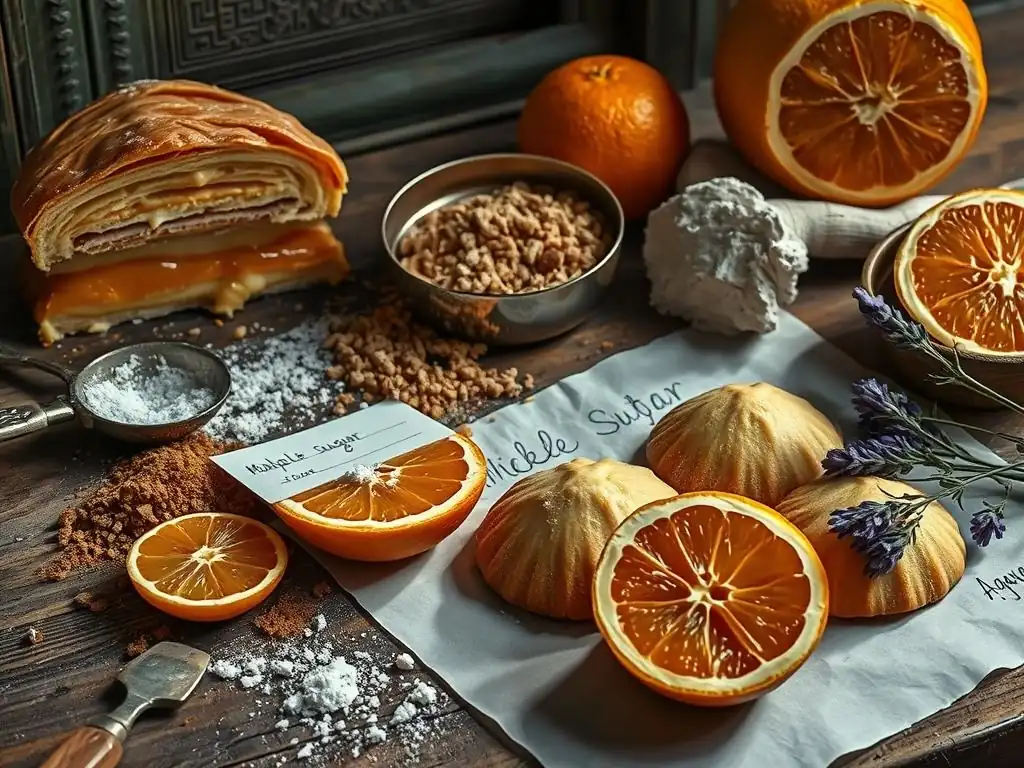
Welcome to BakeWithEase, your guide to unlocking the secrets of the baking world! Ever wondered if you could tweak that classic French pastry recipe without sacrificing its signature texture and taste? This article dives deep into the role of sugar in French pastry baking, offering insightful French pastry sugar substitution tips that will transform your baking. Get ready to explore the sweet science behind these delectable treats and discover how to adapt recipes to your preferences and dietary needs. Intrigued? Let's get baking!
- The Role of Fats in French Pastry Baking
- Understanding Fats' Importance in French Pastry
- Types of Fats Used in French Pastries
- Fats' Impact on Texture and Structure
- French Pastry Fat Substitution Tips: A Comprehensive Guide
- Troubleshooting Fat-Related Baking Issues
- French Pastry Recipes and Fat Usage Examples
- Conclusion: Mastering Fats for French Pastry Excellence
-
Frequently Asked Questions
- What is the primary role of sugar in French pastries?
- Can I completely eliminate sugar from French pastry recipes?
- What are some common sugar substitutes for French pastries?
- Are there specific types of sugar better suited for French pastries?
- What adjustments should I make when substituting sugar in a French pastry recipe?
- Final Reflection: A Sweet Legacy, A Modern Challenge
- Unlock the Secrets of French Pastry: Mastering Sugar's Sweet Science
The Role of Fats in French Pastry Baking
Understanding Fats' Importance in French Pastry
Why Fats are Essential for Authentic French Pastries
Fats are the unsung heroes in the realm of French pastry, contributing far more than just a rich taste. They are fundamental to achieving the characteristic textures, structures, and mouthfeel that define classic French baked goods. Without the precise application of fats, achieving the delicate flakiness of a croissant or the tender crumb of a sable cookie would be impossible. Fats work on a molecular level, interacting with flour proteins and other ingredients to control gluten development, influence moisture retention, and provide structural support during baking.
Consider the iconic French croissant. Its hundreds of ethereal layers are a direct result of the meticulous layering and folding of dough and cold butter. As the croissant bakes, the water in the butter turns to steam, forcing the dough layers apart and creating that signature airy, flaky texture.
This process, known as lamination, is entirely dependent on the fat maintaining distinct layers within the dough until the heat of the oven transforms it. A typical croissant dough might incorporate butter at a ratio of 1:1 with the flour weight for lamination, highlighting the sheer volume and critical function of fat in this specific pastry.
Beyond Richness: Fats' Multifaceted Functions
While richness and flavor are certainly significant contributions, fats perform several other crucial roles in French pastry. They tenderize baked goods by coating flour particles and inhibiting the formation of long, tough gluten strands. This is why pastries made with high amounts of fat, like shortbread or pâte sablée, are wonderfully crumbly and tender, unlike a chewy bread. The fat essentially "shortens" the gluten strands, hence the term "shortening."
Furthermore, fats contribute to the browning and crisping of pastry crusts. They conduct heat efficiently, helping the exterior of pastries like éclairs or tart shells achieve a desirable golden color and crisp texture. Fats also trap air during creaming or mixing processes, contributing to leavening and a lighter texture in cakes and cookies. For instance, creaming butter and sugar together incorporates tiny air pockets that expand in the oven, helping the pastry rise. The specific temperature and consistency of the fat during mixing directly impact the volume and texture of the final product.
Types of Fats Used in French Pastries
Butter: The Cornerstone of French Baking
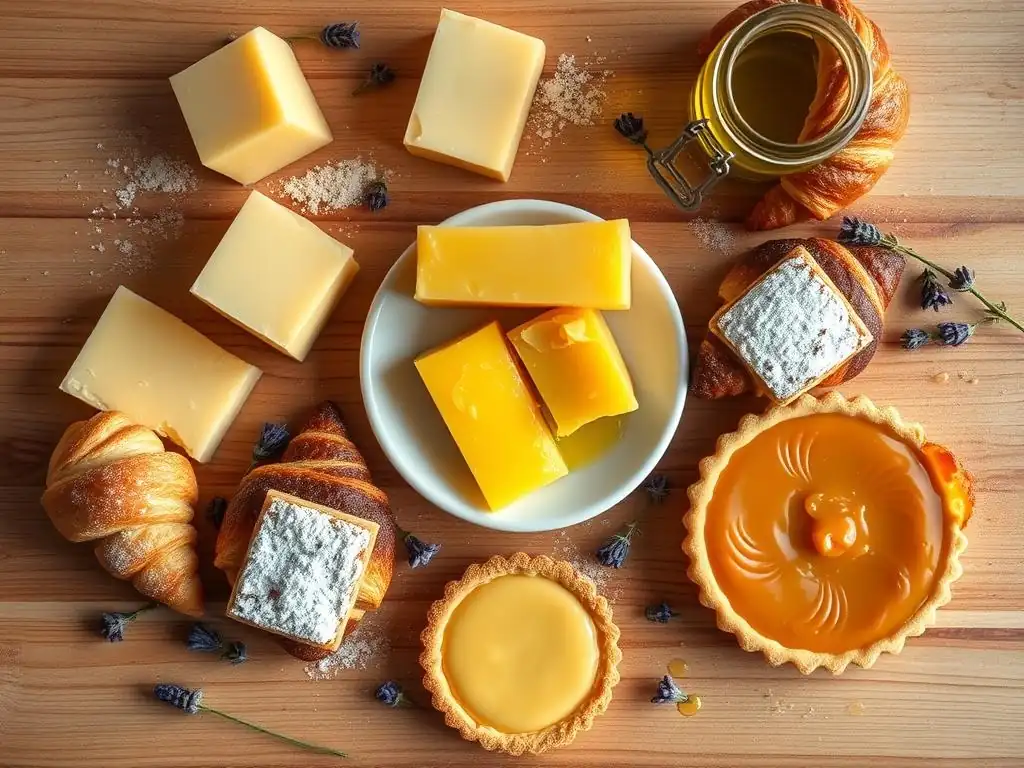
Butter is undeniably the king of fats in traditional French pastry. Its unique composition, typically around 80-82% fat, 16-18% water, and 1-2% milk solids, provides a perfect balance for flavor, texture, and workability. The high fat content contributes richness and tenderness, while the water content is essential for creating steam during baking, crucial for lamination in pastries like croissants and puff pastry (pâte feuilletée). French butter, often with a slightly higher fat content (sometimes 82-84%) and cultured for a richer flavor, is particularly prized.
Using cold, firm butter is paramount in many French pastry techniques, such as making flaky pie crusts (pâte brisée) or laminated doughs. The cold butter is cut into the flour, creating small pockets of fat that melt and steam during baking, resulting in flakiness. For other applications, like making pound cake (quatre-quarts) or financiers, softened or melted butter is used to create different textures – a fine, dense crumb or a moist, nutty interior, respectively. The distinct dairy flavor of butter also adds an irreplaceable depth that is characteristic of authentic French pastries.
Shortening: Providing Stability and Structure
While not as prevalent as butter in classic French recipes, shortening (typically hydrogenated vegetable oil) is sometimes used, particularly in commercial baking or adaptations. Shortening is 100% fat and contains no water, which means it doesn't contribute to steam leavening. However, its high melting point and plasticity make it excellent at creating very tender, crumbly textures by effectively coating flour particles and inhibiting gluten development.
Shortening can provide a different kind of structure compared to butter. In certain tart crusts or cookies, it can contribute to a sturdier, less spreading dough. Because it has no water, it doesn't create the same flaky layers as butter in laminated doughs, but it can be blended with butter to potentially increase tenderness or stability in specific applications. Its neutral flavor also means it doesn't compete with other ingredients, although this lack of flavor is often seen as a drawback compared to the richness butter provides.
Lard: Enhancing Flakiness and Flavor
Lard, rendered pork fat, is another traditional fat that, while less common in modern French patisserie than butter, has historical roots in some pastry applications. Like shortening, lard is 100% fat, but it has a different crystalline structure and a lower melting point than shortening, closer to body temperature. This lower melting point contributes to a melt-in-your-mouth texture.
Lard is particularly effective at creating very flaky pastry crusts, arguably even flakier than those made with butter alone, due to its unique fat crystal structure. It also imparts a distinct, savory-rich flavor, which is why it's more often found in savory pastries or rustic tarts rather than delicate sweet creations like macarons or éclairs. While its use is less widespread now, understanding lard's properties helps appreciate the diverse ways fats can influence pastry texture.
Vegetable Oils: Exploring Neutral Flavors in French-Inspired Treats
Vegetable oils, such as canola, sunflower, or grapeseed oil, are liquid at room temperature and are not traditionally used in many classic French pastries that rely on solid fats for structure or lamination. However, they are sometimes incorporated into cakes or muffins (which are less purely "pastry" but fall under the dessert umbrella) for moisture and tenderness. Oils coat flour particles very effectively, leading to a fine, soft crumb.
Because oils are liquid, they disperse differently than solid fats and don't create the pockets needed for flakiness. They also don't contribute to leavening through steam like butter's water content does, nor do they trap air well during creaming. Their primary benefit is adding moisture and tenderness without imparting a strong flavor, making them suitable for recipes where other flavors should shine. While you won't find oil in a classic croissant or puff pastry, it might appear in an adapted recipe for a quick cake or a specific type of cookie dough where tenderness is the main goal.
Fats' Impact on Texture and Structure
Fats' Role in Gluten Inhibition and Tenderness
One of the most critical functions of fat in French pastry is its ability to tenderize by interfering with gluten development. When flour is mixed with liquid, proteins like glutenin and gliadin form a network called gluten, which provides elasticity and structure. In bread baking, you want strong gluten for a chewy texture. In pastry, however, you generally want tenderness and flakiness, which means limiting gluten development.
Fats coat the flour particles, preventing water from fully hydrating the gluten-forming proteins. This physical barrier inhibits the formation of a strong gluten network. The more fat in a dough, the less gluten develops, resulting in a more tender and crumbly texture. Consider a rich pâte sablée (shortbread dough), which can contain butter at a ratio of 2 parts butter to 3 parts flour. This high fat content results in a dough that is very "short" – meaning it has very little gluten development – producing a crumbly, delicate cookie that melts in your mouth.
Fats' Influence on Mouthfeel and Moistness
Beyond tenderness, fats significantly impact the mouthfeel and perceived moistness of French pastries. Fats are smooth and unctuous, and they coat the palate, contributing to a sense of richness and luxury. They also help to distribute moisture evenly throughout the pastry, preventing dryness. Even though fats themselves don't contain water (except for the small percentage in butter), they trap moisture within the structure of the baked good.
Think about the difference between a fat-free cookie and a buttery sable. The sable feels richer and more moist on the tongue, even if both have similar water content from other ingredients. This is the fat working to enhance the sensory experience. In cakes like a traditional French sponge (Génoise), while less fat is used compared to a butter cake, the fat from egg yolks contributes to tenderness and a smooth mouthfeel. In pastries like éclairs, the fat in the choux paste helps create a moist interior cavity.
Fats as Emulsifiers: Creating Stable Mixtures
Fats also play a role as emulsifiers, helping to bind ingredients that don't naturally mix, like oil and water. While not all fats are strong emulsifiers on their own, their presence can aid in creating stable emulsions, particularly when combined with other ingredients like egg yolks (a natural emulsifier).
In complex pastry creams or batters, fats help maintain a smooth, homogenous texture, preventing separation. For example, in some cake batters, the fat helps to disperse the liquid evenly throughout the flour and sugar, leading to a finer crumb. Even in laminated doughs, while the primary function is separation, the fat contributes to the overall cohesiveness of the dough layers. Mastering how fats interact with other ingredients is key to achieving the desired consistency and stability in various French pastry components.
French Pastry Fat Substitution Tips: A Comprehensive Guide
When and Why to Consider Fat Substitutions
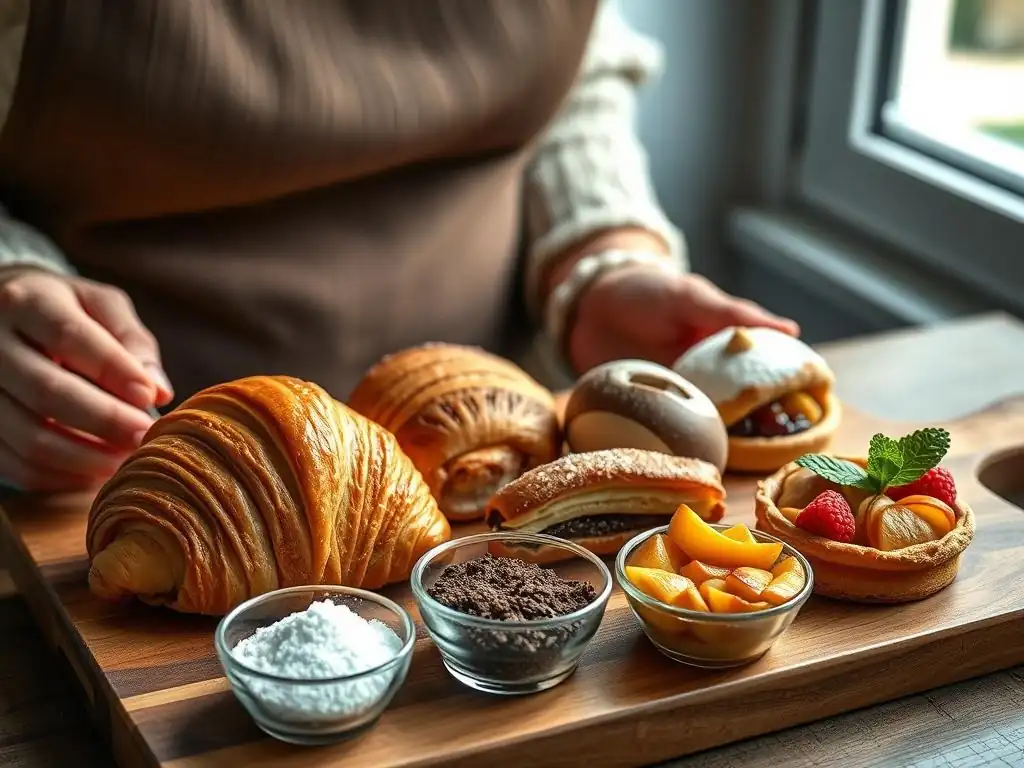
There are several reasons why a baker might explore French pastry fat substitution tips. Dietary restrictions are a common one – vegan bakers need alternatives to butter and lard. Health considerations, such as reducing saturated fat intake, might lead someone to look for lower-fat options or different types of fats. Sometimes, it's simply a matter of ingredient availability or cost. Understanding the properties of different fats is crucial before attempting a substitution, as the wrong choice can drastically alter the texture and outcome of a delicate French pastry.
It's important to note that substituting fat in classic French pastry recipes, which are often highly reliant on the specific properties of butter (especially its water content and melting point), can be challenging. Achieving the exact flaky layers of a croissant or the tender crumb of a financier using a substitute requires careful consideration and often results in a slightly different, though still delicious, product. Approaching French pastry fat substitution tips requires respecting the original recipe's intent while understanding the limitations and potential outcomes of the substitute.
Common Fat Substitutes for French Pastries and Their Effects
When looking for French pastry fat substitution tips, several alternatives come up, each with its own characteristics and impact on the final bake.
Plant-Based Butters: Considerations for Flavor and Texture
Plant-based butters (often made from oils like palm, soy, or shea) are designed to mimic dairy butter. They often contain water and emulsifiers to achieve a similar texture and behavior. They are a popular choice for vegan French pastry fat substitution tips. However, their fat content and water percentage can vary compared to dairy butter, typically ranging from 70-80% fat. This difference can affect lamination and tenderness. Some plant butters have a distinct flavor that might not be desirable in delicate pastries.
When using plant-based butter, look for ones specifically marketed for baking, as they are formulated to perform better in processes like creaming and lamination. You may need to adjust chilling times for laminated doughs, as some plant butters soften faster than dairy butter. Expect results that are similar in richness but potentially slightly different in flakiness or browning depending on the specific product used.
Applesauce and Purees: Reducing Fat Content
Fruit purees like applesauce, mashed banana, or pumpkin puree are often suggested as fat substitutes in baking to reduce overall fat content and add moisture. They work by providing moisture and some binding properties. However, they do not contribute to tenderness in the same way fat does, nor do they create flakiness.
Substituting purees for fat is generally more successful in moist cakes, muffins, or quick breads – recipes less dependent on fat for structure and texture than traditional French pastries like tarts or laminated doughs. A common substitution ratio is replacing half the fat with an equal amount of puree. Using purees in flaky or tender pastries like pâte sablée or puff pastry will likely result in a denser, tougher, and less crumbly or flaky product.
Greek Yogurt: Adding Moisture and Tang
Greek yogurt is another substitute sometimes used to reduce fat while adding moisture and a slight tang. Its thickness and protein content can contribute to a tender crumb in certain baked goods. Like purees, it adds moisture but doesn't replicate the tenderizing or flaking properties of solid fats.
Greek yogurt can work reasonably well as a partial fat substitute in recipes like pound cake or muffins, often replacing half the butter or oil. However, its high water content and acidity can affect dough consistency and leavening, sometimes requiring adjustments to leavening agents like baking soda or powder. It is not a suitable substitute for the fat required for lamination or creating crumbly textures in classic French pastries.
Adjusting Recipes for Different Fat Substitutes: A Practical Approach
Successfully implementing French pastry fat substitution tips often requires more than a simple one-to-one swap. Understanding how the substitute differs from the original fat is key to making necessary adjustments.
Converting Butter to Oil Ratios
If substituting oil for butter in a recipe where butter is melted (like some cookie or cake recipes), you generally use slightly less oil than butter because oil is 100% fat, while butter is about 80-82%. A common conversion is to use about 75-80% the amount of oil as the specified butter. For example, if a recipe calls for 100g of melted butter, you might use 75-80g of oil. However, remember that oil won't provide the same flavor or creaming properties as butter.
When substituting solid fat (like shortening or plant butter) for butter in recipes requiring creaming or cutting in, the substitution is often closer to a 1:1 ratio by weight. But you still need to consider the fat percentage and consistency of the substitute. Some plant butters might be softer than dairy butter, requiring more chilling.
Adapting Baking Times and Temperatures
Fat substitutes can affect how a pastry bakes, including its browning and how quickly it cooks through. Fats contribute to browning, so pastries made with lower-fat substitutes might bake up paler. Fats also help conduct heat, so recipes with reduced fat or different fat types might require slight adjustments to baking time or temperature.
For instance, a cake made with applesauce instead of some butter might take slightly longer to bake because of the added moisture. Pastries made with plant butters might brown differently depending on the specific product's composition. It's often best to start with the original recipe's time and temperature and then monitor the pastry closely, adjusting as needed based on visual cues like browning and doneness tests (like using a skewer).
Preventing Butter Separation in French Pastry Doughs
Butter separation, often seen as a greasy or oily texture in dough, can occur for several reasons. In laminated doughs like croissant dough, it might happen if the butter block is too soft, the dough isn't cold enough, or the rolling and folding are done too quickly or forcefully, causing the butter to melt or break through the dough layers. The ideal temperature for butter in lamination is cool and pliable, roughly 50-55°F (10-13°C).
To prevent separation, ensure your butter is at the correct temperature – cold but flexible, not hard and brittle or soft and greasy. Chill your dough and butter block thoroughly between folds, typically for 20-30 minutes in the refrigerator. Work quickly and gently when rolling. If separation starts to occur, immediately stop, wrap the dough, and chill it until the butter firms up again.
Avoiding Greasiness Due to Excessive Fat Content
While fat is essential, using too much fat or incorrect handling can result in a greasy, unpleasant texture. This can happen if fats are not properly emulsified in batters, leading to oil pooling. In pastries like tarts or cookies, overworking the dough after adding fat can also lead to greasiness, as the fat melts from the heat of your hands or mixer.
To avoid greasiness, measure fats accurately. Ensure ingredients are at the specified temperature (e.g., softened butter for creaming, cold butter for cutting in). Do not overmix doughs once the fat is incorporated, especially for tender pastries like pâte sablée. Chill doughs as required before baking, as this helps the fat solidify and contribute to texture rather than melting prematurely and causing greasiness.
Addressing Texture Changes When Reducing Fat
Reducing fat in a recipe, even when using French pastry fat substitution tips, almost inevitably changes the texture. Pastries will likely be less tender, less flaky, and potentially drier or tougher. This is because the fat's role in inhibiting gluten and adding richness is diminished.
If you must reduce fat, manage expectations. You won't achieve the exact same results as the full-fat version. To mitigate negative texture changes, consider smaller fat reductions rather than drastic ones. You might try adding ingredients that contribute moisture, like yogurt or a small amount of liquid, or tenderizers like egg yolks. For flaky pastries, reducing fat dramatically makes achieving the characteristic layers very difficult; these recipes are often less forgiving to fat reduction.
French Pastry Recipes and Fat Usage Examples
Classic Croissants: The Lamination Process with Butter
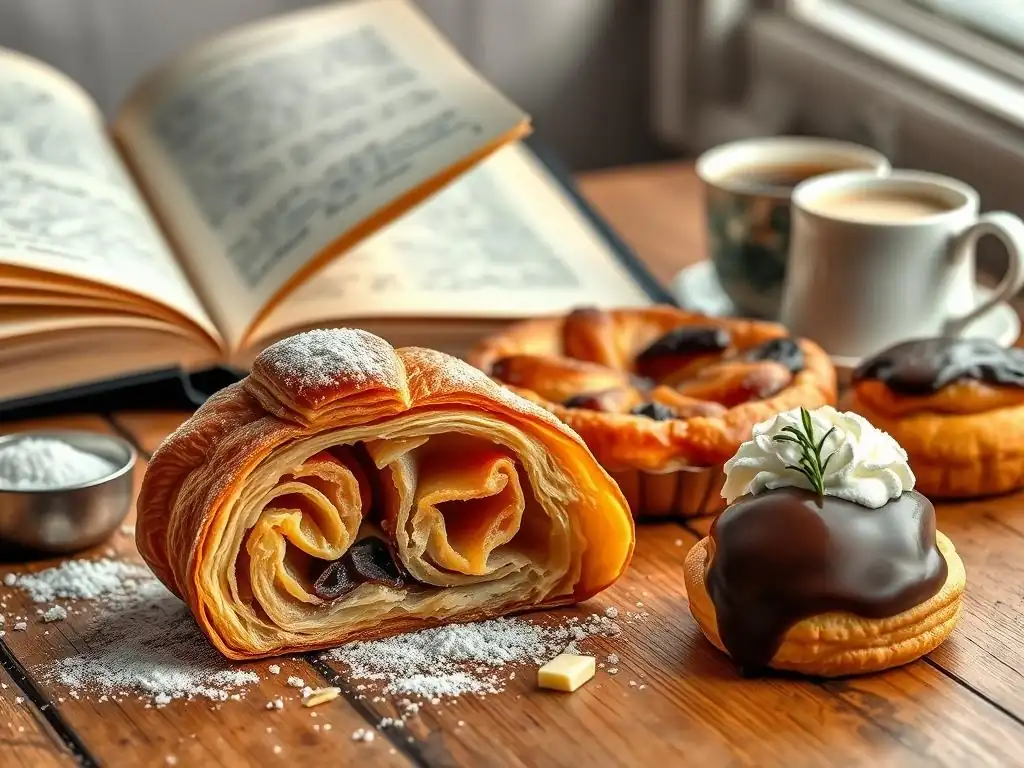
Classic croissants are a prime example of butter's critical role in French pastry. The dough is an enriched yeast dough, and a large block of cold butter (the "beurrage") is enclosed within it. Through a series of rolling and folding steps (typically three "turns"), alternating layers of dough and butter are created. A well-made croissant can have hundreds of layers.
During baking at temperatures around 375-400°F (190-200°C), the water in the butter turns to steam, which forces the dough layers apart, creating the characteristic airy, flaky structure. The melting butter also lubricates the dough layers, preventing them from sticking together. The high fat content (often 25-30% of the final weight) also contributes to the richness and golden-brown crust. The quality and temperature of the butter are paramount for successful lamination.
Pâte Sablée: Achieving a Tender and Crumbly Crust
Pâte sablée, meaning "sandy dough," is a type of sweet shortcrust pastry used for tart shells and cookies. Its name comes from its characteristic crumbly, tender texture, which is achieved through a high ratio of fat (usually butter) and sugar, and minimal gluten development. The method often involves creaming butter and sugar together first, or cutting cold butter into flour and sugar until it resembles coarse sand, before adding liquid.
The high proportion of butter coats the flour particles extensively, significantly inhibiting gluten formation. Sugar also contributes to tenderness and crispness. A typical pâte sablée might use butter at a ratio of 1 part butter to 2 parts flour by weight, alongside a significant amount of sugar. This results in a delicate, crumbly crust that is less prone to shrinking during baking than a flakier dough, perfect for holding delicate fillings.
Financiers: The Importance of Beurre Noisette
Financiers are small, moist almond cakes, often baked in distinctive rectangular molds. A key ingredient that sets them apart is beurre noisette, or browned butter. Butter is gently heated until its water evaporates and the milk solids brown, creating a nutty, complex flavor. This melted, flavored fat is then incorporated into the batter.
Using beurre noisette provides financiers with their signature aroma and moist, slightly dense texture. Unlike creaming butter, using melted fat results in a finer crumb and a richer, almost fudgy texture. The browning process removes the water, resulting in a nearly pure fat that contributes intense flavor and richness without promoting gluten development or creating flakiness. The ratio of butter to flour and almond flour is also relatively high, contributing to the cake's richness and tenderness.
Choux Pastry: The Role of Fat in Puffing
Choux pastry (pâte à choux), used for éclairs, profiteroles, and gougères, is unique because it relies heavily on steam leavening, facilitated by fat and liquid cooked together with flour. The dough is made by cooking butter and water (or milk) with flour to create a thick paste (the "panade"), to which eggs are then added.
The fat (typically butter) in the initial cooking stage helps create a smooth, stable paste. More importantly, during baking at high temperatures (often starting around 400-425°F / 200-220°C), the high moisture content (from the liquid and eggs) rapidly turns to steam. The fat helps to create a tender structure that can expand dramatically as the steam pushes outwards, forming a large hollow cavity inside. The fat also contributes to the golden-brown, crisp exterior.
Conclusion: Mastering Fats for French Pastry Excellence
Key Takeaways for Successful French Baking with Fats
Mastering the art of French pastry requires a deep understanding of how fats behave and the specific roles they play. From creating hundreds of flaky layers in a croissant to ensuring a tender crumb in a tart shell, fat is indispensable. Butter remains the gold standard for classic French techniques due to its unique composition and flavor, but understanding other fats like shortening or lard, or exploring French pastry fat substitution tips for alternatives, can broaden your baking horizons.
Key takeaways include:
- Fats tenderize by inhibiting gluten development.
- Fats contribute to moisture, richness, and mouthfeel.
- Butter's water content is crucial for steam leavening and lamination.
- Different fats have different melting points and textures, impacting the final result.
- Fat substitution requires careful consideration of the substitute's properties and potential recipe adjustments.
- Precise temperature control and gentle handling of fats are vital for preventing issues like separation or greasiness.
By appreciating the science and art behind using fats, you are well on your way to achieving authentic textures and flavors in your French pastry endeavors. Experiment, practice, and enjoy the delicious results!
Frequently Asked Questions
What is the primary role of sugar in French pastries?
Sugar in French pastries serves multiple functions, including providing sweetness, contributing to moisture retention, and aiding in browning during baking.
Can I completely eliminate sugar from French pastry recipes?
Generally, completely eliminating sugar is not recommended. Sugar is crucial for structure and texture. A significant reduction will likely affect the final product negatively.
What are some common sugar substitutes for French pastries?
Common sugar substitutes include honey, maple syrup, and agave nectar. However, these can alter the flavor profile and moisture content of the pastry.
Are there specific types of sugar better suited for French pastries?
Yes, caster sugar (superfine sugar) is often preferred because it dissolves quickly and evenly, contributing to a smooth texture.
What adjustments should I make when substituting sugar in a French pastry recipe?
Consider the moisture content of the substitute. You may need to slightly reduce other liquids. Also, monitor browning closely as some substitutes brown faster than granulated sugar.
Final Reflection: A Sweet Legacy, A Modern Challenge
The delicate balance of sugar in French pastry, a cornerstone of culinary tradition, is facing a modern reckoning. We've explored the multifaceted role of sugar—from its contribution to texture and structure to its impact on flavor and preservation—and how its seemingly simple presence profoundly shapes the iconic pastries we cherish. This isn't just about historical preservation; it's about adapting a beloved art form to the evolving needs and preferences of today's consumers.
The enduring allure of French pastries lies not only in their exquisite taste but also in their cultural significance, a legacy passed down through generations. The subtle nuances of sugar's influence, often overlooked, are integral to this legacy. The art of French pastry is a delicate dance between tradition and innovation,
a sentiment echoed by many master pâtissiers. This dance, however, is now being choreographed with a growing awareness of health concerns and the desire for more sustainable practices, forcing us to reconsider the role of sugar in our recipes. This shift requires creativity, skill, and a deep respect for the original techniques.
Consider the impact of your own choices. Will you continue to embrace the traditional sweetness, or will you explore the exciting possibilities of sugar reduction and substitution? You hold the power to shape the future of French pastry baking. By experimenting with the techniques and alternatives discussed, you can contribute to a more inclusive and mindful approach to this beloved art form, creating delicious pastries that honor tradition while embracing a healthier, more sustainable future. Embrace the challenge, and let your creativity flourish!
Unlock the Secrets of French Pastry: Mastering Sugar's Sweet Science
Thanks for taking the time to explore the fascinating world of sugar in French pastry! You've now gained valuable insights into its crucial role in texture, flavor, and overall success. Ready to put your new knowledge into practice?
- Bake your own masterpiece: Try one of the recipes mentioned in the article, focusing on the precise sugar measurements and their impact on the final product. This is your chance to truly experience the difference!
- Share your baking journey: Post a picture of your creation on social media and tag #BakeWithEase – let's celebrate your baking success together!
- Explore advanced techniques: Dive deeper into the art of French pastry by researching different types of sugar and their unique properties. Discover the world of caramelization and its amazing effects!
So, what delectable French pastry are you eager to create first? Let's hear your plans in the comments below!