
Sticky White Bread Dough? How to Fix It Easily

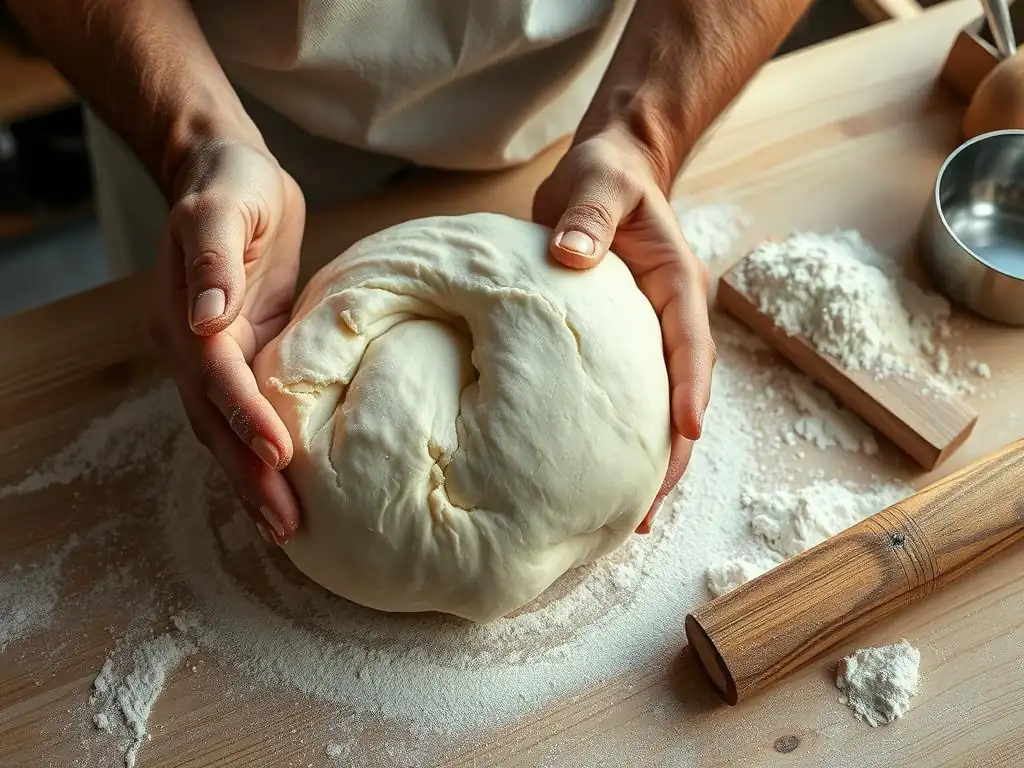
Welcome to BakeWithEase, your guide to confident baking! Ever struggled with a sticky white bread dough that refuses to cooperate? You're not alone! Discover proven techniques to transform that frustrating mess into perfectly workable dough and unlock the secrets to consistently delicious loaves. Let's get baking!
- Sticky White Bread Dough? How to Fix It Easily - BakeWithEase.com
- Understanding Sticky White Bread Dough: A Baker's Guide
- Troubleshooting Sticky White Bread Dough: Proven Solutions
- Preventing Sticky White Bread Dough in the Future
- Advanced Tips for Managing Difficult Dough
- Common Mistakes to Avoid When Fixing Sticky Dough
- Achieving the Perfect White Bread Texture: Beyond Stickiness
- BakeWithEase: Your Resource for Perfect White Bread
-
Frequently Asked Questions
- What are the most common reasons why white bread dough becomes too sticky?
- How can I tell if my white bread dough is too sticky?
- What's the best way to fix sticky white bread dough during the kneading process?
- Is there a difference between sticky dough and a wet dough, and does it matter when fixing it?
- Can I use a stand mixer to fix sticky white bread dough, or is hand-kneading better?
- Final Reflection: The Unexpected Joys of a Perfectly Kneaded Loaf
- Ready to Bake the Perfect Loaf?
Sticky White Bread Dough? How to Fix It Easily - BakeWithEase.com
Understanding Sticky White Bread Dough: A Baker's Guide
Why is My White Bread Dough So Sticky? Common Causes
Encountering sticky white bread dough is a common challenge for bakers, and it often stems from an imbalance in the recipe's ingredients, particularly the flour-to-water ratio. Excessive hydration, meaning too much water relative to the amount of flour used, is a primary culprit. Different flours absorb liquid differently; for instance, an all-purpose flour might absorb less water than a high-gluten bread flour.
If a recipe calls for a specific hydration level designed for bread flour but you use all-purpose, the dough will likely be stickier than intended because the all-purpose flour hasn't absorbed as much liquid. Additionally, variations in humidity can affect how much moisture the flour absorbs from the air before mixing.
Another significant factor contributing to sticky white bread dough is insufficient kneading or underdevelopment of the gluten structure. Kneading is crucial because it aligns the gluten proteins in the flour, creating a strong, elastic network that can hold the dough's shape and trap gasses produced by yeast. If the dough isn't kneaded enough, this network doesn't fully form, leaving the dough weak, slack, and unable to manage its hydration effectively, resulting in that frustrating stickiness. Think of gluten development as building a scaffold; without enough structure, the dough collapses and feels wet.
Identifying the Signs of Overly Sticky Dough
Recognizing overly sticky white bread dough goes beyond just a slight tackiness, which is normal for many doughs. A dough that is excessively sticky will cling stubbornly to your hands, the work surface, and the mixing bowl, making it very difficult to handle or shape. Instead of pulling away cleanly during kneading, it smears and tears, leaving a significant residue on surfaces. You might find yourself constantly scraping it off your fingers or the counter.
Furthermore, overly sticky dough often lacks structure and elasticity. When you try to stretch or pull a piece, it will likely tear easily rather than stretching thinly like a windowpane. It might feel heavy and wet rather than light and pliable. While some doughs, like ciabatta or focaccia, are intentionally high in hydration and require specific handling techniques, a standard white bread dough recipe that results in this level of stickiness usually indicates an issue that needs addressing to achieve a manageable dough for shaping and a good final crumb structure.
Troubleshooting Sticky White Bread Dough: Proven Solutions
Solution 1: Adding Flour Gradually to Correct Dough Stickiness
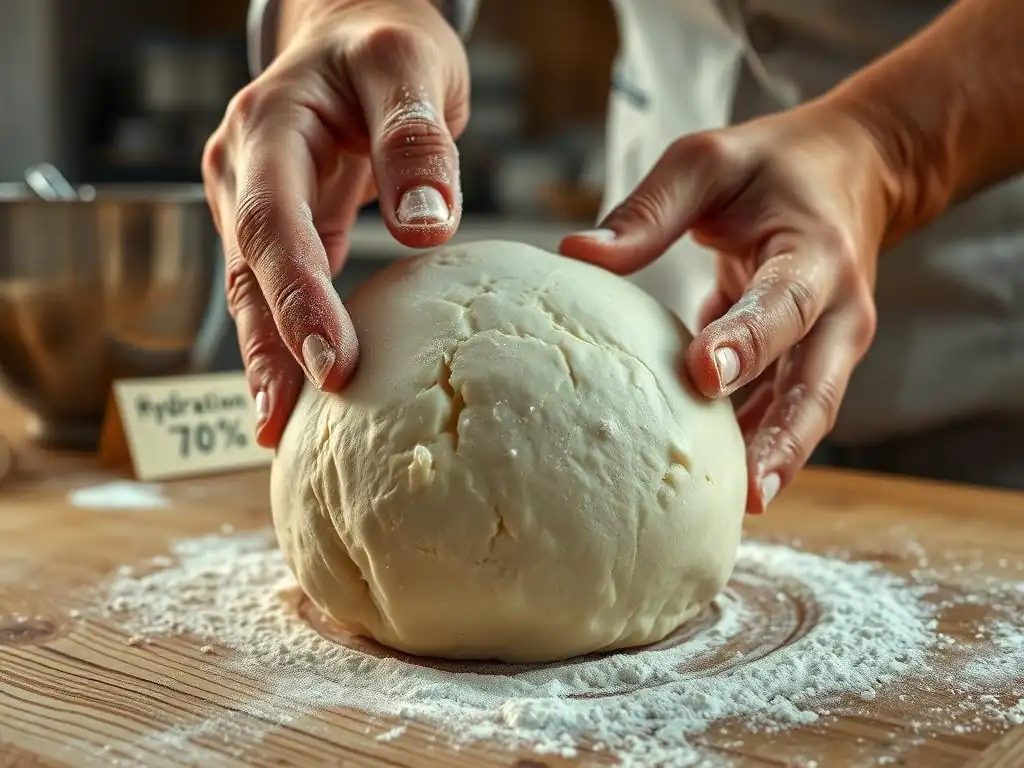
When faced with sticky white bread dough, the most straightforward approach is to incorporate a little more flour. However, the key is doing this gradually and judiciously. Adding too much flour at once can quickly turn a sticky dough into a stiff, dry one, which is equally problematic. Begin by adding just a tablespoon or two of the same type of flour used in the original recipe. Gently work this flour into the dough, either by folding, kneading, or using a dough scraper. Observe how the dough's texture changes. Does it become less sticky and easier to handle?
Continue adding flour, one tablespoon at a time, only as needed. Knead or mix briefly after each addition to allow the flour to hydrate and integrate before deciding if more is necessary. The goal is to reach a point where the dough is still slightly tacky (most bread doughs are), but it no longer clings excessively to your hands or the work surface. This iterative process ensures you don't overshoot and end up with a dry, tough loaf. It's a precise adjustment to achieve the desired sticky white bread dough fix.
How Much Flour to Add to Sticky Dough? A Precise Guide
Determining the exact amount of flour needed for a sticky white bread dough fix is more of an art guided by feel than a strict measurement, as it depends on the dough's initial state and the flour's absorption rate. However, a good starting point is to add flour in small increments, typically 1 to 2 tablespoons at a time.
For a batch using around 500 grams of flour initially, you might need to add anywhere from 10 to 50 grams (approximately 2 to 10 tablespoons) in total to correct significant stickiness. It's rare to need more than 10% of the original flour weight in additional flour for a standard white bread recipe unless there was a major measurement error initially.
Pay close attention to the dough's behavior after each addition. If it starts to pull away from the sides of the bowl or your hands more cleanly, you're on the right track. Stop adding flour as soon as the dough is manageable, even if it retains a slight tackiness. Over-flouring is a common mistake that leads to dense bread. The objective is to adjust the hydration just enough to make the sticky white bread dough workable, not to make it completely dry.
The Importance of Adding Flour Incrementally
Adding flour incrementally is crucial because it gives you control and prevents over-correction. Flour absorbs liquid over time, and adding a large amount at once might seem to work initially, but as it continues to hydrate, the dough could become too dry and stiff later in the process. By adding just a little at a time and working it in, you allow the flour to absorb moisture and see the true effect on the dough's consistency before adding more. This prevents you from adding excess flour out of panic over the initial stickiness.
This gradual approach also helps maintain the intended balance of ingredients as much as possible. While adding flour does change the original recipe's ratio, doing it incrementally minimizes the deviation. It allows the gluten structure, which is developing through kneading, to incorporate the new flour smoothly. Rushing this process by dumping in a large amount of flour can shock the dough, potentially inhibiting proper gluten development and resulting in a less desirable texture in the final baked bread.
Solution 2: Kneading Techniques to Develop Dough Strength and Reduce Stickiness
Proper kneading is fundamental to developing the gluten network in white bread dough, which in turn helps manage stickiness. A well-kneaded dough is elastic, smooth, and less sticky because the gluten strands are aligned, creating a strong structure that holds the dough together and handles its hydration efficiently. If your dough is sticky, it might simply need more kneading.
Continue kneading until the dough becomes less sticky and passes the windowpane test (more on this later). Machine kneading might take 8-10 minutes, while hand kneading could require 15-20 minutes or even longer, depending on your technique and the dough's initial state.
Using effective kneading techniques can also help manage sticky white bread dough without immediately resorting to adding more flour. Techniques designed for higher hydration doughs can be particularly useful. These methods minimize contact time between your hands and the sticky surface, allowing the dough to develop strength through stretching and folding rather than aggressive pushing. This development is key to a successful sticky white bread dough fix.
Mastering the Slap and Fold Method for Sticky Dough
The slap and fold method is a highly effective technique for handling and developing sticky white bread dough without adding excessive flour. This method involves picking up the dough, slapping it onto a clean, unfloured surface, stretching it out, and folding it back onto itself before repeating the process. The action of slapping and folding aerates the dough and encourages rapid gluten development by aligning the protein strands through stretching.
To perform the slap and fold, gather the sticky dough with both hands. Lift it, slap it down on your clean counter, stretch it away from you with one hand while holding the edge with the other, and then fold the stretched part back over the main mass. Repeat this motion rhythmically. As you continue, the dough will gradually become less sticky, more elastic, and easier to handle, often within 10-15 minutes of active slapping and folding. This method is a fantastic way to address sticky white bread dough issues through mechanical gluten development.
Autolyse: A Powerful Technique to Improve Dough Handling
Autolyse is a simple yet powerful technique that can significantly improve the handling of white bread dough, including reducing initial stickiness and making it easier to knead. It involves mixing just the flour and water from the recipe and letting the mixture rest for 20 minutes to an hour (or even longer). During this rest period, the flour fully hydrates, and enzymatic activity begins to break down starches into sugars and allows gluten development to start without any kneading.
After the autolyse period, the dough will feel more cohesive and less sticky, even before you add the yeast and salt and begin kneading. The initial hydration is more evenly distributed, and the gluten network has started to form, making the subsequent kneading process much more efficient and less messy when dealing with potentially sticky white bread dough. Incorporating autolyse can be a proactive step to prevent excessive stickiness from the outset or a helpful aid when troubleshooting.
Solution 3: Adjusting Hydration Levels for Better Dough Consistency
Understanding and controlling the hydration level is fundamental to managing sticky white bread dough. Hydration refers to the ratio of water to flour in a recipe, usually expressed as a percentage (e.g., 60% hydration means 60g of water for every 100g of flour). Different types of bread require different hydration levels, but for a standard white bread, hydration typically falls between 60% and 70%.
A dough with hydration above 70% is considered high-hydration and will naturally be stickier, requiring different handling. If your recipe is intended for a lower hydration but results in sticky dough, it suggests the effective hydration is too high for the flour used or the intended method.
Adjusting hydration involves either adding more flour (as discussed in Solution 1) or using slightly less water in future batches. For a sticky white bread dough fix in the current batch, adding flour is the only option. For future loaves, consider slightly reducing the amount of water by 5-10% in the recipe.
For instance, if your recipe calls for 300g of water for 500g of flour (60% hydration) and the dough is consistently too sticky, try reducing the water to 270g or 285g (54% to 57% hydration) in the next attempt. This small adjustment can make a significant difference in dough consistency and manageability, addressing the root cause of sticky white bread dough.
Understanding the Role of Water in White Bread Dough
Water plays a critical role in white bread dough, far beyond just moistening the flour. It is the solvent that activates the yeast, allowing it to produce the carbon dioxide gas that makes the bread rise. Crucially, water allows the gluten-forming proteins (glutenin and gliadin) in the flour to hydrate and develop into the elastic gluten network during kneading. This network provides the structure that traps the gas, giving the bread its volume and texture. Water also impacts the dough's temperature, which affects fermentation speed, and it contributes to the crust development during baking.
However, there's a delicate balance. Too little water results in a dry, stiff dough that is difficult to knead, rises poorly, and produces dense, crumbly bread. Too much water, on the other hand, leads to sticky white bread dough that is hard to handle, spreads excessively, and can result in a dense, gummy interior or an uneven crumb structure. The amount of water needs to be just right for the specific flour used and the desired outcome.
Reducing Hydration: A Step-by-Step Approach
If you consistently struggle with sticky white bread dough using a particular recipe, consider slightly reducing the hydration for future batches. Start by analyzing the recipe's original hydration percentage. If it's already below 65% and still sticky, it might indicate an issue with your flour or measurement accuracy. Assuming the recipe isn't exceptionally high in hydration, try reducing the water by a small percentage, say 3-5%.
For example, if a recipe uses 500g flour and 325g water (65% hydration), try reducing the water to about 310g-315g (62-63% hydration) in the next attempt. Measure your ingredients precisely using a kitchen scale. Mix the dough as usual and observe its consistency. If it's still a little sticky but manageable, you've likely found a better balance. If it's now too stiff, you know to add back a little water next time. This iterative process of slightly adjusting hydration in subsequent bakes is an effective long-term sticky white bread dough fix.
Preventing Sticky White Bread Dough in the Future
Measuring Ingredients Accurately for Consistent Results
Accurate ingredient measurement is perhaps the single most important factor in preventing sticky white bread dough and ensuring consistent baking results. Baking is a science, and the ratios matter. Relying on volume measurements (cups and spoons) is notoriously inaccurate because flour can be packed down differently, leading to significant variations in the actual amount used. For instance, scooping flour directly from the bag with a cup can result in using 20-30% more flour by weight than spooning it lightly into the cup.
Using a digital kitchen scale to weigh your ingredients, especially flour and water, is highly recommended. This ensures you are using the exact amounts specified in the recipe, leading to the correct hydration level and a dough with the intended consistency. Weighing flour is particularly crucial for preventing sticky white bread dough caused by inaccurate flour measurements relative to the water. A scale provides reliability that volume measurements simply cannot match.
Choosing the Right Flour for Your White Bread Recipe
The type of flour you use significantly impacts the dough's hydration needs and overall texture. Most white bread recipes call for bread flour, which has a higher protein content (typically 12-14%) compared to all-purpose flour (around 10-12%). This higher protein level means bread flour can absorb more water and develop a stronger gluten network, resulting in a dough that is easier to handle and less prone to excessive stickiness when properly hydrated.
If you substitute all-purpose flour for bread flour in a recipe designed for bread flour, the dough will likely be stickier because all-purpose flour absorbs less water. It may also require more kneading to develop sufficient strength. To avoid sticky white bread dough, ensure you are using the flour specified in the recipe. If substituting, be prepared to adjust the hydration level slightly or use techniques suitable for weaker doughs.
The Impact of Protein Content on Dough Texture
The protein content in flour directly influences its ability to form gluten when mixed with water. Gluten is the network that gives bread dough its elasticity and structure. Flours with higher protein content, like bread flour, develop a stronger, more robust gluten network. This strong network is better at trapping gases produced by yeast, leading to a well-risen loaf with a desirable chewy texture. It also makes the dough more manageable and less likely to feel excessively sticky, provided the hydration is appropriate.
Conversely, flours with lower protein content, such as cake flour (around 7-9% protein), form weaker gluten networks. Dough made with low-protein flour will be softer, less elastic, and more prone to stickiness at lower hydration levels than bread flour. While great for tender cakes, low-protein flour is not suitable for standard white bread that requires significant structure. Understanding the protein content helps you predict how a dough will behave and is key to preventing sticky white bread dough by selecting the right flour.
Controlling Temperature During Fermentation
Temperature plays a vital role in the fermentation process, and while not a direct cause of initial stickiness, it can affect dough handling throughout the process. Warmer temperatures speed up yeast activity and enzyme action. While faster fermentation isn't inherently bad, rapid rises can sometimes make dough more fragile and slightly more prone to tearing or feeling slack, which can be perceived as stickiness, especially if the gluten wasn't fully developed initially.
Maintaining a consistent, moderate temperature (typically between 70°F and 80°F or 21°C and 27°C) for bulk fermentation and proofing is ideal for white bread. Extreme temperatures can affect the dough's texture and handling. If your kitchen is very warm, your dough might ferment faster than anticipated and feel looser. If it's very cold, fermentation will be slow, and the dough might feel stiffer initially but could still become sticky later if handling techniques aren't adjusted. Controlling temperature helps ensure predictable dough development and consistency, aiding in managing sticky white bread dough.
Advanced Tips for Managing Difficult Dough
Working with High-Hydration White Bread Dough
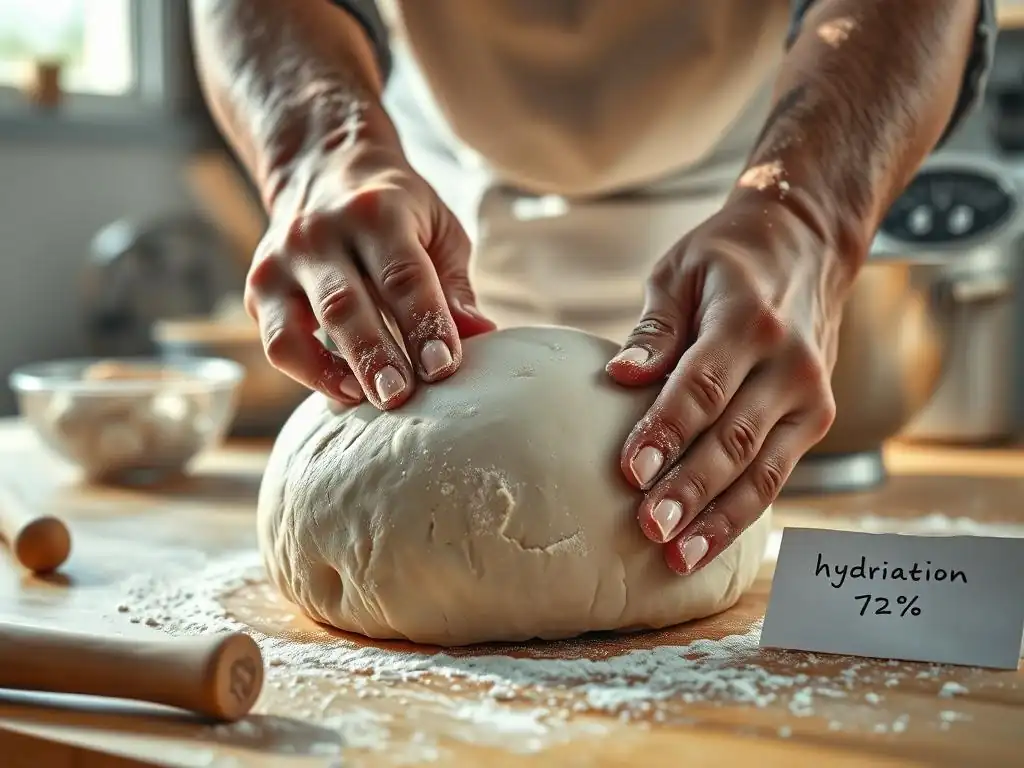
Some white bread recipes, like those for ciabatta or certain artisan loaves, intentionally use high hydration levels (75% water or more relative to flour). These doughs are inherently sticky and cannot be handled like lower-hydration doughs. The key to success here is accepting the stickiness and employing techniques that minimize direct hand contact and leverage the dough's wetness for a desired open crumb structure. Avoid adding excessive flour, as this defeats the purpose of high hydration.
Techniques like the slap and fold method (discussed earlier), stretch and folds performed in the bowl with wet hands or a dough scraper, and using ample water or oil on your hands and surfaces are essential. These doughs are often kneaded less conventionally, relying more on time (autolyse and long fermentation) and gentle handling to develop gluten. Learning to work with, rather than fight against, the stickiness is the advanced sticky white bread dough fix for these recipes.
Dealing with Sticky Dough in Different Baking Environments
Environmental factors like humidity and altitude can impact how dough behaves, affecting its stickiness. In high humidity environments, flour can absorb more moisture from the air, effectively increasing the hydration level of your dough even if your measurements are precise. This can result in sticky white bread dough. Conversely, in very dry environments or high altitudes, flour might be drier, requiring slightly more liquid.
If you consistently bake in a high-humidity climate and struggle with sticky dough, you might need to slightly reduce the water in your recipes or be prepared to add a little extra flour during kneading. Pay attention to how the dough feels rather than strictly adhering to the recipe if environmental factors are at play. Adapting your technique based on the feel of the dough and your local environment is a crucial skill for consistently achieving a good sticky white bread dough fix.
Common Mistakes to Avoid When Fixing Sticky Dough
Over-Flouring: The Pitfalls and How to Avoid Them
One of the most common mistakes when trying to fix sticky white bread dough is adding too much flour. While adding flour is a valid solution, overdoing it can quickly ruin the dough. Excess flour results in a stiff, dry dough that is difficult to knead, lacks elasticity, and will produce dense, heavy bread with a dry, crumbly texture. This is the opposite of the light, airy texture desired for white bread.
To avoid over-flouring, always add flour gradually, one or two tablespoons at a time. Work it in and assess the dough's consistency before adding more. Stop adding flour as soon as the dough is manageable, even if it's still slightly tacky. Trust the process; the dough doesn't need to be completely non-sticky. Learning to recognize the point where the dough is just right is key to a successful sticky white bread dough fix without creating new problems.
Rushing the Kneading Process
Another mistake is giving up on kneading too soon when the dough feels sticky. Under-kneaded dough hasn't developed sufficient gluten structure to handle its hydration, making it sticky and difficult to work with. While adding flour can help, often the dough simply needs more time and proper technique to build strength.
Resist the urge to dump in flour just because the dough is sticky initially. Continue kneading, using techniques like slap and fold if necessary. As the gluten develops, the dough will naturally become less sticky and more elastic. Be patient and knead until the dough is smooth, pliable, and passes the windowpane test. Adequate kneading is a fundamental sticky white bread dough fix.
Achieving the Perfect White Bread Texture: Beyond Stickiness
Judging Dough Readiness: The Windowpane Test
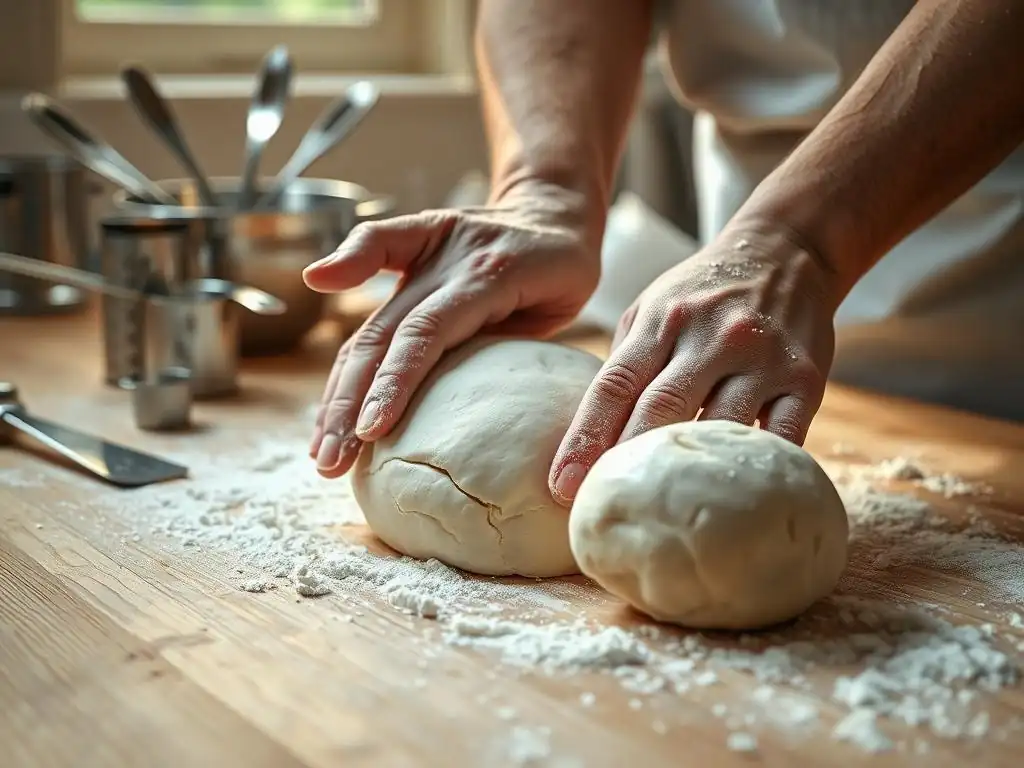
The windowpane test is an excellent indicator of sufficient gluten development and dough readiness, helping you know when your sticky white bread dough fix has been successful through kneading. To perform the test, gently take a small piece of dough (about the size of a golf ball) and carefully stretch it out between your fingers.
If the dough is well-kneaded, you should be able to stretch it into a thin, translucent membrane without it tearing. You should be able to see light passing through it, much like a windowpane. If the dough tears easily before it stretches thin, it needs more kneading. Achieving this stage means the gluten network is strong enough to support the dough and contribute to a good crumb structure, moving you beyond the initial sticky white bread dough problem.
Proper Shaping Techniques for a Smooth Loaf
Even after achieving a non-sticky, well-developed dough, proper shaping is crucial for a smooth loaf and even rise. Shaping helps create tension on the surface of the dough, which provides structure and prevents the loaf from spreading too much during proofing and baking. This tension also contributes to a smooth crust.
Techniques vary depending on the desired loaf shape (batard, boule, pan loaf), but generally involve degassing the dough gently, folding it onto itself to build layers, and then creating surface tension by pulling the dough taut against itself or the work surface. Using a bench scraper can be helpful for sticky white bread dough, even after correction. A well-shaped loaf holds its form, rises predictably, and contributes to the final texture and appearance, showcasing the success of your sticky white bread dough fix efforts.
BakeWithEase: Your Resource for Perfect White Bread
Baking perfect white bread is a rewarding experience, and while sticky dough can be a hurdle, it's one that can be easily overcome with the right knowledge and techniques. At BakeWithEase.com, we're dedicated to helping you master every step of the bread-making process, from understanding your ingredients to troubleshooting common issues like sticky white bread dough.
We offer a wealth of resources designed for bakers of all levels. Whether you're a beginner tackling your first loaf or looking to perfect your technique, our step-by-step guides, detailed explanations, and tested recipes provide the support you need. Don't let sticky dough discourage you; see it as part of the learning journey. With the strategies outlined here and the resources available on our site, you're well on your way to consistently baking beautiful, delicious white bread.
Explore More White Bread Baking Guides and Recipes
Ready to dive deeper into the world of white bread baking? BakeWithEase.com has extensive guides covering everything from the basics of yeast and flour to advanced shaping techniques and troubleshooting. Learn about different types of white bread, explore recipes ranging from simple sandwich loaves to crusty baguettes, and find tips to improve your baking process.
Our collection includes articles on understanding fermentation, achieving a perfect crust, and, of course, preventing and fixing challenges like sticky white bread dough. Each guide is designed to be clear, friendly, and informative, empowering you to bake with confidence and achieve fantastic results in your kitchen. Continue your baking journey with us and unlock the secrets to perfect white bread.
Frequently Asked Questions
What are the most common reasons why white bread dough becomes too sticky?
The most frequent causes include using too much water in the recipe, not kneading the dough for long enough to develop sufficient gluten, or using incorrect flour.
How can I tell if my white bread dough is too sticky?
A dough is excessively sticky if it clings to your hands and the work surface persistently, making it difficult to shape and unmanageable to work with. It should be somewhat tacky, but not stick so badly that it's impossible to handle.
What's the best way to fix sticky white bread dough during the kneading process?
Gradually add small amounts of flour, about a tablespoon at a time, while continuing to knead. Allow the flour to fully incorporate before adding more and until the dough's texture improves.
Is there a difference between sticky dough and a wet dough, and does it matter when fixing it?
Yes, there's a subtle difference. A wet dough has a high hydration level, but might still be manageable. Sticky dough aggressively clings. However, the fix is similar: gradually add flour, but be especially cautious with a wet dough to avoid drying it out too much.
Can I use a stand mixer to fix sticky white bread dough, or is hand-kneading better?
A stand mixer is perfectly fine! It can actually be easier, as it allows for hands-free addition of flour. Just add the flour gradually while the mixer is running on a low speed, monitoring the dough's consistency until it reaches the desired texture.
Final Reflection: The Unexpected Joys of a Perfectly Kneaded Loaf
The struggle with sticky white bread dough is a universal baking experience, a testament to the delicate balance between science and art in the kitchen. It's more than just a minor inconvenience; it's a hurdle that can derail even the most experienced bakers, leaving behind a frustrating mess and a deflated sense of accomplishment. But mastering this challenge unlocks a deeper appreciation for the process and the rewarding outcome.
The seemingly simple act of bread making reflects a larger cultural narrative – the pursuit of perfection, the acceptance of imperfection, and the ultimate satisfaction of creating something nourishing and delicious from humble ingredients. Bread is the staff of life,
a common saying reminds us of its fundamental importance throughout history and across cultures. My own experiences with sticky dough have taught me patience, the importance of precise measurements, and the surprising resilience of flour and water when properly combined. The lessons extend beyond the kitchen, reminding me that even in the face of setbacks, perseverance can lead to unexpected rewards.
So, the next time you find yourself wrestling with a stubbornly sticky dough, remember this: it's not a failure, but an opportunity. Take a deep breath, add a little more flour (or water, as needed!), and embrace the process. The journey to a perfectly risen, golden-brown loaf is a rewarding one, filled with lessons in patience, precision, and the simple joy of creating something delicious with your own hands. The perfectly kneaded loaf awaits – and so does the satisfaction of conquering the sticky dough.
Ready to Bake the Perfect Loaf?
Thanks for taking the time to learn how to rescue your sticky bread dough! We hope you feel more confident tackling those baking challenges now. Ready to put your new skills to the test?
- Try the fix: Put your knowledge into action and see how much easier it is to work with your dough now!
- Share your success (or failures!): Let's build a supportive baking community. Share your experience – and any questions – in the comments below! We’d love to hear your baking journey!
- Experiment with different flours: Discover which flour works best for your climate and recipes. Explore the world of baking!
What other baking mysteries are you ready to solve today?