
The Sticky Truth: Working with Liquid Sweeteners in Doughs and Batters

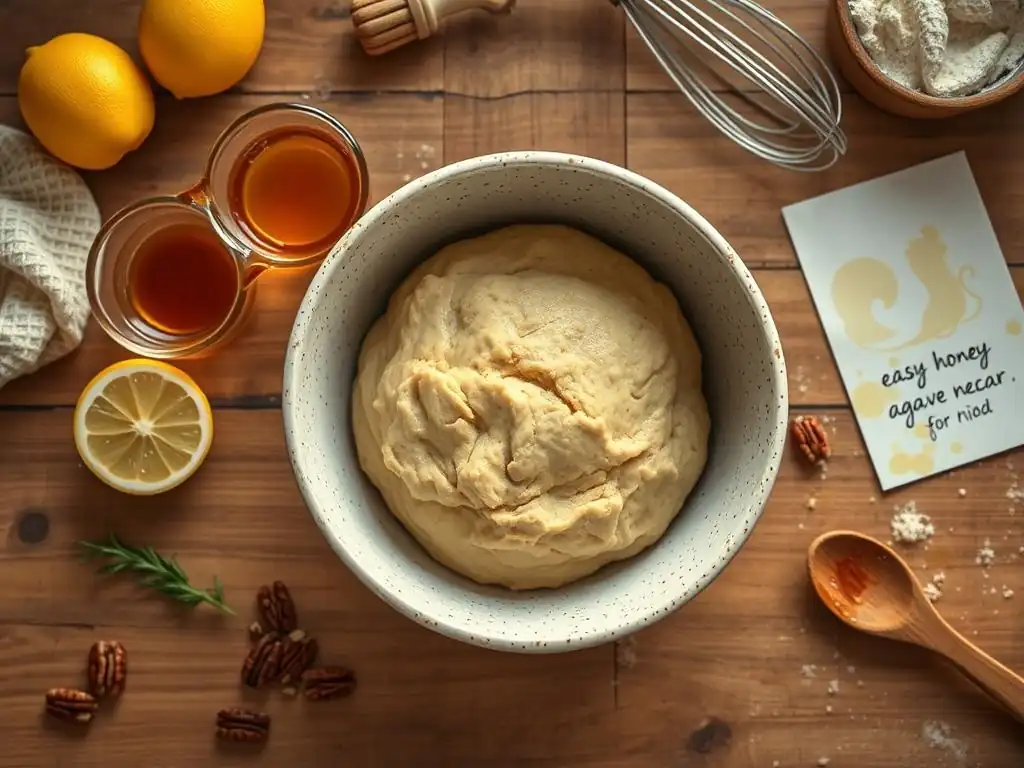
Welcome to BakeWithEase, your companion on the delicious journey of baking! Ever wondered how liquid sweeteners can transform your doughs and batters? This article dives into the sticky truth, offering easy liquid sweetener dough recipes and expert tips to elevate your baking game. Prepare to unlock a world of flavor and texture possibilities – let's get baking!
Baking is a delightful blend of art and science, and while granulated sugar is a staple, exploring liquid sweeteners opens up a world of new flavors and textures. Whether you're aiming for a chewier cookie or a more tender loaf, understanding how honey, maple syrup, molasses, and corn syrup interact with flour and other ingredients is key to unlocking delicious, easy liquid sweetener dough recipes.
These sticky alternatives bring unique properties that can transform your baked goods, adding moisture, complex flavors, and distinct characteristics that granulated sugar simply can't provide. Mastering their use is a valuable skill for any home baker looking to expand their repertoire beyond traditional methods.
Working with liquid sweeteners can seem daunting at first because of their different composition compared to crystalline sugar. They introduce moisture and often have a higher proportion of fructose and glucose, which affects browning and sweetness perception. Unlike granulated sugar, which is almost pure sucrose and contains virtually no water, liquid sweeteners like honey (around 17-20% water), maple syrup (around 32-34% water), and molasses (around 22-25% water) significantly contribute to the overall hydration of your dough or batter.
This moisture content is a critical factor that requires adjustments in your standard recipes to achieve the desired consistency and structure. Embracing these differences is the first step toward creating successful and flavorful bakes.
- Decoding Liquid Sweetener Dough Recipes
- Liquid Sweetener Dough Recipes: Examples and Applications
- Troubleshooting Common Problems with Liquid Sweeteners in Doughs
- Maximizing Flavor and Texture: Advanced Tips for Baking with Liquid Sweeteners
- Conclusion: Embrace the Versatility of Liquid Sweeteners in Your Baking
-
Frequently Asked Questions
- What are the advantages of using liquid sweeteners in dough recipes?
- How do liquid sweeteners affect the browning of baked goods?
- Can I substitute liquid sweeteners directly for granulated sugar in any dough recipe?
- What are some easy dough recipes that work well with liquid sweeteners?
- How do I measure liquid sweeteners accurately for dough recipes?
- Final Reflection: The Sweet Science of Simple Baking
- Unlock Your Baking Potential: Mastering Liquid Sweeteners!
Decoding Liquid Sweetener Dough Recipes
Understanding Liquid Sweeteners: A Baker's Guide
Liquid sweeteners are more than just sugary syrups; they are complex ingredients that bring unique characteristics to baking. Honey, for instance, contains enzymes and minerals that can influence the texture and keeping quality of baked goods, often making them more tender and extending their shelf life due to its hygroscopic nature (ability to attract and retain moisture). Maple syrup offers a distinct earthy flavor and a slightly less intense sweetness than honey, making it ideal for certain flavor profiles.
Molasses provides deep, caramelized notes and adds significant color and chewiness, particularly prized in dark breads and cookies. Corn syrup, often used in combination with other sugars, helps prevent crystallization and adds a smooth texture, commonly found in glazes and candies, but can also be used in small amounts in doughs for tenderness.
The presence of water and different sugar types (like fructose and glucose, which are more prevalent in honey and maple syrup than sucrose) fundamentally alters the behavior of doughs and batters. This increased moisture affects gluten development – doughs made with liquid sweeteners may feel stickier and develop gluten differently than those made solely with granulated sugar. The higher proportion of simple sugars also leads to faster and more pronounced browning during baking through the Maillard reaction and caramelization.
This means you might need to adjust baking times or temperatures to prevent the outside from burning before the inside is cooked through. Understanding these fundamental differences is crucial for successfully adapting or creating easy liquid sweetener dough recipes.
Step 1: Choosing the Right Liquid Sweetener for Your Dough
Choosing the right liquid sweetener depends heavily on the desired flavor, texture, and color of your final product.
- Honey: Often provides a pleasant floral or earthy flavor depending on the source (clover, wild-flower, etc.). Its high fructose content makes baked goods moist and helps them stay fresh longer. It's excellent in breads, muffins, and cakes. Consider using a lighter honey for a subtle sweetness or a darker, raw honey for more pronounced flavor.
- Maple Syrup: Adds a distinctive, warm, and slightly woody flavor. It pairs beautifully with spices, nuts, and fruits. It's fantastic in pancakes, waffles, and can be a great sugar substitute in quick breads or certain cookies. For baking, Grade A Dark Color Robust Taste (formerly Grade B) maple syrup is often preferred for its stronger flavor.
- Molasses: Ranges from light to blackstrap. Light molasses is sweet and mild, while blackstrap is very dark, less sweet, and has a strong, slightly bitter flavor with mineral notes. It adds deep color and chewiness, essential for gingerbread, rye bread, and certain cookies. Blackstrap molasses is particularly rich in iron and calcium, though its intense flavor means it's often used in smaller quantities or blended.
- Corn Syrup: Primarily used for its texture benefits rather than flavor (light corn syrup is very mild, dark corn syrup contains molasses for color and flavor). It prevents sugar crystallization, making it useful in glazes, candies, and sometimes added to bread doughs for softness. It's less common as the sole sweetener in easy liquid sweetener dough recipes.
Consider the impact each sweetener has beyond just sweetness. Honey's acidity can sometimes affect leavening agents like baking soda. Molasses contributes significant minerals which can interact with other ingredients. Maple syrup's unique composition affects its viscosity and how it incorporates into batters. Thinking about how these properties align with your baking goals is the first step in selecting the best liquid sweetener for your project. For example, a simple loaf of whole wheat bread benefits greatly from honey's moisture retention, while classic gingerbread requires the unique flavor and chewiness provided by molasses.
Step 2: Adjusting Hydration Levels: The Key to Success
When substituting liquid sweeteners for granulated sugar in doughs, you must account for the liquid they introduce. Granulated sugar is a solid and does not add moisture (except for a tiny bit absorbed from the air). Liquid sweeteners, however, contain a significant percentage of water.
- Calculating the Liquid Content of Your Sweetener: A Simple Formula - A good rule of thumb is to consider liquid sweeteners as roughly 20-35% water by weight. Honey is typically around 17-20% water, maple syrup 32-34%, and molasses 22-25%. If a recipe calls for 100g of sugar and you replace it with 100g of honey, you've added about 17-20g of water to your dough.
- Reducing Other Liquids in Your Recipe: Milk, Water, or Eggs - To maintain the correct hydration balance, you should reduce the amount of other liquids (water, milk, eggs, etc.) in the recipe by approximately the amount of water you've added via the liquid sweetener. For example, if replacing 100g sugar with 100g honey (adding ~18g water), you would reduce the other liquid by about 18g.
- Example: Converting a Bread Recipe from Sugar to Honey - Let's say a standard white bread recipe uses 500g flour, 300g water, and 30g granulated sugar. If you want to use honey instead, you might use 30g of honey. Honey is roughly 18% water, so 30g of honey contains about 5.4g of water (30 * 0.18). To compensate, you would reduce the water from 300g to approximately 294.6g (300 - 5.4g). You might also slightly reduce the total weight of the sweetener, as honey is often perceived as sweeter than sugar by weight due to its fructose content, perhaps using 25g of honey instead of 30g sugar, which would add about 4.5g of water, requiring a reduction in other liquid by that amount.
This adjustment is crucial for achieving the correct dough consistency. Too much liquid will result in a sticky, unmanageable dough that spreads too much, while too little will result in a dry, dense product. Start with approximations and be prepared to make slight adjustments based on the dough's feel, as flour absorption varies. For easy liquid sweetener dough recipes, paying close attention to the initial hydration is paramount.
Step 3: Mixing and Kneading Doughs with Liquid Sweeteners
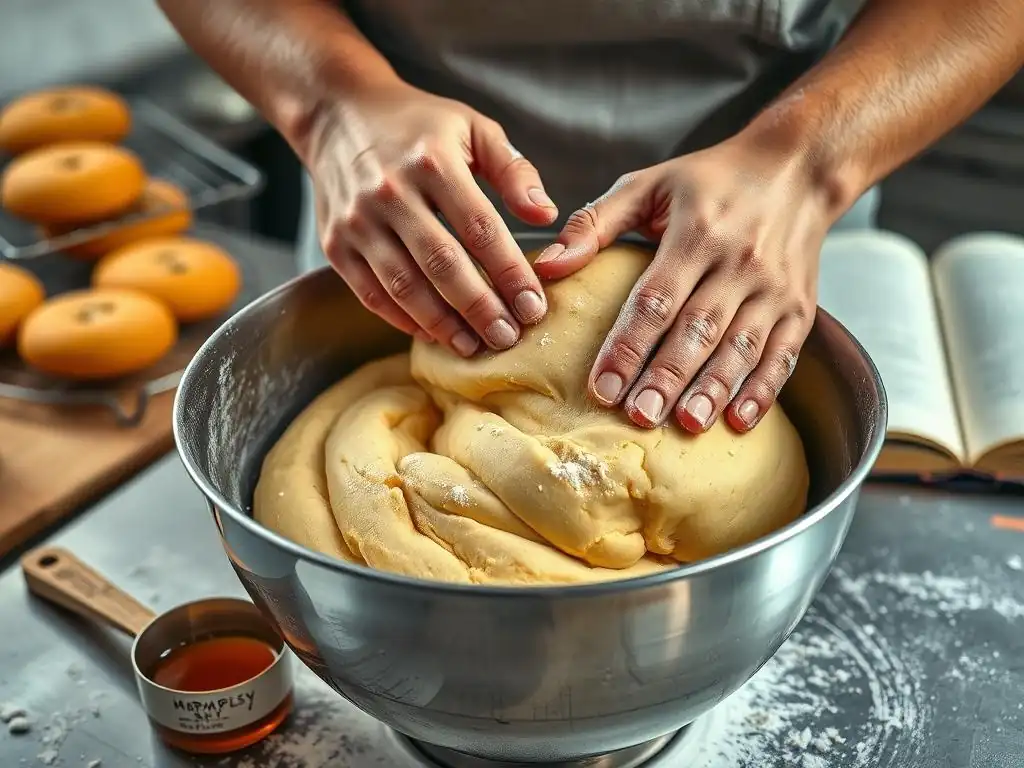
Doughs made with liquid sweeteners, especially honey or maple syrup, tend to be stickier than those made with granulated sugar. This is due to the added moisture and the nature of the sugars themselves, which attract water.
Tips for Incorporating Liquid Sweeteners Evenly: Add liquid sweeteners along with other wet ingredients. For yeast doughs, ensure the sweetener is fully dissolved in the liquid (water or milk) before adding it to the flour and yeast. This helps distribute it evenly and ensures the yeast has access to the sugars for fermentation. In batters, simply whisk or beat it in with the other wet ingredients until fully combined.
Kneading Techniques for Sticky Doughs: Using a Stand Mixer vs. Hand Kneading - A stand mixer with a dough hook is often the easiest way to handle sticky doughs. The machine does the hard work, allowing the gluten to develop without the dough constantly sticking to your hands. Knead on a medium speed for the time recommended in your recipe (often 8-12 minutes for yeast doughs). If kneading by hand, resist the urge to add excessive amounts of flour.
Instead, try lightly wetting your hands or using a bench scraper to manage the dough. Use a stretch-and-fold technique on a lightly oiled surface rather than a heavily floured one. This allows gluten development while minimizing added dry flour, which can change the hydration balance you carefully adjusted in Step 2.
Step 4: Baking and Cooling: Achieving the Perfect Texture
Liquid sweeteners significantly impact how baked goods brown due to the presence of reducing sugars like fructose and glucose. These sugars participate readily in the Maillard reaction, leading to faster and darker browning at lower temperatures than sucrose.
Baking Time Adjustments: Liquid Sweeteners Can Affect Browning - Because of this accelerated browning, you may need to lower your oven temperature slightly (e.g., by 15-25°F or 10-15°C) or reduce the baking time. Keep a close eye on your baked goods; they might look done on the outside before the inside is fully cooked. For loaves or muffins, you might need to tent the top with foil partway through baking to prevent the crust from burning while the interior finishes cooking. For cookies, they might spread slightly more or brown more quickly around the edges.
Cooling Techniques to Prevent Stickiness - Proper cooling is essential, especially for items like cakes or quick breads made with liquid sweeteners, which can sometimes have a slightly sticky exterior due to their moisture-retaining properties. Always cool baked goods on a wire rack. This allows air to circulate freely around all sides, preventing condensation from forming on the bottom, which can make it gummy or sticky. For items like cookies, allow them to cool for a few minutes on the baking sheet before transferring them to a wire rack to firm up. Ensure they are completely cool before storing.
Liquid Sweetener Dough Recipes: Examples and Applications
Here are a few examples illustrating how liquid sweeteners can be used in easy dough recipes.
Honey-Sweetened Whole Wheat Bread Recipe: A Healthy and Delicious Option
Using honey in whole wheat bread adds moisture, a subtle sweetness that complements the nutty flavor of the wheat, and helps keep the loaf soft and fresh longer.
Recipe Ingredients (Illustrative, adjust based on specific flour):
- Whole wheat flour
- Active dry yeast
- Warm water (adjusted for honey moisture)
- Honey
- Salt
- A little oil or butter
Instructions (Simplified):
- Activate yeast in warm water with a pinch of honey.
- Combine flour, salt, and remaining honey in a bowl.
- Add the yeast mixture and oil/butter.
- Mix until a shaggy dough forms, adjusting with tiny amounts of flour or water as needed (remembering the honey adds liquid).
- Knead until smooth and elastic (will be slightly stickier than a white flour dough).
- Proof in a greased bowl until doubled (honey can sometimes speed this up).
- Shape into a loaf and proof again.
- Bake at a slightly reduced temperature (e.g., 375°F/190°C) until golden brown and hollow-sounding when tapped.
Troubleshooting Common Issues: Dough Too Sticky, Bread Too Dense - If your dough is excessively sticky after kneading, add flour one tablespoon at a time, incorporating fully before adding more. Avoid adding cups of flour at once. If the finished bread is dense, it might be under-proofed (didn't rise enough) or over-kneaded (gluten too tight), or the hydration wasn't quite right. Ensure your yeast is active and allow sufficient proofing time, even if it seems fast with honey.
Maple Syrup-Glazed Cinnamon Rolls: A Decadent Treat
Maple syrup adds a wonderful depth of flavor to cinnamon rolls, both in the dough and particularly in a glaze.
Recipe Ingredients (Illustrative):
- All-purpose flour
- Yeast
- Milk
- Butter
- Egg
- Maple syrup (for dough and glaze)
- Sugar (optional, can use more maple syrup)
- Cinnamon
- Cream cheese (for glaze)
Instructions (Simplified):
- Prepare a soft yeast dough using warm milk, yeast, some maple syrup, flour, butter, and egg.
- Knead until smooth (will be soft).
- Let dough rise until doubled.
- Roll out dough, spread with softened butter, cinnamon, and sugar/maple syrup filling.
- Roll up tightly and slice into rolls.
- Place in a baking dish and let rise again.
- Bake until golden.
- While warm, drizzle with a glaze made from cream cheese, maple syrup, and a touch of milk or butter.
Molasses is the signature ingredient in traditional gingerbread, providing its dark color, chewy texture, and spicy, deep flavor.
Recipe Ingredients (Illustrative):
- All-purpose flour
- Molasses (often dark or blackstrap)
- Butter
- Sugar (brown sugar complements molasses well)
- Egg
- Ginger, cinnamon, cloves, nutmeg
- Baking soda
- Salt
Instructions (Simplified):
- Cream butter and sugar. Beat in molasses and egg.
- Whisk together dry ingredients (flour, spices, baking soda, salt).
- Gradually add dry ingredients to wet, mixing until a stiff dough forms.
- Chill the dough for at least 1-2 hours (molasses doughs benefit greatly from chilling for easier handling).
- Roll out chilled dough and cut shapes.
- Bake until edges are set and centers are slightly soft.
The Benefits of Using Molasses in Gingerbread: Molasses is slightly acidic, which reacts with baking soda (an alkaline ingredient) to create carbon dioxide, helping the cookies rise and spread slightly. It also contributes to the characteristic chewy texture and dark color that defines classic gingerbread. The strong flavor of molasses stands up well to the assertive spices used in the recipe.
Troubleshooting Common Problems with Liquid Sweeteners in Doughs
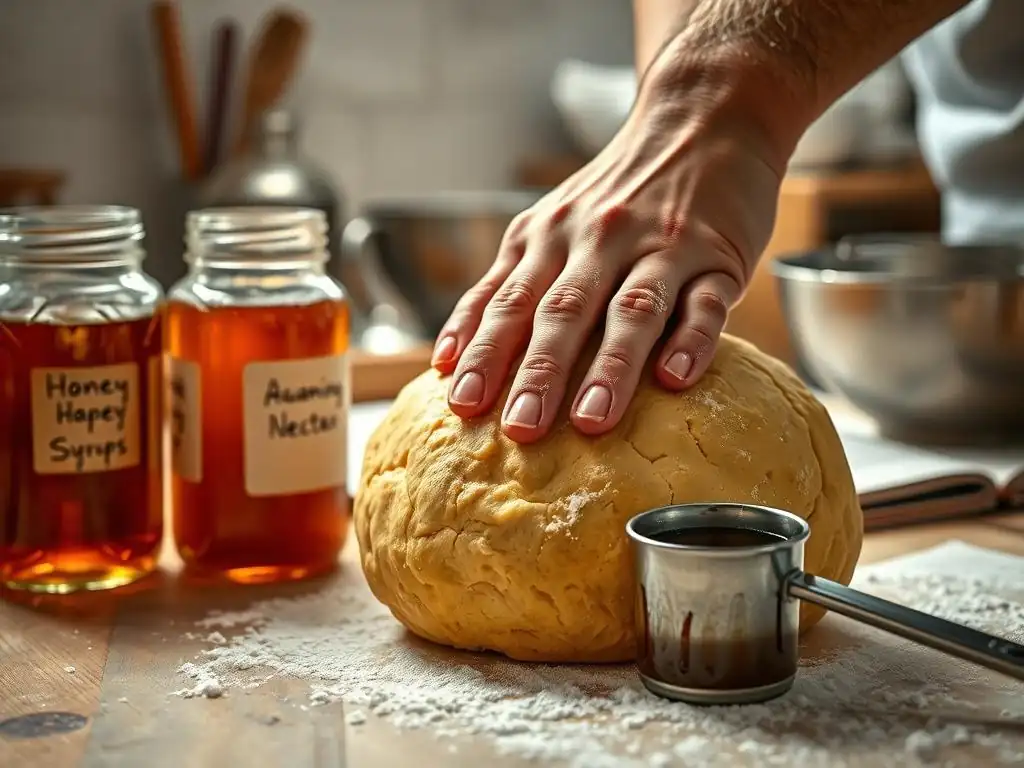
Even with careful adjustments, you might encounter issues when first experimenting with easy liquid sweetener dough recipes.
Dough Too Sticky? Solutions and Prevention
Excessive stickiness is the most common complaint when working with liquid sweeteners.
Adding More Flour: The Right Way to Do It - If your dough is too sticky to handle after the initial mix and a few minutes of kneading, add flour very gradually. Add just a tablespoon or two at a time, kneading it in completely before assessing the dough's texture again. Continue adding only until the dough is manageable but still soft. Adding too much flour results in a dry, dense baked good. It's better to work with a slightly sticky dough than a dry one.
Using Cold Ingredients to Reduce Stickiness - Sometimes, simply chilling the dough for 30-60 minutes can make it much easier to handle. Cold butter is also less likely to make a dough sticky during the initial mixing phase compared to overly soft or melted butter. For cookie doughs or doughs you plan to roll out, chilling is almost always recommended, especially with liquid sweeteners.
Dough Not Rising Properly? Understanding Yeast and Sweeteners
While sugar feeds yeast, certain liquid sweeteners can sometimes affect yeast activity.
The Impact of Honey on Yeast Activity: Honey contains natural enzymes, including diastase, which breaks down starch into sugars that yeast can consume. This can sometimes lead to a faster initial rise. However, honey also has natural antimicrobial properties, particularly raw honey, which in very high concentrations could potentially inhibit yeast. In typical baking amounts (usually less than 10% of the flour weight), honey generally provides excellent food for yeast. Ensure your water temperature is correct for activating the yeast (usually 105-115°F / 40-46°C for active dry yeast) and that your yeast is fresh.
Adjusting Proofing Times for Optimal Results: Because liquid sweeteners can influence yeast activity and dough temperature (liquid sweeteners are often used at room temperature or warmed slightly), proofing times might vary. Watch the dough itself, not just the clock. Dough is typically ready when it has roughly doubled in size and passes the "poke test" (gently poke the dough; if the indentation slowly springs back halfway, it's ready).
If using honey, the first rise might be slightly faster; if using molasses, it might be slightly slower due to minerals and acidity. Be patient and let the dough tell you when it's ready.
Maximizing Flavor and Texture: Advanced Tips for Baking with Liquid Sweeteners
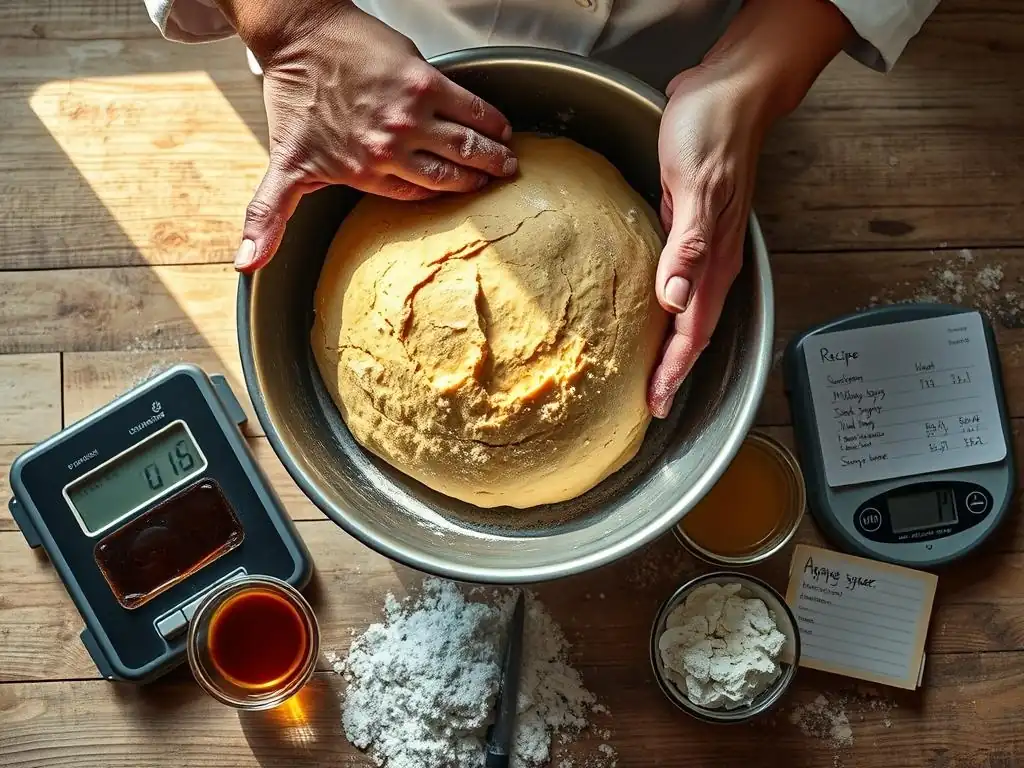
Once you're comfortable with the basics, start experimenting to see how different combinations and techniques can elevate your easy liquid sweetener dough recipes.
Experimenting with Different Sweetener Combinations
Blending liquid sweeteners can create more complex flavor profiles than using just one.
- Honey and Maple Syrup: A Flavorful Blend - This combination works beautifully in quick breads, muffins, and even yeast doughs for rolls or sweet breads. The floral notes of honey complement the earthy warmth of maple syrup, resulting in a richer, more nuanced sweetness. Try a 50/50 blend in your next muffin recipe.
- Molasses and Corn Syrup: A Unique Combination - While less common as the primary sweetener in doughs, a small amount of corn syrup added to molasses in recipes like gingerbread can help create a smoother texture and prevent the molasses from making the cookies too brittle once cooled. A blend is also often used in pecan pies or other syrupy fillings.
Consider how the flavor profiles interact. Honey pairs well with whole grains, fruits, and yogurt. Maple syrup is a natural fit for nuts, oats, and spices like cinnamon and nutmeg. Molasses shines with ginger, cloves, and dark flours like rye or whole wheat.
Using Liquid Sweeteners to Enhance Crust Color and Texture
Leverage the browning power of liquid sweeteners to improve the appearance and texture of your baked goods.
The Maillard Reaction and Liquid Sweeteners: As mentioned, the simple sugars in liquid sweeteners react with proteins during baking, creating beautiful brown crusts and complex flavors (the Maillard reaction). This happens more readily than with pure sucrose. This is why honey wheat bread develops such a lovely golden-brown crust.
Brushing with Maple Syrup Before Baking for a Glossy Crust: For items like challah, brioche, or even sweet rolls, brushing the top with a thin layer of maple syrup or a honey-water mixture just before baking or halfway through can result in a stunningly glossy, golden-brown crust. Be careful not to use too much, as it can become overly sticky or burn. A light application is usually sufficient to achieve that desirable sheen and a hint of extra sweetness on the surface. This is an easy technique to add a professional touch to your easy liquid sweetener dough recipes.
Conclusion: Embrace the Versatility of Liquid Sweeteners in Your Baking
Working with liquid sweeteners in doughs and batters might require a slight adjustment in technique compared to using granulated sugar, primarily due to their moisture content and how their sugars interact during baking. However, the rewards are significant: enhanced moisture retention, unique flavor profiles, and often a more tender crumb and appealing crust color. From simple quick breads to more complex yeast doughs, incorporating honey, maple syrup, or molasses can truly elevate your baking.
We've covered the importance of adjusting hydration, choosing the right sweetener for the job, handling stickier doughs, and managing baking times and temperatures. Remember that experimentation is key. Don't be afraid to try substituting liquid sweeteners in your favorite easy liquid sweetener dough recipes, starting with small adjustments and noting the results. Each sweetener brings its own magic to the mixing bowl. So grab your favorite syrup or honey and start exploring the sticky, sweet world of baking with liquid sweeteners! Happy baking!
Frequently Asked Questions
What are the advantages of using liquid sweeteners in dough recipes?
Liquid sweeteners like honey or maple syrup can add moisture and softness to doughs, enhancing the texture and extending shelf life. They also contribute unique flavor profiles that granulated sugar cannot.
How do liquid sweeteners affect the browning of baked goods?
Liquid sweeteners often contain sugars that caramelize more readily than granulated sugar, leading to a richer, deeper color and a more pronounced browning on the crust. This is due to their higher fructose content.
Can I substitute liquid sweeteners directly for granulated sugar in any dough recipe?
No, you generally can't substitute directly. Liquid sweeteners add extra moisture, so you may need to reduce the amount of other liquids in the recipe to maintain the correct dough consistency.
What are some easy dough recipes that work well with liquid sweeteners?
Many recipes adapt well! Think about quick breads, muffins, and even some cookie doughs. These recipes tend to be more forgiving and can easily accommodate the added moisture.
How do I measure liquid sweeteners accurately for dough recipes?
Always use a liquid measuring cup and check it at eye level to ensure an accurate measurement. Avoid using dry measuring cups, as they can lead to inconsistent results due to air pockets.
Final Reflection: The Sweet Science of Simple Baking
The ease and versatility of liquid sweeteners in baking are transforming home kitchens, offering accessible pathways to delicious and creative results. This isn't just about convenience; it's about unlocking a world of flavor and texture possibilities previously thought to be the domain of expert bakers. Mastering the nuances of liquid sweeteners opens doors to a wider range of recipes and allows for more experimentation in the kitchen.
The impact of readily available liquid sweeteners on the home baking landscape is undeniable. It's democratized baking, making complex techniques and flavor profiles achievable for everyone. The sheer variety of liquid sweeteners—from honey and maple syrup to agave and fruit purees—has broadened culinary horizons, inspiring countless innovative recipes and fostering a sense of playful experimentation. Baking is at its best when it's a joyful exploration, not a rigid adherence to rules.
This sentiment perfectly encapsulates the liberating effect liquid sweeteners have had on the art of baking.
Now, it's your turn. Consider the liquid sweeteners you already have in your pantry. Experiment! Don't be afraid to substitute, to adjust, to create your own unique variations on classic recipes. Embrace the sticky, sweet journey of discovery, and let your creativity flow as freely as the honey in your next batch of muffins or cookies. The possibilities are as endless as your imagination, and the rewards are undeniably delicious.
Unlock Your Baking Potential: Mastering Liquid Sweeteners!
Thanks for diving into the world of liquid sweeteners with us! We hope you gained valuable insights into how different sweeteners impact your doughs and batters. Ready to put your newfound knowledge into practice?
- Experiment with a new liquid sweetener: Choose one you haven't tried before (maple syrup, agave, or even honey!) and bake your favorite recipe using it. Note the differences in texture, flavor, and color.
- Share your baking adventures: Post a picture of your creation on social media and tag us—we'd love to see your results! Use #BakeWithEaseLiquidSweeteners.
- Join the conversation: What unexpected results did you encounter while experimenting with liquid sweeteners? What's your favorite substitution? Let's discuss in the comments below!
What surprising discovery will your next baking experiment uncover?