
Choosing the Best Flour for Basic White Bread Success

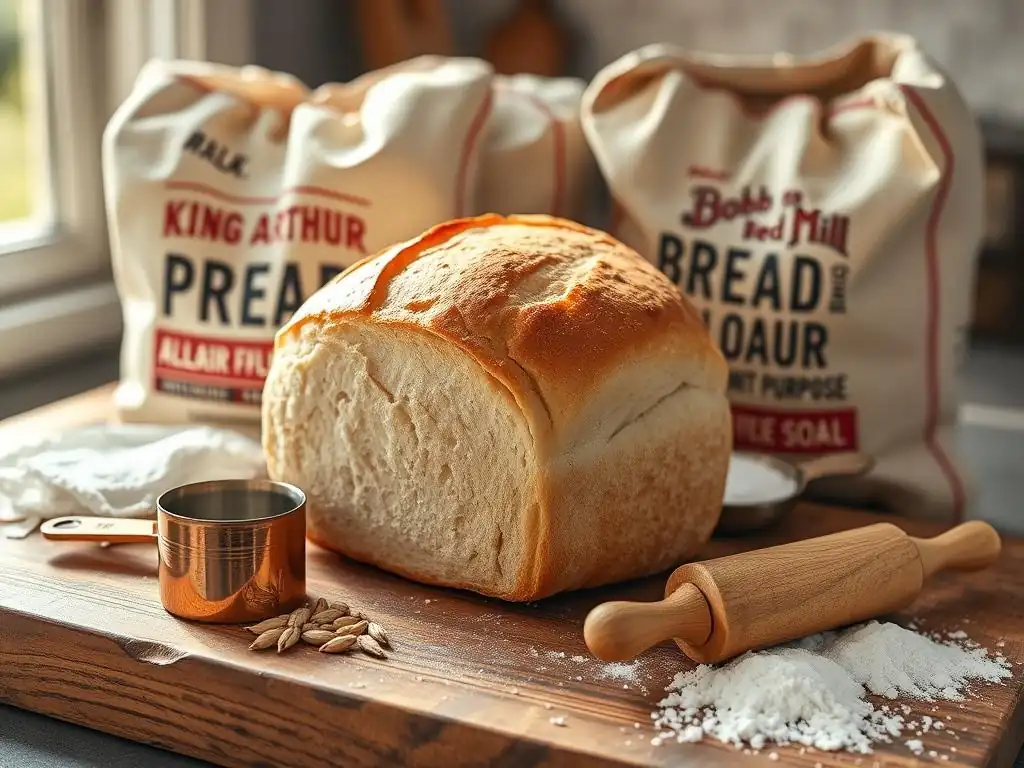
Welcome to BakeWithEase, your trusted companion on your baking journey! Ever wondered if the secret to that perfect loaf of white bread lies beyond just the recipe? We did too! In this article, we'll unlock the mysteries and help you discover the best flour for white bread, a crucial element that can elevate your baking from good to extraordinary. Get ready to transform your basic white bread into a masterpiece – the journey to baking perfection starts here!
- Choosing the Best Flour for Basic White Bread Success: A BakeWithEase Guide
- Understanding Flour for Bread Baking: Setting the Stage for White Bread Perfection
- Decoding Different Types of Flour: Which One is Right for Your White Bread?
- Bread Flour Deep Dive: The Ideal Choice for Basic White Bread
- All-Purpose Flour for White Bread: When It Works and When It Doesn't
- Factors to Consider When Selecting Flour for Your White Bread
- Testing Your Flour: Simple Ways to Assess Quality Before Baking
- Storing Your Flour Properly: Maintaining Freshness and Quality
- Troubleshooting Common White Bread Problems Related to Flour
- Mastering White Bread: Beyond the Flour - BakeWithEase Tips
- Conclusion: Choosing the Right Flour for White Bread Success with BakeWithEase.
-
Frequently Asked Questions
- What type of flour is generally considered the best for making basic white bread?
- Can I use all-purpose flour instead of bread flour for white bread?
- What does the protein content in flour have to do with the quality of white bread?
- Are there any alternatives to bread flour that could work well for white bread?
- How can I tell if my flour is of good quality for making white bread?
- Final Reflection: The Humble Flour, the Mighty Loaf
- Unleash Your Inner Baker: Perfect White Bread Awaits!
Choosing the Best Flour for Basic White Bread Success: A BakeWithEase Guide
Understanding Flour for Bread Baking: Setting the Stage for White Bread Perfection
Why Flour Choice Matters for Your White Bread
Choosing the best flour for white bread is arguably the most crucial step in achieving that light, airy texture and beautiful crust you dream of. Flour isn't just a dry ingredient; it's the foundation of your bread's structure. The type of wheat used, how it's milled, and its protein content all play significant roles in how your dough behaves during mixing, kneading, rising, and baking. Using the wrong flour can lead to a dense, heavy loaf or one that refuses to rise at all.
Think of it like building a house – you wouldn't use flimsy materials for the foundation. Similarly, the characteristics of your flour directly impact the gluten development, which is the network of proteins that traps gases produced by yeast, allowing your bread to rise and maintain its shape. A flour with insufficient protein won't form a strong enough structure, resulting in a flat loaf, while one that's too strong might make the dough difficult to work with. Therefore, selecting the right type of flour is paramount for white bread success.
Key Characteristics of Flour Affecting White Bread Texture and Rise
Several key characteristics define how a flour will perform in your basic white bread recipe. Protein content is perhaps the most discussed, as it directly correlates to gluten potential. Flours high in protein (typically 12-14%) are ideal for bread because they develop a strong, elastic gluten network. This network is vital for capturing the carbon dioxide released by yeast, leading to a good rise and an open crumb structure.
Another important factor is ash content, which refers to the mineral content left after burning a flour sample. While this sounds technical, higher ash content generally indicates that more of the bran and germ (which contain minerals) were included in the flour, even in a "white" flour. This can affect the flour's absorption rate and the bread's flavor and color.
The milling process itself also matters; finely milled flours tend to absorb liquids differently than coarser grinds, impacting hydration levels and dough handling. Understanding these characteristics helps you predict how a specific flour will behave and assists you in selecting the best flour for white bread based on your desired outcome.
Decoding Different Types of Flour: Which One is Right for Your White Bread?
All-Purpose Flour: A Versatile Option for White Bread?
All-purpose flour is a kitchen staple, milled from a blend of hard and soft wheats to achieve a moderate protein content, typically ranging from 10-12%. Its name suggests versatility, and indeed, it can be used for a wide range of baking projects, from cookies and cakes to quick breads and even yeast breads. For beginner bakers or those just wanting a simple loaf without a special trip to the store, all-purpose flour can work for basic white bread.
However, because its protein content is lower than flours specifically designed for bread, the gluten network it forms will be weaker. This means your loaf might not achieve the same impressive rise or chewy texture as one made with bread flour. While it's possible to make an acceptable white loaf with all-purpose flour, it often requires adjustments to hydration or kneading time to encourage adequate gluten development. It's a compromise, trading optimal results for convenience.
Bread Flour: The Gold Standard for White Bread Baking
When seeking the best flour for white bread, bread flour consistently rises to the top (pun intended!). This flour is typically milled from hard red wheat and boasts a higher protein content, usually between 12-14% or even higher. This elevated protein level is key to developing a strong, elastic gluten network, which is essential for yeast-leavened breads.
The robust gluten structure created by bread flour allows the dough to stretch significantly without tearing. This elasticity is what enables the bread to capture and hold onto the gases produced during fermentation, resulting in excellent oven spring and a light, airy interior crumb with a satisfying chew. Using bread flour simplifies the process of achieving a well-risen, beautifully structured white loaf, making it the preferred choice for many experienced bakers aiming for consistent, high-quality results.
Whole Wheat Flour and Its Suitability for White Bread
Whole wheat flour is produced by grinding the entire wheat kernel, including the bran, germ, and endosperm. This results in a flour that is significantly higher in fiber, nutrients, and flavor compared to white flours. While it's excellent for making hearty, rustic loaves, it's generally not considered the best flour for white bread in the traditional sense, which is defined by its light color and tender crumb.
The presence of bran and germ particles in whole wheat flour interferes with gluten development. The sharp edges of the bran can cut the delicate gluten strands as they form during kneading, resulting in a weaker network. This often leads to denser loaves with less volume. While you can certainly make delicious bread by blending whole wheat flour with white bread flour (often called "whole wheat white bread"), using 100% whole wheat flour will produce a loaf distinctly different from classic white bread in both appearance and texture.
Bread Flour Deep Dive: The Ideal Choice for Basic White Bread
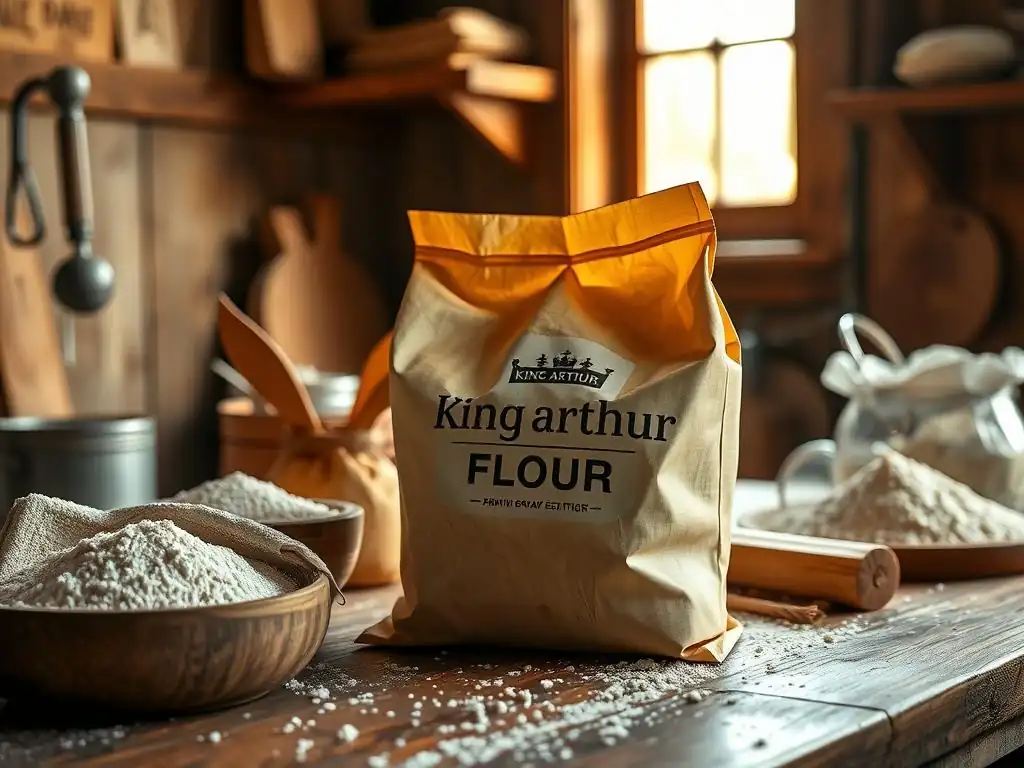
High Gluten Content: The Secret to Strong and Elastic Dough
The primary reason bread flour is the best flour for white bread is its high gluten-forming protein content. Gluten isn't added to flour; it develops when two proteins naturally present in wheat, glutenin and gliadin, come into contact with water and are agitated through mixing and kneading. Bread flour contains a higher percentage of these specific proteins compared to other flours like all-purpose or cake flour.
This higher concentration means that during the kneading process, a more robust and elastic gluten network is formed. This network acts like a balloon within your dough, capable of stretching and expanding to hold the carbon dioxide gas produced by the yeast. A strong gluten structure is crucial for achieving good volume, a desirable open crumb structure, and that characteristic slightly chewy texture in white bread. Without sufficient gluten development, the gas would escape, resulting in a flat, dense loaf.
Protein Levels in Bread Flour and Their Impact on White Bread Structure
Protein levels in bread flour typically range from 12% to 14% or even higher, depending on the brand and the specific wheat blend used. This range is significantly higher than the 8-10% found in pastry or cake flour, and slightly higher than the 10-12% in all-purpose flour. The higher the protein percentage within the bread flour range, the stronger the potential gluten network will be.
For a classic, airy white bread with good structure and rise, a protein level around 12.5% to 13.5% is often considered ideal. Flours at the higher end of this range might require a little more hydration or slightly longer kneading to fully develop their potential, but they offer excellent structural integrity. This robust structure is essential for supporting the loaf during its final proof and ensuring maximum oven spring during baking, resulting in a beautifully shaped and textured white loaf.
Recommended Bread Flour Brands
While we can't link to specific products, several reputable flour mills produce excellent bread flour that is widely available. Look for terms like "Bread Flour," "Strong Bread Flour," or sometimes descriptions mentioning "high gluten" or "high protein." Common brands often found in grocery stores include options known for their consistent quality and reliable protein levels, typically falling within the 12-14% range suitable for yeast breads.
Exploring different brands can be part of your baking journey. Some popular choices in the US market, for example, consistently test within the 12.7% to 14% protein range. Experimenting with a couple of different widely available bread flours can help you discover which one you prefer for achieving your ideal white bread texture and handling characteristics. Checking the protein percentage listed on the nutrition label is a good way to compare options when selecting the best flour for white bread.
All-Purpose Flour for White Bread: When It Works and When It Doesn't
Adjusting Your Recipe When Using All-Purpose Flour in White Bread
While bread flour is generally the best flour for white bread, it is possible to achieve decent results using all-purpose flour, especially for simpler recipes or if it's all you have on hand. However, you'll likely need to make some adjustments to compensate for its lower protein content (typically 10-12% versus 12-14% in bread flour). One common adjustment is hydration. All-purpose flour may absorb slightly less water than bread flour, so you might need to reduce the liquid slightly or add it gradually until the dough feels right – it should be slightly sticky but still manageable.
Another crucial adjustment involves kneading. Since all-purpose flour has less gluten-forming protein, you'll often need to knead the dough for a longer period to develop a sufficient gluten network. While bread flour dough might be ready after 8-10 minutes of stand mixer kneading, an all-purpose flour dough might require 10-15 minutes or even longer by hand to reach a similar level of elasticity and strength, passing the windowpane test. Be patient and knead until the dough is smooth, elastic, and passes the test, indicating good gluten development.
Lower Protein Content: Compensating for Weaker Gluten Development
The primary challenge when using all-purpose flour for white bread is its lower protein content, which results in weaker potential gluten development compared to bread flour. This means the dough won't be as strong or elastic, impacting its ability to trap gas and achieve significant rise. To compensate for this, bakers often employ techniques aimed at maximizing the gluten development that can occur.
Besides longer kneading mentioned above, techniques like autolyse (mixing flour and water and letting it rest before adding yeast and salt) can help kickstart gluten formation. Also, incorporating a stretch-and-fold technique during the bulk fermentation can help strengthen the dough gently over time. While these methods won't magically turn all-purpose flour into bread flour, they can significantly improve the dough's structure and lead to a better outcome than simply substituting cup-for-cup with no other changes.
Tips for Achieving Good Results with All-Purpose Flour in White Bread
If you're using all-purpose flour for your white bread, here are a few tips to help you get the best possible result:
- Knead thoroughly: Don't skimp on kneading time. Aim for a smooth, elastic dough that passes the windowpane test.
- Control hydration: Start with slightly less liquid than the recipe calls for if it was designed for bread flour, and add more only if needed. All-purpose flour can saturate faster.
- Consider a longer, slower rise: A longer bulk fermentation, perhaps with a few stretch-and-folds, can help develop flavor and structure.
- Manage expectations: Accept that the loaf might be slightly less voluminous or have a slightly tighter crumb than one made with high-protein bread flour.
By being mindful of the flour's limitations and adjusting your technique, you can still produce a delicious homemade white loaf with all-purpose flour, though for the absolute best flour for white bread structure and rise, bread flour remains the top recommendation.
Factors to Consider When Selecting Flour for Your White Bread
Gluten Strength: Achieving the Right Balance for a Tender Crumb
Gluten strength is a critical factor when selecting the best flour for white bread. It refers to the ability of the gluten network to develop and stretch without tearing, creating a strong yet extensible dough. While high gluten strength is desirable for a good rise, achieving the right balance is key for a tender crumb. Flour that is too strong or dough that is over-kneaded can result in a tough, chewy texture that isn't pleasant.
For basic white bread, you want a flour with sufficient gluten-forming protein (like bread flour) that allows for significant development, providing structure and rise. However, the goal isn't maximum toughness, but rather elasticity and extensibility. This balance allows the dough to expand beautifully during proofing and baking, creating large, airy pockets, while still yielding a loaf that is soft and tender when sliced. Understanding the gluten potential of your flour helps you choose the best flour for white bread that meets your texture goals.
Protein Content: Optimizing for Rise and Structure
As discussed, protein content is a primary indicator of a flour's potential gluten strength. For white bread, aiming for a flour with 12-14% protein is generally recommended to optimize for rise and structure. This range provides the necessary building blocks (glutenin and gliadin) to form a robust network capable of supporting the loaf's expansion.
Using flour with a lower protein content, such as 10% protein all-purpose flour, will inevitably result in less gluten development. This means the dough will have less capacity to hold gas, leading to a smaller loaf with a denser crumb.
Conversely, using a very high-protein flour (like vital wheat gluten mixed with lower-protein flour) might create a dough that is excessively elastic and difficult to work with, potentially leading to a tough texture if not handled correctly. Selecting a bread flour within the optimal protein range is a straightforward way to ensure your dough has the right potential for a well-risen, structured white bread.
Ash Content: Understanding its Impact on Flour Quality and Bread Flavor
Ash content is a measure of the mineral content in flour, expressed as a percentage of the flour's dry weight. It's determined by burning a sample of flour and weighing the residual minerals (ash). While it might seem obscure, ash content provides insight into how much of the outer layers of the wheat kernel (bran and germ), which are rich in minerals, were included in the milling process. White flours have lower ash content than whole wheat flours because most of the bran and germ are removed.
For classic white bread, a lower ash content is typical, contributing to the flour's light color and mild flavor. However, even among white flours, slight variations in ash content can exist. A slightly higher ash content in a bread flour might suggest more of the outer endosperm was included, potentially contributing a bit more flavor complexity and slightly different absorption characteristics compared to a very low-ash flour. While protein content is usually the primary consideration for structure, ash content can subtly influence the flour's performance and the final bread's characteristics.
Milling Process: How it Affects Flour Performance in White Bread
The milling process significantly impacts how flour behaves in baking. Wheat kernels are typically cleaned and then ground between rollers. The way these rollers are set and the number of passes the grain goes through determines the particle size of the flour and how effectively the bran and germ are separated from the endosperm. For white flours, the goal is to separate as much of the bran and germ as possible to produce a fine, white powder primarily from the starchy endosperm.
Flour that is very finely milled tends to absorb liquids more quickly than a coarser grind. This affects hydration levels and how the dough feels during mixing and kneading. The efficiency of the separation process also influences the ash content and the purity of the endosperm, which directly relates to the potential protein/gluten development.
Different mills and milling techniques can produce flours that, despite having similar protein levels, might handle slightly differently. Understanding that the milling process plays a role helps explain why flours from different producers, even labeled as "bread flour," might behave uniquely, guiding your choice for the best flour for white bread based on your experience.
Testing Your Flour: Simple Ways to Assess Quality Before Baking
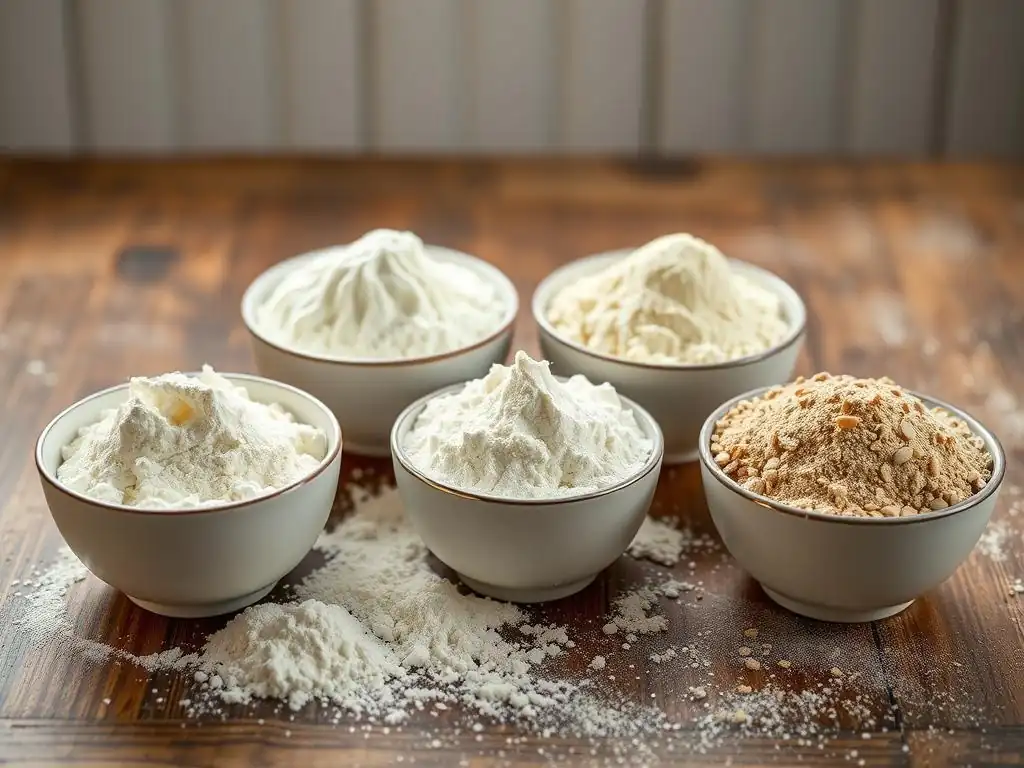
The Squeeze Test: Gauging Gluten Development Potential
A simple way to get a preliminary sense of your flour's texture and potential performance is the squeeze test. Take a handful of flour and squeeze it tightly in your fist.
- High-protein flour (like bread flour): When you open your hand, the flour should tend to hold its shape somewhat, forming a clump that breaks apart relatively easily when poked. This indicates a finer texture and good potential for forming a cohesive dough.
- Lower-protein flour (like cake flour): It will likely fall apart immediately when you open your hand, feeling very soft and powdery.
While this test isn't a precise scientific measurement, it gives you a tactile feel for the flour's texture and how it might behave when moistened. Bread flour's slight tendency to clump is a subtle indicator of its ability to bind together, hinting at its gluten-forming potential, making it a useful intuitive check when selecting the best flour for white bread.
The Float Test: Assessing Flour Density and Hydration
The float test is another simple, albeit less definitive, way to observe a flour's characteristics, particularly its density. While not a direct measure of gluten, it can sometimes offer clues about how the flour was milled or its freshness. To perform the float test, gently sprinkle a small amount of flour onto the surface of a bowl of water.
- Fresh, well-milled flour might initially float briefly before sinking as it absorbs water.
- Stale flour or flour with different milling characteristics might behave differently.
It's important to note that this test is more commonly associated with sourdough starter activity than with assessing dry flour quality for standard yeast bread. Its usefulness for determining the best flour for white bread quality is limited compared to understanding protein content or conducting a test bake, but it's a quick observation you can make.
Bake a Small Test Batch: The Ultimate Flour Performance Indicator
The most reliable way to determine if a flour is the best flour for white bread for your specific needs and recipe is to simply bake with it. If you're trying a new brand or type of flour, consider making a small test batch of your standard white bread recipe. This allows you to observe firsthand how the flour performs throughout the entire process:
- Mixing and Kneading: How does the dough feel? Does it develop elasticity easily? Is it sticky or dry at the standard hydration?
- Rising: Does the dough rise well and hold its structure during bulk fermentation and proofing?
- Baking: How is the oven spring? What is the final volume and crust development like?
- Final Result: What is the crumb texture (openness, tenderness) and flavor?
Comparing the results of a test bake using a new flour against your known results with a trusted flour is the most practical way to assess its suitability and identify the best flour for white bread that consistently delivers the results you desire.
Storing Your Flour Properly: Maintaining Freshness and Quality
Optimal Storage Conditions for Different Flour Types
Proper storage is essential to maintain the quality and performance of your flour, ensuring it remains the best flour for white bread over time. All flours, especially whole grain varieties due to their higher oil content, benefit from cool, dark, and dry storage conditions. Heat, light, and moisture are the enemies of flour, promoting spoilage and insect activity.
An ideal storage location is a pantry or cupboard away from the oven, stovetop, and direct sunlight. Aim for a consistent temperature, ideally below 70°F (21°C). For longer-term storage, particularly for whole wheat or specialty flours, the refrigerator or freezer is even better. In the freezer, flour can remain fresh for up to a year or more. Always allow frozen flour to come to room temperature before using it in a recipe to ensure accurate measurements and proper hydration.
Preventing Pests and Moisture: Ensuring Long-Term Flour Viability
Flour is susceptible to pantry pests like weevils and moths, as well as absorbing moisture from the environment, which can lead to clumping, mold, and off-flavors. To prevent these issues and keep your best flour for white bread in top condition, store it in airtight containers.
- Airtight Containers: Transfer flour from its original bag into rigid containers made of plastic, glass, or metal with tight-fitting lids. This creates a barrier against moisture and pests.
- Bay Leaves: Some bakers place a bay leaf inside the flour container, as the scent is said to repel insects. While not a foolproof method, it's a traditional tip.
- Freezing upon Purchase: For extra precaution, especially with organic or whole grain flours, you can freeze the flour in its sealed bag or container for 48-72 hours upon purchase to kill any potential insect eggs. Then, store it as usual.
By taking these steps, you significantly extend the shelf life of your flour and ensure it's ready to perform whenever you want to bake a perfect white loaf.
Recognizing Signs of Spoilage: When to Discard Flour
Even with the best storage practices, flour doesn't last forever. It's important to know how to recognize the signs that your flour has gone bad and should be discarded. Using spoiled flour will negatively impact the flavor and texture of your bread, ruining your efforts to bake the best flour for white bread.
Signs of spoilage include:
- Off Odor: Fresh flour has a neutral, slightly sweet aroma. If your flour smells musty, sour, rancid, or like chemicals, it's likely spoiled. This is particularly common with whole wheat flour, which can go rancid due to the oils in the germ.
- Discoloration: While some flours are naturally off-white, significant yellowing, graying, or spotting can indicate spoilage or mold growth.
- Pests: Obvious signs of insects, larvae, or webbing mean the flour is infested and should be discarded immediately.
- Mold: Any visible signs of mold mean the flour is unsafe to use.
When in doubt, it's always better to discard questionable flour and start with a fresh bag to ensure the best results for your baking.
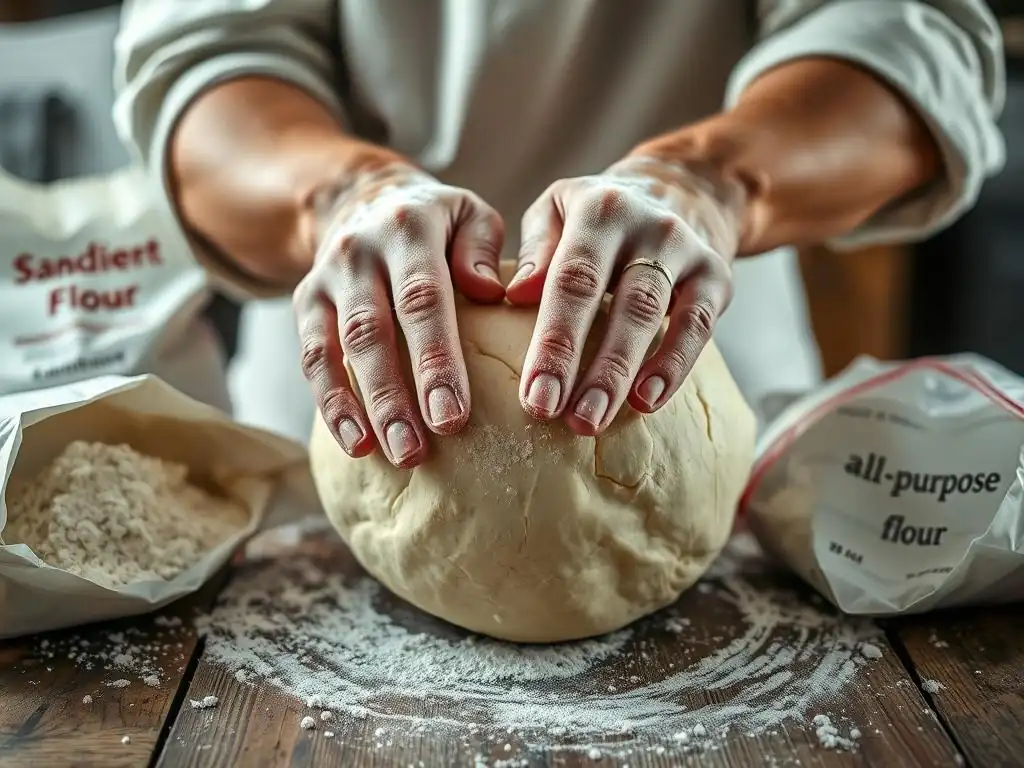
One of the most common frustrations in bread baking is a loaf that turns out dense and flat instead of light and airy. Often, the culprit can be related to the flour used or how it was handled. If you're aiming for the best flour for white bread results and get a dense loaf, consider these flour-related issues:
- Insufficient Gluten Development: This is a primary cause. If you used a lower-protein flour (like all-purpose) or didn't knead the dough long enough, the gluten network wasn't strong enough to trap the gas produced by the yeast. The dough collapsed during proofing or baking.
- Expired or Low-Quality Flour: Old flour can lose its ability to develop gluten properly. Low-quality flour may simply not have the protein structure needed for bread.
- Incorrect Hydration: While not solely a flour issue, adding too much or too little water relative to the flour's absorption capacity can hinder gluten development and lead to a dense crumb.
Ensuring you use fresh, high-protein bread flour and knead sufficiently are key steps to preventing dense white bread.
Tough or Chewy Bread: Addressing Gluten Overdevelopment or Underdevelopment
While some chewiness is desirable in white bread, an excessively tough or rubbery texture is usually a sign something went wrong with gluten development. This can paradoxically be caused by either too much or too little development, depending on the specifics.
- Underdeveloped Gluten: If the dough wasn't kneaded enough, the gluten network is weak and uneven. This can result in a crumb that is dense in parts and has an unpleasant, slightly gummy chew, not the pleasant elasticity of well-developed gluten.
- Overdeveloped Gluten: Kneading for too long, especially with a very high-protein flour or a powerful mixer, can create a gluten network that is too tight and resistant. This results in a dough that is hard to shape and a final loaf that is tough and rubbery.
Finding the sweet spot for kneading until the dough is smooth, elastic, and passes the windowpane test is crucial for achieving the ideal balance of structure and tenderness in your white bread. Using the best flour for white bread (high protein, but not excessively so) helps make this balance easier to achieve.
Uneven Texture: Pinpointing Flour Issues in Baking
An uneven crumb texture, where parts of the loaf are dense while others have large holes, can also sometimes be traced back to flour-related issues or how the flour interacted with other ingredients.
- Poorly Mixed Dough: If the flour wasn't fully hydrated or evenly incorporated during mixing, pockets of dry flour or uneven gluten development can occur, leading to an inconsistent texture.
- Flour Absorption Issues: Variations in flour absorption (due to different brands, types, or even environmental humidity) can lead to dough that is too dry in some spots and too wet in others if not properly adjusted during mixing.
- Weak Gluten Structure: As mentioned with dense bread, a weak gluten network cannot support the gas evenly, leading to collapse in some areas and trapped large bubbles in others.
Ensuring thorough mixing, proper hydration based on your specific flour, and adequate kneading to develop a consistent, strong gluten network are vital steps to prevent uneven texture and produce a beautiful, uniform crumb in your white bread. Starting with the best flour for white bread designed for this purpose provides a significant advantage.
Mastering White Bread: Beyond the Flour - BakeWithEase Tips
The Importance of Proper Hydration for Flour
While choosing the best flour for white bread is fundamental, understanding proper hydration is equally critical. Hydration refers to the ratio of water (or other liquids) to flour in your dough, typically expressed as a percentage (grams of water divided by grams of flour, multiplied by 100). Different flours absorb different amounts of water. Bread flour, with its higher protein content, can typically handle higher hydration levels than all-purpose flour, leading to a more open and airy crumb.
Getting the hydration right is essential for gluten development and dough handling. Too little water results in a stiff, dry dough that is difficult to knead and produces a dense loaf. Too much water makes the dough excessively sticky and hard to manage, and while it can lead to an open crumb, it requires more advanced technique.
Learning to feel the dough and adjust water slightly based on your flour and environment is a key skill. A typical hydration for basic white bread might range from 60% to 70%, but always follow your recipe's guidance and be prepared to make small adjustments.
Kneading Techniques for Optimal Gluten Development
Kneading is the process of working the dough to develop the gluten network. Whether by hand or with a stand mixer, the goal is to align the gluten proteins and create a strong, elastic structure. Different kneading techniques exist, but the principle is the same: stretch and fold the dough repeatedly.
- Hand Kneading: Requires pushing, folding, and turning the dough for 10-15 minutes or until it becomes smooth and elastic.
- Stand Mixer Kneading: Using a dough hook on medium speed for 8-12 minutes is often sufficient for bread flour.
- No-Knead Methods: These rely on time and high hydration to develop gluten through enzymatic action and gravity (stretch-and-folds).
Regardless of the method, you're aiming for a dough that is smooth, no longer sticky (or only slightly tacky), and passes the windowpane test – you should be able to gently stretch a small piece thin enough to see light through it without it tearing. Proper kneading, combined with the best flour for white bread, ensures your dough has the strength needed for a great rise.
Controlling Fermentation Time for Perfect White Bread
Fermentation, or rising, is where yeast produces carbon dioxide gas, causing the dough to expand. This process is crucial for both leavening and developing flavor. Controlling the fermentation time is vital for achieving a perfect white loaf. Factors like yeast amount, dough temperature, and room temperature all influence how quickly the dough rises.
Too short a fermentation means insufficient gas production and flavor development, resulting in a dense loaf. Too long a fermentation can lead to the gluten structure breaking down, causing the dough to collapse and resulting in a poor rise and potentially an overly sour flavor.
Typically, white bread involves a first rise (bulk fermentation) until doubled in size (often 1-2 hours at room temperature, or longer in the fridge for more flavor) and a second rise (proofing) after shaping (usually 30-60 minutes). Learning to recognize when your dough is properly proofed (often by the poke test – an indentation springs back slowly) is a skill that comes with practice and is essential, even when you've used the best flour for white bread.
Conclusion: Choosing the Right Flour for White Bread Success with BakeWithEase.
Frequently Asked Questions
What type of flour is generally considered the best for making basic white bread?
Generally, bread flour is considered the best choice. It has a higher protein content than all-purpose flour, which results in more gluten development and a chewier, more structured loaf.
Can I use all-purpose flour instead of bread flour for white bread?
Yes, you can, but the results will differ. All-purpose flour has less protein, so the bread will be softer and may not rise as high as bread made with bread flour. Consider using vital wheat gluten to improve the bread structure.
What does the protein content in flour have to do with the quality of white bread?
The protein content directly affects the gluten development. Gluten is what gives bread its structure and chewiness. Higher protein means more gluten, resulting in a stronger, more elastic dough and a better rise.
Are there any alternatives to bread flour that could work well for white bread?
Some bakers use a combination of all-purpose flour and vital wheat gluten to mimic the effects of bread flour. High-gluten flour is another option, although it can produce a very chewy result.
How can I tell if my flour is of good quality for making white bread?
Check the expiration date to ensure freshness. Look for flour that is unbleached, as it retains more flavor. You can also perform a simple test by mixing flour with water and observing the gluten development.
Final Reflection: The Humble Flour, the Mighty Loaf
The quest for the perfect white bread begins, and often ends, with the flour. This seemingly simple ingredient holds the key to unlocking a world of texture, flavor, and baking satisfaction. Choosing the right flour isn't just about following a recipe; it's about understanding the nuances of wheat varieties and how they contribute to the final product. The impact of this seemingly small decision is surprisingly significant.
The journey through different flour types – from strong bread flour's high protein content to the gentler nature of all-purpose – has highlighted the crucial role flour plays in our culinary heritage. It's more than just an ingredient; it's a connection to generations of bakers who have perfected the art of bread making. Bread is the staff of life,
a simple phrase, yet it encapsulates the profound importance of this staple food and the dedication involved in crafting it perfectly. The subtle differences in flour types, explored in this article, underscore the depth and complexity within this seemingly simple process.
Now, consider your own baking journey. What have you learned about the relationship between flour and the final product? Will you experiment with different flour types to discover your personal preference? I encourage you to embrace the exploration, to understand the subtle differences, and to find the flour that unlocks your own perfect loaf. The reward? The unparalleled satisfaction of biting into a perfectly risen, golden-brown slice of homemade white bread – a testament to your understanding and dedication to the craft.
Unleash Your Inner Baker: Perfect White Bread Awaits!
Thanks for taking the time to explore the world of flour and its impact on baking the perfect loaf! You've now armed yourself with the knowledge to elevate your bread-making game. Ready to put your newfound expertise into practice?
- Bake your dream loaf! Grab your chosen flour and try out the recipe mentioned in the article – the results will be delicious. Don't be afraid to experiment!
- Share your baking journey! Post a picture of your creation on social media and tag us – we'd love to see your baking success. Use #BakeWithEaseFlourPower
- Explore our other bread recipes: Discover more baking inspiration on our website and find new challenges to perfect your technique.
What unique ingredient will you add to your next loaf to create a truly signature taste? Let's hear your ideas in the comments below!