
Agave Substitution Made Easy: How to Get It Right Every Time

Welcome to BakeWithEase, your kitchen companion for all things baking! Ever wondered if you could swap out sugar for something a little healthier in your favorite recipes? Our latest deep dive explores just that, answering the burning question: Is agave nectar an easy substitution? Uncover the secrets to using this natural sweetener effectively and avoid common pitfalls. Let's get baking!
- Understanding Agave Nectar and Its Role in Baking
- Agave Nectar Easy Substitution: A Step-by-Step Guide
- Best Agave Nectar Brands for Baking: Our Recommendations
- Baking with Agave Nectar: Avoiding Common Mistakes
- Beyond Agave: Exploring Other Natural Sweeteners for Baking
- Agave Nectar Easy Substitution: Recipe Examples
- Troubleshooting Your Agave Baking: Common Issues and Solutions
- Conclusion: Mastering Agave Nectar in Baking
-
Frequently Asked Questions
- What is agave nectar and why might I need a substitute for it in baking?
- What are the best easy substitutes for agave nectar in baking, considering BakeWithEase's focus on simplicity?
- How does using a substitute like honey affect the texture of my baked goods compared to agave nectar?
- If I'm substituting with a granulated sugar like white sugar, how do I adjust the liquid in my recipe to compensate?
- Is there a 1:1 substitution ratio for agave nectar with other liquid sweeteners like maple syrup?
- Final Reflection: The Sweetness of Adaptability
- Unlock Your Agave Expertise: Next Steps to Baking Bliss!
Understanding Agave Nectar and Its Role in Baking
What is Agave Nectar? A Baker's Perspective
Agave nectar, often simply called agave syrup, is a sweetener derived from the sap of the agave plant, primarily the blue agave native to Mexico. For bakers, it's important to understand that agave is not just a liquid sweetener; it's significantly sweeter than granulated sugar and behaves differently in recipes. Its sweetness comes mainly from fructose, which accounts for 70-90% of its sugar content, depending on the processing method. This high fructose level contributes to its greater sweetness intensity compared to sucrose (table sugar) or glucose.
From a baking perspective, agave nectar's liquid nature and distinct chemical composition mean it affects texture, moisture, and browning differently than granulated sugar. It typically has a lower viscosity than honey but is thicker than maple syrup. Its neutral to mildly sweet flavor, especially in lighter varieties, makes it a versatile option that doesn't overpower other ingredients. However, its high fructose content can lead to baked goods browning faster and retaining moisture more effectively, which are factors bakers must consider when making an agave nectar easy substitution.
Agave vs. Sugar: A Side-by-Side Comparison for Baking
Comparing agave nectar and granulated sugar for baking reveals key differences that impact the final product. Granulated sugar (sucrose) provides structure, aids in leavening by trapping air, and contributes to browning through caramelization and the Maillard reaction. It also helps tenderize baked goods by interfering with gluten development. Agave nectar, on the other hand, is a liquid sweetener that primarily adds moisture and sweetness. Because it's sweeter than sugar (roughly 1.5 times), you need less of it, which impacts the overall volume and dry-to-wet ingredient ratio in a recipe.
Furthermore, agave nectar's high fructose content means it attracts and holds onto moisture more effectively than sucrose, potentially leading to softer, chewier textures in cookies or denser, moister cakes. Fructose also caramelizes at a lower temperature (around 230°F or 110°C) than sucrose (around 320°F or 160°C), meaning agave-sweetened goods will brown faster. This difference is crucial for controlling bake time and temperature to prevent burning while ensuring the interior is cooked through. Understanding these distinctions is the first step to a successful agave nectar easy substitution in your favorite recipes.
Why Substitute Agave? Exploring the Benefits and Drawbacks
Bakers often choose to substitute agave nectar for various reasons, including dietary preferences, perceived health benefits, or simply experimenting with different flavors and textures. One common motivation is agave's lower glycemic index (GI) compared to table sugar. While granulated sugar has a GI of around 65, agave typically ranges from 20-40, causing a slower rise in blood sugar levels for some individuals. This makes it an attractive option for those managing blood sugar, although the high fructose content is also a consideration for liver metabolism.
However, substituting agave is not without its challenges. Its liquid form requires adjustments to the recipe's hydration balance, and its faster browning necessitates careful monitoring of baking time and temperature. The intense sweetness means using a smaller quantity, which can alter the overall structure and volume of baked goods, especially in recipes where sugar plays a structural role (like meringues or some cookie recipes). Successfully implementing an agave nectar easy substitution involves navigating these potential drawbacks while leveraging its benefits like moisture retention and unique flavor profile.
Agave Nectar Easy Substitution: A Step-by-Step Guide
Step 1: Identifying Recipes Suitable for Agave Substitution
Not all recipes are created equal when it comes to making an agave nectar easy substitution. Recipes where sugar's primary role is sweetness and moisture are generally good candidates. Think moist cakes, quick breads, muffins, brownies, and soft cookies. In these recipes, the liquid nature and moisture-retaining properties of agave can be beneficial, provided the overall liquid content is balanced. Recipes that rely heavily on sugar for structure, leavening, or crispness, such as classic meringues, some candies, or very crisp cookies, can be more challenging and may require significant modifications beyond a simple swap.
Good candidates for an easy agave substitution often include recipes where butter or oil is creamed with sugar to create air pockets; agave can sometimes interfere with this process, but in recipes where leavening comes mainly from baking soda or powder, it's less critical. Quick breads like banana bread or zucchini bread, where moisture is key, often adapt well. Starting with recipes that are already somewhat moist or dense is a smart way to begin your journey with agave substitution.
Step 2: Mastering the Agave Nectar Conversion Ratio
The most common starting point for an agave nectar easy substitution is the conversion ratio. Because agave is sweeter than sugar, you'll use less of it. A widely accepted guideline is to use about 2/3 cup of agave nectar for every 1 cup of granulated sugar called for in a recipe.
However, this is a starting point, and some bakers prefer slightly more or less depending on their desired sweetness level and the specific recipe. For instance, if a recipe calls for 1 cup of sugar, you would begin by trying approximately 2/3 cup (or about 160ml) of agave nectar.
It's often recommended to slightly reduce the amount of agave from the 2/3 ratio in initial tests and adjust in subsequent batches, as it's easier to add sweetness than remove it. For example, if a recipe calls for 1 cup of sugar, you might start with 1/2 cup of agave and taste the batter (if applicable and safe) before baking. Remember that baked goods tend to taste less sweet after baking than the raw batter, but this slight reduction helps avoid an overly sweet result when making an agave nectar easy substitution.
Agave Nectar to Sugar Conversion Chart (Plus Baking Tips)
Here’s a simple chart to help with basic conversions:
| Granulated Sugar | Agave Nectar (Starting Point) |
|---|---|
| 1/4 cup | ~4 tablespoons (1/4 cup) |
| 1/2 cup | ~1/3 cup |
| 3/4 cup | ~1/2 cup |
| 1 cup | ~2/3 cup |
| 1.5 cups | ~1 cup |
| 2 cups | ~1 1/3 cups |
Baking Tips for Conversion:
- Start with the lower end of the agave range (e.g., slightly less than 2/3 cup for 1 cup sugar) and adjust in future bakes.
- Consider the recipe's total sugar content; larger quantities of sugar may require more precise liquid adjustments.
- Taste the batter if possible, but remember the flavor can change during baking.
- Keep notes! Record the amount of agave used and the results for future reference, especially when making an agave nectar easy substitution in a familiar recipe.
Step 3: Adjusting Liquid Content for Optimal Texture
Agave nectar is a liquid sweetener, unlike granulated sugar which is dry. This means that when you swap sugar for agave, you are introducing a significant amount of liquid into your recipe. Failing to account for this added moisture is a common mistake and can result in baked goods that are too wet, dense, or don't rise properly. For every 2/3 cup of agave nectar used to replace 1 cup of sugar, you are adding approximately 1/4 cup of liquid.
To compensate for this, you need to reduce the amount of other liquids in the recipe. This could be milk, water, juice, or even eggs (though adjusting eggs can be more complex). The general rule is to reduce the total liquid in the recipe by about 1/4 cup for every 1 cup of sugar replaced with 2/3 cup agave. This adjustment is critical for maintaining the correct hydration balance and achieving the desired texture when attempting an agave nectar easy substitution.
How to Reduce Other Liquids When Using Agave Nectar
When reducing liquids, prioritize those that are easiest to measure and adjust, such as milk or water. If a recipe calls for 1 cup of milk and you're replacing 1 cup of sugar with 2/3 cup agave, you would reduce the milk to 3/4 cup.
If a recipe has multiple liquids (like milk and eggs), reducing the non-egg liquid is usually the simpler approach. For instance, in a cake recipe with 1 cup milk and 2 eggs, replace 1 cup sugar with 2/3 cup agave and reduce the milk from 1 cup to 3/4 cup, keeping the eggs the same.
Sometimes, especially in recipes with minimal liquid, reducing the liquid might mean slightly increasing a dry ingredient like flour, though this is less common than reducing liquid. For recipes where the liquid component is crucial for structure or leavening (like yeast breads), making an agave nectar easy substitution might require more significant recipe reformulation or might simply not work well. Always assess the original recipe's liquid components before making the swap.
Step 4: Modifying Baking Time and Temperature
As mentioned earlier, agave nectar causes baked goods to brown faster due to its high fructose content caramelizing at a lower temperature than sugar. This means you'll often need to adjust your baking time and temperature when using agave. A common approach is to reduce the oven temperature by 25°F (about 15°C) from what the original recipe calls for. For example, if a recipe suggests baking at 350°F (175°C), try baking at 325°F (160°C) when using agave.
Reducing the temperature helps prevent the exterior from burning or becoming too dark before the interior is fully cooked. You may also find that the baking time needs to be slightly increased at the lower temperature to ensure the center is done. Monitor your baked goods closely, especially towards the end of the estimated baking time, using visual cues (like browning level) and tests (like the toothpick test) to determine doneness. Making an agave nectar easy substitution often requires a bit more vigilance during the baking process itself.
Achieving the Perfect Bake with Agave: Timing is Key
Precision in monitoring is crucial when baking with agave nectar. Because browning happens faster, relying solely on the original recipe's time can lead to over-baked or burnt exteriors with potentially undercooked centers. Start checking for doneness earlier than you normally would. For cookies, look for edges that are set but centers that might still look slightly soft. For cakes and muffins, the toothpick test is invaluable – insert a toothpick into the center, and if it comes out clean or with a few moist crumbs, it's likely done.
If the top is browning too quickly but the interior isn't ready, you can loosely tent the baked good with aluminum foil for the remaining baking time. This shields the top from direct heat while allowing the interior to finish cooking. Mastering the agave nectar easy substitution involves not just swapping ingredients but also adapting your baking technique, particularly temperature and timing.
Best Agave Nectar Brands for Baking: Our Recommendations
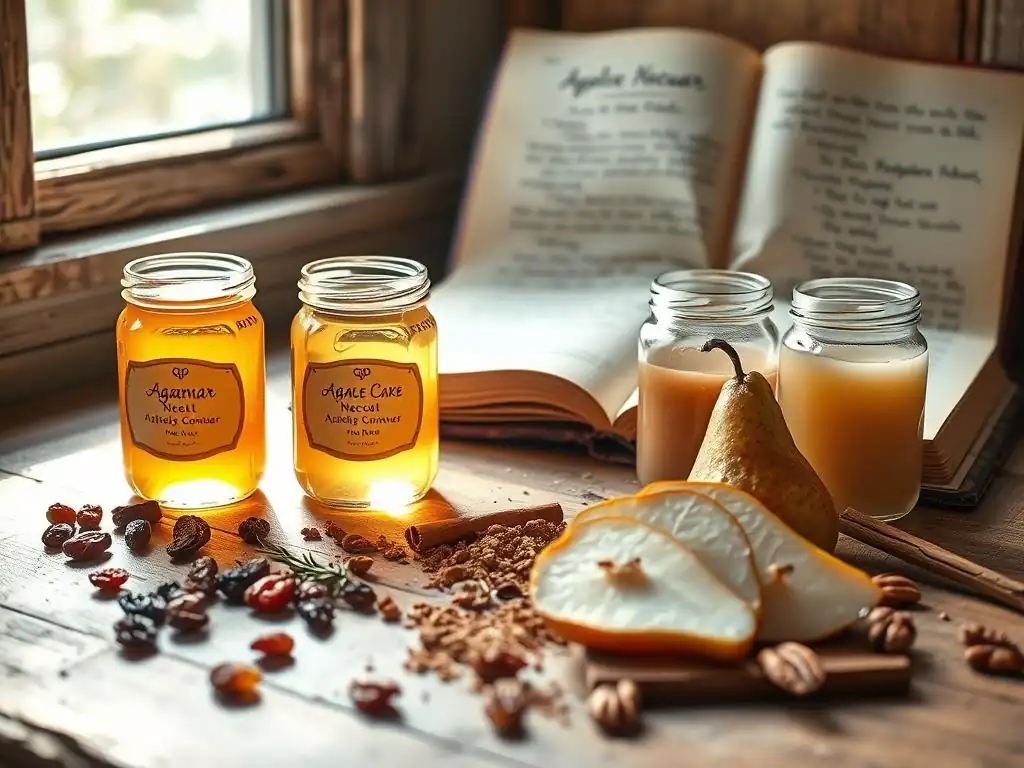
Wholesome Sweeteners Organic Blue Agave: A Versatile Choice
Wholesome Sweeteners is a popular brand known for its range of organic and fair-trade certified sweeteners. Their Organic Blue Agave is widely available and considered a good standard for baking applications. It typically has a relatively neutral flavor profile, especially the lighter varieties, which makes it versatile for many types of baked goods where you don't want the sweetener's flavor to dominate. This brand often tests well for consistency in texture and sweetness.
Features and Benefits of Wholesome Sweeteners Agave
One of the key features of Wholesome Sweeteners Organic Blue Agave is its consistent, mild flavor. This allows the other ingredients in your baked goods, such as vanilla, chocolate, or fruit, to shine through. Its light color also means it won't significantly alter the appearance of lighter-colored batters or doughs. Being organic and non-GMO are benefits for bakers looking for these certifications. Its reliable viscosity makes it easy to measure and incorporate into batters and doughs, contributing to a smoother agave nectar easy substitution process.
Madhava Organic Agave Nectar Amber: Adding Depth to Baked Goods
Madhava is another well-regarded brand offering various agave products. Their Organic Agave Nectar Amber has a slightly richer flavor profile compared to the lighter varieties. This amber color and flavor come from being heated slightly more during processing or being filtered less. While still relatively mild, it can impart subtle caramel or toffee notes to baked goods, adding a layer of complexity that might be desirable in certain recipes.
When to Use Amber Agave Nectar in Baking
Amber agave nectar is excellent for baked goods where a hint of caramel or a richer sweetness is welcome. Think along the lines of gingerbread, spice cakes, certain types of cookies, or even chocolate desserts where its depth can complement the cocoa flavor. While light agave works almost everywhere, amber agave offers an opportunity to enhance the flavor profile of specific recipes. Choosing amber over light is a simple way to add nuance when making an agave nectar easy substitution, depending on the desired outcome.
Volupta Organic Raw Agave: Preserving Natural Flavors
Volupta Organic Raw Agave is marketed as being processed at lower temperatures to maintain more of the natural enzymes and flavor compounds. Raw agave typically has a slightly more distinct, sometimes described as "earthy" or "fruity," flavor compared to highly refined light agave. It's also often slightly darker in color. Bakers choosing raw agave are often seeking a less processed ingredient and appreciate its unique, subtle flavor characteristics.
Why Choose Raw Agave Nectar for Your Recipes
Choosing raw agave nectar is often about prioritizing a less processed ingredient and embracing a slightly more characterful sweetener. Its flavor is not as neutral as light agave, so it's best used in recipes where that subtle flavor won't clash or is even desired. It can work well in rustic bakes, certain fruit tarts, or recipes where you are aiming for a more "natural" taste profile. While the process of making an agave nectar easy substitution remains similar in terms of liquid and sweetness adjustments, the choice of raw agave introduces a flavor variable to consider.
Baking with Agave Nectar: Avoiding Common Mistakes
Mistake #1: Over-Sweetening Your Baked Goods
One of the most frequent errors when first using agave nectar is making the baked goods too sweet. Remember, agave is significantly sweeter than granulated sugar, roughly 1.5 times sweeter. If you use a 1:1 substitution ratio (1 cup agave for 1 cup sugar), your result will be overwhelmingly sweet, potentially masking other flavors and negatively impacting texture. The high fructose content amplifies the perceived sweetness.
Tips for Balancing Sweetness with Agave
To avoid over-sweetening, always start with the recommended conversion ratio of approximately 2/3 cup agave for every 1 cup of sugar. For your first attempt with a new recipe, you might even reduce the agave slightly below this ratio, perhaps using closer to 1/2 cup per cup of sugar, especially if the original recipe is already quite sweet.
Tasting the batter (if safe) can give you an indication, though remember sweetness mellows slightly upon baking. Keeping notes on your adjustments and results is key to finding the perfect sweetness balance for your palate and the specific recipe when making an agave nectar easy substitution.
Mistake #2: Ignoring the Liquid Content Adjustment
Another critical mistake is substituting agave 1:1 for sugar in volume without reducing other liquids in the recipe. Agave adds moisture, and without compensation, the batter or dough will be too wet. This excess liquid can lead to poor structure, a dense or gummy texture, inadequate rising (especially in cakes), and cookies that spread too much in the oven.
Preventing Soggy Cakes and Cookies with Agave
Always reduce the liquid content in your recipe when using agave nectar. As a general rule, subtract about 1/4 cup of liquid for every 1 cup of sugar you replace with 2/3 cup agave. Focus on reducing liquids like milk, water, or juice first. If the recipe contains eggs, it's usually best not to reduce them unless you are experienced in recipe development, as eggs contribute significantly to structure and richness. Making this liquid adjustment is a fundamental step towards a successful agave nectar easy substitution and prevents common texture issues.
Mistake #3: Using the Wrong Type of Agave for Your Recipe
While the substitution ratio and liquid adjustments are similar across different types of agave, using an amber or raw agave in a recipe that requires a neutral flavor can be a mistake. The distinct flavor notes of darker or less processed agave can sometimes clash with delicate flavors or overpower subtle ingredients, leading to an unexpected taste in your final product.
Choosing the Right Agave Nectar Based on Flavor Profile
Consider the flavor profile you want for your baked goods when selecting agave. For most general baking where you want the other flavors to dominate, a light or clear agave nectar is the best choice. Its neutral sweetness complements a wide range of ingredients. Use amber or raw agave when you specifically want to introduce subtle notes of caramel, honey, or earthiness that will enhance the overall flavor of the bake, such as in spice cakes, gingerbread, or some chocolate recipes. Selecting the appropriate type of agave is part of making a truly effective agave nectar easy substitution.
Beyond Agave: Exploring Other Natural Sweeteners for Baking
Maple Syrup: A Classic Alternative for Rich Flavor
Maple syrup is another popular natural liquid sweetener for baking, offering a distinct warm, rich flavor that pairs beautifully with many ingredients, especially spices, nuts, and fruits like apples and pumpkins. Like agave, it's a liquid and requires adjustments to other liquids in a recipe, though its sweetness level is closer to that of sugar (roughly a 3/4 cup to 1 cup sugar ratio is a common starting point).
Baking with maple syrup often results in baked goods with a lovely golden color and a slightly denser, moist texture. Its flavor is more pronounced than light agave, so it's best used in recipes where its characteristic taste is welcome. It performs well in quick breads, muffins, and certain cookie recipes, offering a different flavor dimension than an agave nectar easy substitution.
Honey: A Versatile Sweetener with Unique Properties
Honey is perhaps the oldest natural sweetener used in baking. It's sweeter than sugar and also acidic, which can interact with leavening agents like baking soda, contributing to rise. Honey adds moisture and a distinct floral or earthy flavor depending on the variety (clover, wildflower, buckwheat, etc.). Like agave and maple syrup, it's a liquid and requires liquid adjustments, often using about 1/2 to 2/3 cup of honey for every cup of sugar, plus a reduction in other liquids.
Baking with honey can lead to very moist, tender results, but its strong flavor isn't suitable for all recipes. It also causes baked goods to brown even faster than agave due to its specific sugar composition. Using honey instead of making an agave nectar easy substitution means embracing a different flavor profile and potentially more significant adjustments to leavening and baking time.
Coconut Sugar: A Granular Option for Health-Conscious Bakers
Coconut sugar is a granular sweetener derived from the sap of the coconut palm flower. Unlike agave, maple syrup, or honey, it's a dry sweetener, making it a more direct substitute for granulated sugar in terms of texture and structure contribution. It has a lower glycemic index than sugar (around 35-50) and contains some minerals, though not in significant amounts.
Coconut sugar has a flavor similar to brown sugar, with caramel or toffee notes. It can often be substituted for granulated or brown sugar at a 1:1 ratio by volume, though it can be slightly less sweet, and results may be slightly drier as it doesn't dissolve quite the same way. While it doesn't require the liquid adjustments needed for an agave nectar easy substitution, its flavor and slightly different performance mean it behaves differently in baking than both sugar and liquid sweeteners.
Agave Nectar Easy Substitution: Recipe Examples
Transforming a classic chocolate chip cookie recipe with agave nectar involves applying the key substitution principles. Typically, you would replace the granulated and brown sugar with a combination of light agave nectar, using the 2/3 ratio (e.g., for 1 cup total sugar, use about 2/3 cup agave).
You would then reduce the amount of liquid (like milk or vanilla extract, though reducing vanilla is less common; sometimes increasing the flour slightly is an alternative here if liquid reduction isn't feasible) by about 1/4 cup. The result is often a cookie that is softer and chewier than a traditional sugar cookie, with a lovely moist interior.
Baking time and temperature adjustments are crucial here. You'd likely bake at a slightly lower temperature (e.g., 325°F instead of 350°F) and watch closely for browning, as the edges will color faster. This agave nectar easy substitution gives the beloved chocolate chip cookie a new texture and a sweetness profile that allows the chocolate flavor to stand out.
Agave-Infused Banana Bread: A Moist and Delicious Twist
Banana bread is an excellent candidate for an agave nectar easy substitution because moisture is already a key component of the recipe, and the flavors of banana and spices pair well with the subtle sweetness of agave. If your recipe calls for 1 cup of sugar, you would swap it for approximately 2/3 cup of light or amber agave nectar.
Since banana bread often contains milk, yogurt, or oil, you would reduce one of these liquids by about 1/4 cup to balance the moisture added by the agave. The natural moisture from the bananas, combined with the moisture-retaining properties of agave, often results in an incredibly tender and moist loaf. Baking at a slightly lower temperature (e.g., 325°F) for potentially a slightly longer time will ensure even cooking without over-browning the crust. This simple agave substitution enhances the natural flavors and moisture of a classic banana bread.
Agave-Based Vegan Brownies: A Decadent Treat for Everyone
Agave nectar is a popular sweetener in vegan baking as it's plant-derived. Creating decadent vegan brownies using agave involves replacing traditional sugar (often a mix of granulated and brown) with agave nectar. If a recipe calls for 1.5 cups of sugar total, you would use approximately 1 cup of agave nectar.
Vegan brownie recipes often use plant-based milk or oil as liquid components, making the liquid adjustment straightforward. You would reduce the plant milk or oil by about 1/4 to 1/3 cup to compensate for the agave. Agave contributes to a fudgy, moist texture in brownies, which is highly desirable. Baking at a slightly reduced temperature (around 325°F) is important to prevent the edges from becoming too hard before the center is set. This agave nectar easy substitution allows for a rich, moist vegan brownie that satisfies chocolate cravings.
Troubleshooting Your Agave Baking: Common Issues and Solutions
My Cake is Too Dense: How to Fix It with Agave
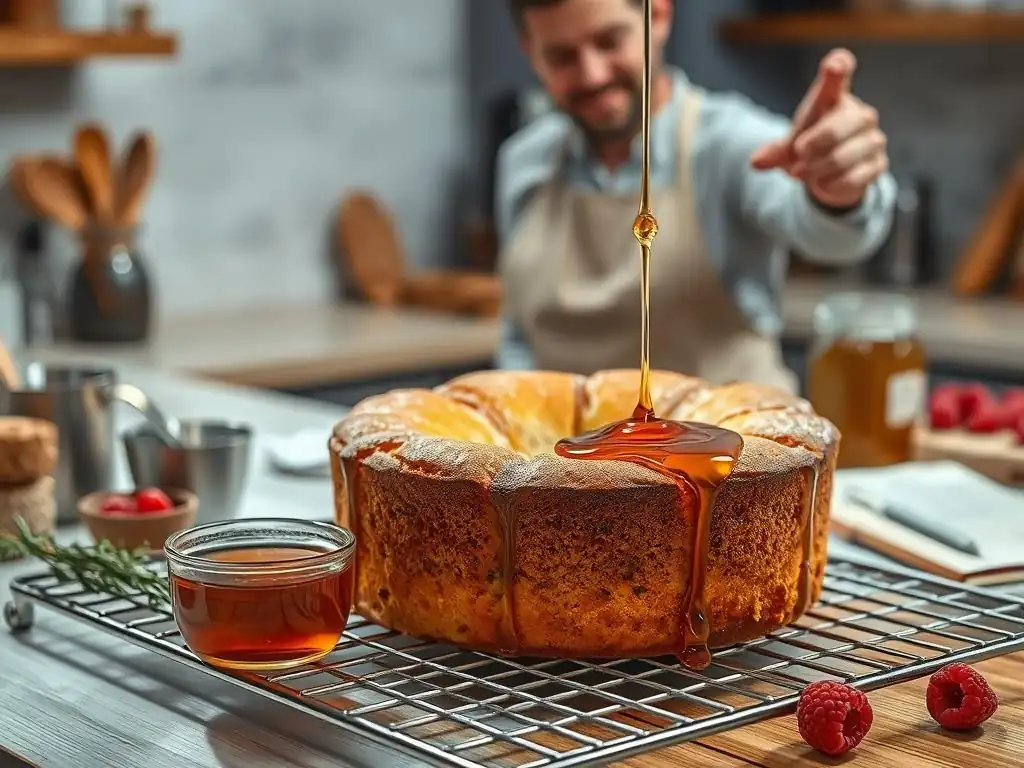
If your cake baked with agave nectar turned out too dense, it's likely due to an imbalance in the wet-to-dry ingredients, often from not adequately reducing other liquids to compensate for the agave. Too much liquid hinders proper gluten development and leavening action, resulting in a heavy, dense crumb.
To fix this in future attempts, revisit Step 3 of the agave nectar easy substitution guide: carefully measure and reduce the other liquids in your recipe by the recommended amount (approx. 1/4 cup per 1 cup sugar replaced with 2/3 cup agave). Ensure you are measuring the agave accurately. Sometimes, especially with thicker batters, slightly increasing the leavening (like baking powder) by a small amount (e.g., 1/4 teaspoon) can also help, but the primary fix is adjusting the liquid ratio.
Cookies that spread excessively are usually a sign of too much liquid or fat, or improper chilling. When using agave, excess liquid is a common culprit if you didn't reduce other wet ingredients. Agave also retains moisture, which can contribute to spread, and its lower caramelization temperature means they might spread more before setting.
To prevent thin cookies with agave, ensure you've reduced other liquids appropriately (Step 3). Chilling the cookie dough thoroughly (for at least 30-60 minutes) before baking is also crucial; this solidifies the fats and helps the cookies hold their shape better in the oven. Baking on parchment paper or silicone mats instead of directly on a greased tray can also help control spread. A slight increase in flour (1-2 tablespoons per batch) can sometimes help absorb excess moisture, but liquid adjustment is the primary strategy for a better agave nectar easy substitution in cookies.
My Bread Didn't Rise Properly: Agave and Yeast Interactions
Baking yeast breads with agave can be tricky because yeast fermentation relies on specific types of sugars. While yeast can metabolize the glucose and some fructose in agave, the high fructose content can sometimes inhibit yeast activity if used in large quantities or if the yeast isn't given enough time to activate. Also, the liquid nature of agave affects dough hydration.
For yeast breads, it's often best to replace only a portion of the sugar with agave (e.g., half) or to dissolve the yeast in warm water with a pinch of traditional sugar first to ensure activation before adding agave to the dough. Ensure the total liquid content is balanced after adding agave. Monitor the rise time carefully, as agave might slightly alter the fermentation speed. Making an agave nectar easy substitution in yeasted breads requires more careful consideration of yeast biology than in chemically leavened goods.
Conclusion: Mastering Agave Nectar in Baking
Embrace the Versatility of Agave for Delicious and Healthier Baking
Mastering the art of using agave nectar in baking opens up a world of possibilities for creating delicious treats with a different sweetness profile and texture. While it requires a few key adjustments compared to using granulated sugar, understanding its properties – its sweetness level, liquid nature, and browning characteristics – is the foundation for success. The core principles of an agave nectar easy substitution involve using less agave (around 2/3 cup for 1 cup sugar), reducing other liquids (by about 1/4 cup), and adjusting baking temperature (down by 25°F) and time.
By following these guidelines and being willing to experiment and observe your results, you can confidently incorporate agave nectar into many of your favorite baking recipes. From moist cakes and quick breads to soft cookies and fudgy brownies, agave can contribute delightful moisture and a clean sweetness. Embracing the nuances of agave nectar easy substitution allows you to expand your baking repertoire and explore alternative sweeteners effectively.
Frequently Asked Questions
What is agave nectar and why might I need a substitute for it in baking?
Agave nectar is a natural sweetener derived from the agave plant. You might need a substitute if you've run out, are looking for a different flavor profile, or are concerned about agave's fructose content.
What are the best easy substitutes for agave nectar in baking, considering BakeWithEase's focus on simplicity?
Good substitutes include honey, maple syrup, or corn syrup. These options offer similar sweetness and liquid consistency, making them easy to swap in recipes.
How does using a substitute like honey affect the texture of my baked goods compared to agave nectar?
Honey can make baked goods slightly moister and add a distinct flavor, unlike agave nectar which has a more neutral taste. Adjust liquid ingredients accordingly.
If I'm substituting with a granulated sugar like white sugar, how do I adjust the liquid in my recipe to compensate?
For every cup of granulated sugar, reduce the liquid in the recipe by approximately 1/4 cup. This helps maintain the correct consistency.
Is there a 1:1 substitution ratio for agave nectar with other liquid sweeteners like maple syrup?
Generally, yes, a 1:1 substitution ratio works well for most liquid sweeteners like maple syrup or honey when replacing agave nectar. However, taste and adjust as needed.
Final Reflection: The Sweetness of Adaptability
The search for the perfect agave nectar substitute is more than just a culinary quest; it's a reflection of our growing awareness of ingredient sourcing and the desire for culinary flexibility. Finding suitable alternatives not only enhances our cooking experience but also allows us to explore new flavors and potentially healthier options, depending on our dietary needs and preferences. This adaptability in the kitchen is a valuable skill, applicable far beyond the realm of sweetening agents.
The impact of readily available agave nectar substitutes extends beyond individual kitchens; it reflects a broader shift in consumer consciousness. We are increasingly mindful of the origins and impact of our food choices, seeking out sustainable and ethically sourced ingredients. This conscious consumption is reshaping the food industry, pushing for greater transparency and innovation. The future of food is not just about what we eat, but how we eat it, and where it comes from.
This quote perfectly encapsulates the larger movement of which our exploration of agave substitutes forms a small, yet significant, part.
Now, consider your own pantry. Think about the other ingredients you use regularly. Could you explore alternative options, perhaps discovering new favorites in the process? I encourage you to embrace the spirit of culinary experimentation, to step outside your comfort zone, and to discover the joy of finding the perfect substitute – not just for agave, but for any ingredient that sparks your curiosity. The journey of culinary exploration is a lifelong adventure, and the sweetness of discovery is always worth the effort.
Unlock Your Agave Expertise: Next Steps to Baking Bliss!
Thanks for taking the time to explore the world of agave substitutions with us! We hope you now feel confident in swapping agave for other sweeteners in your baking adventures. Ready to put your newfound knowledge into practice?
- Bake your dream dessert: Choose a recipe you love and try substituting agave for its usual sweetener – don't forget to check out our recipe section for agave-friendly inspiration!
- Share your agave creations: Show off your baking skills and inspire others by posting your delicious results on social media using #AgaveBakingBakeWithEase.
- Discover more agave tips and tricks: Leave a comment below sharing your favorite agave substitution tip or a question you still have – let's build a supportive baking community together!
What unexpected flavor combinations are you excited to try with agave next?