
Why Your Toffee Is Grainy: Understanding Sugar Types and Their Impact

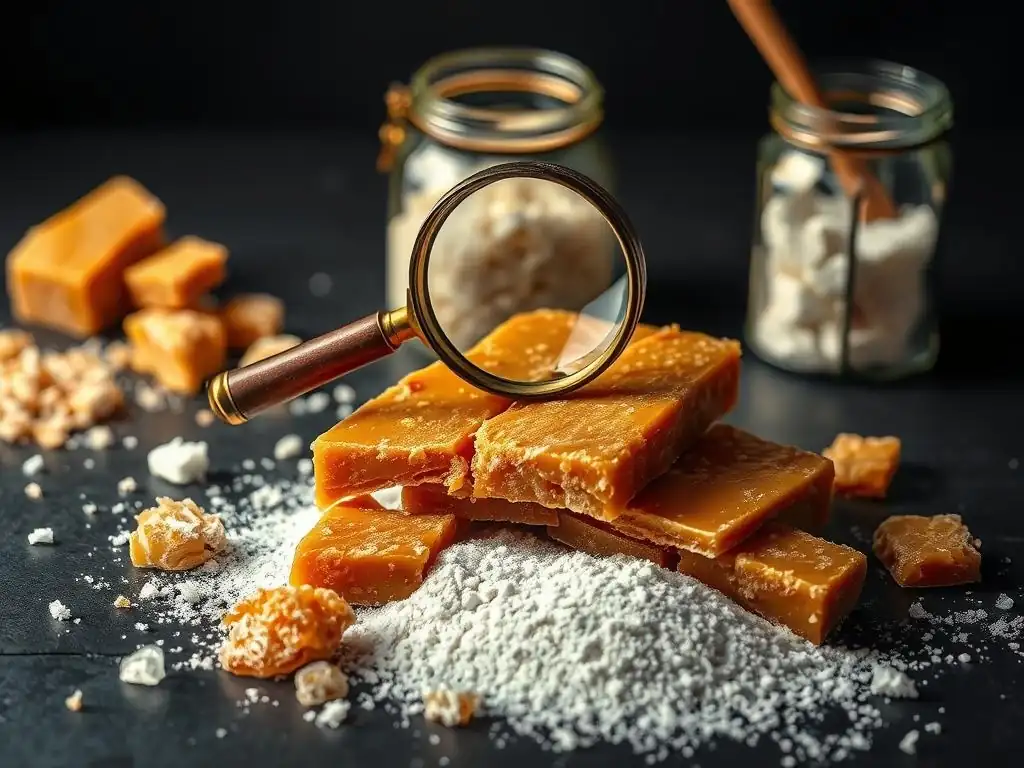
Welcome to BakeWithEase, your guide to unlocking baking perfection! Ever wondered why your toffee ends up with an undesirable grainy texture? This article delves into the fascinating world of sugar types and their pivotal role in achieving that smooth, buttery toffee you've always dreamed of. Prepare to unravel the secrets behind grainy toffee and discover the simple adjustments that will elevate your baking game – let's get started!
- Introduction: Troubleshooting Grainy Toffee – A Common Baking Problem
- Understanding the Science Behind Toffee Crystallization
-
Exploring Different Sugar Types for Toffee: A Baker's Guide
- Granulated Sugar (White Sugar): The Standard Choice and Its Challenges
- Brown Sugar in Toffee: Adding Molasses and Affecting Texture
- Corn Syrup: Preventing Crystallization and Achieving Smoothness
- Honey and Maple Syrup: Using Liquid Sugars for Unique Toffee Flavors
- Invert Sugar: Enhancing Smoothness and Moisture Retention
- The Impact of Sugar Types on Toffee Texture and Flavor
- Mastering Toffee Making: Techniques to Prevent Graininess
- Recipe Adjustments Based on Sugar Type: A Practical Guide
- Troubleshooting Grainy Toffee: Identifying the Cause and Finding Solutions
- Conclusion: Achieving Perfect, Smooth Toffee Every Time
-
Frequently Asked Questions
- Why is my toffee grainy, even when I follow the recipe exactly?
- Which type of sugar is best for making toffee, and why?
- How does the temperature of the sugar mixture affect the final texture of the toffee?
- Can I use a candy thermometer to prevent grainy toffee, and how?
- What are some tips for preventing sugar crystallization when making toffee?
- Final Reflection: The Sweet Science Behind Grainy Toffee
- Unlock Perfectly Smooth Toffee: Mastering Sugar Secrets!
Introduction: Troubleshooting Grainy Toffee – A Common Baking Problem
Hey there, fellow baker! Ever lovingly crafted a batch of toffee, only to find that instead of a smooth, glassy sheet, you end up with a crumbly, sugary mess? You're not alone. Grainy toffee is one of the most frustrating issues in candy making, and it often boils down to how sugar behaves during the cooking process. Understanding the science behind sugar crystallization and the role of different sugar types is key to preventing this common pitfall and achieving that perfect, brittle snap.
This article will dive deep into why your toffee might be turning out grainy, exploring the fundamental science involved and, crucially, how the sugar types you choose and how you handle them directly impact the final texture. We'll look at everything from standard granulated sugar to the helpful properties of corn syrup and other liquid sugars. By the end, you'll have the knowledge and techniques to confidently create smooth, delicious toffee every time.
Understanding the Science Behind Toffee Crystallization
What Causes Grainy Toffee? The Role of Sugar Crystals
At its heart, toffee is essentially caramelized sugar. When you heat sugar (sucrose) with other ingredients like butter and sometimes water, it dissolves into a syrup. As this syrup cooks and the water evaporates, the sugar concentration increases, and the temperature rises. The goal is to reach a specific temperature (around 300-320°F or 150-160°C for hard crack toffee) where the sugar melts and begins to caramelize, developing its characteristic flavor and color. However, sugar molecules have a strong tendency to return to their solid, crystalline state.
Graininess occurs when sugar crystals form uncontrollably during the cooling process, or even while cooking. These crystals act as seeds, encouraging other dissolved sugar molecules to attach to them, rapidly forming a network of small, hard sugar particles throughout the toffee. Instead of a smooth, amorphous (non-crystalline) structure, you get a texture akin to fine sand. This uncontrolled crystallization is the primary culprit behind that undesirable grainy toffee texture.
The Importance of Sugar Dissolution in Toffee Making
Before you even start cooking, the sugar must be fully dissolved in the liquid components of your recipe (usually water or the moisture from butter). This initial dissolution is critical. If even a few undissolved sugar crystals remain on the sides of the pan or within the mixture, they can act as nucleation points. As the syrup cooks and becomes more concentrated, these stray crystals can trigger a chain reaction, leading to rapid and widespread crystallization throughout the batch.
Think of it like a domino effect. A single tiny crystal, perhaps stuck to the side of the pan from pouring the sugar in, falls into the super-saturated syrup. This crystal provides a surface for dissolved sugar molecules to grab onto, pulling them out of solution and causing them to crystallize. This new, slightly larger crystal can then attract more molecules, and so on. Ensuring complete dissolution at the beginning and preventing new crystals from entering the syrup during cooking are fundamental steps in avoiding grainy toffee and achieving a smooth consistency.
Exploring Different Sugar Types for Toffee: A Baker's Guide
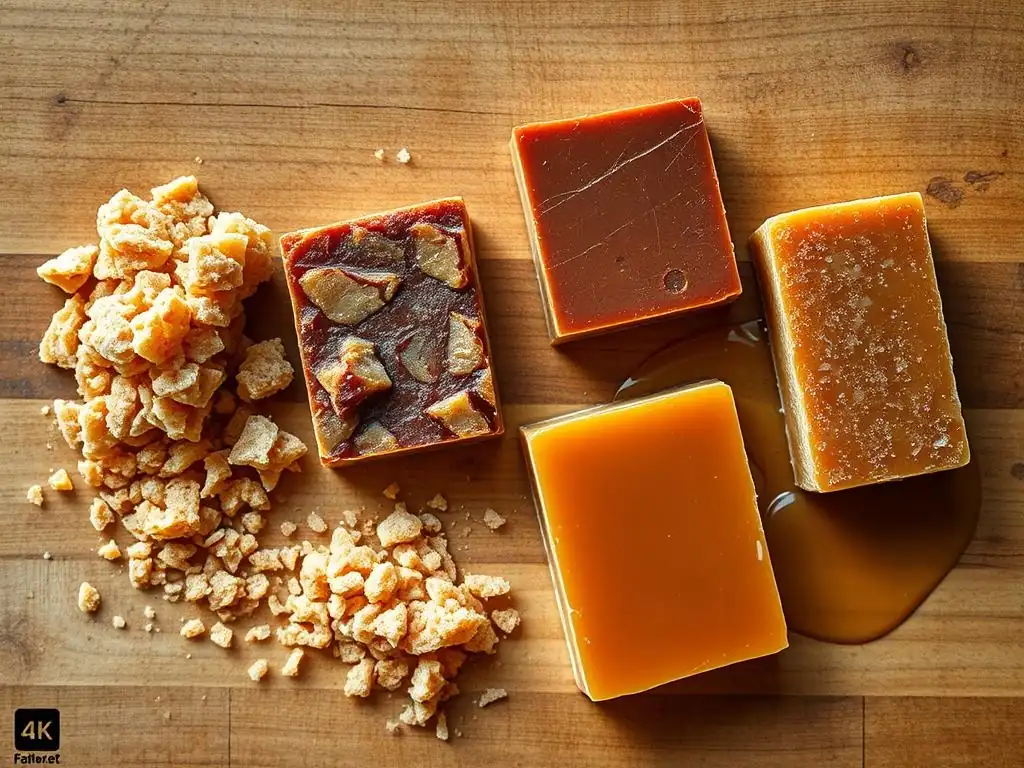
Granulated Sugar (White Sugar): The Standard Choice and Its Challenges
Granulated sugar, which is almost pure sucrose, is the most common sugar type used in toffee recipes due to its widespread availability and neutral flavor profile. It provides the necessary sweetness and structure when cooked to the hard crack stage. A typical toffee recipe might use 1 cup of granulated sugar. However, because it's essentially pure sucrose, it is highly prone to crystallization if not handled carefully.
Using granulated sugar requires strict attention to technique. Any impurity, a rogue crystal on the spoon, or even residual sugar stuck to the pan's sides can initiate crystallization. This is why recipes often emphasize cleaning down the sides of the pan with a wet pastry brush during the initial cooking phase. Despite the risk, granulated sugar is preferred for classic brittle toffees where a clean, sweet flavor is desired, provided the crystallization is controlled to create the smooth, glassy texture.
Brown Sugar in Toffee: Adding Molasses and Affecting Texture
Brown sugar is granulated sugar with the addition of molasses. Light brown sugar contains about 3.5% molasses by weight, while dark brown sugar can contain up to 6.5%. Molasses contains a mix of sucrose, glucose, and fructose, as well as water and other compounds. When using brown sugar for toffee, the molasses adds a distinct, richer flavor profile compared to white sugar toffee.
The presence of glucose and fructose (invert sugars) in molasses can slightly inhibit crystallization compared to pure granulated sugar. However, brown sugar also introduces more moisture and impurities, which can sometimes make achieving the exact desired texture tricky. While it can still result in a smooth toffee if cooked correctly, the texture might be slightly less brittle than one made purely with granulated sugar due to the non-sucrose components. The rich flavor of molasses pairs wonderfully with ingredients like pecans or walnuts in toffee.
Corn Syrup: Preventing Crystallization and Achieving Smoothness
Corn syrup is a liquid sweetener derived from corn starch. It primarily consists of glucose, maltose, and other oligosaccharides, which are different sugar molecules than the sucrose in granulated sugar. Crucially, the glucose and other sugars in corn syrup act as "interfering agents" when mixed with sucrose. They get in the way of sucrose molecules trying to bond together to form crystals.
Adding just a small amount of corn syrup to a granulated sugar toffee recipe (often around 1/4 to 1/2 cup per 2 cups of sugar) significantly increases the margin for error and drastically reduces the likelihood of getting grainy toffee. It helps maintain the sugar in a liquid, non-crystalline state even at high concentrations and temperatures. This results in a much smoother, more reliable toffee texture. Many commercial toffees and brittles use corn syrup for this very reason.
Honey and Maple Syrup: Using Liquid Sugars for Unique Toffee Flavors
Honey and maple syrup are natural liquid sweeteners that can also be used in toffee, though they are less common than corn syrup. Both primarily contain a mix of sugars different from sucrose, including fructose and glucose (in honey) or sucrose and other complex sugars (in maple syrup). Like corn syrup, these non-sucrose sugars can help inhibit the crystallization of granulated sugar when used in combination.
Using honey or maple syrup will impart their distinct flavors to the toffee, which may or may not be desired depending on the recipe. For example, a honey-sweetened almond brittle offers a different taste experience than a classic butter toffee. However, these syrups also contain more water and can affect the final cooking temperature and texture slightly differently than corn syrup. Experimentation is key when substituting these sugar types to find the right balance for flavor and texture.
Invert Sugar: Enhancing Smoothness and Moisture Retention
Invert sugar is a syrup made by breaking down sucrose into its component sugars, glucose and fructose, often using an acid or enzyme. Golden syrup is a common example of a type of invert sugar. Because it is a mixture of glucose and fructose, it behaves similarly to corn syrup or honey in preventing sucrose crystallization.
Invert sugar is particularly effective at preventing the formation of large sucrose crystals, leading to a very smooth texture. It also has hygroscopic properties, meaning it attracts and retains moisture. This can make the toffee slightly softer or chewier than a purely sucrose-based toffee, and can also help prevent it from drying out and becoming hard as rock over time. While not a common pantry staple for most home bakers, understanding invert sugar helps explain why certain commercial candies remain smooth and slightly pliable.
The Impact of Sugar Types on Toffee Texture and Flavor
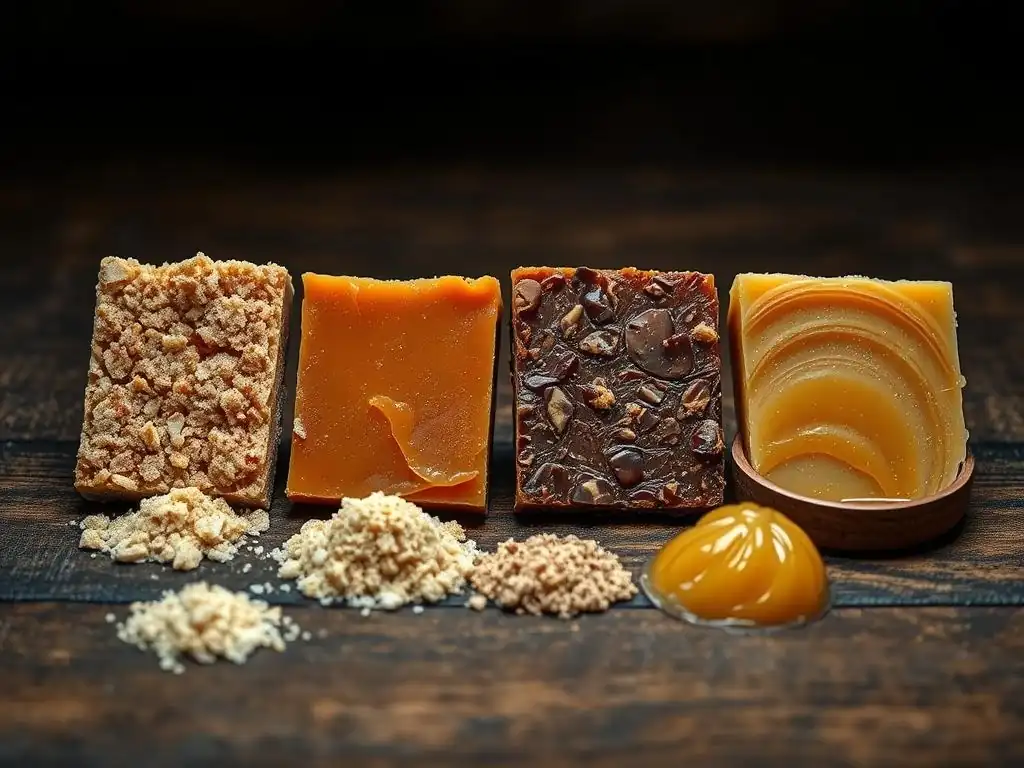
How Sugar Type Affects Toffee's Graininess
The primary way different sugar types influence graininess is their inherent tendency to crystallize and their ability to interfere with sucrose crystallization. Pure sucrose (granulated sugar) is the most prone to forming large, visible crystals, making it the riskiest choice if technique isn't perfect. This is why many bakers experience grainy toffee when starting out with simple granulated sugar recipes.
Adding interfering sugars like glucose and fructose (found in corn syrup, honey, maple syrup, and invert sugar) or other complex sugars helps prevent the sucrose molecules from arranging themselves into a crystalline structure. Even a small percentage of these interfering sugars can dramatically reduce the likelihood of graininess, resulting in a consistently smooth and glassy texture. The higher the proportion of interfering sugars relative to sucrose, the less likely the toffee is to become grainy.
Flavor Profiles: Matching Sugar Type to Desired Toffee Taste
Beyond texture, the sugar types used significantly impact the flavor of the finished toffee. Granulated white sugar provides a clean, sweet base that allows other flavors, like butter or nuts, to shine through. When caramelized properly, it develops classic toffee notes.
Brown sugar introduces the distinct, slightly malty or caramel notes of molasses. This pairs wonderfully with ingredients like pecans or peanuts, creating a richer, deeper flavor profile. Corn syrup is relatively neutral in flavor, making it an excellent choice for texture control without altering the primary taste contributed by the granulated sugar and butter.
Honey and maple syrup, as mentioned, add their unique, identifiable flavors, perfect for specific recipes where those tastes are desired, like a honey-nut brittle or a maple-flavored caramel. Choosing the right sugar type is therefore a balance between achieving the desired smooth texture and the intended flavor profile.
Mastering Toffee Making: Techniques to Prevent Graininess
The Right Temperature: Achieving the Ideal Caramelization
Temperature control is paramount in preventing grainy toffee. Sugar solutions go through different stages (thread, soft ball, firm ball, hard ball, soft crack, hard crack) based on their temperature, which corresponds to their sugar concentration and hardness when cooled. Toffee requires reaching the hard crack stage, typically between 300°F and 320°F (150°C - 160°C). At this temperature, the sugar has caramelized, and most of the water has evaporated, resulting in a hard, brittle candy when cooled.
Undercooking (not reaching the hard crack stage) will result in a soft or chewy candy, not toffee. Overcooking can burn the sugar, leading to a bitter taste. More importantly for graininess, inconsistent heating or temperature fluctuations can promote crystallization. Using a reliable candy thermometer is essential to accurately track the temperature and ensure the sugar reaches the correct stage evenly.
Stirring Techniques: Minimizing Crystal Formation
How you stir your toffee mixture can make a huge difference in preventing graininess. Initially, you can stir the sugar and liquid together over low heat to help the sugar dissolve completely. However, once the mixture comes to a boil and becomes clear, stop stirring. Stirring while the syrup is boiling can splash tiny sugar crystals onto the sides of the pan above the liquid level. These crystals can then fall back into the supersaturated syrup, triggering crystallization.
If you see crystals forming on the sides of the pan during cooking, gently brush them down into the boiling syrup using a clean pastry brush dipped in water. This dissolves them back into the solution. Once the syrup is clear and boiling, resist the urge to stir until you add the butter or reach the target temperature, depending on your recipe's method. Minimal agitation helps maintain the smooth, non-crystalline state of the cooking sugar.
Adding Acids: Lemon Juice or Cream of Tartar for Smooth Toffee
Adding a small amount of acid to your sugar syrup is a classic trick to prevent grainy toffee. Common acids used include lemon juice, vinegar, or cream of tartar. For example, a recipe might call for 1 teaspoon of lemon juice or 1/4 teaspoon of cream of tartar per 2 cups of sugar. These acids, when heated with the sucrose solution, help to hydrolyze (break down) some of the sucrose molecules into glucose and fructose.
As we discussed earlier, glucose and fructose are "interfering sugars" that disrupt the ability of sucrose molecules to form a crystalline lattice. By converting a small percentage of the sucrose into these simpler sugars, the acid creates a more stable syrup that is less likely to crystallize uncontrollably. This provides an extra layer of insurance against graininess, especially when using only granulated sugar.
Butter's Role: Emulsification and Preventing Sugar Recrystallization
Butter is a crucial ingredient in most toffee recipes, not just for flavor and richness, but also for texture and preventing graininess. Butter is an emulsion of fat, water, and milk solids. When added to the hot sugar syrup, the fat coats the sugar molecules. This coating acts as a barrier, physically preventing sugar molecules from easily coming together and forming crystals.
Furthermore, the small amount of water present in butter helps dissolve any potential stray sugar crystals that might be lingering. As the mixture continues to cook after the butter is added, the water evaporates, and the fat remains, continuing its protective function. The fat also contributes to the brittle texture and smooth mouthfeel of the finished toffee. Adding butter at the correct stage, usually after the sugar has reached a certain temperature but before the final hard crack stage, is important for its emulsifying and anti-crystallization effects.
Recipe Adjustments Based on Sugar Type: A Practical Guide
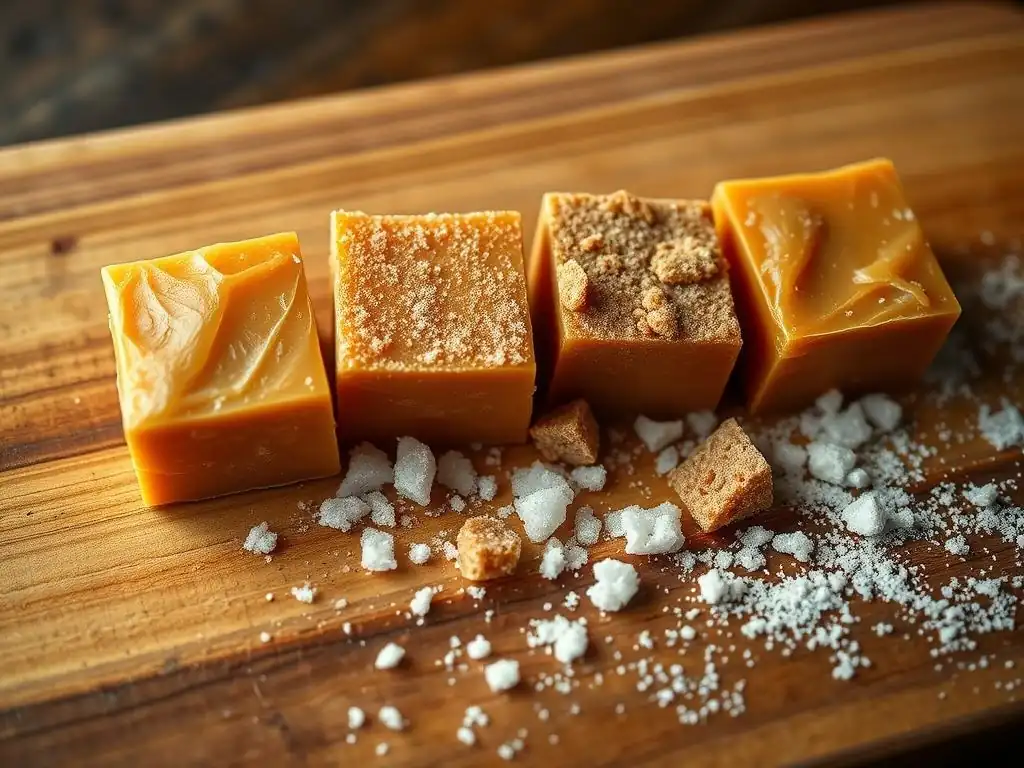
Granulated Sugar Toffee Recipe: Tips and Tricks
Crafting smooth toffee solely with granulated sugar requires precision and attention to detail. Start by combining the sugar with the liquid (water or butter) and heating gently until all sugar crystals are completely dissolved before boiling. Use a wet pastry brush to wash down any crystals clinging to the sides of the pan.
Once boiling, avoid stirring. Cook using a candy thermometer to reach the target temperature (around 305-315°F or 152-157°C for butter toffee, slightly higher for just sugar brittle). Adding a touch of acid, like a teaspoon of lemon juice per 2 cups of sugar, provides extra insurance against graining. Pour the finished toffee onto a prepared surface without scraping the pan, as this can introduce unincorporated crystals.
Brown Sugar Toffee Recipe: Balancing Molasses and Texture
When using brown sugar, remember it contains molasses, which adds flavor but also moisture. You might need to cook a brown sugar toffee to a slightly higher temperature (perhaps 310-320°F or 154-160°C) than a white sugar toffee to account for the extra moisture and achieve the same level of hardness. The molasses also makes the mixture darker sooner, so rely more on temperature than color to judge doneness.
The natural invert sugars in the molasses offer some protection against crystallization, making brown sugar toffee potentially slightly less prone to graininess than pure white sugar versions, assuming all other factors are equal. However, the impurities in brown sugar can sometimes act as nucleation sites, so maintaining clean technique (dissolving fully, avoiding stirring) is still crucial.
Corn Syrup Toffee Recipe: Achieving Maximum Smoothness
Using corn syrup is arguably the easiest way to ensure a smooth, non-grainy toffee. A common ratio is 1 to 2 parts corn syrup for every 4 parts granulated sugar. The corn syrup acts as a powerful interfering agent, making the syrup much more stable and resistant to crystallization.
With corn syrup in the mix, you have more leeway with stirring (though still minimize it when boiling) and are less likely to need acid. Cook the mixture, using a thermometer, to the hard crack stage (typically 300-310°F or 150-154°C, depending on the ratio of corn syrup to sugar). The resulting toffee will be consistently smooth and less likely to develop a grainy toffee texture, even if conditions aren't perfect.
Troubleshooting Grainy Toffee: Identifying the Cause and Finding Solutions
Analyzing Your Toffee: Identifying Crystal Size and Distribution
If your toffee turned out grainy, take a closer look at the texture. Are the sugar crystals large and distinct, or is it a fine, powdery graininess? Large crystals often indicate that initial dissolution was incomplete or that stray crystals fell into the syrup during cooking. A fine, overall graininess can suggest that the syrup crystallized during cooling, possibly due to temperature fluctuations, insufficient interfering agents, or simply the inherent instability of a pure sugar solution as it cools.
Consider the steps you took: Did you ensure all the sugar was dissolved initially? Did you stir after the syrup boiled? Did you add an acid or corn syrup? Was your thermometer accurate? Did the temperature drop significantly during cooling? Pinpointing the likely cause based on the appearance of the graininess and your process helps you adjust for the next batch. Understanding how different sugar types behave is the first step in this analysis.
Salvaging Grainy Toffee: Potential Solutions and Reworking Techniques
Don't despair if your toffee is grainy! It might be salvageable. The most common method is to gently reheat the toffee with a small amount of liquid (like water or milk, depending on the recipe). Place the grainy toffee pieces back in a clean saucepan with a tablespoon or two of liquid per cup of grainy toffee. Heat slowly over low heat, stirring constantly, until the sugar crystals dissolve again into a smooth syrup.
Once the mixture is smooth, you can try recooking it. This time, be extra vigilant about preventing crystallization. Add a small amount of corn syrup or acid if you didn't originally, ensure no crystals are on the pan sides, and use a thermometer to cook accurately to the hard crack stage. While salvaged toffee might have a slightly different color or flavor due to the second cooking, it's often perfectly fine for snacking or using in other applications like crushing for toppings.
Conclusion: Achieving Perfect, Smooth Toffee Every Time
Making smooth, perfect toffee doesn't have to be a mystery. The key lies in understanding the science of sugar crystallization and how different sugar types influence this process. While granulated sugar is traditional, its purity makes it prone to graining if not handled with care. Adding interfering agents like corn syrup or acid provides a buffer against crystallization, making the process much more reliable.
By ensuring complete initial dissolution, minimizing stirring during boiling, using accurate temperatures, and potentially incorporating anti-crystallization agents, you dramatically increase your chances of success. Don't be afraid to experiment with different sugar types and techniques to find what works best for you and the specific toffee flavor and texture you desire.
Key Takeaways: Sugar Selection and Toffee Making Success
Achieving smooth toffee consistently boils down to a few critical points:
- Dissolve Fully: Ensure all sugar crystals are dissolved before the syrup boils.
- Control Crystals: Prevent stray crystals from entering or forming on the sides of the pan during cooking.
- Use Interfering Agents: Consider adding corn syrup, acid (like lemon juice), or using brown sugar (for its molasses content) to help prevent crystallization, especially if you've struggled with grainy toffee in the past.
- Monitor Temperature: Use a reliable thermometer to cook the toffee accurately to the hard crack stage (approx. 300-320°F).
- Handle Carefully: Pour without scraping and cool undisturbed.
By focusing on these fundamentals and understanding the role that different sugar types play, you'll be well on your way to creating delicious, smooth toffee that snaps beautifully every time! Happy baking!
Frequently Asked Questions
Why is my toffee grainy, even when I follow the recipe exactly?
Grainy toffee is often caused by sugar crystallization. This can happen if there are undissolved sugar crystals present or if the sugar mixture is disturbed during cooking.
Which type of sugar is best for making toffee, and why?
Granulated sugar is commonly used, but brown sugar can add a molasses flavor. The key is to ensure the sugar completely dissolves and is cooked to the correct temperature for a smooth texture.
How does the temperature of the sugar mixture affect the final texture of the toffee?
Reaching the correct temperature, typically the hard-crack stage, is crucial. Under-cooking results in soft toffee, while over-cooking can lead to burnt flavors and a very brittle texture.
Can I use a candy thermometer to prevent grainy toffee, and how?
Yes, a candy thermometer is essential. It allows you to accurately monitor the sugar's temperature and ensure it reaches the hard-crack stage (around 300-310°F) without crystallizing.
What are some tips for preventing sugar crystallization when making toffee?
Avoid stirring the sugar mixture after it comes to a boil. You can also brush down the sides of the pan with a wet pastry brush to dissolve any sugar crystals that may have formed. Adding a bit of corn syrup may also help.
Final Reflection: The Sweet Science Behind Grainy Toffee
Understanding the intricacies of sugar types is essential for anyone looking to perfect their toffee-making skills. The graininess that can plague your toffee is not merely a culinary mishap; it is a reflection of the fundamental properties of the sugars we use. As we delve deeper into the world of sugar types and their unique characteristics, we uncover the science that can transform a simple treat into a masterpiece. The journey to perfect toffee is as much about knowledge as it is about technique.
Culinary practices are deeply intertwined with cultural traditions and innovations, and the way we approach sugar in our recipes can significantly shape our experiences. The graininess of toffee serves as a reminder of the delicate balance between art and science in cooking. As we navigate through various sugar types, we are not just learning about ingredients; we are also connecting with generations of bakers who have faced similar challenges. Cooking is like love. It should be entered into with abandon or not at all.
– Harriet Van Horne. This quote encapsulates the passion that drives us to explore the nuances of our craft, reminding us that understanding our ingredients can lead to greater culinary satisfaction.
As you reflect on your own toffee-making journey, consider how the lessons learned from sugar types can inspire you to experiment and innovate in your kitchen. Embrace the challenges that come with mastering this sweet treat, and let the knowledge of sugar's impact guide you toward creating the perfect toffee. Whether you are a novice or a seasoned confectioner, take this opportunity to reflect on your techniques and perhaps even share your newfound insights with others. The world of toffee is waiting for your unique touch—let your creativity shine!
Unlock Perfectly Smooth Toffee: Mastering Sugar Secrets!
Thanks for joining us on this delicious journey into the world of toffee! We hope you now understand the crucial role different sugar types play in achieving that melt-in-your-mouth texture. Ready to put your new knowledge into practice?
- Try our recommended recipe: We've developed a foolproof toffee recipe using the perfect sugar blend, specifically designed to avoid graininess. Find it on our recipe page!
- Share your toffee triumphs (or tribulations!): Let's connect! Tell us about your toffee-making adventures in the comments below. What sugar type are you experimenting with next?
- Explore our sugar guide: Dive deeper into the properties of various sugars to unlock even more baking possibilities. You might be surprised by what you discover!
So, what's your next toffee experiment going to be? What exciting flavor combinations will you create with your newfound knowledge?