
Troubleshooting Sunken GlutenFree Cakes: Identifying Swap Errors

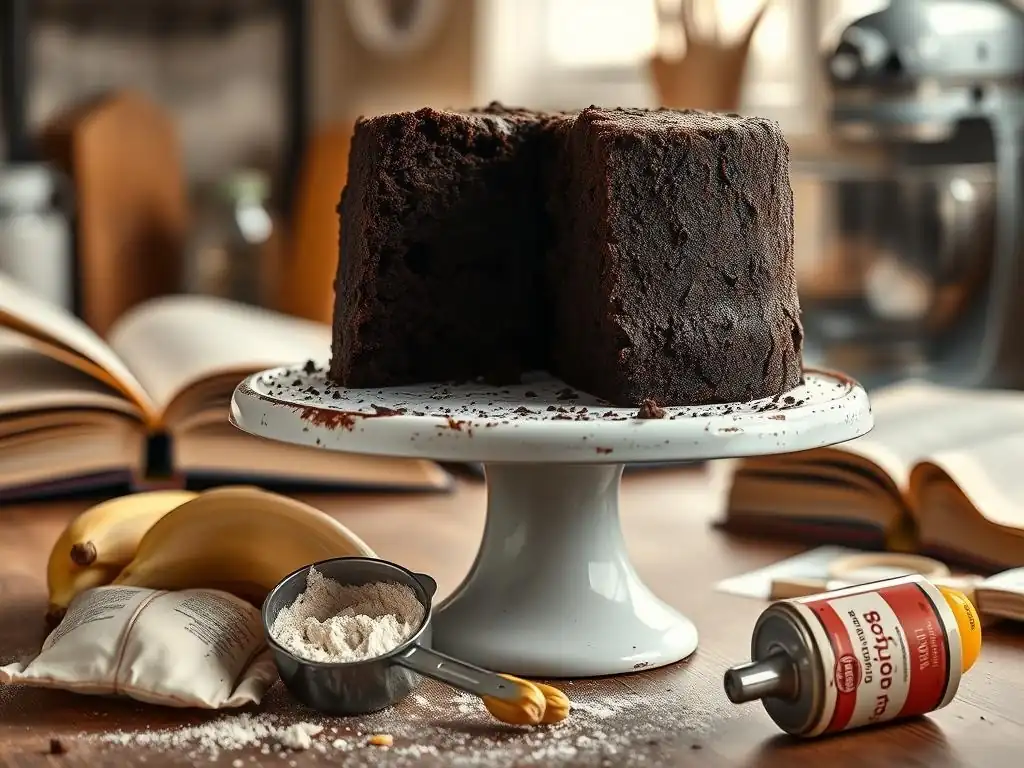
Welcome to BakeWithEase, your kitchen companion for all things baking! Ever wondered why your gluten-free cake went from promising to...well, a bit of a disaster? Today, we're diving deep into the common pitfalls that lead to gluten-free cake sinking issues, specifically focusing on identifying the swap errors that can make or literally break your bake. Read on to uncover the secrets to a perfectly risen, delightfully delicious gluten-free cake, and say goodbye to sunken disappointments!
- Troubleshooting Sunken Gluten-Free Cakes: Identifying Common Errors | BakeRight.com
- Understanding Gluten-Free Cake Sinking Issues
- Identifying Flour Blend Errors
- Analyzing Liquid to Dry Ingredient Ratios
- Examining Binding Agent Usage
- Investigating Sweetener Impact
- Baking Technique Errors
- Practical Solutions
- Case Studies: Analyzing Cake Failures
- Advanced Baking Techniques
- Frequently Asked Questions
- Final Reflection: The Rising Tide of Gluten-Free Baking Success
- Rescue Your Sunken Gluten-Free Cake!
Troubleshooting Sunken Gluten-Free Cakes: Identifying Common Errors | BakeRight.com
Understanding Gluten-Free Cake Sinking Issues
Why Gluten-Free Cakes Sink: The Absence of Gluten's Network
Gluten, a protein network formed when wheat flour is mixed with liquid, is the unsung hero in traditional baking, providing structure, elasticity, and stability. It traps air bubbles created by leavening agents, allowing cakes to rise and hold their shape during baking and cooling. Without this robust network, gluten-free batters rely on a delicate balance of alternative flours, starches, and binders to achieve a similar structure. When this balance is off, the cake lacks the internal scaffolding needed to support its rise, leading to common glutenfree cake sinking issues.
The challenge in gluten-free baking is replicating gluten's function. Gluten-free flours, derived from sources like rice, almond, oat, or legumes, lack the same protein structure. This means that while they provide bulk and flavor, they don't inherently create the resilient framework necessary for a tall, airy cake. Understanding this fundamental difference is the first step in diagnosing why your glutenfree cake might be sinking and how to prevent these frustrating outcomes.
Common Causes of Sunken Gluten-Free Cakes
Several factors contribute to glutenfree cake sinking issues, often stemming from the unique properties of gluten-free ingredients and the techniques used. One major culprit is an imbalance in the dry-to-liquid ratio, where too much moisture can weigh down the structure. Another common issue is the incorrect use of binding agents like xanthan or guar gum, which are crucial for providing cohesion but can cause toughness or collapse if used improperly.
Beyond ingredient ratios, baking technique plays a significant role in avoiding a sunken gluten-free cake. Factors such as inaccurate oven temperature, opening the oven door too early, or improper mixing can disrupt the delicate structure as it bakes. Overmixing can overdevelop binders, leading to a tough texture and potential sinking, while undermixing might leave ingredients poorly emulsified, also compromising structure. Addressing these common causes systematically is key to mastering gluten-free baking and preventing glutenfree cake sinking issues.
Identifying Flour Blend Errors
Incorrect Flour Blend Ratios: A Primary Cause
One of the most frequent reasons for glutenfree cake sinking issues is using an imbalanced flour blend. Unlike wheat flour, which contains both structure-building protein and tenderizing starch, gluten-free blends need specific ratios of different components to mimic these properties. A typical effective gluten-free blend often includes a mix of starchy flours (like rice or tapioca) and protein-rich flours (like almond or oat), balanced with starches (cornstarch, potato starch).
If the blend has too much heavy, protein-rich flour without enough lighter starches, the cake can become dense and struggle to rise adequately, increasing the likelihood of sinking. Conversely, too much starch can lead to a crumbly texture that also collapses.
For instance, a blend that is 60% brown rice flour, 20% potato starch, and 20% tapioca starch might work well in some recipes, but changing that to 80% brown rice flour and only 20% starch could result in a significantly heavier cake prone to sinking. Many successful commercial gluten-free blends aim for a ratio closer to 60-70% flour (like rice, sorghum, or millet) and 30-40% starch (like tapioca, potato, or corn). Deviating too far from these balanced ratios in a recipe designed for a specific blend is a major source of glutenfree cake sinking issues.
Using Single Flours Instead of Blends: Examining the Impact
Attempting to bake a gluten-free cake using only a single type of flour, such as almond flour or coconut flour, without significant recipe adjustment, is a common pitfall leading to glutenfree cake sinking issues. Each single gluten-free flour has unique absorption rates and structural properties.
Almond flour, for example, is high in fat and protein but lacks the starch needed for a light, airy crumb. Coconut flour is incredibly absorbent and requires a much higher ratio of liquid than other flours; using it cup-for-cup in a recipe designed for a blend will result in a dense, dry batter that won't rise and will inevitably sink.
Recipes specifically developed for single flours account for these differences by adjusting liquid amounts, leavening, and often including additional binders or protein sources. Substituting a single flour directly into a recipe intended for a balanced gluten-free blend or wheat flour will almost certainly lead to structural failure and a sunken cake. The complexity of gluten-free baking often necessitates the synergy of multiple flours and starches to achieve the desired texture and prevent glutenfree cake sinking issues.
Starch Overload: The Effect of Excessive Starch
While starches are essential components of gluten-free flour blends, providing lightness and tenderness, using too much starch can paradoxically contribute to glutenfree cake sinking issues. Starches like tapioca, corn, and potato starch gelatinize when heated, contributing to structure. However, an excessive amount can create a batter that is initially very light but lacks the underlying protein structure or binding power to support itself once it cools. The cake might rise beautifully in the oven, but as it cools, the overly starchy structure can't hold up, leading to a collapse in the center.
A blend with significantly more than the typical 30-40% starch content might be prone to this issue. For example, a blend that is 50-60% starches could result in a cake that is too delicate. While starches are crucial for preventing a dense, heavy texture, relying too heavily on them without sufficient non-starch flours or binders can compromise the cake's overall stability, making it susceptible to glutenfree cake sinking issues.
Analyzing Liquid to Dry Ingredient Ratios
Too Much Liquid: How Excess Moisture Affects Structure
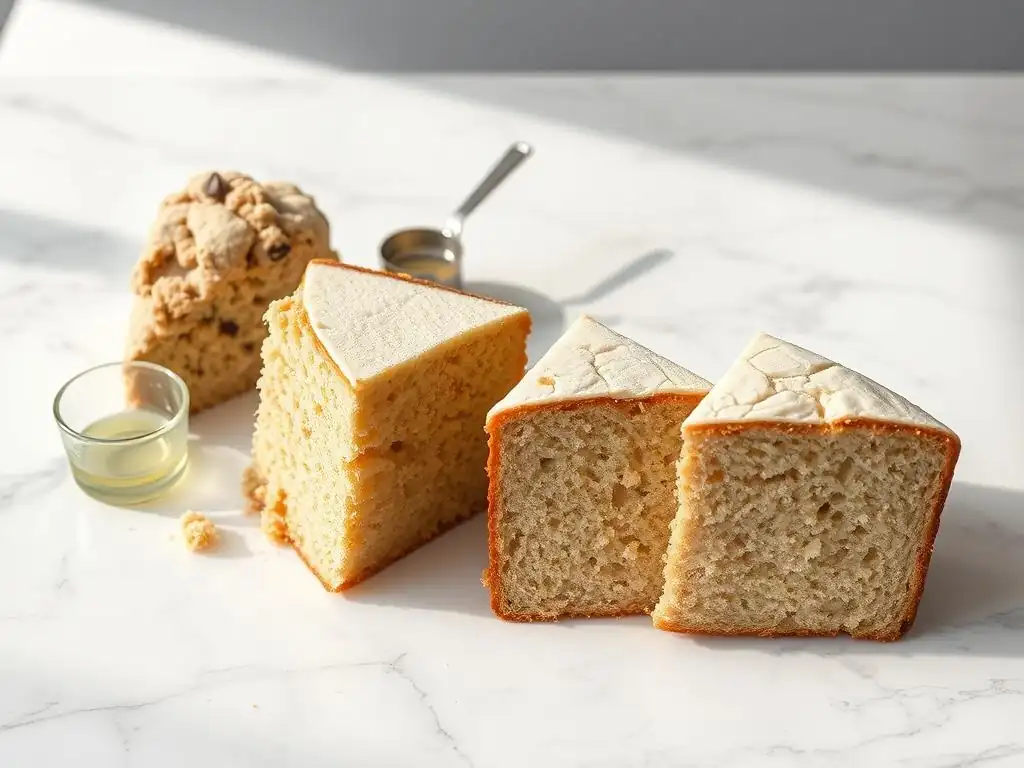
An overly wet batter is a primary culprit behind many glutenfree cake sinking issues. Excess liquid weighs down the developing cake structure, making it difficult for the leavening agents (like baking powder or soda) to create enough lift to support the heavy batter. While gluten-free flours often absorb more liquid than wheat flour, there's a tipping point. A batter that is too runny will spread excessively in the pan, bake unevenly, and the center, being the last to set, will often collapse under its own weight and the trapped moisture.
Signs of too much liquid include a batter that looks thin and pourable rather than thick and spoonable, or a cake that takes significantly longer to bake than expected. Even a small amount of excess liquid – perhaps just a few tablespoons in a standard cake recipe – can make the difference between a perfectly baked cake and a sunken disaster. Precise measurement, especially of liquids, is critical in preventing these glutenfree cake sinking issues.
Insufficient Liquid: The Consequences of a Dry Batter
While too much liquid causes sinking, insufficient liquid also contributes to glutenfree cake sinking issues, albeit in a different way. A batter that is too dry will be stiff and difficult to mix, preventing the proper distribution of leavening agents and hindering the formation of a smooth, emulsified batter. With insufficient moisture, the starches and flours may not hydrate properly, leading to a dense, crumbly, and dry cake that might not rise fully or evenly.
A dry batter can result in a cake that domes excessively and then cracks, or one that simply doesn't achieve sufficient height, leading to a dense, heavy result that can appear "sunk" in comparison to how a properly risen cake should look. Proper hydration is essential for activating leavening agents and allowing the cake structure to develop correctly. Getting the liquid-to-dry ratio right is paramount in avoiding glutenfree cake sinking issues.
Adjusting Liquid Ratios for Different Flour Blends
The ideal liquid-to-dry ratio in gluten-free baking is highly dependent on the specific flour blend used. Different flours and starches absorb moisture at varying rates. For example, a blend heavy in rice flour might absorb less liquid than one containing significant amounts of oat or sorghum flour. Coconut flour, as mentioned, requires substantially more liquid than most other flours. This variability is a major reason why substituting one gluten-free blend for another (or for wheat flour) without adjusting the liquid can lead to glutenfree cake sinking issues.
Recipes developed for a specific blend have already accounted for its unique absorption properties. If you are using a different blend, you might need to make adjustments. A good starting point is often to compare the texture of your batter to descriptions or photos in the recipe, aiming for a consistency that is thick but still drops easily from a spoon. Sometimes, adding just 1-2 tablespoons more liquid or a sprinkle more flour can correct the consistency and prevent glutenfree cake sinking issues.
Examining Binding Agent Usage
Egg Replacers: Choosing the Right Binder
Eggs play multiple roles in traditional cakes, including binding, leavening, and providing richness. In gluten-free and vegan baking, egg replacers are used, but selecting the wrong one or using it incorrectly can contribute to glutenfree cake sinking issues. Common egg replacers include flax eggs (ground flaxseed mixed with water), chia eggs, commercial egg replacers (often starch-based), applesauce, or mashed banana. While these can provide some binding, they don't always replicate the full structural support or leavening power of eggs.
Using a replacer that doesn't provide sufficient binding can result in a cake that lacks structure and collapses easily. For instance, using applesauce as the sole binder in a delicate cake might add too much moisture and not enough structural support, leading to a sunken center. Choosing a binder that is appropriate for the recipe type and quantity is crucial. For recipes relying heavily on eggs for structure, a commercial starch-based replacer or a combination of binders might be more effective than a single fruit puree, helping to prevent glutenfree cake sinking issues.
Gum Usage: Xanthan Gum, Guar Gum, and Psyllium Husk
Xanthan gum, guar gum, and psyllium husk are vital binding agents in many gluten-free recipes, acting as substitutes for the sticky network provided by gluten. They help hold the batter together, prevent crumbling, and provide some elasticity, which is crucial for a cake to rise without collapsing. Xanthan gum is typically derived from fermented sugar, while guar gum comes from guar beans. Psyllium husk, a fiber, also forms a gel when mixed with liquid. These binders are essential for preventing glutenfree cake sinking issues in many recipes.
The choice of gum can sometimes matter. Xanthan gum is often preferred for cakes and baked goods requiring a lighter crumb, while guar gum is sometimes used in recipes with more acidic ingredients or for yeast-leavened breads. Psyllium husk is very absorbent and provides a different kind of structure, often used in recipes aiming for a chewier texture. Understanding which binder a recipe calls for and why (or which works best with your specific flour blend) is important for successful gluten-free baking and avoiding glutenfree cake sinking issues.
Incorrect Gum Dosage: Finding the Right Balance
Using the wrong amount of binding gum is a very common cause of glutenfree cake sinking issues and poor texture. Too little gum means the batter lacks the necessary structure to support its rise, leading to a cake that is crumbly and likely to sink in the middle. For example, a standard recommendation is often around 1/4 to 1/2 teaspoon of xanthan gum per cup of gluten-free flour blend in cakes, but this can vary. If a recipe calls for 1 teaspoon per cup, reducing it to 1/4 teaspoon will significantly impact the cake's ability to hold its shape.
Conversely, using too much gum results in a gummy, dense, or even tough texture. It can also lead to a cake that domes excessively and then collapses, or one that simply feels heavy and unpleasant. Precision is key when measuring these powerful binders – often, they are measured in fractions of a teaspoon. Using a proper set of measuring spoons, especially for small quantities like gums, is essential to avoid both insufficient binding and gummy texture, thereby preventing common glutenfree cake sinking issues related to binders.
Investigating Sweetener Impact
Liquid Sweeteners: Honey, Maple Syrup, and Molasses
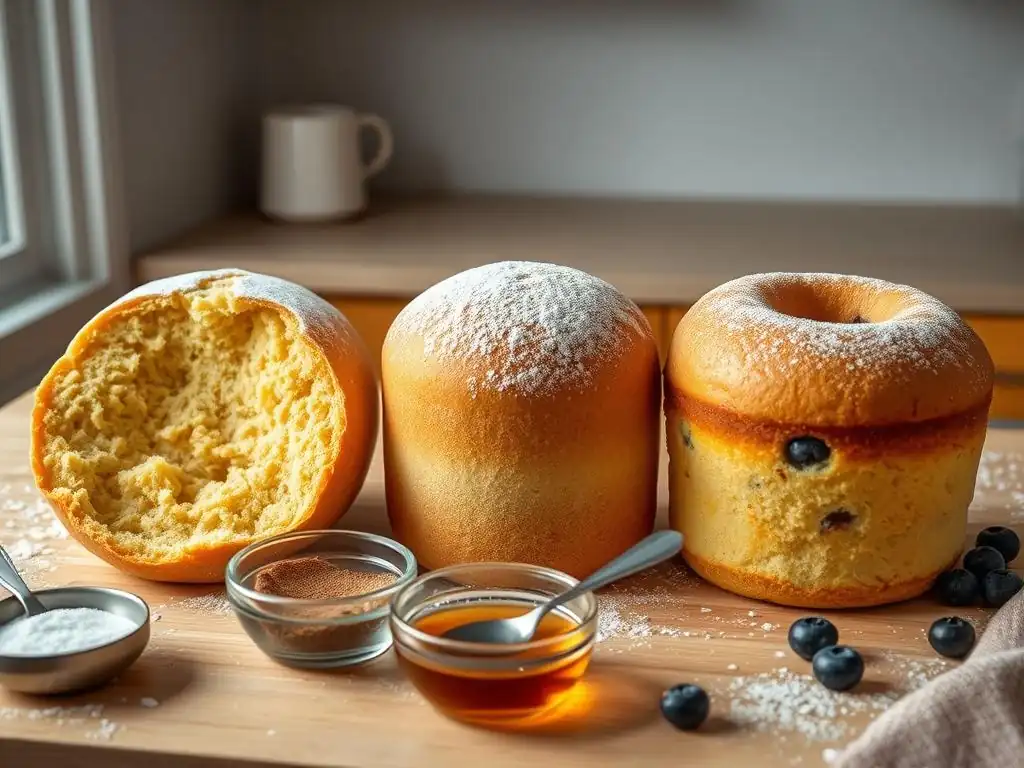
Liquid sweeteners like honey, maple syrup, and molasses add moisture to a cake batter in addition to sweetness. While they contribute wonderful flavor and can help keep gluten-free cakes moist, substituting them cup-for-cup for granulated sugar in a recipe not designed for them will almost certainly lead to glutenfree cake sinking issues. Liquid sweeteners disrupt the balance of wet and dry ingredients, adding significant excess moisture.
For example, 1 cup of granulated sugar typically weighs around 200 grams, while 1 cup of honey weighs about 340 grams and is about 18% water. Swapping these directly adds over 100 grams of liquid and significantly more weight to the batter, overwhelming the gluten-free structure and causing the cake to sink. Recipes designed for liquid sweeteners usually reduce other liquids and sometimes increase dry ingredients or binders to compensate. If your glutenfree cake is sinking and you used a liquid sweetener not called for, excess moisture is a likely culprit.
Granulated Sweeteners: Sugar's Role in Texture
Granulated sugar (sucrose) does more than just sweeten; it also plays a crucial role in the structure and texture of cakes, including gluten-free ones. Sugar tenderizes the crumb by interfering with the binding action of flours and starches. It also attracts and holds moisture, contributing to a moist texture over time. Furthermore, sugar caramelizes during baking, contributing to crust color and flavor. Using too little sugar can result in a tougher, drier cake that might not rise as high.
While too little sugar is less likely to cause dramatic sinking compared to other issues, it can affect the overall tenderness and height, indirectly contributing to a less successful bake that might appear sunken relative to expectations. Sugar also helps stabilize egg foams (like in recipes that involve creaming butter and sugar or whipping egg whites), which are sometimes used for leavening in gluten-free cakes. Its presence helps create and maintain the delicate air pockets needed for a light crumb, helping to prevent glutenfree cake sinking issues related to structure.
Sugar Substitutes: Impact on Structure and Moisture
Using sugar substitutes can introduce unique challenges that contribute to glutenfree cake sinking issues. Bulk sugar substitutes like erythritol or xylitol often behave differently than sugar. Some absorb less moisture, potentially leading to a drier cake, while others might absorb more or have different melting points, affecting how the cake sets. Replacing sugar cup-for-cup with a substitute without checking for specific baking instructions for that substitute is risky.
For instance, while erythritol is a 1:1 volume substitute for sugar, it doesn't provide the same level of moisture retention or tenderization. Using it exclusively might result in a drier, more brittle cake structure that is less stable and more prone to sinking, especially in the center, as it cools. Liquid sugar substitutes like stevia or monk fruit extracts concentrated drops don't provide any bulk, so they cannot simply replace sugar; they require a recipe specifically formulated for them, often incorporating other ingredients for structure and moisture to avoid glutenfree cake sinking issues.
Baking Technique Errors
Oven Temperature Inaccuracies: Ensuring Consistent Baking
An inaccurate oven temperature is a major, often overlooked, cause of glutenfree cake sinking issues. If the oven is too hot, the cake's exterior will set too quickly, forming a crust before the interior has fully risen and set. As the inside continues to expand, it can push up the center, leading to a dome that often cracks. When removed from the oven, this underbaked interior lacks the structure to support the prematurely set crust and the dome collapses, resulting in a sunken cake.
Conversely, an oven that is too cool will prevent the cake from rising properly and setting within the expected time. The leavening agents might lose their potency before the structure is stable, or the cake might remain underbaked and dense. Investing in an inexpensive oven thermometer is highly recommended to verify your oven's true temperature and calibrate it if necessary. Baking at the correct, consistent temperature is fundamental to preventing glutenfree cake sinking issues.
Overmixing the Batter: Developing Unwanted Texture
Overmixing gluten-free batter can also contribute to glutenfree cake sinking issues, though the mechanism is different from overmixing wheat batter. In gluten-free baking, overmixing doesn't develop gluten (because there is none), but it can overwork the starches and binding gums. Excessive mixing can create a gummy or tough texture by over-hydrating and over-developing the binders like xanthan gum.
An overmixed gluten-free batter can incorporate too much air initially, which then collapses during baking because the overworked structure isn't stable enough to hold it. It can also lead to a cake that is dense and heavy. Mix only until the ingredients are just combined and the batter is smooth. Avoid vigorous, prolonged beating once the dry ingredients are added. Gentle mixing is key to achieving a tender crumb and avoiding glutenfree cake sinking issues caused by overdeveloped binders.
Undermixing the Batter: Compromising Emulsification
While overmixing is detrimental, undermixing gluten-free batter can also lead to glutenfree cake sinking issues. Insufficient mixing means that ingredients, particularly leavening agents, binders, and fats, are not evenly distributed throughout the batter. This can result in uneven rising, dense pockets, or areas where the structure is weak. For example, if the binder isn't fully incorporated, parts of the cake might lack the necessary cohesion to hold their shape.
Proper emulsification, where fat and liquid are smoothly combined, is also crucial for a tender, stable cake. Undermixing can leave the batter separated or grainy, compromising the final texture and stability. Mix until the batter is homogenous and smooth, ensuring all dry ingredients are fully incorporated and no streaks of flour remain. This ensures that the leavening can work effectively and the structure develops uniformly, helping to prevent glutenfree cake sinking issues.
Practical Solutions
Measuring Ingredients Accurately: The Importance of Precision
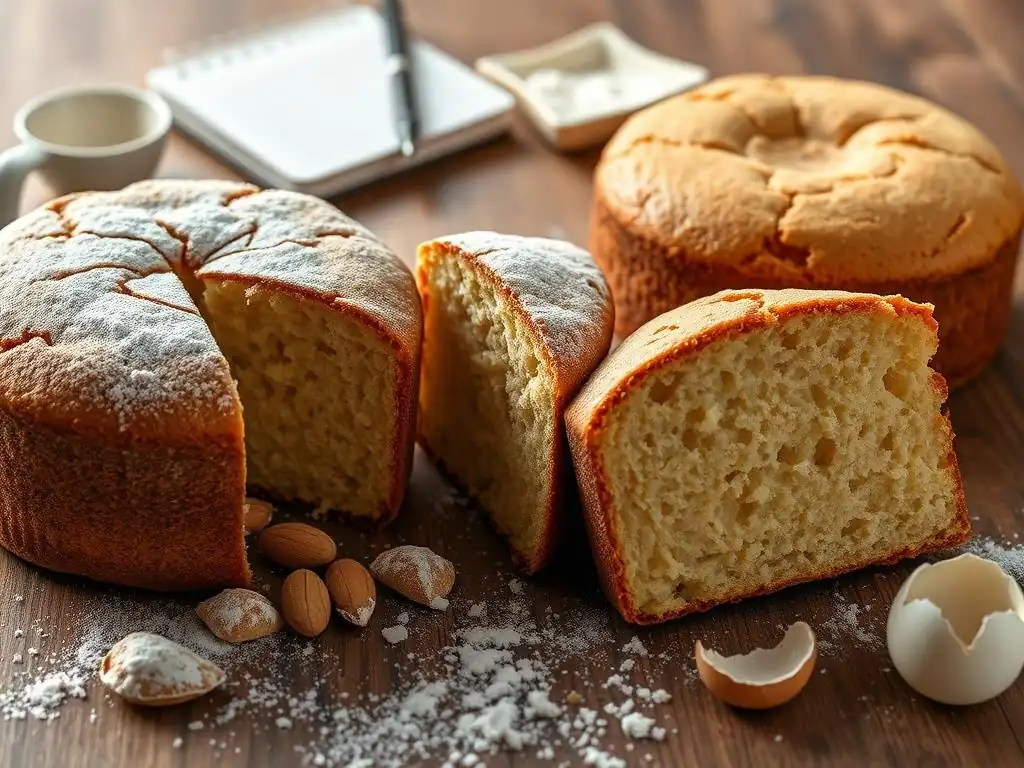
One of the most impactful steps you can take to prevent glutenfree cake sinking issues is to measure your ingredients with absolute precision. Baking is a science, and gluten-free baking is particularly sensitive to ingredient ratios. Using measuring cups designed for liquids for dry ingredients, or vice versa, can lead to significant errors. For example, scooping flour directly from the bag with a measuring cup can pack it down, resulting in up to 25% more flour than intended, drastically altering the dry-to-liquid ratio.
Using the "spoon and level" method for dry ingredients (gently spooning flour into the measuring cup and leveling it off with a straight edge) is far more accurate than scooping. However, even this method has variations depending on how lightly you spoon. For the greatest accuracy and consistency in preventing glutenfree cake sinking issues, using a kitchen scale is highly recommended.
Using a Kitchen Scale: Ensuring Consistent Results
Using a digital kitchen scale to weigh your ingredients, especially flours and starches, is the single best way to ensure accuracy and consistency in gluten-free baking, directly addressing a major cause of glutenfree cake sinking issues. Volume measurements (cups and spoons) can vary widely depending on how ingredients are packed, humidity, and even the specific measuring tools used. Weight measurements, however, are constant.
Many gluten-free recipes, particularly those from experienced bakers or professional sources, provide ingredient weights in grams or ounces precisely because of the variability of gluten-free flours. Even if a recipe only provides volume measurements, you can often find reliable weight conversions online for common gluten-free flours. Weighing ingredients eliminates the guesswork and ensures you are using the exact quantities intended by the recipe developer, dramatically reducing the likelihood of glutenfree cake sinking issues caused by ratio imbalances.
Testing for Doneness: Avoiding Underbaked Centers
An underbaked cake is almost guaranteed to sink in the center as it cools because the structure hasn't fully set. Learning how to properly test for doneness is crucial for preventing glutenfree cake sinking issues. Relying solely on the baking time specified in the recipe can be misleading, as oven temperatures vary, and gluten-free cakes can sometimes take longer to bake through.
A reliable method is the toothpick test: insert a toothpick or a thin skewer into the center of the cake. It should come out with only a few moist crumbs attached, not wet batter. If it comes out clean, it might be slightly overbaked, which can lead to dryness.
If it comes out with wet batter, it needs more time. Also, gently pressing the top of the cake near the center should result in a slight spring back; if the indentation remains, it's not ready. Baking until properly done ensures the structure is set before cooling, preventing glutenfree cake sinking issues.
Case Studies: Analyzing Cake Failures
Case Study 1: Overly Moist Cake Due to Excess Honey
A baker decided to substitute honey for half of the granulated sugar in a tested gluten-free vanilla cake recipe, using a 1:1 volume ratio. The recipe originally called for 1.5 cups (approx. 300g) of sugar. The baker used 0.75 cups (approx. 150g) of sugar and 0.75 cups (approx. 255g) of honey. This substitution not only changed the total weight of the sweetener but also introduced a significant amount of extra liquid (honey is about 18% water, while sugar is dry).
The resulting batter was noticeably thinner than usual. During baking, the cake rose well around the edges but remained soft and jiggly in the center. When removed from the oven, the center gradually collapsed, resulting in a significantly sunken cake with a dense, gummy texture in the middle. This is a classic example of glutenfree cake sinking issues caused by an unchecked liquid sweetener substitution, highlighting the need to adjust other ingredients when altering the recipe's moisture balance.
Case Study 2: Dense Cake Resulting from Insufficient Xanthan Gum
In another instance, a baker made a gluten-free chocolate cake using a recipe that called for a specific gluten-free blend and 1 teaspoon of xanthan gum. Unsure about using gums, the baker decided to reduce the xanthan gum to only 1/4 teaspoon. The batter seemed okay, but perhaps slightly less cohesive than expected.
During baking, the cake didn't rise as high as anticipated, and the texture seemed unusually crumbly when tested for doneness. After cooling, the cake, while not dramatically sunken in the center, was noticeably shorter and significantly denser and more fragile than it should have been. It crumbled easily when sliced. This case demonstrates how insufficient binding agent directly impacts the cake's ability to build and maintain structure, leading to a dense result and contributing to glutenfree cake sinking issues related to poor structural support.
Advanced Baking Techniques
The Reverse Creaming Method: Enhancing Texture
The reverse creaming method is a technique where dry ingredients (flour, sugar, leavening, salt) are mixed first, then cold, softened butter is added and mixed until the mixture resembles coarse sand or fine crumbs. Finally, the liquids (eggs, milk, extracts) are whisked together and gradually added. This method coats the flour particles with fat before they come into contact with liquid, which can help prevent the overdevelopment of binders in gluten-free baking and tenderize the crumb.
Using the reverse creaming method can lead to a finer, more velvety crumb texture in gluten-free cakes. It can also help create a more stable batter structure from the outset, potentially reducing the risk of glutenfree cake sinking issues, particularly those related to texture or over-hydration of starches and gums. While not suitable for all cake types (like those relying on whipped eggs for leavening), it's a valuable technique to explore for butter-based gluten-free cakes.
Incorporating Acidic Ingredients: Stabilizing Structure
Acidic ingredients, such as buttermilk, yogurt, sour cream, lemon juice, or vinegar, can play a beneficial role in gluten-free cake structure and leavening, helping to combat glutenfree cake sinking issues. When used with baking soda, acid causes a reaction that produces carbon dioxide gas, contributing to the cake's rise. The acid also helps tenderize the crumb by breaking down proteins.
Furthermore, acid can interact positively with certain gluten-free binders and starches, potentially enhancing their stability. For example, some bakers find that a touch of vinegar or lemon juice in gluten-free batters helps to create a lighter, more stable crumb. While not a standalone solution, incorporating appropriate acidic ingredients when compatible with the recipe flavors can provide an extra boost to leavening and structure, helping to prevent glutenfree cake sinking issues.
Gluten-Free Cake Troubleshooting Checklist: A Quick Reference
Experiencing glutenfree cake sinking issues can be frustrating, but systematically checking potential causes can help identify the problem. Use this checklist as a quick reference:
- [ ] Flour Blend: Is the blend balanced (approx. 60-70% flour, 30-40% starch)? Was a single flour substituted directly?
- [ ] Liquid Ratio: Was liquid measured accurately? Does the batter consistency match the recipe (thick but spoonable)? Was a liquid sweetener substituted for granulated sugar?
- [ ] Binding Agent: Was the correct type of gum used? Was the gum measured accurately (especially small amounts)? Was an appropriate egg replacer used if needed?
- [ ] Sweetener: Was the correct type and amount of sweetener used? Were sugar substitutes used without recipe adjustment?
- [ ] Oven Temperature: Was the oven preheated fully? Is the oven temperature accurate (use a thermometer)?
- [ ] Mixing: Was the batter mixed just until combined? Was it undermixed or overmixed?
- [ ] Baking Time: Was the cake baked until done (toothpick test)? Was the oven door opened too early?
- [ ] Cooling: Was the cake cooled properly (often in the pan for a short time, then on a rack)? Sudden temperature changes can cause sinking.
By reviewing these points, you can systematically troubleshoot why your glutenfree cake is sinking and improve your results in future baking endeavors.
Frequently Asked Questions
Why did my gluten-free cake sink in the middle?
The most common reason for a sunken gluten-free cake is an imbalance of ingredients. This is often due to inadequate structure or too much moisture, especially when swapping ingredients.
What gluten-free flour blend is best to avoid sinking?
Using a high-quality, pre-mixed gluten-free flour blend with added xanthan gum is crucial. Xanthan gum helps provide the necessary binding that gluten usually offers.
Can overmixing cause my gluten-free cake to sink?
Yes, overmixing gluten-free batter can actually weaken the structure, leading to a sunken cake. Aim for just combined when mixing the wet and dry ingredients.
How does oven temperature affect gluten-free cake sinking?
An oven that's too hot can cause the cake to rise too quickly and then collapse, leading to sinking. Ensure your oven is at the correct temperature and avoid opening the door during baking.
What are some common gluten-free ingredient swap errors that cause sinking?
Using too much liquid, substituting an equal amount of gluten-free flour for wheat flour without adjusting other ingredients, or using an expired leavening agent can all contribute to cake sinking issues.
Final Reflection: The Rising Tide of Gluten-Free Baking Success
The seemingly simple act of baking a gluten-free cake is fraught with potential pitfalls, yet mastering the art unlocks a world of delicious possibilities for those with dietary restrictions. The sinking cake, a common frustration, often stems from seemingly minor ingredient substitutions, highlighting the crucial need for understanding the science behind gluten-free baking. This article has explored the most common swap errors, offering solutions to achieve consistently light and airy results.
The journey of perfecting gluten-free baking is a testament to human ingenuity and adaptability. It's a reflection of our increasing awareness of dietary needs and the constant pursuit of culinary excellence, regardless of limitations. The best things in life are worth fighting for,
and a perfectly risen gluten-free cake is certainly one of those things. This pursuit extends beyond individual kitchens; it fuels innovation in the food industry, driving the development of new flours, binders, and techniques to enhance the gluten-free baking experience for everyone.
Now, it's your turn. Take what you've learned here, experiment with different ingredients and techniques, and don't be discouraged by a few sunken cakes along the way. Each failed attempt is a valuable lesson, bringing you closer to mastering the art of gluten-free baking and the joy of sharing delicious, allergy-friendly treats with loved ones. Embrace the challenge, and watch your gluten-free cakes rise to the occasion!
Rescue Your Sunken Gluten-Free Cake!
Thanks for taking the time to troubleshoot your gluten-free baking woes! We hope this guide helped you understand the common pitfalls of gluten-free cake making. Now it's time to put that knowledge into action.
- Bake your perfect gluten-free cake: Try out the suggested flour blend adjustments from the article, and remember to pay close attention to the liquid measurements. This is your chance to finally achieve that lofty, delicious gluten-free cake you've been dreaming of!
- Share your baking triumphs (or challenges!): Let's build a supportive gluten-free baking community. Share your experiences – both the successes and the lessons learned – in the comments below. Let's help each other bake better!
- Explore other helpful resources on BakeWithEase.com: Dive deeper into gluten-free baking techniques by exploring our comprehensive collection of recipes and guides.
So, what ingredient swap are you most excited to try in your next gluten-free baking adventure?