
Sheet Pan Sensations: Best Baking Temperatures and Durations for OnePan Dinners

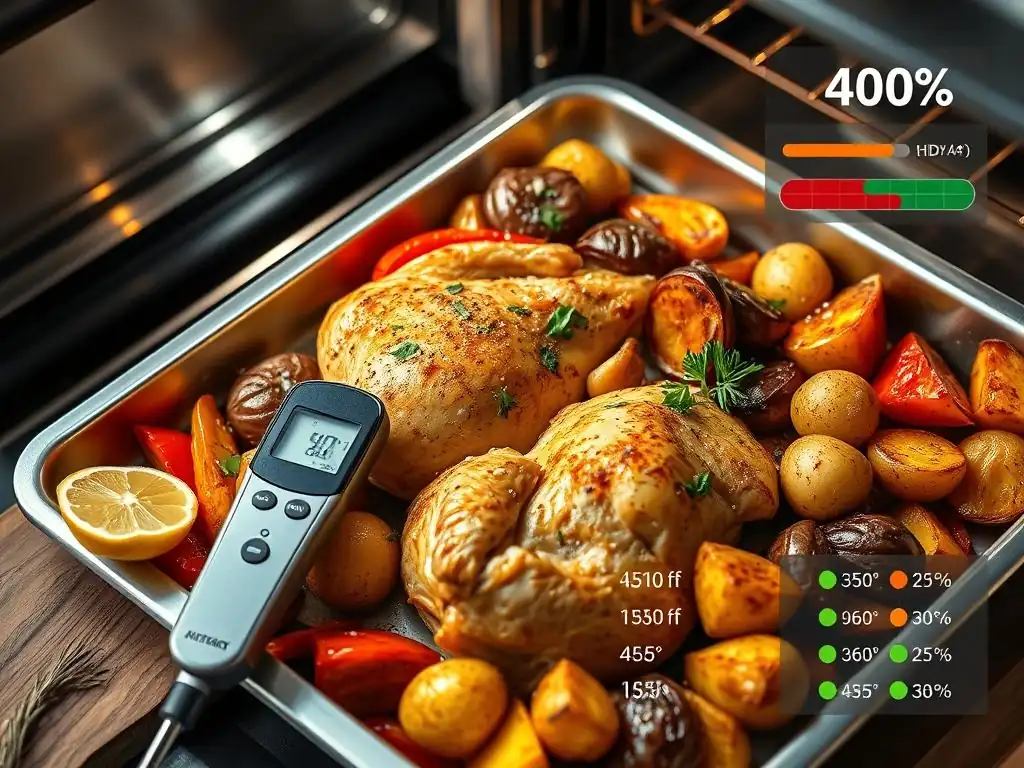
Welcome to BakeWithEase, your kitchen companion for conquering the culinary world of baking! Ever wondered if you're hitting the sweet spot with your oven? Dive into our guide to Sheet Pan Sensations, where we unlock the secrets of optimal sheet pan baking temperatures times for perfectly cooked one-pan dinners. Discover how to achieve crispy edges, tender interiors, and effortless weeknight meals. Intrigued? Keep reading to transform your baking and say goodbye to guesswork!
- BakeWithEase' Guide to Perfect One-Pan Meals: Mastering Sheet Pan Baking Temperatures & Times
- Understanding Sheet Pan Baking: A Beginner's Guide
- Optimal Sheet Pan Baking Temperatures for Different Ingredients
- Recommended Baking Durations for Sheet Pan Dinners
- Sheet Pan Baking Times and Temperatures Cheat Sheet: Quick Reference Guide
-
Tips for Success: Achieving Perfect One-Pan Results Every Time
- Sheet Pan Size Matters: Choosing the Right Pan for Your Recipe
- Preventing Soggy Vegetables: Proper Preparation Techniques
- Even Cooking: Arranging Ingredients on the Sheet Pan
- Don't Overcrowd the Pan: Ensuring Proper Air Circulation
- Monitoring Internal Temperature: Using a Meat Thermometer for Accuracy
- Beyond the Basics: Advanced Sheet Pan Baking Techniques
- Troubleshooting Common Sheet Pan Baking Problems
- Delicious Sheet Pan Dinner Recipes to Get You Started
- Mastering Sheet Pan Baking Temperatures & Times: Conclusion
-
Frequently Asked Questions
- What is the ideal temperature for baking most sheet pan dinners?
- How does the type of sheet pan affect baking time?
- What's the best way to ensure even cooking on a sheet pan?
- How do I adjust baking times based on the ingredients in my sheet pan dinner?
- Can I use parchment paper or foil for sheet pan baking, and does it affect the temperature or time?
- Final Reflection: The Art of Sheet Pan Baking
- Unlock Your Inner Baking Whiz!
BakeWithEase' Guide to Perfect One-Pan Meals: Mastering Sheet Pan Baking Temperatures & Times
Welcome to the wonderful world of sheet pan dinners! If you're looking for a simple, delicious, and incredibly convenient way to get a healthy meal on the table with minimal cleanup, sheet pan baking is your answer. It's a method that transforms humble ingredients into flavorful feasts, all cooked together on a single pan. But to unlock the full potential of this technique, understanding the right sheet pan baking temperatures times is absolutely key.
Mastering the art of cooking everything evenly on one pan requires a little knowledge about how different ingredients behave at various temperatures and for how long they need to cook. This guide from BakeWithEase will walk you through the essential principles, helping you achieve perfectly roasted vegetables, juicy meats, and flaky fish every time you venture into sheet pan cooking. Get ready to simplify your dinner routine and impress yourself with the results!
Understanding Sheet Pan Baking: A Beginner's Guide
Sheet pan baking, or sheet pan cooking, is a method where you arrange all your ingredients – typically protein, vegetables, and sometimes starches – on a single baking sheet and cook them together in the oven. This hands-off approach allows flavors to meld beautifully as the food roasts, resulting in deeply savory and often crispy outcomes. It's particularly popular for busy weeknights because it slashes prep time and, perhaps most importantly, cleanup time down to a minimum.
The beauty of this technique lies in its simplicity and versatility. You can roast almost anything on a sheet pan, from chicken and broccoli to salmon and asparagus, or even sausage and peppers. The key is selecting ingredients that have similar cooking times or cutting them to sizes that allow them to finish cooking simultaneously. Getting the sheet pan baking temperatures times right is the core skill to master, ensuring everything is cooked through and delicious without anything getting burnt or remaining raw.
What is Sheet Pan Baking and Why You Should Try It?
Sheet pan baking is fundamentally a roasting method conducted on a flat baking sheet, often with raised edges. Ingredients are tossed with oil, seasonings, and sometimes marinades, then spread in a single layer on the pan before being placed in a hot oven. This high-heat cooking method is fantastic because it promotes caramelization on vegetables and browning on proteins, developing complex flavors that boiling or steaming simply cannot achieve.
There are numerous compelling reasons to embrace sheet pan baking. Firstly, the convenience factor is huge – you're cooking a complete meal on one surface, drastically reducing the number of pots and pans you need to wash. Secondly, it's incredibly healthy, often requiring just a minimal amount of oil to achieve tender, flavorful results.
Thirdly, it's highly adaptable; you can easily swap out ingredients based on what you have on hand or what's in season. Finally, it's a fantastic way to introduce oven roasting to your cooking repertoire, building confidence in managing sheet pan baking temperatures times for various foods.
Essential Tools for Sheet Pan Cooking
While the concept is simple, having the right tools makes a difference in your sheet pan baking success. The most crucial piece of equipment is, unsurprisingly, the sheet pan itself. Standard half-sheet pans (roughly 18x13 inches) are the most versatile size for feeding 2-4 people and fit comfortably in most home ovens. Look for sturdy, heavy-gauge aluminum pans, which conduct heat efficiently and evenly, minimizing hot spots that can lead to uneven cooking.
Beyond the pan, a few other items are highly recommended. Parchment paper or silicone baking mats are invaluable for preventing sticking and making cleanup even easier. A good set of tongs is essential for flipping ingredients partway through cooking to ensure even browning. A sharp chef's knife and cutting board are necessary for preparing your ingredients, ensuring uniform sizes for consistent cooking. Lastly, a reliable instant-read meat thermometer is crucial for verifying that proteins have reached safe internal temperatures, especially when navigating different sheet pan baking temperatures times.
Optimal Sheet Pan Baking Temperatures for Different Ingredients
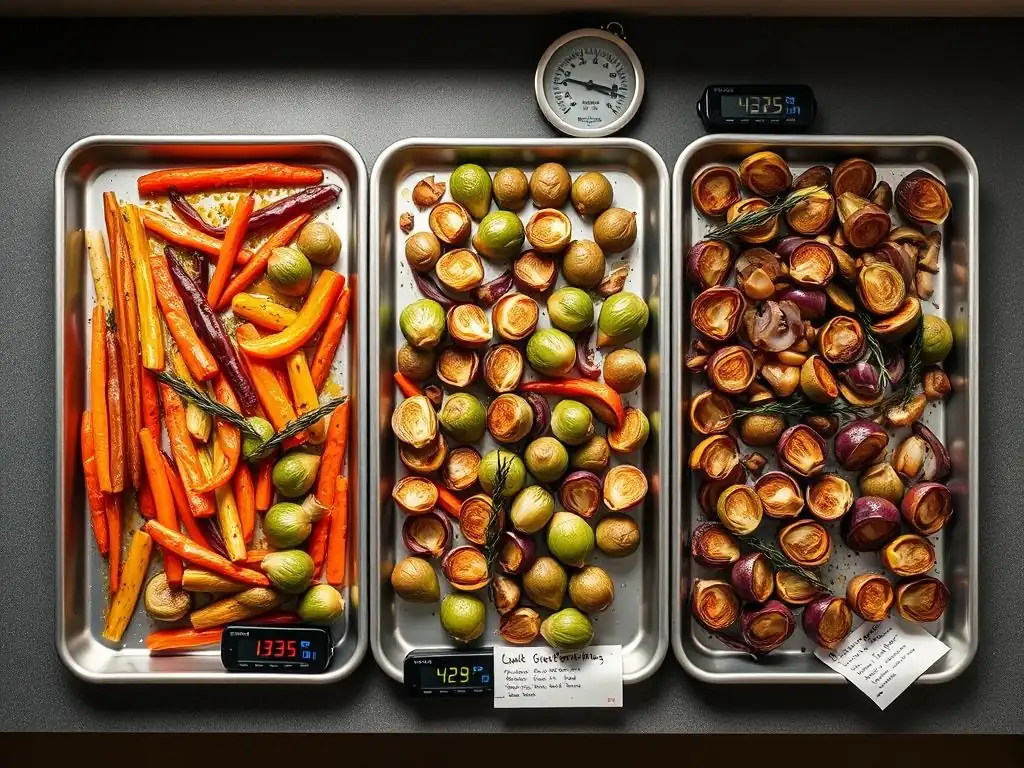
Setting the right oven temperature is foundational to successful sheet pan baking. While many recipes call for a general temperature like 400°F (200°C), the ideal heat can vary depending on the primary ingredients you're cooking. High temperatures, typically between 400°F (200°C) and 450°F (230°C), are excellent for roasting vegetables and achieving crispy skin on poultry.
Lower temperatures, around 350°F (175°C) to 375°F (190°C), might be used for more delicate items or when cooking larger, denser cuts that need more time to cook through without burning the exterior. Understanding these nuances in sheet pan baking temperatures times is key to achieving perfectly cooked components.
For instance, dense root vegetables like potatoes and carrots benefit from a higher temperature initially to start the caramelization process, while something like flaky fish requires a slightly gentler heat to cook through without drying out. When combining ingredients, the temperature is usually set to accommodate the item that requires the highest heat or longest cooking time, with other ingredients added partway through or cut to appropriate sizes. This section will break down typical sheet pan baking temperatures times based on the main ingredient type.
Sheet Pan Temperatures for Vegetables: Achieving Caramelization and Tenderness
Vegetables truly shine when roasted on a sheet pan. High heat is your friend here, typically ranging from 400°F (200°C) to 425°F (220°C). This temperature range is hot enough to break down tough fibers, tenderize the vegetables, and encourage the Maillard reaction and caramelization on their surfaces. This process develops rich, sweet, and savory flavors that are far superior to steaming or boiling. Think of how sweet roasted carrots become, or the slightly bitter edge that mellows out in Brussels sprouts at these temperatures.
Different vegetables have different densities and water content, which affects their ideal cooking temperature and time. Dense root vegetables like potatoes, sweet potatoes, and parsnips can handle and benefit from temperatures closer to 425°F (220°C) for longer periods.
More tender vegetables like broccoli, bell peppers, and zucchini might be better suited to 400°F (200°C) or added to the pan later if cooking alongside root vegetables. The goal is always to get them tender on the inside with lovely browning and crisp edges on the outside, a result perfectly achievable by dialing in the correct sheet pan baking temperatures times for your specific vegetable mix.
Sheet Pan Temperatures for Meats: Ensuring Proper Cooking and Browning
Cooking meats on a sheet pan requires balancing internal doneness with external browning. For cuts like chicken thighs, sausage, or pork chops, a temperature of 400°F (200°C) to 425°F (220°C) works well.
This heat is sufficient to ensure the meat cooks through within a reasonable timeframe while allowing for good browning and crust development on the exterior. Thicker cuts or denser meats might start at a higher temperature for searing and then potentially be finished at a slightly lower temperature, though for typical sheet pan meals, a consistent high temperature is usually employed with adjustments made via cooking time or how the meat is cut.
For example, bite-sized pieces of steak or pork tenderloin might cook beautifully at 425°F (220°C). Larger pieces, like bone-in chicken thighs, might start at 400°F (200°C) to ensure the bone cooks through without the skin burning too quickly. The key is monitoring internal temperature, as described later, but the starting point for many meat-based sheet pan dinners centers around the 400-425°F range to achieve that desirable balance of cooked-through interior and flavorful, browned exterior. Getting these sheet pan baking temperatures times right ensures safe and delicious results.
Sheet Pan Temperatures for Poultry: Crispy Skin and Juicy Interiors
Poultry, especially chicken, is a staple for sheet pan dinners, and achieving crispy skin while keeping the meat juicy is the goal. A high oven temperature, typically 400°F (200°C) to 425°F (220°C), is usually recommended. This allows the fat under the skin to render and the skin to crisp up nicely. Bone-in pieces like thighs or drumsticks are forgiving and work well at these temperatures, as the bone helps conduct heat and keeps the meat moist.
Boneless, skinless chicken breasts can also be cooked on a sheet pan, but they are prone to drying out. Using a temperature around 400°F (200°C) and being careful not to overcook is crucial. Often, they are added to the sheet pan partway through the cooking time of slower-cooking vegetables. Regardless of the cut, the relatively high heat helps ensure the poultry cooks quickly and evenly, leading to that sought-after combination of crispy exterior and tender interior when you get the sheet pan baking temperatures times dialed in.
Sheet Pan Temperatures for Fish: Delicate Flavors and Flaky Textures
Fish is a fantastic option for quick sheet pan meals due to its relatively short cooking time. Because fish is more delicate than meat or poultry, it often benefits from slightly lower temperatures compared to roasting vegetables or chicken. A temperature range of 375°F (190°C) to 400°F (200°C) is typically ideal. This heat is sufficient to cook the fish through gently, ensuring it remains moist and flaky without drying out or becoming tough.
Thicker fillets, like salmon or cod, can handle temperatures closer to 400°F (200°C), especially if you're aiming for slightly crispy skin on salmon. More delicate or thinner fillets, such as tilapia or sole, might do better at 375°F (190°C) or require a shorter cooking time at a higher temperature. Often, fish is added to the sheet pan during the last 10-15 minutes of cooking, after any vegetables or other ingredients have had a head start. Precision with sheet pan baking temperatures times is particularly important for fish to avoid overcooking.
Recommended Baking Durations for Sheet Pan Dinners
Once you've set the optimal oven temperature, the next critical factor is the baking duration. This is where the term "sheet pan baking temperatures times" really comes into play. The amount of time ingredients need to cook varies significantly based on the type of food, its size and thickness, and the oven temperature. A sheet pan dinner often involves ingredients with different cooking times, requiring strategic planning – either cutting denser items smaller, adding faster-cooking items later, or starting with items that need more time.
General guidelines exist, but flexibility is key. For example, dense root vegetables might take 30-40 minutes at 400°F-425°F, while thin fish fillets might only need 10-15 minutes at 375°F-400°F. Knowing these typical ranges helps you build your sheet pan meal plan. Always consider the thickness of your specific ingredients; a thick-cut pork chop will take longer than a thin one, even at the same temperature. Monitoring the food as it cooks is essential, as ovens can vary, and actual cooking times may differ from recipes.
Sheet Pan Baking Times for Vegetables: Preventing Overcooking
Vegetable cooking times on a sheet pan depend heavily on their density and how they are cut. Dense vegetables like potatoes, sweet potatoes, carrots, and Brussels sprouts, cut into 1-inch chunks, typically require 25-40 minutes at 400°F-425°F (200°C-220°C). They should be fork-tender and nicely browned or caramelized when done. Flipping them halfway through helps ensure even cooking and browning.
Lighter, faster-cooking vegetables like broccoli florets, bell pepper strips, zucchini chunks, or asparagus spears need much less time. Broccoli and peppers might take 15-20 minutes at 400°F (200°C), while asparagus can be done in as little as 10-12 minutes. Adding these quicker-cooking items to the sheet pan during the last portion of the total cooking time is a common strategy when combining them with slower-cooking ingredients. Properly managing these sheet pan baking temperatures times ensures vegetables are tender but not mushy.
Sheet Pan Baking Times for Meats: Internal Temperature Guidelines
Cooking meat on a sheet pan is all about reaching the correct internal temperature for safety and optimal texture. While visual cues like browning are helpful, an instant-read thermometer is your best friend. For chicken and poultry, the internal temperature should reach 165°F (74°C). Chicken thighs or drumsticks might take 25-35 minutes at 400°F-425°F (200°C-220°C), depending on size. Pork chops or sausage links typically need 20-30 minutes at the same temperature range, reaching an internal temperature of 145°F (63°C) followed by a 3-minute rest.
Smaller pieces of steak or pork tenderloin, cut into cubes or strips, will cook much faster, potentially in 10-20 minutes depending on desired doneness and temperature. For example, steak cubes cooked to medium-rare (130°F-135°F or 54°C-57°C) will take less time than pork cubes cooked to 145°F (63°C). Always check the thickest part of the meat, avoiding the bone if present. Accurate monitoring of internal temperature is crucial when determining the total sheet pan baking temperatures times for meats.
Sheet Pan Baking Times for Poultry: Safe and Delicious Results
Ensuring poultry is cooked safely is paramount. As mentioned, all poultry should reach an internal temperature of 165°F (74°C) at its thickest part. For bone-in chicken pieces like thighs (a popular sheet pan choice), this typically takes 25-35 minutes when roasted at 400°F-425°F (200°C-220°C). Boneless, skinless chicken breasts will likely cook faster, often in 20-25 minutes at 400°F (200°C), but again, checking the internal temperature is the most reliable method.
Adding faster-cooking vegetables like peppers or zucchini to the pan alongside chicken thighs? You might add the vegetables after the chicken has been cooking for 10-15 minutes. Roasting helps render fat and crisp the skin, contributing significantly to flavor and texture. By carefully managing your sheet pan baking temperatures times and using a thermometer, you'll achieve delicious, safely cooked poultry every time.
Sheet Pan Baking Times for Fish: Achieving Perfect Flakiness
Fish cooks relatively quickly on a sheet pan, and overcooking can easily lead to dry, unappealing results. The general rule of thumb is to cook fish until it is opaque and flakes easily with a fork. This usually occurs when the internal temperature reaches 145°F (63°C). At a baking temperature of 375°F-400°F (190°C-200°C), most fish fillets (about 1 inch thick) will be cooked through in 10-15 minutes.
Thicker fillets, like a large piece of cod or salmon, might take closer to 15-20 minutes. Very thin fillets, like sole, could be done in as little as 8-10 minutes. When combining fish with vegetables, add the fish during the final stage of cooking. For example, if your vegetables need 25 minutes at 400°F, add the fish for the last 12 minutes. Precision with sheet pan baking temperatures times for fish ensures a moist, flaky outcome.
Sheet Pan Baking Times and Temperatures Cheat Sheet: Quick Reference Guide
Here's a quick reference to typical sheet pan baking temperatures times. Remember these are guidelines; always adjust based on your specific ingredients, oven, and desired doneness.
Vegetable Baking Temperature and Time Chart
- Root Vegetables (Potatoes, Carrots, Sweet Potatoes):
- Temp: 400°F - 425°F (200°C - 220°C)
- Time: 25 - 40 minutes (cut into 1-inch pieces)
- Cruciferous Vegetables (Broccoli, Brussels Sprouts, Cauliflower):
- Temp: 400°F - 425°F (200°C - 220°C)
- Time: 20 - 30 minutes (cut into florets/halves)
- Softer Vegetables (Bell Peppers, Zucchini, Asparagus, Onions):
- Temp: 400°F (200°C)
- Time: 10 - 20 minutes (cut into chunks/strips)
Meat Baking Temperature and Time Chart
- Sausage (Links or Sliced):
- Temp: 400°F - 425°F (200°C - 220°C)
- Time: 20 - 30 minutes (until cooked through, approx. 160°F/71°C internal)
- Pork Chops (1/2 - 3/4 inch thick):
- Temp: 400°F - 425°F (200°C - 220°C)
- Time: 20 - 30 minutes (until 145°F/63°C internal)
- Steak (Cubed for skewers/roasting):
- Temp: 425°F (220°C)
- Time: 10 - 20 minutes (depending on size and desired doneness, e.g., 130°F-135°F for medium-rare)
Poultry Baking Temperature and Time Chart
- Bone-in Chicken Thighs/Drumsticks:
- Temp: 400°F - 425°F (200°C - 220°C)
- Time: 25 - 35 minutes (until 165°F/74°C internal)
- Boneless, Skinless Chicken Breasts:
- Temp: 400°F (200°C)
- Time: 20 - 25 minutes (until 165°F/74°C internal)
- Chicken Sausage:
- Temp: 400°F - 425°F (200°C - 220°C)
- Time: 15 - 25 minutes (until 165°F/74°C internal)
Fish Baking Temperature and Time Chart
- Salmon Fillets (1 inch thick):
- Temp: 375°F - 400°F (190°C - 200°C)
- Time: 12 - 18 minutes (until 145°F/63°C internal and flakes easily)
- White Fish Fillets (Cod, Halibut, 1 inch thick):
- Temp: 375°F - 400°F (190°C - 200°C)
- Time: 10 - 15 minutes (until 145°F/63°C internal and flakes easily)
- Shrimp:
- Temp: 400°F (200°C)
- Time: 8 - 12 minutes (until pink and opaque)
Tips for Success: Achieving Perfect One-Pan Results Every Time
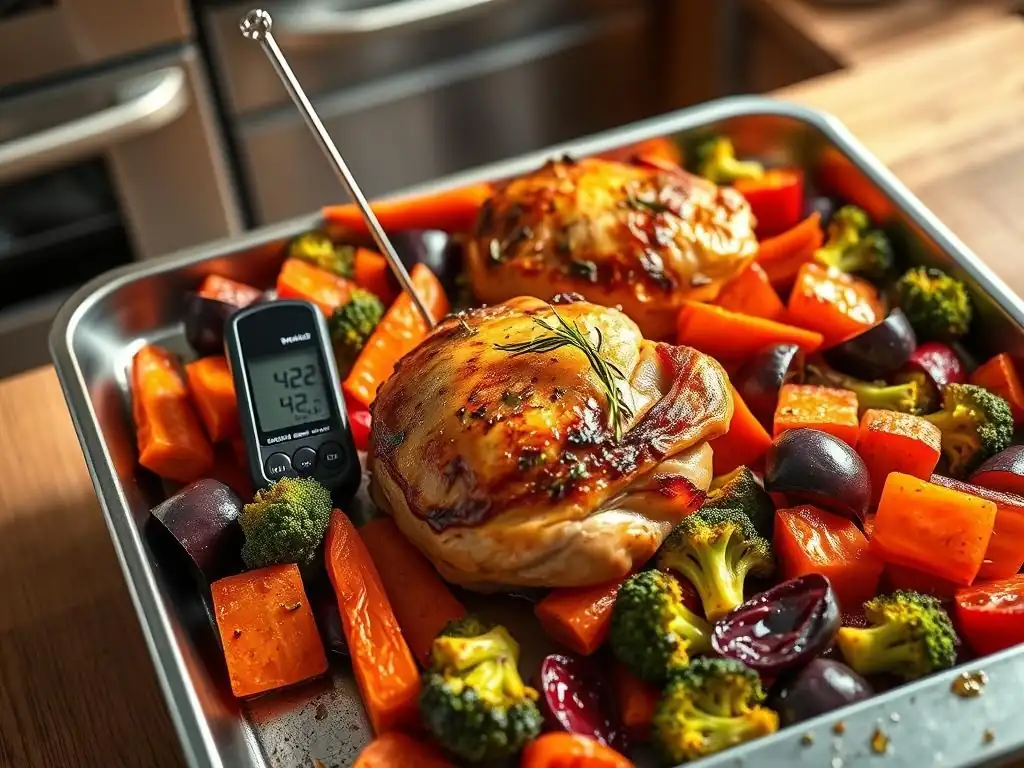
Achieving consistently great results with sheet pan dinners goes beyond just knowing the right sheet pan baking temperatures times. A few simple techniques can elevate your cooking and prevent common pitfalls like soggy vegetables or unevenly cooked proteins. These tips focus on preparation and arrangement, ensuring your ingredients cook optimally together on the single pan.
Implementing these best practices will make your sheet pan meals even more successful. Paying attention to details like how you prepare your ingredients and how you lay them out on the pan can make a significant difference in the final texture and flavor. Mastering these techniques, alongside understanding sheet pan baking temperatures times, will make you a sheet pan pro.
Sheet Pan Size Matters: Choosing the Right Pan for Your Recipe
Using the correct size sheet pan is more important than you might think. The standard half-sheet pan (approx. 18x13 inches) is ideal for most recipes serving 2-4 people. This size provides ample surface area to spread ingredients in a single layer, which is crucial for roasting. If you use a smaller pan, you risk overcrowding, leading to steaming instead of roasting.
If you're cooking for a larger group or making a double batch, use two half-sheet pans or a full-size sheet pan (approx. 26x18 inches), ensuring your oven is large enough to accommodate it. Never pile ingredients high on one pan; this traps steam and prevents the desirable browning and crisping. Having sufficient space for air circulation around each piece of food is fundamental to achieving those delicious roasted textures using proper sheet pan baking temperatures times.
Preventing Soggy Vegetables: Proper Preparation Techniques
Soggy vegetables are a common issue in sheet pan cooking, often resulting from excess moisture. To combat this, ensure your vegetables are thoroughly washed and then dried completely before tossing them with oil and seasonings. Water on the surface will steam the vegetables rather than allowing them to roast and caramelize. Patting them dry with a clean towel or using a salad spinner for leafy greens is a simple but effective step.
Additionally, avoid over-oiling your vegetables. Just enough oil to coat them lightly is sufficient for promoting browning without making them greasy. Cutting vegetables into uniform sizes also helps them cook evenly; irregularly shaped pieces will cook at different rates. By taking these steps, you maximize the chances of your vegetables achieving that perfect tender-crisp texture with delicious roasted edges when cooked using appropriate sheet pan baking temperatures times.
Even Cooking: Arranging Ingredients on the Sheet Pan
How you arrange ingredients on the sheet pan significantly impacts even cooking. The golden rule is to spread everything out in a single layer. Avoid overlapping pieces. This allows the hot air in the oven to circulate freely around each ingredient, promoting even roasting and browning. If the pan is too crowded, the food will steam instead of roast, resulting in less desirable textures.
Consider grouping ingredients by type or cooking time if necessary. For example, you might place denser vegetables or proteins that need slightly longer cooking times in the center of the pan, where heat can sometimes be more intense, or simply ensure they are spaced well. Flipping or stirring ingredients halfway through the cooking time also helps ensure all sides get exposed to the hot pan surface and circulating air, contributing to overall evenness when using your chosen sheet pan baking temperatures times.
Don't Overcrowd the Pan: Ensuring Proper Air Circulation
Overcrowding is arguably the biggest mistake people make when sheet pan baking. When too many ingredients are packed onto a single pan, they release moisture, and that moisture gets trapped because there isn't enough space for it to evaporate. This creates a steaming environment, which is the opposite of what you want for roasting. Instead of getting crispy edges and caramelized surfaces, your food will be soft and potentially watery.
Think of it like this: each piece of food needs its personal space bubble of hot air. If pieces are touching or piled up, that hot air can't circulate effectively. If your ingredients seem crowded on one half-sheet pan, it's always better to use a second pan. While this means washing two pans instead of one, the improvement in texture and flavor is well worth the minimal extra effort. Proper spacing is paramount for successful sheet pan baking temperatures times.
Monitoring Internal Temperature: Using a Meat Thermometer for Accuracy
While visual cues and recommended cooking times provide a good estimate, the most accurate way to ensure proteins are safely and perfectly cooked is by using an instant-read meat thermometer. This is especially crucial when dealing with varying thicknesses and oven hot spots that might affect overall sheet pan baking temperatures times. Insert the thermometer into the thickest part of the protein, avoiding bone or fat.
Recommended safe internal temperatures are:
- Poultry (Chicken, Turkey): 165°F (74°C)
- Pork: 145°F (63°C) (followed by a 3-minute rest)
- Beef/Lamb/Veal (Roasts, Steaks, Chops): 145°F (63°C) for medium-rare, 160°F (71°C) for medium, 170°F (77°C) for well-done
- Fish: 145°F (63°C) or until opaque and flakes easily
Using a thermometer eliminates guesswork and guarantees your meat and fish are cooked to the right level of doneness without being overcooked and dry.
Beyond the Basics: Advanced Sheet Pan Baking Techniques
Once you're comfortable with the fundamentals of sheet pan baking temperatures times and basic preparation, you can explore more advanced techniques to add complexity and flavor to your one-pan meals. These methods involve incorporating sauces, experimenting with different ingredient combinations, and even adapting recipes not originally designed for sheet pan cooking.
Getting creative with marinades, glazes, and different cooking methods like par-cooking denser ingredients beforehand can really elevate your sheet pan game. You can move beyond simple protein-and-veg combos and create truly dynamic meals all on one surface. These advanced techniques build upon your understanding of how ingredients cook at different sheet pan baking temperatures times.
Sheet Pan Roasting with Marinades and Glazes
Marinades and glazes can infuse your sheet pan meals with incredible flavor. Marinades, typically acidic mixtures with oil, herbs, and spices, tenderize proteins and add moisture. Proteins can be marinated for 30 minutes up to several hours (or even overnight for tougher cuts) before being added to the pan. Be sure to shake off excess marinade before roasting to prevent steaming.
Glazes, often sweet or savory sauces that thicken and caramelize as they cook, are usually brushed onto proteins or vegetables during the last 10-15 minutes of baking. This allows the glaze to adhere and caramelize without burning. Think of brushing a honey-soy glaze onto salmon or a balsamic glaze onto Brussels sprouts towards the end of their cooking time. This step adds a layer of deliciousness that complements the roasted flavors developed at typical sheet pan baking temperatures times.
Sheet Pan Recipes for Breakfast, Lunch, and Dinner
Sheet pan cooking isn't just for dinner! The technique is versatile enough for any meal of the day. For breakfast, try roasting potatoes, sausage or bacon, and bell peppers, then cracking eggs directly onto the pan during the last few minutes of cooking. Sheet pan frittatas or roasted hash are also great options.
For lunch, roast a batch of chicken or chickpeas and vegetables at the beginning of the week using your preferred sheet pan baking temperatures times, then use them in salads, wraps, or grain bowls throughout the week. You can also make quick lunch meals like roasted turkey sausage with sweet potatoes and apples. The ease of preparation and cleanup makes sheet pan meals ideal for meal prepping or a quick midday bite.
Converting Your Favorite Recipes for Sheet Pan Baking
Many traditional recipes can be adapted for sheet pan cooking. The key is analyzing the ingredients and their cooking times.
- Identify components: Separate proteins, vegetables, and starches.
- Assess cooking times: Estimate how long each component would take to roast at a typical sheet pan temperature (400°F-425°F).
- Adjust size: Cut denser or slower-cooking items into smaller, uniform pieces.
- Stagger addition: Plan to add ingredients that cook faster later in the process.
- Seasoning: Ensure all components are well-seasoned before roasting.
For example, a recipe for chicken and roasted potatoes could be easily converted by tossing everything with oil and herbs and roasting at 400°F, knowing the potatoes will need more time than the chicken and potentially cutting the potatoes smaller or adding them first. Understanding typical sheet pan baking temperatures times for various food types is essential for successful conversion.
Troubleshooting Common Sheet Pan Baking Problems
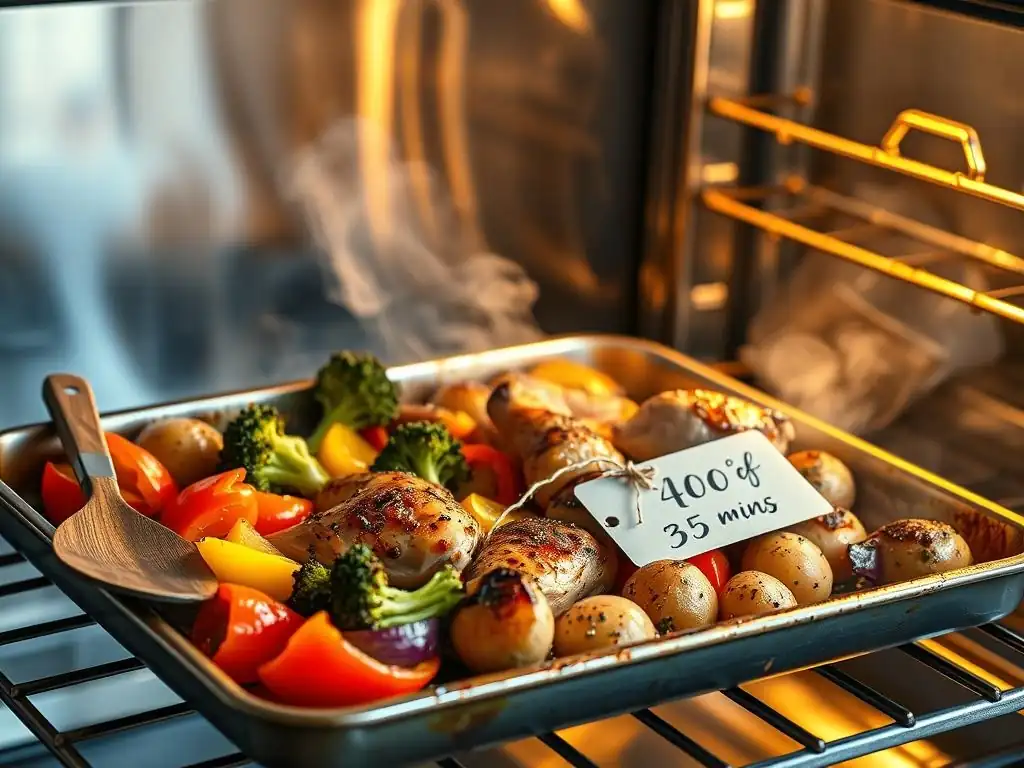
Even with the right sheet pan baking temperatures times, occasionally things don't go exactly as planned. Ingredients might be undercooked, overcooked, or cook unevenly. Recognizing these common issues and knowing how to address them will help you achieve consistent success and avoid disappointing meals.
Most problems can be traced back to a few key factors: incorrect temperature, improper cooking time, poor ingredient preparation, or overcrowding the pan. By understanding the causes, you can adjust your technique for next time or even attempt to salvage the current meal. Don't get discouraged; troubleshooting is part of the learning process in mastering sheet pan cooking.
Undercooked Ingredients: Identifying and Solving the Issue
If your ingredients are still raw or not tender enough at the end of the recommended cooking time, several factors could be at play. The oven temperature might be inaccurate (consider getting an oven thermometer to check), the ingredients might be cut too large or are too dense for the chosen temperature/time combination, or the pan might be overcrowded, leading to steaming.
If you notice ingredients are undercooked partway through or at the end, you can often return the pan to the oven for an additional 5-15 minutes, checking frequently. If only one component is undercooked, you might be able to pick it out and give it a few more minutes on the pan or in a separate smaller dish. Next time, ensure ingredients are cut uniformly, consider starting denser items first, and double-check your oven temperature and estimated sheet pan baking temperatures times.
Overcooked or Burnt Ingredients: Prevention and Recovery
Overcooking or burning usually happens when the temperature is too high for too long, or ingredients are cut too small. Thin vegetables like asparagus can go from perfectly roasted to burnt crisps in minutes if not monitored. Proteins can become dry and tough if left in the oven past their ideal internal temperature.
Prevention is the best cure: use an oven thermometer to verify your oven's temperature, stick to recommended sheet pan baking temperatures times, check food doneness (especially protein with a thermometer) towards the end of the cooking time, and consider adding faster-cooking items later. If something is starting to burn, you can remove it from the pan while the rest finishes cooking. If edges are browning too fast, you can sometimes stir the ingredients to expose less-cooked surfaces, or loosely tent the pan with foil.
Uneven Cooking: Addressing Hot Spots in Your Oven
Ovens often have hot spots, areas where the temperature is higher than elsewhere, leading to uneven cooking on a sheet pan. You might notice vegetables browning faster on one side of the pan than the other, or chicken skin crisping up more in the back of the oven. This is a common issue, even when using the correct sheet pan baking temperatures times.
Rotating the sheet pan halfway through the cooking time is the easiest way to mitigate hot spots. Simply turn the pan 180 degrees. You can also try arranging ingredients so that those needing more heat are in known hot spots, or vice versa. Getting to know your oven's quirks through observation will help you adjust your sheet pan cooking strategy for more consistent results.
Delicious Sheet Pan Dinner Recipes to Get You Started
Ready to put your knowledge of sheet pan baking temperatures times into practice? Here are a few classic combinations to get you started. These recipes are designed for ease and deliciousness, perfect for showcasing the magic of one-pan cooking.
- Sausage, Peppers, and Onions: A simple classic. Slice Italian sausage, bell peppers (any color), and red onion. Toss with olive oil, Italian herbs, salt, and pepper. Roast at 400°F (200°C) for 20-30 minutes, stirring halfway, until sausage is cooked through and vegetables are tender and slightly charred.
- Lemon Herb Roasted Chicken and Broccoli: Toss bone-in chicken thighs with olive oil, lemon juice, minced garlic, dried herbs (like rosemary, thyme, oregano), salt, and pepper. Toss broccoli florets with olive oil, salt, and pepper. Place chicken on the sheet pan, roast at 400°F (200°C) for 15 minutes. Add broccoli to the pan, toss with the chicken juices, and continue roasting for another 15-20 minutes until chicken reaches 165°F and broccoli is tender and slightly crispy.
- Salmon and Asparagus: Toss asparagus spears with olive oil, salt, pepper, and garlic powder. Place on one side of the sheet pan. Place salmon fillets (skin-side down if preferred) on the other side. Drizzle salmon with olive oil, lemon juice, and seasoning (like dill or paprika). Roast at 375°F (190°C) for 12-18 minutes, until salmon flakes easily and asparagus is tender-crisp.
These examples illustrate how different ingredients are combined and cooked at appropriate sheet pan baking temperatures times to create balanced meals.
Mastering Sheet Pan Baking Temperatures & Times: Conclusion
Sheet pan baking is a truly fantastic method for creating flavorful, healthy, and easy meals with minimal cleanup. By understanding the principles of setting the right sheet pan baking temperatures times for different types of ingredients – from sturdy root vegetables to delicate fish – you gain the power to cook a vast array of delicious dishes. Remember that high heat generally promotes browning and caramelization, while cooking times must be adjusted based on the density and size of your food.
Don't be afraid to experiment with various ingredient combinations and seasonings. Pay attention to how different foods cook and adjust your approach next time. Utilize tools like parchment paper for easy cleanup and a meat thermometer for accuracy. With a little practice and attention to these key sheet pan baking temperatures times and techniques, you'll be whipping up incredible one-pan sensations in no time, making weeknight dinners (and breakfasts and lunches!) easier and more enjoyable. Happy sheet pan baking!
Frequently Asked Questions
What is the ideal temperature for baking most sheet pan dinners?
The ideal temperature for many sheet pan dinners is between 400°F and 425°F (200°C and 220°C). This range allows for even cooking and browning of vegetables and proteins.
How does the type of sheet pan affect baking time?
Darker sheet pans absorb more heat, potentially requiring slightly shorter baking times. Lighter pans may need a few extra minutes to achieve the same level of doneness.
What's the best way to ensure even cooking on a sheet pan?
Make sure to space ingredients evenly on the sheet pan and avoid overcrowding. Tossing vegetables with oil and seasoning before baking also promotes uniform cooking.
How do I adjust baking times based on the ingredients in my sheet pan dinner?
Dense vegetables like potatoes and carrots will require longer baking times than quicker-cooking ingredients like bell peppers or zucchini. Consider adding quicker-cooking items later in the baking process.
Can I use parchment paper or foil for sheet pan baking, and does it affect the temperature or time?
Yes, you can use parchment paper or foil for easier cleanup. Parchment paper generally doesn't significantly alter baking time or temperature, but foil can sometimes reflect heat, potentially requiring a slight increase in baking time.
Final Reflection: The Art of Sheet Pan Baking
In today's fast-paced world, the simplicity and efficiency of sheet pan baking have never been more relevant. As we juggle busy schedules and seek to create delicious meals with minimal effort, understanding the optimal baking temperatures and times for one-pan dinners empowers us to make cooking a joyful experience rather than a chore. The beauty of sheet pan meals lies in their ability to deliver flavor and nutrition without the hassle, making them a staple in modern kitchens.
The impact of sheet pan cooking extends beyond mere convenience; it fosters a sense of community and creativity in the kitchen. This cooking method encourages us to experiment with flavors and ingredients, inviting friends and family to join in the fun. As we gather around the table to share these meals, we strengthen our bonds and create lasting memories. Cooking is about creating a connection with those you love.
This sentiment resonates deeply as we embrace the art of sheet pan baking, transforming our culinary endeavors into cherished moments.
As you reflect on the insights shared in this article, I invite you to embrace the versatility of sheet pan meals in your own kitchen. Consider the endless possibilities that await you with just a single pan. Challenge yourself to explore new recipes, experiment with different ingredients, and share your creations with loved ones. By doing so, you not only nourish your body but also cultivate a deeper appreciation for the art of cooking and the connections it fosters. Let the joy of sheet pan baking inspire you to create, connect, and celebrate the simple pleasures of life.
Unlock Your Inner Baking Whiz!
Thanks for joining us on this delicious journey into the world of sheet pan baking! We hope you've discovered new ways to simplify your cooking and create incredible meals with minimal cleanup. Now it's time to put your newfound knowledge to the test!
- Master the art of sheet pan perfection: Try out one of the recipes mentioned in the article, adjusting baking times and temperatures based on your oven and preferences. Don't be afraid to experiment!
- Share your sheet pan creations: Post a picture of your masterpiece on social media and tag us – we'd love to see what you bake! Use #BakeWithEase to join our community.
- Explore other sheet pan recipes on BakeWithEase.com: (This would normally be a link, but per instructions, it's text only) Dive deeper into our recipe collection and find your next culinary adventure.
What innovative sheet pan recipe will you conquer next?