
Vegan Baking Hacks: Using Purees as Smart Fat & Moisture Swaps

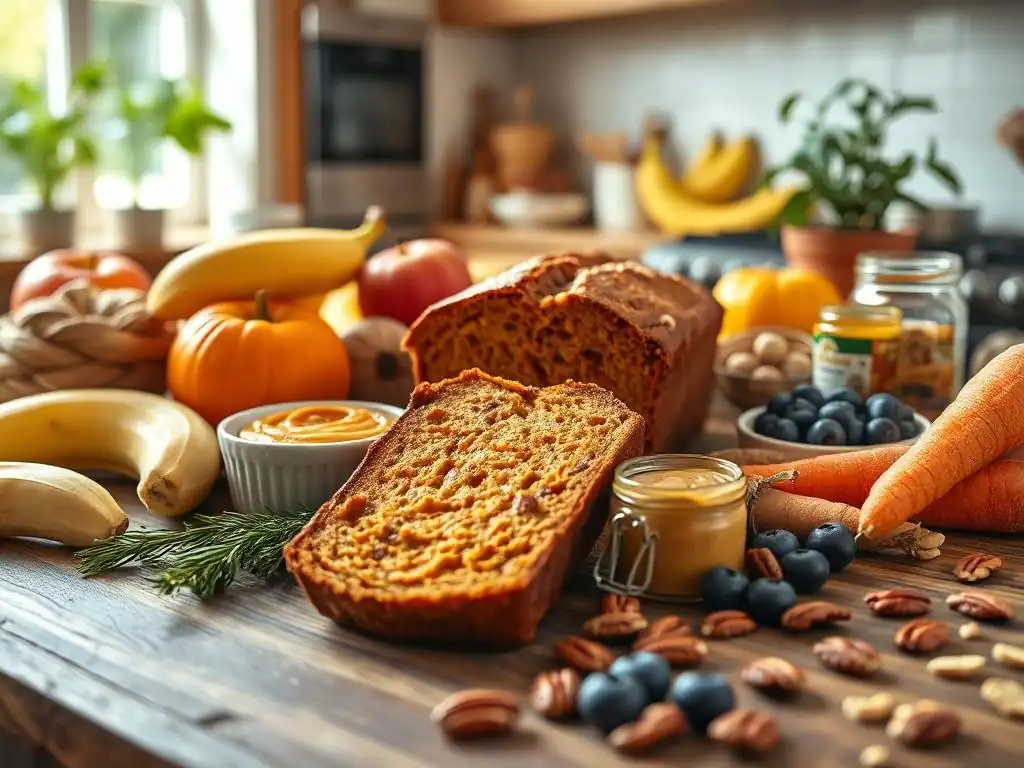
Welcome to BakeWithEase, your haven for effortless baking! Curious about transforming your favorite recipes into vegan delights? Discover smart and surprisingly simple secrets to vegan puree baking substitutions. Prepare to unlock a world of flavor and moisture, all while ditching dairy and eggs! Intrigued? Let's explore how purees can revolutionize your baking.
- Introduction to Vegan Puree Baking Substitutions
- Understanding Fat and Moisture Roles in Baking
- Vegan Puree Baking Substitutions: A Comprehensive Guide
- Mastering the Art of Puree Substitutions: Ratios and Techniques
- Vegan Puree Baking Recipes
- Conclusion: Embrace the Power of Vegan Puree Baking Substitutions
-
Frequently Asked Questions
- What types of purees work best as vegan baking substitutions?
- What are the benefits of using purees instead of traditional fats like butter or oil in vegan baking?
- How do I adjust the amount of puree when substituting for oil or butter in a recipe?
- Can using purees affect the baking time of my vegan recipes?
- What are some common mistakes to avoid when using purees as vegan baking substitutions?
- Final Reflection: The Sweet Revolution of Puree Power
- Unlock Your Vegan Baking Potential!
Introduction to Vegan Puree Baking Substitutions
The Magic of Purees in Vegan Baking: A Game Changer
Discovering effective vegan puree baking substitutions can truly revolutionize your plant-based baking journey. Purees, made from fruits or vegetables, offer an incredible duality: they can act as both a fat replacer and a moisture enhancer simultaneously. This is particularly useful in vegan recipes where traditional ingredients like butter and eggs, which provide structure, moisture, and richness, are absent. By incorporating purees, you can achieve baked goods that are not only moist and tender but often lower in saturated fat and calories, while also potentially boosting their nutritional profile with added vitamins and fiber.
The versatility of these vegan puree baking substitutions extends across a wide range of baked goods, from delicate muffins and cakes to hearty breads and even certain cookies. The natural sugars in some purees can also contribute to browning and a subtle sweetness, potentially allowing for a reduction in added sugars. Embracing purees opens up a world of possibilities, enabling bakers to create delicious, satisfying vegan treats with simpler, whole-food ingredients. It's a core technique for anyone looking to master the art of vegan baking without relying on processed substitutes.
Why Choose Purees for Vegan Baking? Benefits Explained
Opting for vegan puree baking substitutions brings a host of benefits to the table. Firstly, they significantly enhance moisture content, which is often a challenge in vegan baking due to the lack of eggs. A standard swap might involve replacing half the oil or butter in a recipe with an equal amount of applesauce, resulting in a cake or muffin that stays moist for longer without becoming overly dense. For instance, replacing half a cup of oil (approx. 120g) with 120g of applesauce can save around 600-700 calories and a significant amount of fat, while still providing necessary moisture.
Beyond moisture, purees contribute natural flavors and colors, reducing the need for artificial additives. Pumpkin puree, for example, lends a warm, earthy flavor and a beautiful orange hue perfect for autumn bakes, while banana puree provides sweetness and a distinct tropical note. These vegan puree baking substitutions also often add fiber and nutrients that aren't present in fats or commercial egg replacers.
Using a quarter cup (about 60g) of sweet potato puree in a brownie recipe can add Vitamin A and fiber, contributing to a slightly richer texture and subtle sweetness. It's a simple, effective way to create healthier, flavorful vegan baked goods.
Understanding Fat and Moisture Roles in Baking
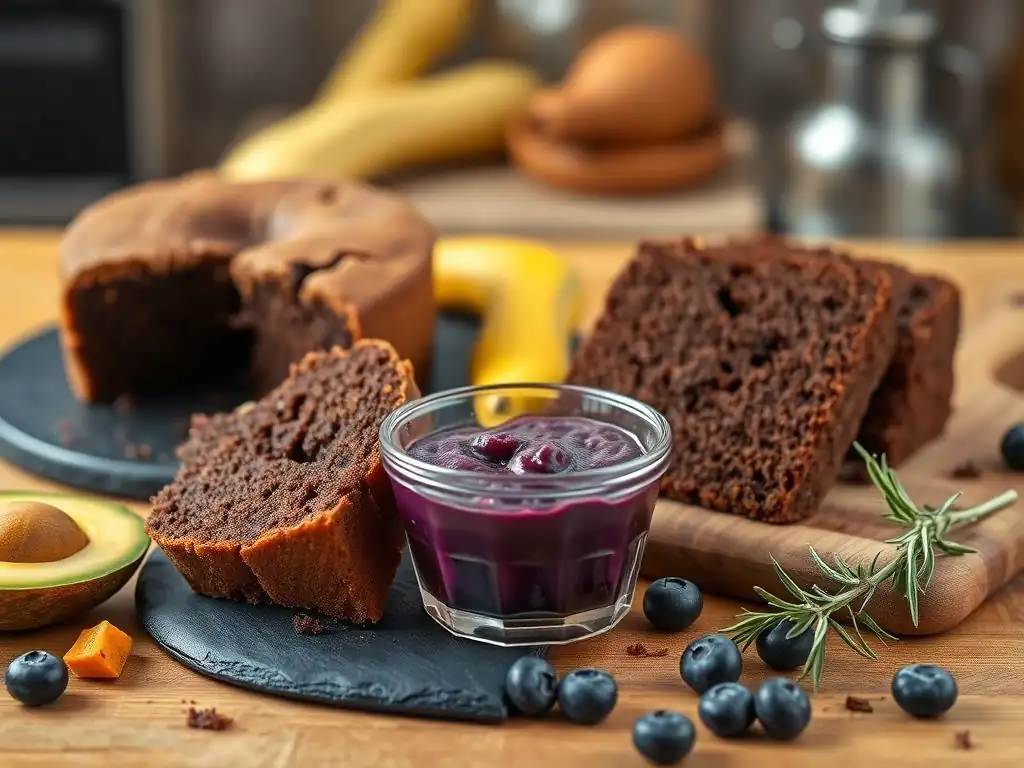
The Importance of Fat in Baking: Texture, Flavor, and Structure
Fat plays a critical, multifaceted role in traditional baking. It contributes significantly to the texture of baked goods by interfering with gluten development, leading to a tender crumb. Think of how flaky pastry is achieved through layers of fat and flour; the fat melts during baking, creating pockets that separate the dough layers. In cakes and muffins, fat coats flour particles, preventing them from forming a tough gluten network, resulting in a soft, moist texture. Butter, oil, or shortening also carry flavors and contribute their own richness, enhancing the overall taste experience.
Moreover, fat contributes to the structure and shelf life of baked goods. It helps to create a more stable emulsion in batters and doughs, improving consistency. During baking, fat helps with leavening by trapping air bubbles, which expand in the heat. After baking, fat helps keep products moist and prevents them from drying out quickly, extending their freshness. Understanding these roles is key to successfully implementing vegan puree baking substitutions, as you need alternatives that can perform at least some of these functions effectively.
The Role of Moisture in Baking: Hydration and Binding
Moisture, primarily in the form of liquids like water, milk (or plant-based milk), and eggs, is essential for hydrating dry ingredients like flour, sugar, and leavening agents. Hydration allows gluten to develop (in recipes where it's desired) and sugar to dissolve, creating a cohesive batter or dough. Adequate moisture is crucial for activating chemical leaveners like baking soda and baking powder, which need liquid to produce carbon dioxide gas and cause the baked good to rise. Without enough moisture, baked goods can be dry, dense, and crumbly.
Moisture also acts as a binding agent, holding the ingredients together. In traditional baking, eggs are powerful binders due to their protein content. In vegan baking, achieving proper binding without eggs requires alternative moist ingredients or specific binders like flax eggs or commercial replacers. Vegan puree baking substitutions excel here, providing substantial moisture and often containing starches or fibers that help bind ingredients together, contributing to a softer texture and preventing dryness, which is a common pitfall in poorly formulated vegan recipes.
Vegan Puree Baking Substitutions: A Comprehensive Guide
Applesauce: The Versatile Vegan Baking MVP
Applesauce is arguably the most popular and widely used of the vegan puree baking substitutions. Its neutral flavor, readily available nature, and consistent texture make it an ideal candidate for replacing fat and adding moisture in a variety of recipes. Typically, unsweetened applesauce is preferred to avoid adding unwanted sugar, allowing you to control the sweetness of your final product. It's a simple swap that yields impressive results, making vegan baking more accessible to everyone.
When using applesauce, note that it adds moisture but doesn't provide the same richness or aid in browning as fat does. You might notice that baked goods made with a significant amount of applesauce are slightly paler and have a softer crust. However, this trade-off is often desirable for muffins, quick breads, and cakes where a moist, tender crumb is the primary goal. It's a fantastic starting point for exploring vegan puree baking substitutions.
How Applesauce Replaces Fat and Adds Moisture
Applesauce works as a fat substitute primarily by providing bulk and moisture. While it doesn't have the same lubricating properties as fat, its water content hydrates the dry ingredients and helps create a tender texture by physically getting between flour particles, much like fat does to inhibit gluten. A common guideline is to replace half of the required fat (oil, butter, or shortening) with an equal volume of unsweetened applesauce. For example, if a recipe calls for 1 cup of oil, you could use ½ cup of oil and ½ cup of applesauce.
Using applesauce also significantly boosts the moisture level of the batter or dough. This added hydration helps activate leavening agents more effectively and prevents the baked item from drying out during baking. The natural pectin in applesauce also contributes to binding, helping to hold the structure of the baked good together without the need for eggs. This dual action makes applesauce a powerful tool in vegan puree baking substitutions, particularly for recipes where high moisture is desired.
Best Uses for Applesauce in Vegan Baking
Applesauce shines brightest in recipes where a moist, tender crumb is paramount and a slightly softer crust is acceptable. These include:
- Muffins and Cupcakes: Replacing some oil or butter with applesauce creates incredibly moist and fluffy results. A standard swap might be replacing 1/3 to 1/2 of the fat.
- Quick Breads: Banana bread, zucchini bread, and similar quick breads benefit greatly from applesauce, which keeps them from becoming dry.
- Cakes: Especially spice cakes, apple cakes, or simple vanilla/chocolate cakes, applesauce adds moisture without heavily impacting the flavor profile.
- Brownies: While it can slightly alter the fudgy texture, using applesauce can make brownies lighter and less dense, particularly when replacing some oil.
While applesauce is versatile for vegan puree baking substitutions, it's generally less suitable for recipes where fat is crucial for flakiness (like pie crusts or biscuits) or crispness (certain cookies), as it adds too much moisture and doesn't provide the necessary structure or browning for those textures.
Pumpkin Puree: Adding Nutrients and Moisture
Pumpkin puree, especially canned unsweetened pumpkin (not pie filling), is another excellent option for vegan puree baking substitutions. It brings a distinct flavor and beautiful orange color to baked goods, making it a favorite for autumn recipes. Beyond its sensory appeal, pumpkin puree is packed with Vitamin A and fiber, adding a nutritional boost to your treats. Its consistency is slightly thicker than applesauce, which can impact the final texture of your baked goods.
Like applesauce, pumpkin puree adds significant moisture to recipes. Its natural starches and fibers also contribute to binding, making it effective as a partial egg substitute as well as a fat/moisture swap. When using pumpkin puree, be mindful of the flavor it imparts; it works best in recipes where a hint of pumpkin spice is welcome, or alongside complementary flavors like chocolate, ginger, or nuts. Exploring vegan puree baking substitutions with pumpkin can lead to delightful and wholesome results.
Pumpkin Puree as a Vegan Egg and Oil Substitute
Pumpkin puree can effectively replace both eggs and oil (or butter) in certain vegan recipes. As an egg substitute, typically ¼ cup (about 60g) of pumpkin puree can replace one large egg in recipes like muffins, quick breads, or cookies. It provides moisture and helps bind ingredients, though it doesn't offer the same leavening power as eggs.
As a fat substitute, pumpkin puree works similarly to applesauce, providing moisture and bulk. Replacing half the oil or butter with an equal volume of pumpkin puree is a common approach for reducing fat while maintaining a moist crumb. For example, in a recipe calling for 1 cup of oil, you could use ½ cup oil and ½ cup pumpkin puree. The combination of using pumpkin puree for both egg and fat replacement makes it a powerful tool in vegan puree baking substitutions, simplifying recipes and adding nutritional value.
Recipes That Shine with Pumpkin Puree
Pumpkin puree is a natural fit for cozy, spiced baked goods. Some recipes where it truly shines include:
- Pumpkin Bread and Muffins: This is an obvious choice, where pumpkin puree provides the signature flavor, color, and incredible moisture.
- Spice Cakes: Pumpkin puree complements warm spices like cinnamon, nutmeg, and cloves beautifully.
- Chocolate Baked Goods: Surprisingly, pumpkin and chocolate pair wonderfully. Using pumpkin puree in vegan chocolate cakes or brownies adds moisture and richness without an overpowering pumpkin flavor.
- Cookies: While it adds moisture and can make cookies softer or more cake-like, using a small amount of pumpkin puree (e.g., 1/4 cup per batch) can add chewiness and color to certain cookie types.
When experimenting with vegan puree baking substitutions using pumpkin, remember that it adds weight and density. You might need to slightly increase leavening agents (like baking powder) to ensure a good rise, especially if replacing eggs or a significant amount of fat.
Sweet Potato Puree: A Secret Weapon for Vegan Bakers
Less common than applesauce or pumpkin, sweet potato puree is a fantastic, slightly sweeter option for vegan puree baking substitutions. Like pumpkin, it's rich in Vitamin A and fiber, and its vibrant orange color is appealing. Sweet potato puree has a smooth, creamy texture, often slightly denser than pumpkin, which can contribute to a wonderfully moist and tender crumb in baked goods.
Sweet potato puree's natural sweetness means you might be able to slightly reduce the added sugar in your recipes. It pairs well with similar flavors as pumpkin (spices, chocolate) but also works beautifully in recipes with nuts or even citrus notes. Incorporating sweet potato puree into your repertoire of vegan puree baking substitutions can add a unique touch and nutritional boost to your favorite recipes.
Sweet Potato Puree's Impact on Texture and Sweetness
Sweet potato puree adds significant moisture and a smooth, dense texture to baked goods. Its natural starches contribute to binding, similar to pumpkin. When used to replace fat or eggs, it tends to create a very tender and slightly fudgy texture, which is particularly desirable in cakes, muffins, and brownies. The high moisture content helps prevent dryness, resulting in baked goods that remain soft for several days.
The natural sweetness of sweet potatoes is another advantage. While not a direct sugar substitute, using sweet potato puree can allow you to slightly decrease the amount of granulated sugar in a recipe without sacrificing flavor. This makes it a great choice for those looking to reduce added sugars. Mastering vegan puree baking substitutions with sweet potato involves understanding its unique properties and how they interact with other ingredients.
Incorporating Sweet Potato Puree into Vegan Cakes and Breads
Sweet potato puree excels in recipes where its creamy texture and subtle sweetness can enhance the final product. Excellent uses include:
- Cakes: Sweet potato cakes, spice cakes, or even chocolate cakes benefit from the moisture and richness of sweet potato puree. It contributes to a dense, yet tender crumb.
- Quick Breads: Similar to pumpkin or banana bread, sweet potato quick bread is moist and flavorful.
- Brownies: Sweet potato puree can create incredibly moist and slightly fudgy vegan brownies, often with a beautiful deep color.
- Muffins: Adding sweet potato puree to muffins results in a soft, tender texture and added nutrients.
When using sweet potato puree for vegan puree baking substitutions, ensure it is smooth and free of strings. Canned sweet potato puree is convenient, or you can make your own by baking or boiling sweet potatoes until very tender, then pureeing them until smooth.
Banana Puree: Natural Sweetener and Binding Agent
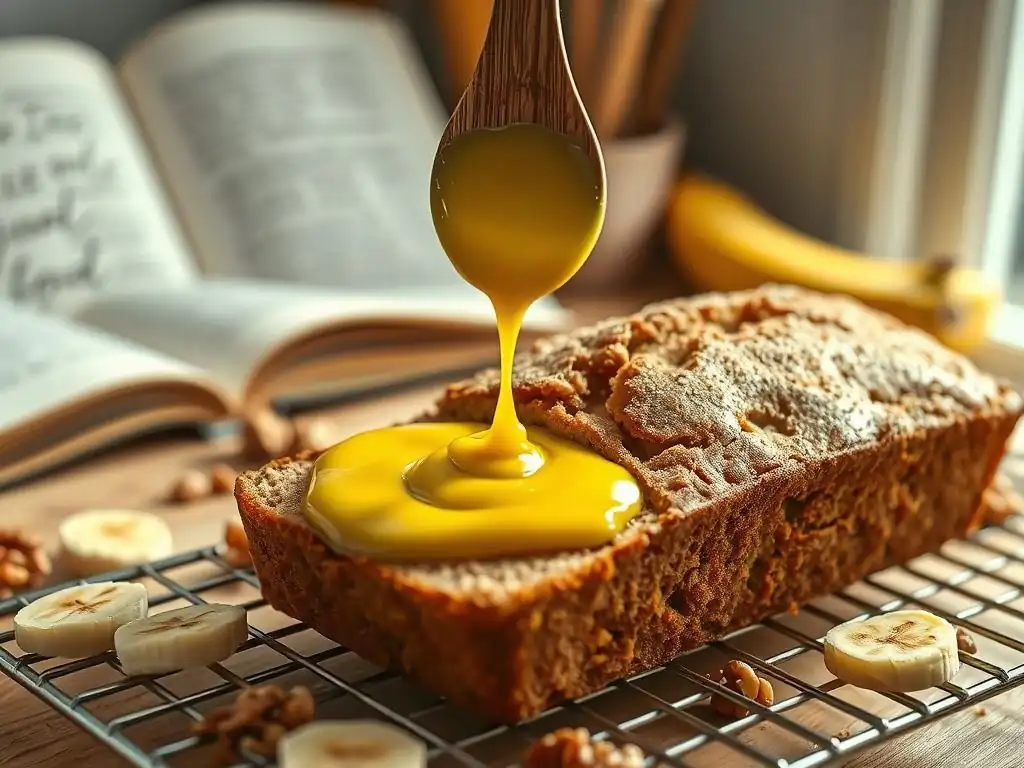
Ripe banana puree is perhaps one of the most intuitive vegan puree baking substitutions, especially for those familiar with classic banana bread. Overripe bananas, mashed until smooth, provide intense moisture, natural sweetness, and excellent binding properties due to their pectin and starch content. Their distinct flavor makes them best suited for recipes where a banana taste is desired or complements other flavors.
Using ripe banana puree can often allow for a significant reduction in added sugar and fat in recipes. It's a wonderfully natural way to add moisture and create a tender crumb, making it a staple in many vegan and healthier baking recipes. Exploring vegan puree baking substitutions with bananas is a delicious and easy way to start.
Ripe Bananas for Vegan Baking: Tips and Tricks
The key to using bananas in baking is ripeness. The spottier and browner the banana peel, the sweeter and softer the fruit inside, making it easier to mash and providing more natural sugar and moisture. Green or slightly yellow bananas are not suitable as they are less sweet, harder to mash, and have a different starch structure.
To use, simply peel and mash the ripe bananas with a fork until smooth, or blend briefly for a super-smooth consistency. A standard substitution is to replace one egg with about 1/4 cup (approx. 60g) of mashed banana. For fat replacement, you can often swap half or even all of the oil or butter with an equal volume of mashed banana in certain recipes, though replacing all the fat might result in a denser texture. Experimenting with the ratio is part of mastering vegan puree baking substitutions with banana.
Vegan Banana Bread and Muffin Magic
Banana puree is the star ingredient in classic vegan banana bread and muffins, providing all the necessary moisture, sweetness, and binding without the need for eggs or excessive fat.
- Banana Bread: A typical recipe might use 2-3 very ripe mashed bananas (about 1 to 1.5 cups puree) for a loaf, often replacing eggs and a significant portion of the oil or butter. This creates an incredibly moist, flavorful, and naturally sweet loaf.
- Muffins: Banana muffins benefit from the same properties, resulting in tender, moist treats. Using about 1/2 cup of mashed banana per 12 muffins can replace one egg and some fat, enhancing both texture and flavor.
Beyond these classics, banana puree can be used in pancakes, waffles, and even some cookie recipes (though they'll be softer/cakier) as part of your vegan puree baking substitutions toolkit.
Other Puree Options for Vegan Baking
While applesauce, pumpkin, sweet potato, and banana are the most common, other fruit and vegetable purees can also be employed as vegan puree baking substitutions.
Zucchini Puree: A Subtle Moisture Boost
Zucchini puree (made from grated and squeezed zucchini, then blended) is a near-flavorless option that adds incredible moisture without significantly altering the taste or color of your baked goods. It's fantastic for adding moisture to chocolate cakes, muffins, or breads where you want a tender crumb without any fruity or earthy notes. It works similarly to applesauce in terms of moisture contribution.
Beet Puree: Adding Color and Earthy Flavor
Cooked and pureed beets offer a vibrant crimson color and a subtle earthy sweetness. While their distinct flavor means they aren't suitable for all recipes, they can be used in chocolate cakes (like red velvet) or earthy-flavored breads to add moisture and a natural, dramatic color boost. Use sparingly initially when exploring these types of vegan puree baking substitutions.
Mastering the Art of Puree Substitutions: Ratios and Techniques
Successfully implementing vegan puree baking substitutions requires a bit of understanding and willingness to experiment. Not all purees are created equal in terms of consistency, sweetness, and binding power, and not all recipes respond the same way to substitutions.
General Guidelines for Puree Ratios in Vegan Baking
While specific ratios can vary based on the recipe and the type of puree, here are some general starting points for vegan puree baking substitutions:
- Replacing Fat (Oil, Butter): Start by replacing half of the fat with an equal volume of puree (e.g., ½ cup oil + ½ cup applesauce instead of 1 cup oil). In some recipes, you might be able to replace up to all the fat, but this can significantly change the texture, often resulting in a denser, less rich product.
- Replacing Eggs: As a general binder and moisture provider, ¼ cup (about 60g) of puree (like pumpkin, sweet potato, or mashed banana) can often replace one large egg in recipes like muffins, quick breads, or simple cakes. Applesauce is less effective as a sole egg replacer but works well in combination with other binders.
- Adding Moisture: Even if not replacing fat or eggs entirely, adding a small amount of puree (e.g., ¼ cup per batch) can boost moisture and tenderness in many vegan recipes.
It's crucial to remember that these are starting points. The best approach to vegan puree baking substitutions is to test small batches and adjust based on the results.
Adjusting Recipes: Tips for Success with Puree Swaps
When using vegan puree baking substitutions, you may need to make other minor adjustments to the original recipe:
- Reduce Liquid: Since purees add moisture, you might need to slightly reduce other liquids (like plant milk or water) in the recipe. Start by reducing by 1-2 tablespoons per ½ cup of puree used.
- Increase Leavening: Purees add weight and density. If replacing eggs or a significant amount of fat, consider increasing the baking powder or baking soda slightly (e.g., by ¼ to ½ teaspoon) to help the baked good rise.
- Adjust Sugar: If using sweeter purees like banana or sweet potato, you might be able to slightly decrease the added sugar. Taste the batter if possible or reduce by 10-20% initially.
- Monitor Baking Time: Baked goods made with purees might take slightly longer to bake due to the increased moisture. Check for doneness using a toothpick test.
- Consider Flavor Profiles: Choose a puree that complements the other flavors in your recipe. Applesauce is neutral, while pumpkin, sweet potato, and banana have distinct tastes.
Applying these tips will help you achieve better results with vegan puree baking substitutions.
Dealing with Texture Changes: Troubleshooting Puree Baking
Using vegan puree baking substitutions can sometimes lead to texture differences compared to traditional or even other vegan recipes. Common issues include:
- Density: Replacing too much fat with puree can result in a denser, less airy texture. If your bakes are too heavy, try using less puree or combining it with another fat source.
- Lack of Browning: Purees don't promote browning as effectively as fat or eggs. Baked goods might appear paler. This is often purely cosmetic. For more browning, you can brush the top with a little plant milk and sprinkle with sugar before baking, or bake for a few extra minutes at a slightly lower temperature towards the end.
- Gummy Texture: Too much moisture from purees can sometimes lead to a slightly gummy texture. Ensure you've balanced the liquids and haven't used excessive puree. Sometimes, this can also be helped by slightly increasing the flour or reducing other liquids.
Troubleshooting vegan puree baking substitutions is part of the learning process. Keep notes on your substitutions and results to refine your approach for different recipes.
Vegan Puree Baking Recipes
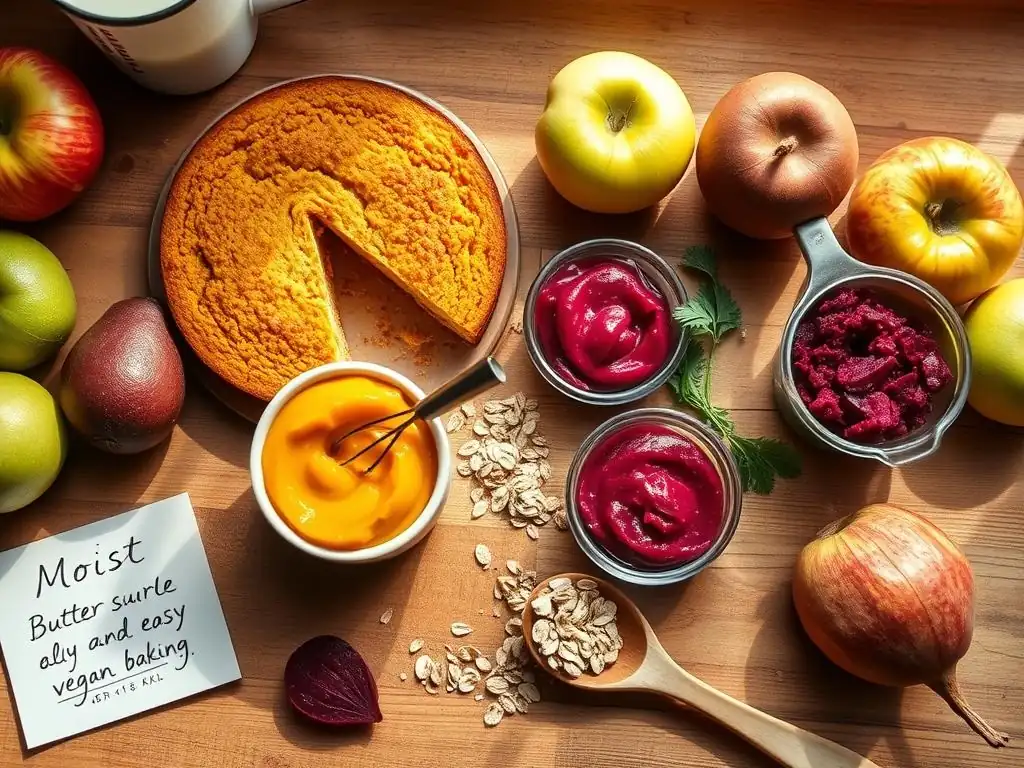
Exploring vegan puree baking substitutions is best done through practice! Here are concepts for recipes that showcase the power of purees.
Vegan Applesauce Spice Cake Recipe
This recipe concept highlights applesauce as a primary moisture and partial fat substitute.
- Key Ingredients: Flour, sugar (or partial substitute), applesauce, plant milk, oil (reduced amount), baking powder, baking soda, spices (cinnamon, nutmeg, cloves), vanilla extract.
- How Applesauce Works: Replaces typically half the oil/butter and contributes significant moisture, resulting in a very tender and moist crumb, perfect for pairing with a simple glaze or frosting.
- Process Concept: Dry ingredients are whisked together. Wet ingredients (including applesauce, oil, plant milk, vanilla) are combined. Wet and dry ingredients are mixed gently. Batter is poured into a prepared cake pan and baked until a toothpick comes out clean.
Vegan Pumpkin Chocolate Chip Muffin Recipe
A classic application of pumpkin puree in vegan puree baking substitutions.
- Key Ingredients: Flour, sugar (brown sugar preferred), pumpkin puree, plant milk, oil (reduced amount), baking powder, baking soda, pumpkin spice, salt, vegan chocolate chips.
- How Pumpkin Puree Works: Acts as both a binder (replacing eggs) and a moisture/partial fat substitute. Adds characteristic pumpkin flavor and color.
- Process Concept: Combine dry ingredients including spices and leavening. In a separate bowl, whisk pumpkin puree, plant milk, oil, and sugar. Add wet to dry, mixing until just combined. Fold in chocolate chips. Scoop into muffin liners and bake until tops are set and a toothpick test is clean.
Vegan Sweet Potato Brownie Recipe
Utilizing sweet potato puree for a fudgy, moist vegan brownie.
- Key Ingredients: Flour, cocoa powder, sugar, sweet potato puree, melted vegan butter or oil, plant milk, vanilla extract, baking powder, salt, vegan chocolate chips or chunks.
- How Sweet Potato Puree Works: Replaces eggs and a good portion of the fat, contributing to a dense, fudgy, and incredibly moist texture with a subtle sweetness.
- Process Concept: Whisk together melted fat, sugar, sweet potato puree, plant milk, and vanilla. In another bowl, whisk flour, cocoa powder, baking powder, and salt. Add dry ingredients to wet, mixing until just combined. Fold in chocolate chips/chunks. Spread into a lined baking pan and bake until the edges are set but the center is still slightly soft for fudginess.
Conclusion: Embrace the Power of Vegan Puree Baking Substitutions
Elevate Your Vegan Baking with Natural Ingredients
Embracing vegan puree baking substitutions is a simple yet powerful way to enhance your plant-based baking. By incorporating natural ingredients like applesauce, pumpkin, sweet potato, and banana purees, you can create baked goods that are wonderfully moist, tender, and often healthier than those made with conventional fats or commercial egg replacers. These versatile purees not only provide essential moisture and act as binders but also contribute natural flavors, colors, and nutrients, elevating the quality and appeal of your vegan treats.
Moving beyond relying solely on processed alternatives opens up a world of flavor and texture possibilities. Whether you're aiming for a super-moist cake, a tender muffin, or a fudgy brownie, there's likely a puree that can help you achieve your desired result. Experimentation is key, but with the general guidelines and tips provided, you're well on your way to mastering these valuable vegan puree baking substitutions.
Future of Vegan Baking: Exploring More Puree Possibilities
The journey into vegan puree baking substitutions doesn't have to stop with the most common options. Consider experimenting with other purees like pear, prune, or even vegetable purees like carrot or butternut squash in appropriate recipes. Each puree brings its own unique properties in terms of sweetness, moisture, texture, and flavor, offering endless possibilities for creative vegan baking.
As the interest in plant-based diets continues to grow, the exploration of natural, whole-food based ingredients for baking will only expand. Purees represent a fundamental technique in this space, providing effective, accessible, and delicious solutions for creating satisfying vegan baked goods. So, grab your favorite fruit or vegetable, get mashing or blending, and discover the magic that vegan puree baking substitutions can bring to your kitchen!
Frequently Asked Questions
What types of purees work best as vegan baking substitutions?
Many purees work well! Apple sauce, pumpkin puree, and sweet potato puree are popular choices. These can help replace fats and add moisture in vegan baking.
What are the benefits of using purees instead of traditional fats like butter or oil in vegan baking?
Purees offer a healthier alternative by reducing saturated fat and cholesterol. They also contribute natural sweetness and moisture, improving the texture of your baked goods.
How do I adjust the amount of puree when substituting for oil or butter in a recipe?
A general rule is to substitute puree one-to-one for oil, but you may need to reduce other liquids in the recipe. For butter, start with a half-to-one ratio and adjust as needed.
Can using purees affect the baking time of my vegan recipes?
Yes, purees can slightly increase baking time due to their higher moisture content. Keep an eye on your baked goods and test for doneness with a toothpick.
What are some common mistakes to avoid when using purees as vegan baking substitutions?
Avoid using highly seasoned or flavored purees that might clash with the recipe's intended flavor profile. Also, don't over-substitute, as it can lead to a gummy texture.
Final Reflection: The Sweet Revolution of Puree Power
The accessibility and versatility of vegan baking are rapidly expanding, and the strategic use of purees is leading the charge. This isn't just about finding substitutes; it's about unlocking a world of flavor and texture possibilities, making delicious vegan baked goods achievable for everyone, regardless of skill level or ingredient availability. We've explored how simple purees can transform vegan baking, offering a healthier, more sustainable, and incredibly flavorful alternative to traditional fats and moisteners.
The impact of readily available, plant-based alternatives on the culinary landscape is profound. It's not just about dietary choices; it's about a shift in consciousness towards more ethical and environmentally conscious food production. This movement towards plant-based cooking empowers individuals to make conscious decisions about their food, contributing to a healthier planet and a more compassionate food system. Food is symbolic of love when words are inadequate.
- Alan D. Wolfelt. This sentiment rings true for vegan baking, where the act of creating something delicious and nourishing becomes a powerful expression of care for oneself and the world.
Now, it's your turn to experiment! Don't be afraid to get creative in the kitchen. Try substituting different purees – from sweet potato to pumpkin to applesauce – and discover the unique flavors and textures they bring to your favorite vegan recipes. Embrace the possibilities, explore the versatility, and share your culinary creations with the world. The sweet revolution of puree power is just beginning, and you are invited to be a part of it.
Unlock Your Vegan Baking Potential!
Thanks for diving into the world of vegan baking with us! We hope you’ve discovered some clever new ways to create delicious, moist treats without relying on traditional fats. Ready to put your newfound knowledge into practice?
- Whip up your favorite vegan recipe, swapping in your newfound puree power! Let us know which one you choose in the comments below.
- Share your baking triumphs (or even your "oops" moments!) on social media using #BakeWithEasePurees. We love to see your creations!
- Explore more innovative vegan baking hacks by checking out our other articles on BakeWithEase.com (Note: This should be replaced with a link on the actual website).
What unique puree will you experiment with first to elevate your vegan baking game?