
LeakProof Springform Pans: Top Picks and Expert Troubleshooting

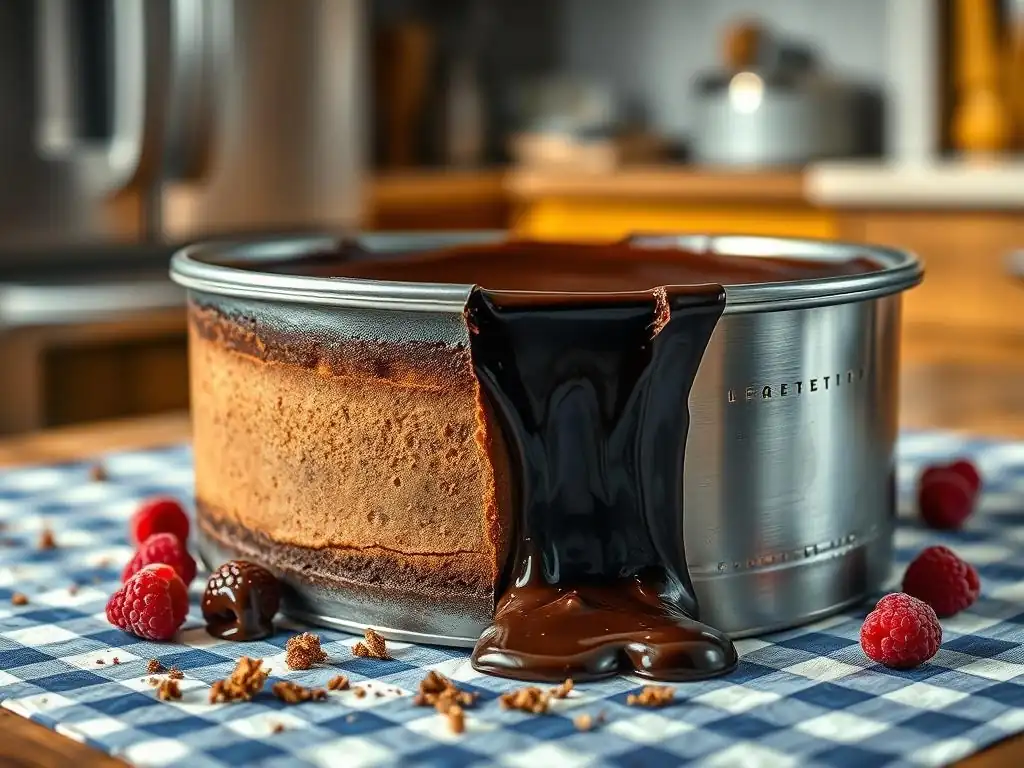
Welcome to BakeWithEase, your trusted companion in the kitchen! Ever wrestled with a leakproof springform pan that wasn't so "leakproof" after all? You're not alone! Dive into our expert guide to discover top-rated pans and essential troubleshooting tips to finally conquer those frustrating leaks and achieve baking perfection. Get ready to say goodbye to soggy crusts and hello to beautifully baked cheesecakes! Let's explore how to choose and use the best springform pan, and get you baking like a pro.
- Springform Pans: Top Leakproof Options and Troubleshooting Guide
- Understanding Springform Pans and Leakage
- Recommended Leakproof Springform Pans
- Troubleshooting Springform Pan Leaks
- Springform Pan Cleaning and Maintenance
- Alternative Baking Solutions
- Conclusion: Baking with Springform Pans
-
Frequently Asked Questions
- What are the common problems people experience with leakproof springform pans?
- How can I ensure my springform pan is truly leakproof?
- What type of recipes are most likely to cause leakage in a springform pan?
- What are some alternative solutions if my springform pan continues to leak?
- How do I clean my springform pan to prevent future leakage problems?
- Final Reflection: Beyond the Leak: Mastering the Springform Pan
- Unlock Your Baking Potential: Master Leak-Proof Springform Success!
Springform Pans: Top Leakproof Options and Troubleshooting Guide
Understanding Springform Pans and Leakage
Springform Pan Uses and Construction
Springform pans are indispensable tools for many bakers, particularly when creating delicate desserts like cheesecakes, tarts, and quiches. Their unique design allows the sides to be released and expanded, separating from the base, which is crucial for unmolding items that cannot be easily inverted or lifted from a traditional pan. A standard springform pan consists of two main parts: a round base and a cylindrical side ring that latches together via a buckle or clip.
When the buckle is closed, the ring tightens around the edge of the base, forming a sealed enclosure. Common sizes range from 6 to 10 inches in diameter, often made from materials like anodized aluminum or steel, frequently with non-stick coatings.
The construction relies on a tight mechanical seal created by the tension of the ring against the base. The base often has a slightly raised lip or groove designed to fit snugly within the bottom edge of the ring. However, this seal is the primary point of vulnerability for many home bakers facing leakproof springform pan problems.
The thinness of many batters, especially cheesecake mixes or quiche fillings, makes them prone to seeping through even the smallest gap in this seal during baking. Understanding how this mechanism works is the first step to preventing frustrating leaks and ensuring your baked goods turn out perfectly.
Common Causes of Springform Pan Leaks
Leaks in springform pans typically stem from issues with the seal between the ring and the base. One frequent culprit is improper assembly; if the ring isn't perfectly centered on the base or the latch isn't fully closed, a gap will form. Another common cause is wear and tear over time.
The non-stick coating can become scratched or chipped along the edges, and the metal itself can warp slightly from repeated heating and cooling cycles, compromising the tight fit required for a leakproof seal. Even a seemingly minor warp, perhaps just a millimeter or two, can create a pathway for liquid batter.
Furthermore, the inherent nature of certain batters contributes significantly to leakproof springform pan problems. Thin, liquid-based mixtures like those used for classic New York-style cheesecake or custard tarts exert hydrostatic pressure, actively pushing into any available crevice. The weight of the batter pressing down, combined with expansion during baking, exacerbates this issue. Fat rendering from pastry crusts or fillings can also find its way through gaps, leaving greasy streaks. Addressing these potential causes – from pan condition to batter consistency – is key to preventing messy leaks and wasted ingredients.
The Impact of Leaky Pans on Baking
A leaky springform pan can ruin an otherwise perfect dessert. The most obvious consequence is the loss of batter, which can lead to a shorter, less substantial cake or tart. For instance, a cheesecake that leaks half a cup of batter will be significantly thinner than intended, affecting its texture and appearance. Beyond simply losing volume, the leaked batter or fat can burn on the bottom of your oven, creating smoke, odors, and a difficult cleaning task. This burning residue can also impart unpleasant flavors to your baked goods.
Moreover, leaks compromise the structural integrity of delicate items. Cheesecakes requiring a water bath for gentle, even baking are particularly vulnerable. If the springform pan isn't truly leakproof, water from the bath can seep in, resulting in a soggy, unappetizing bottom crust and potentially preventing the cake from setting properly. Addressing leakproof springform pan problems is therefore not just about avoiding a mess, but about ensuring the quality, texture, and flavor of your finished product meet your expectations.
Recommended Leakproof Springform Pans
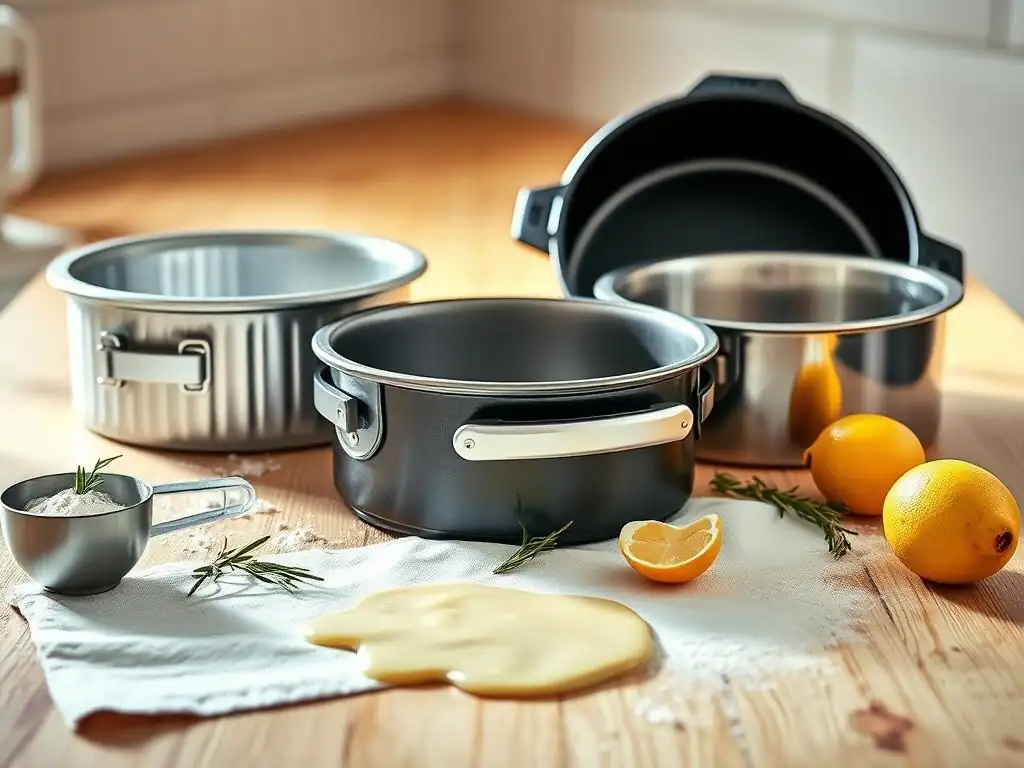
Finding a reliable, leakproof springform pan can significantly reduce baking stress. While no pan is guaranteed absolutely leakproof under all conditions (especially with extremely thin batters), some designs and brands are known for superior performance and durability. Here we review a few popular options often praised for their ability to minimize leaks.
Nordic Ware Leakproof Springform Pan Review: Features and Performance
Nordic Ware is a respected name in bakeware, and their springform pan is frequently recommended for its robust construction and attention to detail, aiming to solve common leakproof springform pan problems.
Key Features of the Nordic Ware Pan
The Nordic Ware springform pan typically features heavy-gauge aluminum or steel construction, providing excellent heat distribution and resistance to warping. A key design element is the wide, integrated lip on the base plate, which is designed to create a very tight seal when the side ring is latched. Many models boast a durable, non-stick interior coating. These pans are commonly available in standard sizes like 9 and 10 inches, often with a slightly taller side than some competitors (e.g., 3 inches high), useful for tall cheesecakes.
Baking Performance and Leakage Test Results
In typical baking tests using standard cheesecake batter, the Nordic Ware pan generally performs very well, showing minimal to no leakage. The tight seal created by the lip and sturdy latch mechanism effectively contains most batters. While extremely thin liquids might still challenge any pan, this model is widely reported by users to significantly reduce or eliminate the messy drips associated with less well-made pans. For instance, in comparative tests, while some pans might leak several tablespoons of butter or batter, the Nordic Ware often leaks less than a teaspoon, if any, when properly assembled.
Pros and Cons of the Nordic Ware Pan
Pros:
- Excellent leak resistance due to robust design and tight seal.
- Durable, heavy-gauge construction resists warping.
- Good heat distribution for even baking.
- Reliable latch mechanism.
Cons:
- Can be slightly more expensive than budget options.
- Hand washing is often recommended to preserve the finish and seal integrity.
Wilton Perfect Results Springform Pan Review: Features and Performance
Wilton is a widely accessible brand for baking supplies, and their Perfect Results line aims to offer reliable performance at a reasonable price point, addressing leakproof springform pan problems for everyday bakers.
Key Features of the Wilton Pan
The Wilton Perfect Results springform pan is typically made from steel with a non-stick coating. It features the standard two-piece construction with a latching side ring and a flat base. While its construction may not be as heavy-duty as some premium brands, it is designed for consistent home baking. Standard sizes like 8, 9, and 10 inches are readily available. The non-stick coating is a primary feature, promising easy release.
Baking Performance and Leakage Test Results
Performance tests with the Wilton Perfect Results pan often show good results for thicker batters or items with a solid crust base. For instance, a dense brownie cheesecake or a tart with a pre-baked crust performs well. However, with very thin, pourable batters (like a classic Italian ricotta cheesecake), some users report occasional minor leaks, particularly as the pan ages or if the latch isn't secured very firmly.
While not always perfectly leakproof, it generally contains the majority of batters better than very cheap alternatives. For example, a test with a particularly thin quiche filling might show a few drops or a small puddle, whereas a thicker chocolate lava cake batter might show none.
Pros and Cons of the Wilton Pan
Pros:
- Affordable and widely available.
- Good non-stick performance for easy release.
- Decent performance with standard batters.
Cons:
- May be less durable and more prone to warping over time compared to heavier pans.
- Can experience minor leaks with very thin batters or as the pan ages.
USA Pan Springform Pan Review: Features and Performance
USA Pan is known for its commercial-grade bakeware featuring unique fluted surfaces, designed for air circulation and strength, aiming to minimize leakproof springform pan problems through quality construction.
Key Features of the USA Pan
USA Pan springform pans are typically constructed from aluminized steel and feature a proprietary Americoat non-stick silicone coating, which is PFOA and PTFE free. A distinctive feature is the slightly textured or fluted edge on the base and sometimes the ring, designed to improve air circulation and provide rigidity. The latch mechanism is usually robust. These pans are often available in standard sizes like 9 and 10 inches. The heavy-duty construction is a significant selling point.
Baking Performance and Leakage Test Results
The USA Pan generally exhibits excellent leak resistance due to its heavy-gauge material and precise construction. The rigid structure helps prevent warping, which is a major cause of leaks. The tight fit between the ring and base, combined with the quality coating, effectively contains most batters. Users frequently report baking delicate cheesecakes or quiches without any significant leakage, even when using a water bath. For example, tests attempting to leak water from a properly assembled USA Pan often result in zero leakage over an hour, a testament to its tight seal.
Pros and Cons of the USA Pan
Pros:
- Superior durability and resistance to warping.
- Excellent non-stick properties.
- Very good leak resistance due to precise, heavy construction.
- Made in the USA (for many models), appealing to some consumers.
Cons:
- Typically the most expensive option among standard consumer pans.
- Requires careful handling to avoid scratching the Americoat surface.
Comparison Table: Features of Top Springform Pans
| Feature | Nordic Ware | Wilton Perfect Results | USA Pan |
|---|---|---|---|
| Material | Aluminum or Steel | Steel | Aluminized Steel |
| Non-Stick Coating | Standard non-stick | Standard non-stick | Americoat (Silicone) |
| Base Lip | Wide, integrated lip | Flat base | Slightly textured/fluted edge |
| Construction | Heavy-gauge | Standard gauge | Heavy-gauge, often fluted |
| Leak Resistance | Excellent (minimal to none) | Good (minor with thin batters) | Excellent (minimal to none) |
| Typical Sizes | 9", 10" (often 3" tall) | 8", 9", 10" | 9", 10" |
| Price Range | Mid-range to Upper Mid-range | Budget to Lower Mid-range | Premium |
| Durability | High | Moderate | Very High |
Troubleshooting Springform Pan Leaks
Even with a high-quality pan, sometimes leakproof springform pan problems can still arise. Knowing how to identify the source of a leak and apply effective sealing techniques can save your baking projects.
Identifying Leak Sources
When a leak occurs, the first step is to understand where it's coming from. Most commonly, leaks originate at the seam where the side ring meets the base. Look closely at this joint before and after assembly. Is the ring perfectly centered? Is the base sitting flush within the ring's groove?
A pan that leaks consistently despite careful assembly might have a warped base or a damaged ring edge. Fill the assembled pan with about an inch of water (at room temperature) and let it sit for 15-30 minutes on a paper towel. Any drips will clearly show the location and severity of the leak. If water seeps out rapidly, the pan's seal is significantly compromised.
Another less common source can be damage to the side ring itself, such as a small dent or scratch that goes all the way through the metal. While rare in new pans, older pans might develop such flaws. Leaks can also appear to originate from the latch area if the ring is bent near the buckle, preventing a tight circle. Systematically checking the pan's components for damage and testing the assembled seal with water provides clear diagnostics for addressing your leakproof springform pan problems.
Sealing Techniques for Leak Prevention
Several simple yet effective techniques can dramatically improve a springform pan's leak resistance, even for pans prone to minor drips. These methods create additional barriers to contain liquid batters.
Ensuring a Tight Seal During Assembly
Before latching the pan, ensure the ring is perfectly centered on the base. Gently press the ring down onto the base while closing the latch. The base should fit snugly into the groove around the bottom of the ring. If the base seems loose or doesn't sit flat, try re-positioning it.
Sometimes, simply rotating the base slightly within the ring before latching can improve the fit. Always latch the pan on a flat, stable surface to ensure even pressure around the entire seam. A slight misalignment, even just a few millimeters off-center, can create a significant gap for batter to escape.
Using Parchment Paper Liners
A highly effective method to combat leakproof springform pan problems is using parchment paper to create an internal barrier. Place the pan base on a sheet of parchment paper and trace around it. Cut out the circle and place it on the base inside the assembled pan.
For extra protection, you can also create a parchment paper "sling" by cutting a long strip of parchment (wide enough to go up the sides of the pan with overhang) and laying it across the base before latching the ring. This strip, along with the round base liner, creates a complete barrier across the bottom seam and up the lower sides. The weight of the batter holds the paper in place, preventing leaks.
Foil Wrapping for Added Protection
Wrapping the exterior of the assembled springform pan with heavy-duty aluminum foil is especially crucial when using a water bath, but it also adds a layer of defense against any minor leaks that might occur through the pan's seal. Use at least two large sheets of heavy-duty foil, overlapping them and wrapping them tightly around the outside of the pan, extending the foil up the sides. Crimp the foil firmly against the pan edges to create a watertight (and batter-tight) exterior shell.
Ensure there are no gaps or holes in the foil, especially at the bottom seam. This method catches any drips and prevents water from entering the pan in a water bath, effectively solving leakproof springform pan problems related to external moisture.
Batter Adjustments to Minimize Leaks
Sometimes, the batter itself can be modified slightly to reduce its propensity to leak through small gaps. This isn't always possible depending on the recipe, but it's worth considering.
Reducing Liquid Content
If a recipe yields an unusually thin batter and you're concerned about leaks, check if there's any flexibility in the liquid ingredients. For example, in some cheesecake recipes, you might slightly reduce the amount of sour cream or cream. However, be cautious with this approach, as it can significantly alter the final texture of your baked good. Only attempt this if you are familiar with the recipe and understand the potential impact on the outcome. A reduction of just a tablespoon or two of liquid in a large batter might be enough to help without drastically changing the result.
Thickening Batter Consistency
For certain batters, incorporating a small amount of a thickening agent might help. For instance, adding a tablespoon or two of cornstarch or flour (depending on the recipe type) to a custard-like filling might make it slightly more viscous and less likely to seep. Again, this requires careful consideration of the recipe's intended texture. This technique is more applicable to fillings like quiche or certain tarts than to delicate cheesecakes where texture is paramount. Adding just enough to slightly improve viscosity without creating a pasty texture is the goal.
Oven Considerations
How you handle the pan in the oven can also play a role in preventing leakproof springform pan problems.
Avoiding Overfilling
Never fill a springform pan all the way to the brim. As batters bake, they expand. Overfilling increases the pressure on the side walls and the bottom seal, making leaks more likely. Leave at least a half-inch, preferably an inch, of space between the top of the batter and the rim of the pan. This allows for expansion and reduces the hydrostatic pressure at the vulnerable bottom seam. For instance, a 9-inch pan with 3-inch sides holds significantly more volume than one with 2.5-inch sides; adjust your batter quantity accordingly if scaling recipes.
Optimizing Baking Temperatures
Baking at the correct temperature is vital. If the oven is too hot, the batter might expand too rapidly or boil near the edges, increasing the chance of leaks. Conversely, baking too cool might mean the batter takes too long to set, giving it more time to potentially seep through gaps. Follow the recipe's temperature guidelines closely. For delicate items like cheesecakes, lower temperatures (e.g., 300-325°F or 150-160°C) are often recommended, combined with a water bath, to ensure gentle, even baking and minimize stress on the pan's seal, effectively reducing leakproof springform pan problems during the bake.
Springform Pan Cleaning and Maintenance
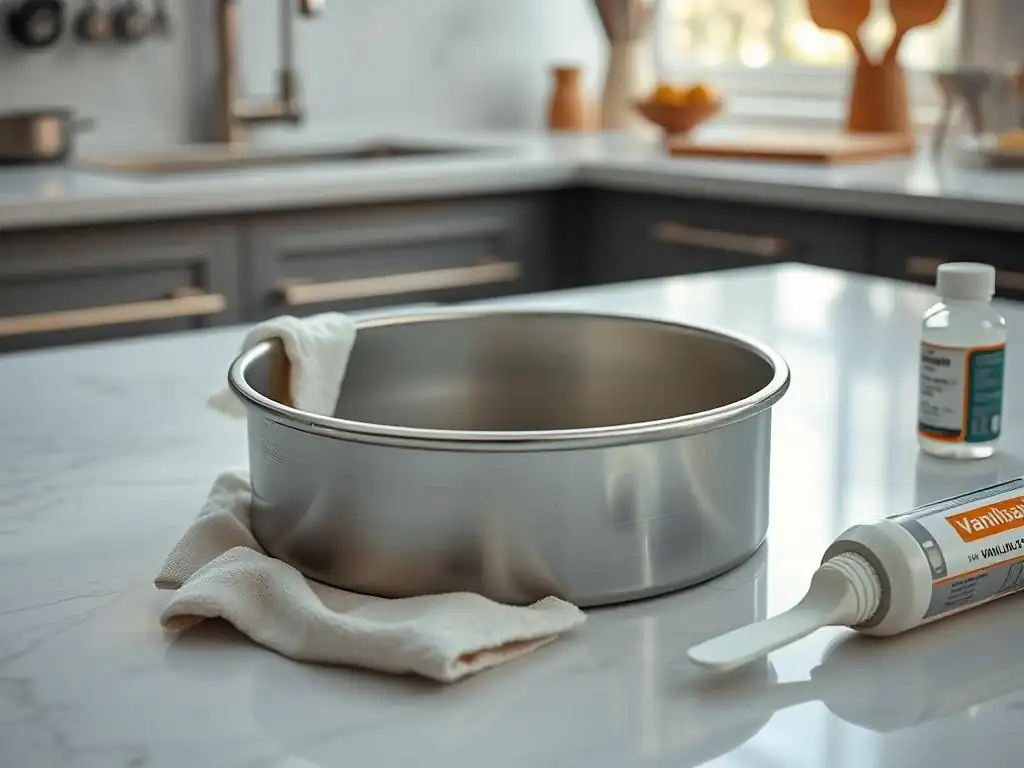
Proper care extends the life of your springform pan and helps maintain its leakproof seal, preventing future leakproof springform pan problems.
Proper Cleaning Techniques
After use, clean your springform pan promptly. Disassemble the pan by opening the latch and separating the ring from the base. Wash both parts thoroughly with warm, soapy water and a soft sponge. Avoid using abrasive scrub pads or harsh detergents, as these can scratch the non-stick coating and damage the metal, potentially creating points for leaks.
Pay special attention to the groove on the base and the bottom edge of the ring where batter residue can accumulate and harden. Rinse completely and dry both parts immediately with a soft towel. Allowing parts to air dry can lead to water spots or potential corrosion, especially around the latch mechanism.
Storage Tips for Seal Integrity
Store your springform pan disassembled whenever possible. Keeping the ring latched tightly during storage puts unnecessary stress on the metal and the latch mechanism over time, which can lead to warping or a weakened seal. Store the ring and base separately.
If stacking multiple pans, place a layer of parchment paper or a soft cloth between the bases and rings to prevent scratches. Store in a dry environment to avoid rust, particularly if the pan is made of steel. Proper storage helps maintain the pan's shape and the integrity of the seal, reducing the likelihood of developing leakproof springform pan problems down the line.
Alternative Baking Solutions
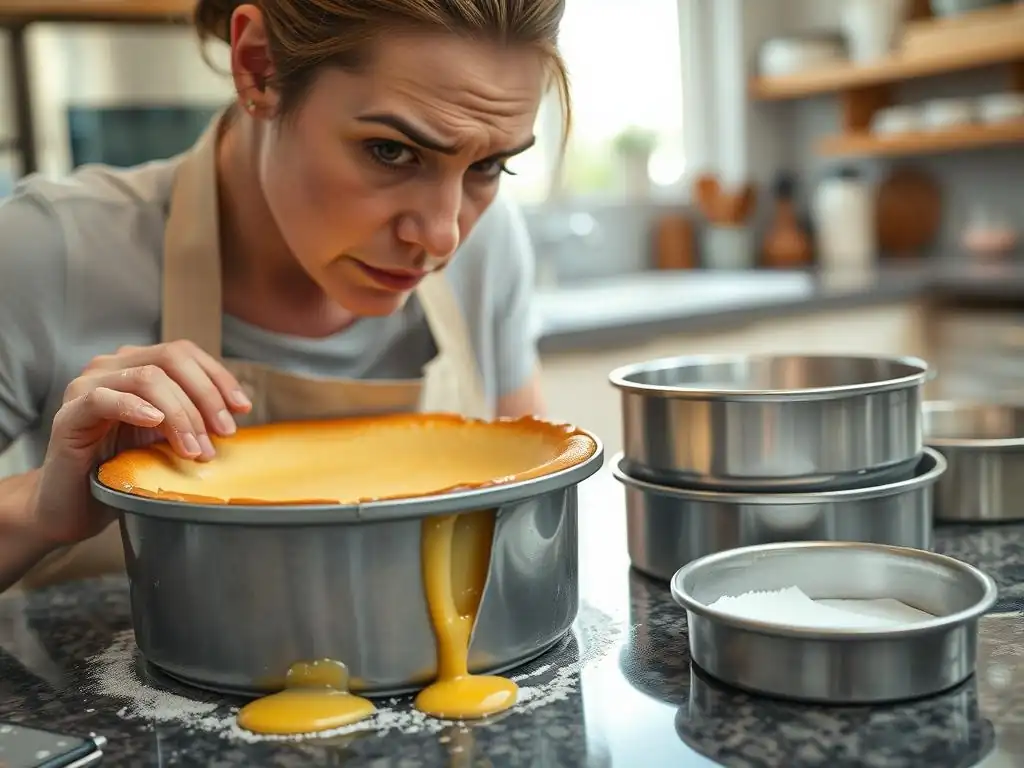
If you frequently encounter leakproof springform pan problems or are baking something less delicate, there are alternative methods that don't rely on a springform mechanism.
Using Standard Cake Pans with Liners
For many cakes, dense tortes, or even some types of firm cheesecakes, you can successfully bake them in a standard round cake pan. To achieve easy release without inverting, line the pan generously with parchment paper. Cut a round piece for the bottom and a long strip for the sides. Ensure the side strip is tall enough to extend above the rim of the pan.
Grease the pan first to help the parchment adhere. After baking and cooling, you can use the parchment paper overhang as "handles" to gently lift the cake straight out of the pan. This method completely bypasses the potential for leakproof springform pan problems at the base seam.
Exploring Alternative Baking Dishes
Depending on the recipe, other baking dishes might be suitable. For instance, quiches and tarts can often be baked in tart pans with fluted edges and removable bottoms – these are designed differently than springform pans and often have a tighter seal for pastry. Similarly, some recipes might work in a deep-dish pie plate or even a square or rectangular baking dish, which have no seams at the bottom.
Consider the finished shape and ease of serving when choosing an alternative. While these options don't replace a springform pan for delicate items that require their specific release mechanism, they offer viable workarounds for many baking tasks and eliminate the concern of leakproof springform pan problems entirely.
Conclusion: Baking with Springform Pans
Springform pans are invaluable tools for creating beautiful, delicate baked goods that are tricky to unmold from standard pans. While leakproof springform pan problems can be frustrating, they are often preventable or manageable. By understanding the pan's construction, choosing a quality pan known for its tight seal (like models from Nordic Ware or USA Pan), and employing simple techniques such as using parchment paper liners and foil wrapping, you can significantly reduce the risk of leaks.
Proper cleaning and storage also play a crucial role in maintaining the pan's integrity over time. Should you still encounter issues, troubleshooting the leak source and adjusting your methods can help. With a little care and the right techniques, you can confidently tackle any recipe requiring a springform pan and enjoy perfect results every time, leaving those pesky leakproof springform pan problems behind.
Frequently Asked Questions
What are the common problems people experience with leakproof springform pans?
The most common issue is still leakage, despite the "leakproof" label. Other problems include uneven baking due to the pan's construction and difficulty in releasing delicate desserts smoothly.
How can I ensure my springform pan is truly leakproof?
Double-check that the pan's latch is securely fastened and the base is properly fitted. Consider using parchment paper to line the bottom and sides for extra protection. Some recommend wrapping the outside with heavy-duty foil.
What type of recipes are most likely to cause leakage in a springform pan?
Recipes with very liquid batters, like cheesecakes or water baths, are more prone to leaking. Also, recipes with high butter content can exacerbate the problem if the butter melts and seeps out.
What are some alternative solutions if my springform pan continues to leak?
As a temporary fix, you can wrap the pan in heavy-duty aluminum foil to create a barrier. A more permanent solution might be to purchase a higher quality springform pan or use a different type of baking pan altogether.
How do I clean my springform pan to prevent future leakage problems?
Thoroughly clean and dry the pan after each use, paying special attention to the seam between the base and the sides. Avoid using abrasive cleaners that could damage the pan's coating and compromise its seal.
Final Reflection: Beyond the Leak: Mastering the Springform Pan
The seemingly simple springform pan holds a surprising power to make or break a baking masterpiece. A leaky pan can transform a celebratory cake into a kitchen disaster, highlighting the crucial role of reliable equipment in achieving culinary success. This isn't just about avoiding a messy cleanup; it's about the confidence and joy that comes from knowing your tools will perform flawlessly.
The quest for the perfect leakproof springform pan reveals much more than just a preference for specific brands or materials. It reflects a deeper desire for control and mastery in the kitchen. It's about the meticulous attention to detail that elevates baking from a simple task to a creative expression. The joy of baking lies not just in the result, but in the process itself.
This sentiment resonates deeply as we navigate the challenges and triumphs of finding the ideal pan, understanding its nuances, and ultimately, mastering its use.
Now, armed with the knowledge gained from this exploration, I invite you to consider your own baking journey. What tools do you rely on? What challenges have you faced, and how have you overcome them? Don't let a leaky springform pan stand between you and your culinary aspirations. Embrace the opportunity to learn, to experiment, and to find the perfect pan that will unlock your baking potential and allow you to create truly unforgettable desserts.
Unlock Your Baking Potential: Master Leak-Proof Springform Success!
Thanks for diving into the world of leak-proof springform pans with us! We hope you now feel confident tackling those challenging cheesecakes and layered desserts. Ready to put your newfound knowledge into action?
- Bake your dream dessert: Choose your favorite recipe (maybe one you've avoided before!) and give it a try using your trusty, leak-proof springform pan. This is the key to putting your new knowledge to the test!
- Share your baking triumph: Snap a picture of your masterpiece and share it on social media – tag us @BakeWithEase so we can celebrate your success!
- Explore advanced techniques: Research unique springform pan recipes online – maybe try a savory quiche or a stunning tiered cake!
What amazing creation will you bake first? Let us know in the comments!