
SelfRising Flour: When to Use It and When to Avoid It

Welcome to BakeWithEase, your trusted guide to the delightful world of baking! Ever wondered about the secret ingredient that can simplify your recipes and elevate your creations? We're diving deep into the world of self-rising flour, uncovering when to use it for baking bliss and, just as importantly, when to avoid it. Prepare to unlock the full potential of this baking staple and transform your kitchen adventures!
- Understanding Self-Rising Flour for Baking at BakeWithEase.com
- What is Self-Rising Flour? A Baker's Guide
- When to Use Self-Rising Flour: Baking Scenarios for Success
- When to Avoid Using Self-Rising Flour: Baking Situations to Consider
- Adapting Recipes: Converting All-Purpose Flour to Self-Rising Flour
- Self-Rising Flour Alternatives: Making Your Own at Home
- Tips and Tricks for Baking with Self-Rising Flour
- Mastering Flour Types: Expanding Your Baking Knowledge at BakeWithEase
-
Frequently Asked Questions
- What exactly is self-rising flour, and how does it differ from all-purpose flour?
- When is self-rising flour the best choice for baking?
- Are there situations where I should avoid using self-rising flour?
- How do I store self-rising flour to maintain its effectiveness?
- Can I make my own self-rising flour if I don't have any on hand?
- Final Reflection: The Versatility of Self-Rising Flour in Modern Baking
- Unlock Baking Bliss: Mastering Self-Rising Flour
Understanding Self-Rising Flour for Baking at BakeWithEase.com
Welcome to BakeWithEase.com! Understanding different types of flour is a fundamental step in mastering baking. Today, we're diving into a convenient ingredient found in many pantries: self-rising flour. This special flour blend can be a baker's best friend for certain recipes, offering simplicity and reliable results.
However, like any specialized ingredient, knowing when and when not to use self-rising flour is key to baking success. Using it in the wrong recipe can lead to unexpected textures and disappointing outcomes. Let's explore what makes this flour unique and how to leverage its properties effectively in your baking adventures.
What is Self-Rising Flour? A Baker's Guide
The Composition of Self-Rising Flour: Flour, Salt, and Baking Powder
Self-rising flour is a pre-mixed blend, primarily composed of bleached all-purpose flour, a leavening agent (specifically baking powder), and salt. The standard ratio commonly used in the United States is approximately 1 cup of all-purpose flour mixed with about 1 ½ teaspoons of baking powder and ¼ teaspoon of salt. This precise combination is designed to provide consistent lift and flavor in recipes where chemical leavening is the primary method of rise.
The quality and freshness of the baking powder within the blend are crucial for its effectiveness. Over time, baking powder can lose its potency, which directly impacts the leavening power of the self-rising flour. The salt component not only adds flavor but also helps regulate the baking powder's reaction, contributing to a more even rise during baking.
How Self-Rising Flour Differs from All-Purpose Flour
The main distinction between self-rising flour and standard all-purpose flour lies in the added ingredients: baking powder and salt. All-purpose flour is a plain, unbleached or bleached flour without any leavening agents or salt added. This makes all-purpose flour incredibly versatile, as it allows the baker complete control over the type and amount of leavening (like baking powder, baking soda, or yeast) and salt used in a recipe.
Self-rising flour, on the other hand, is a convenience product with a fixed amount of leavening and salt already incorporated. While this simplifies the ingredient list for certain recipes, it removes the baker's ability to adjust these crucial components based on the specific needs of a recipe or personal preference. Understanding this fundamental difference is vital for knowing when to use selfrising flour and when to stick with all-purpose.
When to Use Self-Rising Flour: Baking Scenarios for Success
Ideal Recipes for Self-Rising Flour: Quick Breads and Biscuits
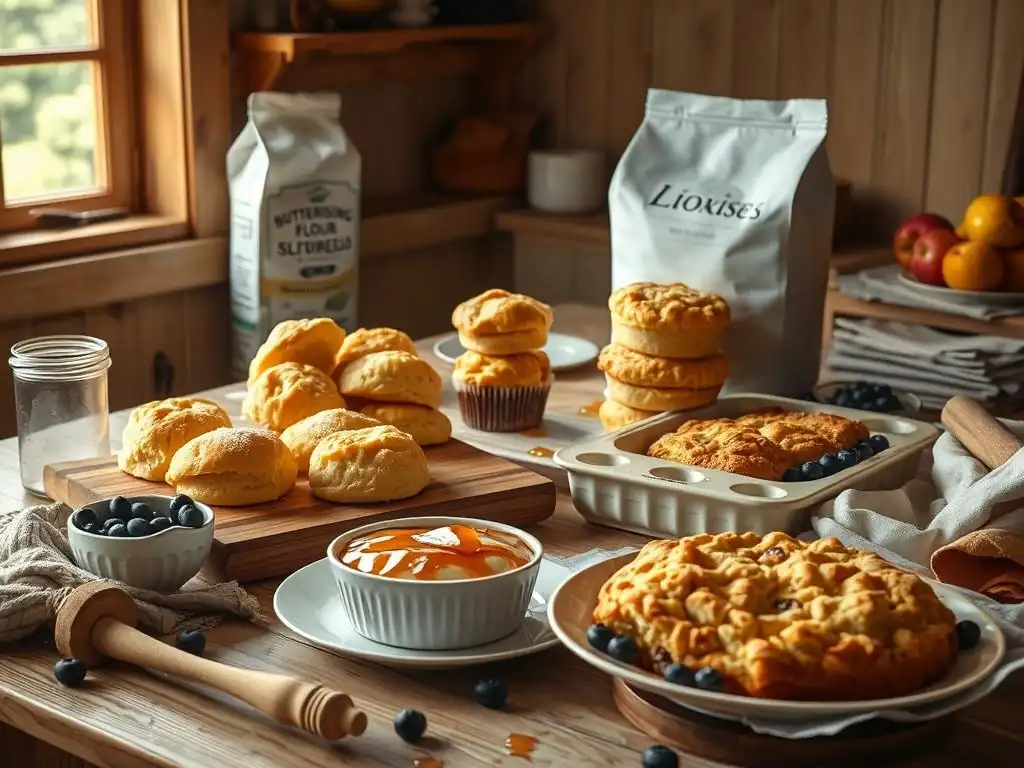
Self-rising flour truly shines in recipes where a quick, reliable chemical rise is desired, and precise leavening control is less critical. This makes it an absolute star for many types of quick breads, scones, and especially classic American biscuits. The pre-measured baking powder ensures a consistent lift, resulting in tender, fluffy interiors and often beautifully cracked tops.
Think of light, airy scones or flaky southern biscuits – these are prime examples of when to use selfrising flour for optimal results. The integrated salt also complements the richness of butter or other fats commonly used in these recipes. Using self-rising flour simplifies the process, cutting down on measuring steps and reducing the chance of errors with leavening agents.
Using Self-Rising Flour in Pancakes and Waffles: Achieving the Right Texture
Another fantastic application for using self-rising flour is in pancakes and waffles. The baking powder within the blend provides the necessary lift to make them light and fluffy. Many simple pancake or waffle recipes can be easily adapted to use self-rising flour by simply omitting the separate baking powder and salt called for in the original recipe.
When using self-rising flour for pancakes or waffles, you often achieve a delightfully airy texture with a nice rise. It streamlines the batter-making process, which is perfect for busy mornings. Just remember to not overmix the batter, as the pre-added leavening will react quickly upon hitting the wet ingredients, and overworking can develop too much gluten, leading to tougher results.
Self-Rising Flour for Cakes: Sponge Cakes and Some Pound Cakes
While not suitable for all cakes, self-rising flour can be successfully used in certain types, particularly simpler recipes like some sponge cakes, cupcakes, or easy pound cakes. These cakes often rely primarily on baking powder for their rise and a tender crumb structure. The pre-measured leavening in self-rising flour can contribute to a delicate texture and good volume.
When using self-rising flour in cake recipes, especially those not specifically designed for it, you might need to make slight adjustments to the liquid content. It's also important to note that for more complex or delicate cake structures, such as angel food cake or chiffon cake which rely heavily on whipped egg whites, or rich butter cakes requiring very specific leavening interactions, self-rising flour is generally not recommended. However, for a straightforward, tender crumb, knowing when to use selfrising flour in a simple cake recipe can be a handy shortcut.
When to Avoid Using Self-Rising Flour: Baking Situations to Consider
Recipes Requiring Precise Flour Control: Why Self-Rising Isn't Suitable
There are many baking scenarios where the fixed composition of self-rising flour makes it unsuitable. Any recipe that relies on a specific type or amount of leavening other than the blend found in self-rising flour is a prime example. This includes recipes using baking soda activated by acidic ingredients like buttermilk or lemon juice, or recipes requiring specific ratios of both baking soda and baking powder for optimal lift and texture.
Furthermore, recipes where the protein content of the flour is critical for gluten development, such as certain artisan breads or pasta dough, should avoid self-rising flour. The added leavening and salt interfere with the gluten structure in undesirable ways. Essentially, if a recipe carefully specifies the leavening agents and salt, or if the flour type's protein level is key, using self-rising flour removes the necessary control.
Avoiding Self-Rising Flour in Yeast Breads: The Impact on Rise and Texture
A major category of recipes where you should always avoid using self-rising flour is yeast-leavened breads. Yeast works through fermentation, producing carbon dioxide over a period of time to create a slow, controlled rise and develop complex flavors and gluten structure. The baking powder in self-rising flour, which reacts quickly when moistened and heated, interferes with this process.
Using self-rising flour in yeast bread dough can result in an unpredictable and often poor rise. The rapid initial leavening from the baking powder can exhaust the dough's rising potential before the yeast has had time to fully develop. This typically leads to dense, heavy loaves with an undesirable texture, lacking the characteristic chew and open crumb of properly proofed yeast bread.
The Downsides of Using Self-Rising Flour in Complex Pastries: Unpredictable Results and Texture Issues
Complex pastries like croissants, puff pastry, or even delicate pie crusts are generally not compatible with self-rising flour. These pastries rely on specific techniques to create layers (like folding butter into dough) and often require controlled gluten development and precise leavening (or none at all, as in some pie crusts) to achieve their signature flaky or airy textures.
The salt and baking powder in self-rising flour can negatively impact the delicate gluten structure needed for these pastries. The leavening can cause layers to meld together prematurely or result in an uneven, coarse texture rather than distinct, flaky layers. The added salt can also affect dough handling and tenderness. For these types of precision-dependent baked goods, it's crucial to use the specific flour and leavening agents called for in the recipe, making self-rising flour a poor choice.
Adapting Recipes: Converting All-Purpose Flour to Self-Rising Flour
Calculating the Baking Powder and Salt Needed for Self-Rising Flour Conversion
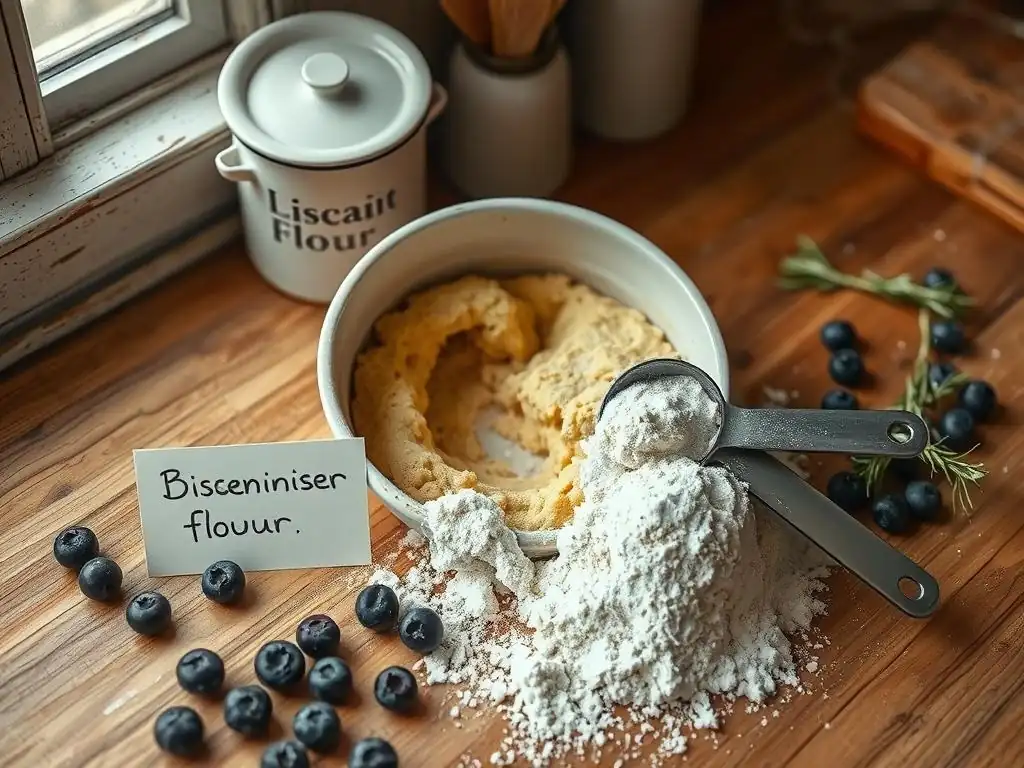
While it's often best to use the flour specified in a recipe, you can convert all-purpose flour to a self-rising equivalent for simple recipes where you know self-rising flour would be suitable (like quick biscuits). The general rule of thumb is to add 1 ½ teaspoons of baking powder and ¼ teaspoon of salt for every cup of all-purpose flour.
So, if a recipe calls for 2 cups of self-rising flour, you could substitute 2 cups of all-purpose flour, 3 teaspoons (1 ½ tsp * 2) of baking powder, and ½ teaspoon (¼ tsp * 2) of salt. It's crucial to measure these additions accurately. Remember that this conversion works well for recipes where self-rising flour is typically used; don't try this substitution in yeast breads or complex pastries!
Adjusting Liquid Ratios When Using Self-Rising Flour: Tips for Consistency
Generally, substituting self-rising flour for all-purpose (plus added leavening and salt) in suitable recipes doesn't require significant changes to liquid ratios. The primary difference is the addition of dry leavening and salt. However, different brands of flour can absorb liquid slightly differently, and the presence of baking powder might subtly affect hydration dynamics compared to a pure all-purpose flour.
If you are adapting a recipe not originally designed for self-rising flour, start by using the specified liquid amount. Be prepared to add a tiny bit more liquid if the dough or batter seems too dry, or a touch more flour if it's too wet. This subtle adjustment is less about the self-rising nature itself and more about the general variability in flour absorption. For recipes designed for self-rising flour, stick to the recipe's liquid amounts; they've already accounted for the flour's characteristics.
Self-Rising Flour Alternatives: Making Your Own at Home
DIY Self-Rising Flour Recipe: A Simple Guide
If you find yourself with a recipe that calls for self-rising flour but only have all-purpose flour on hand, you can easily make your own substitute. This allows you to proceed with recipes where using selfrising flour is appropriate without a trip to the store. The basic formula is straightforward:
- 1 cup (about 120-125g) All-Purpose Flour
- 1 ½ teaspoons Baking Powder
- ¼ teaspoon Salt
Whisk these ingredients together thoroughly in a bowl. It's important to whisk well to ensure the baking powder and salt are evenly distributed throughout the flour. Sifting the mixture together once or twice can further help distribute the ingredients evenly, mimicking the commercial blend more closely.
Storing Homemade Self-Rising Flour: Maintaining Freshness and Leavening Power
Once you've made your homemade self-rising flour, proper storage is essential to maintain the potency of the baking powder. Store the mixture in an airtight container in a cool, dry place, away from direct sunlight and moisture. Mason jars, plastic containers with tight-fitting lids, or even heavy-duty zip-top bags work well.
While commercially produced self-rising flour has a relatively stable shelf life (often listed as 6-12 months once opened), homemade versions should ideally be used relatively quickly, perhaps within a few weeks to a couple of months. This is because the baking powder, once exposed to air and mixed with other ingredients, can start to lose its effectiveness over time. For the best results when using selfrising flour you've mixed yourself, use fresh baking powder and try to use the blend relatively soon after making it.
Tips and Tricks for Baking with Self-Rising Flour
Measuring Self-Rising Flour Accurately: Achieving Consistent Results
Accurate measurement is key when baking with any flour, including self-rising. Because self-rising flour contains leavening, incorrectly measuring it can significantly impact the rise and texture of your baked goods. The best method for measuring flour is the "spoon and level" technique. Gently spoon the flour from its container into your measuring cup until it overflows. Then, use a straight edge (like the back of a knife or a bench scraper) to level off the excess flour, being careful not to compact it.
Avoid scooping directly into the flour bin with your measuring cup, as this can compact the flour, resulting in using too much by weight. Too much flour, even self-rising flour with leavening, can make baked goods dense or dry. Consistent measurement ensures that the ratio of flour to leavening and salt is correct for the recipe, leading to predictable and successful results when using selfrising flour.
Understanding the Shelf Life of Self-Rising Flour: Ensuring Optimal Performance
Like baking powder, the leavening agent in self-rising flour loses its power over time. While the flour itself doesn't necessarily "go bad" in the sense of becoming unsafe, stale baking powder means you won't get the expected rise. Commercially produced self-rising flour typically has a best-by date, often around 6-12 months after opening, but storage conditions matter.
To test if your self-rising flour is still active, place a few tablespoons in a bowl and pour a small amount of hot water over it. If it fizzes or bubbles actively, the baking powder is still good. If there's little to no reaction, it's time to replace your flour to ensure successful baking, especially when the recipe relies heavily on that leavening, such as when you decide when to use selfrising flour for biscuits. Using inactive flour will lead to flat, dense results.
Mastering Flour Types: Expanding Your Baking Knowledge at BakeWithEase
Exploring Other Flour Varieties: Cake Flour, Bread Flour, and More
Beyond all-purpose and self-rising, the world of flour is vast and exciting! Understanding other common types like cake flour, pastry flour, bread flour, whole wheat flour, and specialty flours opens up a wider range of baking possibilities. Cake flour, for instance, is very low in protein, ideal for tender cakes and pastries. Bread flour, high in protein, is perfect for chewy, structured loaves.
Each flour type has unique properties related to its protein content, milling process, and sometimes, additives. These properties dictate how the flour behaves in different recipes, particularly concerning gluten development and liquid absorption. Exploring these variations allows you to select the optimal flour for your desired outcome, from airy cakes to crusty breads.
Choosing the Right Flour for Your Baking Project: A Comprehensive Guide
Selecting the correct flour is one of the most critical decisions in baking. The type of flour dictates the structure, texture, and even flavor of your final product. A recipe specifically calls for a certain type of flour because its characteristics are essential for achieving the intended result. Using the wrong flour can lead to anything from a slightly off texture to complete baking failure.
Understanding the role of different flours, including knowing when to use selfrising flour for its convenience in specific applications and when to opt for all-purpose or another specialty flour for greater control or a different texture, is a mark of a developing baker. At BakeWithEase, we encourage you to experiment and learn about these ingredients – your baking will thank you for it!
Frequently Asked Questions
What exactly is self-rising flour, and how does it differ from all-purpose flour?
Self-rising flour is all-purpose flour with baking powder and salt already added. This eliminates the need to add these ingredients separately in certain recipes.
When is self-rising flour the best choice for baking?
Self-rising flour is excellent for quick breads, biscuits, muffins, and some cake recipes where a light and airy texture is desired and the recipe doesn't require precise control over leavening.
Are there situations where I should avoid using self-rising flour?
Yes! Avoid it when a recipe calls for a specific amount of baking powder or requires a dense texture. Also, don't use it in yeast breads, as they rely on yeast for leavening.
How do I store self-rising flour to maintain its effectiveness?
Store self-rising flour in an airtight container in a cool, dry place. Since the baking powder loses its potency over time, check the expiration date and use it promptly.
Can I make my own self-rising flour if I don't have any on hand?
Absolutely! You can make a substitute by adding 1 1/2 teaspoons of baking powder and 1/4 teaspoon of salt to each cup of all-purpose flour. Mix well before using.
Final Reflection: The Versatility of Self-Rising Flour in Modern Baking
Self-rising flour is more than just a convenient ingredient; it embodies the evolving nature of cooking and baking in our fast-paced world. As we navigate the complexities of modern culinary practices, understanding when to use self-rising flour can transform our baking experiences, making them both simpler and more successful. In an age where time is of the essence, recognizing the right moments to embrace this versatile flour can elevate our creations from ordinary to extraordinary.
The influence of self-rising flour extends beyond the kitchen, reflecting broader trends in our culinary culture that prioritize efficiency without sacrificing quality. This ingredient has become a staple for many home bakers, enabling them to achieve delightful results with minimal effort. As we embrace this convenience, we must also acknowledge the importance of traditional baking methods that require precision and skill. Baking is both an art and a science, and understanding the tools at our disposal can lead to delicious outcomes.
This duality in our approach to baking highlights the ongoing dialogue between innovation and tradition, shaping our culinary landscape.
As you reflect on the insights shared in this article, consider how you can incorporate self-rising flour into your baking repertoire. Challenge yourself to experiment with this ingredient, exploring its potential in various recipes while also appreciating the beauty of classic techniques. By doing so, you not only enhance your baking skills but also contribute to a richer, more diverse culinary experience. Embrace the journey of discovery in your kitchen, and let self-rising flour be a part of your baking adventure.
Unlock Baking Bliss: Mastering Self-Rising Flour
Thanks for taking the time to learn about self-rising flour! We hope you now feel more confident in understanding its uses and limitations. Ready to put your new knowledge into practice?
- Bake a batch of biscuits: This is the perfect opportunity to test your newfound expertise with self-rising flour. See how easy it is!
- Share your baking success (or challenges!): Let's build a community. Post pictures of your creations on social media using #BakeWithEaseSelfRising.
- Explore other BakeWithEase articles: Discover even more baking tips and tricks to elevate your culinary skills.
So, are you ready to conquer the world of self-rising flour and create some delicious baked goods?