
Aromatic Garlic & Rosemary Focaccia: Simple Steps

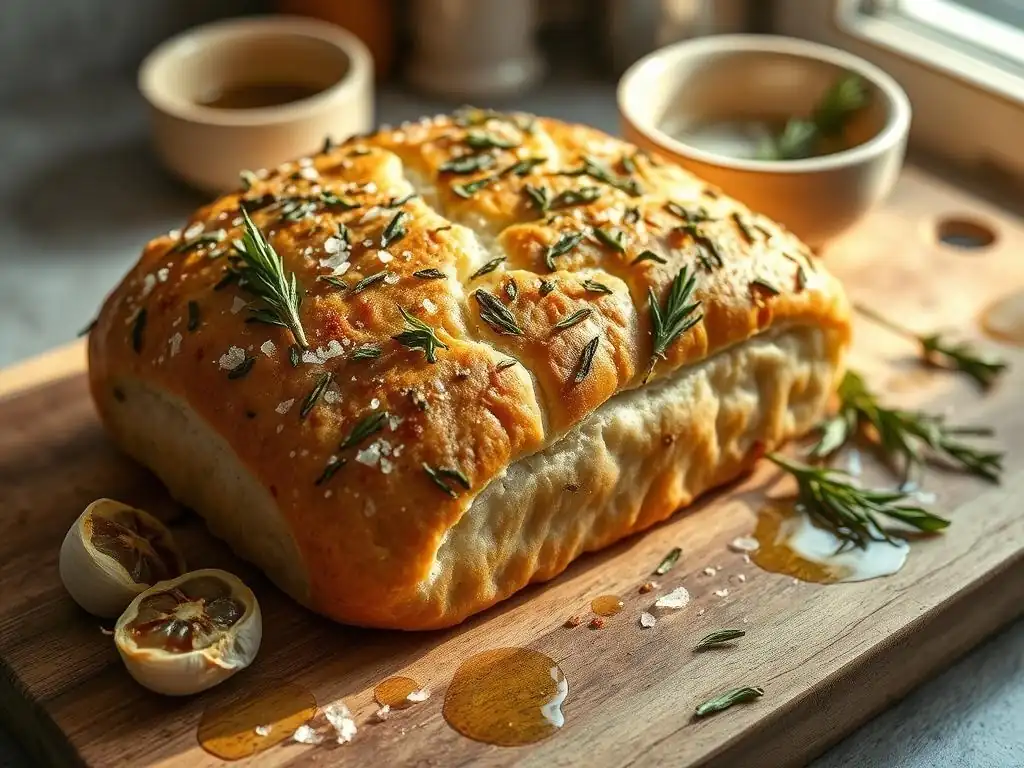
Welcome to BakeWithEase, your haven for all things baking! Ever dreamt of filling your kitchen with the irresistible aroma of freshly baked bread? Our latest article unlocks the secrets to crafting an Easy Garlic & Rosemary Focaccia that's both simple to make and unbelievably delicious. Get ready to impress friends and family with this flavorful masterpiece – the journey to baking perfection starts here!
- BakeWithEase' Guide to Easy Garlic Rosemary Focaccia
- What Makes This Focaccia Recipe So Easy?
- Gathering Your Ingredients for Garlic & Rosemary Focaccia
- Step-by-Step: Baking Your Easy Garlic Rosemary Focaccia
- Tips and Tricks for Perfect Focaccia Every Time
- Storing and Reheating Your Garlic & Rosemary Focaccia
- Enjoy Your Delicious and Easy Garlic Rosemary Focaccia!
- Frequently Asked Questions
- Final Reflection: The Humble Loaf, the Unexpected Joy
- Unleash Your Inner Baker: Craft the Perfect Focaccia!
BakeWithEase' Guide to Easy Garlic Rosemary Focaccia
Welcome to BakeWithEase, where we believe that delicious baking should be accessible to everyone, regardless of experience level. Today, we're diving into the world of focaccia, specifically a wonderfully aromatic garlic and rosemary version. This guide is designed to show you just how simple it can be to create a beautiful, flavorful loaf right in your own kitchen. Forget complicated techniques; our approach focuses on ease and guaranteed delicious results. Making easy garlic rosemary focaccia is a truly rewarding experience, filling your home with incredible aromas.
Focaccia is a versatile Italian flatbread, traditionally baked with olive oil, salt, and sometimes herbs. Its charm lies in its rustic appearance, chewy interior, and crispy, olive-oil-rich crust. While some recipes can be intimidating, our easy garlic rosemary focaccia method simplifies the process significantly. We'll walk you through each step, ensuring that even if you've never baked bread before, you can achieve a stunning outcome. Get ready to impress yourself and your loved ones with this delightful bake!
What Makes This Focaccia Recipe So Easy?
Our recipe for easy garlic rosemary focaccia is designed with the beginner in mind, streamlining traditional bread-making steps without sacrificing flavor or texture. The primary goal is to eliminate common hurdles that might deter new bakers, such as extensive kneading or complex fermentation schedules. We focus on minimal handling and clear, straightforward instructions, making the process approachable and enjoyable from start to finish.
The simplicity of this easy garlic rosemary focaccia comes down to clever technique choices. By opting for a no-knead dough, we significantly reduce the physical effort and time required in the initial mixing phase. Furthermore, the proofing times are forgiving, allowing for flexibility in your schedule. We also emphasize using common, readily available ingredients, ensuring you won't need a trip to a specialty store. This combination of simple ingredients, minimal technique, and clear steps truly makes this an easy focaccia recipe.
Simple Ingredients for Flavorful Focaccia
One of the reasons this recipe is so accessible is its reliance on a few basic, high-quality ingredients. You'll need all-purpose flour, which is widely available and easy to work with, unlike some bread recipes that require specific bread flours. Alongside the flour, active dry yeast is used, which is a standard type of yeast found in most grocery stores and is quite forgiving compared to fresh yeast. A pinch of sugar helps activate the yeast and adds a subtle sweetness that balances the savory flavors.
Crucially, high-quality extra virgin olive oil is essential. It's used generously in the dough, on the pan, and as a topping, contributing significantly to the focaccia's characteristic flavor and texture. Fine sea salt is preferred over table salt for its cleaner taste and ability to dissolve easily in the dough mixture. For the signature flavor, fresh rosemary and garlic are non-negotiable. These simple components, when combined correctly, yield a surprisingly complex and utterly delicious easy garlic rosemary focaccia.
Step-by-Step Instructions for Baking Success
The beauty of this easy garlic rosemary focaccia recipe lies in its clear, sequential steps that build confidence as you bake. We break down the process into manageable stages, starting from activating the yeast and mixing the simple dough ingredients. Each step is explained with enough detail to guide you through, but without overwhelming jargon or overly technical instructions. For instance, the instructions for mixing the dough simply involve combining wet and dry ingredients until just combined, a process that takes mere minutes.
Subsequent steps, like transferring the dough to the baking pan and creating the signature dimples, are described with visual cues and tips to ensure you know what to look for. The process of preparing the aromatic garlic and rosemary topping is also straightforward, involving infusing olive oil – a technique easily mastered. By following these explicit steps, even a complete novice can successfully bake a beautiful and delicious easy garlic rosemary focaccia.
No-Knead Focaccia Dough: A Beginner's Dream
The heart of this easy garlic rosemary focaccia recipe is the no-knead dough method. Traditional bread making often involves vigorous kneading to develop gluten structure, which can be time-consuming and physically demanding. The no-knead approach, however, relies on time rather than manual effort to achieve a similar result. By simply mixing the ingredients until they form a shaggy dough and allowing it to rest for an extended period, the gluten develops naturally through a process called autolysis.
This technique is particularly beneficial for beginners as it removes the guesswork associated with knowing when dough is sufficiently kneaded. There's no need to perform windowpane tests or worry about overworking the dough. You simply mix, cover, and wait. This passive approach makes preparing the dough for your easy garlic rosemary focaccia incredibly simple, freeing you up to focus on other things while the magic of fermentation happens.
Gathering Your Ingredients for Garlic & Rosemary Focaccia
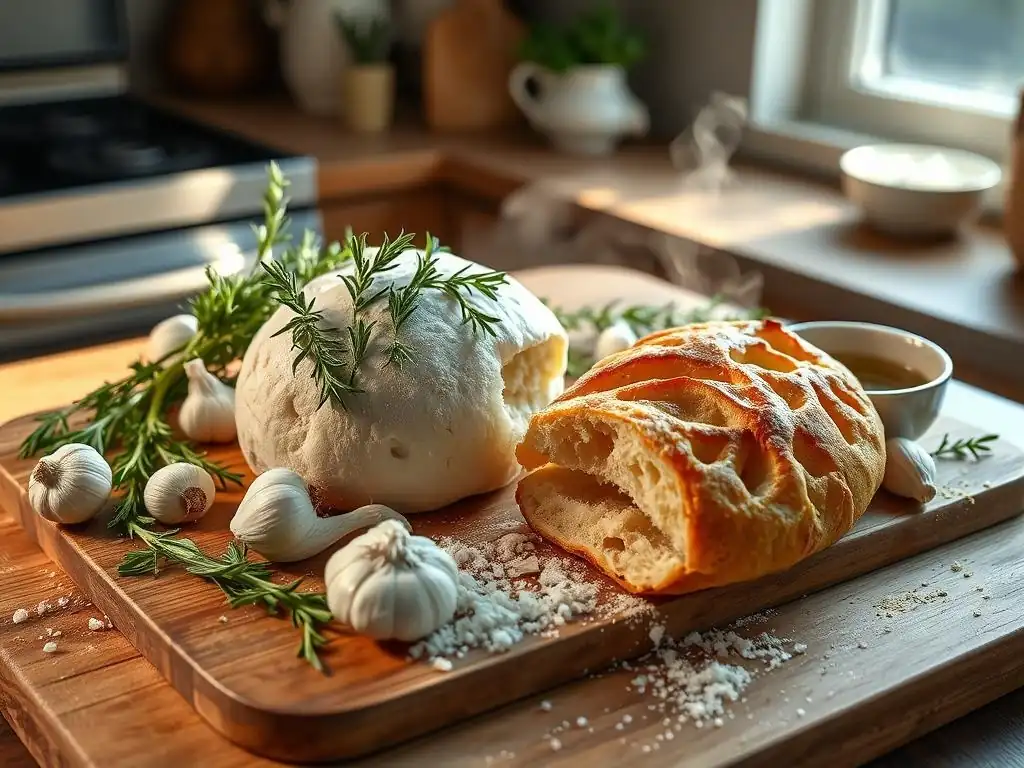
Having all your ingredients measured and ready before you begin is a fundamental step towards baking success, especially with an easy garlic rosemary focaccia. While the ingredient list is short and simple, ensuring you have everything on hand prevents last-minute rushes and potential errors. This mise en place approach allows you to flow smoothly through the recipe steps, making the entire baking process more enjoyable and less stressful.
For this particular recipe, the quality of your key flavorings – the garlic and rosemary – will significantly impact the final taste of your easy garlic rosemary focaccia. Taking a moment to select fresh, vibrant herbs and pungent garlic cloves will elevate the aroma and flavor profiles considerably. Don't underestimate the impact of these simple components; they are what transform a basic flatbread into a truly aromatic and memorable bake.
The Key Ingredients for Flavorful Focaccia Dough
Beyond the basic flour, water, yeast, and salt, the generous use of olive oil is paramount in focaccia, especially an easy garlic rosemary focaccia. We recommend using a good quality extra virgin olive oil for its rich, fruity flavor that permeates the dough and creates a beautiful, crispy crust. Expect to use a significant amount – perhaps 1/4 cup or more just in the dough itself, plus additional for the pan and topping.
The hydration level of the dough is also key to focaccia's characteristic chewy texture. This easy garlic rosemary focaccia dough is quite wet and sticky, which is intentional. A high hydration dough (often 70-80% hydration or higher, meaning the water is 70-80% of the flour weight) contributes to the open crumb structure and moist interior that is desired in a classic focaccia. Don't be alarmed by the stickiness; it's a sign that you're on the right track.
Fresh Rosemary vs. Dried Rosemary: Which to Use?
For the most authentic and potent aroma in your easy garlic rosemary focaccia, fresh rosemary is highly recommended. Fresh rosemary sprigs offer a vibrant, piney fragrance and flavor that dried rosemary simply cannot replicate. When chopped, the fresh leaves release their aromatic oils more readily during baking, infusing the entire loaf. You'll typically need a tablespoon or two of finely chopped fresh rosemary.
While dried rosemary can be used in a pinch, it has a more subdued flavor and a slightly different texture. If using dried, remember that its flavor is more concentrated, so you'll generally need less – perhaps half the amount of fresh. However, for the true "aromatic" experience promised by this easy garlic rosemary focaccia, make the effort to use fresh if at all possible.
Choosing the Best Garlic for Aromatic Focaccia
The type and preparation of garlic play a crucial role in the flavor of your easy garlic rosemary focaccia. Fresh garlic cloves are essential; garlic powder or pre-minced garlic in jars will not provide the same pungent aroma or sweet, roasted flavor once baked. Look for firm, plump garlic cloves that are free from sprouts or soft spots.
For this recipe, the garlic is often thinly sliced or minced and then infused in warm olive oil. This gentle heating process mellows the raw bite of the garlic while allowing its essential oils to meld with the olive oil, creating a powerfully fragrant topping. Using approximately 2-3 cloves of fresh garlic is a good starting point for a standard focaccia size, but feel free to adjust based on your preference for garlic intensity in your easy garlic rosemary focaccia.
Step-by-Step: Baking Your Easy Garlic Rosemary Focaccia
Now that you have your simple ingredients ready, it's time to bring this easy garlic rosemary focaccia to life. Following these steps carefully will ensure a successful bake with a beautiful golden crust and a soft, flavorful interior. Remember, the key to this recipe's ease is patience and minimal handling of the dough.
Each stage, from the initial mix to the final cooling, contributes to the focaccia's final texture and taste. Pay attention to the timings for rising and baking, as these are crucial for proper development and achieving that coveted airy crumb and crispy base. Baking this easy garlic rosemary focaccia is a sensory experience, from the sticky dough to the incredible aromas filling your kitchen.
Step 1: Preparing the No-Knead Focaccia Dough
The initial step is straightforward: activating the yeast and combining the dough ingredients.
Mixing the Dough Ingredients
In a large bowl, whisk together the warm water (around 105-115°F or 40-46°C) and the active dry yeast with a pinch of sugar. Let this mixture sit for about 5-10 minutes until it becomes foamy, indicating the yeast is active. If it doesn't foam, your water might not have been the right temperature, or the yeast might be old, and you'll need to start again with fresh yeast. Once foamy, stir in a couple tablespoons of the olive oil and the salt.
Add the flour to the wet mixture. Using a wooden spoon or spatula, mix until all the flour is incorporated and a shaggy, sticky dough forms. There's no need to knead; simply mix until there are no dry pockets of flour. The dough will be very wet – this is correct for an easy garlic rosemary focaccia with a nice open crumb. Cover the bowl tightly with plastic wrap and let it rest at room temperature for the first rise.
The Importance of the First Rise
The first rise, also known as bulk fermentation, is crucial for developing the flavor and structure of your easy garlic rosemary focaccia, especially with a no-knead dough. During this time, the yeast consumes sugars in the flour, producing carbon dioxide gas that makes the dough rise, and also alcohol and organic acids that contribute to the bread's complex flavor. This rise typically takes 12-18 hours at room temperature (around 70-75°F or 21-24°C).
A long, slow fermentation is key to the success of this easy garlic rosemary focaccia. As the dough rests, the gluten strands naturally align and strengthen without any manual kneading. The dough should roughly double in size and have visible bubbles on the surface. You can even see large bubbles forming along the sides of the bowl. This long rest ensures a tender interior and a more flavorful final product.
Step 2: Shaping and Proofing the Focaccia
After the long first rise, the dough is ready to be transferred and shaped in its final baking pan.
Gently Transferring the Dough to the Baking Pan
Generously coat a rectangular or square baking pan (a 9x13 inch or 9x9 inch pan works well, depending on desired thickness) with a substantial amount of olive oil – perhaps 1/4 cup or more. The oil is not just for preventing sticking; it also fries the bottom of the dough as it bakes, creating that signature crispy base of an easy garlic rosemary focaccia. Use your hands to spread the oil evenly up the sides of the pan.
Using a rubber spatula or bowl scraper, gently coax the wet, bubbly dough out of the bowl and into the prepared pan. Try to disturb the dough as little as possible to preserve the gas bubbles that developed during the long fermentation. The dough will likely not fill the pan immediately; that's okay. Avoid stretching or pulling it aggressively at this stage.
Creating the Signature Focaccia Dimples
Once the dough is in the pan, allow it to rest for about 20-30 minutes. This brief rest allows the gluten to relax, making the dough easier to spread. After resting, drizzle a little more olive oil over the top of the dough. Now, using oiled fingertips, gently press straight down into the dough, creating deep indentations or "dimples" across the entire surface. Don't poke all the way through to the bottom, but aim for substantial depressions.
As you dimple, the dough will gradually spread out to fill the pan. If it springs back too much, let it rest for another 10-15 minutes before continuing to dimple. These dimples serve multiple purposes: they prevent the focaccia from puffing up like a regular loaf of bread, create little pools for the delicious olive oil and toppings, and contribute to the characteristic texture of an easy garlic rosemary focaccia.
Once dimpled, cover the pan loosely and let the dough proof for its second rise. This rise is typically shorter, around 1-1.5 hours, until the dough looks puffy and airy.
Step 3: Adding the Aromatic Toppings
This is where the "aromatic" part of the easy garlic rosemary focaccia truly comes alive.
Preparing the Garlic & Rosemary Infused Olive Oil
While the dough is undergoing its second proof, prepare the flavorful topping oil. Finely mince the fresh garlic cloves and roughly chop the fresh rosemary leaves. In a small saucepan or microwave-safe bowl, gently heat about 1/4 cup of extra virgin olive oil. You want it warm, but not smoking hot – just enough to release the aromas.
Add the minced garlic and chopped rosemary to the warm olive oil. Let it sit for 5-10 minutes to allow the flavors to infuse into the oil. This simple step concentrates the garlic and rosemary essence, ensuring each bite of your easy garlic rosemary focaccia is packed with flavor. You can even add a pinch of red pepper flakes to the oil at this stage for a subtle hint of heat.
Evenly Distributing the Toppings
Once the dough has finished its second proof and is looking puffy and well-dimpled, it's time to add the toppings just before baking. Drizzle the prepared garlic and rosemary infused olive oil generously over the surface of the dough, ensuring some pools gather in the dimples. Use a pastry brush if needed to ensure even coverage, but the dimples should naturally collect a good amount of oil.
Sprinkle flaky sea salt generously over the entire surface. Flaky salt provides bursts of salty flavor and a pleasant textural contrast. You can also scatter extra fresh rosemary sprigs or garlic slices on top for visual appeal and extra punch, though the infused oil carries the main flavor. This final flourish of toppings is key to the visual and aromatic appeal of a perfect easy garlic rosemary focaccia.
Step 4: Baking Your Golden Garlic Rosemary Focaccia
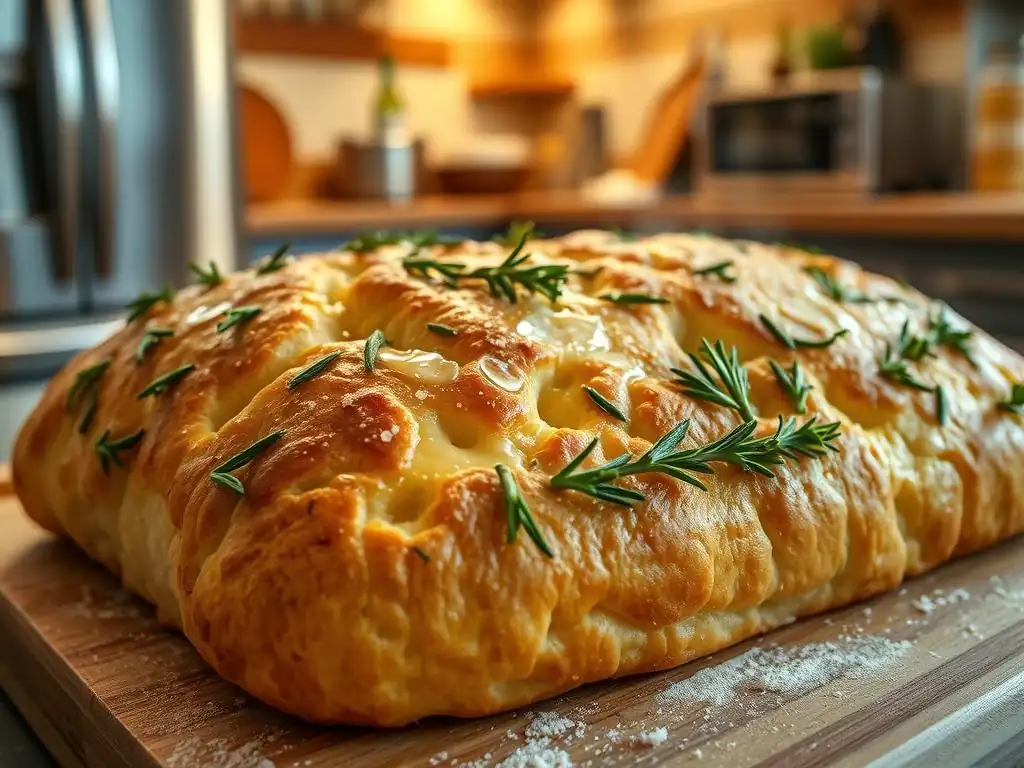
The moment of truth! Baking transforms the proofed dough into a golden, crispy, and aromatic flatbread.
Baking Temperature and Time
Preheat your oven to a relatively high temperature, typically between 400°F and 425°F (200°C and 220°C). A hotter oven helps the focaccia bake quickly, resulting in a crispy exterior and a soft, airy interior. Ensure your oven is fully preheated before placing the pan inside.
The baking time for this easy garlic rosemary focaccia will vary depending on your oven and the size/thickness of your focaccia, but it generally takes between 20 and 30 minutes. You'll know it's done when the top is golden brown, the edges are crispy, and the underside is also nicely browned (you can carefully lift a corner with a spatula to check). The internal temperature, if you were to measure it, would likely be around 200-210°F (93-99°C), but visual cues are usually sufficient.
Achieving the Perfect Crust
The secret to a perfect crispy crust on your easy garlic rosemary focaccia lies in two main factors: the generous amount of olive oil used in the pan and the high baking temperature. The oil effectively fries the bottom of the dough as it bakes, creating a deeply golden and crunchy base. The high heat ensures the top crust also browns and crisps up quickly before the interior has a chance to dry out.
If you notice the top browning too quickly but the bottom still seems pale, you can try moving the pan to a lower rack in the oven for the last few minutes of baking. Conversely, if the top isn't browning enough, you can move it to an upper rack. Don't be afraid to bake it until it's a rich golden brown; underbaked focaccia can be pale and doughy rather than light and airy.
Step 5: Cooling and Serving Your Homemade Focaccia
Patience is required for the final step before enjoying your delicious bake.
Cooling the Focaccia for Optimal Texture
Once your easy garlic rosemary focaccia is baked to golden perfection, carefully remove the pan from the oven. It's crucial to let the focaccia cool slightly before slicing. Immediately transfer the focaccia from the hot baking pan to a wire cooling rack. Leaving it in the pan will cause the bottom crust to steam and potentially become soggy.
Allow the focaccia to cool on the rack for at least 10-15 minutes. This cooling period allows the internal structure to set and the steam to escape, resulting in the best possible texture – a crispy crust and a soft, airy interior. Cutting into it too soon can result in a slightly gummy texture.
Serving Suggestions and Pairings
Your easy garlic rosemary focaccia is incredibly versatile and can be enjoyed in many ways. It's fantastic served warm, cut into squares or strips, alongside a bowl of good quality olive oil for dipping. It makes an excellent accompaniment to soups, stews, or salads. For instance, a slice pairs beautifully with a hearty lentil soup or a simple caprese salad.
You can also use it as a base for sandwiches or slice it horizontally to make flavorful panini. Consider serving it as part of an antipasto platter with cured meats, cheeses, and marinated vegetables. The simple, aromatic flavors of this easy garlic rosemary focaccia make it a perfect companion to a wide range of dishes.
Tips and Tricks for Perfect Focaccia Every Time
Even with an easy recipe, a few expert tips can elevate your easy garlic rosemary focaccia from good to absolutely spectacular. These pointers address common issues and offer ways to enhance the outcome.
The Secret to a Crispy Focaccia Crust
Beyond using plenty of olive oil, ensuring your oven is fully preheated and baking at a sufficiently high temperature are key. Another tip is to ensure your baking pan is made of a material that conducts heat well, like dark metal. Some bakers even place a pizza stone or baking steel in the oven while it preheats and then place the focaccia pan directly on it for better heat transfer to the bottom crust.
Don't be shy with the olive oil on the surface either. The oil pools in the dimples and helps create those delightful crispy, slightly chewy pockets on the top crust. Aim for a generous drizzle just before baking. This attention to oil and heat is vital for achieving that satisfying crunch in your easy garlic rosemary focaccia.
How to Prevent a Soggy Focaccia
Sogginess is often caused by not using enough olive oil in the pan, not baking at a high enough temperature, or not cooling the focaccia on a wire rack immediately after baking. Ensuring a liberal coating of oil on the bottom of the pan creates a barrier and helps fry the base. A hot oven ensures it bakes through quickly.
Also, check the underside of the focaccia before removing it from the oven; it should be golden brown and sound hollow when tapped. If it looks pale, it might need a few more minutes directly on the oven rack (out of the pan, if you're brave and confident, or just left in the pan on the bottom rack). Proper cooling on a rack is non-negotiable for preventing steam from making the bottom soggy. Following these steps will help you avoid a disappointing, soggy easy garlic rosemary focaccia.
Flavor Variations: Experimenting with Toppings
While garlic and rosemary make a classic and delicious easy garlic rosemary focaccia, the base dough is incredibly versatile. Once you've mastered this version, feel free to experiment with other toppings. Consider adding thinly sliced red onion, cherry tomatoes halved and pressed into the dimples, olives, or different herbs like thyme or oregano.
Cheese is also a popular addition; sprinkle some grated Parmesan or mozzarella over the top during the last 10-15 minutes of baking. You can also use flaky sea salt infused with other flavors, like smoked paprika or dried chili flakes. The possibilities are vast, allowing you to customize your easy garlic rosemary focaccia to suit any meal or craving.
Storing and Reheating Your Garlic & Rosemary Focaccia
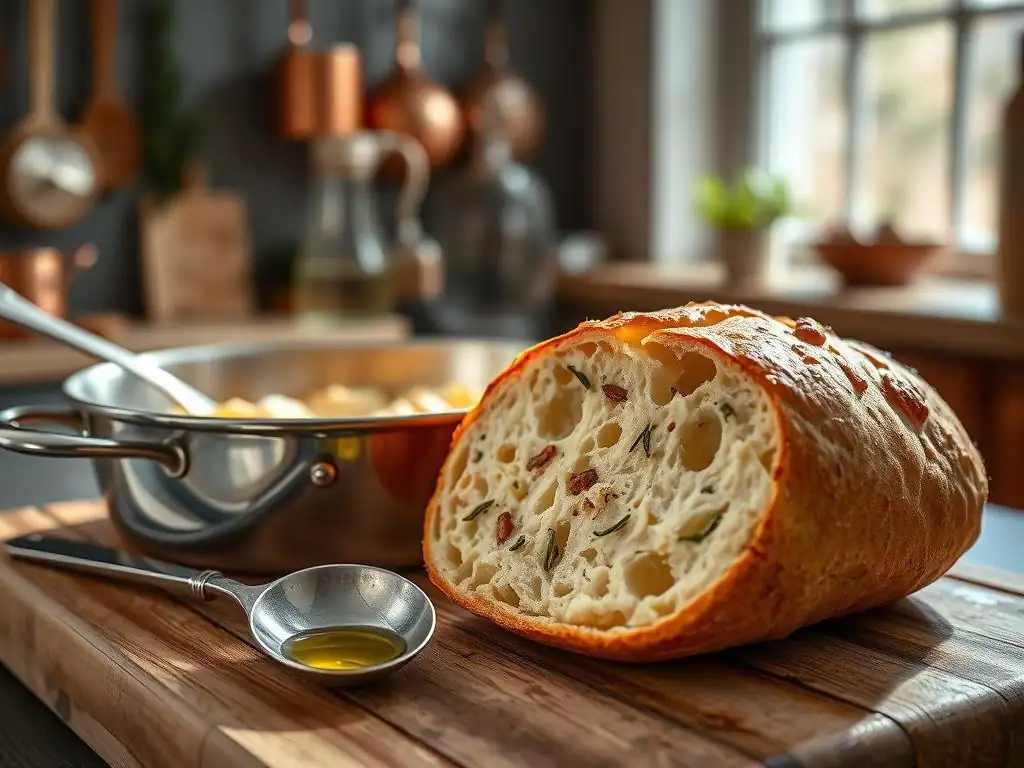
If you happen to have any leftover easy garlic rosemary focaccia (a rare occurrence! ), proper storage and reheating will help maintain its quality.
Best Practices for Storing Focaccia
Focaccia is best enjoyed fresh, ideally within a day or two of baking. To store, allow it to cool completely. Wrap it tightly in plastic wrap or aluminum foil, or place it in an airtight container. Store at room temperature for up to 2 days.
For longer storage, focaccia freezes very well. Cut it into desired portions, wrap each piece individually in plastic wrap, then wrap again in foil or place in a freezer-safe bag. Frozen easy garlic rosemary focaccia can be stored for up to 3 months. Thaw at room temperature before reheating.
Reheating Methods to Maintain Freshness
To restore the crispy crust of your easy garlic rosemary focaccia, reheating in an oven or toaster oven is recommended. Preheat your oven to around 350°F (175°C). Place the focaccia directly on the oven rack or on a baking sheet.
Reheat for 5-10 minutes, or until warmed through and the crust has crisped up again. Avoid microwaving focaccia, as this will make it soft and chewy rather than restoring its desirable texture. A quick reheat in a hot oven brings your easy garlic rosemary focaccia back to life beautifully.
Enjoy Your Delicious and Easy Garlic Rosemary Focaccia!
Congratulations! You've successfully baked a beautiful and aromatic easy garlic rosemary focaccia right in your own kitchen. The simple steps, basic ingredients, and no-knead method truly make this recipe accessible to anyone.
Savor the moment as you slice into the warm loaf, releasing those incredible aromas of garlic and rosemary. Whether you serve it as an appetizer, a side, or the base for a delicious sandwich, this homemade easy garlic rosemary focaccia is sure to be a hit. We hope this guide inspires you to bake more bread and explore the wonderful world of focaccia!
Frequently Asked Questions
What makes this focaccia recipe "easy"?
This recipe focuses on simple steps and easy-to-find ingredients, making it accessible for bakers of all skill levels. We minimize complex techniques for a straightforward baking experience.
Can I use dried rosemary instead of fresh?
Yes, you can! Use about one teaspoon of dried rosemary for every tablespoon of fresh. Adjust to your taste preference.
How do I get the characteristic dimples in the focaccia?
Use your fingertips to gently press into the dough before baking. This creates the signature dimples that hold the olive oil and seasonings.
What's the best way to store leftover focaccia?
Store leftover focaccia in an airtight container at room temperature for up to two days. You can also freeze it for longer storage.
What kind of olive oil should I use for the focaccia?
A good quality extra virgin olive oil is recommended for the best flavor. The olive oil is a key component of the focaccia's taste.
Final Reflection: The Humble Loaf, the Unexpected Joy
The seemingly simple act of baking focaccia, especially one infused with the fragrant embrace of garlic and rosemary, transcends mere culinary creation; it becomes a potent symbol of comfort, connection, and the enduring power of simple pleasures. In a world increasingly dominated by complex recipes and demanding schedules, the ease and rewarding nature of this recipe offer a much-needed respite. The aroma alone is enough to transport you, a testament to the magic inherent in even the most basic ingredients.
The enduring appeal of this classic bread lies not just in its delicious taste, but in its ability to foster a sense of community and shared experience. Baking, in its essence, is an act of nurturing, a process that invites both patience and creativity. It's a practice that has connected generations, passed down through families and cultures, each baker adding their own unique touch. Bread is the staff of life,
a simple phrase, yet it speaks volumes about the profound significance of this humble food. This focaccia, in its simplicity, embodies that sentiment perfectly.
Now, I invite you to consider the power of simple pleasures in your own life. Perhaps it's not focaccia, but a quiet moment with a loved one, a walk in nature, or simply the satisfaction of a task well done.
Take a moment to reflect on what brings you joy, what nourishes your soul, and what simple acts you can incorporate into your daily life to cultivate a greater sense of peace and contentment. The journey to a richer life often begins with the appreciation of the small, seemingly insignificant things – just like the magic found in a perfectly baked loaf of garlic and rosemary focaccia.
Unleash Your Inner Baker: Craft the Perfect Focaccia!
Thanks for joining us on this aromatic journey into the world of focaccia! We hope you gained valuable tips and inspiration for creating your own deliciously crispy, herb-infused masterpiece. Now it's time to put your new skills to the test.
- Bake your own garlic and rosemary focaccia today! Gather your ingredients and follow our easy recipe – you'll be amazed at how rewarding it is.
- Share your creation! Post a picture of your focaccia on social media and tag us – we'd love to see your baking success!
- Explore more simple bread recipes on our website for endless baking inspiration.
Ready to transform your kitchen into a fragrant bakery? What unique twist will you add to your focaccia creation?