
ShelfLife Secrets: Using Fats as Natural Preservatives in Homemade Breads

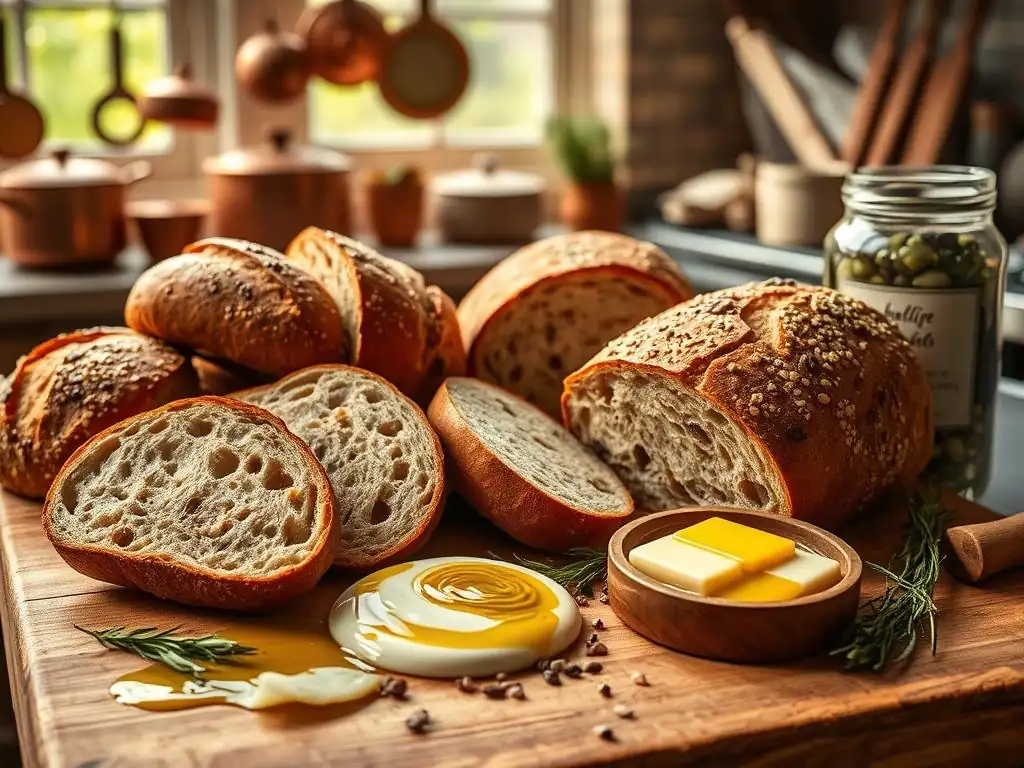
Welcome to BakeWithEase, your partner in crafting delectable baked goods!
Ever wondered how to keep your homemade bread fresher for longer, naturally? Discover the secrets behind using fats as natural preservatives in our latest article, " ShelfLife Secrets: Using Fats as Natural Preservatives in Homemade Breads." Unlock expert tips and tricks to extend bread shelf life and enjoy your baking creations for days to come. Read on to learn more baking tips & hacks and elevate your baking game today!
- Extending Bread Freshness: The Role of Fats as Natural Preservatives
- Introduction: Understanding Natural Bread Preservation
- Understanding Bread Spoilage: Staling and Mold
- The Preservative Power of Fats: Mechanism of Action
- Choosing Fats for Optimal Bread Preservation
- Recipes and Techniques: Enhancing Freshness with Fats
- Complementary Techniques for Bread Preservation
- Troubleshooting: Addressing Preservation Challenges
- Conclusion: Achieving Extended Freshness Through Strategic Fat Incorporation
- Frequently Asked Questions
- Final Reflection: Embracing Natural Preservation for Lasting Bread
- Unleash Your Inner Baker: Preserve & Perfect Your Breads!
Extending Bread Freshness: The Role of Fats as Natural Preservatives
Introduction: Understanding Natural Bread Preservation
Welcome back to BakeWithEase! Mastering the art of baking involves not just creating delicious loaves but also understanding how to keep them fresh for as long as possible. While commercial breads often rely on artificial additives, learning how to extend bread shelf life naturally is a valuable skill for the home baker. One of the most effective, yet often overlooked, natural methods involves the strategic use of fats.
Fats, whether solid like butter or lard, or liquid like olive oil, play a significant role in the texture, flavor, and, crucially, the longevity of your homemade bread. By incorporating fats into your dough, you can actively combat the primary causes of staling and spoilage, allowing you to enjoy your freshly baked goods for days rather than hours. This article will explore the science behind how fats work as natural preservatives and guide you in using them effectively to make your bread last longer.
Understanding Bread Spoilage: Staling and Mold
Even the most beautiful loaf eventually succumbs to the inevitable process of spoilage. The two main culprits are staling and mold growth. Staling, often perceived as drying out, is actually a complex chemical change within the bread's starch structure. Mold, on the other hand, is a biological process driven by airborne spores finding a hospitable environment on your bread.
Understanding these processes is the first step in learning how to extend bread shelf life effectively. While preventing mold requires careful hygiene and storage, combating staling involves manipulating the bread's internal structure, and this is where fats shine.
The Science Behind Bread Staling: Retrogradation
Bread staling is primarily caused by a process called starch retrogradation. When bread bakes, the starch granules in the flour absorb water and swell, a process called gelatinization. As the bread cools, the starch molecules (amylose and amylopectin) begin to recrystallize and realign. The amylose molecules retrograde quickly, forcing water out of the starch network and into other parts of the bread, which gives the perception of dryness and firmness. The amylopectin molecules retrograde more slowly over several days, contributing to the long-term firming of the crumb.
This retrogradation process is what makes the bread crumb become hard, crumbly, and less elastic. It's not simply moisture loss, although that contributes; it's a rearrangement of the starch polymers themselves. Warming the bread can temporarily reverse some of this retrogradation (which is why stale bread can seem fresher when toasted), but the process resumes as it cools again. Learning how to extend bread shelf life involves slowing down this starch retrogradation.
Common Bread Spoilage Factors: Moisture, Temperature, and Microorganisms
Beyond staling, bread spoilage is heavily influenced by environmental factors like moisture, temperature, and the presence of microorganisms, primarily mold spores. High humidity can accelerate mold growth by providing the necessary moisture. Warm temperatures also create a favorable environment for both mold and bacterial growth. Leaving bread exposed to air allows moisture to escape (contributing to perceived dryness, even if the primary staling is retrogradation) and also exposes it to airborne mold spores.
Mold spores are ubiquitous and can land on bread during cooling or storage. Once they find sufficient moisture and a suitable temperature, they germinate and spread, making the bread inedible. While fats primarily combat staling, proper storage techniques are essential to control moisture and temperature and minimize exposure to mold spores, complementing the preservative effects of fats and further enhancing how to extend bread shelf life.
The Preservative Power of Fats: Mechanism of Action
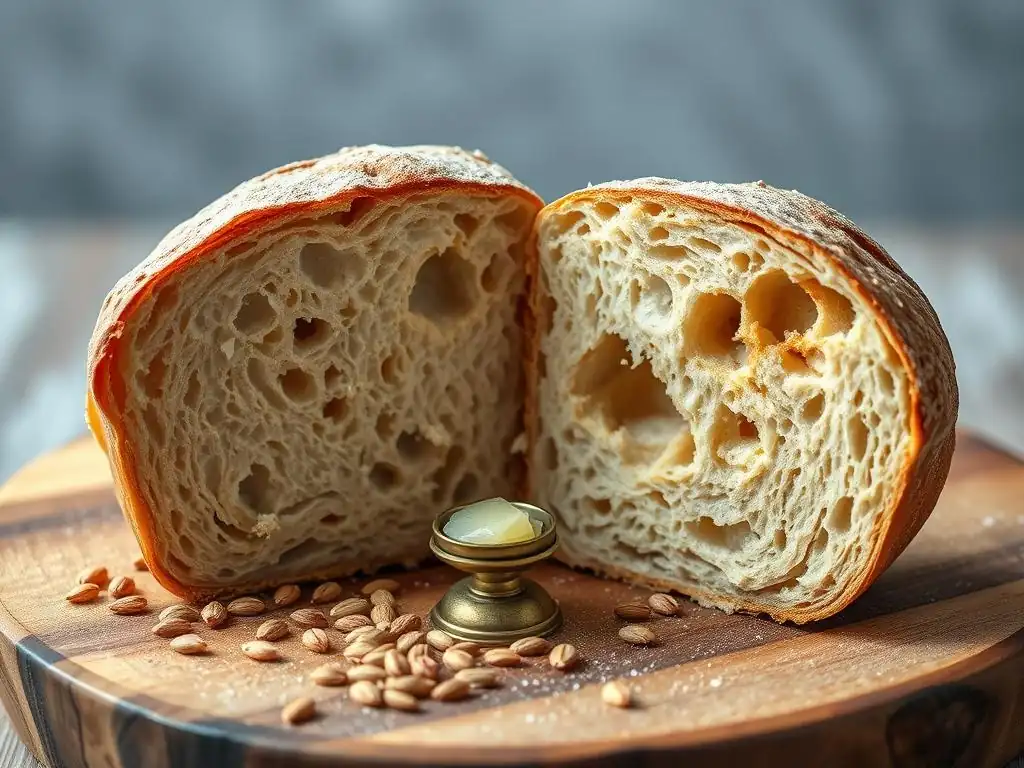
Fats are not just flavor enhancers or texture improvers in baking; they are powerful allies in the fight against staling. Their unique molecular structure allows them to interfere with the starch retrogradation process, keeping the bread softer and fresher for longer. This is a key aspect of understanding how to extend bread shelf life naturally.
The mechanism involves fats interacting directly with the starch molecules, particularly amylose, during the baking and cooling process. By strategically incorporating fats into the dough, you create a physical barrier and chemical interaction that slows down the natural tendency of starch to recrystallize.
How Fats Inhibit Staling: Interaction with Starch
Fats interfere with starch retrogradation primarily in two ways. Firstly, fat molecules can bind to the amylose chains within the starch granules during gelatinization. This binding prevents the amylose from aligning and forming crystalline structures as easily during cooling. Think of the fat molecules as getting in the way of the starch molecules trying to zip back together.
Secondly, fats can coat the starch granules or the gluten network, creating a physical barrier that slows the migration of water out of the starch granules. Since water migration is linked to retrogradation, slowing this movement helps maintain the soft texture of the crumb.
A higher fat content in bread dough, like in a rich brioche which can contain 50% or more fat relative to flour weight, significantly disrupts the starch network compared to a lean baguette dough with virtually no added fat, resulting in a loaf that stays soft for several days versus staling within 24 hours. This interaction is fundamental to how to extend bread shelf life using fats.
Types of Fats and Their Impact: Solid vs. Liquid Fats
Different types of fats have varying impacts on bread texture and preservation. Solid fats like butter, lard, or shortening, which are solid at room temperature, tend to create a tender, sometimes crumbly, texture in the finished bread because they shorten the gluten strands (hence the term "shortening"). They are very effective at interfering with starch retrogradation due to their crystalline structure and ability to coat particles.
Liquid fats like olive oil or other vegetable oils, which are liquid at room temperature, tend to produce a bread with a softer, more pliable crumb. They lubricate the gluten strands, allowing for greater expansion and a finer crumb structure.
While their interaction with starch might differ slightly from solid fats, they are still highly effective at slowing staling, often contributing to a bread that feels moist and soft for an extended period. For example, many Mediterranean breads made with olive oil are known for their pleasant texture even a few days after baking, showcasing how to extend bread shelf life with liquid fats.
Choosing Fats for Optimal Bread Preservation
Selecting the right fat for your bread recipe is a balance between achieving desired preservation benefits, flavor profile, and texture. While many fats offer anti-staling properties, some are particularly well-suited for extending the life of your loaf while also enhancing its overall quality.
The choice of fat will significantly influence the final product. A fat that works wonders for a rustic loaf might not be the best choice for a light, airy roll. Considering the type of bread you want to make is key to making the best fat selection.
Best Fats for Bread Preservation: Lard, Olive Oil, and Butter
Historically and scientifically, certain fats stand out for their ability to improve bread longevity.
- Lard: Rendered pork fat, lard is a traditional ingredient in many bread recipes, particularly rolls and biscuits. Its high shortening power and specific crystalline structure make it exceptionally effective at preventing staling. Breads made with lard often have a very tender crumb and stay soft for days. For instance, a simple white bread recipe using 5-10% lard (by flour weight) will typically remain soft for 3-4 days, significantly longer than a lean dough.
- Olive Oil: A staple in Mediterranean baking, olive oil contributes not only a distinctive flavor but also excellent anti-staling properties. Its liquid nature helps keep the crumb moist and supple. Breads enriched with olive oil, like focaccia or ciabatta, often maintain a desirable texture for 2-3 days. Using a good quality extra virgin olive oil, even at 5-15% of flour weight, can make a noticeable difference in how to extend bread shelf life.
- Butter: Beloved for its rich flavor and tenderizing effect, butter is a popular fat in enriched doughs like brioche and challah. Its combination of saturated and unsaturated fats, plus a small amount of water, contributes to both flavor and preservation. High-fat doughs like brioche, which can use butter at 50-80% of flour weight, are renowned for staying fresh and soft for 4-5 days or even longer when stored properly, making butter a prime example of how to extend bread shelf life through richness.
Fat Selection Guide: Considering Flavor and Texture
When choosing a fat, consider the desired outcome for your bread:
- Flavor: Lard is relatively neutral but can have a subtle savory note. Olive oil imparts a distinct fruity or peppery flavor depending on its type. Butter offers a rich, creamy, and slightly sweet flavor. For neutral-flavored breads where you want preservation without added taste, refined oils or shortening might be considered, though they lack the flavor benefits of olive oil or butter.
- Texture: Solid fats (lard, butter, shortening) generally create a more tender, sometimes finer crumb. Liquid fats (oils) tend to result in a softer, more pliable crumb. The amount of fat also matters; higher fat percentages create richer, more cake-like textures (like brioche), while lower percentages offer subtle improvements in softness and longevity in more traditional loaves.
- Recipe Compatibility: Some recipes are designed around specific fats (e.g., focaccia with olive oil). While substitutions are often possible, they will impact flavor and texture. Experimenting with small batches can help you discover which fat best suits your recipe and preferences for how to extend bread shelf life.
Recipes and Techniques: Enhancing Freshness with Fats
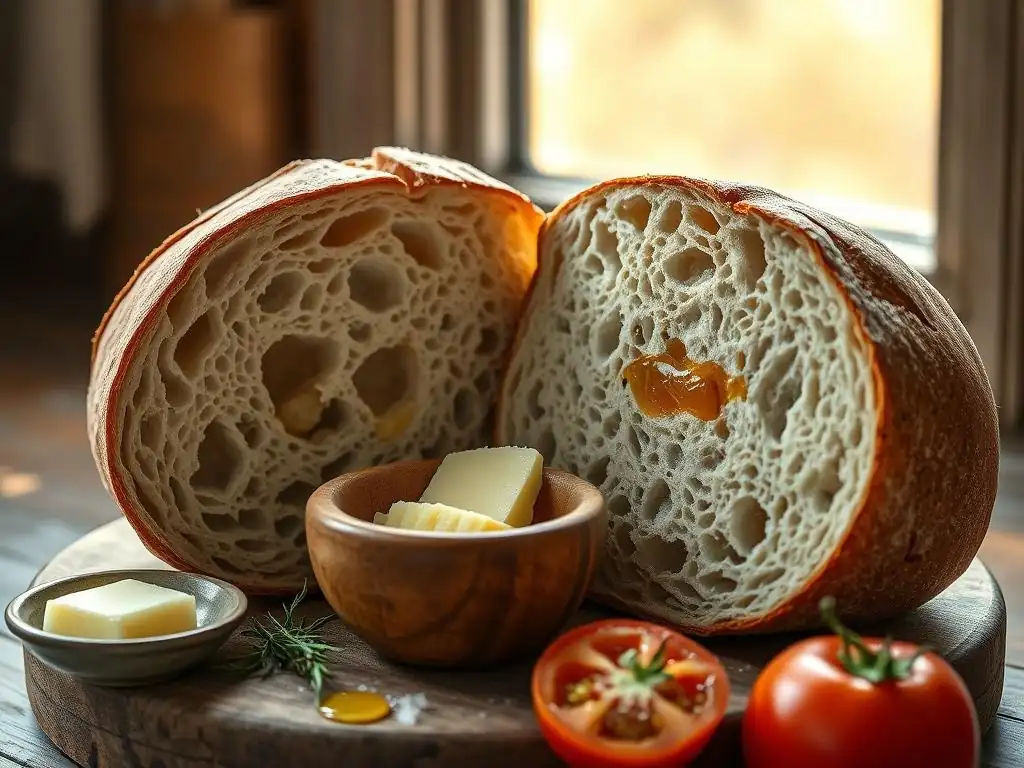
Let's put theory into practice with a few examples of how fats are incorporated into recipes to improve freshness. These recipes showcase different types of fats and their application in achieving loaves that stay delicious longer. Learning to incorporate these techniques is a practical way to master how to extend bread shelf life.
Remember that precise measurements and techniques are key to successful baking and optimal preservation.
Lard Enriched Dough: A Traditional Approach
Lard has been used for centuries to create tender, long-lasting breads and pastries. Its unique properties make it excellent for inhibiting staling, resulting in a wonderfully soft crumb. This focaccia recipe uses lard for tenderness and longevity, combined with rosemary for flavor.
Recipe: Lard and Rosemary Focaccia
This recipe is designed to produce a soft, flavorful focaccia that stays fresh for a few days thanks to the inclusion of lard.
- Ingredients:
- 300g Strong Bread Flour
- 10g Fresh Yeast (or 3.5g Active Dry Yeast)
- 5g Salt
- 200ml Warm Water
- 30g Lard, softened
- 2 tbsp Olive Oil, plus extra for drizzling
- Fresh Rosemary Sprigs
- Flaky Sea Salt
- Instructions:
- [ ] If using active dry yeast, dissolve it in warm water and let stand for 5 minutes until foamy. If using fresh yeast, crumble it into the flour.
- [ ] In a large bowl, combine flour and salt. Add the yeast mixture (or fresh yeast) and most of the warm water.
- [ ] Mix to form a shaggy dough, then add the softened lard and olive oil.
- [ ] Knead the dough on a lightly floured surface for 10-15 minutes until smooth and elastic. Alternatively, use a stand mixer with a dough hook for 8-10 minutes. The dough will be soft.
- [ ] Place the dough in a lightly oiled bowl, cover, and let rise in a warm place for 1-1.5 hours, or until doubled in size.
- [ ] Punch down the dough gently and transfer it to a well-oiled baking tray (approx. 20x30cm).
- [ ] Gently press the dough to fill the tray, being careful not to deflate it completely. Cover and let rest for 20-30 minutes.
- [ ] Preheat oven to 220°C (200°C Fan).
- [ ] Use your fingertips to create dimples all over the surface of the dough.
- [ ] Drizzle generously with olive oil, scatter with rosemary leaves and flaky sea salt.
- [ ] Bake for 20-25 minutes, or until golden brown and cooked through.
- [ ] Let cool slightly in the tray before transferring to a wire rack.
This focaccia benefits from the lard making the crumb incredibly tender and inhibiting staling. The olive oil on top also adds flavor and helps keep the crust from becoming too hard.
Olive Oil-Based Breads: Mediterranean Influence
Olive oil is a cornerstone of many healthy and delicious bread traditions, known for contributing moisture, flavor, and excellent keeping qualities. Breads like ciabatta, focaccia, and many regional loaves from Italy, Spain, and Greece rely on olive oil not just for taste but also as a natural preservative.
Using olive oil in bread dough helps coat the starch molecules and provides lubrication throughout the crumb structure. This results in a loaf that remains soft and pliable, resisting the rapid hardening associated with staling. A bread made with 10% olive oil will feel significantly softer on day two than a comparable lean dough, demonstrating a practical way how to extend bread shelf life.
Recipe: Olive Oil and Herb Loaf
A simple loaf showcasing the benefits of olive oil for a soft crumb and improved freshness.
- Ingredients:
- 400g Strong Bread Flour
- 7g Active Dry Yeast
- 1 tsp Salt
- 2 tbsp Dried Herbs (e.g., oregano, basil, thyme)
- 270ml Warm Water
- 40ml Olive Oil, plus extra for greasing
- Instructions:
- [ ] In a large bowl, mix together flour, yeast, salt, and dried herbs.
- [ ] In a separate jug, combine warm water and olive oil.
- [ ] Pour the wet ingredients into the dry ingredients and mix with a spoon or spatula until a shaggy dough forms.
- [ ] Turn the dough out onto a lightly oiled surface and knead for 8-10 minutes until smooth and elastic. The oil makes it less sticky than a water dough.
- [ ] Place the dough in a clean, oiled bowl, cover, and let rise in a warm place for 1 hour, or until doubled.
- [ ] Gently punch down the dough, shape it into a loaf or boule, and place on a baking sheet lined with parchment paper.
- [ ] Cover and let rest for 30-45 minutes.
- [ ] Preheat oven to 220°C (200°C Fan).
- [ ] Bake for 25-30 minutes, or until golden brown and the bottom sounds hollow when tapped.
- [ ] Let cool completely on a wire rack before slicing.
This loaf stays soft and moist for a good 2-3 days, making it a great example of how to extend bread shelf life using a readily available liquid fat.
Butter-Based Breads: Richness and Longevity
Enriched doughs, particularly those high in butter like brioche, are famous for their tender, cake-like crumb and exceptional keeping qualities. The generous amount of butter significantly interferes with starch retrogradation, resulting in a bread that remains soft and delicious for several days.
Butter also adds incredible flavor and contributes to a beautiful golden crust due to the browning of milk solids. While these doughs require more time and care due to the high fat content, the resulting texture and shelf life are well worth the effort. A classic brioche recipe can contain anywhere from 50% to over 80% butter relative to the flour weight, a stark contrast to lean breads and a clear illustration of how to extend bread shelf life through high fat enrichment.
Recipe: Brioche Bread
A classic rich bread where butter is key to both flavor and extended freshness.
- Ingredients:
- 250g Strong Bread Flour
- 5g Active Dry Yeast
- 30g Sugar
- 5g Salt
- 2 Medium Eggs, lightly beaten
- 40ml Warm Milk
- 125g Unsalted Butter, softened and cubed (this is 50% butter by flour weight, a moderately rich brioche)
- Instructions:
- [ ] In a large bowl or stand mixer, whisk together flour, yeast, sugar, and salt.
- [ ] In a separate bowl, whisk together eggs and warm milk.
- [ ] Add the wet ingredients to the dry ingredients and mix with a wooden spoon or dough hook until a shaggy dough forms.
- [ ] Knead the dough for 5-7 minutes until it starts to become smooth and elastic.
- [ ] Gradually add the softened butter, a few cubes at a time, incorporating each addition fully before adding the next. This will take 10-15 minutes of kneading. The dough will become very soft, smooth, and shiny.
- [ ] Place the dough in a lightly oiled bowl, cover, and refrigerate for at least 4 hours, or preferably overnight. Chilling the dough makes it easier to handle with the high fat content.
- [ ] The next day, gently punch down the dough and shape it into a loaf or rolls. Place in a greased loaf pan or on a baking sheet.
- [ ] Cover and let rise in a warm place for 1.5-2 hours, or until doubled in size.
- [ ] Preheat oven to 180°C (160°C Fan).
- [ ] Optionally, brush the top with an egg wash for a golden crust.
- [ ] Bake loaf for 30-35 minutes, or rolls for 15-20 minutes, until golden brown and cooked through.
- [ ] Let cool completely on a wire rack.
This brioche will stay incredibly soft and moist for 4-5 days at room temperature, demonstrating the significant impact of high fat content on how to extend bread shelf life.
Complementary Techniques for Bread Preservation
While incorporating fats is a powerful method for preventing staling, combining it with proper handling and storage techniques will further enhance how to extend bread shelf life and prevent mold. A multi-pronged approach is always best for keeping your homemade loaves fresh and delicious.
These simple techniques can significantly impact the longevity of your bread, regardless of its fat content.
Cooling Techniques: Preventing Condensation
Proper cooling is crucial before storing bread. After baking, bread is full of moisture and residual heat. If you store it while it's still warm, this moisture will condense inside the storage container, creating a humid environment. This trapped moisture is the perfect breeding ground for mold.
Always cool bread completely on a wire rack, exposed to air, before storing it. This allows steam to escape and the internal temperature to drop to room temperature. For a standard loaf, this might take 2-3 hours. For a very dense or large loaf, it could take longer. Patience during the cooling phase is essential for preventing mold and maintaining a good crust texture, contributing to how to extend bread shelf life safely.
Storage Solutions: Airtight Containers and Bread Boxes
Once completely cool, choose the right storage method.
- Airtight Containers/Bags: For sliced bread or rolls, airtight plastic bags or containers are effective at preventing moisture loss and exposure to air (and mold spores). However, if the bread is not completely cool, this method can trap moisture and encourage mold.
- Bread Boxes: A traditional bread box offers a balance – it keeps the bread contained and away from direct air currents that cause drying, while still allowing a little air circulation to prevent excessive moisture buildup. Wooden or metal bread boxes work well.
- Paper Bags: Crusty loaves are often best stored initially in paper bags to maintain their crisp crust, though they will stale faster this way than in an airtight environment. For longer storage of crusty bread, freezing is often the best option.
Choosing the right storage method based on the bread type and how quickly you plan to eat it is key to maximizing how to extend bread shelf life.
Freezing Bread: Best Practices for Long-Term Storage
For preserving bread for more than a few days, freezing is the most effective method. Freezing halts both staling and mold growth.
To freeze bread properly:
- Ensure the bread is completely cool.
- For whole loaves or large pieces, wrap tightly in plastic wrap, then in aluminum foil or place in a freezer-safe bag. Double wrapping prevents freezer burn.
- For sliced bread, freeze slices flat on a tray first, then transfer to a freezer bag, squeezing out as much air as possible. This allows you to take out just the slices you need.
- Freeze for up to 3-4 months.
- To thaw, remove from freezer and let it sit at room temperature in its wrapping to prevent condensation. Sliced bread can often be toasted directly from frozen.
Freezing is an excellent way how to extend bread shelf life significantly, preserving that fresh-baked quality for months.
Troubleshooting: Addressing Preservation Challenges
Even with the best techniques, you might encounter issues with bread staling or developing off-flavors. Understanding common problems and how to address them can help you refine your baking and storage practices to better how to extend bread shelf life.
Identifying the cause of premature staling or flavor issues is the first step towards finding a solution.
Bread Staling Quickly: Adjusting Fat Content and Storage
If your bread is consistently staling faster than you'd like, consider these points:
- Low Fat Content: Is it a lean dough (like a baguette or ciabatta made only with water, flour, yeast, salt)? These naturally stale very quickly. Consider adding a small amount of fat (even 2-3% oil or butter) in your next batch to see if it improves longevity.
- Insufficient Kneading: Proper gluten development is important for crumb structure, which can indirectly affect how well it holds moisture. Ensure you are kneading enough.
- Improper Cooling: Storing bread while warm is a major culprit for perceived fast staling (due to trapped moisture/mold risk, but also affects texture). Always cool completely.
- Poor Storage: Is the bread left exposed to air? Is the storage container not airtight (for soft loaves)? Review your storage method based on the bread type. A study might show that bread stored in a paper bag loses moisture and firms up twice as fast as the same bread stored in a sealed plastic bag, illustrating the importance of storage on how to extend bread shelf life.
Adjusting the recipe to include more fat or refining your storage habits are the most direct ways to combat rapid staling.
Fat Flavor Imbalance: Refining Recipe and Ingredient Ratios
Sometimes, while aiming for better preservation with fats, you might find the flavor is off – either too greasy, a dominant fat taste, or an imbalance with other ingredients.
- Too Much Fat: While fat prevents staling, excessive amounts can make the bread heavy, greasy, or cake-like. Review your recipe's fat percentage. For a soft sandwich loaf, 5-10% fat (relative to flour) is often sufficient for good preservation without being greasy. Richer breads like brioche are exceptions where high fat is desired.
- Wrong Type of Fat: The fat's flavor might be clashing with other ingredients. A strongly flavored olive oil might not work in a delicate sweet roll. Ensure the fat's flavor profile complements the bread type. Using refined, neutral oils can avoid flavor issues but you lose the flavor benefits of butter or olive oil.
- Rancidity: Fats can go rancid, especially if old or improperly stored themselves. Ensure your fats are fresh. This will impart a very unpleasant, off-flavor to the bread.
Refining the amount and type of fat used, based on the specific bread recipe and desired outcome, is key to balancing flavor, texture, and how to extend bread shelf life effectively.
Conclusion: Achieving Extended Freshness Through Strategic Fat Incorporation
Understanding the science behind bread staling reveals why fats are such valuable ingredients for the home baker looking to how to extend bread shelf life naturally. By interfering with starch retrogradation, fats like lard, olive oil, and butter keep our homemade loaves softer and more palatable for longer periods than lean, fat-free breads.
Incorporating fats strategically into your recipes, combined with best practices in cooling, storage, and freezing, empowers you to enjoy your delicious bakes over several days. Experimenting with different fats and techniques will help you discover the best ways to keep your favorite breads fresh.
Bake Fresh, Longer: Key Strategies for Bread Preservation
To summarize how to extend bread shelf life using natural methods:
- Embrace Fats: Incorporate appropriate fats (butter, olive oil, lard, etc.) into your dough to inhibit starch staling.
- Cool Completely: Always let bread cool fully on a wire rack before storing to prevent condensation and mold.
- Store Smart: Use airtight containers or bags for soft breads, bread boxes for a balance, and paper bags for crusty loaves (for short-term).
- Freeze for Longevity: For long-term storage, freeze well-wrapped bread to halt spoilage processes entirely.
- Mind Your Ingredients: Ensure fats and other ingredients are fresh to avoid off-flavors.
By applying these principles, you can significantly improve the freshness and enjoyment of your homemade bread, reducing waste and ensuring every slice is as good as possible. Happy baking!
Frequently Asked Questions
How does fat help extend the shelf life of bread?
Fats, particularly unsaturated fats, help to retain moisture in bread, which is the primary factor in staling. They also interfere with gluten development, resulting in a softer crumb that stays fresher longer.
Which types of fats are best for extending bread shelf life?
Fats like olive oil and butter are good choices. Olive oil is rich in unsaturated fats, while butter adds flavor and also helps retain moisture.
How much fat should I add to my bread recipe to improve its shelf life?
The amount of fat varies by recipe, but generally, adding 3-6% fat (by weight of flour) can significantly improve shelf life. Experiment to find what works best for your specific bread.
Besides fat, what other factors affect bread shelf life?
Other factors include the type of flour used, the hydration level of the dough, and the storage conditions after baking. Correct dough kneading is also important.
Can using too much fat negatively impact my bread?
Yes, using too much fat can lead to a dense and greasy bread. It can also inhibit gluten development, resulting in a flat loaf.
Final Reflection: Embracing Natural Preservation for Lasting Bread
In a world increasingly focused on sustainability and health, the exploration of using fats as natural preservatives in homemade breads is more relevant than ever. As we navigate the complexities of modern food production and consumption, understanding how to extend bread shelf life through natural means not only aligns with our desire for wholesome ingredients but also honors traditional baking practices. The revival of these age-old techniques serves as a reminder that simplicity and nature can offer powerful solutions to contemporary challenges.
The impact of using fats in bread preservation extends beyond the kitchen; it resonates within our cultural and social landscapes as we seek to reconnect with our food sources. The movement towards homemade, artisanal bread reflects a broader shift towards mindfulness in our eating habits and a desire to reduce food waste. As we embrace these practices, we are reminded of the words of Michael Pollan: Eat food, not much, mostly plants.
This philosophy encourages us to appreciate the quality of our ingredients and the methods we employ, fostering a deeper relationship with what we consume.
As you reflect on the insights shared in this article, consider how you can incorporate these natural preservation techniques into your own baking journey. Challenge yourself to experiment with different fats and recipes, and witness the transformation of your homemade bread. By doing so, you not only enhance the flavor and longevity of your creations but also contribute to a more sustainable and health-conscious food culture. Let this exploration inspire you to take action, embrace the art of baking, and share the joy of nourishing yourself and others with wholesome, naturally preserved bread.
Unleash Your Inner Baker: Preserve & Perfect Your Breads!
Thanks for taking the time to explore the fascinating world of fat-based preservation in baking! You've now learned how to significantly extend the shelf life of your homemade loaves, all while enhancing their flavor and texture. Ready to put your newfound knowledge into practice?
- Bake a batch of your favorite bread today, experimenting with different fats to see which ones you prefer. Remember to pay attention to the ratios outlined in the article!
- Share your baking triumphs (and challenges!) with our BakeWithEase community on social media. Let's inspire each other!
- Consider experimenting with a new bread recipe incorporating these preservation techniques – think of the possibilities!
So, what delicious bread will you be crafting next to savor the benefits of natural preservation?