
OnePan Caramel Apple Crisp: Insider Tips to Prevent Sogginess

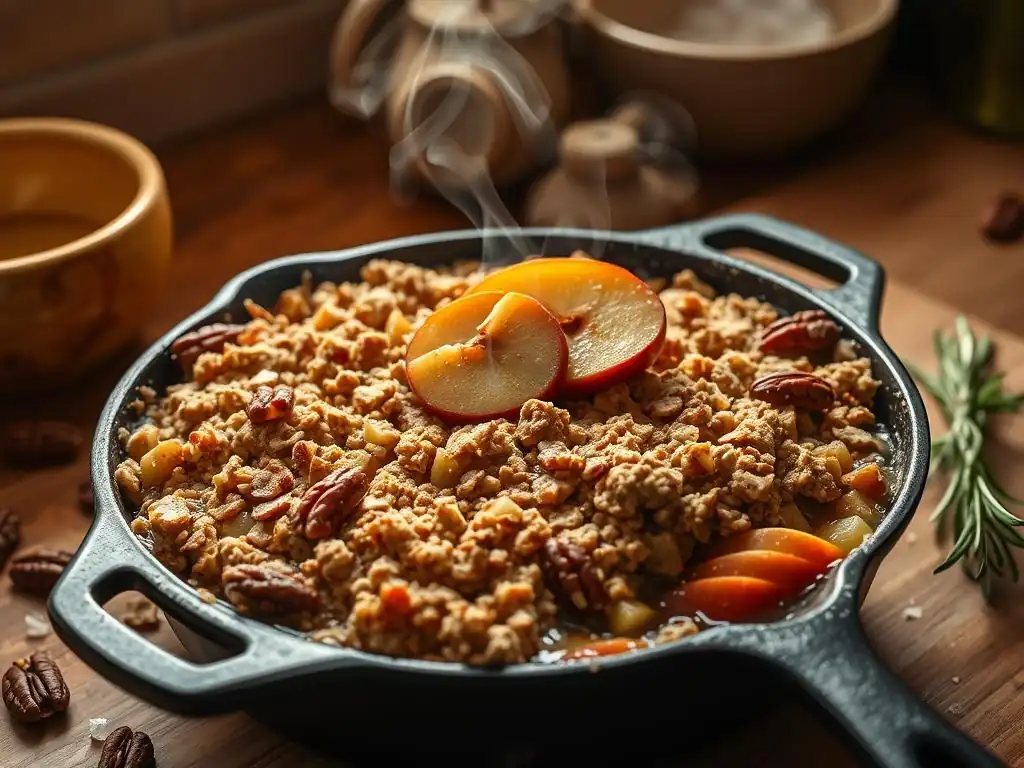
Welcome to BakeWithEase, your haven for effortless baking adventures! Ever dreamed of a perfectly crisp, golden One Pan Caramel Apple dessert without the dreaded sogginess? Unlock the secrets to achieving baking bliss with our insider tips and easy-to-follow guide. Prepare to impress with a dessert that's as simple to create as it is delicious. Let's bake!
- Mastering Apple Crisp: Tips for a Perfectly Crisp Texture
- Introduction to Apple Crisp Baking
- Understanding the Science Behind a Crisp Topping
- Achieving a Non-Soggy Apple Crisp
- Apple Crisp Recipe: A Tested and Approved Method
- Troubleshooting Common Apple Crisp Problems
- Serving and Storing Your Apple Crisp
- Elevate Your Apple Crisp: Variations and Add-ins
- Conclusion: Enjoying the Perfect Apple Crisp
-
Frequently Asked Questions
- How does using one pan simplify the caramel apple crisp recipe?
- What causes sogginess in a caramel apple crisp, and how does this recipe address it?
- What types of apples are best suited for a caramel apple crisp made in one pan?
- How can I ensure the caramel is evenly distributed and doesn't burn in a one-pan crisp?
- Can I adapt this one-pan caramel apple crisp recipe for dietary restrictions, such as gluten-free or vegan?
- Final Reflection: Embracing the Sweetness of Simplicity
- Unlock Your Inner Pastry Chef: Master the Perfect Crisp!
Mastering Apple Crisp: Tips for a Perfectly Crisp Texture
Introduction to Apple Crisp Baking
Why Apple Crisp is a Beloved Dessert
Apple crisp holds a special place in many hearts as a quintessential comfort food, especially during the cooler months. Its appeal lies in the harmonious blend of tender, warm apples and a sweet, crunchy topping. This dessert is not only delicious but also relatively simple to prepare, making it accessible for bakers of all skill levels. Whether you're aiming for a classic version or a decadent one pan caramel apple crisp, the combination of flavors and textures is undeniably satisfying.
Historically, fruit crisps and crumbles gained popularity as simpler alternatives to pies, requiring less time and skill, particularly for the crust. The apple crisp, with its readily available main ingredient, became a staple. Its rustic charm and the inviting aroma that fills the kitchen while it bakes contribute significantly to its enduring popularity. It's a dessert that feels homemade and wholesome, perfect for family gatherings or a cozy night in.
Common Issues and Solutions for a Crisp Apple Crisp
While apple crisp is generally forgiving, bakers often encounter a few common pitfalls. The most frequent complaint is a soggy topping, which undermines the "crisp" in apple crisp. This can happen for several reasons, including excess moisture from the apples, an incorrect topping ratio, or improper baking techniques. Another issue is uneven baking, where the topping might burn before the apples are tender.
Fortunately, these problems are easily addressed with a few key techniques. Understanding how moisture behaves during baking is crucial, as is selecting the right type of apples and preparing them properly. Achieving the correct balance of ingredients in the topping and controlling the oven temperature and baking time are also critical steps. By paying attention to these details, you can transform a potentially soggy dessert into a perfectly textured one pan caramel apple crisp every time.
Understanding the Science Behind a Crisp Topping
The Role of Moisture in Apple Crisp Texture
Moisture is the primary antagonist of a truly crisp topping. As apples bake, they release a significant amount of liquid. This liquid contains natural sugars and pectin, which can seep up into the topping. When the topping absorbs too much moisture, its structure breaks down, preventing it from becoming crunchy and instead turning it into a soft, often gummy layer. This is a common challenge when making any apple dessert, including a one pan caramel apple preparation where caramel adds another layer of moisture potential.
The amount of moisture released depends on the type of apple and how it's prepared. Some apple varieties are naturally juicier than others. Additionally, slicing apples too thinly or piling them too high can exacerbate moisture release. Managing this moisture is key to ensuring the topping has the opportunity to dry out and crisp up during the baking process, resulting in that desirable crunchy contrast to the soft fruit below.
Key Ingredients for Achieving a Perfectly Crisp Texture
The perfect apple crisp topping relies on a careful balance of dry ingredients (like flour and oats) and fat (typically butter). Flour provides structure, while oats contribute a lovely chewiness and surface area for crisping. Butter is essential because it coats the dry ingredients, preventing them from absorbing too much moisture released by the apples. As the crisp bakes, the water in the butter evaporates, and the remaining fat helps fry and brown the topping components, creating that desired crunch.
A common ratio for a basic crisp topping might involve roughly equal parts flour and rolled oats, with about half that amount in cold butter, cut into pieces. For example, a topping for a standard 9x13 inch pan might use 1 cup of flour, 1 cup of rolled oats, and 1/2 cup (1 stick) of cold butter.
Sugar is also crucial; it adds sweetness and aids in browning through caramelization, further enhancing the crispness. Using brown sugar can add moisture and a caramel note, which is particularly complementary in a one pan caramel apple context, but requires careful balancing with dry ingredients.
Achieving a Non-Soggy Apple Crisp
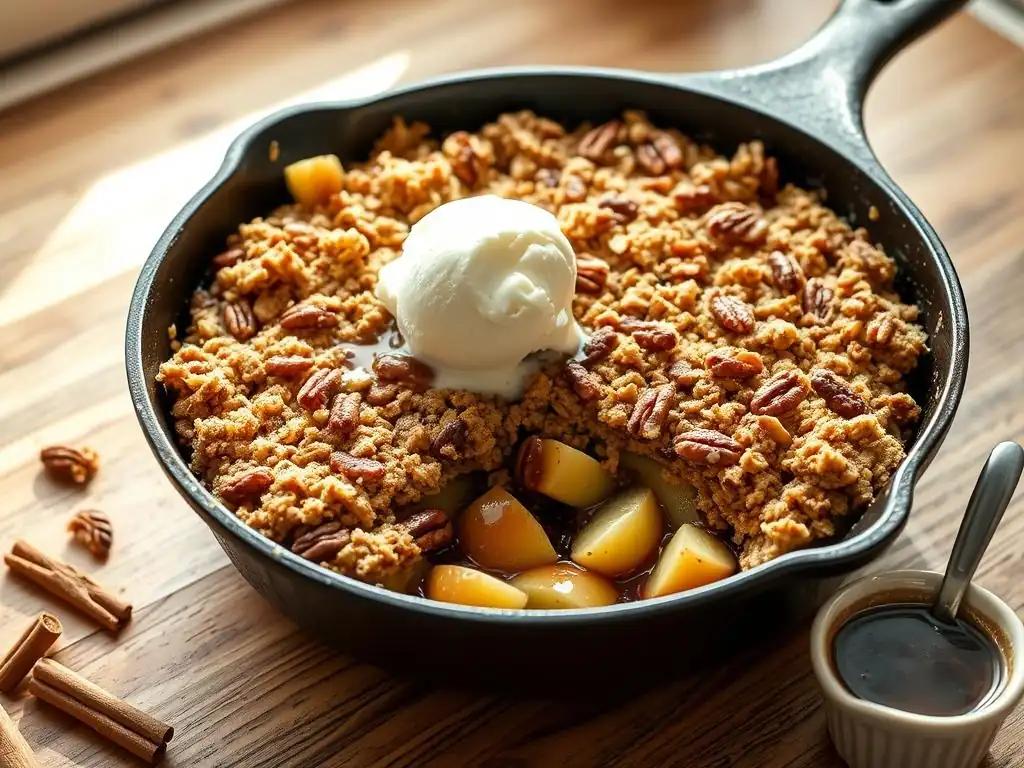
Tip #1: Preparing the Apples
Choosing the Right Apples for Apple Crisp
Selecting the appropriate apple variety is the first crucial step in preventing a soggy crisp. Apples vary significantly in their moisture content, sweetness, and how well they hold their shape when baked. Varieties like Granny Smith are popular because their tartness provides a nice contrast to the sweet topping, and they tend to hold their shape well, releasing less excess liquid compared to softer, sweeter apples like McIntosh or Red Delicious.
Other good choices include Honeycrisp, Fuji, Jonagold, and Braeburn. A common strategy is to use a mix of two or three varieties – perhaps combining a tart apple (like Granny Smith) with a sweeter, firmer one (like Honeycrisp) to achieve a balanced flavor and texture profile. Using firmer apples helps ensure the fruit layer doesn't turn into applesauce, which would release excessive moisture into the topping and contribute to sogginess, especially in a one pan caramel apple preparation where moisture is confined.
Properly Slicing Apples for Optimal Texture
How you slice your apples also impacts the final texture and moisture release. Thick slices (roughly 1/4 to 1/2 inch thick) are generally preferred over thin ones. Thicker slices maintain their structure better during baking and release moisture more slowly and evenly. If slices are too thin, they cook down quickly, becoming mushy and releasing a flood of liquid all at once.
Peeling the apples is standard practice for apple crisp, though some prefer to leave the peels for added texture and nutrients. After slicing, some bakers toss the apples with a small amount of flour, cornstarch, or tapioca starch (about 1-2 tablespoons per 2-3 lbs of apples) before adding them to the pan. This starch acts as a thickener, binding the released juices and reducing the amount of liquid that reaches the topping. This step is highly recommended, particularly when using juicier apples or making a one pan caramel apple crisp where moisture management is key.
Tip #2: Creating the Perfect Topping
The Ideal Ratio of Oats, Flour, and Butter for a Crispy Topping
Achieving a truly crispy topping hinges on the correct balance of dry and wet ingredients. As mentioned before, a good starting point is often equal parts flour and rolled oats, with about half the amount of cold butter by weight. For example, using metric measurements common in some baking circles, you might start with 150g flour, 150g rolled oats, and 75g cold butter. The butter should be cut into small cubes or grated and then cut into the dry ingredients until the mixture resembles coarse crumbs with some pea-sized pieces of butter remaining.
Using too much butter can result in a greasy topping, while too little won't provide enough fat to crisp the dry ingredients properly. Similarly, an imbalance between flour and oats can affect texture; more flour results in a cakier crumble, while more oats yield a chewier crisp. Experimenting slightly with these ratios based on your preference and the moisture level of your apples is encouraged, but starting with a proven ratio is key to success in your one pan caramel apple creation.
Adding Nuts and Spices to Enhance Texture and Flavor
Beyond the basic flour, oats, and butter, incorporating other ingredients can significantly enhance both the texture and flavor of your crisp topping. Chopped nuts, such as pecans, walnuts, or almonds, add a delightful crunch and depth of flavor. They also contribute additional fat, which aids in crisping. A typical amount might be 1/2 to 1 cup of chopped nuts for a standard recipe.
Spices like cinnamon, nutmeg, allspice, and ginger are classic additions that complement the apples beautifully. They should be mixed in with the dry ingredients. A common spice blend for a large crisp might include 1-2 teaspoons of cinnamon and a pinch of nutmeg. While spices don't directly affect crispness, they elevate the overall flavor profile, making the dessert more appealing. Brown sugar is often preferred over white sugar in toppings for its moisture and molasses notes, which pair wonderfully with apples and caramel flavors in a one pan caramel apple crisp.
Tip #3: Optimizing Baking Temperature and Time
Finding the Sweet Spot: Optimal Baking Temperature
The oven temperature plays a critical role in ensuring both the apples cook through and the topping becomes golden and crisp without burning. A common temperature range for apple crisp is between 350°F (175°C) and 375°F (190°C). Baking at too low a temperature might result in the apples releasing too much moisture before the topping has a chance to set and crisp, leading to sogginess.
Conversely, baking at too high a temperature can cause the topping to brown or even burn before the apples are fully tender. A temperature of 375°F often provides a good balance, allowing the topping to crisp while the heat penetrates to soften the apples. For a one pan caramel apple crisp, where the caramel might brown faster, keeping a close eye on the temperature and potentially lowering it slightly or tenting the crisp with foil might be necessary if the topping is browning too quickly.
Preventing Sogginess Through Proper Baking Time
The duration of baking is just as crucial as the temperature. Apple crisp typically bakes for 30 to 45 minutes, sometimes longer, depending on the thickness of the apple layer and the oven. You know it's ready when the topping is golden brown and crunchy, and the apple juices are visibly bubbling around the edges of the pan, often thickening slightly. You can also gently poke an apple slice with a fork through the topping to check for tenderness.
Underbaking is a major contributor to sogginess, as it doesn't allow enough time for the released apple juices to thicken or for the topping to fully dry out and crisp. If the topping is browning too fast but the apples aren't done, loosely covering the crisp with aluminum foil can help.
This protects the topping from direct heat while allowing the apples to continue cooking. Ensuring the apples are tender and the juices are bubbling indicates that sufficient moisture has been released and is thickening, reducing the risk of a soggy bottom and ensuring your one pan caramel apple is perfect.
Apple Crisp Recipe: A Tested and Approved Method
Ingredients List for the Perfect Apple Crisp
Here is a list of ingredients for a classic apple crisp, suitable for a standard 8x8 or 9x9 inch baking dish, which can be adapted for a one pan caramel apple version by adding caramel sauce to the apple mixture.
- For the Apples:
- Approx. 2 lbs (about 6-8 medium) baking apples (like Granny Smith, Honeycrisp, or a mix), peeled, cored, and sliced about 1/4-1/2 inch thick
- 1/4 cup granulated sugar (adjust based on apple sweetness)
- 1/4 cup brown sugar, packed
- 1 tablespoon all-purpose flour or cornstarch (for thickening)
- 1 teaspoon ground cinnamon
- 1/4 teaspoon ground nutmeg
- 1 tablespoon lemon juice (optional, brightens flavor)
- Pinch of salt
- Optional for One Pan Caramel Apple: 1/4 cup prepared caramel sauce
- For the Topping:
- 1 cup rolled oats (not quick-cooking)
- 1/2 cup all-purpose flour
- 1/2 cup brown sugar, packed
- 1/4 cup granulated sugar
- 1/2 teaspoon ground cinnamon
- 1/4 teaspoon salt
- 1/2 cup (1 stick) cold unsalted butter, cut into small cubes
- Optional: 1/2 cup chopped nuts (pecans, walnuts)
Step-by-Step Baking Instructions
Follow these steps for a delicious and crispy apple crisp. This method is effective for a standard crisp and can be easily adapted for your one pan caramel apple creation.
- Preheat your oven to 375°F (190°C). Lightly grease your baking dish (or the single pan if making a one pan caramel apple).
- In a large bowl, combine the sliced apples, granulated sugar, brown sugar, flour/cornstarch, cinnamon, nutmeg, lemon juice (if using), and salt. Toss gently to coat the apples evenly. If making a one pan caramel apple, stir in the caramel sauce now.
- Pour the apple mixture into the prepared baking dish or pan, spreading it out in an even layer.
- In a separate medium bowl, combine the rolled oats, flour, brown sugar, granulated sugar, cinnamon, and salt for the topping. Whisk briefly to combine.
- Cut the cold butter into the dry ingredients using a pastry blender, fork, or your fingertips until the mixture resembles coarse crumbs with some larger, pea-sized pieces of butter remaining. If using nuts, stir them in now.
- Evenly sprinkle the topping mixture over the apple layer in the pan. Ensure the topping is distributed relatively evenly.
- Place the dish on a baking sheet (to catch any potential drips, especially with caramel) and bake for 35-45 minutes, or until the topping is golden brown and the apple juices are bubbling thickly around the edges. If the topping browns too quickly, loosely tent the dish with aluminum foil.
- Once baked, remove from the oven and let it cool slightly on a wire rack for at least 10-15 minutes before serving. This allows the juices to thicken further, which helps prevent sogginess.
- [ ] Preheat oven and grease pan.
- [ ] Prepare and season apples.
- [ ] Transfer apples to pan.
- [ ] Prepare topping ingredients.
- [ ] Cut butter into dry ingredients.
- [ ] Add nuts (optional).
- [ ] Sprinkle topping over apples.
- [ ] Bake until golden and bubbling.
- [ ] Cool slightly before serving.
Troubleshooting Common Apple Crisp Problems
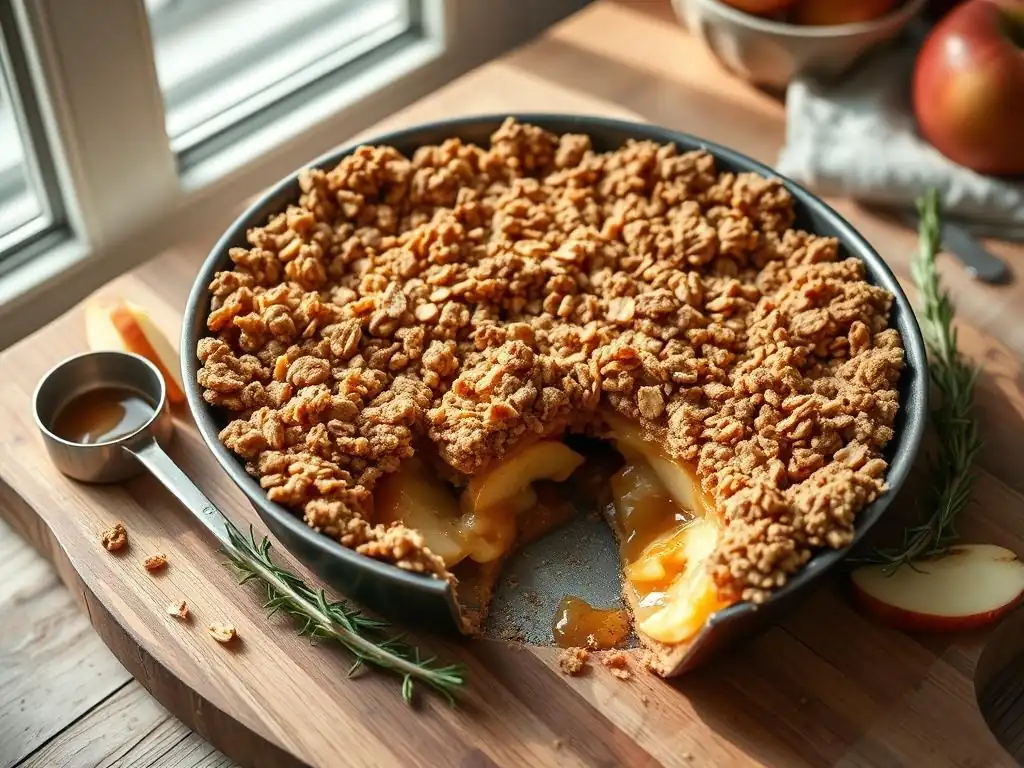
My Apple Crisp is Too Soggy: What Went Wrong?
A soggy apple crisp is usually the result of excess moisture. Several factors can contribute to this. First, consider the type of apples used; very juicy or soft varieties release more liquid. Ensure you're using firmer baking apples or a mix that includes them. Second, check if you used a thickener like flour or cornstarch with the apples; this step is crucial for binding juices. Did you use enough, or perhaps skip it?
Third, the issue might be in the baking process. Underbaking doesn't allow enough time for moisture to evaporate and juices to thicken. Ensure you bake until the juices are visibly bubbling and slightly thickened. Finally, verify your topping ratio; too little dry ingredient or too much butter can affect its ability to crisp. For a one pan caramel apple, the added caramel can also contribute moisture, making proper apple preparation and baking time even more critical.
The Topping is Burning Before the Apples are Cooked: Solutions
This is a common problem when the oven temperature is too high or the topping contains ingredients that brown very quickly, like a high ratio of sugar or nuts. If you notice the topping is getting too dark while the apples are still firm, the simplest solution is to loosely cover the baking dish with aluminum foil. This creates a barrier that protects the topping from direct radiant heat, allowing the apples underneath to continue cooking and soften without the topping burning.
Another potential cause is placing the crisp too high in the oven, where the direct heat from the top element is strongest. Try moving the crisp to a lower rack position, perhaps the middle or slightly below. Ensure your oven temperature is accurate; sometimes ovens can run hotter than the setting indicates. Using a separate oven thermometer can help verify this. Adjusting your baking time or temperature slightly in future attempts based on your oven's performance will help prevent this issue with your next one pan caramel apple.
My Apples are Too Tart: How to Fix It
If your finished apple crisp tastes too tart, it likely means you used a large proportion of very tart apples, like Granny Smith, without enough sugar or a balance from sweeter varieties. For the current crisp, unfortunately, there's not much you can do after baking to significantly reduce the tartness within the apple layer itself.
However, you can mitigate the tartness when serving. Offer the crisp warm with accompaniments that add sweetness and richness, such as a scoop of vanilla ice cream, a dollop of whipped cream, or an extra drizzle of caramel sauce (which would be perfect for a one pan caramel apple that needed more sweetness). For future crisps, adjust the sugar amount mixed with the apples, use a higher ratio of sweeter apples in your mix, or consider adding a touch more brown sugar to the apple mixture before baking, as brown sugar adds both sweetness and depth.
Serving and Storing Your Apple Crisp
Best Ways to Serve Apple Crisp (Warm vs. Cold)
Apple crisp is almost universally considered best served warm. The heat softens the apples to a perfect tender texture and enhances their flavor, while the topping maintains a lovely crispness contrasting with the warm fruit. Serving it warm also allows any added caramel (in a one pan caramel apple) to be slightly gooey and melty.
It is traditional and highly recommended to serve apple crisp warm with a scoop of vanilla ice cream. The cold, creamy ice cream melting into the warm fruit and crisp topping is a truly delightful experience. Other popular accompaniments include whipped cream, custard sauce, or a drizzle of extra caramel sauce. While it can be eaten cold, the textures are often less distinct, and the flavors can seem slightly muted compared to a warm serving.
Proper Storage Techniques to Maintain Crispness
Storing apple crisp properly is key to preserving the topping's texture. Once completely cooled, cover the baking dish tightly with plastic wrap or aluminum foil, or transfer leftovers to an airtight container. Store the crisp in the refrigerator for up to 3-4 days. Storing it at room temperature is not recommended due to the cooked fruit content.
When you want to enjoy leftovers, reheating is the best way to revive the textures, especially the crispness of the topping. Reheat individual servings in a microwave for a quick warm-up (though this might soften the topping slightly). For best results in maintaining crispness, reheat the crisp in an oven or toaster oven at around 300-325°F (150-160°C) for 10-15 minutes, or until heated through. This gentle heat allows the topping to crisp up again. This works well whether it's a standard crisp or a one pan caramel apple variation.
Elevate Your Apple Crisp: Variations and Add-ins
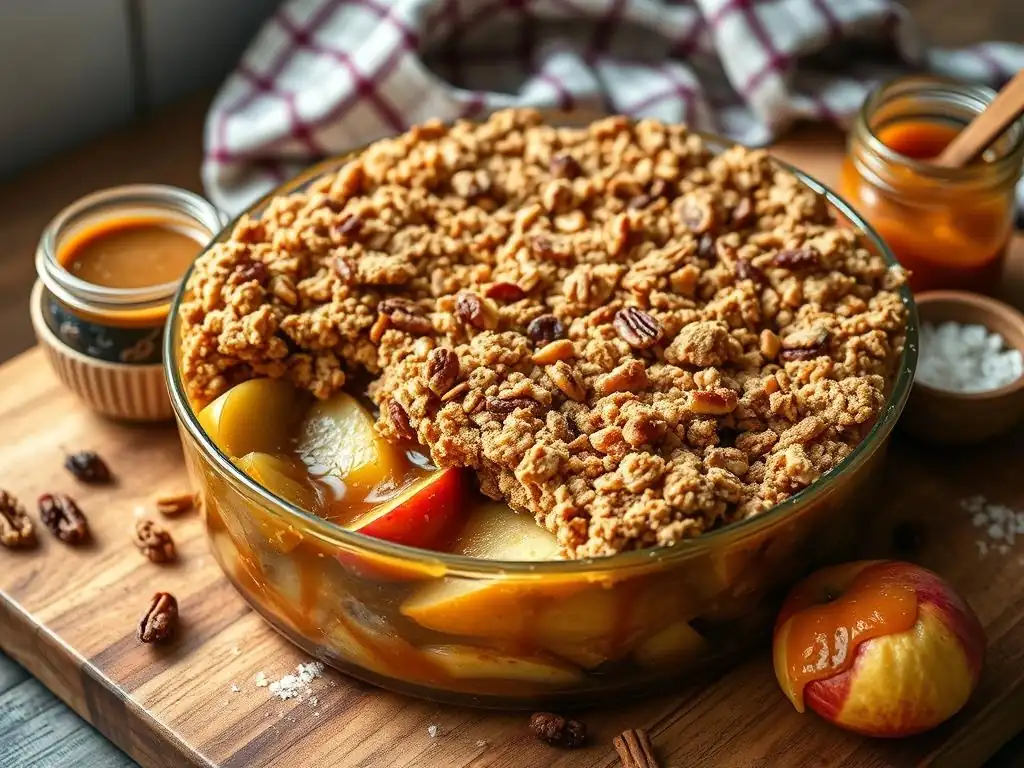
Adding a Touch of Spice: Cinnamon, Nutmeg, and More
While cinnamon and nutmeg are classic partners for apples, don't hesitate to explore other spices to add complexity and warmth to your crisp. A pinch of ground ginger can add a subtle warmth and slight bite that complements the sweetness. Allspice, which tastes like a combination of cinnamon, nutmeg, and cloves, is another excellent addition.
For a more complex flavor profile, consider adding a tiny pinch of ground cloves or cardamom. These spices are potent, so use them sparingly. You can add these spices to both the apple filling and the crisp topping. For instance, adding 1/4 teaspoon of ground ginger to the apple mixture alongside the cinnamon and nutmeg can significantly enhance the overall aroma and taste of your one pan caramel apple crisp.
Exploring Different Toppings: Streusel, Crumble, and Oat-Based
The classic apple crisp topping is typically oat-based, providing a chewy texture alongside the crunch. However, you can vary the topping significantly. A streusel topping often uses a higher ratio of flour to oats (or no oats at all), resulting in a more crumbly, sometimes cakier texture. This is made by cutting cold butter into flour, sugar, and sometimes nuts and spices until large crumbs form.
Another variation is a simple crumble, which is similar to a streusel but often results in larger clumps. Some recipes use melted butter instead of cold, cut-in butter, which can create a denser, less crumbly texture. While the oat-based crisp topping is excellent for achieving maximum crunch due to the oats' texture and surface area, experimenting with a flour-heavy streusel can offer a different but equally delicious textural contrast to the soft apples, whether in a standard crisp or a one pan caramel apple.
Other Variations (e.g., Berry Apple Crisp)
Apple crisp provides a fantastic base for incorporating other fruits, adding layers of flavor and sometimes affecting moisture levels. A very popular variation is berry apple crisp, where you combine apples with berries like blueberries, raspberries, or blackberries. Berries release a lot of juice when baked, so you'll definitely need to increase the amount of thickener (flour or starch) used with the fruit mixture, perhaps doubling it to 2-3 tablespoons per 2-3 lbs of fruit, to prevent the crisp from becoming excessively watery and the topping from getting soggy.
Other fruit combinations include pear and apple, or adding dried cranberries or raisins to the apple mixture for bursts of chewy sweetness. For a festive twist, consider adding chopped cranberries (fresh or frozen) to your apple mix during the holidays; their tartness pairs well with apples and sugar. These variations keep the dessert fresh and exciting, building upon the classic apple crisp foundation, even when adapting it for a one pan caramel apple twist.
Conclusion: Enjoying the Perfect Apple Crisp
Recap of Key Tips
Achieving a perfect, non-soggy apple crisp, including a luscious one pan caramel apple version, is entirely within reach for any home baker. Remember the key strategies: selecting the right apples (firmer, baking varieties), preparing them properly (thick slices, using a thickener), creating a balanced topping (correct ratio of oats, flour, butter, sugar), and optimizing your baking process (correct temperature and time, potentially tenting with foil if needed).
Paying attention to moisture management from start to finish – from choosing apples to letting the crisp cool slightly before serving – is paramount. By following these insider tips, you can consistently produce an apple crisp with tender, flavorful fruit and that irresistible, crunchy topping everyone loves.
We hope these tips empower you to bake the best apple crisp you've ever made. Whether you're trying a classic recipe or tackling a one pan caramel apple masterpiece, the joy is in the process and the delicious result. We love seeing what our community bakes! Share photos of your perfectly crisp creations and let us know which tips made the biggest difference for you. Happy baking!
Frequently Asked Questions
How does using one pan simplify the caramel apple crisp recipe?
Using one pan minimizes cleanup and streamlines the baking process, allowing for easy assembly and baking in a single dish. This makes it a convenient and time-saving option for busy bakers.
What causes sogginess in a caramel apple crisp, and how does this recipe address it?
Sogginess is often caused by excess moisture from the apples. This recipe likely includes tips such as pre-cooking the apples or using a starch to absorb excess liquid, resulting in a crispier texture.
What types of apples are best suited for a caramel apple crisp made in one pan?
Firm apples that hold their shape during baking, such as Granny Smith, Honeycrisp, or Fuji, are ideal. Softer apples may break down too much and contribute to a soggy final product.
How can I ensure the caramel is evenly distributed and doesn't burn in a one-pan crisp?
Even distribution is key; the recipe likely advises using a high-quality caramel sauce and spreading it evenly over the apples before adding the topping. Monitoring the baking process closely will also help prevent burning.
Can I adapt this one-pan caramel apple crisp recipe for dietary restrictions, such as gluten-free or vegan?
Yes, you can often adapt recipes. Use gluten-free flour in the topping for a gluten-free version. For a vegan option, substitute vegan butter and ensure the caramel sauce is dairy-free and vegan-friendly.
Final Reflection: Embracing the Sweetness of Simplicity
In a world where culinary trends often prioritize complexity over comfort, the art of creating a delicious one-pan caramel apple crisp stands as a testament to the beauty of simplicity. This dish not only brings together the rich flavors of caramel and apples but also embodies the essence of home cooking—where joy and nourishment intersect. As we navigate our busy lives, finding joy in straightforward recipes like this one can be a refreshing reminder that deliciousness doesn’t have to come with a long list of ingredients or complicated steps.
Cooking is not just about feeding the body; it’s about nourishing the soul. The one-pan caramel apple crisp serves as a bridge between generations, inviting us to share moments of warmth and connection with loved ones. As we gather around the table, we create memories that linger long after the last bite. Food is not just what we eat; it’s how we connect with each other.
This dish encourages us to slow down, savor the flavors, and appreciate the simple pleasures in life, reinforcing the idea that the best recipes often come from the heart.
As you reflect on the insights shared in this article, I invite you to embrace the spirit of culinary exploration in your own kitchen. Take the time to create your own one-pan caramel apple crisp, and let it be a catalyst for connection and joy in your life. Whether it’s a family gathering or a quiet evening at home, let this dish inspire you to celebrate the sweetness of simplicity and the warmth of shared experiences. Your kitchen is a canvas; make it a place where memories are made and flavors are cherished.
Unlock Your Inner Pastry Chef: Master the Perfect Crisp!
Thanks for taking the time to explore the secrets of a perfectly crisp, never-soggy, caramel apple delight! We hope you've picked up some invaluable tips to elevate your baking game. Ready to put your new skills to the test?
- Bake your masterpiece! Grab those apples and ingredients and create your own OnePan Caramel Apple Crisp using the techniques you just learned. Share your results with us – we can’t wait to see them!
- Adapt and experiment! Try substituting different apples or adding a sprinkle of cinnamon or nutmeg for a unique twist on this classic dessert.
- Share the sweetness! Tag us on social media (@BakeWithEase) with pictures of your amazing creations and inspire others to achieve crispy perfection.
What unique ingredient will you experiment with in your next OnePan Caramel Apple Crisp?