
Adding Nuts and Dried Fruit to Your Rustic Loaf

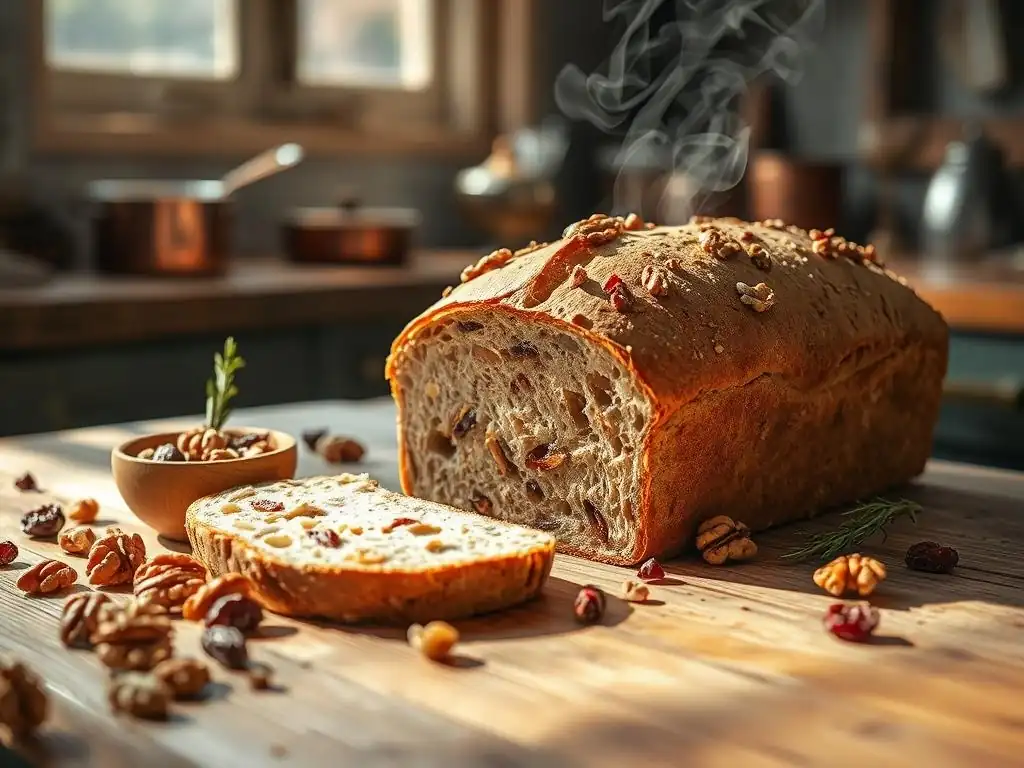
Welcome to BakeWithEase, your kitchen companion on a journey to baking brilliance!
Ever dreamt of crafting a perfectly textured, flavor-packed loaf? This week, we're diving deep into the art of elevating your bread with nature's gems. Discover how to transform your humble dough into a masterpiece with our guide to creating a delicious rustic loaf nut recipe. But what's the secret to achieving that ideal balance of crunch, chew, and subtle sweetness? Let's unlock the secrets together and bake something truly extraordinary!
- Adding Nuts and Dried Fruit to Your Sourdough Loaf: A Baker's Guide
- Elevate Your Sourdough: Nut and Dried Fruit Combinations
- Choosing the Right Nuts and Dried Fruit for Your Sourdough Loaf
- Preparing Nuts and Dried Fruit for Your Sourdough Dough
- Step-by-Step Guide: Incorporating Nuts and Dried Fruit into Sourdough
- Sourdough Nut Recipe Variations and Tips
- Serving and Storing Your Nut and Dried Fruit Sourdough Loaf
- Frequently Asked Questions
- Final Reflection: The Enduring Appeal of the Rustic Loaf
- Unleash Your Inner Baker: Craft the Perfect Rustic Loaf!
Adding Nuts and Dried Fruit to Your Sourdough Loaf: A Baker's Guide
Elevate Your Sourdough: Nut and Dried Fruit Combinations
Why Add Nuts and Dried Fruit to Sourdough? Flavor and Texture Depth
Adding nuts and dried fruit to your sourdough isn't just about throwing in extra ingredients; it's a deliberate act to enhance both the flavor profile and the textural experience of the bread. The natural tang of sourdough provides a beautiful counterpoint to the sweetness of dried fruit and the earthy, sometimes slightly bitter notes of nuts.
Imagine a slice of warm sourdough where chewy pockets of hydrated raisins meet the satisfying crunch of toasted walnuts – it creates a dynamic eating experience that a plain loaf simply can't offer. This interplay of flavors and textures makes a simple rustic loaf nut recipe truly shine.
Beyond taste, these additions significantly alter the bread's texture. Nuts contribute a firm, often brittle crunch that contrasts with the soft, airy crumb of a well-baked sourdough. Dried fruits, once hydrated, add pockets of chewy sweetness that keep the crumb moist and interesting. For instance, incorporating about 15-20% of the total flour weight in a mix of nuts and fruit can transform a standard loaf into a complex, satisfying bread perfect for breakfast or a cheese board. This textural depth is a key reason why bakers experiment with variations on the classic rustic loaf nut recipe.
Understanding Sourdough Characteristics for Optimal Additions
Working with sourdough means understanding its unique properties, particularly its acidity and long fermentation process. Sourdough starters produce organic acids, primarily lactic and acetic acids, which give the bread its characteristic tang. These acids can interact with additions; for example, they can help balance the sweetness of dried fruits. The fermentation process also means the dough develops strength and structure over a long period, often several hours or even days. This slow development is crucial for handling the weight and potential distribution challenges posed by nuts and fruits.
The hydration level of your base sourdough dough is another critical factor when adding inclusions. A higher hydration dough (say, 75% or more) can often accommodate a larger quantity of nuts and fruit without becoming too dense or difficult to handle. However, you must account for the moisture that dried fruit will either absorb from the dough or release if not properly hydrated beforehand. A successful rustic loaf nut recipe considers how these additions will impact the overall moisture balance and dough handling throughout fermentation and baking.
Choosing the Right Nuts and Dried Fruit for Your Sourdough Loaf
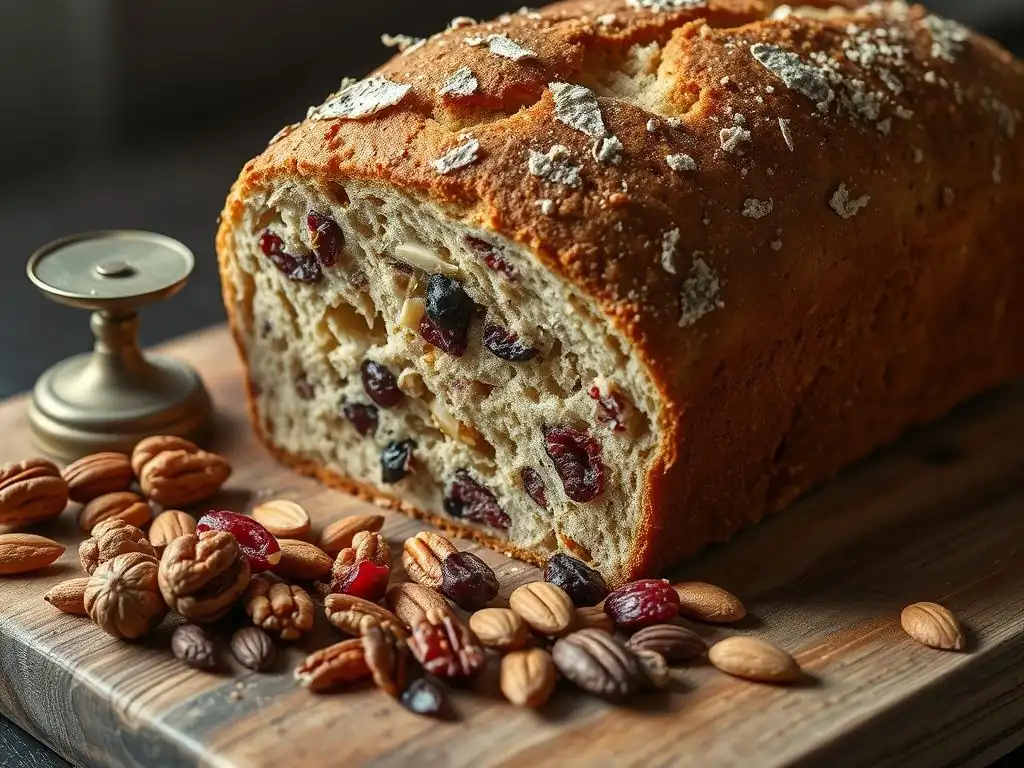
Best Nuts for Sourdough: Walnuts, Pecans, Hazelnuts, and Almonds
Certain nuts consistently perform well in sourdough due to their flavor, texture, and interaction with the baking process. Walnuts are perhaps the most classic choice for a rustic loaf nut recipe, offering a robust, slightly bitter flavor that complements the sourdough tang beautifully. Pecans provide a sweeter, buttery note. Hazelnuts, especially when toasted, add a rich, earthy depth. Almonds, in sliced or slivered form, offer a delicate crunch and mild flavor. The key is often using nuts that are not too oily, as excessive oil can sometimes affect crumb structure.
When selecting nuts, consider their size and how they will distribute within the dough. Larger pieces offer distinct bites, while smaller pieces or chopped nuts integrate more evenly. For example, a rustic loaf nut recipe might call for roughly chopped walnuts for prominent texture, or finely chopped almonds for a more subtle inclusion. A common starting point is adding nuts equivalent to 10-15% of the total flour weight, though this can be adjusted based on preference. Ensuring quality, fresh nuts is paramount, as stale nuts can impart off-flavors.
Dried Fruit Selection: Raisins, Cranberries, Apricots, and Dates in Sourdough
Dried fruits bring sweetness, chewiness, and often a touch of tartness to sourdough, creating delightful pockets of flavor. Raisins are a traditional favorite, offering consistent sweetness and moisture. Dried cranberries provide a pleasant tartness that cuts through the richness of the bread and any accompanying nuts. Chopped dried apricots add a vibrant color and a tangy-sweet flavor. Dates, particularly Medjool dates chopped into smaller pieces, contribute a deep, caramel-like sweetness and a soft, chewy texture.
The moisture level of the dried fruit is important. Overly dry fruit can pull moisture from the dough during fermentation and baking, resulting in a drier crumb around the fruit. Conversely, very moist fruit might make the dough sticky in localized areas. Hydrating dried fruit before adding it is a crucial step for achieving a balanced crumb texture in a rustic loaf nut recipe. Aim for a quantity typically ranging from 10% to 20% of the total flour weight, depending on how fruit-forward you want the loaf to be.
Balancing Flavors: Pairing Nuts and Dried Fruit for a Complementary Sourdough
Creating a harmonious flavor profile in your sourdough involves thoughtful pairing of nuts and dried fruits. Classic combinations work well because their flavors naturally complement each other. Walnut and raisin is a time-honored pairing, with the walnut's earthiness grounding the raisin's sweetness. Pecan and dried cranberry offers a delightful contrast between buttery nut and tart fruit. Hazelnut pairs wonderfully with dried apricot, creating a rich, slightly tangy profile.
Consider the intensity of the flavors. Stronger nuts like walnuts can stand up to tangier fruits like cranberries or apricots, while milder nuts like almonds might pair better with sweeter fruits like raisins or dates. The goal is not to have one ingredient overpower the others, but for them to enhance the overall complexity of the bread. Experimentation is key to finding your favorite combination for your perfect rustic loaf nut recipe.
Preparing Nuts and Dried Fruit for Your Sourdough Dough
Toasting Nuts: Enhancing Flavor in Your Sourdough Loaf
Toasting nuts before adding them to your sourdough dough is a simple step that yields significant flavor benefits. Toasting brings out the nuts' natural oils and deepens their flavor, transforming them from merely textural additions into flavorful components. This process also improves their crunch and can make them less likely to turn soft during baking. You can toast nuts in a dry pan over medium heat, stirring frequently until fragrant, or spread them on a baking sheet and toast in an oven preheated to around 300°F to 325°F (150°C-160°C) for 10-15 minutes, watching closely to prevent burning.
Allow toasted nuts to cool completely before adding them to the dough. Warm nuts can affect the dough temperature and potentially the fermentation rate. Cooling also allows them to crisp up. For a rustic loaf nut recipe, the subtle nutty flavor enhancement from toasting makes a noticeable difference in the final bread's aroma and taste.
Hydrating Dried Fruit: Achieving a Moist Sourdough Crumb
Hydrating dried fruit is essential for preventing it from absorbing moisture from your dough during the long fermentation and baking process. Dry fruit will compete with the flour for water, potentially leading to a dry crumb around the fruit pieces. Soaking the fruit ensures it's plump and soft before it even enters the dough.
To hydrate, place the dried fruit in a bowl and cover it with hot water, juice (like apple or orange), or even a spirit (like rum or brandy for extra flavor). Let it soak for 20-30 minutes, or until plump. Drain the fruit thoroughly and pat it dry with a clean towel before adding it to the dough. This step is vital for a successful rustic loaf nut recipe, contributing to a consistently moist and tender crumb.
Chopping and Sizing: Ensuring Even Distribution in Sourdough
The size and shape of your nuts and dried fruit will impact how they distribute within the dough and the final texture of the loaf. Nuts should generally be chopped to a size that allows them to be easily incorporated without tearing the gluten network excessively. Large chunks can be difficult to distribute evenly and may create large voids. Aim for pieces roughly the size of a large pea or slightly larger, depending on the overall size of your loaf.
Dried fruit should also be chopped if the pieces are large (like apricots or dates). Raisins can often be left whole, but chopping can help distribute their sweetness more evenly. The goal is to have additions that are substantial enough to provide flavor and texture but not so large or heavy that they sink to the bottom during proofing. Consistent sizing helps ensure that every slice of your rustic loaf nut recipe contains a good mix of inclusions.
Step-by-Step Guide: Incorporating Nuts and Dried Fruit into Sourdough
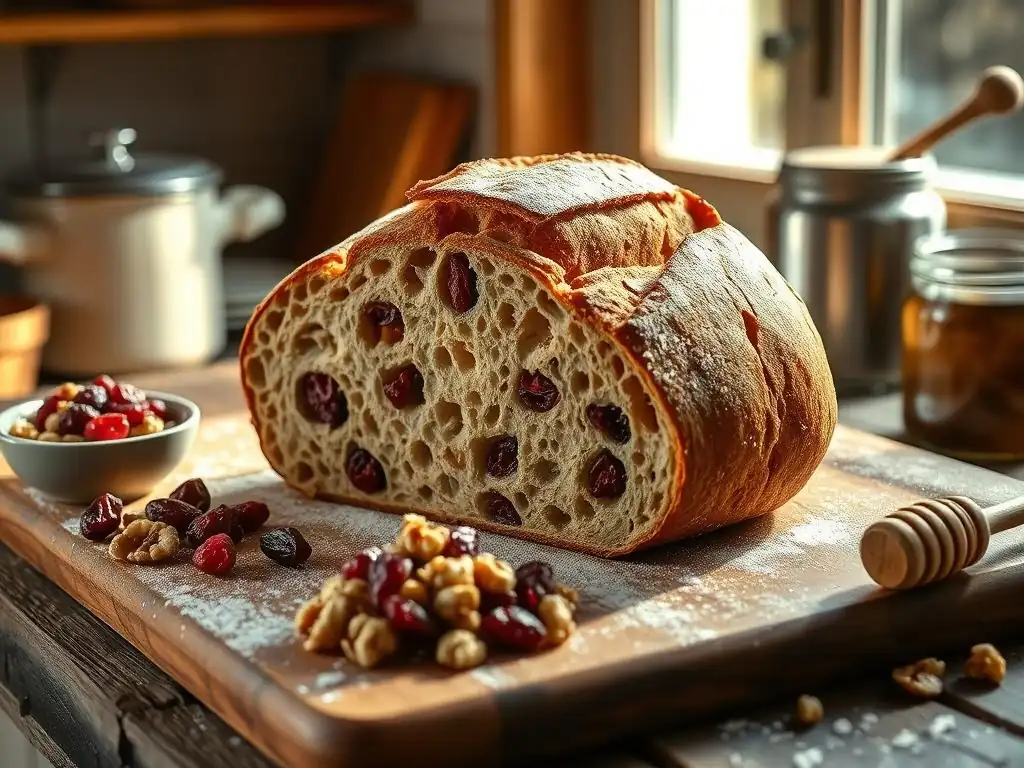
The Dough Stage: Adding Nuts and Dried Fruit During the Lamination Process
One of the most effective ways to incorporate nuts and dried fruit into sourdough is during the lamination stage. Lamination involves gently stretching the dough out into a thin, rectangular sheet. Once stretched, you can sprinkle the prepared nuts and fruit evenly over the surface of the dough. This method allows for excellent distribution of the additions throughout the dough layers.
After sprinkling, the dough is folded up like an envelope. This traps the nuts and fruit within the layers. This process is typically done after the initial bulk fermentation phase, often after 2-3 sets of stretch and folds, when the dough has developed some strength but is still pliable. Incorporating at this stage minimizes disruption to the developing gluten structure compared to adding them at the very beginning of mixing.
Folding Techniques: Gently Incorporating Additions into Sourdough
If you're not laminating, or in addition to lamination, you can use gentle folding techniques to incorporate inclusions. After adding the nuts and fruit (perhaps during the second or third set of stretch and folds), use your hands to gently fold the dough. Avoid aggressive kneading, which can damage the gluten network and crush the additions.
During stretch and folds, as you stretch the dough upwards, sprinkle some of the additions onto the stretched portion before folding it back over. Repeat this around the bowl until all additions are incorporated. Alternatively, you can turn the dough out onto a clean surface and perform a series of letter folds, sprinkling additions between each fold. The key is to be gentle and ensure the additions are distributed relatively evenly throughout the mass.
Proofing and Baking: Adjusting Time and Temperature for Fruit and Nut Sourdough
Adding nuts and dried fruit can slightly impact proofing times. The added weight can sometimes cause the dough to spread more, requiring slightly more careful handling during shaping. The inclusions themselves don't significantly alter the fermentation rate, but the overall mass and density of the dough might require minor adjustments to your usual bulk fermentation and proofing schedule. Keep an eye on the dough's rise and feel rather than sticking rigidly to time.
During baking, nuts and dried fruit can be prone to scorching, particularly if they are exposed on the surface of the loaf. Baking in a Dutch oven or using a baking stone with steam can help prevent this by creating a humid environment in the initial phase.
Some bakers also recommend slightly reducing the baking temperature (by 10-15°F or 5-8°C) during the second half of the bake (after the lid is removed from a Dutch oven) to prevent the exposed fruit and nuts from burning while the interior finishes baking. A typical baking temperature range might be around 450°F (230°C) initially, reduced to 400°F-425°F (200°C-220°C).
Sourdough Nut Recipe Variations and Tips
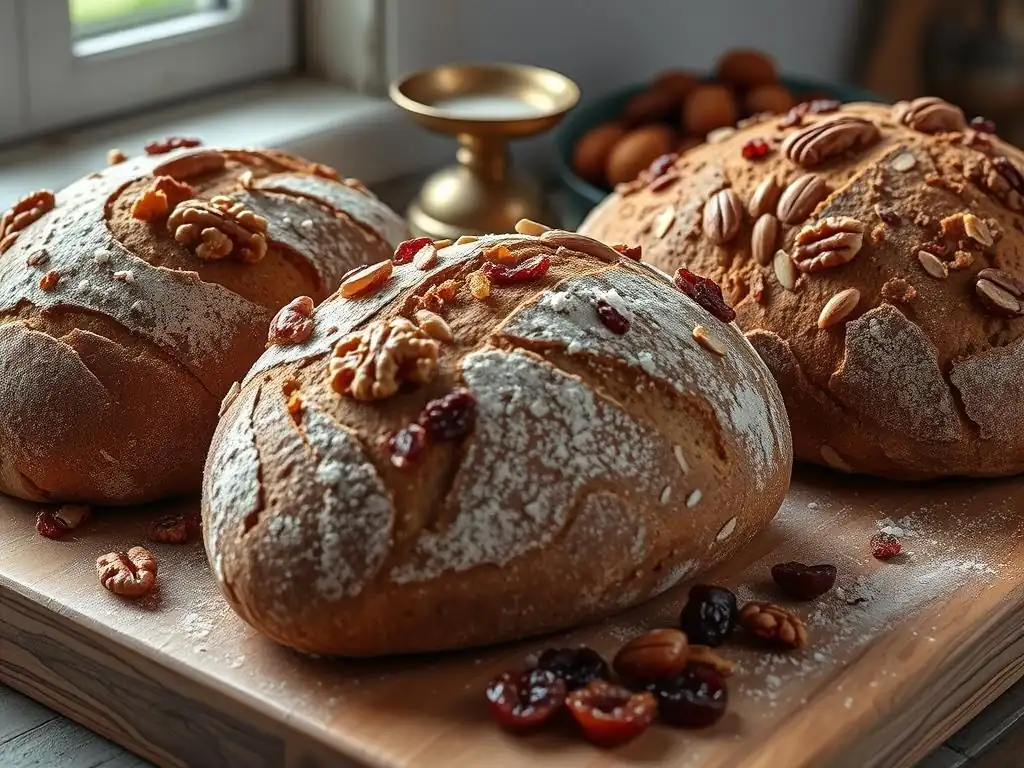
Experimenting with Different Flour Combinations for a Nutty Sourdough Loaf
The type of flour you use can significantly influence the flavor and texture of a rustic loaf nut recipe. While a basic white bread flour provides a neutral base, incorporating whole wheat, rye, or spelt flour can add layers of complexity that pair wonderfully with nuts and fruit. For instance, adding 10-20% whole wheat flour lends an earthy note that complements walnuts or pecans beautifully. A touch of rye flour (perhaps 5-10%) introduces a slightly tangy, rustic flavor that works well with dried cranberries or apricots.
Using a mix of flours also affects the dough's hydration needs and handling characteristics. Whole grains absorb more water than white flour, so you may need to adjust your hydration accordingly. Experimenting with these flour combinations allows you to tailor the bread's foundation to the specific nuts and fruits you are using, creating unique variations of the classic rustic loaf nut recipe.
Adjusting Hydration Levels for a Fruit-Filled Sourdough
When adding dried fruit, it's often necessary to slightly adjust the overall hydration of your dough. While hydrating the fruit beforehand helps, the fruit still adds mass and can influence the dough's consistency. If you are adding a significant amount of fruit (say, 20% or more of the flour weight), you might find that your dough feels wetter than usual, even after hydrating the fruit.
Conversely, if your fruit was not fully hydrated, it might pull moisture from the dough. A good rule of thumb is to assess the dough's feel after incorporating the fruit and nuts. If it seems significantly wetter than your usual dough at that stage, you might need a very slight reduction in initial water (perhaps a few grams per 100 grams of fruit). If the dough feels stiff or dry, ensure your fruit was adequately soaked. Experience with your base rustic loaf nut recipe dough will guide these minor adjustments.
Troubleshooting: Preventing Nuts and Dried Fruit from Sinking
A common issue when adding inclusions is having them sink to the bottom of the loaf during proofing or baking. This results in an uneven distribution, with a dense layer of nuts and fruit at the base and plain bread on top. There are several strategies to prevent this in your rustic loaf nut recipe.
- Proper Preparation: Ensure nuts are not too large and fruit is adequately drained after hydrating. Excess moisture or weight contributes to sinking.
- Even Incorporation: Use methods like lamination or gentle folding to distribute additions throughout the dough layers, rather than just mixing them in roughly.
- Dough Strength: Ensure your dough has developed sufficient gluten strength through proper mixing and stretch and folds before adding inclusions. A strong dough can better support the weight of the additions.
- Proofing Control: Avoid overproofing. An overproofed dough loses structural integrity and is more prone to collapse and sinking. Shape the loaf with good tension and bake it when it's perfectly proofed.
Serving and Storing Your Nut and Dried Fruit Sourdough Loaf
Perfect Pairings: Enjoying Your Sourdough with Cheese, Honey, or Wine
A beautifully baked rustic loaf nut recipe is a versatile bread that pairs wonderfully with a variety of accompaniments. The combination of tangy sourdough, sweet fruit, and earthy nuts makes it a natural partner for cheeses. Consider sharp cheddar, creamy brie, or a tangy goat cheese. The flavors complement each other beautifully.
Drizzling a slice with good quality honey enhances the sweetness of the fruit and adds another layer of flavor. It's also excellent served simply with butter. For a more sophisticated pairing, consider enjoying a slice with a glass of wine. A fruit-forward red or a slightly sweet white wine can highlight the flavors of the bread.
Storage Tips: Keeping Your Sourdough Fresh and Delicious
Proper storage is key to enjoying your rustic loaf nut recipe for as long as possible. Once the loaf has cooled completely, store it at room temperature. The best way to keep the crust crisp is to store the loaf cut-side down on a cutting board. For longer storage or if your environment is dry, wrap the cooled loaf in a linen bread bag or a paper bag. Avoid plastic bags, as they trap moisture and can make the crust soft and the loaf prone to mold.
If the crust softens over time, you can often refresh it by placing the loaf in a warm oven (around 300°F or 150°C) for 10-15 minutes. This helps to re-crisp the exterior while warming the interior.
Freezing and Reheating: Preserving Your Nut and Dried Fruit Sourdough
If you won't finish your rustic loaf nut recipe within a few days, freezing is an excellent option to preserve its quality. Ensure the loaf is completely cooled. You can freeze the whole loaf or slice it first. Wrap the loaf or slices tightly in plastic wrap, then place it in a freezer-safe bag or foil. This double layer of protection helps prevent freezer burn. It can be stored in the freezer for up to 2-3 months.
To reheat a whole frozen loaf, remove all wrapping and place the frozen loaf directly into a cold oven. Set the oven to 350°F (175°C) and bake for 30-40 minutes, or until heated through and the crust is crisp. For frozen slices, you can simply pop them into a toaster or reheat them on a baking sheet in a warm oven for a few minutes until warm and slightly crisp.
Frequently Asked Questions
What kind of nuts work best in a rustic loaf?
While personal preference is key, hearty nuts like walnuts, pecans, and almonds generally hold their shape and flavor well during baking. Consider toasting them lightly before adding them to enhance their taste.
Can I use any dried fruit in this recipe?
Yes! Dried cranberries, raisins, apricots, and figs are all excellent choices. Experiment to find your favorite combination, but ensure the dried fruit is properly hydrated before adding it.
How much nut and dried fruit should I add to the dough?
A good starting point is about 1 cup of nuts and 1 cup of dried fruit per loaf. However, you can adjust the amount to your liking, keeping in mind that too much can affect the dough's structure.
At what point in the baking process do I incorporate the nuts and dried fruit?
Gently fold the nuts and dried fruit into the dough after the first rise and before shaping the loaf. This ensures even distribution without overworking the dough.
Can I use frozen fruit instead of dried fruit?
It's generally not recommended to use frozen fruit directly, as it can add too much moisture and affect the dough's texture. If you must use frozen fruit, thaw and drain it thoroughly before adding it to the dough.
Final Reflection: The Enduring Appeal of the Rustic Loaf
The humble rustic loaf, elevated by the simple addition of nuts and dried fruits, speaks to a timeless desire for wholesome, comforting food. This seemingly simple act of baking connects us to generations past, while simultaneously offering a delicious and adaptable recipe for the modern kitchen. The enduring popularity of this classic bread, enhanced by the textural and flavorful complexity of added ingredients, highlights our ongoing appreciation for both tradition and culinary creativity.
The impact of this simple recipe extends beyond the immediate satisfaction of a warm, nutty loaf. It represents a return to simpler times, a focus on quality ingredients, and a celebration of the craft of baking. It's a reminder that sometimes the most profound experiences come from the most basic of actions. Bread is the staff of life,
a saying as old as time itself, perfectly encapsulates the fundamental importance and enduring comfort this simple food provides. This recipe, I hope, has helped you appreciate that staff a little more deeply.
Now, I invite you to consider your own relationship with food and baking. Perhaps this recipe will inspire you to experiment with different nut and fruit combinations, to explore the nuances of flour and yeast, or simply to share the joy of freshly baked bread with loved ones. Remember the satisfaction of creating something delicious and nourishing with your own hands. The rustic loaf, in all its simple glory, is a testament to the power of mindful creation and the enduring pleasure of sharing a truly satisfying meal.
Unleash Your Inner Baker: Craft the Perfect Rustic Loaf!
Thanks for joining us on this delicious journey into rustic bread baking! We hope you've gained some valuable tips and inspiration for creating your own masterpiece. Now it's time to put your newfound knowledge to the test!
- Take the leap and bake! Try adding your favorite nuts and dried fruits to your next loaf – experiment with different combinations and see what delicious surprises you discover!
- Share your creation: Post a picture of your rustic loaf on social media and tag us @BakeWithEase – we’d love to see your baking triumphs!
- Dive deeper into our recipe collection: Explore our website for more inspiring bread recipes and baking techniques to expand your skills.
What unique flavor combination will you create for your next rustic loaf? Let us know in the comments below!