
Whole Wheat Cookies Turning Tough? Make Them Soft and Nutty

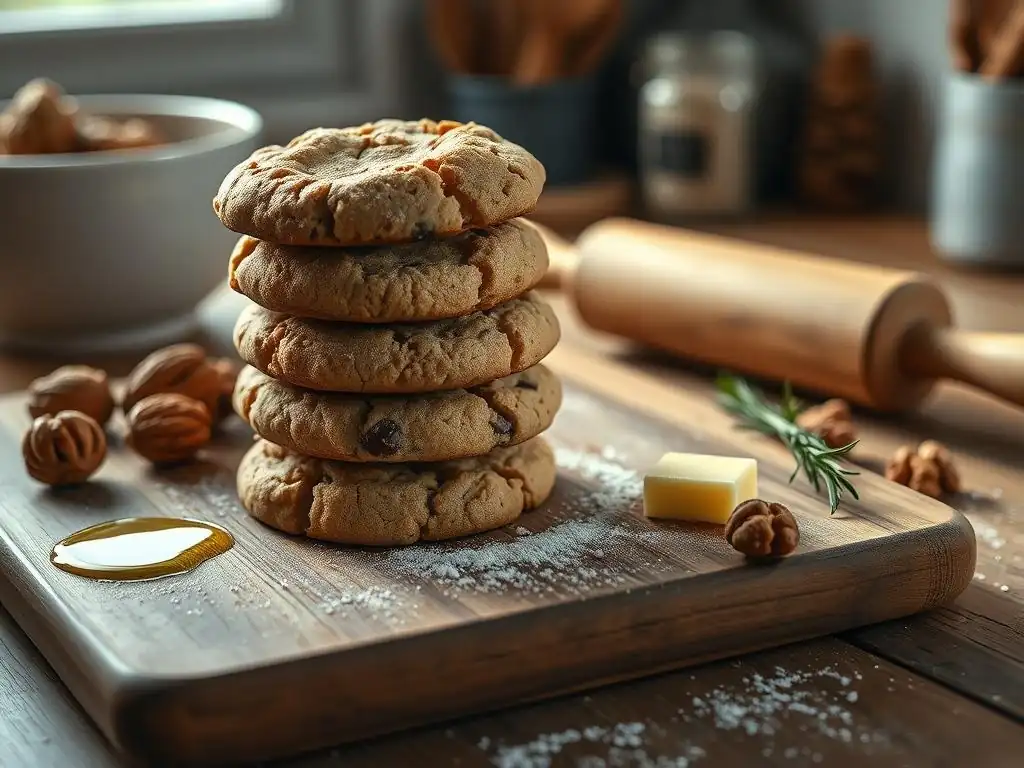
Welcome to BakeWithEase, your haven for unlocking baking brilliance! Tired of tough cookies? Discover the secret to achieving the perfect soft whole wheat cookies recipe with our expert tips and tricks. Unlock the secrets to a tender crumb and nutty flavor, and say goodbye to dry, disappointing bakes. Read on to revolutionize your whole wheat cookie game!
- Baking Soft Whole Wheat Cookies: A Guide to Success
- Troubleshooting Toughness in Whole Wheat Cookies
- Understanding the Causes of Hard Whole Wheat Cookies
- Keys to a Soft and Flavorful Whole Wheat Cookie Recipe
- Baking Perfect Soft Whole Wheat Cookies: A Detailed Recipe
- Enhancing Flavor and Texture: Creative Additions
- Achieving the Perfect Soft Whole Wheat Cookie: Recap
-
Frequently Asked Questions
- What makes whole wheat cookies turn out tough instead of soft?
- How can I ensure my soft whole wheat cookies recipe produces a tender crumb?
- What are some tips for avoiding overmixing the dough when making whole wheat cookies?
- Can I substitute ingredients to make my soft whole wheat cookies recipe healthier?
- How should I store my soft whole wheat cookies to keep them from getting stale?
- Final Reflection: The Enduring Allure of a Perfectly Soft Cookie
- Unlock the Secret to Perfectly Soft Whole Wheat Cookies!
Baking with whole wheat flour offers wonderful flavor and nutrition, but it can sometimes lead to cookies that are less tender than desired. If your whole wheat cookies are turning out tough or dense, don't worry! This guide will walk you through the common culprits and provide a reliable soft whole wheat cookies recipe to help you achieve that perfect balance of chewy texture and nutty flavor.
Achieving a soft texture in whole wheat cookies requires understanding how whole wheat flour behaves differently than refined flour. Its higher protein content and the presence of the bran and germ can contribute to increased gluten development, which is great for bread but can make cookies tough if not managed correctly. Identifying the source of toughness is the first step to baking success.
Common issues like overmixing, inaccurate measuring, and overbaking are frequent causes of hard cookies, regardless of the flour type. However, these issues are amplified when using whole wheat flour due to its inherent characteristics. Let's explore these factors in detail to understand how they impact the final texture of your soft whole wheat cookies recipe.
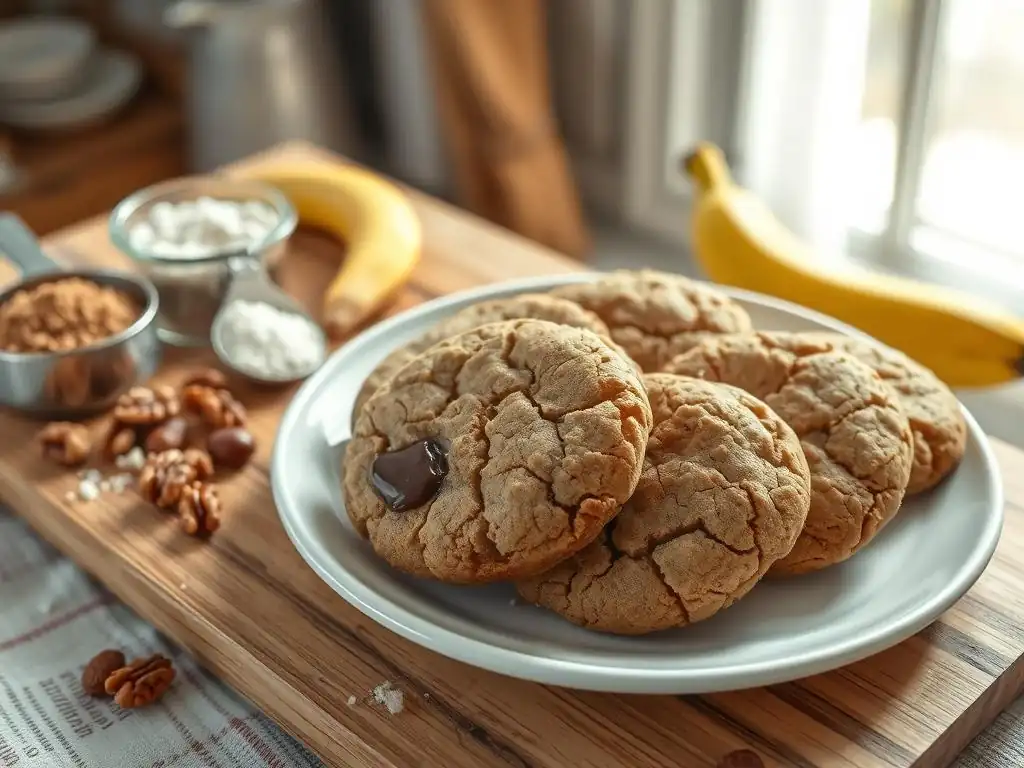
Overmixing the Dough: Preventing Gluten Overdevelopment
Overmixing is perhaps the most common reason cookies turn out tough, especially when using whole wheat flour. When flour is mixed with liquid, gluten, a protein network, begins to develop. The more you mix, the stronger and more elastic this network becomes. While essential for the structure of bread, excessive gluten development in cookies results in a hard, sometimes rubbery texture instead of a tender, crumbly one.
Whole wheat flour typically contains a higher percentage of protein than all-purpose flour, often ranging from 13% to 14%, compared to 10% to 12% in all-purpose. This higher protein content means gluten develops more readily and quickly. Therefore, minimizing mixing once the flour is added is crucial. Mix just until the dry ingredients are incorporated – a few streaks of flour are acceptable and will disappear during resting or baking.
Measuring Flour Accurately: Achieving the Right Ratio
Using too much flour is another significant factor contributing to tough cookies. Flour acts as the primary structure builder in most baked goods. Adding more flour than the recipe intends throws off the balance of ingredients, particularly the fat and moisture content, which are key to tenderness. An excess of flour means there's more protein available for gluten development and less fat and moisture to inhibit it.
The most accurate way to measure flour is by weight using a kitchen scale. Scooping flour directly from the bag with a measuring cup can compress the flour, adding significantly more than intended – sometimes 20-30% more than a properly spooned and leveled cup. For example, a standard cup of all-purpose flour weighs about 120-125 grams, while a scooped cup can weigh 140 grams or more. Using a scale ensures you use the correct amount, leading to a more consistent and softer result in your soft whole wheat cookies recipe.
Avoiding Overbaking: Monitoring for Doneness
Baking cookies for too long, even by just a minute or two, can lead to a dry, hard texture. Heat continues to set the structure of the cookie and evaporate moisture as it bakes. Whole wheat cookies, with their denser texture and often darker color from the bran, can be tricky to judge for doneness. They might appear done on the outside while still being slightly underbaked in the center, which is often ideal for softness after cooling.
Look for visual cues rather than relying solely on the clock. Soft whole wheat cookies are usually done when the edges are set and lightly golden, but the centers still look a bit soft or slightly underbaked. They will continue to cook slightly from residual heat as they cool on the baking sheet. Removing them at this point is key to preserving moisture and achieving that coveted soft and chewy texture.
Managing Gluten in Whole Wheat Flour
As mentioned, whole wheat flour's higher protein content and the presence of bran and germ influence gluten development. Bran particles can actually cut through gluten strands during mixing, which might seem counterintuitive to toughness. However, the higher overall protein content means that even with some disruption, a strong gluten network can still form if overmixed or if the dough is handled too vigorously.
Effective gluten management in a soft whole wheat cookies recipe involves several strategies: using creaming method (mixing butter and sugar first) to coat flour particles with fat, which inhibits gluten formation; adding liquids gradually; and, most importantly, mixing gently and only until just combined after adding the flour. Allowing the dough to rest can also help the flour hydrate without excessive mixing, sometimes contributing to a more tender crumb.
Crafting a truly soft whole wheat cookie involves more than just avoiding common mistakes. It also requires a careful selection and balance of ingredients specifically chosen to enhance tenderness and flavor when working with whole wheat flour.
Selecting the Appropriate Whole Wheat Flour
Not all whole wheat flours are created equal. The type of wheat used (hard vs. soft) and how finely the flour is milled can impact the final texture. Hard wheat varieties have higher protein content, better suited for bread. Soft wheat varieties have lower protein, making them better for cakes and pastries. While most readily available whole wheat flour is from hard wheat, a finer grind or even a blend can yield softer results in cookies.
Consider using whole wheat pastry flour if you can find it. This type of flour is milled from soft wheat and has a lower protein content (around 10-11%), much closer to all-purpose flour, which significantly helps in achieving a tender crumb in a soft whole wheat cookies recipe. If using standard whole wheat flour, ensuring it's fresh is also important, as older flour can sometimes lead to drier results.
The Role of Fats: Balancing Butter and Oil
Fats play a critical role in tenderness by coating flour particles and shortening gluten strands, hence the term "shortening." Butter provides flavor and helps with spread, while oil is even more effective at preventing gluten development because it is 100% fat (butter is about 80-82% fat and contains water). A combination of softened butter and a liquid oil (like vegetable or canola) can provide the best of both worlds: flavor from butter and enhanced tenderness from oil.
Using softened, but not melted, butter is crucial in the creaming method. Creaming butter and sugar incorporates air, which helps with leavening and creates a tender structure. The fat coats the sugar crystals, and these coated crystals then help separate the flour particles when added. Using a mix, for instance, 3/4 cup (170g) softened butter and 1/4 cup (60ml) vegetable oil, can yield a wonderfully soft texture in your whole wheat cookies recipe.
Leveraging Sweeteners for Moisture and Flavor: Brown Sugar and Maple Syrup
Sweeteners do more than just add sweetness; they also contribute to moisture and texture. Granulated sugar tends to make cookies crispier, while brown sugar, with its molasses content, adds moisture and chewiness. Using a higher proportion of brown sugar to granulated sugar is a classic technique for achieving soft cookies.
Liquid sweeteners like maple syrup or honey also add moisture and can contribute to a softer texture. Maple syrup offers a complementary flavor profile that pairs beautifully with whole wheat.
Substituting a portion of the granulated sugar with brown sugar or adding a tablespoon or two of maple syrup can significantly improve the softness and depth of flavor in your soft whole wheat cookies recipe. For example, a recipe calling for 1 cup (200g) granulated sugar could use 1/2 cup (100g) granulated sugar and 1/2 cup (100g) packed light brown sugar, or even 3/4 cup (150g) brown sugar and 1/4 cup (50g) granulated sugar.
Incorporating Moisture-Rich Ingredients: Mashed Banana for Softness
Adding ingredients that naturally contain moisture and fat can further enhance the softness of whole wheat cookies. Mashed ripe banana is an excellent example. It adds natural sweetness, moisture, and a subtle flavor that works well with whole wheat and spices. The pectin and natural sugars in banana help keep the cookies tender.
Just a small amount, like 1/4 to 1/2 cup (about 60-120g) of mashed ripe banana per batch, can make a noticeable difference in texture, contributing to a wonderfully soft whole wheat cookies recipe. Other options include applesauce or pumpkin puree, although these might introduce more distinct flavors. The key is to add moisture without making the dough too wet, which could lead to excessive spread.
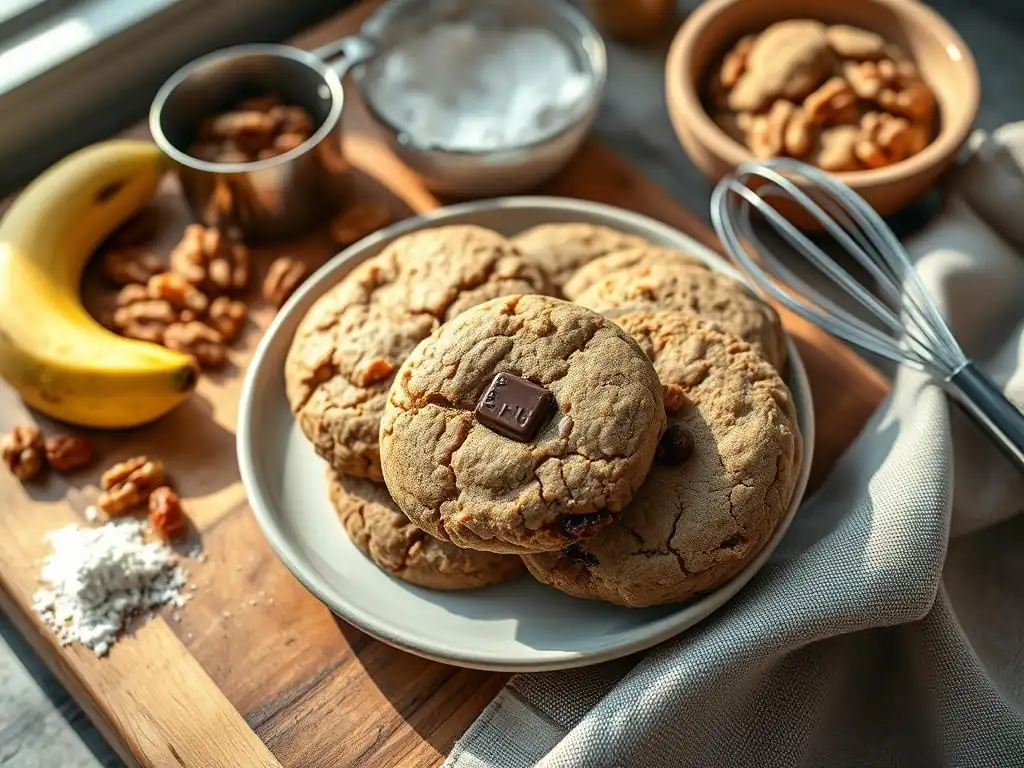
Ready to put these tips into practice? Here is a reliable soft whole wheat cookies recipe designed for maximum tenderness and flavor.
This recipe balances ingredients and techniques to ensure a soft, chewy, and flavorful result every time.
Ingredients for Soft Whole Wheat Cookies
- 1 cup (170g) unsalted butter, softened
- 1/4 cup (60ml) vegetable oil
- 3/4 cup (150g) packed light brown sugar
- 1/4 cup (50g) granulated sugar
- 2 large eggs, room temperature
- 1 teaspoon vanilla extract
- 1/4 cup (60g) mashed ripe banana (optional, for extra softness)
- 2 cups (240g) whole wheat flour (preferably fine grind or pastry flour)
- 1 teaspoon baking soda
- 1/2 teaspoon salt
- 1 cup (about 170g) chocolate chips or chopped nuts (optional additions)
Mixing the Dough: Techniques for a Tender Crumb
Follow these steps carefully to avoid overmixing and promote a soft texture:
- [ ] In a large bowl, cream together the softened butter, vegetable oil, brown sugar, and granulated sugar using an electric mixer on medium speed until light and fluffy, about 2-3 minutes. This incorporates air and helps create a tender crumb.
- [ ] Beat in the eggs one at a time, mixing well after each addition.
- [ ] Stir in the vanilla extract and mashed banana (if using).
- [ ] In a separate medium bowl, whisk together the whole wheat flour, baking soda, and salt.
- [ ] Gradually add the dry ingredients to the wet ingredients, mixing on low speed just until combined. Stop mixing as soon as no dry flour streaks are visible. Do not overmix!
- [ ] If adding chocolate chips or nuts, gently fold them in with a spatula.
- [ ] Cover the dough and chill for at least 30 minutes (or up to 2 days). Chilling helps the flavors meld, the flour hydrate, and prevents excessive spread during baking, contributing to a thicker, softer cookie.
Baking Time and Temperature: Finding the Ideal Balance
Precise baking is crucial for soft cookies.
- [ ] Preheat your oven to 350°F (175°C). Line baking sheets with parchment paper.
- [ ] Scoop dough using a cookie scoop or by dropping rounded tablespoons onto the prepared baking sheets, spacing them about 2 inches apart.
- [ ] Bake for 9-12 minutes, depending on your oven and cookie size. The edges should be set and lightly golden, while the centers still look slightly soft and underbaked. They may not look fully cooked in the middle – this is key!
- [ ] Remove from the oven and let the cookies cool on the baking sheets for 5-10 minutes before transferring them to a wire rack to cool completely. They will continue to set as they cool.
Cooling and Storage: Maintaining Softness and Freshness
Proper cooling and storage help preserve the soft texture of your whole wheat cookies.
- [ ] Allow cookies to cool completely on a wire rack before storing. Storing warm cookies creates condensation, which can make them soggy.
- [ ] Store cooled cookies in an airtight container at room temperature.
- [ ] For extra softness, you can place a slice of bread inside the container with the cookies. The cookies will absorb moisture from the bread, keeping them soft. Replace the bread slice every few days.
- [ ] Enjoy your delicious, soft whole wheat cookies!
Enhancing Flavor and Texture: Creative Additions
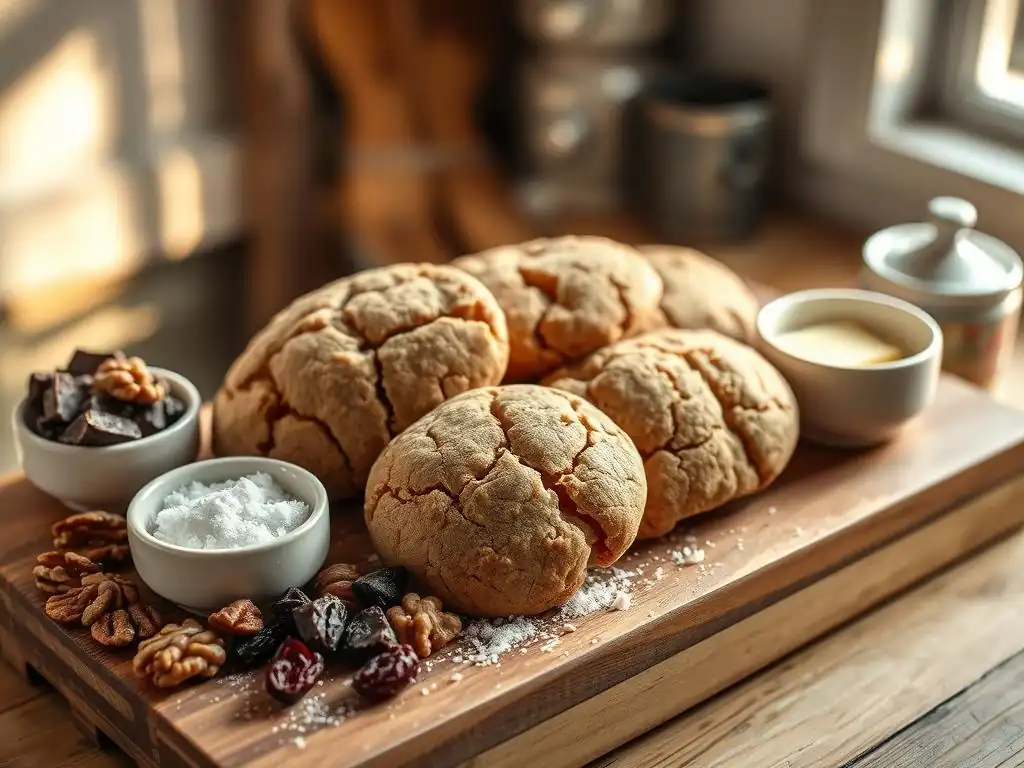
While the base soft whole wheat cookies recipe is fantastic on its own, adding mix-ins can introduce new dimensions of flavor and texture.
Adding Nuts and Seeds: Walnuts, Pecans, and Flax Seeds
Nuts like chopped walnuts or pecans add a wonderful crunch and nutty flavor that complements the whole wheat. They also contribute healthy fats. Seeds such as flax seeds (ground or whole) or chia seeds can be stirred into the dough for added nutrition and a slight textural change, though they can absorb moisture, so use sparingly. A typical addition would be 1/2 cup to 1 cup (50-100g) of chopped nuts or seeds.
Incorporating Chocolate: Dark, Milk, or White Chocolate Chips
Chocolate chips are a classic cookie addition for a reason. Dark chocolate provides a rich, slightly bitter contrast to the sweetness, while milk or white chocolate adds creamy sweetness. The melting chocolate pockets also contribute to a soft, gooey texture within the cookie. Use about 1 cup (170g) of your favorite type of chocolate chips, or a mix. For an extra touch, press a few extra chips onto the tops of the warm cookies right after they come out of the oven.
Spices for Depth: Cinnamon, Cardamom, and Ginger
Warm spices pair exceptionally well with the nutty flavor of whole wheat. Adding a teaspoon of cinnamon, a half-teaspoon of ground ginger, or a pinch of cardamom can add complexity and depth to your soft whole wheat cookies recipe. Spices like nutmeg or allspice can also be used in smaller quantities. Start with smaller amounts and adjust to your preference in future batches.
Adding a Touch of Citrus: Zest for Brightness
A little citrus zest can brighten the overall flavor profile and cut through the richness of the butter and whole wheat. The finely grated zest of half a small orange or a whole lemon can add a subtle, refreshing note that elevates the cookie. Add the zest to the wet ingredients along with the vanilla extract.
Baking soft whole wheat cookies is entirely achievable with the right approach. By paying attention to your ingredients, mixing technique, and baking process, you can consistently produce tender, flavorful cookies that everyone will love.
Key Takeaways for Baking Success
- Use accurate measurements, preferably by weight, especially for flour.
- Avoid overmixing the dough once the flour is added.
- Don't overbake; look for visual cues of doneness (set edges, slightly soft center).
- Consider using whole wheat pastry flour or a fine grind for a more tender result.
- Balance fats (butter and oil) and use brown sugar for moisture.
- Optional moisture boosters like mashed banana can enhance softness.
Common Mistakes to Avoid
- Scooping flour directly from the bag.
- Mixing the dough vigorously after adding flour.
- Baking until the cookies look fully set and golden brown all over.
- Using only granulated sugar.
- Not chilling the dough (optional but recommended for best texture).
With these tips and the provided soft whole wheat cookies recipe, you're well on your way to baking delicious, tender treats. Share them with friends and family, or simply enjoy them yourself with a glass of milk or a cup of tea. Happy baking!
Frequently Asked Questions
Whole wheat flour contains more gluten than all-purpose flour, which can lead to a tough texture if overmixed. Also, overbaking can dry out the cookies, making them hard.
Using a combination of whole wheat and all-purpose flour can help. Adding ingredients like molasses or brown sugar also contributes to moisture retention and a softer texture.
Mix the wet and dry ingredients until just combined. Avoid excessive stirring after the flour is added. Overmixing develops gluten, leading to a tougher cookie.
Yes, you can substitute some of the butter with applesauce or mashed banana for a lower-fat option. You can also reduce the amount of sugar or use a natural sweetener like honey or maple syrup.
Store the cookies in an airtight container at room temperature. Adding a slice of bread to the container can help maintain moisture and keep them soft for longer.
The quest for the perfect soft whole wheat cookie transcends mere recipe following; it's a journey into the heart of comfort food and the power of mindful baking. In a world increasingly dominated by fast-paced living and processed ingredients, the simple act of creating something wholesome and delicious from scratch offers a profound sense of satisfaction. This article explored the challenges of achieving that perfect texture with whole wheat flour and offered solutions to create cookies that are both nutritious and undeniably delightful.
The enduring appeal of a soft, nutty whole wheat cookie lies in its ability to evoke cherished memories and create new ones. It's a taste of home, a symbol of care, and a testament to the transformative power of simple ingredients. As we navigate the complexities of modern life, the comforting ritual of baking, and the joy of sharing these cookies with loved ones, becomes increasingly valuable. Baking is at once child's play and adult joy. And love, of course.
– Alma Flor Ada. This quote perfectly encapsulates the emotional connection we forge with food, especially when it's made with intention and shared with others.
Now, I invite you to consider the possibilities. Don't just bake these cookies; experience them. Notice the subtle nuances of flavor, the satisfying chew, and the warmth that spreads through you with each bite. Let this recipe be a springboard for your own culinary explorations, a reminder that even the simplest acts of creation can bring immense joy and connection. Embrace the imperfections, celebrate the successes, and most importantly, savor the delicious results. The journey to the perfect soft whole wheat cookie is a journey worth taking.
Thanks for joining us on this baking adventure! We hope you learned some valuable tips for achieving that perfectly soft and nutty whole wheat cookie texture. Ready to put your newfound knowledge to the test?
- Bake a batch of your own amazing whole wheat cookies using your favorite recipe (or try ours!). Don't forget to adjust the baking time based on what you learned!
- Share your cookie creations with us on social media using #BakeWithEaseWholeWheat – we'd love to see them!
- Experiment with different nuts and spices to find your perfect flavor combination. Get creative!
What unique twist will you add to your next batch of whole wheat cookies?