
Cookie Cutter Curation: Shape, Material, and Creative Uses

Welcome to BakeWithEase, your haven for all things baking! Ever wondered how to truly personalize your creations beyond just the frosting? This week, we're diving deep into the fascinating world of personalized cookie cutter designs. Discover how to shape your treats into unique masterpieces, explore the best materials for crafting your cutters, and unlock creative uses you never imagined. Intrigued? Read on to unleash your inner cookie artist!
- Cookie Cutter Curation: Shape, Material, and Creative Uses for Personalized Baking
- Understanding Cookie Cutters: A Baker's Essential Tool
- Materials Matter: Choosing the Right Cookie Cutter Material
- Personalized Cookie Cutter Designs: Unleash Your Creativity
- Creative Uses Beyond Cookies: Expanding Your Baking Repertoire
- Maintaining Your Cookie Cutters for Longevity
- Elevating Your Baking with Unique Cookie Cutter Shapes
-
Frequently Asked Questions
- How can BakeWithEase help me create personalized cookie cutter designs?
- What types of materials are best for making personalized cookie cutters?
- Where can I find inspiration for my personalized cookie cutter designs?
- Can I use my personalized cookie cutters for things other than cookies?
- How do I care for my personalized cookie cutters to ensure they last?
- Final Reflection: Beyond the Cut: Embracing the Personal in Cookie Cutter Creation
- Unleash Your Inner Cookie Artist!
Cookie cutters are handheld tools designed to cut dough into precise shapes, from classic circles to intricate snowflakes. By pressing the cutter into rolled-out dough—usually between 3 mm and 5 mm thick—you ensure uniform cookies that bake evenly. Bakers rely on these shapes not only for aesthetics but also for consistent baking times; a 4 cm-wide cutter yields cookies that finish in about 8–10 minutes at 175 °C, whereas a 6 cm cutter can take 12–14 minutes.
Beyond baking, cookie cutters double as molding tools for fondant, cheese slices, and even pressed sandwiches. Home bakers and professionals alike find that investing in a basic set of 5–10 shapes (circles, stars, hearts, trees, and gingerbread men) covers most occasions—from birthdays to holiday gatherings.
Shapes range from simple geometric cutters (circles from 2 cm up to 10 cm in diameter) to elaborate silhouettes like unicorns, dinosaurs, or even company logos. A 3.8 cm gingerbread person cutter is a staple in most kitchens, while a 7.5 cm snowflake design adds holiday flair. Specialty sizes can shrink-wrap mini cookies for tea service—think 2 cm hearts—or churn out oversized cookies (12 cm stars) for cookie cakes.
Shapes also influence dough handling: tight corners demand firmer dough at a lower hydration level (around 20% water), whereas rounded shapes tolerate stickier doughs up to 30% hydration. For example, a circular cutter with a 5 cm diameter will produce clean lines with a 25% sugar cookie recipe, but an intricate lace design performs best with a slightly stiffer dough.
Cheap, thin cookie cutters often warp after a few uses, causing irregular edges and inconsistent thickness. In contrast, premium stainless steel cookie cutters—0.5 mm gauge or thicker—maintain shape under pressure and deliver crisp outlines even after hundreds of cuts. Commercial bakers report reducing waste by up to 15% when switching to sturdier cutters, thanks to fewer miscuts.
Moreover, well-finished edges prevent dough from sticking inside the cutter’s cavity, accelerating production in busy kitchens. Brands like Ateco and Wilton offer food-grade, welded-edge designs that withstand daily use, minimizing downtime for scraping and re-cutting.

Metal cutters, typically made from stainless steel or tin-plated steel, score high for longevity and edge retention. They resist bending and deliver razor-sharp angles, essential for complex shapes. Professional pastry chefs often stock dozens of stainless steel cutters because they tolerate high-volume production—upwards of 500 cookies per day—without deformation.
“A sharp, sturdy edge guarantees every cookie comes out perfect,” says Chef Ricardo López of Sweet Art Bakery, which uses over 60 different cutter shapes daily for custom orders.
Stainless Steel Cookie Cutters: A Rust-Resistant Option
Stainless steel—with at least 18% chromium—forms a passive oxide layer that prevents corrosion, even after repeated washing. Typical gauges range from 0.5 mm to 1 mm, offering a balance of flexibility and strength. A 0.7 mm-thick stainless cutter cuts through rolled sugar dough effortlessly, leaving no metal residue in the mix.
Cleaning is simple: a quick hand wash with warm water and mild soap, followed by air-drying, keeps them ready for the next batch. Commercial kitchens appreciate that these cutters can endure dishwashers, although hand washing extends their lifespan beyond 5 years of heavy use.
Copper Cookie Cutters: Classic Style and Performance
Copper cutters, prized for their aesthetic sheen, also conduct heat rapidly, slightly warming dough edges to produce ultra-crisp cookies. While tin-lined copper is preferred for food safety, pure copper adds visual appeal on dessert tables. A set of 8 copper cutters—from hearts (5 cm) to scalloped circles (7 cm)—fetches around \$50 to \$70 online.
However, copper requires diligent care: avoid acidic doughs (like lemon-flavored recipes) that can tarnish the metal. A simple shine-restorer paste keeps them gleaming, ensuring they remain kitchen heirlooms.
Plastic cutters—often made from food-grade ABS or PLA—range in price from \$1 to \$5 per piece, making them accessible for beginners. They come in vibrant colors and ergonomic shapes, and their rounded edges are safer for children’s baking projects. For doughs with higher moisture content (up to 35% hydration), plastic cutters can flex slightly, releasing soft doughs more easily than rigid metals.
Many plastic cutters are injection-molded, guaranteeing consistent dimensions across batches. However, they can dull over time and may warp if exposed to temperatures above 60 °C.
Considerations for Food-Safe Plastic Cookie Cutters
When selecting plastic cutters, always look for FDA-approved or EU-certified materials. Check for BPA-free labeling and ensure no recycled plastic is used, as it can harbor contaminants. If you’re using 3D-printed cutters, opt for food-safe PLA filament and seal the surface with a food-grade epoxy to fill microscopic layer lines.
{
  "material": "food_safe_PLA",
  "layer_height": 0.2,
  "infill": "100%",
  "post_process": "food_grade_epoxy_seal"
}
Wooden cutters—typically made from maple or beech—offer natural insulation, keeping dough cooler as it’s cut. Artisanal woodworkers craft them in detailed motifs like snowmen or autumn leaves, selling for \$10–\$20 each. The wood’s surface can be oiled with food-grade mineral oil to repel moisture and prevent cracking.
While wood is less sanitary than metal or plastic if not maintained, wooden cutters add a farmhouse aesthetic that pairs beautifully with rustic kitchens. They’re ideal for stamping patterns and textures into dough, from herringbone to basket weave.
With personalized cookie cutter designs, bakers can imprint names, logos, or unique silhouettes into every batch. Custom cutters often command prices between \$15 and \$40, depending on complexity and size. Designing your own involves digital modeling of outlines and embossing details—ideal for birthdays, weddings, and corporate events.
Begin by sketching your shape on graph paper (1 cm per square), then digitize it using free software like Inkscape or Tinkercad. Export to an STL file and choose parameters such as wall thickness (typically 3–5 mm) to ensure durability.
Using 3D Printing for Unique Cookie Cutter Shapes
3D printing opens a world of bespoke cutter shapes limited only by your imagination. Many bakers share free STL files for flower petals, cookie puzzles, and interlocking sets on maker communities. A standard print (100 × 100 × 5 mm) takes about 45 minutes on an FDM printer at 0.2 mm layer height.
- Benefits:
- Fully customizable dimensions
- Rapid prototyping (under an hour)
- Complex lattice and embossed patterns
; Example 3D print parameters
M104 S210       ; Set nozzle temp to 210°C for PLA
G1 F1500        ; Set print speed to 25 mm/sec
Creating Personalized Cookie Stamps for Detailed Designs
For advanced decorators, personalized cookie stamps impress fine details—monograms, filigree, or corporate logos—into dough surfaces. Silicone or food-grade polymer stamps cost \$25–\$60, depending on engraving depth. By applying gentle pressure after cutting, you achieve embossed cookies that stand out in gift boxes and bakery displays.
If you prefer outsourcing, several online vendors specialize in custom cookie cutter production. Services like MakeMyCookieCutter.com and CookieCutterDesigns.net accept uploads of vector files (.SVG or .DXF) and typically ship within 7–10 business days. Turnaround times can be expedited to 3 days for an additional \$20 fee. Volume discounts—up to 20% off for orders over 50 pieces—make these services cost-effective for events and fundraisers.
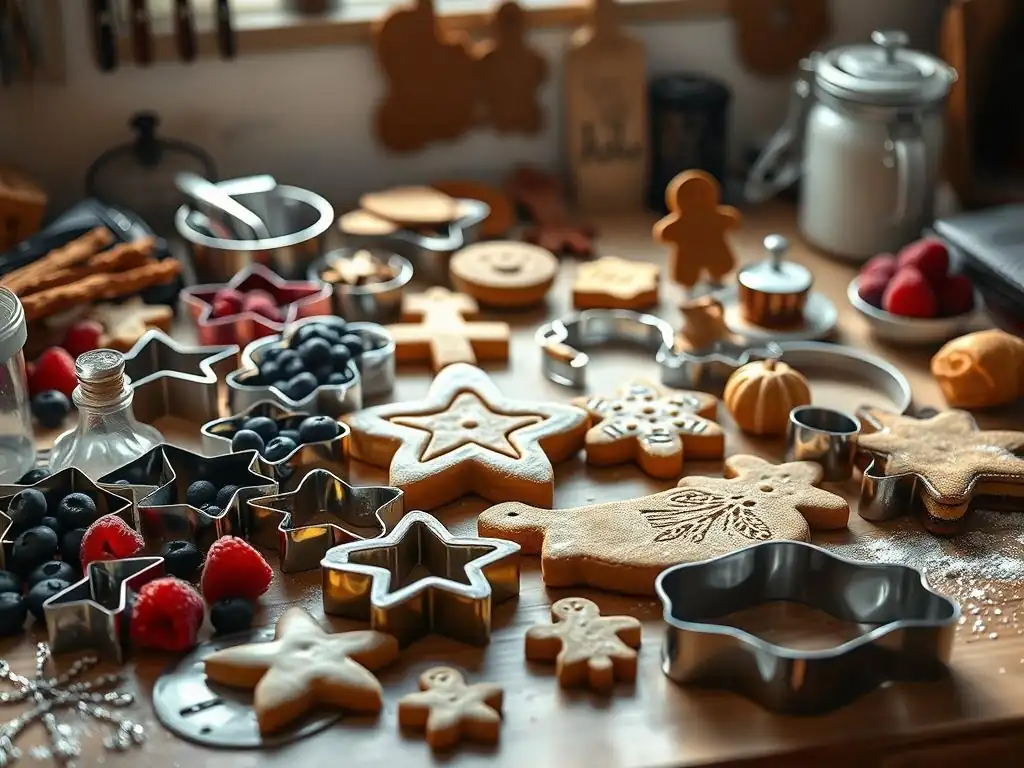
Cookie cutters excel at cutting fondant or gum paste for cake embellishments. A 6 cm round cutter can produce dozen mini fondant discs in under 2 minutes, perfect for layered polka-dot cakes. Sharp-edged metal cutters create crisp shapes, while plastic ones offer smoother, rounded edges ideal for delicate petals.
Pro Tip: Lightly dust cutters with cornstarch to prevent sticking when working with gum paste.
Mini pie and tart shells—typically 5 cm in diameter—are easily formed by pressing round cutters into dough-lined mini muffin tins. This technique yields uniform bases and simple fluted edges when using scalloped cutters. Home bakers report making 24 bite-sized tarts in under 20 minutes by combining a 7 cm plain cutter for the rim and a 5 cm scalloped cutter for the base.
Beyond cutting, cookie cutters double as stencils for dusting powdered sugar or cocoa onto cakes. Simply hold the cutter flat on a frosted surface and sprinkle sugar through it. Patterns emerge instantly—stars, hearts, or intricate filigree—all without specialized equipment.
Proper Cleaning Techniques for Different Materials
- Metal Cutters:
- Hand wash with warm, soapy water.
- Rinse and dry immediately to prevent rust.
- Plastic Cutters:
- Dishwasher-safe on the top rack if marked.
- For 3D-printed cutters, avoid high temperatures; hand wash gently.
- Wooden Cutters:
- Wipe with a damp cloth; avoid soaking.
- Reapply food-grade mineral oil monthly to stave off warping.
Task List:
- [x] Soak metal cutters for 2 minutes in warm water
- [x] Gently scrub plastic shapes
- [x] Air-dry all pieces on a rack
- [x] Oil wooden cutters as needed
Storage Tips to Prevent Damage and Rust
Store metal and plastic cutters in airtight containers or zip-top bags with a silica gel packet to absorb moisture. Hanging racks or pegboards keep shapes organized and avoid crushing delicate designs. For wooden cutters, maintain a stable humidity level (40–50%) to prevent cracks—avoid storing them near ovens or dishwashers.
From December’s snowflakes (6–8 cm across) to Valentine hearts (5 cm), seasonal cutters help you tap into festive baking trends. Retailers report 30% higher cookie sales when using themed designs during holidays. Consider multi-part sets that include both outline and embossing plates for layered effects.
Themed sets—such as 12-space shapes (rockets, planets, UFOs) or 8 under-the-sea silhouettes (starfish, seahorses)—encourage creativity in children’s baking classes and party favors. A complete dinosaur set (T. rex, Triceratops, Stegosaurus) can retail for around \$25 and often garners social media engagement when styled into colorful cookie platters.
Layered cookie cutting involves stacking two different dough colors—e.g., pink and white—and cutting them together with a nested cutter to reveal contrast edges. Embossed cookies use cutters with integrated embossing plates or manual stamps to imprint delicate lace, houndstooth, or polka-dot patterns directly into the dough. Master bakers achieve up to 50 dpi detail with high-resolution embossing tools, rivaling professional bakery outputs.
Frequently Asked Questions
BakeWithEase provides step-by-step guides and easy-to-find ingredients to assist you in creating unique cookie cutter designs. We also offer tips on choosing the right materials for your custom cutter.
Food-grade plastic and metal are commonly used. Consider the durability and heat resistance of the material when making your choice.
Look to everyday objects, holiday themes, and personal interests for inspiration. BakeWithEase also features design ideas on our website.
Yes! Personalized cookie cutters can be used for cutting fondant, playdough, sandwiches, or even crafting clay.
Wash your cookie cutters with warm, soapy water and dry them thoroughly. Avoid using abrasive cleaners that could damage the material.
The rise of personalized experiences permeates every aspect of modern life, and the humble cookie cutter is no exception. We've explored how seemingly simple shapes can become powerful vehicles for self-expression, transforming ordinary baking into a deeply personal and creative endeavor. The possibilities, as we've seen, are truly limitless.
The journey through shape, material, and creative application has revealed the profound impact of personalized cookie cutters on our cultural landscape. They're not just tools; they're tangible representations of individual stories, family traditions, and cherished memories. They bridge the gap between mass production and unique artistry, allowing anyone to create something truly special. The details are not the details. They make the design.
– Charles Eames. This quote perfectly encapsulates the power of thoughtful design, even in something as seemingly insignificant as a cookie cutter. The attention to detail, the choice of material, and the final application all contribute to a richer, more meaningful experience.
Now, consider your own creative potential. What unique shape or design speaks to your heart? What memories or passions could you translate into a personalized cookie cutter? Don't just bake cookies; tell your story. Embrace the freedom to design, to create, and to share the joy of personalized baking with those you love. Let the cookie cutter be more than just a tool – let it be an expression of your unique self.
Thanks for taking the time to explore the world of cookie cutters with us! We hope you've discovered new inspiration for your baking adventures. Ready to put your newfound knowledge into action?
- Design your dream cookie set: Think beyond the usual shapes! Sketch out some unique cutters, considering materials and techniques mentioned in the article. This is your chance to get truly creative.
- Share your cookie cutter creations: Show us your masterpieces! Tag us on social media – we’d love to see your innovative designs.
- Experiment with a new material: Try your hand at making a cookie cutter from a material you haven't used before. The possibilities are endless!
What unique cookie cutter design are you most excited to try? Let's hear your ideas in the comments below!