
Upcycling Infused Oils: Creative Bakes Using Leftover Herb or ZestInfused Fats


Welcome to BakeWithEase, your trusted guide to the delightful world of baking! Ever wondered what to do with that fragrant herb-infused oil lingering after your last culinary adventure? This week, we're diving into a creative and delicious solution: crafting exquisite Herb Infused Oil Cakes. Unlock the secrets to upcycling infused oils and discover how to transform them into moist, flavorful cakes that will tantalize your taste buds. Intrigued? Let's get baking!
- Introduction: BakeWithEase' Guide to Baking with Infused Oils
- Understanding Herb Infused Oils in Baking
- Herb Infused Oil Cakes: Recipes and Techniques
- Beyond Cakes: Other Baking Applications for Infused Oils
- Tips for Making and Storing Herb and Zest Infused Oils for Baking
- Mastering the Art of Baking with Leftover Infused Fats
- Conclusion: Elevate Your Baking with Upcycled Infused Oils
-
Frequently Asked Questions
- What exactly are herb-infused oil cakes, and why should I try them?
- Can I use any type of herb-infused oil in these cakes?
- What if I don't have leftover herb-infused oil? Can I make it specifically for these cakes?
- Are herb-infused oil cakes suitable for all dietary restrictions?
- Where can I find reliable recipes for herb-infused oil cakes?
- Final Reflection: The Sweet Symphony of Sustainability
- Unlock Your Culinary Creativity: Infuse Your Baking!
Introduction: BakeWithEase' Guide to Baking with Infused Oils
Welcome to BakeWithEase, where we believe that baking should be both delicious and resourceful! Today, we're diving into a wonderfully aromatic and sustainable practice: upcycling leftover herb or zest-infused oils into your baking projects. Often, after cooking savory dishes, you might find yourself with a small amount of highly flavorful oil at the bottom of a pan or jar. Instead of letting this precious liquid go to waste, we can transform it into something spectacular in the world of sweet and savory baked goods.
This guide will explore how these flavorful fats can add exciting dimensions to everything from simple loaves to delicate cakes. We'll discuss the 'why' behind using these oils, delve into specific recipes like delightful herb infused oil cakes, and share tips on making and storing your own flavorful infusions. Get ready to elevate your baking game while embracing a little kitchen creativity and sustainability!
Understanding Herb Infused Oils in Baking

What are Herb and Zest Infused Oils?
Herb and zest infused oils are simply cooking oils, typically olive oil or a neutral vegetable oil, that have been flavored by steeping fresh or dried herbs, or citrus zests, in them. This process extracts the volatile aromatic compounds from the plant material into the oil, creating a fat that carries a distinct flavor profile. For example, infusing olive oil with rosemary twigs yields an oil with a pungent, piney aroma, while steeping lemon zest in a neutral oil like canola produces a bright, citrusy fat perfect for sweet applications.
The method of infusion can vary. Some common techniques include gentle heating, where the oil and aromatics are warmed together slowly to encourage flavor transfer, or cold infusion, where the ingredients steep at room temperature over time. The choice of oil and the specific herb or zest used will dramatically influence the final flavor, making each batch of infused oil a unique ingredient ready to impart character to your baking, especially in recipes like herb infused oil cakes.
Benefits of Using Herb Infused Oils in Cakes
Incorporating herb or zest infused oils into cake recipes offers several advantages over using plain oil or butter. Firstly, they introduce complex flavor notes that can complement or contrast with other ingredients in the cake. A subtle olive oil infused with orange zest can enhance a chocolate cake, while a brighter lemon zest infused oil can make a simple pound cake sing. These flavors aren't just superficial; they're integrated throughout the crumb, providing a richer, more nuanced taste experience with every bite.
Secondly, using oil as the primary fat source in cakes often results in a moister crumb compared to butter. Oil remains liquid at room temperature, preventing the cake from drying out as quickly. When that oil is already infused with flavor, you get the benefit of superior moisture plus added depth. This makes herb infused oil cakes particularly tender and ensures they stay delicious for longer, a practical benefit for anyone who enjoys baking ahead or sharing their creations.
Why Upcycle Infused Oils in Baking? Reducing Waste & Enhancing Flavor
Upcycling leftover infused oils is a fantastic way to practice zero-waste baking. Often, after frying herbs like sage or rosemary in oil for a savory dish, or using citrus zest to infuse oil for dressing, you're left with a flavorful fat that might otherwise be discarded. This oil is already seasoned and ready to lend its unique character to your baked goods. Instead of contributing to food waste, you're giving these precious flavor molecules a second life, turning potential waste into a valuable baking ingredient.
Beyond the environmental benefit, using these upcycled oils enhances flavor in ways plain fats cannot. That leftover garlic-infused oil from roasting vegetables? It could be a game-changer in savory scones or cornbread. The fragrant basil oil from making pesto? Imagine the depth it could add to focaccia. Even the oil left after frying chili flakes can bring a surprising warmth to chocolate brownies or certain types of herb infused oil cakes, proving that seemingly humble leftovers can unlock extraordinary culinary possibilities.
Herb Infused Oil Cakes: Recipes and Techniques
Recipe 1: Lemon Zest Infused Olive Oil Cake
This cake highlights the bright, fragrant notes of lemon zest infused in good quality olive oil. It's a simple yet elegant cake with a wonderfully moist crumb, perfect for pairing with tea or a light glaze. Using a leftover batch of lemon zest infused olive oil adds convenience and minimizes waste.
Ingredients for Lemon Zest Olive Oil Cake
- 1 ¾ cups (220g) all-purpose flour
- 1 ½ teaspoons baking powder
- ½ teaspoon salt
- 1 ¼ cups (250g) granulated sugar
- 3 large eggs
- ¾ cup (180ml) lemon zest infused olive oil (leftover from cooking or homemade)
- ¾ cup (180ml) milk (dairy or non-dairy)
- 1 teaspoon vanilla extract
- Zest of 1 fresh lemon (optional, for extra brightness)
Step-by-Step Baking Instructions
- Preheat your oven to 350°F (175°C). Grease and flour a 9-inch round cake pan or loaf pan.
- In a medium bowl, whisk together the flour, baking powder, and salt. Set aside.
- In a large bowl, whisk together the sugar and eggs until pale and slightly thickened, about 2-3 minutes.
- Slowly drizzle the lemon zest infused olive oil into the egg mixture while whisking continuously until fully incorporated.
- In a separate small bowl, whisk together the milk and vanilla extract.
- Add about one-third of the dry ingredients to the wet ingredients and mix until just combined.
- Add about half of the milk mixture and mix until just combined.
- Repeat steps 6 and 7, alternating between dry and wet ingredients, ending with the dry ingredients. Mix until the batter is smooth, being careful not to overmix. If using fresh lemon zest, stir it in now.
- Pour the batter into the prepared pan and spread evenly.
- Bake for 30-40 minutes, or until a wooden skewer inserted into the center comes out clean.
- Let the cake cool in the pan for 10 minutes before inverting it onto a wire rack to cool completely.
Tips for a Perfect Lemon Zest Olive Oil Cake
- Ensure your lemon zest infused olive oil isn't bitter. This can happen if the white pith is included during infusion.
- Don't overmix the batter after adding the dry ingredients; this can result in a tough cake.
- For extra lemon flavor, soak the fresh lemon zest (from step 8) in a tablespoon of sugar for 10 minutes before adding to the batter.
Recipe 2: Rosemary Infused Oil Bread
Rosemary infused oil adds a rustic, aromatic quality to simple bread. This recipe is fantastic as a side for soups or salads, or simply enjoyed with a sprinkle of sea salt. Using leftover rosemary infused oil from roasting potatoes or chicken is an ideal way to give it a new purpose.
Ingredients for Rosemary Infused Oil Bread
- 3 cups (360g) all-purpose flour
- 1 teaspoon salt
- 2 teaspoons instant yeast
- 1 ½ cups (360ml) warm water (105-115°F / 40-46°C)
- ¼ cup (60ml) rosemary infused olive oil (leftover or homemade)
- 1 tablespoon fresh rosemary, chopped (optional, for garnish)
- Flaky sea salt (optional, for topping)
Step-by-Step Baking Instructions
- In a large bowl, whisk together the flour, salt, and instant yeast.
- Add the warm water and rosemary infused olive oil to the dry ingredients.
- Mix with a spoon or spatula until a shaggy dough forms.
- Turn the dough out onto a lightly floured surface and knead for 5-7 minutes, or until smooth and elastic. Alternatively, use a stand mixer with a dough hook for 4-5 minutes.
- Lightly grease the large bowl with a little plain oil. Place the dough in the bowl, turning to coat. Cover the bowl with plastic wrap or a damp cloth and let rise in a warm place for 1-1.5 hours, or until doubled in size.
- Punch down the dough and turn it out onto a lightly floured surface. Shape it into a round or oval loaf.
- Place the shaped dough on a baking sheet lined with parchment paper or a cornmeal-dusted surface. Cover loosely and let rest for 20-30 minutes.
- Preheat your oven to 400°F (200°C). If desired, lightly brush the top of the loaf with a little more rosemary infused oil and sprinkle with chopped fresh rosemary and flaky sea salt.
- Bake for 25-35 minutes, or until golden brown and the bottom sounds hollow when tapped.
- Let the bread cool on a wire rack before slicing.
Tips for a Perfect Rosemary Infused Oil Bread
- Ensure your water temperature is correct for activating instant yeast (warm, not hot).
- The amount of rosemary flavor will depend on the intensity of your infused oil. Start with the recommended amount and adjust in future batches.
- For a crispier crust, place a shallow pan of water on the bottom rack of your oven while the bread bakes.
Recipe 3: Chili Infused Oil Cornbread
Spice up your cornbread with a kick from chili infused oil! This adds a subtle warmth and depth that pairs wonderfully with the sweetness of the cornmeal. It's perfect with chili, stews, or barbecue. Using that flavorful oil left after making chili crisp or frying dried chilies is a brilliant move here.
Ingredients for Chili Infused Oil Cornbread
- 1 ½ cups (180g) cornmeal
- 1 cup (120g) all-purpose flour
- ½ cup (100g) granulated sugar (adjust to preferred sweetness)
- 1 tablespoon baking powder
- ½ teaspoon salt
- 1 cup (240ml) milk or buttermilk
- ½ cup (120ml) chili infused oil (leftover or homemade)
- 2 large eggs
Step-by-Step Baking Instructions
- Preheat your oven to 400°F (200°C). Grease a 9-inch square baking pan or a 10-inch cast iron skillet with a little extra chili infused oil or butter.
- In a large bowl, whisk together the cornmeal, flour, sugar, baking powder, and salt.
- In a separate medium bowl, whisk together the milk (or buttermilk), chili infused oil, and eggs until well combined.
- Pour the wet ingredients into the dry ingredients and stir with a spoon or spatula until just combined. A few lumps are okay; do not overmix.
- Pour the batter into the prepared pan and spread evenly.
- Bake for 20-25 minutes, or until a wooden skewer inserted into the center comes out clean and the top is golden brown.
- Let the cornbread cool slightly in the pan before slicing and serving warm.
Tips for a Perfect Chili Infused Oil Cornbread
- The heat level of the cornbread will depend entirely on the chili oil you use. Taste your oil beforehand to gauge the spiciness.
- Using buttermilk instead of regular milk will result in a slightly tangier and potentially more tender crumb due to its acidity reacting with the baking powder.
- Serve warm with butter, honey, or even a drizzle of extra chili oil for those who like it hot!
Beyond Cakes: Other Baking Applications for Infused Oils
Infused Oil in Pastries
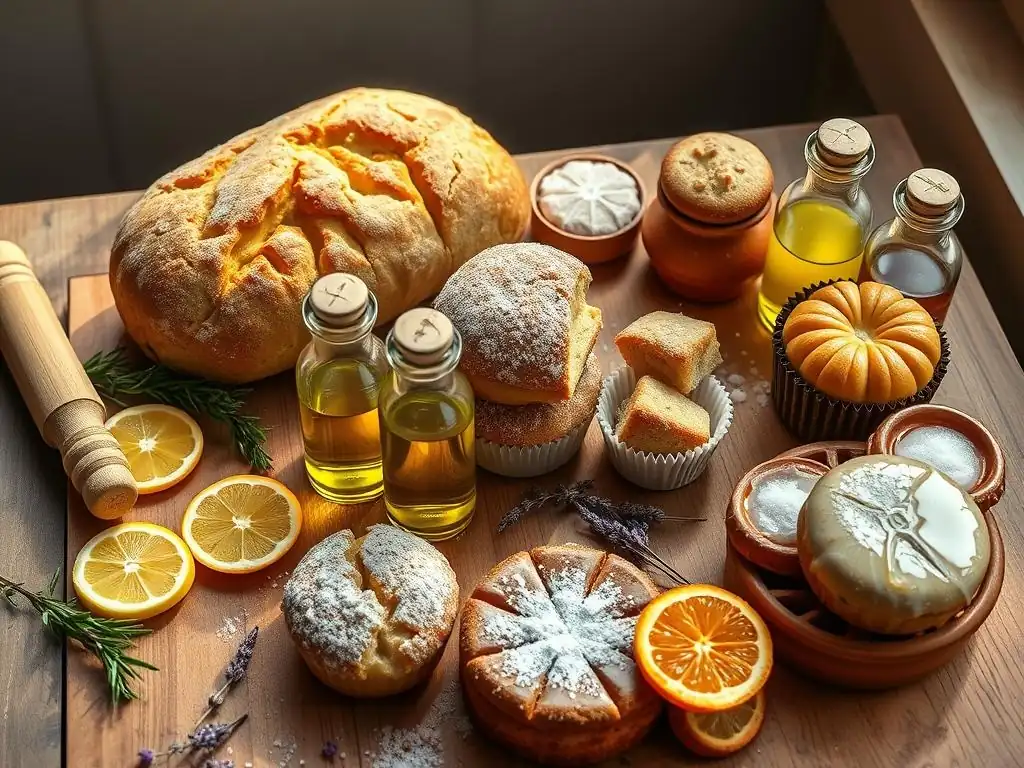
Infused oils aren't limited to just cakes and breads; they can add fascinating dimensions to pastries as well. While traditional pastry often relies on solid fats like butter for flakiness, certain pastries, particularly those with a more rustic or moist texture, can benefit greatly from infused oils. For instance, a savory tart crust made with an herb-infused olive oil (like rosemary or thyme) can provide a wonderful base for vegetable fillings. Similarly, a sweet pastry dough for galettes or hand pies using a citrus-infused oil can introduce bright, unexpected notes that complement fruit fillings.
Consider a simple olive oil pastry dough for savory applications. Substituting perhaps 50-75% of the solid fat with a robust garlic or onion infused oil can completely transform the flavor profile of quiches, savory hand pies, or even pizza crusts. The oil contributes moisture and a tender bite, while the infusion provides a deep, savory foundation that butter alone cannot replicate. This technique requires some adjustment to liquid ratios compared to butter-based recipes, but the flavor payoff is often well worth the experimentation for adventurous bakers.
Using Infused Oils in Breads and Rolls
As seen with the rosemary bread example, infused oils are a natural fit for many bread recipes. From enriching the dough to brushing on top before baking, they impart flavor and improve texture. A simple no-knead bread can be elevated by incorporating a tablespoon or two of roasted garlic or sun-dried tomato infused oil into the dough. This not only adds flavor throughout the loaf but also contributes to a softer crumb and a more golden crust.
Furthermore, infused oils can be used instead of plain oil or melted butter when greasing bowls for rising, adding a subtle layer of flavor to the dough's surface as it proofs. Brushing infused oil onto rolls or focaccia before baking creates a glossy finish and intensifies the aroma during baking. Consider using a basil or oregano infused oil for Italian-style breads, or a smoked paprika infused oil for a Spanish-inspired loaf. The possibilities for enhancing everyday breads with these flavorful fats are vast.
While less common than in cakes or breads, infused oils can find a place in certain cookie recipes, particularly those where a chewy or soft texture is desired and the flavor profile can accommodate the oil's notes. Cookies that use melted butter or liquid oil are the easiest candidates for substitution. For example, a citrus-infused oil could be used in a chewy sugar cookie or shortbread for a bright, fragrant twist. Imagine a lemon-poppy seed cookie where the lemon flavor comes from the oil itself!
For savory cookies or crackers, herb-infused oils are an excellent addition. A cheddar and chive cookie could use a chive or garlic infused oil to deepen the savory notes. Substituting perhaps 25-50% of the fat with a strong savory infused oil can add an unexpected complexity. It's important to note that using oil instead of solid fat like butter will change the cookie's structure, often resulting in less spread and a chewier texture rather than a crisp one. Experimentation with a small batch is key to finding the right balance for your desired cookie type.
Tips for Making and Storing Herb and Zest Infused Oils for Baking
Choosing the Right Herbs and Zests
Selecting the appropriate herbs and zests is crucial for creating flavorful oils suitable for baking. For sweet applications, citrus zests (lemon, orange, lime, grapefruit) are excellent choices, pairing well with vanilla, chocolate, and fruit flavors often found in herb infused oil cakes. Consider also delicate herbs like mint or lavender for specific recipes, though these require careful handling as they can become bitter if overheated. Ensure citrus is organic if possible and wash thoroughly, using only the colored part of the peel, avoiding the bitter white pith.
For savory baking, the options are vast. Robust herbs like rosemary, thyme, sage, and oregano infuse well into olive oil, perfect for breads, focaccia, or savory scones. Spices like chili flakes, garlic, or even smoked paprika can also create potent, flavorful oils. Always use fresh, clean herbs or dried spices that are still vibrant. Avoid any plant material showing mold or spoilage, as this can ruin the oil and pose health risks.
Infusion Methods for Optimal Flavor
There are two primary methods for infusing oils: cold infusion and hot infusion. Cold infusion involves simply combining the herbs or zest with oil and letting them steep at room temperature for an extended period, often several days or even weeks. This method is ideal for delicate flavors like citrus zest or basil, preserving their fresh notes and minimizing the risk of bitterness from overheating. It requires patience but yields a clean, vibrant flavor perfect for lighter herb infused oil cakes or dressings used in baking.
Hot infusion uses gentle heat to speed up the flavor extraction process. The oil and aromatics are heated together over low heat (ideally below 180°F or 82°C to avoid damaging the oil or burning the herbs) for a shorter time, usually a few hours. This method is effective for extracting flavors from tougher herbs like rosemary or thyme, or from garlic and spices. It's important to strain the oil carefully after infusion to remove all solids, as leftover plant material can cause spoilage.
Safe Storage Practices for Infused Oils
Proper storage is paramount for homemade infused oils, especially those containing fresh ingredients like garlic or herbs, as they pose a risk of botulism if not handled correctly. The most critical rule is to always store infused oils containing fresh plant material (like fresh garlic, herbs, or peppers) in the refrigerator. Even then, they should ideally be used within 1-2 weeks. Freezing infused oil in ice cube trays is another excellent way to preserve flavor and safety for longer-term use (up to several months).
Oils infused with dried herbs or only citrus zest (with no moisture) are generally safer and can often be stored at cool room temperature for a few months, similar to plain oil, provided all moisture has been removed from the infusion ingredients. However, to be absolutely safe and preserve the best flavor, refrigeration is often recommended for all homemade infused oils. Always store them in clean, airtight glass bottles away from light and heat, and discard immediately if they show any signs of cloudiness, off odors, or mold.
Mastering the Art of Baking with Leftover Infused Fats

Adjusting Recipes for Infused Oil Flavor Intensity
When using leftover infused oils in baking, one of the key skills is learning to adjust recipes based on the oil's flavor intensity. A chili oil used sparingly can add a pleasant warmth, while the same amount of a potent roasted garlic oil might overpower a delicate cake. Before adding the oil to your batter or dough, taste a small amount. Is it strongly flavored?
Mild? Spicy? This assessment will help you decide how much to use. As a starting point, you can often substitute the required plain oil in a recipe 1:1 with your infused oil, especially for flavors like citrus zest or mild herbs.
For stronger or more unusual infusions, like garlic, chili, or smoked flavors, you might start by substituting only a portion of the required fat – perhaps replacing half of the butter or oil with the infused variety and using plain fat for the rest. For example, in a cornbread recipe calling for ½ cup of oil, you might use ¼ cup of chili infused oil and ¼ cup of plain vegetable oil the first time.
Pay attention to how the flavor comes through in the final baked good and adjust the ratio next time. It's often better to start with a conservative amount and increase in future attempts.
Experimenting with Different Herb and Zest Combinations
The world of infused oils for baking is ripe for experimentation. Don't feel limited to classic combinations. Think about the flavor profiles you enjoy in savory and sweet dishes and how they might translate to baking. Rosemary and lemon is a classic, but what about rosemary and orange zest in a cake? Or thyme and black pepper infused oil in savory biscuits? How about a subtle lavender infused oil in shortbread cookies?
Consider the base oil as well. Olive oil brings its own distinct flavor that pairs well with many herbs and citrus, especially in more rustic bakes like breads or certain herb infused oil cakes. Neutral oils like canola or grapeseed oil are better for allowing the pure flavor of delicate herbs or zests to shine without interference, making them versatile for a wider range of baked goods, including lighter cakes and muffins.
Keep a small notebook to jot down your experiments – the oil used, the infusion ingredients, the recipe you used it in, and the resulting flavor. This record will be invaluable for future baking adventures.
Troubleshooting Common Issues when Using Infused Oils
Using infused oils in baking is generally straightforward, but a few issues can arise. One common problem is an overpowering flavor. This usually happens when using a very potent infusion or substituting too much of a strongly flavored oil into a delicate recipe. If your bake tastes too strongly of garlic or rosemary, next time reduce the amount of infused oil used, supplementing with plain oil or butter.
Another issue can be a bitter taste, particularly with citrus zest or certain herbs like sage or bay leaves if they were overheated or included too much pith. If your infused oil tastes bitter on its own, it will likely make your baked goods bitter too. Unfortunately, bitterness is hard to fix once baked in.
The best approach is prevention: ensure you use only the colored part of citrus zest, avoid scorching herbs during hot infusion, and always strain solids completely. If a batch of oil is too bitter, it might be best to discard it or find a very specific, robust savory recipe where the bitterness might be masked.
Conclusion: Elevate Your Baking with Upcycled Infused Oils
Embracing the use of leftover herb and zest infused oils is a simple yet impactful way to enhance your baking. It's a practice that aligns with mindful cooking, reducing waste while simultaneously unlocking exciting new flavor possibilities in your kitchen. From wonderfully moist herb infused oil cakes bursting with citrus or herbal notes to savory breads and unexpected cookie variations, these flavorful fats offer a unique opportunity to add depth and character to your favorite recipes.
By understanding how different infusions behave, experimenting with combinations, and practicing safe storage, you can confidently transform those flavorful remnants into culinary triumphs. So, the next time you finish cooking with an infused oil, don't pour it down the drain! Save it, store it safely, and let it inspire your next baking project. Your taste buds, and the planet, will thank you.
Frequently Asked Questions
What exactly are herb-infused oil cakes, and why should I try them?
Herb-infused oil cakes are cakes that incorporate herb or zest-infused oils into the batter. They offer a unique flavor profile and are a great way to upcycle leftover infused oils, minimizing waste.
Can I use any type of herb-infused oil in these cakes?
While most herb-infused oils work well, consider the flavor profile. Stronger herbs like rosemary might be overpowering, while milder herbs like thyme or lemon zest offer a more subtle and balanced taste.
What if I don't have leftover herb-infused oil? Can I make it specifically for these cakes?
Absolutely! You can easily create your own herb-infused oil. Simply heat a neutral oil (like vegetable or canola) with your desired herbs or zest over low heat for a short time, then let it cool and strain. Fresh herbs provide the best flavor.
Are herb-infused oil cakes suitable for all dietary restrictions?
It depends on the recipe! You can adapt many recipes to be gluten-free or vegan by using appropriate flour substitutes and egg replacements. Always check the ingredient list to ensure it aligns with your dietary needs.
Where can I find reliable recipes for herb-infused oil cakes?
BakeWithEase.com is a great resource! We offer simple recipes and step-by-step guides for various types of herb-infused oil cakes, catering to different skill levels and flavor preferences.
Final Reflection: The Sweet Symphony of Sustainability
The resourceful repurposing of infused oils isn't just a culinary trend; it's a vital step towards a more sustainable and flavorful future. Imagine transforming what might otherwise be discarded into the heart of a delicious cake, enriching both its taste and our environmental consciousness. This simple act speaks volumes about our ability to creatively minimize waste and maximize flavor.
The impact of mindful cooking extends far beyond the individual kitchen. By embracing upcycling, we participate in a larger cultural shift towards reducing food waste and appreciating the inherent value in seemingly insignificant ingredients. Waste not, want not
– this age-old adage takes on new meaning when we consider the potential locked within leftover herb or zest-infused oils. The act of transforming these remnants into something beautiful and delicious is a powerful statement about resourcefulness and creativity.
Now, consider your own kitchen. What infused oils are currently sitting unused? What delicious possibilities await within those seemingly humble ingredients? I encourage you to experiment, to embrace the unexpected, and to discover the joy of transforming leftover oils into cakes that are both delicious and deeply satisfying. Let this be your starting point for a more sustainable and flavorful baking journey.
Unlock Your Culinary Creativity: Infuse Your Baking!
Thanks for exploring the world of upcycled infused oils with us! You've learned how to transform leftover herbs and zest into delicious, aromatic baking ingredients – reducing waste and boosting flavor. Now it's time to put your new knowledge to work.
- Bake something amazing! Try one of the recipes mentioned in the article, or get creative and develop your own using your infused oils. This is your chance to experiment and personalize your baking.
- Share your creations! Post a picture of your infused oil masterpiece on social media and tag us – we'd love to see what you bake!
- Explore new flavor combinations. Think beyond herbs and citrus – what other ingredients could you infuse into your oils?
What unexpected flavor profile will you unleash in your next baking adventure?