
Vegan Cake Substitutes for Fluffy, Tender Layers Every Time

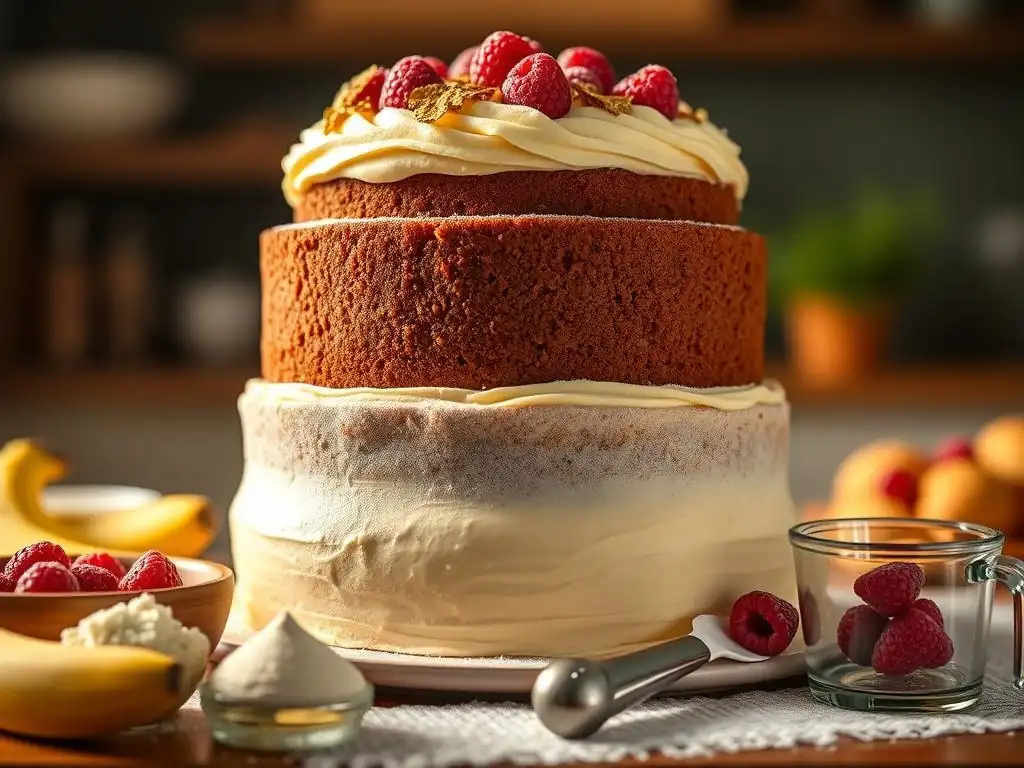
Welcome to BakeWithEase, your trusted guide to baking bliss! Ever dreamed of crafting a vegan cake with irresistibly fluffy layers that rival traditional recipes? You're in the right place. Discover our secrets to achieving the perfect tender crumb, as we demystify vegan cake substitutes and unlock the potential for delectable, plant-based masterpieces. Intrigued? Let's explore the delicious possibilities together!
- Achieving Fluffy Vegan Cake Layers: An Introduction
- Understanding the Science Behind Vegan Cake Baking
- Vegan Egg Substitutes for Cake: Achieving the Right Rise and Texture
- Vegan Butter Substitutes: Mastering the Fat Factor in Cakes
- Vegan Milk Substitutes: Finding the Right Liquid for Your Cake
- Vegan Sweeteners: Enhancing Flavor and Moisture in Cakes
- Gluten-Free Vegan Cake Baking: Combining Challenges
- Tips and Tricks for Perfect Vegan Cake Layers
- Troubleshooting Common Vegan Cake Baking Issues
- Recipe Adaptations: Transforming Traditional Cake Recipes into Vegan Masterpieces
- Conclusion: Baking Delicious and Fluffy Vegan Cakes with Confidence
-
Frequently Asked Questions
- What are the key ingredients to replace in a traditional cake recipe to make it vegan and still achieve fluffy layers?
- How do vegan egg substitutes impact the texture of a vegan cake compared to using real eggs?
- What type of flour is best suited for creating a light and fluffy vegan cake?
- What are some tips for preventing a vegan cake from being dense or gummy?
- How can I ensure my vegan cake layers are moist and don't dry out quickly?
- Final Reflection: The Sweet Revolution of Vegan Baking
- Unleash Your Inner Vegan Baker!
Achieving Fluffy Vegan Cake Layers: An Introduction
Baking a vegan cake that boasts truly fluffy, tender layers can sometimes feel like a challenge. Without traditional eggs and dairy, which provide structure, moisture, and leavening, achieving that desired light and airy texture requires understanding the unique properties of plant-based alternatives. This guide explores the best vegan substitutes for common cake ingredients, focusing on how they contribute to creating delightful, fluffy vegan cake layers every single time. We'll dive into the science behind these swaps and provide practical tips to ensure your vegan baking triumphs.
Understanding the Science Behind Vegan Cake Baking
Creating a successful vegan cake involves more than just swapping ingredients; it's about understanding how these new components interact chemically during mixing and baking. Traditional cakes rely heavily on eggs for structure, leavening, and moisture, and dairy for richness and tenderization. When these are removed, the entire batter dynamic changes, requiring careful consideration of how vegan alternatives will perform similar roles. The goal is to replicate the structure provided by eggs and the tenderizing effect of dairy fat while still ensuring adequate lift for those coveted fluffy vegan cake layers.
The Role of Gluten in Traditional Cake Structure
Gluten, a protein composite found in wheat, plays a crucial role in the structure of most traditional cakes. When flour is mixed with liquid and agitated, gluten proteins (gliadin and glutenin) form a network. This network is elastic and capable of trapping air bubbles produced by leavening agents (like baking soda and baking powder). As the cake bakes, this gluten structure sets, providing the framework that supports the cake's rise and gives it form.
In traditional baking, controlling gluten development is key to achieving a tender cake, as overmixing can lead to too much gluten formation, resulting in a tough texture. The presence of fat and sugar helps to coat flour particles, inhibiting excessive gluten development and contributing to tenderness. Eggs also contribute to structure, setting the gluten network and providing additional stability.
How Vegan Baking Alters Gluten Development
In vegan baking, the absence of eggs and dairy can subtly alter how gluten behaves. Eggs, in particular, provide significant structure and help set the gluten network. Without them, the gluten network might be less supported, potentially leading to denser results if not compensated for with other binders or structural elements. Conversely, without the tempering effect of egg proteins, it might be easier to overwork the gluten if using a standard wheat flour, leading to toughness.
Therefore, in vegan cake baking with wheat flour, careful mixing is paramount. Techniques like the "reverse creaming" method (mixing fat and sugar with flour before adding liquid) can help coat the flour, minimizing gluten development and promoting a tender crumb, which is essential for achieving fluffy vegan cake layers. Understanding this interaction helps bakers select the right flour and mixing method.
Key Ingredients Impacting Vegan Cake Texture
Several key ingredients are paramount in determining the final texture of a vegan cake, especially when aiming for fluffy layers. Leavening agents (baking soda and baking powder) are critical for creating air pockets, but their effectiveness depends on acidic components and proper distribution. Fats (vegan butter, oil) are essential for tenderizing the crumb by coating flour particles and interfering with gluten development, as well as adding moisture.
Moisture sources (plant milk, applesauce, purees) hydrate the dry ingredients and contribute to the cake's final softness and mouthfeel. Binders (flax eggs, chia eggs, commercial replacers) are necessary to mimic the cohesive properties of eggs, holding the cake together and preventing crumbling. The careful balance and interaction of these elements—leavening, fat, moisture, and binding—are what ultimately create that desirable fluffy vegan cake texture.
Vegan Egg Substitutes for Cake: Achieving the Right Rise and Texture
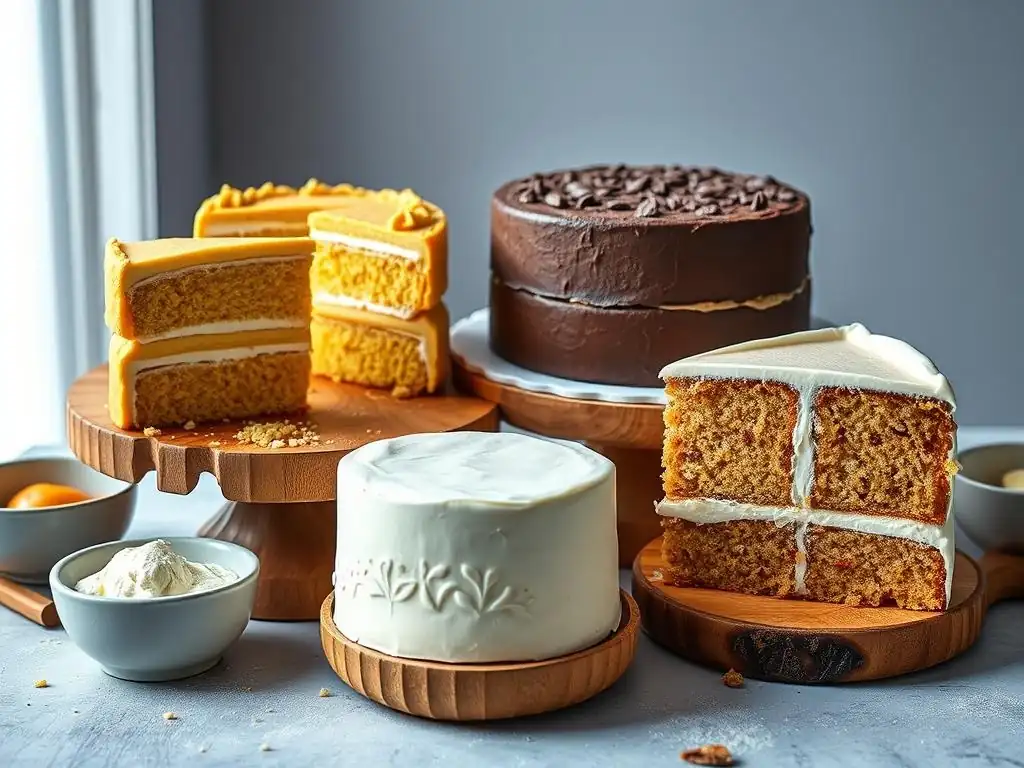
Eggs perform multiple functions in traditional cake baking: binding, leavening, moisture, and richness. Replacing these functions effectively is perhaps the most critical step in creating fluffy vegan cake layers. Various plant-based options can mimic some or all of these roles, each with its own strengths and ideal applications. Choosing the right substitute depends on the specific recipe and desired outcome.
Understanding the primary function of the egg in a particular recipe is key. If the recipe uses only one or two eggs, the binding function is likely the most important, making options like flax or chia eggs suitable. If a recipe calls for many eggs, replicating the leavening and richness becomes more complex, and a combination of substitutes or a commercial replacer might be necessary to achieve those fluffy vegan cake layers.
Applesauce: Adding Moisture and Binding
Applesauce is a popular vegan egg substitute, often used to replace one or two eggs in a recipe. It primarily acts as a binder and adds significant moisture. The pectin content in applesauce helps to hold ingredients together, similar to how egg proteins coagulate. For every egg being replaced, approximately 1/4 cup of unsweetened applesauce is a common ratio.
While applesauce is excellent for moisture and binding, it doesn't provide significant leavening. Cakes made with only applesauce as the egg replacer might be slightly denser than those made with eggs or other leavening substitutes. However, its high moisture content contributes to a tender crumb, which is a component of fluffy vegan cake layers. It also imparts a subtle sweetness and can sometimes add a faint apple flavor, which pairs well with spices like cinnamon or nutmeg.
Flaxseed Meal: A Natural Vegan Binder for Cakes
Flaxseed meal, when mixed with water, forms a gelatinous mixture often called a "flax egg." This is one of the most widely used and effective vegan egg substitutes for binding. The standard ratio is 1 tablespoon of flaxseed meal whisked with 3 tablespoons of water, left to sit for about 5-10 minutes until it thickens into a gel-like consistency. This mixture is typically used to replace one egg.
The mucilage in flaxseed meal provides excellent binding properties, helping to hold the cake batter together and preventing it from being too crumbly. While it offers good structure, like applesauce, a flax egg provides minimal leavening. Cakes made with flax eggs tend to be slightly denser than their traditional counterparts but are reliably moist and well-bound, contributing to the stability needed for fluffy vegan cake layers. Using golden flaxseed meal can help minimize visible brown flecks in lighter-colored cakes.
Chia Seeds: Another Excellent Egg Replacement Option
Similar to flaxseed meal, chia seeds also form a gel when mixed with liquid, making them an effective vegan binder. A "chia egg" is typically made by mixing 1 tablespoon of chia seeds (whole or ground) with 3 tablespoons of water and letting it sit for 5-10 minutes until gelled. Both black and white chia seeds work equally well, though white chia seeds might be preferred for lighter-colored batters to avoid visible specks.
Chia eggs function primarily as a binder, much like flax eggs. They are excellent at holding ingredients together and adding moisture. They contribute to a slightly denser, but very moist, crumb. While they don't offer significant leavening on their own, their binding power helps support the structure created by chemical leaveners, aiding in the overall texture for fluffy vegan cake layers. Chia seeds are also packed with omega-3 fatty acids and fiber, adding a nutritional boost.
Commercial Egg Replacers: A Convenient Alternative
For consistency and ease, many vegan bakers turn to commercial egg replacers. These products are typically a blend of starches (like potato or tapioca) and leavening agents, designed to mimic the various functions of eggs in baking. They are often used according to package instructions, usually involving mixing the powder with water to create a slurry that replaces one or more eggs.
Commercial replacers are formulated to provide both binding and some degree of leavening, making them versatile for different cake types. While they may not perfectly replicate the lift of a chicken egg, they are often very effective at creating a cohesive, well-risen cake structure. This can be a reliable way to achieve consistent results and contribute significantly to achieving fluffy vegan cake layers, especially for those new to vegan baking or adapting complex recipes.
Benefits of Using Commercial Vegan Egg Replacers
One of the primary benefits of using commercial vegan egg replacers is convenience and consistency. Unlike natural options which can vary slightly in their properties (e.g., different brands of applesauce or variations in flax meal grind), commercial products are formulated for predictable results. This makes them a reliable choice for adapting traditional recipes or ensuring uniform outcomes batch after batch, helping bakers consistently produce fluffy vegan cake layers.
Many commercial replacers are designed to contribute more than just binding; they often include leavening agents like baking soda or cream of tartar within the blend. This can help provide a better rise than some natural binders alone, getting closer to the lift provided by eggs. They are also typically flavorless, ensuring they don't impart unwanted tastes to delicate cake recipes, unlike some natural options.
Potential Drawbacks of Commercial Vegan Egg Replacers
Despite their convenience, commercial vegan egg replacers can have some drawbacks. They are often more expensive than using simple kitchen staples like applesauce or flaxseed meal. The effectiveness can also vary significantly between brands, meaning some trial and error might be needed to find the best one for a specific recipe or desired outcome.
Some commercial replacers rely heavily on starches and can occasionally lead to a slightly gummy texture if not used correctly or in the proper ratio for the recipe. They may also not provide the same level of richness or moisture as eggs or other fat-contributing substitutes. While aiming for fluffy vegan cake layers, relying solely on a commercial replacer might require balancing with other moistening or tenderizing agents in the recipe.
Vegan Butter Substitutes: Mastering the Fat Factor in Cakes
Fat is crucial in cakes for tenderizing the crumb, adding moisture, richness, and contributing to leavening through the creaming method (incorporating air into fat and sugar). Replacing dairy butter with a suitable vegan alternative is essential for achieving a moist, tender texture and contributing to the desired fluffy vegan cake layers. Different vegan fats offer varying properties and flavors.
The type of vegan fat used will impact the cake's texture, flavor, and even how it browns. Solid fats like vegan butter sticks are best for recipes that rely on creaming, while liquid oils are excellent for moisture and tenderness in recipes using the muffin method (wet ingredients mixed into dry). Understanding the role the fat plays in the original recipe guides the best substitution choice.
Coconut Oil: Adding Richness and a Subtle Flavor
Coconut oil is a versatile vegan fat substitute that can be used in cakes. Refined coconut oil has a neutral flavor, while unrefined (virgin) coconut oil imparts a distinct coconut taste, which can be desirable depending on the cake flavor. It can be used in its solid state (at room temperature below ~76°F/24°C) or melted. When used solid and creamed with sugar, it helps incorporate air, contributing to leavening.
Coconut oil adds moisture and richness, contributing to a tender crumb. It works particularly well in recipes where the fat is melted or added as a liquid. Using it in place of butter can sometimes result in a slightly different texture – perhaps a cake that is very tender when warm but firms up more when cool due to coconut oil's high saturated fat content. It's an excellent choice for chocolate cakes or tropical-flavored fluffy vegan cake layers.
Vegan Butter Sticks: Mimicking Traditional Butter's Texture
Vegan butter sticks are specifically formulated to behave much like dairy butter in baking. They are typically made from a blend of vegetable oils (like palm, shea, soy, or canola) and often contain emulsifiers and flavorings to mimic butter's taste and texture. These sticks are solid at room temperature and can be creamed with sugar, making them ideal for recipes that rely on this method for leavening and texture.
Using vegan butter sticks is often the most direct substitute for dairy butter in cake recipes, providing similar richness, moisture, and tenderizing effects. They allow for the successful execution of the creaming method, which is vital for incorporating air and achieving fluffy vegan cake layers. Their formulation aims to replicate the melt-in-your-mouth quality of butter, contributing significantly to the overall mouthfeel of the cake. Look for sticks labeled specifically for baking.
Olive Oil: A Healthier Option for Vegan Cake Baking
Olive oil, particularly light or extra virgin varieties depending on the desired flavor profile, can be an excellent liquid fat substitute in vegan cakes. It adds significant moisture and contributes to a very tender crumb. Olive oil is particularly well-suited for cakes where the fat is added as a liquid, such as those using the muffin method or oil-based recipes.
Using olive oil results in a moist, often slightly denser cake compared to butter-based ones, but with a wonderfully tender texture that contributes to the overall pleasantness of fluffy vegan cake layers. It can impart a subtle flavor, which pairs beautifully with citrus, chocolate, or spice cakes. As a liquid fat, it coats flour particles effectively, inhibiting gluten development and ensuring tenderness without requiring creaming, simplifying the baking process.
Vegan Milk Substitutes: Finding the Right Liquid for Your Cake
Liquid ingredients in cake batter hydrate the dry ingredients, dissolve sugar and salt, activate leavening agents, and contribute to the overall structure and moisture. Replacing dairy milk with a plant-based alternative is a straightforward swap in most vegan cake recipes. However, the type of plant milk can subtly influence the texture and flavor of the final cake.
Different plant milks vary in fat and protein content, which can affect the richness and structure of the cake. Using a milk with higher fat content might lead to a slightly richer, more tender cake, while one with higher protein could contribute to a more stable structure. Choosing an unsweetened variety is often best to control the sugar level in the recipe.
Almond Milk: A Popular and Versatile Choice
Unsweetened almond milk is one of the most widely available and popular plant milk options for vegan baking. It has a relatively neutral flavor that doesn't typically interfere with other cake flavors. Its consistency is similar to skim or low-fat dairy milk, making it an easy 1:1 substitute in most recipes.
Almond milk provides essential moisture to hydrate the dry ingredients and activate leaveners. While lower in fat and protein compared to some other plant milks or dairy, it reliably performs the liquid's function in creating a cohesive batter. Its light nature contributes to a potentially lighter crumb structure, aiding in the quest for fluffy vegan cake layers without adding excessive richness or density.
Soy Milk: High in Protein for a Sturdier Cake
Soy milk is another common and effective vegan milk substitute, known for having a protein content closer to dairy milk than many other plant-based options. Using unsweetened soy milk can be beneficial in recipes where a bit more structure is desired, as the protein can contribute to the cake's framework as it bakes.
The slightly higher protein and fat content in full-fat soy milk compared to almond milk can lead to a cake with a slightly sturdier yet still tender crumb. It activates leavening agents effectively and provides good moisture. Soy milk has a relatively neutral flavor, although some people detect a slight "beany" note, which is usually masked by other cake ingredients. It's a reliable choice for ensuring good structure alongside fluffy vegan cake layers.
Oat Milk: Creating a Moist and Tender Vegan Cake
Oat milk has become increasingly popular and is an excellent choice for vegan baking due to its creamy texture and subtle sweetness. It typically has a higher fat content than almond milk (especially barista blends) and contains beta-glucans, a type of fiber that can contribute to moisture retention.
Using oat milk often results in a cake that is particularly moist and tender. Its natural creaminess adds a subtle richness without being heavy. The beta-glucans may help prevent the cake from drying out, leading to a softer, more pleasant texture over time. This moisture-retaining quality makes oat milk a strong contender for achieving consistently moist and fluffy vegan cake layers.
Coconut Milk: For a Richer, More Decadent Cake
Full-fat canned coconut milk is a rich and creamy vegan milk substitute that can add significant moisture and decadence to cakes. It has a high fat content, similar to heavy cream, which contributes to a very tender, moist, and rich crumb. It's ideal for recipes where a richer texture is desired, such as pound cakes or dense chocolate cakes.
Using coconut milk will impart a noticeable coconut flavor unless refined coconut milk is used. It's a great choice for cakes where this flavor is complementary, like tropical or chocolate recipes. Its high fat content helps tenderize the cake significantly, contributing to a melt-in-your-mouth texture. While it adds richness, balancing it with other ingredients is important to ensure the cake remains light enough for fluffy vegan cake layers, rather than becoming too dense.
Vegan Sweeteners: Enhancing Flavor and Moisture in Cakes
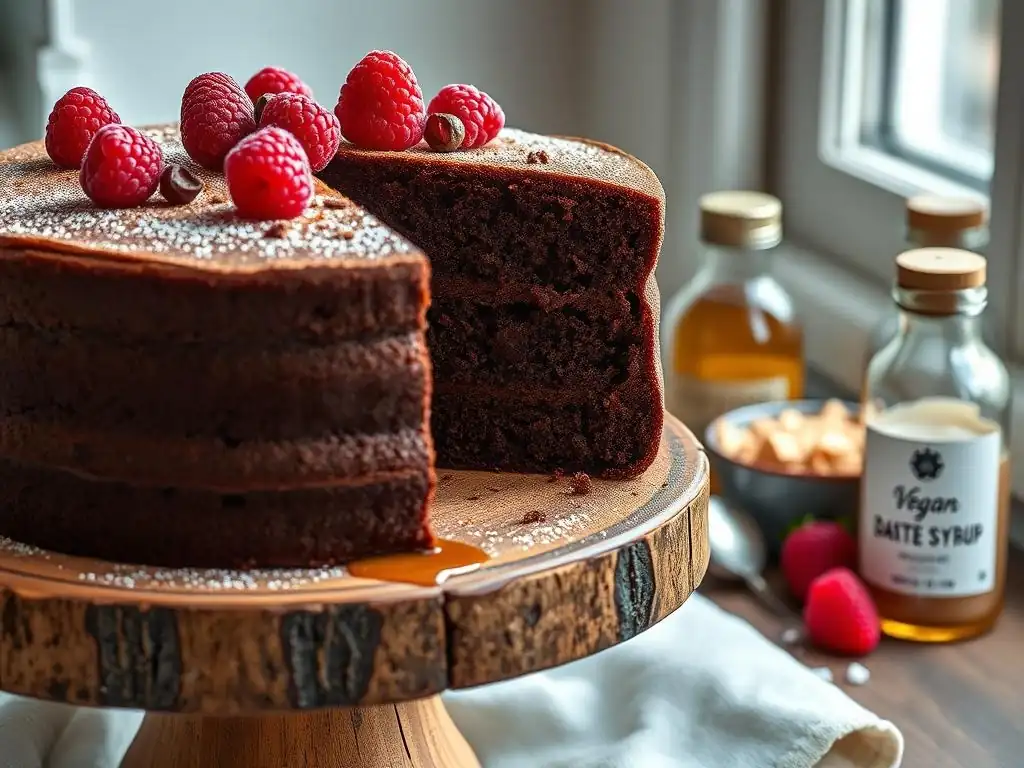
Sweeteners do more than just add sweetness to a cake; they also contribute to moisture, tenderness, and browning. While granulated sugar is often vegan, exploring alternative vegan sweeteners can add unique flavors and textures, potentially influencing the final crumb and moisture level of your fluffy vegan cake layers. Different liquid and granulated sweeteners have varying properties.
Granulated sugars like cane sugar or coconut sugar primarily contribute sweetness and aid in creaming (with solid fats). Liquid sweeteners like maple syrup or agave nectar add sweetness but also contribute moisture, which can affect the overall liquid balance of the recipe. They can also sometimes lead to a slightly denser texture if not balanced correctly with dry ingredients.
Maple Syrup: Natural Sweetness and a Unique Flavor Profile
Pure maple syrup is a popular natural vegan sweetener that adds a distinct flavor profile to cakes, pairing wonderfully with spices, nuts, or chocolate. As a liquid sweetener, it contributes moisture to the batter, which can help create a tender crumb. It is generally less sweet than granulated sugar, so the amount used might need adjustment depending on the desired sweetness level.
When substituting maple syrup for granulated sugar, it's important to reduce the amount of other liquids in the recipe to maintain the correct batter consistency. A common guideline is to use about 3/4 cup of maple syrup for every 1 cup of granulated sugar and reduce the liquid by about 2-4 tablespoons. The natural moisture and slightly lower pH of maple syrup can interact favorably with baking soda, aiding in leavening and contributing to fluffy vegan cake layers.
Agave Nectar: A Lower Glycemic Index Option
Agave nectar is another liquid vegan sweetener derived from the agave plant. It is often used as a substitute for honey or simple syrup. Agave is sweeter than sugar, so less is needed to achieve the same level of sweetness. Like maple syrup, it adds moisture to the cake batter.
Substituting agave nectar for granulated sugar requires similar adjustments to liquid content as with maple syrup. Use approximately 2/3 cup of agave nectar for every 1 cup of granulated sugar and reduce other liquids by 2-3 tablespoons. Agave has a relatively neutral flavor compared to maple syrup, making it versatile. Its liquid form helps create a moist cake, which is key for tender, fluffy vegan cake layers, though excessive use can sometimes lead to a slightly gummy texture.
Coconut Sugar: Adding a Subtle Caramel Flavor
Coconut sugar is a granulated vegan sweetener made from the sap of coconut palm blossoms. It has a slightly coarser texture than granulated cane sugar and imparts a subtle caramel or toffee-like flavor, which can complement many cake profiles. It can typically be substituted 1:1 by weight for granulated sugar in recipes.
Coconut sugar behaves similarly to brown sugar in baking, adding moisture and contributing to a slightly denser, more moist crumb compared to cakes made solely with white granulated sugar. Its flavor is more pronounced than white sugar, so consider if the caramel notes will work with your desired cake flavor. It browns similarly to cane sugar, contributing to the cake's crust color. Using it alongside other ingredients helps achieve moist and flavorful fluffy vegan cake layers.
Date Syrup: A Nutrient-Rich Sweetener
Date syrup is a thick, dark liquid sweetener made from boiled and blended dates. It is rich in nutrients and fiber and has a deep, caramel-like flavor. As a liquid sweetener, it adds significant moisture and can contribute to a very tender crumb.
Substituting date syrup for granulated sugar requires adjustments similar to other liquid sweeteners, typically using about 2/3 to 3/4 cup for every cup of sugar and reducing other liquids. Its dark color will affect the final cake color, and its strong flavor is best suited for recipes where it can complement other ingredients, such as chocolate, spice, or fruit cakes. The natural stickiness and moisture in date syrup help create a dense but very moist cake, contributing to tenderness in fluffy vegan cake layers.
Gluten-Free Vegan Cake Baking: Combining Challenges
Combining gluten-free requirements with vegan baking presents a unique set of challenges. Gluten-free flours lack the protein network that provides structure in wheat-based cakes. Simultaneously, vegan baking removes eggs, which also contribute significantly to structure and binding. Successfully creating fluffy vegan cake layers without gluten requires careful selection and combination of ingredients to compensate for these missing structural elements.
The key lies in using a blend of gluten-free flours that mimics the properties of wheat flour and incorporating binders that can replace the functions of both gluten and eggs. This often involves using starches for lightness and tender flours (like rice or oat) for bulk, along with potent binders to hold everything together and allow for a good rise.
Using Gluten-Free Flour Blends for Vegan Cakes
Using a high-quality, all-purpose gluten-free flour blend is typically more effective than using single-origin flours for vegan cakes. These blends are formulated to mimic the properties of wheat flour by combining different flours and starches (e.g., rice flour, tapioca starch, potato starch, sorghum flour, millet flour). The combination provides a better balance of protein, starch, and fiber for structure and texture.
Look for blends that are specifically recommended for baking, as they are often formulated to absorb liquid correctly and provide adequate structure. Some blends may already contain binders like xanthan gum or psyllium husk, which is crucial in gluten-free and vegan baking. Using a well-balanced blend helps prevent common issues like crumbliness or gumminess, paving the way for achieving fluffy vegan cake layers even without gluten.
Xanthan Gum: An Essential Ingredient for Gluten-Free Vegan Cakes
Xanthan gum is a polysaccharide produced by fermentation and is a vital ingredient in many gluten-free and vegan baking applications. It acts as a stabilizer and thickener, mimicking the cohesive and elastic properties of gluten. In vegan gluten-free cakes, it helps to bind ingredients together, provides structure, and prevents the cake from becoming crumbly.
For gluten-free vegan cakes, xanthan gum is often used in small amounts, typically around 1/4 to 1/2 teaspoon per cup of gluten-free flour blend. It helps create a batter that can trap the gases produced by leavening agents, allowing the cake to rise and set with a stable structure. Without it (or another binder like psyllium husk), gluten-free vegan cakes often fall apart. It's a crucial component for achieving a texture closer to traditional cakes and enabling truly fluffy vegan cake layers in a gluten-free format.
Tips and Tricks for Perfect Vegan Cake Layers
Achieving consistently fluffy, tender vegan cake layers involves more than just choosing the right substitutes; it also requires attention to technique. Small adjustments in how you measure, mix, and bake can make a significant difference in the final outcome. Mastering these techniques ensures that your carefully chosen ingredients perform at their best.
- [ ] Read the recipe thoroughly before starting.
- [ ] Gather and prepare all ingredients beforehand (mise en place).
- [ ] Ensure your oven is preheated correctly.
- [ ] Use cake pans of the correct size and prepare them properly (greasing and flouring/lining).
Paying attention to these details minimizes potential errors and sets you up for success in baking beautiful, fluffy vegan cake layers.
Measuring Ingredients Accurately
Accurate measurement is paramount in baking, especially when working with vegan and gluten-free ingredients which can be more sensitive to ratios. Using the "spoon and level" method for flour (gently spooning flour into the measuring cup and leveling off the excess with a straight edge) prevents packing too much flour into the cup, which can lead to a dense, dry cake. For liquid ingredients, use liquid measuring cups placed on a flat surface.
Using a kitchen scale to weigh ingredients, particularly flour and sugar, offers the highest level of accuracy. For example, 1 cup of all-purpose flour typically weighs around 120-130 grams, but this can vary depending on how it's measured by volume. Weighing ensures you are using the exact amount specified in the recipe, leading to more consistent results and helping you achieve the desired fluffy vegan cake layers.
Avoiding Overmixing the Batter
Overmixing is a common pitfall in cake baking, even more so with wheat-based vegan cakes where gluten development needs to be controlled. Once the wet and dry ingredients are combined, mix only until just combined. A few small lumps of dry ingredients are preferable to a smooth, overworked batter. Overmixing develops too much gluten in wheat flours, leading to a tough, rubbery cake texture instead of fluffy vegan cake layers.
Even with gluten-free vegan cakes, overmixing can negatively impact texture. While there's no gluten to develop, excessive mixing can overwork binders like xanthan gum, potentially leading to a gummy texture. It can also deflate air bubbles incorporated during earlier mixing stages. Gentle mixing ensures the leavening agents can do their job effectively during baking, contributing to a light and airy crumb.
Baking Time and Temperature Considerations
Correct baking time and temperature are critical for achieving perfectly baked, fluffy vegan cake layers. An oven that is too hot can cause the cake to rise too quickly and then fall, or bake unevenly. An oven that is too cool can result in a dense, gummy texture. Always preheat your oven fully, and consider using an oven thermometer to verify its accuracy.
Baking time is always an estimate. Cakes are typically done when a toothpick or cake tester inserted into the center comes out clean (or with a few moist crumbs attached). Overbaking will lead to a dry cake, while underbaking will result in a collapsed or gummy center. Start checking for doneness a few minutes before the minimum time specified in the recipe. Properly baked cakes set the internal structure, locking in the airy texture for fluffy vegan cake layers.
Cooling Your Vegan Cake Layers Properly
Proper cooling is just as important as baking for the final texture of your vegan cake layers. Allow the cake to cool in the pan for the amount of time specified in the recipe, usually 10-20 minutes. This allows the cake to finish setting and prevents it from breaking when you try to remove it. Cooling too long in the pan can cause condensation, leading to a soggy bottom.
Once out of the pan, transfer the cake layer to a wire rack to cool completely. This allows air circulation around the entire cake, preventing moisture from building up and ensuring an even texture. Attempting to frost or stack warm cake layers will result in melting frosting and potential structural collapse. Allowing layers to cool fully ensures they are firm enough to handle and maintain their shape, preserving those carefully achieved fluffy vegan cake layers.
Troubleshooting Common Vegan Cake Baking Issues
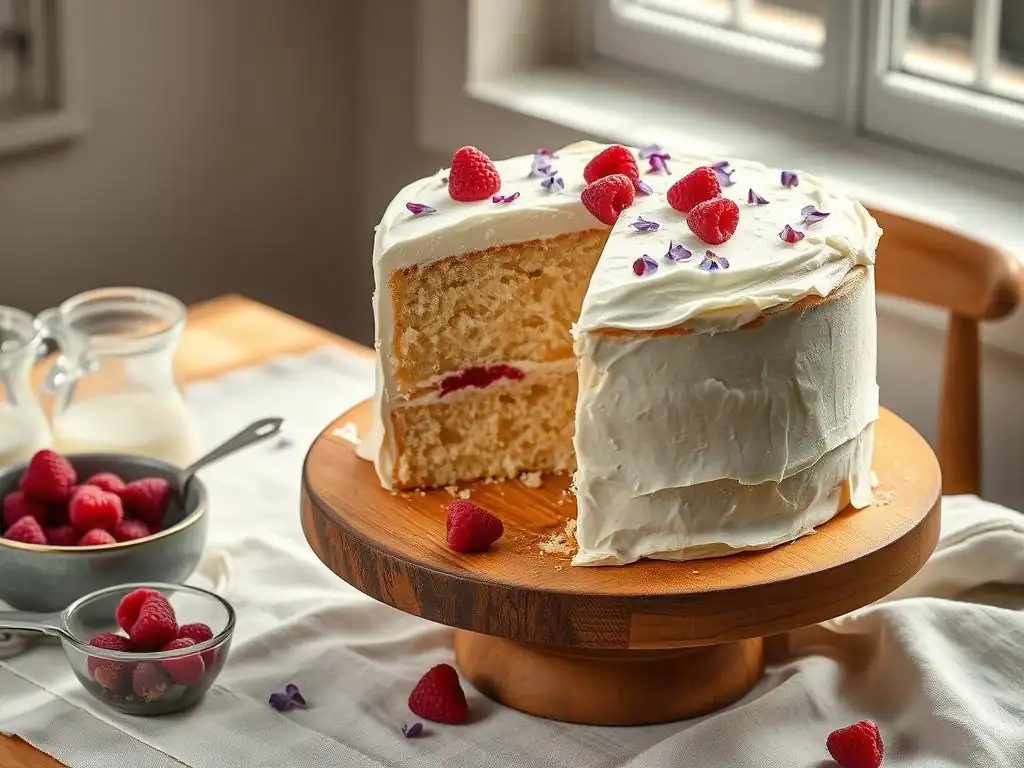
Even with the best substitutes and techniques, vegan cake baking can sometimes present challenges. Understanding the potential causes of common issues can help you diagnose problems and adjust your approach for future baking endeavors. Many issues relate back to the balance of moisture, fat, leavening, and structure.
- Issue: Cake sinks in the middle.
- Possible Causes: Oven door opened too early, underbaking, too much leavening, too much liquid, oven temperature too low.
- Issue: Cake has large tunnels or is peaked in the center.
- Possible Causes: Oven temperature too high, batter overmixed, too much flour or dry ingredients.
Addressing these fundamental elements often resolves texture issues and helps you consistently bake fluffy vegan cake layers.
Dense or Gummy Cake
A dense or gummy texture is a common issue in vegan baking and can stem from several factors. Overmixing the batter, especially with wheat flour, develops too much gluten, resulting in toughness and density. Using too much binder (like flax, chia, or commercial replacer) can also lead to a gummy texture, as these ingredients absorb a lot of liquid and can become gelatinous.
Insufficient leavening is another frequent cause; if there aren't enough air pockets created during baking, the cake will be heavy. This can happen if baking soda or powder is old, if there isn't enough acid to activate the baking soda, or if the leavening agents were measured incorrectly. Ensuring proper ingredient ratios, gentle mixing, and fresh leaveners is key to avoiding dense results and achieving fluffy vegan cake layers.
Dry or Crumbly Cake
A dry or crumbly vegan cake often indicates a lack of moisture or fat. This can happen if too much flour was used (especially if measured by volume and packed), if there wasn't enough liquid or fat in the recipe, or if the cake was overbaked. Vegan cakes can sometimes dry out more quickly than traditional cakes due to the absence of egg fats and dairy.
Using moistening substitutes like applesauce, mashed banana, or pureed pumpkin can help retain moisture. Ensuring adequate fat from oils or vegan butter is also crucial for tenderness. Baking the cake just until done, rather than longer, is essential. If a recipe consistently turns out dry, consider slightly increasing the liquid or fat content in subsequent attempts to improve moisture and achieve tender, fluffy vegan cake layers.
Uneven Cake Layers
Uneven cake layers, where the cake rises higher on one side or has a domed top that makes stacking difficult, can be frustrating. This is often caused by uneven heat distribution in the oven. Hot spots in the oven can cause one part of the cake to bake and set faster than another, leading to uneven rising.
Rotating the cake pans halfway through the baking time can help promote even baking. Ensure your oven racks are level. Using cake strips (fabric strips soaked in water and wrapped around the outside of the pan) can also help insulate the edges of the cake pan, causing the cake to bake more evenly from the edges to the center and reducing doming, resulting in flatter, more stackable fluffy vegan cake layers.
Recipe Adaptations: Transforming Traditional Cake Recipes into Vegan Masterpieces
Adapting traditional cake recipes to be vegan requires a thoughtful approach to ingredient substitution. Simply swapping out eggs for a single binder might not be sufficient, especially in recipes where eggs play multiple roles. Understanding the function of each original ingredient helps you select the best vegan alternatives to replicate the desired texture, including achieving fluffy vegan cake layers.
A general guideline for adapting is to replace each egg with a binder (like 1 flax egg or 1/4 cup applesauce), dairy milk with plant milk (1:1 ratio), and dairy butter with vegan butter or oil (1:1 ratio, considering the fat type). You may also need to slightly adjust leavening agents or add a touch more moisture depending on the substitutes used.
Vegan Vanilla Cake with Applesauce and Almond Milk
Let's consider adapting a classic vanilla cake recipe that calls for butter, eggs, milk, sugar, flour, baking powder, and vanilla. To make it vegan using applesauce and almond milk:
- Replace butter with equal parts vegan butter sticks for creaming.
- Replace eggs with unsweetened applesauce (e.g., 1/4 cup applesauce per egg).
- Replace dairy milk with unsweetened almond milk (1:1 ratio).
- Keep sugar, flour, baking powder, and vanilla as specified, unless the applesauce adds significant sweetness, in which case sugar might be slightly reduced.
The vegan butter will provide richness and allow for creaming to add air, contributing to fluffy vegan cake layers. The applesauce acts as a binder and adds moisture, while the almond milk provides the necessary liquid. This combination results in a tender, moist vanilla cake with good rise, demonstrating how simple swaps can yield delicious vegan results.
Vegan Chocolate Cake with Flaxseed Meal and Coconut Oil
Adapting a chocolate cake recipe often involves using cocoa powder, which can be drying. Using flaxseed meal and coconut oil helps counteract this for moist, fluffy vegan cake layers.
- Replace butter with melted coconut oil (1:1 ratio).
- Replace eggs with flax eggs (1 tbsp flax meal + 3 tbsp water per egg).
- Replace dairy milk with plant milk like soy or oat milk (1:1 ratio) for moisture and some richness.
In this adaptation, the melted coconut oil provides moisture and richness, complementing the chocolate flavor. The flax eggs effectively bind the batter, which is crucial in moist, oil-based cakes. The plant milk ensures the dry ingredients are properly hydrated. This combination often yields a rich, moist chocolate cake with a tender crumb, showcasing how different substitutes are suited for different cake types and flavors while still achieving fluffy vegan cake layers.
Conclusion: Baking Delicious and Fluffy Vegan Cakes with Confidence
Baking vegan cakes that are truly fluffy and tender is entirely achievable with the right knowledge and ingredients. By understanding the roles that traditional ingredients like eggs, dairy, and gluten play, you can effectively choose and utilize vegan substitutes to replicate their functions. Whether you opt for natural binders like flaxseed meal and applesauce, rich fats like vegan butter and coconut oil, or moistening liquids like oat and soy milk, each choice contributes to the final texture.
Mastering techniques such as accurate measuring, gentle mixing, and proper baking and cooling further ensures success. Don't be discouraged by initial attempts that aren't perfect; vegan baking is a journey of delicious discovery. With practice and attention to these key substitutes and tips, you'll be confidently baking delightful, fluffy vegan cake layers that everyone will enjoy. Happy baking!
Frequently Asked Questions
What are the key ingredients to replace in a traditional cake recipe to make it vegan and still achieve fluffy layers?
The most common substitutions involve replacing eggs with plant-based binders like applesauce or flaxseed meal and dairy milk with non-dairy milk alternatives like almond or soy milk. Fat can be replaced with vegan butter or oil.
How do vegan egg substitutes impact the texture of a vegan cake compared to using real eggs?
Vegan egg substitutes affect the binding and leavening properties. Some, like applesauce, add moisture, while others, like flaxseed meal, provide binding. Achieving the right balance is key for a fluffy texture.
What type of flour is best suited for creating a light and fluffy vegan cake?
Generally, all-purpose flour is a good starting point. However, using cake flour or a blend with a lower protein content can result in a more tender and fluffy crumb. You can also add a bit of cornstarch to all-purpose flour.
What are some tips for preventing a vegan cake from being dense or gummy?
Avoid overmixing the batter, as this can develop the gluten too much. Ensure your baking powder and baking soda are fresh. Additionally, use aquafaba to add air and leavening.
How can I ensure my vegan cake layers are moist and don't dry out quickly?
Add moisture-rich ingredients like applesauce, mashed bananas, or plant-based yogurt. Also, after baking, allow the layers to cool completely before frosting and store the cake properly in an airtight container.
Final Reflection: The Sweet Revolution of Vegan Baking
The quest for a perfectly fluffy vegan cake is more than just a culinary challenge; it's a testament to the growing demand for delicious, ethical, and inclusive food choices. The recipes and techniques explored in this article demonstrate that achieving light, airy layers in vegan baking is entirely achievable, dispelling the myth that plant-based alternatives compromise on texture or taste. This isn't just about cake; it's about expanding the possibilities of vegan cuisine and making delicious treats accessible to everyone.
The journey to perfecting vegan cake recipes has been a fascinating reflection of broader societal shifts. We've seen a dramatic increase in the availability of vegan ingredients and a corresponding rise in culinary creativity within the plant-based community. This reflects a growing awareness of the environmental and ethical implications of our food choices. The future of food is plant-based,
a statement increasingly echoed by chefs, scientists, and activists alike, highlights the significance of this movement. This isn't just about individual dietary choices; it's about a collective effort towards a more sustainable and compassionate food system.
Now, it's your turn to embrace the possibilities. Experiment with the techniques and recipes outlined in this article, and discover the joy of creating light, fluffy vegan cakes. Don't be afraid to adapt and innovate – the world of vegan baking is your oyster! Let your creativity flourish, and share your delicious creations with others. By embracing plant-based baking, you're not just making a cake; you're contributing to a sweeter, more sustainable future for all.
Unleash Your Inner Vegan Baker!
Thanks for diving into the world of delicious vegan cakes! You've now unlocked the secrets to fluffy, tender layers, even without eggs and dairy. Ready to put your new knowledge to the test?
- Bake your dream vegan cake today! Grab your favorite vegan recipe (or try one of our many suggestions on BakeWithEase.com!) and get baking. Let your creativity soar!
- Share your baking triumphs (and challenges!) with our community. We'd love to see your creations – and hear your feedback.
- Explore other amazing vegan recipes on our website to expand your baking repertoire.
Ready to create your masterpiece? What's your favorite vegan cake flavor to experiment with?