
The Crucial Role of Fat in High Altitude Baking

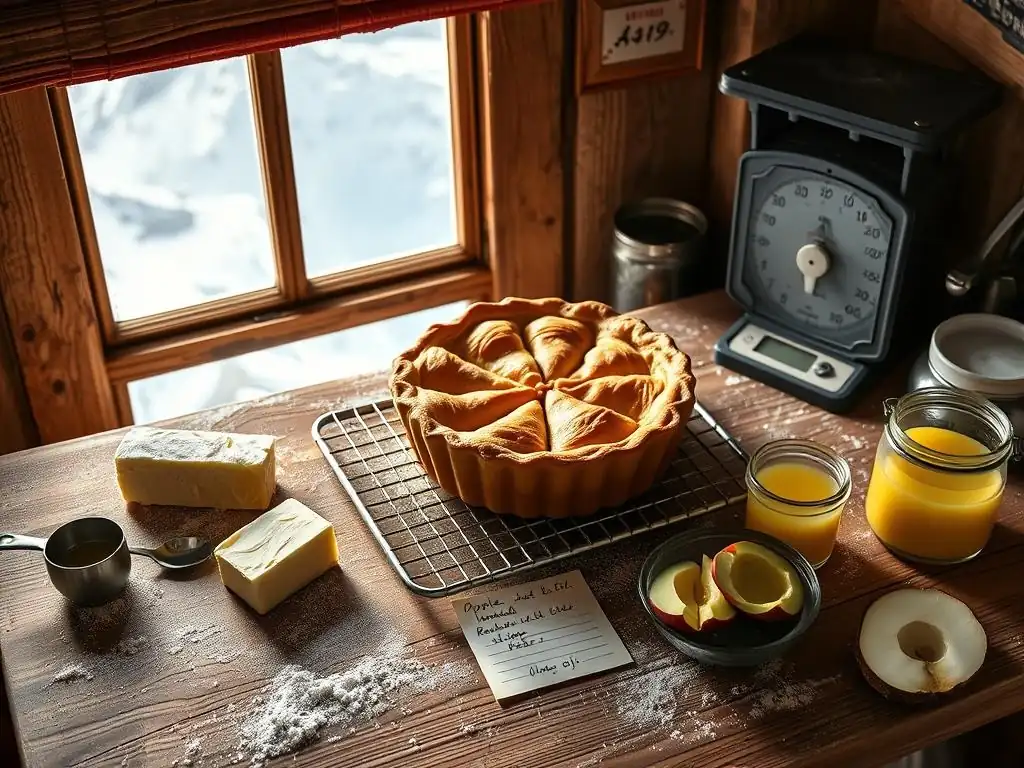
Welcome to BakeWithEase, where baking becomes a joy, not a chore! Ever wondered why your cakes fall flat or your cookies spread thin when baking at higher altitudes? Discover the secrets to high altitude baking fat tips and unlock a whole new world of fluffy, perfectly risen treats. Prepare to elevate your baking game with insights that will transform your results, one delicious bite at a time. Intrigued? Let's dive in!
- BakeWithEase: Mastering Fat Adjustments for High Altitude Baking
- Understanding the Science of Fat in Baking at High Altitudes
- High Altitude Baking Fat Tips: Choosing the Right Fats
-
Adjusting Fat Content for High Altitude Baking Success
- Determining the Ideal Fat Percentage for Your Recipe
- High Altitude Baking Fat Conversion Chart: (Example: For every 3,000 feet above sea level, increase fat by 1-2% in weight relative to flour.)
- Fat Substitutes in High Altitude Baking: Applesauce, yogurt, or pureed fruits can be used to reduce fat content while maintaining moisture, but may alter the flavor and texture.
- Common High Altitude Baking Problems Related to Fat and Their Solutions
- High Altitude Baking Recipes with Fat Adjustments
- Mastering High Altitude Baking Fat Techniques: A Summary
-
Frequently Asked Questions
- What is the main challenge when baking at high altitude, and how does fat help address it?
- Why is the type of fat important in high altitude baking?
- How does fat content affect the leavening process at high altitudes?
- What are some recommended types of fat for high altitude baking, and why?
- Can I simply add more fat to my recipe when baking at high altitude?
- Final Reflection: The Unsung Hero of High-Altitude Baking
- Unlock the Secrets of High-Altitude Baking!
BakeWithEase: Mastering Fat Adjustments for High Altitude Baking
Baking at high altitudes presents unique challenges due to the lower atmospheric pressure, drier air, and faster evaporation rates. These environmental factors significantly impact how ingredients behave, and fat, in particular, plays a crucial role in ensuring your baked goods turn out moist, tender, and delicious. Understanding how to properly adjust fat content is one of the most valuable high altitude baking fat tips you can learn to achieve consistent success in your kitchen, no matter your elevation.
At BakeWithEase, we believe that mastering high altitude baking is achievable with the right knowledge and techniques. This article will delve into the science behind why fat is so important at higher elevations and provide practical high altitude baking fat tips to help you navigate these adjustments. From choosing the best types of fat to knowing how much to add and when to use substitutes, we'll cover everything you need to know to bake with confidence above sea level.
Understanding the Science of Fat in Baking at High Altitudes
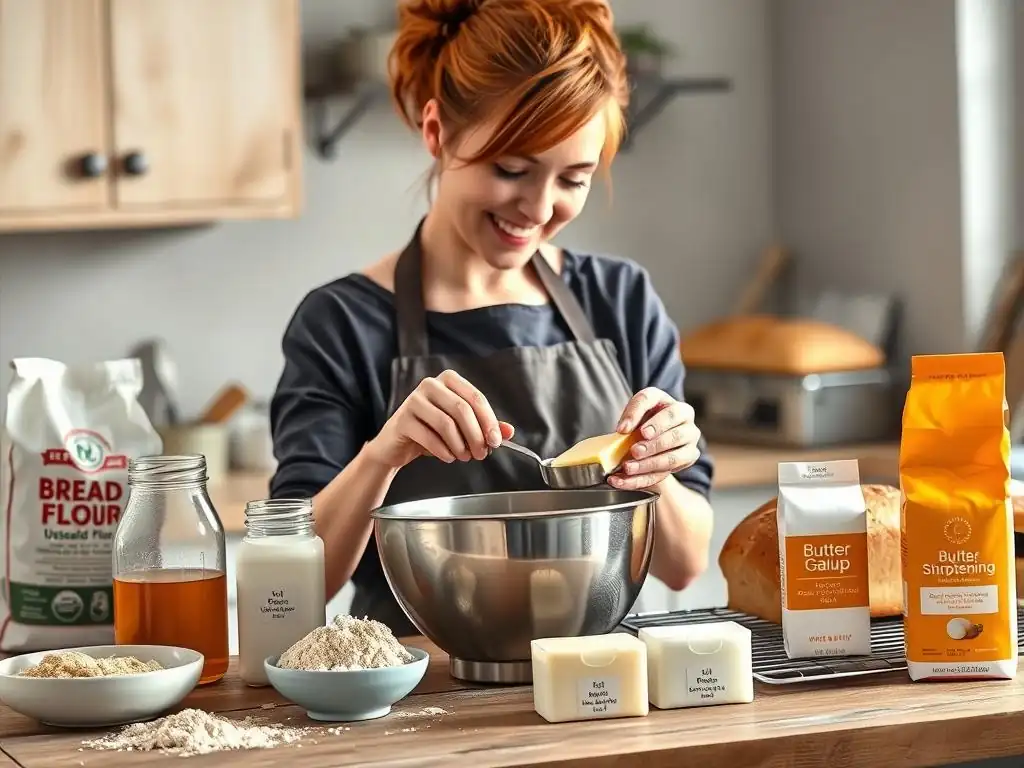
Why Fat Matters More at High Altitudes: Lower atmospheric pressure leads to faster evaporation of moisture, potentially resulting in drier baked goods. Fat helps retain moisture, contributing to a more tender and palatable result.
At elevations significantly above sea level, the atmospheric pressure is lower. For instance, at 5,000 feet, the pressure is roughly 14% lower than at sea level, and at 10,000 feet, it's about 30% lower. This reduced pressure causes liquids, like the water in your batter or dough, to evaporate much faster and boil at a lower temperature (water boils at approximately 203°F or 95°C at 5,000 feet compared to 212°F or 100°C at sea level).
This rapid moisture loss during baking is a primary reason why baked goods can become dry and crumbly at higher altitudes. Fat, however, acts as a protective coating around flour particles, inhibiting gluten development and, crucially, trapping moisture. By increasing the fat content, you create a barrier that slows down evaporation, helping your cakes, cookies, and breads stay moist and tender despite the challenging environment.
Moreover, fat contributes significantly to the overall texture of baked goods. It shortens gluten strands, resulting in a tender crumb. At high altitudes, batters and doughs tend to rise faster and higher due to less air resistance, but they can also collapse more easily because the structure sets before the starches fully gelatinize.
Adequate fat helps create a more stable structure, supporting the increased rise and preventing the dreaded cratered cake or sunken bread. Incorporating the right amount and type of fat is a cornerstone of effective high altitude baking fat tips, directly addressing the issues of dryness and structural weakness inherent in high-altitude environments.
The Impact of Reduced Air Pressure on Fat's Performance
While the fundamental chemical properties of fat, like its melting point, don't change drastically with air pressure, the environment in which it performs does. The lower pressure leads to faster leavening action (from baking powder, soda, or yeast) and quicker moisture evaporation, both of which interact with the fat in your recipe.
Fat's ability to tenderize and moisten becomes more critical because the window for the structure to set properly is shorter, and the risk of dryness is higher. The fat needs to work harder, so to speak, to maintain moisture and create a tender crumb before the baked good dries out or collapses.
Consider baking a cake at sea level versus 7,000 feet. At sea level, the cake rises steadily, the moisture evaporates gradually, and the fat works to keep it tender as it bakes through. At 7,000 feet, the cake might initially puff up dramatically, moisture vanishes rapidly, and without sufficient fat, the interior can become dry and the structure might weaken and fall.
The fat needs to be present in a higher proportion or a type that effectively coats the flour and retains moisture under these accelerated conditions. This underscores why adjusting fat content is one of the fundamental high altitude baking fat tips for achieving optimal results.
High Altitude Baking Fat Tips: Choosing the Right Fats
Best Types of Fat for High Altitude Baking: Butter, shortening, and various oils each offer unique benefits and drawbacks depending on the desired outcome.
Selecting the appropriate fat is crucial for successful high altitude baking. Different fats have varying melting points, water content, and abilities to coat flour particles, all of which impact the final texture and moisture of your baked goods. Understanding the properties of common baking fats will help you make informed decisions when adapting recipes for high altitude, providing essential high altitude baking fat tips for your culinary adventures.
- Butter: Prized for its flavor, butter contains about 80-82% fat and 18-20% water. The water contributes steam during baking, which helps with leavening and creates flakiness in pastries, but this water also evaporates faster at high altitudes, potentially leading to dryness if not compensated for.
- Shortening: Typically 100% fat, shortening has a higher melting point than butter. This makes it excellent for creating flaky crusts and providing structure without adding moisture that could evaporate. It's a stable fat that creams well with sugar.
- Oils: Liquid at room temperature, oils (like vegetable, canola, or olive oil) are 100% fat and coat flour particles very effectively, leading to extremely moist and tender results. However, they don't trap air when creamed like solid fats do, which can affect leavening and texture in some recipes.
Butter in High Altitude Baking: Advantages and Disadvantages
Butter brings unparalleled flavor to baked goods, which is a significant advantage. Its melting point also contributes to a tender texture as it melts and creates layers or pockets within the structure. However, its water content is a disadvantage in high altitude baking because water evaporates quickly under low pressure.
This means if you rely solely on butter, you might need to increase the total amount to compensate for the rapid moisture loss, or combine it with another fat. For instance, in a high altitude cookie recipe, increasing the butter by 1-2 tablespoons per cup of flour might be necessary to maintain chewiness and prevent spreading too much. Another approach is to brown the butter first, which reduces its water content slightly while adding a nutty flavor, a clever high altitude baking fat tip for cookies.
Shortening for High Altitude Baking: Stability and Texture
Shortening is a workhorse in high altitude baking due to its 100% fat content and higher melting point compared to butter. It excels at creating flaky textures, like in pie crusts or biscuits, because it doesn't melt as quickly in the oven, leaving behind pockets that expand with steam (though less steam comes from the shortening itself, more from other ingredients). Its stability also helps support the structure of cakes and cookies, preventing collapse under the lower pressure.
While it doesn't offer the same rich flavor as butter, it's invaluable for texture. Many high altitude baking fat tips suggest using a blend of butter and shortening (e.g., half and half) to get the best of both worlds: flavor from butter and structural stability/flakiness from shortening.
Oils in High Altitude Baking: Moisture and Flavor Considerations
Oils are excellent for adding moisture and tenderness to baked goods at high altitudes because they coat flour particles so thoroughly, inhibiting gluten development and trapping existing moisture. Recipes like quick breads, muffins, and certain cakes benefit greatly from oil. Using oil can help combat the dryness often experienced at higher elevations.
However, using too much oil can result in a greasy or dense texture, as it doesn't provide the same creaming or leavening action as solid fats. Choosing an oil with a neutral flavor (like canola or vegetable) is often best, though some recipes benefit from flavored oils like olive oil (common in Mediterranean-style cakes) or melted coconut oil (adds a subtle tropical hint). Balancing the liquid fat with other ingredients is a key high altitude baking fat tip when working with oils.
How Different Fats Affect Gluten Development in High Altitude
Fat plays a critical role in tenderizing baked goods by coating flour particles, which prevents them from absorbing water as readily and thus inhibits the formation of long, strong gluten strands. This "shortening" effect is vital at high altitudes where rapid leavening and potential dryness can lead to tough textures.
Solid fats like butter and shortening are generally more effective at coating flour particles than liquid oils because they are solid at room temperature and can be cut or rubbed into the flour, creating distinct layers or small pockets. For example, rubbing cold butter or shortening into flour for biscuits creates layers that result in flakiness.
Liquid oils, on the other hand, disperse more evenly throughout the batter or dough, providing uniform tenderness and moisture. In a quick bread, oil coats the flour particles thoroughly, leading to a soft, moist crumb. While both solid and liquid fats shorten gluten, they do so differently, impacting the final texture.
Understanding this difference is essential for applying specific high altitude baking fat tips; for instance, a recipe relying on creaming butter and sugar for leavening and structure might need adjustments if substituting with oil, as oil doesn't trap air in the same way. At high altitudes, where structure is paramount, the fat's ability to both tenderize and contribute to stability (especially solid fats) becomes even more pronounced.
Adjusting Fat Content for High Altitude Baking Success
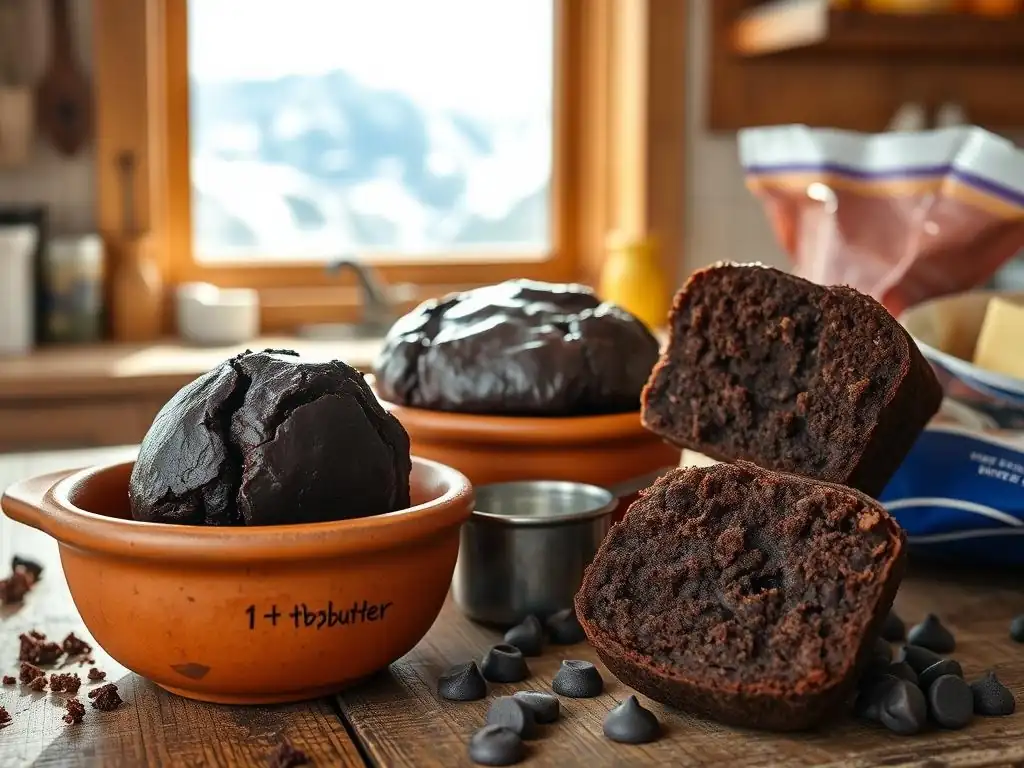
Determining the Ideal Fat Percentage for Your Recipe
Adjusting fat content is a key component of successful high altitude baking fat tips. There's no single universal rule, as the ideal adjustment depends on the original recipe, the type of baked good, and your specific altitude. However, a common starting point is to slightly increase the fat relative to the flour content.
For example, if a recipe calls for 1/2 cup (about 113g) of butter for 2 cups (about 240g) of flour, this is roughly a 47% fat-to-flour ratio by weight. At high altitude, you might increase the butter by 1-2 tablespoons (about 14-28g), bringing the ratio up to around 53-59%. This slight increase helps combat dryness and adds tenderness.
For quick breads and muffins made with oil, a small increase, perhaps 1-2 tablespoons per standard recipe, can significantly improve moisture. It's often recommended to start with the minimum suggested increase and adjust in subsequent attempts based on your results. Keep detailed notes of your high altitude baking fat tips and adjustments – including the altitude, original recipe, changes made, and outcome – to refine your techniques over time. Trial and error is part of the process, but starting with a calculated increase based on the science of high altitude baking gives you a strong foundation.
High Altitude Baking Fat Conversion Chart: (Example: For every 3,000 feet above sea level, increase fat by 1-2% in weight relative to flour.)
While detailed conversion charts can vary, a general guideline for high altitude baking fat adjustments is to increase the fat content as elevation rises. Using the user's provided example as a base:
- Sea Level to ~3,000 feet: No significant fat adjustment typically needed. Follow the original recipe.
- ~3,000 feet to ~6,000 feet: Consider increasing fat by 1-2% of the flour's weight. For a recipe using 2 cups (approx. 240g) of flour, this would mean adding an extra 2.4g to 4.8g of fat. This is roughly equivalent to adding about 1/2 to 1 teaspoon of butter or oil.
- ~6,000 feet to ~9,000 feet: Consider increasing fat by 2-4% of the flour's weight. For 2 cups (approx. 240g) of flour, this is 4.8g to 9.6g of fat, roughly equivalent to adding 1 to 2 teaspoons of butter or oil, or 1 to 2 tablespoons of solid fat (butter/shortening) per cup of flour in some recipes.
- Above ~9,000 feet: May require a larger increase, potentially 4-6% or more, depending on the recipe. This could mean adding 2-3 tablespoons of solid fat per cup of flour or significantly increasing oil.
Note: These are approximations and starting points. The exact amount depends on the recipe's sensitivity, other adjustments made (like liquid or leavening), and the desired texture. Always start small and adjust. These guidelines serve as practical high altitude baking fat tips for modifying your favorite recipes.
Fat Substitutes in High Altitude Baking: Applesauce, yogurt, or pureed fruits can be used to reduce fat content while maintaining moisture, but may alter the flavor and texture.
For those looking to reduce fat content in their baking, high altitude presents a challenge because fat is so crucial for moisture and structure. However, certain substitutes can help add moisture, though they won't replicate the tenderizing and structural benefits of fat perfectly. Common substitutes include unsweetened applesauce, plain yogurt, mashed banana, or other fruit purees. These substitutes contain water and fiber, which help keep baked goods moist.
When using fat substitutes in high altitude baking, it's important to understand their limitations. They add moisture but don't shorten gluten effectively or contribute to flakiness or creaming like traditional fats. Substituting too much fat (e.g., replacing more than half the fat with applesauce) can result in a gummy or dense texture, especially at high altitude where structure is already delicate.
A common high altitude baking fat tip when using substitutes is to replace only a portion of the fat, typically up to half, and be prepared for changes in flavor (e.g., applesauce adds a slight apple flavor) and texture. For instance, replacing half the butter with applesauce in a muffin recipe might work well for moisture but could result in a less tender crumb compared to using all butter or a butter/shortening blend.
Dry and Crumbly Baked Goods: Increasing Fat Content
One of the most frequent issues encountered in high altitude baking is excessive dryness and a crumbly texture. This is often directly related to the rapid evaporation of moisture under lower atmospheric pressure. If your cookies spread too little and are dry, or your cakes have a coarse, dry crumb, insufficient fat is a likely culprit.
The solution, aligned with key high altitude baking fat tips, is to increase the fat content. Refer back to the adjustment guidelines (e.g., 1-2 tablespoons of solid fat per cup of flour, or a 5-10% increase in total fat weight). For cakes, adding an extra tablespoon or two of butter or oil can make a noticeable difference.
For cookies, increasing the butter slightly or adding a tablespoon of shortening can improve moisture and texture. Ensure your butter isn't melted unless the recipe specifically calls for it, as solid fat contributes differently to texture. By strategically increasing fat, you help trap moisture within the baked good, leading to a more tender and palatable result that resists drying out during the faster high-altitude bake.
Dense and Heavy Cakes: Adjusting Fat and Leavening Agents
While insufficient fat leads to dryness, too much fat (or fat used incorrectly) can contribute to a dense or heavy texture, particularly in cakes. At high altitudes, batters rise faster, and if the structure isn't strong enough to support this rapid rise, they can collapse, resulting in a dense layer or overall heavy texture. Over-creaming fat and sugar can also incorporate too much air initially, leading to a rapid rise followed by a fall.
Addressing dense cakes at high altitude often involves a combination of adjustments, including fat. While increasing fat is usually necessary for moisture, ensure you aren't adding excessive amounts that weigh down the batter. Also, check your leavening. At high altitudes, leavening agents (baking powder/soda) often need to be decreased because they react more quickly under low pressure, producing gas too fast for the structure to set.
If you've increased fat for moisture but the cake is still dense, consider slightly reducing your baking powder/soda (e.g., 10-25% reduction) to slow down the rise and allow the fat and other ingredients to build a stable structure. Using room-temperature fat (unless specified cold) and not overmixing after adding flour also helps develop a tender crumb rather than a heavy one. These high altitude baking fat tips work in conjunction with leavening adjustments.
Oily or Greasy Textures: Reducing Fat or Changing Type
Occasionally, a baked good at high altitude might turn out oily or greasy. This can happen if too much fat was added in an attempt to combat dryness, if the wrong type of fat was used for the specific recipe, or if the baking temperature was too low, causing the fat to melt and leach out before the structure set.
If your baked goods consistently have an oily texture at high altitude, consider slightly reducing the amount of fat in your next attempt, perhaps by 1-2 tablespoons. Re-evaluate the type of fat used; liquid oils are more prone to creating a greasy texture if used in excess compared to solid fats like butter or shortening, which are incorporated differently into the dough or batter. Ensure your oven temperature is accurate; a too-low temperature can exacerbate greasiness.
Using parchment paper on baking sheets can also help manage spread and greasiness in cookies. These high altitude baking fat tips focus on finding the right balance and technique to avoid an undesirable oily texture while still ensuring sufficient moisture.
High Altitude Baking Recipes with Fat Adjustments
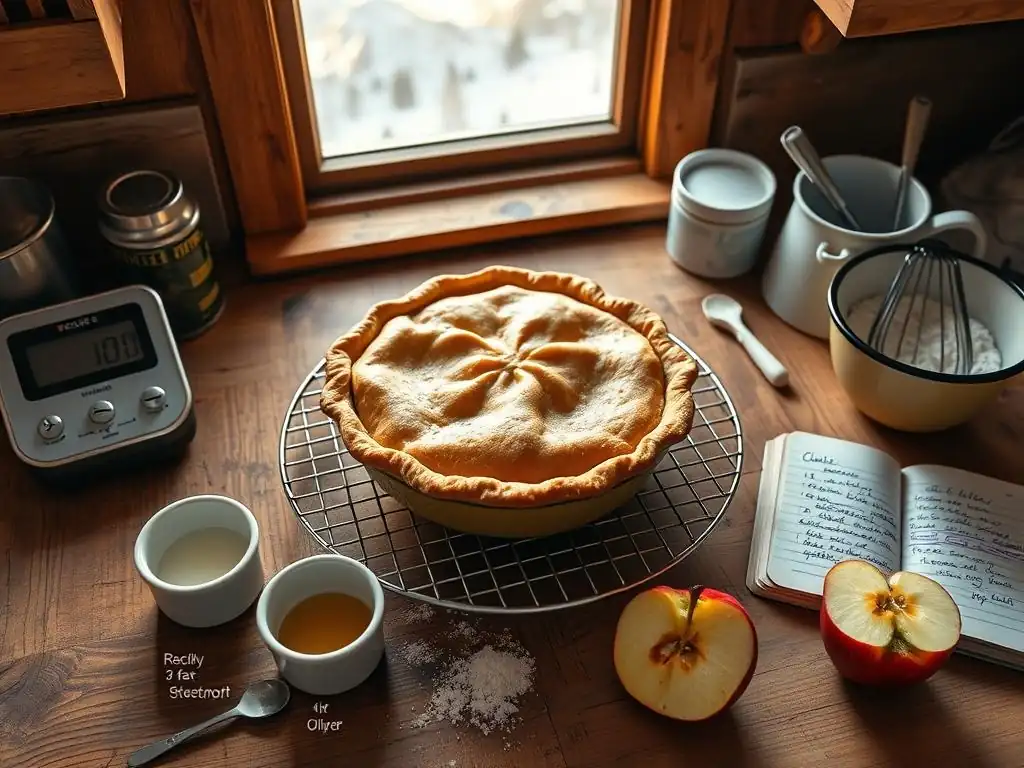
A classic high altitude baking fat tip for cookies is using brown butter. Browning butter involves gently melting and cooking butter until the milk solids turn a nutty brown color, which removes some of the water content (reducing the rapid evaporation issue) and adds a rich, complex flavor.
For a standard chocolate chip cookie recipe (using, say, 1 cup of butter), you would melt the butter, brown it, let it cool slightly, and then use it as directed, potentially increasing the initial amount of butter by 1-2 tablespoons before browning to account for some moisture loss during the browning process. This technique results in chewier, more flavorful cookies that resist drying out at high altitude.
High Altitude Vanilla Cake: Olive Oil Infusion for Moisture
Using oil in cakes is an excellent high altitude baking fat tip for ensuring moisture. For a vanilla cake recipe, substituting a portion of the solid fat (like butter) with a neutral-flavored olive oil, or adding a couple of extra tablespoons of olive oil to an oil-based recipe, can significantly improve the texture at high altitude. For example, a recipe calling for 1/2 cup of butter might be adapted to use 1/4 cup of butter and 1/4 cup plus 2 tablespoons of olive oil.
Olive oil coats the flour particles thoroughly, creating a very tender and moist crumb that stands up well to the dry, low-pressure environment. The subtle flavor of good quality olive oil can also complement the vanilla beautifully.
High Altitude Scones: Cream Cheese Enrichment for Tenderness
Scones, which rely on cold fat cut into flour for flakiness, can become dry and dense at high altitude. A useful high altitude baking fat tip for scones is to incorporate cream cheese. Cream cheese is about 33% fat and 55% water, but its unique texture and acidity help create a very tender scone.
Replacing a portion of the butter or shortening with cold, cubed cream cheese (e.g., substituting 1/4 cup of butter with 1/4 cup of cream cheese in a recipe calling for 1/2 cup of fat) adds richness and moisture while still allowing for flakiness when cut into the dry ingredients. The result is a scone that is moist on the inside with a tender crumb, resisting the typical high-altitude dryness.
Mastering High Altitude Baking Fat Techniques: A Summary
Key Takeaways for Successful High Altitude Baking with Fat
Mastering high altitude baking fat tips is crucial for consistently delicious results. The key takeaways are:
- Lower atmospheric pressure at high altitude causes faster moisture evaporation, making fat's role in retaining moisture more critical.
- Fat tenderizes baked goods by shortening gluten strands, which is especially important in the high-altitude environment where rapid leavening can lead to toughness.
- Different fats (butter, shortening, oils) offer unique benefits; butter for flavor, shortening for stability and flakiness, oils for moisture. A blend is often ideal.
- Adjusting fat often means slightly increasing the amount, typically by a few tablespoons per cup of flour or 1-4% of the flour's weight, depending on elevation and recipe.
- Fat substitutes like applesauce can add moisture but may alter texture and flavor and don't provide the same structural benefits as traditional fats.
- Common problems like dryness, density, or greasiness can often be solved by adjusting the amount or type of fat, sometimes in conjunction with other adjustments like leavening or temperature.
- Experimentation is key; start with recommended high altitude baking fat tips and adjust based on your results.
Further Resources for High Altitude Baking Enthusiasts
Embarking on the journey of high altitude baking is exciting, and mastering the use of fat is a significant step. Continue exploring resources dedicated to baking science and high-altitude adjustments. Look for reputable baking blogs, cookbooks specifically tailored to high-altitude conditions, and online communities where experienced high-altitude bakers share their high altitude baking fat tips and experiences. Many university extension offices in high-altitude regions also offer guides and tested recipes. By continuously learning and practicing, you'll soon be baking moist, tender, and perfectly structured treats no matter how high your kitchen is!
Frequently Asked Questions
What is the main challenge when baking at high altitude, and how does fat help address it?
At high altitudes, lower air pressure causes liquids to evaporate more quickly, leading to drier baked goods. Fat helps by retaining moisture and contributing to a more tender crumb.
Why is the type of fat important in high altitude baking?
Different fats have different melting points and moisture contents. Using the right fat can prevent a dry, crumbly texture often experienced in high altitude baking.
How does fat content affect the leavening process at high altitudes?
Higher fat content can weaken gluten development, which can be helpful at high altitude where leavening occurs more rapidly. This can prevent the final product from collapsing or becoming too dense.
What are some recommended types of fat for high altitude baking, and why?
Options include butter, shortening, and oil. Butter adds flavor and richness, while shortening provides stability and tenderness. Oil contributes to moistness and a soft texture.
Can I simply add more fat to my recipe when baking at high altitude?
While increasing fat can help, it's crucial to do so carefully. Too much fat can lead to a greasy or heavy result. Experiment to find the right balance for your specific recipe and altitude.
Final Reflection: The Unsung Hero of High-Altitude Baking
The right fat is not merely a component of high-altitude baking; it's the key to unlocking success. Without understanding its crucial role in combating the challenges of reduced air pressure, even the most meticulously followed recipe can fall flat. This article has explored the science behind why fats are essential, highlighting the specific properties that make certain fats superior in thin air.
The impact of this knowledge extends far beyond the kitchen. It's a testament to the power of understanding the fundamental principles of baking, regardless of altitude. It's about embracing the challenges and finding creative solutions. As the renowned pastry chef, Jacques Torres, once said, Baking is a science, but it's also an art. You have to understand the science to be able to create the art.
This principle is particularly true at high altitude, where a deeper understanding of ingredients, like fat, is paramount to achieving consistently delicious results.
Now, consider your own baking experiences. Have you struggled with dry cakes or flat cookies at high altitude? I encourage you to experiment with the fat recommendations outlined in this article. Don't be afraid to adjust your recipes, to embrace the unique challenges of high-altitude baking, and to discover the joy of perfectly risen treats, no matter where you live. The journey of mastering high-altitude baking is a rewarding one, and the right fat is your trusted companion on that journey.
Unlock the Secrets of High-Altitude Baking!
Thanks for exploring the fascinating world of high-altitude baking with us! You've now gained valuable insights into the crucial role of fat in achieving perfect results at higher elevations. Ready to put your newfound knowledge into practice?
- Master the art of high-altitude fat ratios: Experiment with different fat types and quantities in your favorite recipes, adjusting based on your specific altitude. Note your results to fine-tune your technique!
- Share your high-altitude baking triumphs (and challenges!): Join our community forum and let others learn from your experiences. We'd love to see your creations!
- Try our exclusive high-altitude recipe collection: We've compiled a selection of recipes perfected for high-altitude baking – discover new favorites!
What unexpected ingredient will you experiment with in your next high-altitude baking adventure?