
Tolerances and Turnarounds: Quick Fixes When Your Oven Runs Hot or Cold

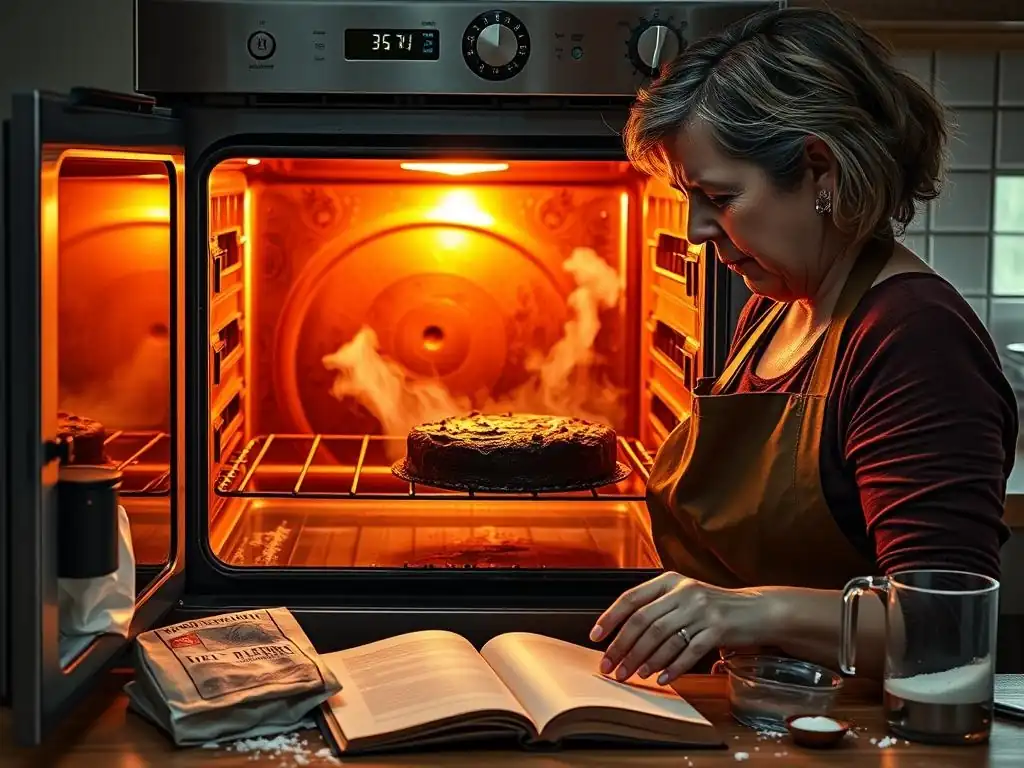
Welcome to BakeWithEase, your kitchen companion for all things baking! Ever wondered why your creations aren't quite turning out as expected? Let's tackle those frustrating hot oven baking problems head-on! Dive into our latest article for quick fixes and essential tips to ensure perfectly baked goods, every time. Discover the secrets to mastering your oven and transforming baking mishaps into delicious triumphs!
- Oven Temperature Troubleshooting: Hot or Cold
- Understanding Oven Temperature Inaccuracy
- Troubleshooting a Hot Oven
- Addressing a Cold Oven
- Advanced Techniques
- Preventing Future Problems
- Baking with Confidence
-
Frequently Asked Questions
- What are some common signs that my oven is running too hot?
- Can using a different baking pan material affect how my oven heats?
- What's a simple way to test if my oven temperature is accurate?
- My oven is consistently running hot. What are some quick fixes I can try?
- Besides adjusting the temperature, what else can I do to mitigate "hot oven baking problems"?
- Final Reflection: Navigating the Heat of Baking Challenges
- Unlock Your Oven's Full Baking Potential!
Oven Temperature Troubleshooting: Hot or Cold
Understanding Oven Temperature Inaccuracy
Oven temperature is one of the most critical factors in successful baking. Even the slightest deviation from the recipe's specified temperature can lead to disappointing results. Unfortunately, many home ovens, even newer models, don't always maintain the precise temperature displayed on the dial or digital readout. This inconsistency is a common challenge for bakers and can significantly impact the final product.
Understanding that your oven might not be perfectly accurate is the first step to overcoming baking frustrations. This isn't a flaw unique to your kitchen; it's a widespread issue that bakers worldwide learn to manage. Recognizing this potential for inaccuracy allows you to approach baking with an awareness that goes beyond simply setting a temperature and hoping for the best. It empowers you to take proactive steps to verify and adjust as needed.
Impact on Baking Quality
An oven that runs hot can quickly lead to scorched tops, dry interiors, and a dense texture, especially in delicate items like cakes or muffins. The Maillard reaction and caramelization processes happen too rapidly at excessively high temperatures, often resulting in a dark, hard crust before the interior has had a chance to cook through properly. This is a classic symptom of hot oven baking problems. For instance, cookies might have burned bottoms and pale, underbaked centers if the oven is just 20-30°F hotter than set.
Conversely, a cold oven slows down the baking process considerably. This can result in pale, dense, or gummy baked goods that fail to rise properly. Yeast-leavened bread might not achieve the desired oven spring, and pastries could turn out soggy instead of flaky. A cake baked in an oven that's too cool might collapse in the center or remain stubbornly raw in the middle, even after extended baking time. Both hot and cold oven issues present unique challenges to achieving consistent, quality results.
Common Signs of Temperature Issues
One of the most apparent signs of oven temperature inaccuracy is inconsistent baking results, even when following a recipe perfectly. If one batch of cookies comes out perfectly golden while the next batch from the same dough is either burned or underbaked, your oven's temperature might be fluctuating or consistently off. Uneven browning across a single baking sheet or pan is another tell-tale sign; one side of a cake might be significantly darker than the other.
Other indicators include baked goods finishing much faster or slower than the recipe suggests. If a recipe calls for a cake to bake for 30 minutes at 350°F, but yours is fully cooked in 20 minutes, your oven is likely running hot, signaling potential hot oven baking problems. If it takes 45 minutes, your oven is probably running cold. Pay attention to these timing discrepancies as they provide valuable clues about your oven's true temperature.
Identifying Imbalances
The most reliable way to identify oven temperature imbalances is by using a separate, accurate oven thermometer. These inexpensive tools hang or sit on your oven rack and provide an independent reading of the internal temperature. Place it in the center of your oven and let the oven preheat for at least 20-30 minutes after the preheat light or signal comes on, as the internal temperature often continues to climb.
Check the thermometer's reading against your oven's set temperature. Many home ovens can be off by as much as 15-50°F, or even more. Also, observe if the temperature fluctuates significantly during the baking cycle. Some ovens have hot spots or cold spots, meaning one area of the oven is consistently hotter or colder than another. Rotating your baked goods halfway through the cooking time can help mitigate this, but identifying the overall inaccuracy with a thermometer is the first step to addressing hot oven baking problems or cold oven woes directly.
Troubleshooting a Hot Oven
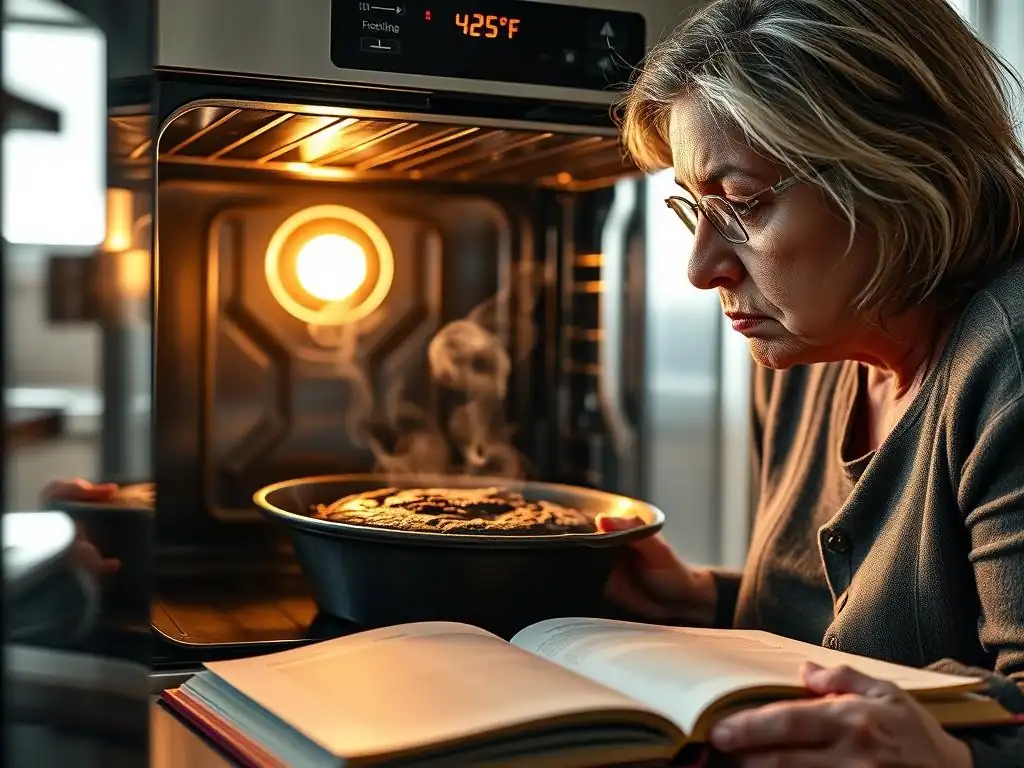
Dealing with a hot oven requires specific adjustments to prevent burning and ensure even cooking. It's a common hot oven baking problem, but one that can often be managed effectively with a few simple techniques and tools. The goal is to compensate for the excess heat without completely disrupting the recipe's intended outcome.
Calibrating the Thermostat
Some ovens, particularly older models, have a thermostat dial that can be mechanically calibrated. Consult your oven's user manual to see if this is an option. Usually, it involves removing a knob or panel and making a small adjustment. For example, if your oven consistently reads 25°F hot, you might be able to adjust the thermostat to compensate by that amount.
Newer ovens often have digital calibration features accessible through the control panel. Again, check your manual for specific instructions. This digital adjustment allows you to tell the oven's computer to offset the temperature by a certain number of degrees, effectively fixing the underlying hot oven baking problems. A common range for adjustment is +/- 30°F.
Adjusting Baking Times
When faced with a hot oven, the most straightforward immediate fix is to reduce the baking time. Since the food is cooking faster due to the higher temperature, it will reach doneness sooner. If a recipe calls for 20 minutes at 350°F and your oven is consistently 25°F hot, you might find that the item is ready in just 15-17 minutes.
Start checking for doneness earlier than the recipe suggests. Use visual cues like browning, texture, and traditional tests (like the toothpick test for cakes) rather than relying solely on the clock. This is a crucial adaptation when dealing with hot oven baking problems and helps prevent overbaking and burning.
Lowering Temperature (Temporary)
If you know your oven runs hot by a specific amount (e.g., 25°F), a temporary solution is to simply set the oven temperature lower than the recipe specifies. If a recipe requires 350°F, set your oven to 325°F. This attempts to achieve the actual desired temperature inside the oven chamber.
This method works best if your oven's temperature is consistently off by a fixed amount. However, be aware that the oven's internal thermostat might still cycle around this new, lower set point, and the actual temperature might still fluctuate. Using an external oven thermometer alongside this technique is highly recommended to verify the adjustment.
Using an Oven Thermometer
As mentioned earlier, an accurate oven thermometer is indispensable for diagnosing hot oven baking problems. Place it in the oven and let it preheat fully. Observe the temperature reading throughout the preheating cycle and during baking. This gives you a clear picture of how much your oven is off and if it has significant temperature swings.
Once you know exactly how hot your oven is running, you can make informed decisions about adjusting temperature settings or baking times. For example, if your oven thermometer consistently reads 400°F when the oven is set to 375°F, you know you need to compensate by 25°F. This data is far more reliable than guessing based on past baking failures.
Addressing a Cold Oven
A cold oven presents the opposite challenge to hot oven baking problems, leading to underbaked, pale, or dense results. While less likely to burn your food, it can make achieving proper structure and texture frustrating. Here's how to tackle an oven that runs cold.
Increasing Temperature
If your oven consistently reads cold with an external thermometer (e.g., 25°F lower than set), a direct approach is to set the oven temperature higher than the recipe indicates. If a recipe calls for 350°F, and your oven thermometer reads 325°F when set there, try setting your oven to 375°F to aim for an actual 350°F inside.
Again, using an oven thermometer to verify the actual temperature after this adjustment is key. This technique helps to provide the heat needed for proper rising, browning, and cooking throughout the item.
Extending Baking Times
Since a cold oven cooks food slower, you will almost certainly need to extend the baking time beyond what the recipe suggests. A cake that should take 30 minutes at 350°F might take 40-45 minutes or longer in an oven that's consistently 25°F too cool.
Do not remove the item just because the timer goes off. Rely on visual cues and doneness tests. For bread, check for internal temperature (usually around 190-210°F depending on the type). For cakes, use the toothpick test. Patience is crucial when baking in a cold oven to ensure everything is cooked through.
Checking Heating Elements
If your oven is significantly colder than expected, or if you notice very uneven heating, check the heating elements. For electric ovens, the bottom element is typically responsible for initial heating and maintaining temperature, while the broiler (top element) is used for finishing or broiling. If the bottom element isn't glowing red during heating, it might be faulty.
Gas ovens use igniters and burners. If the burner isn't lighting properly or staying lit, the oven won't reach or maintain temperature. While checking can be simple, replacing a faulty element or igniter often requires professional assistance.
Proper Preheating
Adequate preheating is essential for all baking, but it's particularly critical with a cold oven. Allow your oven ample time to reach the set temperature and stabilize. Don't trust the oven's preheat signal immediately; the air might be hot, but the oven walls and racks need time to absorb heat and radiate it evenly.
Aim for at least 20-30 minutes of preheating after the light goes off, especially for bread and pastries that rely on initial high heat. Using an oven thermometer will show you when the temperature has truly stabilized at or near your desired setting.
Advanced Techniques
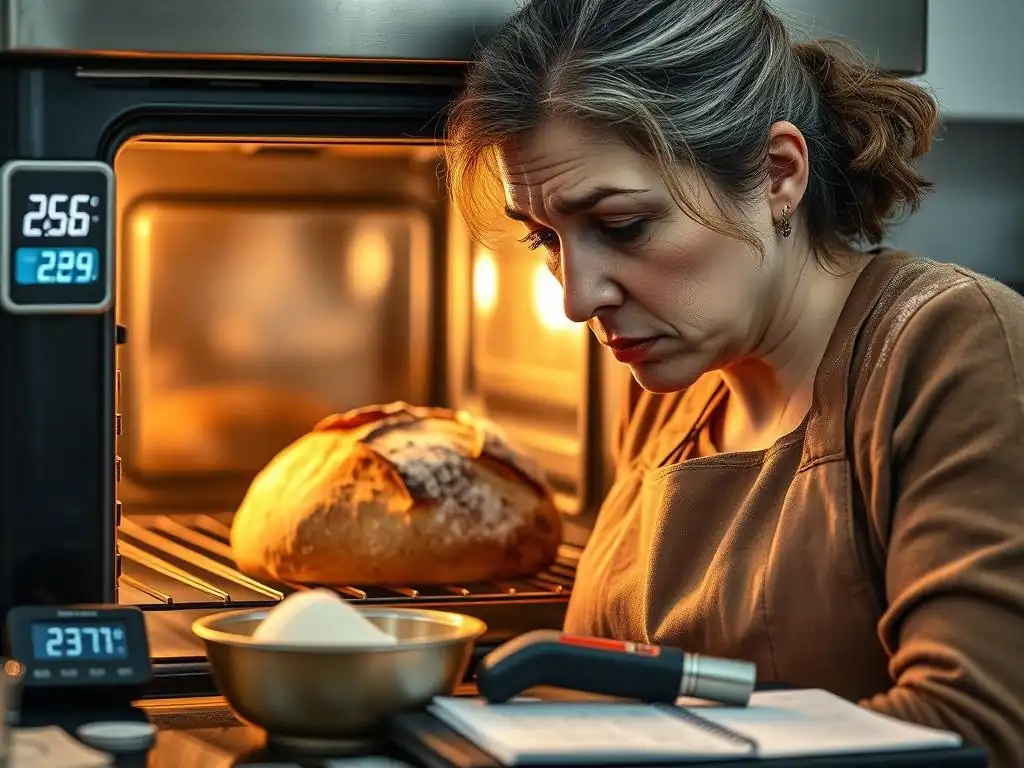
Beyond basic temperature adjustments, several techniques can help improve baking results regardless of minor oven temperature inconsistencies, complementing your efforts to manage hot oven baking problems or cold spots.
Using Baking Stones
Baking stones or steels absorb and retain heat exceptionally well. Placing one on a rack in your oven helps to stabilize the temperature and provides a consistent heat source, particularly from the bottom. This is especially beneficial for bread and pizza, promoting a crisp crust and good oven spring.
Once heated (which can take 45-60 minutes), the stone radiates intense heat, helping to mitigate minor temperature dips that might occur when you open the oven door or if your oven cycles significantly. It provides a more stable thermal environment for your baked goods.
Convection Oven Adjustments
Convection ovens use a fan to circulate hot air, which results in more even heating and faster cooking times compared to conventional ovens. If your oven has a convection setting, it can help overcome hot or cold spots and promote more uniform browning.
When using convection, you typically need to reduce the temperature by about 25°F and/or reduce the baking time by 25%. For example, a recipe calling for 350°F in a conventional oven might bake at 325°F in a convection oven. This setting can be a great tool to combat unevenness caused by temperature variances, including issues similar to hot oven baking problems but spread more evenly.
Optimizing Rack Placement
The position of your baking rack within the oven can significantly impact results due to potential hot or cold spots. In many ovens, the middle rack provides the most even heat distribution. If your oven has a known hot spot (often towards the back or a specific corner), avoid placing delicate items there.
For items needing a crisp bottom (like pies or tarts), the bottom rack can be beneficial, provided the bottom element isn't excessively hot. For browning tops (like gratins or meringues), the upper rack is useful. Experimenting with rack placement based on your oven's specific quirks, identified with an oven thermometer, is key to optimizing results despite temperature challenges.
Preventing Future Problems
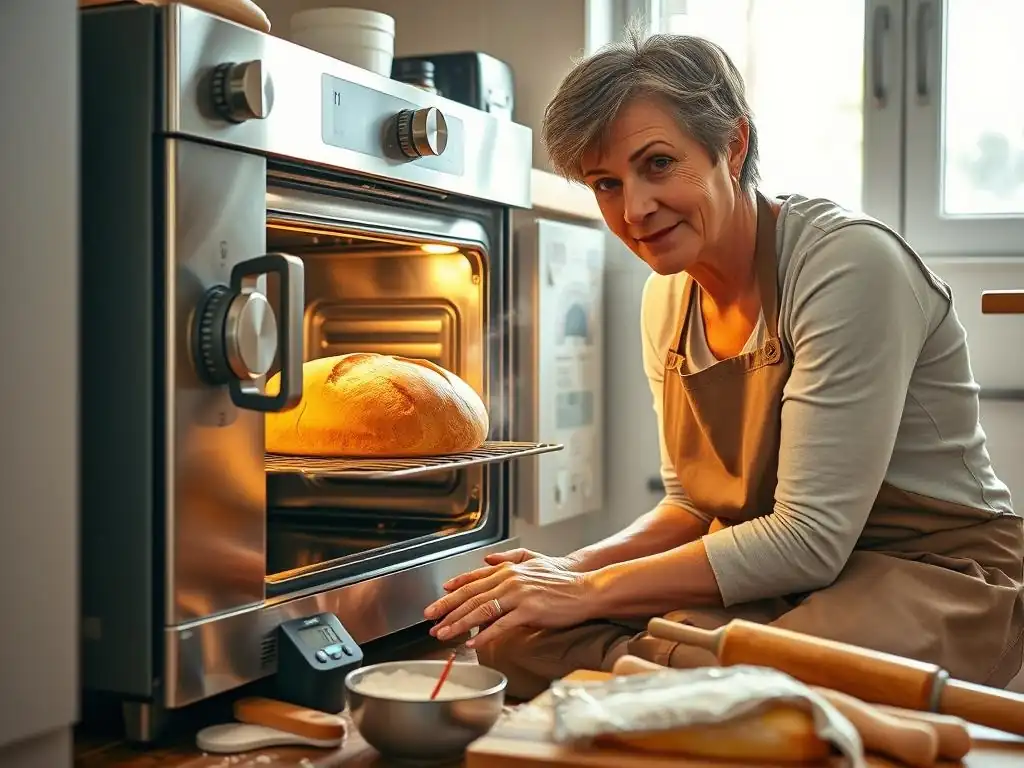
While some oven temperature issues are unavoidable due to the nature of home appliances, regular maintenance and proactive steps can help minimize inconsistencies and prevent future hot oven baking problems or cold spots from worsening.
Regular Cleaning
Spills and debris on the oven floor or walls can burn and interfere with the oven's heating elements and temperature sensors. Regular cleaning helps ensure that the oven cavity is free from anything that could cause uneven heating or inaccurate temperature readings.
Use the self-cleaning function if your oven has one, following the manufacturer's instructions carefully. Alternatively, clean spills manually as they occur. A clean oven is more likely to heat efficiently and accurately, contributing to better baking results.
Professional Calibration
If your oven is consistently off by a significant amount (more than 50°F) and you cannot adjust it yourself, or if you suspect a faulty component, consider professional calibration or repair. An appliance technician can test your oven's thermostat and heating elements and make necessary adjustments or replacements.
While there is a cost involved, professional calibration can restore your oven to more accurate performance, drastically reducing hot oven baking problems and cold oven issues that manual adjustments can't fully fix. This is often a worthwhile investment for serious bakers.
Baking with Confidence
Navigating oven temperature inaccuracies, whether facing hot oven baking problems or a frustratingly cool oven, is a common part of the baking journey. Understanding the potential issues and knowing how to troubleshoot allows you to adapt and still achieve delicious results.
Adapting Recipes
Once you understand your oven's personality – how hot or cold it typically runs – you can begin to adapt recipes proactively. If your oven is usually 25°F hot, you might start by setting the temperature 25°F lower than the recipe suggests. If it's cold, set it higher. Similarly, anticipate needing more or less baking time.
This adaptation is an art developed through practice and observation. Don't be afraid to experiment with minor adjustments and note the results. Keep a baking journal to track what works and what doesn't in your specific oven.
Importance of Observation
Beyond relying on timers and temperature settings, become an active observer of your baked goods as they cook. Look for visual cues: the color of the crust, how the item is rising, whether edges are pulling away from the pan. Learn what "done" looks like and feels like for different types of baked goods.
Your senses are powerful tools in the kitchen. By paying close attention during the baking process, you can catch potential hot oven baking problems (like rapid browning) or cold oven issues early and make necessary adjustments to time or even temperature if possible (though opening the oven too often is discouraged).
Resources
To further hone your skills in managing oven temperatures, utilize available resources. Invest in a reliable oven thermometer – it's a small price to pay for consistent results. Consult your oven's manual for specific calibration instructions or troubleshooting tips.
Many online baking communities and forums offer valuable advice from other home bakers who have faced similar challenges. Learning from shared experiences can provide new strategies and confirm that dealing with oven quirks is a normal part of the baking adventure.
Frequently Asked Questions
What are some common signs that my oven is running too hot?
Common signs include burnt edges, uneven baking, and cakes rising too quickly before collapsing. This often leads to a dry or overcooked final product.
Can using a different baking pan material affect how my oven heats?
Yes! Darker pans absorb more heat, potentially causing bottoms to burn. Lighter or glass pans are usually recommended for more even baking.
What's a simple way to test if my oven temperature is accurate?
Use an oven thermometer! Place it inside your oven, preheat as usual, and compare the thermometer reading to your oven's display.
My oven is consistently running hot. What are some quick fixes I can try?
Try lowering the oven temperature by 25 degrees Fahrenheit. You can also shorten the baking time and keep a close eye on your baked goods.
Besides adjusting the temperature, what else can I do to mitigate "hot oven baking problems"?
Consider using an oven stone or baking sheet on the rack below to deflect some of the heat. Ensure proper oven ventilation as well.
In the world of baking, understanding the nuances of your oven is paramount; the difference between a perfectly baked cake and a burnt disaster often hinges on temperature control. As we’ve explored in this article, the common issues of a hot oven or a cold oven can significantly impact our culinary creations. Recognizing and addressing these challenges is not just about achieving the right bake; it’s about embracing the journey of learning and adapting in the kitchen.
Cooking and baking are deeply embedded in our culture, serving as a bridge between generations and a means of expression. The way we navigate the challenges of a hot oven or a cold one reflects our resilience and creativity as home cooks. As we experiment with adjustments and quick fixes, we not only improve our baking skills but also foster a deeper connection to the food we create. Baking is both an art and a science; it requires patience, precision, and a willingness to learn from our mistakes.
As you step into your kitchen, I invite you to reflect on the lessons shared in this article. Consider each baking challenge as an opportunity for growth and creativity. Embrace the quirks of your oven, and let them inspire you to innovate and experiment. Remember, the path to becoming a skilled baker is paved with both successes and setbacks, and every attempt brings you one step closer to mastering the art of baking.
Unlock Your Oven's Full Baking Potential!
Thanks for taking the time to learn how to troubleshoot your oven's temperature! You've now got the knowledge to bake with more confidence and consistency. Ready to put your new skills to the test?
- Bake a test batch of cookies: This is the ultimate way to confirm your oven's accuracy and fine-tune your baking skills. Use a recipe you know well!
- Share your baking triumphs (or challenges!): Let's build a community of bakers! Tell us about your experiences fixing your oven's temperature in the comments below.
- Try a new recipe: Feeling confident? Challenge yourself with that complex cake you've always wanted to try!
What delicious treat will you bake first to test your oven's newly calibrated temperature?