
Baumkuchen (German Tree Cake) Simplified: Impress with Ease

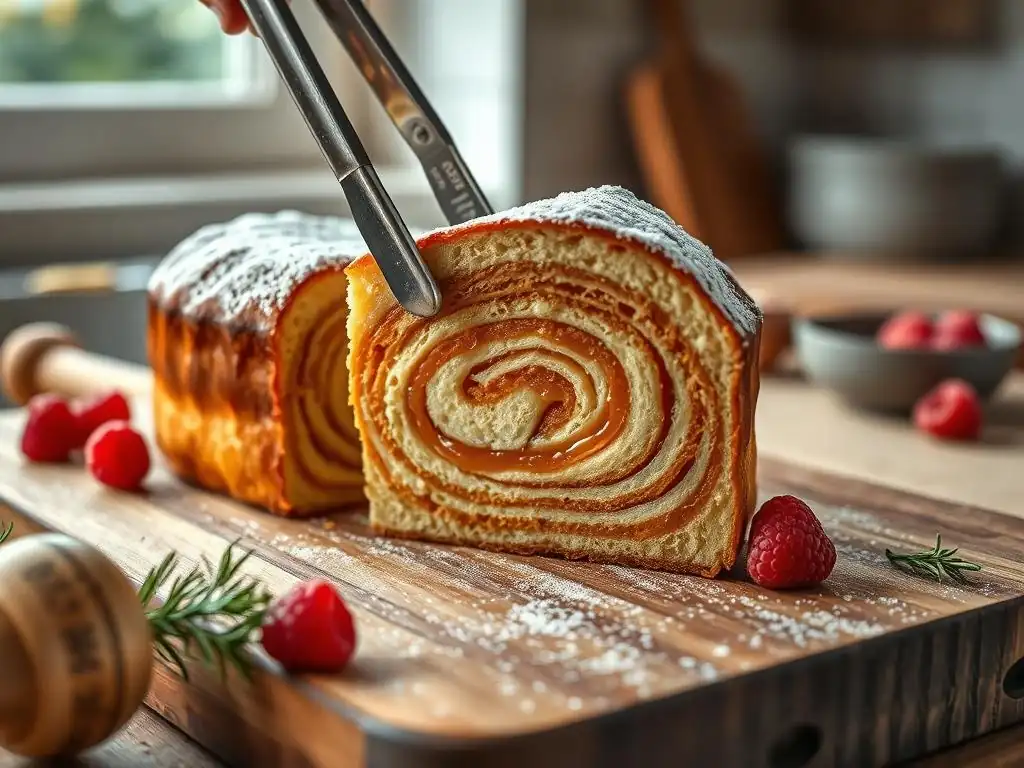
Welcome to BakeWithEase, your guide to baking bliss! Ever dreamed of creating a stunning, multi-layered masterpiece? Our latest article unveils a surprisingly simple Baumkuchen recipe, bringing this iconic German "tree cake" within reach of any home baker. Intrigued? Discover the secrets to achieving that beautiful, ringed texture and impress your friends with this surprisingly easy baking adventure. Get ready to create unforgettable memories – and delicious Baumkuchen!
- Bake a Simplified Baumkuchen: Easy German Tree Cake Recipe
- Understanding Baumkuchen: The King of German Cakes
- Easy Baumkuchen Recipe: Baking Without the Traditional Spit
- Step-by-Step: Simplified Baumkuchen Baking Instructions
- Baumkuchen Baking Tips & Tricks for Beginners
- Storing and Serving Your Homemade Baumkuchen
- Enjoy Your Easy Baumkuchen Recipe: A Taste of Germany at Home
-
Frequently Asked Questions
- What makes this Baumkuchen recipe "easy baking" compared to traditional methods?
- How long does it actually take to bake this simplified Baumkuchen?
- What kind of oven is best for this "easy baking" Baumkuchen recipe?
- Can I substitute any ingredients in this Baumkuchen recipe?
- What are some tips for achieving the signature "tree ring" effect in my Baumkuchen?
- Final Reflection: The Enduring Allure of a Simplified Baumkuchen
- Unleash Your Inner Baker: Master Baumkuchen Today!
Bake a Simplified Baumkuchen: Easy German Tree Cake Recipe
Welcome to BakeWithEase: Your Guide to Easy Baking
Welcome to BakeWithEase, where we believe that mastering the art of baking should be an enjoyable and accessible journey for everyone. Whether you're taking your first steps in the kitchen or looking to expand your repertoire with impressive, yet achievable, treats, you've come to the right place. Our mission is to demystify complex recipes and techniques, transforming them into simple, step-by-step guides that empower you to create delicious baked goods with confidence and, most importantly, with ease. From flaky pastries to comforting breads and intricate cakes, we provide the knowledge and encouragement you need to succeed.
Here at BakeWithEase, we understand the joy of sharing homemade treats and the satisfaction of seeing your creations come to life. That's why our resources are designed to be practical and inspiring. We break down ingredients, explain techniques clearly, and offer helpful tips to troubleshoot common baking challenges. Our community is built on the shared passion for baking, and we're excited to guide you through every recipe, ensuring your baking adventures are always rewarding and fun. Get ready to explore new flavors and traditions, starting with this delightful simplified Baumkuchen recipe easy baking guide.
Discover the Magic of Baumkuchen: A Delicious German Treat
Baumkuchen, often referred to as the "King of Cakes," is a truly magical confection from Germany. Its name, meaning "tree cake," comes from its distinctive layers that resemble tree rings when sliced. Traditionally baked on a spit over an open flame, creating Baumkuchen was a labor-intensive process reserved for special occasions and skilled bakers. It's not just a cake; it's a piece of culinary artistry, celebrated for its unique appearance, moist texture, and rich, subtle flavor profile.
While the traditional method might seem daunting, we're thrilled to introduce you to a simplified easy Baumkuchen recipe that captures the essence of this classic German treat without requiring specialized equipment or advanced skills. This approach makes baking Baumkuchen accessible to home bakers, allowing you to experience the joy of creating this impressive cake right in your own kitchen. Prepare to delight your friends and family with a slice of German tradition, baked with surprising ease thanks to our adapted technique.
Understanding Baumkuchen: The King of German Cakes
What is Baumkuchen? Exploring the History and Tradition
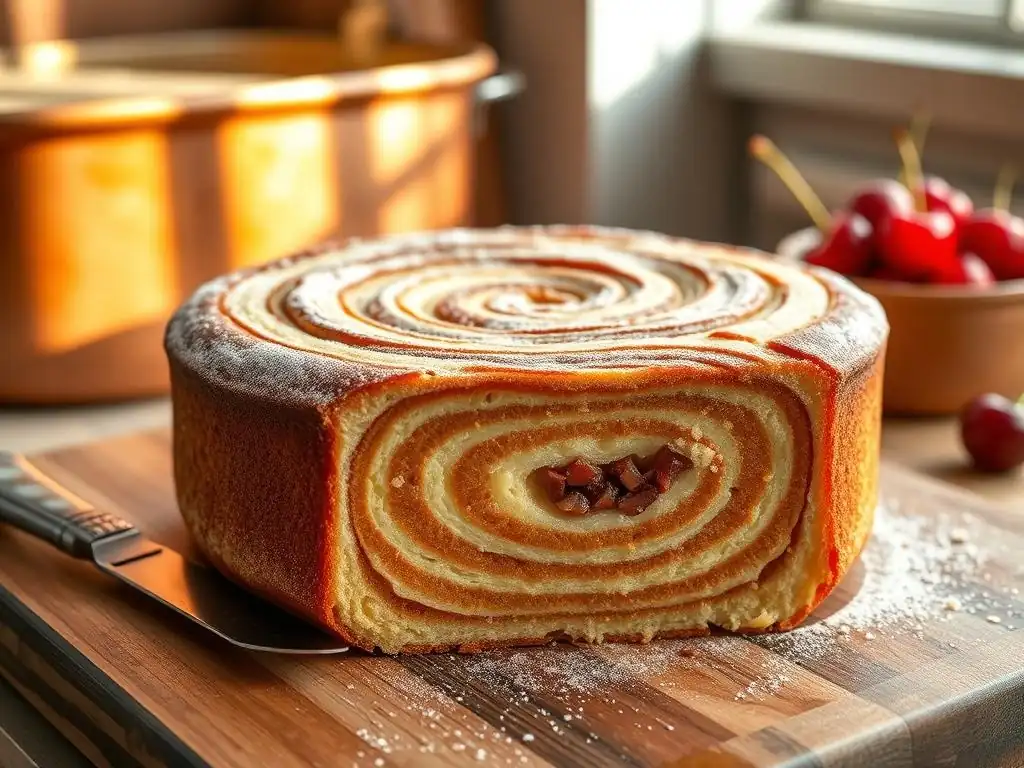
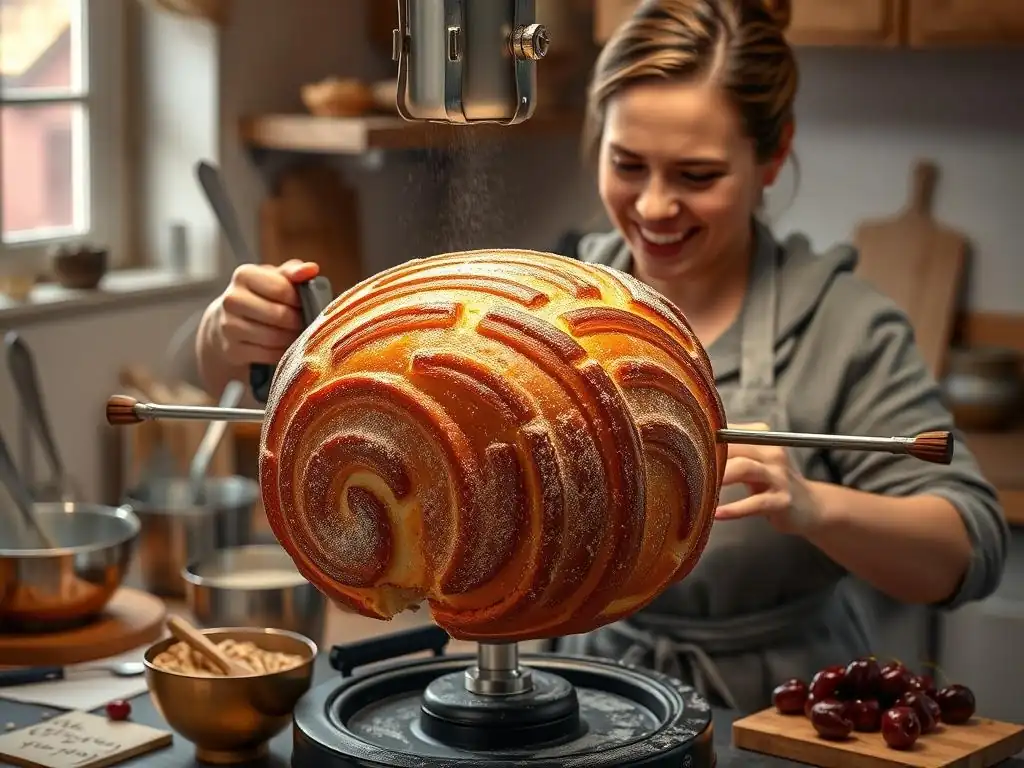
Baumkuchen is a layered cake considered a staple in German and Japanese confectionery. Its origins are debated, with some tracing it back to ancient Greek and Roman spit cakes, while others link it more directly to 15th-century German baking traditions, particularly in regions like Brandenburg. What makes Baumkuchen unique is its method of preparation: thin layers of batter are brushed onto a rotating spit and browned under heat, one layer at a time. This process is repeated dozens of times, building up the cake layer by layer, much like the rings of a tree grow year after year.
Historically, Baumkuchen was a luxury item, often served at weddings, Christmas, and other significant celebrations. Its intricate preparation and rich ingredients made it a symbol of prosperity and craftsmanship. Cities like Salzburg and Cottbus have strong associations with Baumkuchen production, with generations of bakers perfecting the art. While the classic spit method is still used by master bakers today, our simplified approach allows you to achieve a similar visual effect and delicious result using standard home baking equipment, making this German tree cake easy recipe achievable for anyone.
Baumkuchen's Unique Texture: The Secret Behind the Rings
The defining characteristic of Baumkuchen is its texture, which is dense yet moist, with a slight chewiness from the layered structure. Unlike a typical sponge or butter cake, Baumkuchen isn't light and airy. Each thin layer is baked until just browned before the next is applied, resulting in distinct, slightly caramelized rings. This layering and browning process is what gives the cake its unique structure and contributes significantly to its flavor profile.
The high proportion of butter and eggs in the batter also plays a crucial role in the texture. These ingredients create a rich, tender crumb that holds up well to the layering process. When sliced, the visible rings are a testament to the careful, patient baking technique. Achieving this distinct layered texture is key to a successful Baumkuchen, and our simplified method is designed to help you replicate this signature feature without the need for specialized equipment, making baking Baumkuchen easily a reality.
Why This Simplified Baumkuchen Recipe Works for Easy Baking
Traditional Baumkuchen requires a special spit and a heat source (like a broiler or open flame) to build the layers horizontally. This is a technique few home kitchens are equipped for. Our simplified Baumkuchen recipe easy baking adaptation cleverly uses a standard loaf pan and your oven's broiler function to achieve a similar layered effect vertically. Instead of rotating the cake on a spit, you pour or spread thin layers of batter into the pan and briefly broil each one before adding the next.
This method significantly reduces the complexity while still producing a cake with visible "rings" when sliced, mimicking the appearance of traditional Baumkuchen. It eliminates the need for specialized equipment and makes the process manageable for a home baker. While the texture might be slightly different from a spit-baked version, it retains the rich flavor and impressive layered look that makes Baumkuchen so special, proving that an easy Baumkuchen recipe is indeed possible.
Easy Baumkuchen Recipe: Baking Without the Traditional Spit
Ingredients for Your Simplified Baumkuchen
Gathering your ingredients is the first step to creating this delightful German cake. For our simplified Baumkuchen recipe easy baking, you'll need basic pantry staples, ensuring this impressive dessert is well within reach. We've carefully selected proportions that yield a perfect texture and flavor profile for a standard loaf pan size, making the process straightforward and predictable for beginners.
Here's what you'll need to bake your easy Baumkuchen:
Flour (150g)
Use all-purpose flour, sifted, to ensure a smooth batter. This amount provides the main structure for the cake.
Sugar (120g)
Granulated sugar works well, providing sweetness and contributing to the browning of the layers under the broiler.
Butter (150g, softened)
High-quality unsalted butter, softened to room temperature, is essential for richness and moisture. Ensure it's truly soft, not melted.
Eggs (3, separated)
Separating the eggs is crucial for this recipe, as the beaten egg whites contribute to a lighter texture within the dense layers.
Baking Powder (1 tsp)
Just a touch of baking powder helps give a slight lift to the batter layers, preventing the cake from becoming too heavy.
Vanilla Extract (1 tsp)
Pure vanilla extract adds warmth and enhances the overall flavor profile of the cake.
Rum (2 tbsp)
Rum is traditionally used in Baumkuchen and adds a wonderful depth of flavor. You can substitute with milk or orange juice for an alcohol-free version, though the flavor will differ slightly.
Marzipan (50g, optional)
Finely grated or very small pieces of marzipan can be added to the batter for an extra touch of almond flavor, classic in many German cakes. This is optional but highly recommended for authenticity.
Essential Baking Equipment for Easy Baumkuchen
While traditional Baumkuchen requires specialized gear, our simplified easy Baumkuchen recipe only calls for standard kitchen equipment you likely already own. Having the right tools ready before you start will make the baking process smooth and efficient, allowing you to focus on the layering technique which is key to achieving the signature look of this German tree cake easy recipe.
Make sure you have these items on hand:
Loaf Pan (9x5 inch)
A standard metal loaf pan is perfect for this method. Its shape allows the layers to build up vertically, creating the "tree ring" effect when sliced horizontally.
Parchment Paper
You'll need parchment paper to line the loaf pan. This prevents the cake from sticking and makes it easy to remove once baked. Make sure to cut it to fit the bottom and sides, leaving some overhang for lifting.
Mixing Bowls
You'll need at least two mixing bowls: one for the wet ingredients and whisking egg yolks, and another, preferably metal or glass, for whipping the egg whites into stiff peaks.
Electric Mixer
An electric hand mixer or stand mixer is highly recommended for creaming the butter and sugar, and essential for whipping the egg whites to the correct consistency quickly and efficiently.
Broiler
Your oven's broiler is the secret weapon for this simplified method. You will use it to quickly brown each layer of batter before adding the next. Ensure your oven's broiler is functional and you know how to use it safely.
Step-by-Step: Simplified Baumkuchen Baking Instructions
Preparing the Baumkuchen Batter: A Simple Mixing Process
Creating the batter for this easy Baumkuchen recipe is similar to making a standard cake batter, with a few key differences, particularly the separation and incorporation of egg whites. The process is straightforward, focusing on achieving a smooth, well-combined mixture that is easy to spread thinly in layers. Precision in mixing helps ensure the layers bake evenly under the broiler.
Start by creaming the softened butter and sugar together in a large mixing bowl using your electric mixer until the mixture is light and fluffy. This typically takes about 3-5 minutes. Then, beat in the egg yolks one at a time, ensuring each yolk is fully incorporated before adding the next. Stir in the vanilla extract and rum (or substitute). In a separate clean bowl, whisk the egg whites until stiff peaks form.
Gently fold the sifted flour and baking powder into the butter/sugar/yolk mixture until just combined. Finally, carefully fold in the whipped egg whites in two additions, taking care not to deflate them. If using, fold in the grated marzipan now. The resulting batter should be smooth and pourable, but not too thin.
Mixing the Wet Ingredients
Begin by creaming together the softened butter and sugar until pale and fluffy. This incorporates air and creates the base for a tender cake. Add the egg yolks one by one, mixing well after each addition to emulsify the batter. Finally, stir in the vanilla extract and rum, ensuring everything is well combined before moving to the dry ingredients.
Incorporating the Dry Ingredients
Sift the flour and baking powder together to remove any lumps and ensure even distribution. Gently fold the dry ingredients into the wet mixture until just combined. Be careful not to overmix, as this can develop gluten and result in a tough cake. The final step is to carefully fold in the stiffly beaten egg whites, which adds lightness crucial for the layered structure.
Baking the Baumkuchen Layers: Achieving the Signature Rings
This is the most unique and rewarding part of baking this simplified Baumkuchen recipe. Instead of baking the entire cake at once, you will bake it layer by layer using your oven's broiler. This technique mimics the traditional spit method by browning the surface before the next layer is added, creating the distinct ring effect. Patience and attention are key during this stage.
Preheat your broiler and position an oven rack about 6-8 inches below the broiler element. Line your loaf pan with parchment paper, leaving an overhang on the long sides. Pour or spread a thin layer of batter (about 2-3 tablespoons) evenly across the bottom of the pan. Place the pan under the hot broiler for 1-2 minutes, watching constantly.
The layer should bubble slightly and turn a light golden brown. Carefully remove the pan from the oven, add another thin layer of batter evenly over the baked layer, and return it to the broiler for another 1-2 minutes. Repeat this process, adding thin layers and broiling, until all the batter is used. You should aim for approximately 10-12 layers for a standard loaf pan.
The Broiling Technique: Creating the Tree-Like Effect
The broiler is your tool for creating the signature "rings." Each layer is briefly exposed to intense heat, causing it to brown and set quickly before the next layer is applied. This rapid browning is what creates the distinct lines visible when the cake is sliced. It's crucial to watch the cake continuously under the broiler, as layers can burn very quickly, often in less than 60 seconds depending on your broiler's strength. A light golden-brown is the goal for each layer.
Layering the Batter: A Patient and Rewarding Process
Applying the batter in thin, even layers is essential. Using a small offset spatula or the back of a spoon can help spread the batter evenly over the warm, broiled surface. Don't rush this process; building the layers patiently ensures the cake bakes through properly and the rings are well-defined. Aim for consistent thickness for each layer. This repetitive action is what builds the beautiful structure of your easy Baumkuchen recipe.
Cooling and Finishing Your Easy Baumkuchen
Once all the layers have been added and the top layer is golden brown, turn off the broiler. You might want to bake the cake for an additional 5-10 minutes in a preheated oven at 325°F (160°C) to ensure the center is fully cooked, though with thin layers under a broiler, this is often not necessary. A wooden skewer inserted into the center should come out clean. Let the cake cool in the pan for about 15-20 minutes before attempting to remove it.
Use the parchment paper overhangs to carefully lift the cake out of the pan and transfer it to a wire rack to cool completely. Allowing the cake to cool fully before glazing or slicing is important for its structure. Once cool, you can glaze it, traditionally with apricot jam and a chocolate coating, or simply dust with powdered sugar for a simpler finish. This step completes your Baumkuchen recipe easy baking journey.
Removing the Baumkuchen from the Pan
After the initial cooling period in the pan, gently loosen the sides if necessary (though the parchment paper should prevent sticking). Use the parchment paper overhang as handles to lift the cake straight up and out of the pan. Place it immediately onto a wire rack to allow air circulation around the entire cake, promoting even cooling.
Glazing and Decorating: Adding the Final Touch
Traditionally, Baumkuchen is glazed with warmed apricot jam and then coated in a thin layer of dark chocolate. To do this, warm about 1/2 cup of apricot jam and strain it if needed, then brush it evenly over the cooled cake. Let it set slightly. Melt about 100g of dark chocolate (with a teaspoon of butter or coconut oil for shine if desired) and pour or spread it over the jam-coated cake. Allow the chocolate to set completely before slicing. For a simpler finish suitable for an easy Baumkuchen recipe, a dusting of powdered sugar is elegant and delicious.
Baumkuchen Baking Tips & Tricks for Beginners
Achieving the Perfect Baumkuchen Texture
The key to the desirable Baumkuchen texture – moist, dense, and layered – lies in careful batter preparation and the broiling technique. Ensure your butter is properly softened and creamed with the sugar to incorporate air. Folding in the whipped egg whites gently is crucial; they add a subtle lift that prevents the cake from being too heavy. Overmixing the batter after adding flour can develop gluten, resulting in a tough texture.
During the broiling phase, the thickness of your layers directly impacts the texture. Aim for very thin, even layers, about 1/8 to 1/4 inch thick. Broiling each layer just until golden brown is essential; over-broiling makes the layers dry and brittle, while under-broiling leaves them raw. Consistent, thin layers and careful broiling are the secrets to achieving the signature texture of this Baumkuchen recipe easy baking adaptation.
Preventing Common Baumkuchen Baking Mistakes
One of the most common mistakes when using the broiler method is burning the layers. Broilers are powerful, and cakes can go from golden to burnt in seconds. Never walk away from the oven while broiling a layer. Keep a close eye through the oven door. Another mistake is adding too much batter per layer; this makes them difficult to cook through quickly under the broiler and results in fewer, thicker, less defined "rings."
Uneven layering is another pitfall. Try to spread the batter as evenly as possible across the pan each time. If your batter is too thick to spread easily, you can warm it slightly or add a tiny splash more rum or milk. Lastly, ensure your pan is properly lined with parchment paper; this cake is delicate when hot, and sticking can ruin the beautiful layers you've worked hard to create. Following these tips will make your German tree cake easy recipe journey much smoother.
Variations on the Classic Baumkuchen Recipe: Get Creative!
While the classic Baumkuchen flavor profile is subtle and rich, incorporating variations can add exciting twists to your easy Baumkuchen recipe. These simple additions can cater to different tastes and make the cake uniquely yours. Experimenting with flavors is part of the fun of baking, and Baumkuchen provides a great canvas for creativity within its layered structure.
One popular variation is adding spices like ground cardamom, nutmeg, or cinnamon to the batter, especially during the autumn or winter months. A pinch of ground ginger can also add a lovely warmth. About 1/2 to 1 teaspoon of spice mixed with the flour is usually sufficient. Another delicious addition is almond extract (in addition to or instead of vanilla) to enhance the flavor, especially if you're not using marzipan. Start with a 1/4 teaspoon as almond extract is potent.
Adding Lemon Zest
Incorporating the finely grated zest of one lemon into the batter adds a wonderful brightness that cuts through the richness of the cake. Add the lemon zest when you add the vanilla extract and rum. The citrus notes pair beautifully with the subtle sweetness and dense texture, offering a refreshing variation on the classic Baumkuchen recipe easy baking.
Storing and Serving Your Homemade Baumkuchen
How to Keep Your Baumkuchen Fresh
Proper storage is essential to maintain the moisture and flavor of your homemade Baumkuchen. Because of its dense, layered structure, it tends to keep well compared to lighter cakes. Once completely cooled, wrap the cake tightly in plastic wrap, then in aluminum foil or place it in an airtight container. Stored at room temperature, Baumkuchen remains fresh for about 4-5 days.
For longer storage, Baumkuchen freezes exceptionally well. Wrap individual slices or the whole cake (if unglazed) tightly in plastic wrap, then foil, and place in a freezer-safe bag or container. It can be frozen for up to 2-3 months. Thaw overnight in the refrigerator before bringing to room temperature to serve. If the cake is glazed with chocolate, freezing might affect the appearance of the chocolate coating slightly, but the cake itself will still be delicious.
Serving Suggestions: Pairings and Presentations
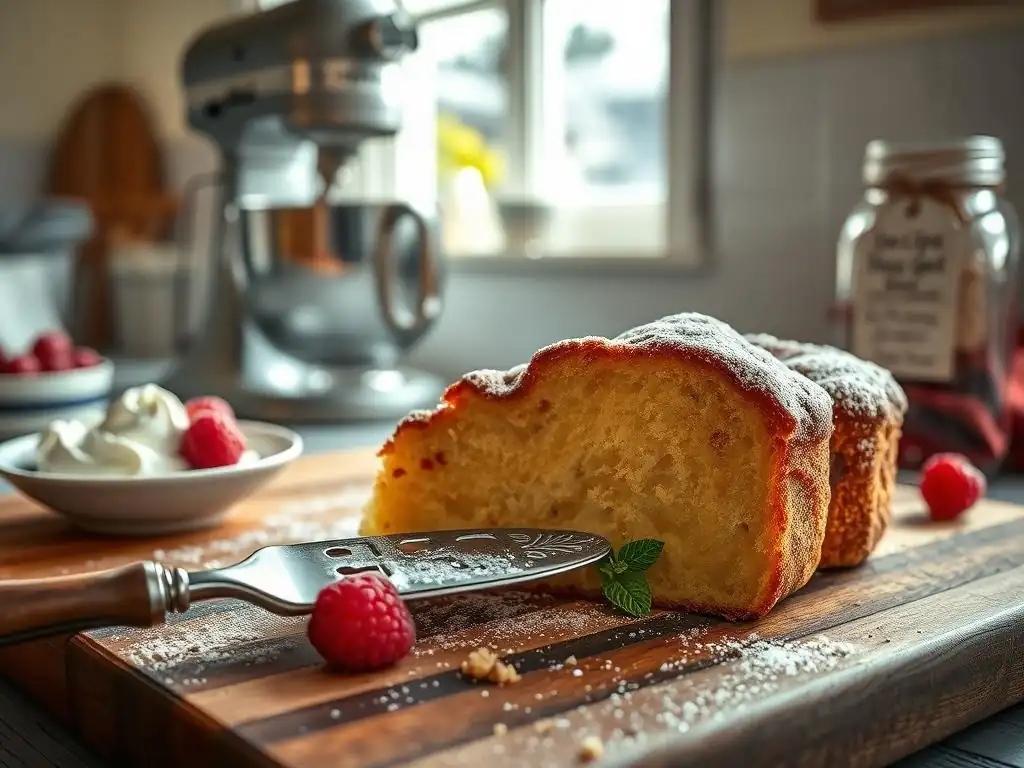
Serving Baumkuchen is a delightful experience, and its unique appearance makes it a natural centerpiece. The most traditional way to serve it is sliced horizontally, showcasing the beautiful "tree rings." A simple dusting of powdered sugar highlights the layers elegantly. If you've applied a chocolate glaze, slice it with a warm, sharp knife for clean cuts.
Baumkuchen pairs wonderfully with a variety of accompaniments. A dollop of whipped cream, a scoop of vanilla ice cream, or a simple fruit compote (like cherry or apricot) complements its rich flavor. In Germany, it's often enjoyed with a cup of coffee or tea. For a festive touch, especially around the holidays, serve slices alongside mulled wine or cider. Presenting slices on a platter, emphasizing the ring pattern, is the best way to showcase the effort and artistry of your easy Baumkuchen recipe.
Enjoy Your Easy Baumkuchen Recipe: A Taste of Germany at Home
You've done it! You've successfully baked a simplified Baumkuchen, bringing a taste of this impressive German tradition into your home with surprising ease. This Baumkuchen recipe easy baking method proves that you don't need specialized equipment to create something truly special and visually stunning. The process, while requiring patience during the layering phase, is accessible and rewarding, resulting in a delicious cake that's sure to impress anyone who sees and tastes it.
Take a moment to admire the beautiful layers you've created – a testament to your baking skill and perseverance. Savor that first slice, appreciating the unique texture and rich flavor that defines Baumkuchen. This experience is what BakeWithEase is all about: making seemingly complex bakes achievable and enjoyable for everyone. We hope this German tree cake easy recipe encourages you to explore more traditional bakes and discover how easy they can be with the right guidance.
We love seeing your baking creations! Nothing is more rewarding than knowing our recipes and guides have helped you succeed in the kitchen. If you baked this simplified Baumkuchen, we encourage you to share your experience. What did you find easiest or most challenging? Did you try any variations? Your feedback and photos inspire us and the entire BakeWithEase community.
Sharing your success stories helps others feel confident to try challenging-looking recipes like Baumkuchen. Post pictures of your beautiful layered cake and tell us about your baking journey. Let us know how your easy Baumkuchen recipe turned out! Your triumphs are our triumphs, and we celebrate every successful bake, no matter how big or small.
Explore More German Baking Delights
Germany boasts a rich and diverse baking heritage, from festive stollen to delicate lebkuchen and crumbly streusel cakes. If you enjoyed baking this simplified Baumkuchen and want to explore more, BakeWithEase has a wealth of other German baking delights waiting for you. Many traditional German recipes can be adapted for home bakers, making them much more accessible than you might think.
Dive into our collection of German baking recipes to discover new favorites. Whether you're looking for something for a special occasion or just a comforting treat for a cozy afternoon, you'll find step-by-step guides designed for easy baking. Expand your skills and delight your taste buds with more delicious cakes, cookies, and breads from this wonderful culinary tradition. Your Baumkuchen recipe easy baking experience is just the beginning!
Frequently Asked Questions
What makes this Baumkuchen recipe "easy baking" compared to traditional methods?
This recipe simplifies the traditional process by using a standard oven instead of a rotating spit and simplifies the batter preparation for easier execution. It also uses readily available ingredients.
How long does it actually take to bake this simplified Baumkuchen?
While baking time varies slightly, expect approximately 1.5 to 2 hours of total baking time, including the layering process. This is significantly less than many traditional methods.
What kind of oven is best for this "easy baking" Baumkuchen recipe?
A conventional oven is perfectly suitable. Ensure your oven is preheated accurately and monitor the cake layers carefully to prevent burning.
Can I substitute any ingredients in this Baumkuchen recipe?
While some substitutions are possible, it's best to stick to the recipe for the best results. Substituting ingredients may affect the texture and overall outcome of the cake.
What are some tips for achieving the signature "tree ring" effect in my Baumkuchen?
Ensure each layer is thinly and evenly spread, and that it's lightly browned before adding the next layer. Patience is key to achieving the distinct tree ring appearance.
Final Reflection: The Enduring Allure of a Simplified Baumkuchen
The seemingly complex beauty of Baumkuchen, traditionally a symbol of meticulous baking skill, has been democratized. This recipe proves that achieving the iconic layered cake, with its stunning visual appeal, is within reach for even the most novice bakers. No longer a culinary feat reserved for professionals, the joy of creating this impressive dessert is now accessible to everyone.
The journey of simplifying this classic recipe has been a fascinating exploration of tradition and innovation. It highlights how cherished cultural practices can adapt and thrive in modern kitchens, embracing efficiency without sacrificing the essence of the dish. Tradition is not the worship of ashes, but the preservation of fire.
This quote perfectly encapsulates the spirit of this project; we've preserved the heart of Baumkuchen while making it more accessible to a wider audience, igniting a passion for baking in new generations.
Now, it's your turn. Don't let the perceived complexity of Baumkuchen intimidate you. Embrace the challenge, gather your ingredients, and experience the satisfaction of creating this magnificent cake. The process itself, from the careful layering to the final dusting of powdered sugar, is a meditative and rewarding experience. Share your creations, your triumphs, and even your minor mishaps – the journey of baking is as important as the delicious result. Let the simplified Baumkuchen be your gateway to a world of culinary adventure.
Unleash Your Inner Baker: Master Baumkuchen Today!
Thanks for joining us on this delicious journey into the world of Baumkuchen! We hope you've gained a newfound appreciation for this elegant yet surprisingly approachable cake. Now it's time to put your knowledge to the test.
- Bake your own Baumkuchen: Don't let this impressive cake intimidate you! Use the simplified recipe and techniques we've shared to create your own masterpiece. It's easier than you think!
- Share your creation: Post a picture of your Baumkuchen on social media and tag us @BakeWithEase – we'd love to see your baking journey!
- Explore other easy, impressive recipes: Discover more delightful baking adventures on BakeWithEase.com!
Ready to transform your kitchen into a Baumkuchen haven? What unique flavor combination will you experiment with first?