
The History Behind Your Favorite French Pastries

Welcome to BakeWithEase!
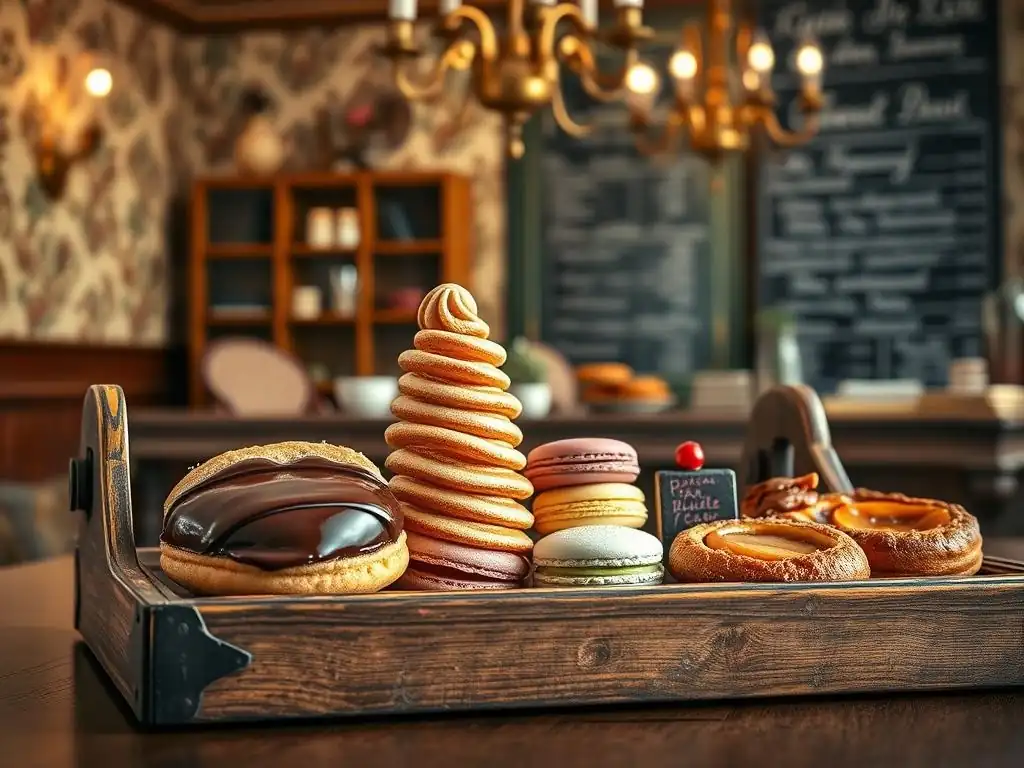
Ever wondered about the captivating stories behind those delicate French pastries you adore? Get ready to uncover the secrets! From royal origins to humble beginnings, join us as we delve into French pastry history explained, revealing the fascinating tales baked into every croissant and éclair. Prepare to be surprised, inspired, and hungry for more than just dessert!
- The History Behind French Pastries
- A Journey Through French Pastry History
- Early Influences on French Pastry Development
- Iconic French Pastries and Their Stories
- Key Innovations and Influential Figures
- Regional Variations in French Pastry Traditions
- Modern French Pastry: Innovation and Evolution
- Preserving the Legacy of French Pastry
-
Frequently Asked Questions
- What are some of the earliest influences on French pastry?
- How did the French Revolution impact the development of French pastries?
- What role did Marie-Antoine Carême play in shaping French pastry?
- Which French pastry is considered iconic and why?
- Where can I find simple recipes to try baking French pastries at home?
- Final Reflection: A Sweet Legacy, Baked in Time
- Unlock the Secrets of French Pastry!
The History Behind French Pastries
A Journey Through French Pastry History
French pastries are celebrated worldwide for their exquisite taste, delicate textures, and artistic presentation. But have you ever wondered about the rich history behind these beloved treats? The journey of French pastry is a fascinating tale, interwoven with the country's culinary evolution, societal changes, and the ingenuity of passionate bakers.
Understanding the history of French pastry explained reveals not just how these desserts came to be, but also offers insight into the cultural significance they hold in France and beyond. From simple medieval tarts to the complex creations of modern pâtisseries, this edible history is a testament to centuries of dedication to the sweet arts.
Exploring French pastry history explained takes us back through time, showcasing how ingredients, techniques, and even political events shaped the desserts we adore today. It's a story of innovation, adaptation, and a relentless pursuit of perfection. This article will guide you through the key milestones, iconic creations, and influential figures that have contributed to the illustrious heritage of French pastries, giving you a deeper appreciation for every flaky bite and creamy filling.
Early Influences on French Pastry Development
Medieval Baking Traditions
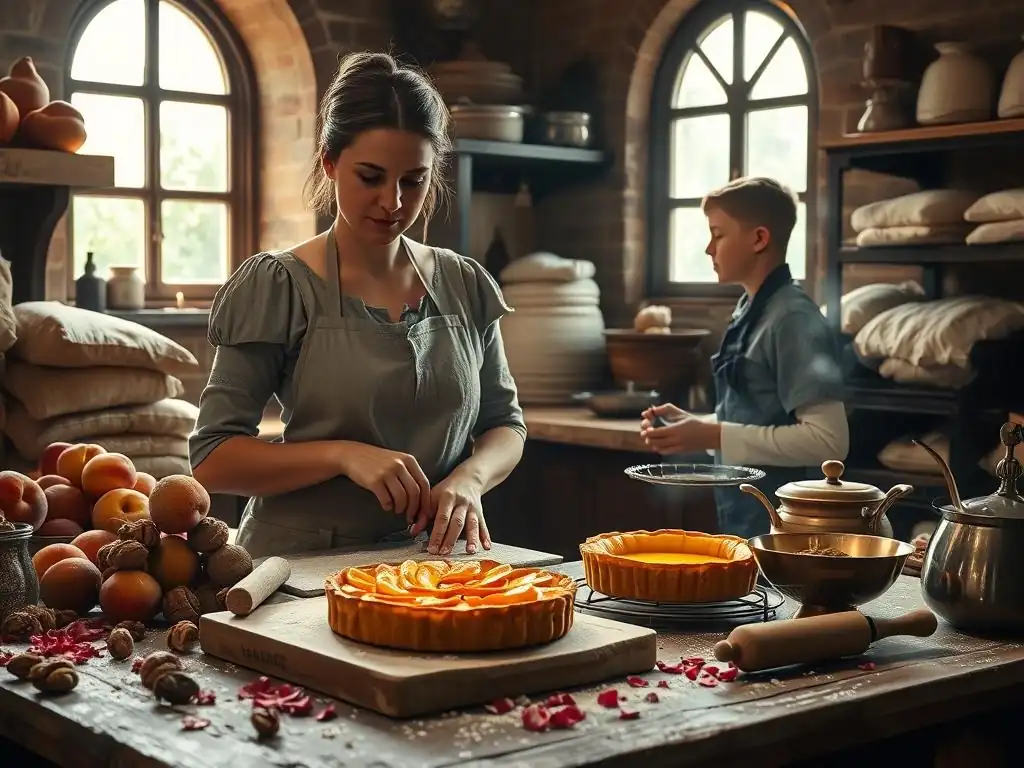
During the Middle Ages, baking in France was primarily a practical skill focused on staple foods like bread. However, the foundations for future pastry development were being laid. Monasteries and convents often had the resources and knowledge to cultivate ingredients and experiment with recipes, leading to early forms of sweetened doughs and simple tarts filled with fruits or cheese. Spices, though expensive, were sometimes incorporated, adding hints of luxury to these basic baked goods.
The development was gradual, driven by necessity and the availability of ingredients. Early pastries were far less refined than their modern counterparts, often made with coarse flour and sweetened with honey or fruit preserves. They served primarily as sustenance, but the concept of a baked good distinct from everyday bread, incorporating richer ingredients or fillings, began to emerge. This period marked the initial steps towards a more sophisticated baking tradition that would blossom in later centuries.
Royal Patronage and Pastry Arts
The French monarchy and aristocracy played a pivotal role in elevating baking from a craft to an art form. Wealthy courts demanded elaborate feasts, creating a demand for skilled bakers and innovative sweet creations. Catherine de' Medici, an Italian noblewoman who became Queen of France in the 16th century, is often credited with introducing Italian culinary sophistication, including early forms of ice cream and macarons, to the French court. This influx of Italian techniques and ingredients significantly influenced French pastry development.
Under royal patronage, pâtissiers (pastry chefs) gained status and recognition. They were employed in noble households and royal kitchens, competing to create ever more impressive and delicious desserts. This environment fostered experimentation and refinement, leading to the development of new techniques and recipes. The court's love for elaborate sugar work and decorative pastries further pushed the boundaries of the craft, laying the groundwork for the elaborate pièces montées (decorative centerpieces) that would become hallmarks of French confectionery.
Iconic French Pastries and Their Stories
The Croissant: From Kipferl to French Staple
While the croissant is synonymous with French breakfast, its origins are often traced back to Austria. Legend has it that the kipferl, a crescent-shaped roll, was created in Vienna in the 17th century to celebrate the defeat of the Ottoman Turks. However, the croissant as we know it today – a buttery, flaky masterpiece made from laminated dough – is distinctly French. It's believed that the kipferl was introduced to France, possibly by Marie Antoinette (an Austrian princess), but it was French bakers who transformed it over time.
The significant evolution occurred in the 19th century, particularly with the advent of pâte feuilletée (puff pastry) and later, laminated dough techniques using butter. Parisian bakers perfected the process of folding and rolling dough with layers of butter, creating the characteristic airy texture and rich flavor. By the late 19th and early 20th centuries, the croissant had become a widely popular breakfast item and a true symbol of French boulangerie (bakery) and pâtisserie.
The Macaron: A Delicate History
The history of the macaron is complex and debated, with claims from both Italy and France. Similar to the croissant, early versions of almond meringue cookies are said to have been brought to France from Italy by Catherine de' Medici's chefs in the 16th century. These early macarons were simple, single cookies, often served plain or with spices. Convents, such as those in Nancy, are also noted for developing their own regional macaron recipes over centuries.
The modern macaron, the delicate sandwich cookie with a creamy filling, is a much more recent invention. This form is largely credited to Pierre Desfontaines Ladurée in the early 20th century, who had the innovative idea of joining two macaron shells with a ganache filling. This transformation elevated the simple cookie into an elegant pastry, allowing for endless variations in color and flavor, solidifying its place as a beloved French delicacy known worldwide.
The Éclair: A Creamy Delight
The éclair, meaning "lightning" in French, is a classic elongated pastry made from pâte à choux (choux pastry), filled with cream, and topped with icing. While choux pastry itself has roots dating back possibly to the 16th century, the éclair as a distinct pastry emerged in the 19th century. It is widely attributed to Antonin Carême, one of the most influential pastry chefs of that era, who refined and popularized many classic French recipes.
Carême's work in standardizing and perfecting pâte à choux techniques was crucial to the éclair's development. The name "éclair" might refer to how quickly the pastry is eaten, or perhaps the "flash" of glaze on top. Typically filled with crème pâtissière (pastry cream) and topped with chocolate icing, éclairs have evolved to include various fillings like coffee or fruit creams and diverse glazes, remaining a staple in French pâtisseries.
The Mille-Feuille: A Layered History
The Mille-Feuille, meaning "thousand leaves," is a classic French pastry composed of three layers of puff pastry alternating with two layers of crème pâtissière or whipped cream, often topped with powdered sugar or a glazed pattern. Its exact origin is debated, with some attributing it to François Pierre de la Varenne in the 17th century in his cookbook Cuisinier françois, while others credit Antonin Carême in the 19th century for refining it.
Regardless of the precise inventor, the Mille-Feuille is a testament to the mastery of puff pastry, a technique that requires significant skill and patience. The layers of flaky pastry are achieved through repeated folding and rolling of dough with butter, resulting in hundreds of delicate layers when baked. Its structural elegance and delicious combination of crispness and creamy filling have made it a timeless classic in the history of French pastry explained.
Key Innovations and Influential Figures
Antonin Carême: Father of Haute Cuisine and Pastry
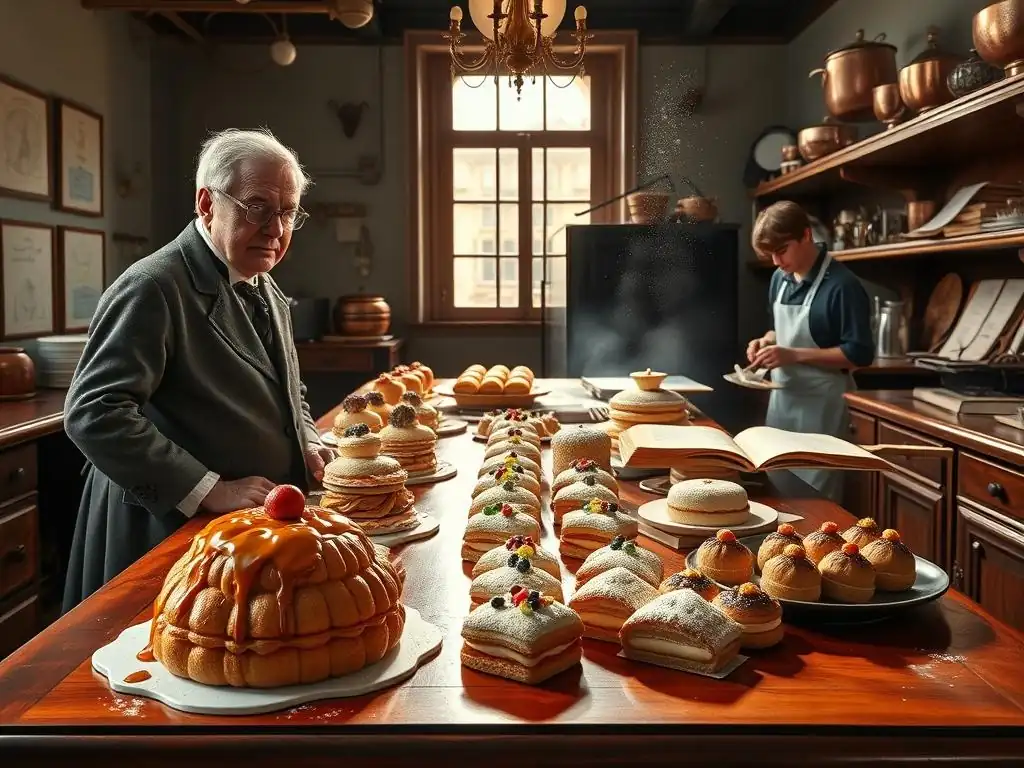
Antonin Carême (1784-1833) was a true titan in the history of French cuisine and pastry. Often called "the king of chefs and the chef of kings," he worked for prominent figures across Europe, including Talleyrand, Tsar Alexander I, and the future King George IV of England. Carême wasn't just a cook; he was an architect of food, known for his monumental pièces montées – elaborate, edible sculptures made from sugar, pastry, and other confectionery elements.
Beyond his artistic displays, Carême revolutionized pastry techniques and codified many classic French recipes that are still used today. He is credited with standardizing the use of pâte à choux, refining puff pastry, and developing numerous sauces and fillings. His systematic approach to cooking and baking, documented in his extensive writings, laid the groundwork for modern French culinary arts, significantly shaping the future of pâtisserie.
The Rise of the Pâtisserie
The concept of a dedicated pâtisserie, a shop specializing in pastries and cakes, evolved significantly over centuries. Initially, bakers (boulangers) made both bread and simple pastries. However, as pastry techniques became more complex and the demand for sophisticated sweets grew, specialized shops began to emerge, particularly in urban centers like Paris. By the 17th and 18th centuries, pâtissiers were recognized as a distinct guild.
The 19th century saw the pâtisserie flourish, becoming a cultural institution. Shops like Ladurée, founded in 1862, became iconic symbols of Parisian elegance and culinary excellence. These establishments were not just places to buy pastries but also social hubs. The rise of the pâtisserie solidified the status of pastry chefs and made a wide array of complex French pastry creations accessible to the burgeoning middle class, further cementing the importance of French pastry history explained.
Regional Variations in French Pastry Traditions
France's diverse regions boast their own unique culinary traditions, and pastry is no exception. While classic Parisian pastries are internationally renowned, exploring regional specialties reveals a rich tapestry of flavors and techniques influenced by local ingredients and history. These regional variations are a delightful part of the broader French pastry history explained, showcasing the country's gastronomic depth beyond the capital.
From the buttery richness of Brittany to the spiced warmth of Alsace, each region offers a distinct sweet experience. These local pastries often have deep historical roots, tied to specific festivals, harvests, or historical events, making them integral to the cultural identity of their respective areas.
Brittany's Crêpes and Far Breton
Brittany, a region in northwestern France, is famous for its rich butter and buckwheat, ingredients central to its pastry traditions. The most iconic Breton pastry is arguably the crêpe, thin pancakes often made with buckwheat flour ( galettes) for savory fillings or wheat flour for sweet ones. Crêpes are a simple yet versatile dessert, typically served with butter, sugar, jam, or chocolate.
Another beloved Breton specialty is the Far Breton, a dense, flan-like cake traditionally made with prunes. It's characterized by its moist, slightly rubbery texture and rich, eggy flavor. Historically, it was a simple dish made by farmers, evolving over time into the dessert enjoyed today. The emphasis on butter and a rustic simplicity defines many Breton pastries, reflecting the region's agricultural heritage.
Alsace's Kougelhopf and Pain d'épices
Alsace, located in northeastern France bordering Germany, has a culinary heritage influenced by both cultures. The Kougelhopf (or Gugelhupf) is a distinctive ring-shaped yeast cake, often containing raisins and almonds and dusted with powdered sugar. Baked in a specific fluted mold, it's a festive cake traditionally enjoyed for breakfast or special occasions. Its name and form are clearly linked to Central European baking traditions.
Another Alsatian specialty is Pain d'épices, a dense spice bread often made with rye flour, honey, and a blend of spices like cinnamon, ginger, and cloves. While found in various forms across Europe, Alsatian Pain d'épices is particularly renowned. Its history dates back centuries, originally made by monks. It's a fragrant, slightly chewy bread that is often served sliced and spread with butter or preserves.
Provence's Calissons d'Aix
Provence, in southeastern France, is known for its sun-drenched landscapes and vibrant flavors, including almonds and melons, which feature prominently in its most famous confection, the Calisson d'Aix. These small, diamond-shaped sweets are made from a smooth paste of candied melon and ground almonds, topped with a thin layer of royal icing.
The Calissons d'Aix have a history stretching back possibly to the 15th century, traditionally associated with the city of Aix-en-Provence. Legend links their creation to King René d'Anjou's wedding feast in 1454. Their unique texture and delicate, fruity-almond flavor make them a distinct Provençal treat, protected by a geographical indication, highlighting the importance of local ingredients and traditions in French pastry history explained.
Modern French Pastry: Innovation and Evolution
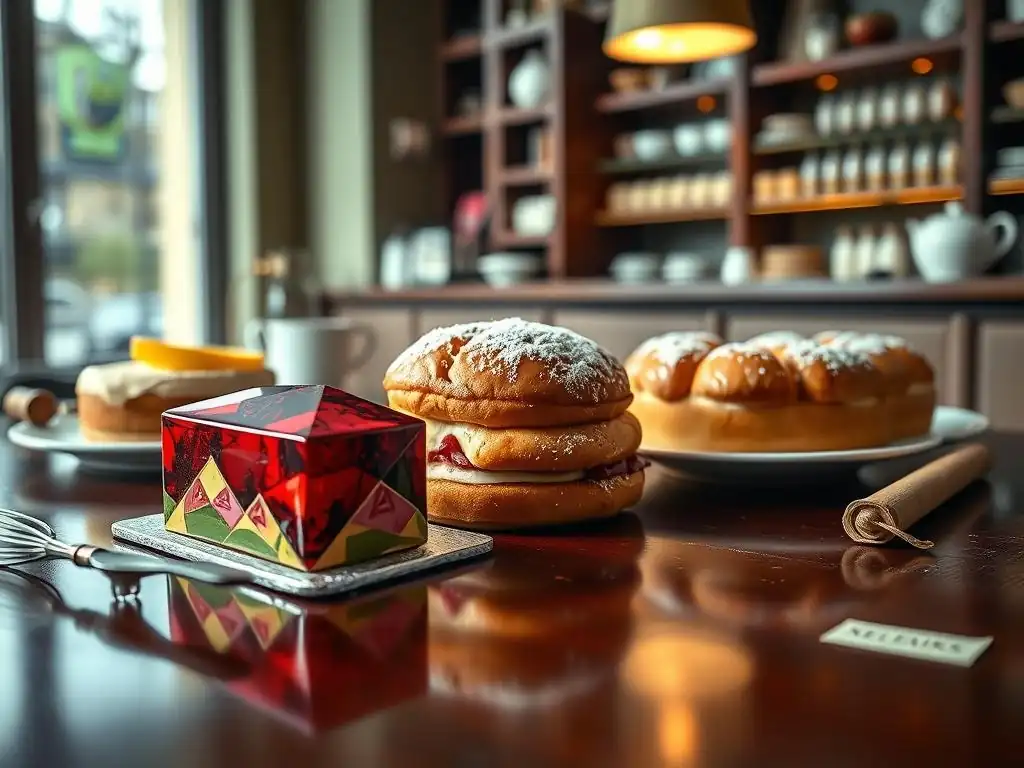
While deeply rooted in tradition, French pastry continues to evolve. Contemporary pâtissiers honor the legacy of their predecessors while pushing creative boundaries, incorporating new techniques, flavors, and artistic presentations. This ongoing innovation ensures that French pastry remains at the forefront of global dessert trends.
Modern French pastry is characterized by a blend of respect for classic methods and a daring spirit of experimentation. Chefs are influenced by global cuisines, seasonal ingredients, and a desire to create visually stunning, multi-textured desserts that tell a story.
Contemporary Pastry Chefs and Their Creations
Today's French pastry scene is vibrant, led by chefs who are artists and innovators. Figures like Pierre Hermé, often dubbed the "Picasso of Pastry," are celebrated for their bold flavor combinations and artistic approach, transforming classic macarons and other pastries into modern masterpieces. Christophe Michalak, another prominent chef, is known for his contemporary designs and emphasis on accessible, yet sophisticated, desserts.
These chefs often reinterpret traditional pastries using modern techniques, reducing sugar, and focusing on intense, pure flavors. They experiment with textures – crispy, creamy, airy, smooth – and create visually stunning desserts that are almost too beautiful to eat. Their influence extends globally, inspiring bakers and pastry lovers around the world and continuing the dynamic French pastry history explained.
The Influence of French Pastry on Global Baking Trends
French pastry techniques and concepts have had an unparalleled impact on baking worldwide. The mastery of laminated doughs, choux pastry, mousses, and creams taught in French culinary schools forms the backbone of professional baking education globally. The structure of the pâtisserie as a specialized shop has been emulated in cities across continents.
From the ubiquity of croissants and macarons in cafes everywhere to the adoption of sophisticated plating techniques in fine dining restaurants, the reach of French pastry is immense. Chefs and home bakers alike draw inspiration from French traditions, adapting them to local ingredients and tastes. This global influence is a testament to the enduring appeal and foundational importance of French pastry history explained.
Preserving the Legacy of French Pastry
Maintaining the high standards and rich heritage of French pastry is a priority for chefs, educators, and enthusiasts. Preserving traditional techniques while embracing innovation ensures that this culinary art form continues to thrive for future generations. It's about respecting the journey and the skills developed over centuries.
Understanding the history of French pastry explained is key to appreciating its current state and ensuring its future. This involves both mastering the classic methods and encouraging new interpretations that keep the tradition alive and relevant.
The Importance of Traditional Techniques and Ingredients
The excellence of French pastry relies heavily on the mastery of fundamental techniques – perfect puff pastry, smooth crème pâtissière, delicate pâte à choux. These skills, refined over centuries, are the foundation upon which all French pastries are built. Passing down this knowledge through apprenticeships and culinary schools is crucial for maintaining quality.
Equally important is the use of high-quality ingredients. French pastry tradition emphasizes the best butter, flour, eggs, and fruits, often sourced locally. For instance, using Beurre d'Isigny, a renowned butter from Normandy, for croissants makes a noticeable difference in flavor and flakiness. Respecting these traditional elements is vital for recreating authentic French pastry experiences.
Learning to Bake Classic French Pastries at Home.
For those who love French pastries, the best way to appreciate their history and artistry is to try baking them yourself. While some recipes can seem intimidating, many classic French pastries are achievable for the home baker with patience and practice. Starting with simpler items like financiers, madeleines, or basic crêpes can build confidence.
Tackling slightly more complex items like éclairs (choux pastry) or even a simplified puff pastry recipe can be incredibly rewarding. Online resources, cookbooks, and baking classes offer guidance. By attempting these recipes, you not only learn valuable baking skills but also connect directly with the rich and delicious history of French pastry explained, bringing a piece of this culinary heritage into your own kitchen.
Frequently Asked Questions
What are some of the earliest influences on French pastry?
Early influences included Roman techniques and ingredients, as well as the culinary traditions of the Medieval courts. These laid the foundation for the refined pastries we know today.
How did the French Revolution impact the development of French pastries?
The Revolution led to talented pastry chefs leaving aristocratic kitchens and opening their own pâtisseries. This made French pastries more accessible to the general public.
What role did Marie-Antoine Carême play in shaping French pastry?
Carême is considered the father of haute pâtisserie. He standardized recipes, developed elaborate presentations, and elevated pastry to an art form.
Which French pastry is considered iconic and why?
The croissant is arguably the most iconic. Its flaky layers and buttery flavor are a symbol of French baking excellence and national pride.
Where can I find simple recipes to try baking French pastries at home?
Websites like BakeWithEase.com offer step-by-step guides and easy-to-find ingredients for bakers of all levels, including French pastries.
Final Reflection: A Sweet Legacy, Baked in Time
The enduring allure of French pastries isn't merely about deliciousness; it's a testament to centuries of culinary artistry, innovation, and cultural exchange. These delicate creations, from the humble croissant to the elaborate mille-feuille, are more than just treats; they are edible narratives reflecting societal shifts, royal whims, and the unwavering pursuit of perfection. Understanding their history allows us to appreciate the depth and complexity woven into each bite.
The influence of French pastry on global cuisine is undeniable, a sweet testament to its enduring power. Its techniques and recipes have spread far beyond Parisian patisseries, inspiring bakers and chefs worldwide. The very act of creating these pastries, with its meticulous attention to detail and precise measurements, speaks to a dedication to craftsmanship that transcends mere culinary skill. As Brillat-Savarin famously wrote, Tell me what you eat, and I will tell you what you are.
In the case of French pastries, the answer is a rich tapestry of history, artistry, and cultural identity.
Now, consider the next time you savor a delicate macaron or a flaky pain au chocolat. Take a moment to appreciate the journey that brought this delicious morsel to your plate – a journey spanning centuries, influenced by countless hands, and imbued with a legacy of passion and skill. Let the history of these exquisite treats inspire you to explore the stories behind the food you consume, to appreciate the artistry involved in its creation, and to savor each bite with a newfound understanding and appreciation.
Unlock the Secrets of French Pastry!
Thanks for joining us on this delicious journey through the history of your favorite French pastries! We hope you discovered some fascinating facts and newfound appreciation for these culinary masterpieces. Now it's time to put your newfound knowledge to the test!
- Try recreating your favorite pastry: Challenge yourself to bake a classic croissant, delicate macaron, or perhaps even a regal mille-feuille. The detailed recipes available on BakeWithEase.com can guide you!
- Share your pastry passion: Tell your friends about the surprising history you learned today! Post about it on social media and tag #BakeWithEaseHistory.
- Explore our other articles: Delve deeper into the world of baking with our extensive library on BakeWithEase.com; you might discover your next baking obsession!
What unexpected ingredient or historical detail surprised you the most about French pastries? Let's discuss in the comments below!