
Applesauce vs. Banana: Which Substitute Works Best in Vegan Bakes?

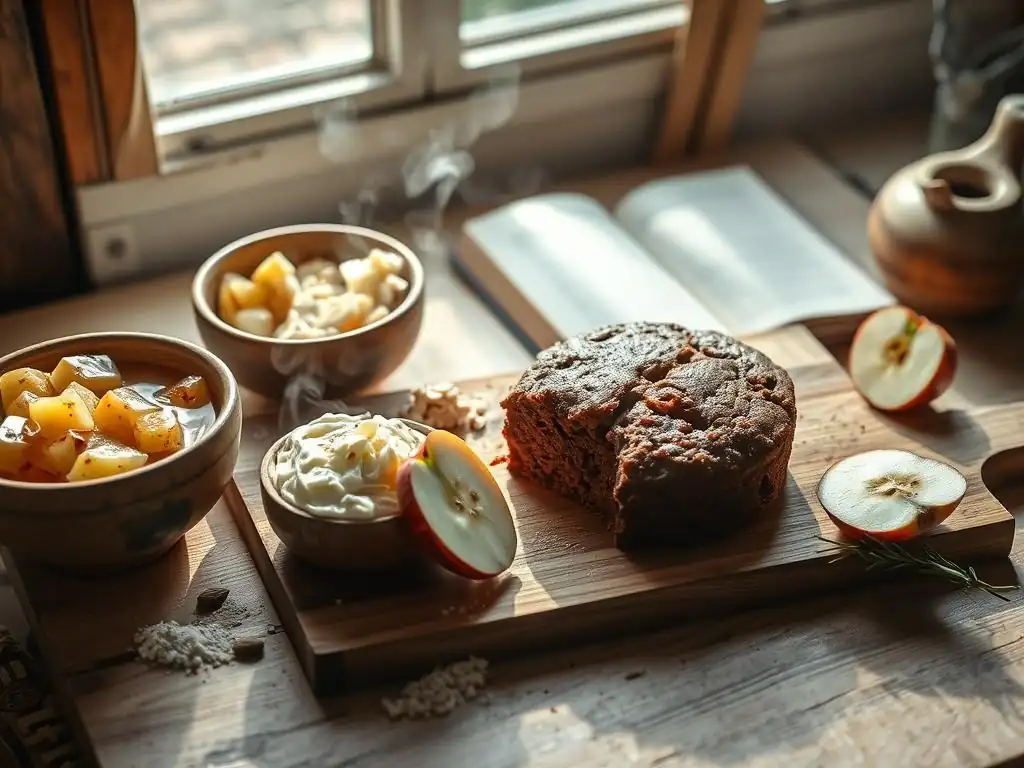
Welcome to BakeWithEase, your trusted guide to the wonderful world of baking! Ever wondered which reigns supreme when it comes to vegan baking? Is it the humble applesauce or the ever-reliable banana? Unlock the secrets to achieving the perfect texture and flavor in your plant-based treats as we delve into a head-to-head comparison of applesauce vs. banana in this insightful article. Discover which substitute will elevate your vegan bakes and leave you craving more!
- Introduction: Applesauce and Banana as Vegan Baking Alternatives
- Applesauce in Vegan Baking: Properties and Applications
- Banana in Vegan Baking: Flavor Profile and Usage
- Applesauce vs. Banana: A Head-to-Head Comparison for Vegan Bakers
- When to Choose Applesauce in Vegan Baking
- When to Choose Banana in Vegan Baking
- Adapting Recipes: Converting Non-Vegan Recipes Using Applesauce or Banana
- Troubleshooting: Common Issues When Using Applesauce or Banana in Vegan Bakes
- Conclusion: Mastering Vegan Baking with Applesauce and Banana
-
Frequently Asked Questions
- What are the main benefits of using applesauce in vegan baking?
- When is banana a better substitute than applesauce in vegan baking?
- Can I use both applesauce and banana in the same vegan baking recipe?
- What types of recipes are best suited for applesauce as a substitute?
- Are there any drawbacks to using either applesauce or banana in vegan baking?
- Final Reflection: The Sweet Debate Continues – Applesauce vs. Banana in Vegan Baking
- Unlock Your Vegan Baking Potential!
Introduction: Applesauce and Banana as Vegan Baking Alternatives
Understanding Vegan Baking Substitutions
In the world of vegan baking, eggs, dairy, and other animal products are replaced with plant-based alternatives. Eggs, in particular, play multiple crucial roles in traditional recipes: they act as binders, leaveners, and contribute to moisture, richness, and structure. Successfully creating a delicious vegan bake often hinges on selecting the right substitute to perform these functions. Common egg replacements range from commercial egg replacers and flax eggs to mashed fruits and vegetable purées.
Choosing the appropriate substitute depends heavily on the desired outcome for the vegan bake. A substitute that works perfectly for adding moisture and binding in a dense brownie might not be suitable for achieving a light and airy cake. Understanding the properties of different ingredients is key to mastering vegan baking substitutions and ensuring your baked goods have the desired texture, flavor, and rise without relying on animal products.
Applesauce and Banana: Two Popular Egg Replacements
Among the most widely used natural substitutes for eggs in vegan baking are applesauce and mashed banana. Both offer binding properties and contribute moisture, making them excellent candidates for many types of baked goods. Their popularity stems from their accessibility, affordability, and natural sweetness, which can sometimes even allow for a reduction in added sugar in a vegan bake.
However, applesauce and banana bring distinct characteristics to the table. Applesauce is often favored for its relatively neutral flavor profile and its ability to add moisture without significant density. Mashed banana, on the other hand, imparts a noticeable flavor and adds both moisture and considerable density, along with natural sweetness. Deciding between them for your next vegan bake requires considering the specific recipe and the qualities you want in the finished product.
Applesauce in Vegan Baking: Properties and Applications
How Applesauce Affects Texture and Moisture in Vegan Cakes
Applesauce is frequently used in vegan baking as an egg and sometimes a fat substitute, primarily contributing moisture and binding. When used in cakes, applesauce can result in a very moist crumb. A common guideline is to use about 1/4 cup of unsweetened applesauce per egg replaced. This amount adds significant liquid, which helps prevent dryness, a common challenge in some vegan bake recipes.
While applesauce adds moisture, it typically doesn't provide the same level of leavening or structure that eggs do. Overusing applesauce can lead to a dense or even slightly gummy texture in vegan cakes, as it adds weight without contributing to the rise. It's often best paired with adequate chemical leavening (like baking powder or baking soda activated by an acid) to ensure the cake doesn't turn out too heavy. The pectin in applesauce helps bind ingredients, but it doesn't create the airy structure that whipped eggs can.
Best Vegan Bake Recipes Using Applesauce as a Substitute
Applesauce shines in vegan bake recipes where moisture is paramount and a slightly denser, pudding-like texture is acceptable or even desired. This includes quick breads like muffins, loaf cakes (think spice cake or carrot cake), and some types of brownies. For instance, in a vegan muffin recipe, replacing one egg with 1/4 cup of applesauce can yield incredibly moist results.
Unsweetened applesauce is generally preferred in vegan baking as it allows for better control over the overall sweetness of the recipe. Using unsweetened applesauce in a vegan bake like pumpkin bread ensures the primary flavor comes from the spices and pumpkin, not added apple sweetness. This substitute works particularly well in recipes already featuring warm spices, as the subtle apple flavor complements them nicely without overpowering the primary ingredients.
The Sweetness Factor: Controlling Sugar When Using Applesauce
Applesauce, especially the sweetened varieties, contains natural sugars that contribute to the overall sweetness of a vegan bake. When substituting with applesauce, it's important to consider this added sugar content. Using sweetened applesauce might require a reduction in the amount of granulated or brown sugar called for in the original recipe to avoid an overly sweet result.
For greater precision and control over the final sweetness, unsweetened applesauce is the recommended choice for most vegan baking applications. Even unsweetened applesauce adds a touch of sweetness, so it's still advisable to taste your batter (before adding leavening, of course) and adjust sugar as needed, particularly when adapting non-vegan recipes. A good starting point when using unsweetened applesauce is often to keep the original sugar amount, then adjust in future bakes based on preference.
Banana in Vegan Baking: Flavor Profile and Usage
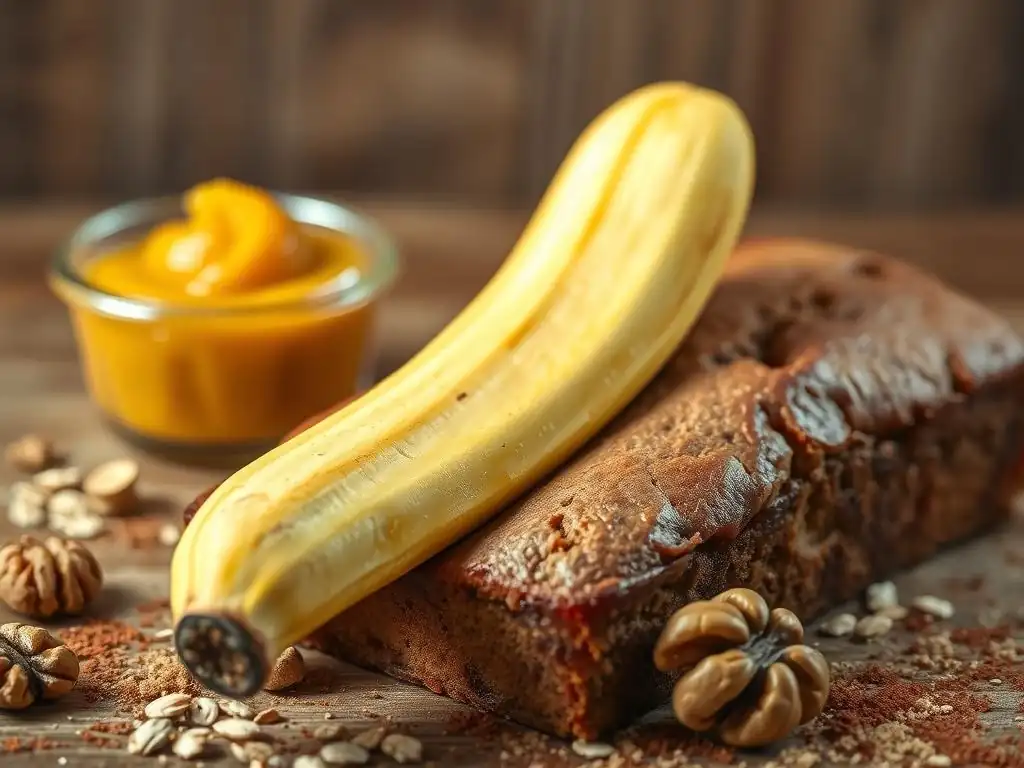
Mashed banana is a potent substitute in vegan baking, bringing both significant moisture and a distinct flavor profile. In cookies, mashed banana acts as a binder and adds moisture, contributing to a chewier and softer texture than cookies made with traditional eggs or other substitutes. A common substitution ratio is about 1/4 cup of mashed ripe banana per egg.
The texture impact is notable: banana-based vegan cookies tend to be softer and less likely to spread thinly during baking compared to those using flax eggs or commercial replacers. However, the strong banana flavor will be present. This makes it ideal for recipes where banana is a welcome addition but less suitable for delicately flavored cookies like shortbread or vanilla sugar cookies, unless you specifically want a banana twist.
Vegan Baking Recipes Where Banana Shines as an Egg Replacement
Mashed banana is perhaps most famous as an egg substitute in quick breads, especially banana bread itself, where its flavor is the star. However, it performs exceptionally well in other vegan bake recipes that benefit from its moisture, density, and flavor. This includes chocolate chip cookies, oatmeal cookies, brownies, and muffins.
For example, in a vegan chocolate chip cookie recipe, replacing the egg with mashed banana results in moist, chewy cookies with a subtle banana undertone that pairs wonderfully with chocolate. Similarly, using banana in vegan brownies creates a dense, fudgy texture. Its natural sweetness also complements spices like cinnamon and nutmeg in muffins or quick breads.
Ripeness Matters: Choosing the Right Banana for Your Vegan Bake
The ripeness of the banana is a critical factor when using it in vegan baking. Overripe bananas, those with lots of brown spots or even almost entirely brown peel, are ideal. As bananas ripen, their starches convert to sugar, making them sweeter. They also become softer and easier to mash into a smooth consistency, which is essential for even distribution in a vegan bake batter.
Using bananas that are not ripe enough will result in less sweetness, a firmer texture that's harder to mash smoothly, and potentially a less effective binding agent. The moisture content also increases as bananas ripen. Therefore, for optimal results in terms of sweetness, texture, and binding power, always opt for very ripe, spotty, or brown bananas when they are called for as a substitute in your vegan baking endeavors.
Applesauce vs. Banana: A Head-to-Head Comparison for Vegan Bakers
Texture Showdown: Applesauce vs. Banana for Softness and Chewiness
When comparing applesauce and banana as substitutes in vegan baking based purely on texture, they offer different outcomes. Applesauce typically contributes moisture leading to a tender, soft crumb, particularly in cakes and muffins. However, it can sometimes result in a slightly denser texture if used in excess, and without proper leavening, it doesn't contribute much to lightness or chewiness.
Mashed banana, conversely, provides significant moisture and density. This makes it excellent for creating chewy cookies or moist, substantial quick breads. The natural fibers in the banana contribute to this structure. While both add moisture, banana generally leads to a denser, often chewier final texture compared to the softer, potentially gummier texture that can result from using applesauce incorrectly in a vegan bake.
Flavor Battle: Applesauce vs. Banana for Neutrality vs. Distinctiveness
Flavor is perhaps the most significant difference between these two substitutes in vegan baking. Unsweetened applesauce has a relatively mild, slightly tart or sweet flavor that is easily masked by other ingredients like vanilla, chocolate, or spices. This makes it a versatile choice for vegan bakes where you don't want the substitute's flavor to dominate.
Mashed banana, especially overripe banana, has a strong, unmistakable flavor. This is fantastic for recipes where banana flavor is desired, but it will be noticeable in any vegan bake it's used in. If you're making a delicate vanilla cake or a lemon loaf, banana would overpower the intended flavor profile, whereas applesauce would likely blend in seamlessly. The choice depends entirely on whether you want the substitute to be a background player or a prominent flavor component.
Moisture Content: Which Substitute Prevents Dry Vegan Bakes?
Both applesauce and mashed banana are excellent at adding moisture to vegan bakes, helping to combat dryness which can sometimes occur when removing eggs and dairy. However, they achieve this moisture with slightly different effects on the overall structure and density. Applesauce adds moisture without adding much structure or density on its own, relying on other ingredients for binding and lift.
Banana adds moisture along with significant body and density due to its natural composition. This extra substance means banana-based vegan bakes are often inherently moist and less prone to drying out quickly compared to some other substitutes. While both prevent dryness, banana tends to create a moister, heavier crumb, while applesauce contributes moisture to a potentially lighter (if properly leavened) but still tender texture.
When to Choose Applesauce in Vegan Baking
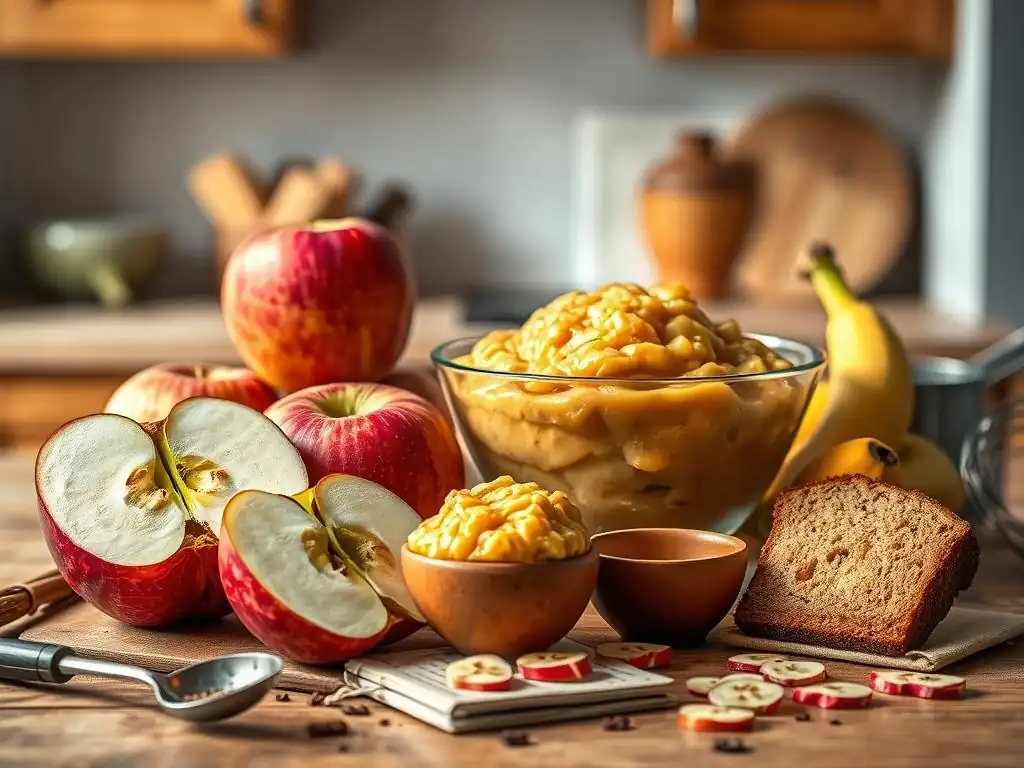
Applesauce for Light and Airy Vegan Cakes
While applesauce doesn't provide leavening itself, it can be used in conjunction with effective chemical leaveners (like baking soda and vinegar, or baking powder) to create relatively light and airy vegan cakes, particularly when replacing only one or two eggs. Using approximately 1/4 cup of unsweetened applesauce per egg provides moisture without adding excessive weight, unlike denser options like banana.
The key is balancing the moisture from the applesauce with the dry ingredients and ensuring your leavening is potent and correctly activated. For instance, in a vegan vanilla cake, applesauce can help achieve a tender crumb without imparting a strong flavor, allowing the vanilla to shine. It's crucial not to overmix the batter once the wet and dry ingredients are combined, as this can develop gluten too much and counteract the potential for lightness.
Applesauce for Low-Fat Vegan Baking Options
Applesauce can sometimes replace a portion of the oil or butter in vegan bake recipes, in addition to or instead of eggs. This property makes it a useful ingredient for creating lower-fat vegan treats. While it can't replace all the fat (as fat contributes tenderness and richness in ways applesauce cannot), substituting a quarter or half of the fat with applesauce can reduce calories and fat content.
For example, in a vegan muffin recipe calling for 1/2 cup of oil, you might experiment by using 1/4 cup oil and 1/4 cup applesauce. This substitution will increase the moisture provided by the applesauce and help bind the ingredients, while also cutting down on the added fat. However, be mindful that reducing fat can sometimes affect the texture, potentially making the bake slightly less tender or rich.
Masking Flavors: Using Applesauce When You Don't Want Banana Flavor
The relatively neutral flavor of unsweetened applesauce is a major advantage when making a vegan bake where you want the primary ingredients to stand out. If you're crafting a delicate lemon poppy seed cake, a vibrant berry muffin, or a pure chocolate cake, the strong flavor of mashed banana would likely compete with or overwhelm these tastes.
In such cases, applesauce is the superior choice. It provides the necessary moisture and binding without adding its own distinct taste (or adding only a very subtle, complementary one, like in a spice cake). This allows the intended flavors of your vegan bake, whether it's citrus, fruit, or cocoa, to remain the star of the show, ensuring the final product tastes exactly as intended, minus the animal products.
When to Choose Banana in Vegan Baking
Banana for Dense and Moist Vegan Breads
Mashed banana is an exceptional choice for vegan bake recipes that benefit from a dense, moist crumb. Quick breads, such as banana bread, zucchini bread, or even some cornbreads, are prime examples. The natural structure and moisture provided by the mashed fruit contribute significantly to the substantial, moist texture that is characteristic of these types of baked goods.
Using about 1/4 cup of mashed ripe banana per egg replacement adds not just moisture but also body, helping the bread hold together and preventing it from being crumbly or dry. This density also contributes to the satisfying chewiness often found in banana bread and similar vegan bakes. It's a natural fit for recipes where a heavy, moist loaf is the desired outcome.
Banana for Naturally Sweetened Vegan Treats
Overripe bananas are incredibly sweet due to the conversion of starches to sugars. This natural sweetness is a major advantage when using banana as a substitute in vegan baking, as it can significantly reduce the need for added sugars like granulated sugar or brown sugar. This is particularly appealing for those looking to make slightly healthier or less sugary vegan treats.
When adapting recipes or creating new ones, you can often decrease the amount of added sugar by a noticeable amount – perhaps by 1/4 to 1/3 – when using mashed banana as the primary binder. This works well in cookies, muffins, and quick breads where the banana flavor is welcome. The result is a vegan bake that is sweet and satisfying, relying more on the fruit's natural sugars.
Enhancing Flavors: Complementing Chocolate and Nutty Vegan Bakes with Banana
Beyond its structural and moistening properties, the flavor of banana pairs beautifully with certain other ingredients, enhancing the overall taste profile of a vegan bake. Chocolate is a classic pairing with banana, making mashed banana an excellent substitute in vegan chocolate chip cookies, brownies, or chocolate cakes. The flavors complement each other harmoniously.
Similarly, banana works wonderfully with nuts (like walnuts or pecans) and spices such as cinnamon, nutmeg, and cloves. This makes it perfect for vegan oatmeal cookies, spiced muffins, or any recipe where these flavor combinations are present. Using banana in these vegan bakes not only provides the necessary moisture and binding but also adds another layer of delicious complexity to the final product.
Adapting Recipes: Converting Non-Vegan Recipes Using Applesauce or Banana
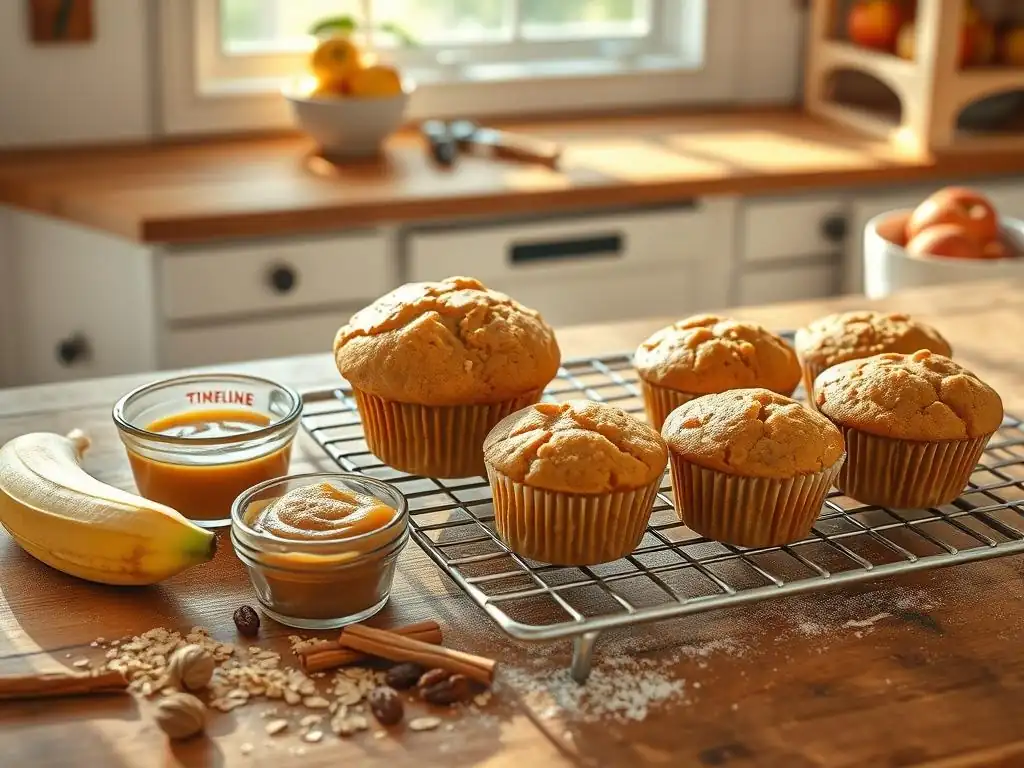
Adjusting Liquid Ratios When Substituting with Applesauce
When converting a non-vegan recipe to a vegan bake using applesauce as an egg substitute, you are adding a liquid ingredient (typically around 1/4 cup per egg). While often a direct 1:1 volume substitution works without needing to reduce other liquids, in some delicate recipes, this added moisture might make the batter too wet.
If you find your batter is significantly looser than expected after adding the applesauce, you might need to slightly reduce another liquid component, such as plant-based milk or water, in future attempts. However, it's generally best to try the direct substitution first and only adjust if the texture is off. Remember that different flours absorb liquid differently, so experimentation might be needed for your specific vegan bake recipe.
Reducing Added Sugar When Substituting with Banana
Using mashed ripe banana as an egg substitute in a vegan bake introduces natural sugars. To avoid an overly sweet result, particularly when adapting non-vegan recipes designed around less sweet binders like eggs, it's wise to reduce the amount of added granulated or brown sugar. A good starting point is to decrease the original sugar quantity by about 1/4 to 1/3.
For example, if a recipe calls for 1 cup of sugar and you're using banana, try using 2/3 cup or 3/4 cup instead. You can always add a little more sugar if the batter seems insufficiently sweet to your taste (before baking). This adjustment allows the natural sweetness of the banana to contribute without making the vegan bake cloyingly sweet, resulting in a more balanced flavor profile.
Considering Other Ingredients: How Applesauce and Banana Interact
Both applesauce and banana interact with other ingredients in a vegan bake, influencing the final outcome. Their moisture content affects how dry ingredients like flour absorb liquid and how gluten develops. This is why overmixing can be problematic, leading to toughness, especially when using moist substitutes.
They also interact with leavening agents. While they provide some binding, they don't offer the same lift as eggs. Therefore, ensuring your recipe has sufficient and active baking powder and/or baking soda (often paired with an acid like vinegar or lemon juice in vegan baking) is crucial for achieving a good rise, regardless of whether you use applesauce or banana. The fat content in the recipe also plays a role; higher fat recipes might be more forgiving with these substitutes.
Troubleshooting: Common Issues When Using Applesauce or Banana in Vegan Bakes
Avoiding Gummy Textures with Applesauce
A common pitfall when using applesauce in a vegan bake is ending up with a gummy texture. This usually stems from using too much applesauce relative to the dry ingredients or overmixing the batter. Applesauce adds moisture and binding but not structure, so excess can make the crumb heavy and dense.
To avoid this, stick to the recommended ratio (typically 1/4 cup per egg, but sometimes less depending on the recipe). Ensure you are not overmixing the batter once the wet and dry ingredients are combined; mix just until the dry ingredients are incorporated. Sometimes, combining applesauce with another type of binder, like a small amount of flax egg or commercial replacer, can provide better structure and prevent gumminess in a delicate vegan bake.
Preventing Overly Dense Bakes with Banana
While density can be a desirable trait in certain vegan bakes like quick breads or brownies, sometimes using banana can result in an unintentionally heavy or overly dense outcome in recipes where a lighter crumb is preferred. This is often due to the natural weight and structure of the mashed banana itself or insufficient leavening to counteract its density.
Ensure you are using the appropriate amount of mashed banana (again, typically 1/4 cup per egg). Also, double-check that your leavening agents (baking powder and/or baking soda) are fresh and used in the correct quantities. Make sure they are activated properly if the recipe requires it (e.g., baking soda needs an acid like vinegar or buttermilk). Don't overmix the batter, as developing too much gluten will also contribute to density.
Tips for Achieving the Perfect Rise in Vegan Bakes
Achieving a good rise in vegan bakes that use applesauce or banana requires attention to leavening. Since these substitutes don't provide the same lift as eggs, relying on chemical leaveners is essential. Always ensure your baking powder and baking soda are fresh; they lose potency over time. Check expiry dates and test freshness if unsure (baking soda with vinegar/acid, baking powder with hot water – they should fizz).
Properly activating baking soda with an acid is vital for lift in many vegan recipes. Ensure the oven is fully preheated to the correct temperature before baking, as the initial burst of heat helps activate leaveners. Avoid opening the oven door frequently during baking. Finally, do not overmix your batter, as this develops gluten which can weigh down the dough and prevent it from rising fully, resulting in a dense vegan bake.
Conclusion: Mastering Vegan Baking with Applesauce and Banana
Choosing the Right Substitute for Your Vegan Baking Needs
Ultimately, the choice between applesauce and mashed banana as a substitute in your vegan bake depends on the specific recipe and the desired outcome. If you prioritize a neutral flavor profile and a tender, relatively lighter crumb in cakes or muffins where flavor is key, unsweetened applesauce is likely your best bet. It adds moisture without overpowering other ingredients and can contribute to lower-fat options.
Conversely, if you want a moist, dense, and chewy texture, particularly in quick breads, cookies, or brownies, and welcome or desire the distinct flavor of banana, then mashed ripe banana is the superior choice. Its natural sweetness also allows for reducing added sugars. Both substitutes are valuable tools in the vegan baker's arsenal, but understanding their unique properties is key to selecting the right one for each specific vegan bake.
Experimenting with Applesauce and Banana for Delicious Vegan Results
Mastering vegan baking with natural substitutes like applesauce and banana is often a journey of experimentation. While general guidelines like using 1/4 cup per egg provide a starting point, the exact amount and the best results can vary depending on the specific recipe, the other ingredients used, and even the consistency of your applesauce or mashed banana.
Don't be afraid to try a recipe using one substitute and then try it again using the other to compare the results. Pay attention to the texture, moisture level, and flavor difference. Over time, you'll develop an intuition for when each substitute will perform best in different types of vegan bakes. With a little practice and willingness to experiment, applesauce and banana can become your reliable go-to ingredients for creating delicious, moist, and satisfying vegan treats.
Frequently Asked Questions
What are the main benefits of using applesauce in vegan baking?
Applesauce acts as a fat and egg replacer, adding moisture and a slight sweetness. It's a great option for light and airy baked goods. It's often a readily available and affordable ingredient.
When is banana a better substitute than applesauce in vegan baking?
Banana provides natural sweetness and binding, making it ideal for dense and chewy textures. It also offers a distinct banana flavor profile that can enhance certain recipes. It's best used when you want a moist and flavorful result.
Can I use both applesauce and banana in the same vegan baking recipe?
Yes, you can! Combining them can create a balanced texture and flavor. Adjust the ratios depending on the desired outcome – more applesauce for lightness, more banana for moisture and sweetness. Experiment to find the perfect balance for your recipe.
What types of recipes are best suited for applesauce as a substitute?
Applesauce works well in recipes like vegan muffins, cakes, and quick breads where a light and moist texture is desired. It's also a good choice when you want a subtle flavor that doesn't overpower the other ingredients.
Are there any drawbacks to using either applesauce or banana in vegan baking?
Applesauce can sometimes make baked goods slightly gummy if used in excessive amounts. Banana can dominate the flavor and can sometimes make the final product too dense or heavy.
Final Reflection: The Sweet Debate Continues – Applesauce vs. Banana in Vegan Baking
The quest for the perfect vegan bake often hinges on finding the right egg and dairy replacements, and this exploration of applesauce and banana as binding agents highlights the nuanced world of vegan substitutions. The seemingly simple swap of one ingredient for another reveals a surprising depth of flavor and textural variations, impacting everything from cake crumb to cookie chew. This isn't just about finding a functional replacement; it's about unlocking the potential for truly delicious vegan baking.
This journey into the heart of vegan baking has underscored the importance of understanding ingredient functionality beyond simple substitutions. The subtle differences between applesauce and banana – their moisture content, sweetness levels, and how they interact with other ingredients – significantly impact the final product. It's a reminder that experimentation and a deep understanding of baking chemistry are crucial, even within the seemingly straightforward realm of vegan cooking. The best baker is the one who is not afraid to experiment.
– This anonymous quote perfectly encapsulates the spirit of this exploration.
So, reader, what will your next vegan baking adventure entail? Will you embrace the tart tang of applesauce or the mellow sweetness of banana? Perhaps, inspired by this comparison, you'll venture beyond these two and explore other exciting possibilities. The world of vegan baking is vast and ever-evolving; don't be afraid to get your hands dirty, try new things, and discover your own perfect recipe. The delicious results are well worth the effort.
Unlock Your Vegan Baking Potential!
Thanks for exploring the delicious world of vegan baking with us! We hope you gained valuable insights into choosing the perfect applesauce or banana substitute for your next creation. Ready to put your newfound knowledge to the test?
- Bake your dream vegan treat! Try swapping out one of the suggested ingredients in your favorite recipe and see the difference. Share your results with us!
- Experiment with different ratios of applesauce and banana to find your perfect blend for texture and flavor. Keep notes – you might discover your new signature recipe!
- Share your baking journey! Tell us about your experiences using applesauce or banana in your vegan bakes on our social media channels!
Which unexpected ingredient will you try substituting next in your baking adventures?