
Regional Breads of Spain: Beyond Tapas Loaves

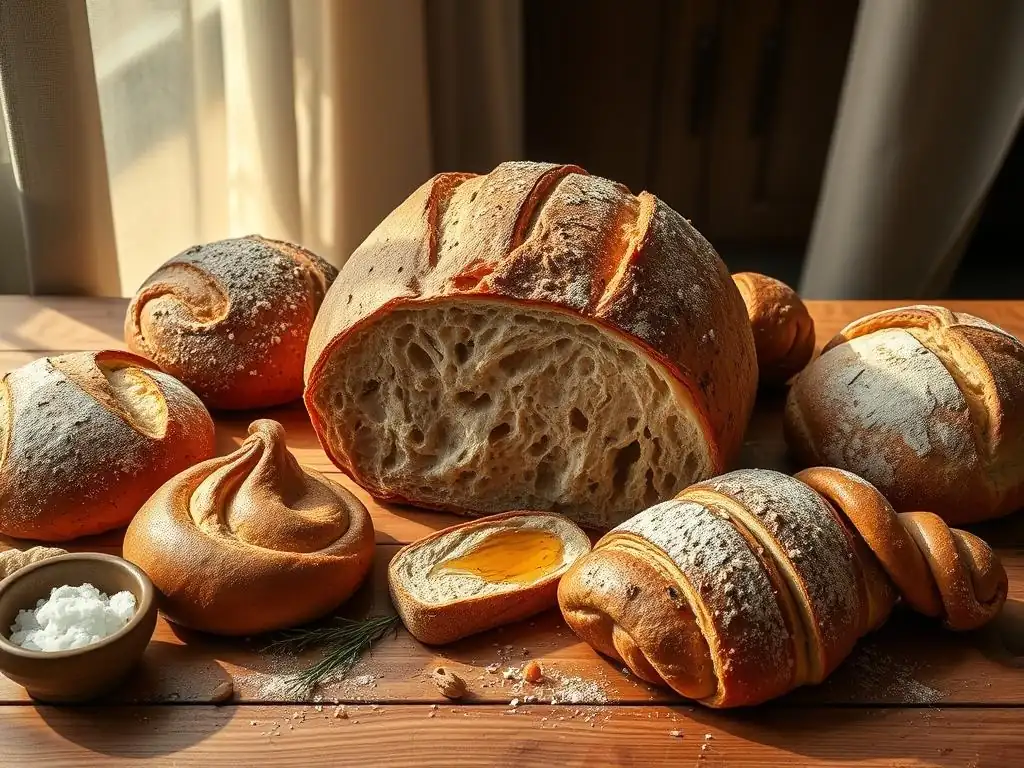
Welcome to BakeWithEase, your kitchen companion for unlocking the delicious world of baking! Ever wondered if you could bring the authentic taste of a Spanish bakery to your own home? This week, we're diving deep into the fascinating world of regional breads of Spain, going far beyond the familiar tapas loaves. Prepare to discover easy Spanish sourdough bread recipes that will transform your baking and impress your friends and family. Curious to learn the secrets? Let's get started!
- Regional Breads of Spain: Beyond Tapas Loaves - BakeWithEase
- Exploring the Diverse World of Spanish Breads: A Baker's Guide
- Understanding Spanish Bread Baking Traditions
- Easy Spanish Sourdough Bread Recipes: A Regional Journey
- Mastering the Art of Spanish Sourdough Bread at Home
- Tips and Tricks for Baking Authentic Spanish Breads
- Conclusion: Embrace the Richness of Spanish Bread Baking
-
Frequently Asked Questions
- ### What is the main focus of BakeWithEase regarding Spanish bread?
- ### Where can I find easy Spanish sourdough bread recipes on BakeWithEase?
- ### What kind of help does BakeWithEase provide for beginner bakers wanting to try Spanish sourdough?
- ### Does BakeWithEase offer recipes for breads other than sourdough?
- ### What makes BakeWithEase a good resource for learning about regional Spanish breads?
- Final Reflection: The Enduring Magic of Spanish Sourdough
- Unleash Your Inner Panadero: Bake Your Way Through Spain!
Regional Breads of Spain: Beyond Tapas Loaves - BakeWithEase
Exploring the Diverse World of Spanish Breads: A Baker's Guide
Spain boasts a rich and diverse culinary landscape, and its bread traditions are no exception. While many might associate Spanish bread primarily with the ubiquitous baguette-like loaves served with tapas, the reality is far more varied and fascinating. From the moist, dense loaves of the north to the flat, pizza-like cocas of the Mediterranean coast, each region offers unique bread styles shaped by local ingredients, climate, and historical influences. Exploring these regional specialties is a delightful journey for any home baker looking to expand their repertoire and discover new flavors and techniques.
Diving into the world of Spanish bread baking reveals a deep connection to the land and its produce. Many traditional recipes rely on local wheat varieties, olive oil, and often, the slow fermentation power of sourdough. This article will guide you through some remarkable examples of Spanish regional breads, focusing on how you can recreate these authentic tastes in your own kitchen, including several easy Spanish sourdough bread recipes. We'll uncover the secrets behind their distinctive characteristics and provide simple, step-by-step instructions to help you bake Spanish sourdough bread with confidence.
Understanding Spanish Bread Baking Traditions
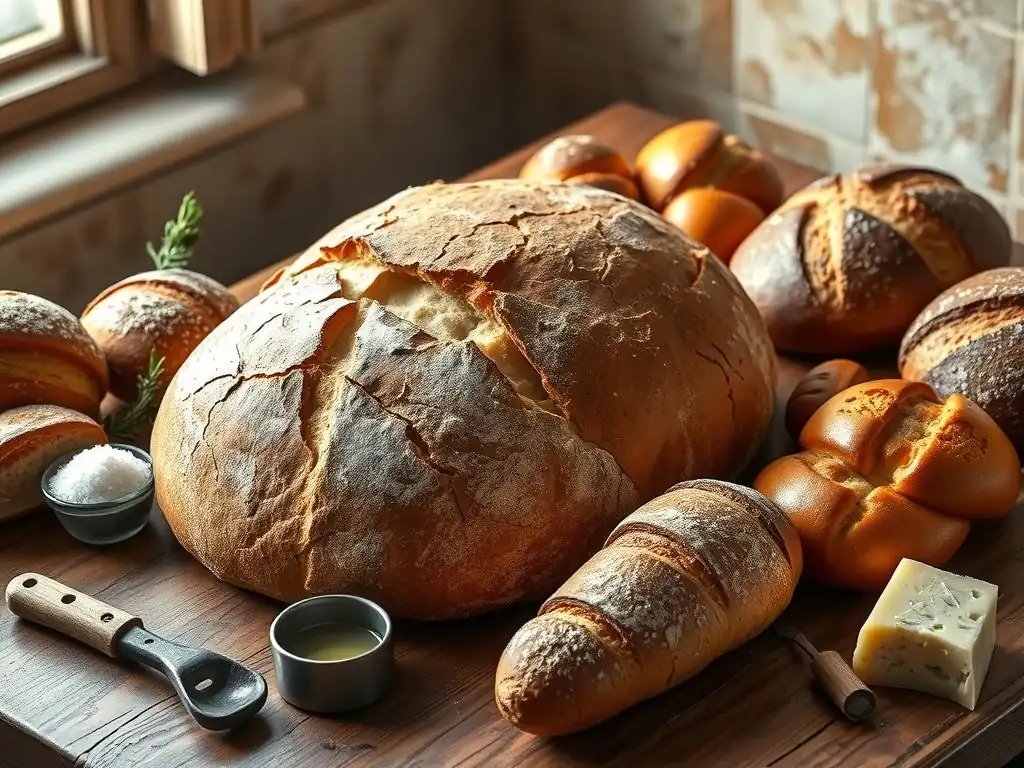
Spanish bread baking is deeply rooted in centuries of history, reflecting cultural exchanges, agricultural practices, and the daily rhythm of life. Historically, bread was a fundamental part of the Spanish diet, often baked in communal ovens. These traditions have fostered a strong sense of regional identity in bread, with specific shapes, textures, and ingredients becoming hallmarks of particular areas. Understanding these foundations is key to appreciating the nuances of Spanish bread and successfully baking it at home.
The emphasis on quality ingredients and traditional methods remains strong in many parts of Spain today. While modern techniques and commercial yeasts are common, the respect for slow fermentation and the use of local flours and starters persist, especially in artisanal bakeries. This blend of tradition and innovation allows for both time-honored recipes and exciting new variations, ensuring that Spanish bread remains a vibrant and evolving part of the country's gastronomic heritage.
The Importance of Regional Variations in Spanish Bread
The geographical and climatic diversity of Spain has led to a fascinating array of regional bread styles. In the cooler, wetter north, like Galicia and Asturias, you often find larger, denser loaves with thick crusts, designed to stay fresh longer. These breads, such as Pan Gallego, frequently use a mix of wheat and corn flour and rely on natural leavening. Moving south, towards the Mediterranean coast, breads tend to become lighter and more varied in form, including flatbreads like Coca in Catalonia or richer, sometimes savory, breads like Mollete in Andalusia.
Central Spain, with its drier, continental climate, features robust wheat breads, often with compact crumbs and sturdy crusts, ideal for accompanying hearty stews and cured meats. Examples include the classic Pan de Cruz from Ciudad Real or Pan de Payés from Catalonia (also popular in other central/southern areas). The islands, like the Balearics and Canaries, have their own unique adaptations, sometimes incorporating local grains or methods. This regionality means that asking for "Spanish bread" can yield vastly different results depending on where you are in the country, highlighting the depth of this culinary tradition.
Key Ingredients in Traditional Spanish Breads
Traditional Spanish breads typically rely on a few core ingredients: flour, water, salt, and a leavening agent. However, the type of flour used is crucial and varies significantly by region. Strong wheat flour ( harina de fuerza) with a high protein content is common for structure, but many regional breads incorporate other flours like rye ( centeno), corn ( maíz), or even chickpea flour ( garbanzo). The quality of the flour is paramount, with many artisanal bakers favoring stone-ground varieties.
Beyond the basics, olive oil is a staple ingredient, particularly in Mediterranean and southern Spanish breads, adding richness, moisture, and flavor. It's often used in the dough itself or as a finishing element. Other additions can include eggs, milk, sugar, or even lard, especially in richer or festive breads. Seeds like sesame or anise are sometimes incorporated or used as toppings. The water quality can also subtly impact the dough. Understanding these variations is the first step in mastering easy Spanish sourdough bread recipes at home.
The Role of Sourdough in Spanish Baking: From Rustic to Refined
Sourdough, or masa madre (mother dough), has a long and esteemed history in Spanish baking. Before the widespread availability of commercial yeast, natural fermentation was the primary method for leavening bread. This tradition has been preserved in many regional loaves, where the slow, natural rise contributes significantly to the bread's flavor, texture, and keeping quality. Sourdough starters in Spain are often quite active and can be maintained with local flours, sometimes incorporating elements like olive oil into the feeding routine, though this is less common for the main starter itself.
Today, sourdough is experiencing a resurgence across Spain, appreciated not just for its historical significance but also for the complex tangy flavor, chewy crumb, and robust crust it imparts. It's used in everything from large, rustic country loaves that might weigh over a kilogram to smaller, more refined rolls. For home bakers, learning to use a sourdough starter is key to recreating the authentic taste and texture of many traditional Spanish breads, and we will explore easy Spanish sourdough bread recipes that make this accessible.
Easy Spanish Sourdough Bread Recipes: A Regional Journey
Embarking on the journey of baking Spanish sourdough bread at home can seem daunting, but with the right guidance, it's entirely achievable. Many traditional Spanish recipes, while seemingly complex, can be adapted for the home kitchen, focusing on simplified steps and readily available ingredients. The key is to embrace the natural leavening process and allow time for the flavors to develop. We've selected a few distinct regional examples and adapted them into easy Spanish sourdough bread recipes that are perfect for home bakers looking to explore this delicious corner of the baking world.
These recipes highlight different styles and techniques found across Spain, from the high-hydration loaves of the north to the unique flatbreads of the Mediterranean. By following these simple sourdough methods, you'll gain confidence in handling different dough consistencies and shaping techniques. Get ready to fill your kitchen with the wonderful aroma of freshly baked Spanish bread!
Pan Gallego: The Crusty Bread of Galicia - An Easy Sourdough Recipe
Pan Gallego, the traditional bread from Galicia in northwestern Spain, is renowned for its distinctive pointed shape, thick, crackly crust, and moist, airy interior. It's often made with a blend of wheat and corn flour and is known for its high hydration, which contributes to its tender crumb. While traditionally baked in large, round loaves, this easy Spanish sourdough bread recipe adapts the method for smaller, manageable loaves perfect for home ovens. The secret lies in the slow fermentation and high heat baking.
This recipe focuses on achieving that signature crust and moist interior without overly complicated steps. By using a well-maintained sourdough starter and allowing for a long, slow fermentation, you develop deep flavor and structure. The high hydration can be a little tricky at first, but gentle handling and understanding the dough's texture are key. This is a rewarding loaf that pairs perfectly with Galician seafood, cheeses, or simply good quality olive oil.
Ingredients for Authentic Pan Gallego Sourdough
To bake a loaf of authentic Pan Gallego sourdough, you'll need:
- ~400g strong bread flour (
harina de fuerza) - ~100g fine corn flour (
harina de maíz), not cornstarch - ~375g water (around 75% hydration relative to total flour)
- ~100g active sourdough starter (
masa madre), fed and bubbly - ~10g fine sea salt
- Optional: A little extra corn flour or semolina for dusting.
These quantities are approximate and can be adjusted slightly based on your flour's absorption and your starter's activity. Using good quality flours will significantly impact the final result. The high water percentage is characteristic of this bread, yielding a very wet dough.
Step-by-Step Pan Gallego Baking Instructions
Here is a simplified guide to baking your Pan Gallego sourdough:
- Mix: In a large bowl, combine the flours and salt. In a separate bowl, mix the water and active sourdough starter. Pour the wet ingredients into the dry and mix with a wooden spoon or your hands until just combined. The dough will be very shaggy and wet. Cover and let rest for 30 minutes (
autolyse). - Knead/Fold: After the rest, perform a series of stretch and folds over the next 2-3 hours. Every 30-45 minutes, wet your hands and gently stretch one side of the dough up and fold it over the center. Rotate the bowl and repeat 3-4 times. This builds strength in the wet dough.
- Bulk Fermentation: Cover the bowl and let the dough ferment at room temperature (around 20-24°C) for 4-6 hours, or until it has increased significantly in volume and is bubbly. Alternatively, for deeper flavor, refrigerate for 12-18 hours after 1-2 hours at room temp.
- Shape: Gently turn the dough out onto a lightly floured surface (use corn flour). Be careful not to deflate it. Shape into a round or oval loaf, creating surface tension. Dust a proofing basket (
banneton) generously with corn flour or semolina. Place the shaped loaf seam-side up in the basket. - Final Proof: Cover the basket and let proof at room temperature for 1-2 hours, or refrigerate for 8-12 hours. The dough should be visibly risen and feel light and airy.
- Bake: Preheat your oven to 250°C with a baking stone or Dutch oven inside for at least 30-45 minutes. If using a stone, create steam by placing a tray of water in the bottom of the oven. If using a Dutch oven, heat it with the lid on.
- Score & Load: Carefully turn the dough out onto parchment paper (if using a stone) or directly into the hot Dutch oven. Score the top of the loaf with a sharp knife or razor blade.
- Bake: Bake for 20 minutes with steam (or lid on Dutch oven). Reduce temperature to 220°C, remove steam source (or lid), and bake for another 20-30 minutes, or until the crust is deep golden brown and the internal temperature reaches ~96-98°C.
- Cool: Transfer the baked loaf to a wire rack and let cool completely before slicing. This is crucial for the crumb texture.
Tips for Achieving the Perfect Pan Gallego Crust
Achieving the characteristic thick, crispy crust of Pan Gallego requires high heat and steam during the initial phase of baking. Using a Dutch oven is one of the easy Spanish sourdough bread recipes methods to trap steam effectively at home. If you're baking on a stone, ensure you create ample steam by adding boiling water to a hot tray on the bottom rack or using lava rocks.
- High Initial Heat: Start baking at a high temperature (250°C) to promote oven spring and crust development.
- Steam is Key: Steam keeps the crust pliable initially, allowing the loaf to expand fully before the crust sets. Remove steam after 15-20 minutes to allow the crust to crisp up.
- Longer Bake: Bake until the crust is a deep golden-brown, almost reddish. This ensures it's fully developed and crispy. Don't be afraid to bake it longer than you think is necessary.
- Cool Completely: Resist the urge to slice the bread while it's hot. Cooling on a wire rack allows steam to escape and the crust to firm up properly, preventing it from becoming soggy.
Coca de Recapte: A Catalan Flatbread with Vegetables - A Simple Recipe
Coca de Recapte is a beloved savory flatbread from Catalonia, often described as a Spanish-style pizza or focaccia. It's traditionally topped with roasted vegetables ( recapte refers to a collection or harvest of vegetables) like red peppers, onions, and aubergines, often accompanied by sardines or cured meats. While traditionally made with commercial yeast, adapting it to sourdough adds a wonderful depth of flavor that complements the toppings. This is a relatively easy Spanish sourdough bread recipe because the dough is forgiving and the shaping is simple.
The beauty of Coca de Recapte lies in its versatility. The base dough is simple, allowing the flavors of the fresh, roasted toppings to shine. It's a fantastic way to use seasonal vegetables and makes for a perfect light lunch, snack, or party food. Unlike pizza, the toppings are typically added before baking, allowing their flavors to meld with the dough as it cooks.
Preparing the Coca de Recapte Dough: A Sourdough Variation
This sourdough adaptation of Coca de Recapte dough is straightforward and requires minimal kneading.
- ~300g strong bread flour
- ~200g all-purpose flour (
harina de todo uso) - ~350g water (around 70% hydration)
- ~100g active sourdough starter
- ~10g salt
- ~30g olive oil, plus extra for drizzling
Combine flours and salt in a bowl. In another bowl, whisk together water and starter. Add wet to dry ingredients, then add the olive oil. Mix until a shaggy dough forms. Cover and let rest for 30 minutes. Perform 2-3 sets of stretch and folds over the next 1.5 - 2 hours. Cover and refrigerate for 12-24 hours for flavor development and an easier-to-handle dough.
On baking day, remove the dough from the fridge and let it sit at room temperature for 1-2 hours. Gently stretch or roll the dough out onto a large, oiled baking sheet or parchment paper. Aim for a rectangle or oval shape about 1-2 cm thick. Dimple the surface with your fingers, similar to focaccia. Let it proof for another 1-2 hours while you prepare the toppings.
Topping Ideas for Your Coca de Recapte
The recapte refers to the bounty of vegetables used as toppings. Traditional toppings are simple and flavorful.
- Roasted Red Peppers: Often roasted whole, peeled, and sliced.
- Caramelized Onions: Slowly cooked until sweet and tender.
- Roasted Aubergine (Eggplant): Cut into chunks or slices and roasted until soft.
- Sardines or Anchovies: A classic addition, adding a salty, umami punch.
- Butifarra Sausage: Sliced and scattered over the top.
Other popular additions include tomatoes, courgettes (zucchini), artichokes, or even roasted garlic. Drizzle generously with olive oil over the toppings before baking. You can also add fresh herbs like rosemary or thyme.
Baking Your Coca de Recapte to Perfection
Preheat your oven to a hot temperature, around 220-230°C. Once the dough has proofed on the baking sheet and you've added your toppings and a final drizzle of olive oil, place the sheet in the hot oven.
Bake for 20-30 minutes, or until the crust is golden brown and the toppings are slightly caramelized and cooked through. The exact time will depend on the thickness of your dough and the moisture content of your toppings. The sourdough base should be cooked through and slightly crispy on the bottom. Let it cool slightly on the baking sheet before slicing into squares or rectangles to serve. This simple Spanish sourdough recipe is best enjoyed warm or at room temperature.
Pan de Payés: The Rustic Country Bread of Catalonia - A Sourdough Delight
Pan de Payés, meaning "farmer's bread" in Catalan, is a large, round, rustic loaf with a sturdy crust and a chewy, open crumb. It's a staple throughout Catalonia and parts of Aragon and the Balearic Islands. Traditionally baked in large sizes (often 1 kg or more), it's designed to last for several days, its flavor improving over time.
This bread embodies the simple, hearty spirit of rural Spanish baking. Adapting it to sourdough enhances its complex flavor profile and keeping qualities, making it an ideal candidate for easy Spanish sourdough bread recipes for those who love a classic round loaf.
Its large size and dense structure made it perfect for feeding a family over several days, often eaten sliced and rubbed with tomato ( pa amb tomàquet), drizzled with olive oil, and topped with cured meats or cheese. Recreating this bread at home, even in a smaller size, brings a piece of Catalan tradition to your table. The key to its texture is a relatively firm dough compared to Pan Gallego, and a good, long fermentation.
The Secret to Pan de Payés' Unique Flavor Profile
The characteristic flavor of Pan de Payés comes from a combination of factors: the type of flour, the long fermentation, and the traditional baking method. While often made primarily with strong wheat flour, some traditional versions might include a small percentage of rye or whole wheat for added depth. The use of sourdough ( masa madre) is fundamental, providing a subtle tang and complexity that commercial yeast cannot replicate.
Furthermore, the long fermentation process, often involving an overnight cold proof in traditional methods, allows enzymes to break down starches and proteins, developing aromatic compounds that contribute to the bread's nuanced taste. Baking in a hot oven, sometimes initially on the sole of a stone hearth, helps create the thick, caramelized crust that protects the moist interior and adds another layer of flavor through the Maillard reaction. Achieving this at home is possible with a good sourdough starter and careful temperature control.
Easy Pan de Payés Sourdough Recipe for Home Bakers
Here is a scaled-down, easy Spanish sourdough recipe for Pan de Payés:
- ~450g strong bread flour
- ~50g whole wheat flour (optional, but adds flavor)
- ~325g water (around 65% hydration)
- ~100g active sourdough starter
- ~10g salt
- Mix: Combine flours and salt in a large bowl. Mix water and starter in another. Add wet to dry ingredients and mix until a cohesive dough forms. It will be firmer than the Pan Gallego dough. Cover and rest for 30 minutes.
- Knead/Fold: Perform 3-4 sets of stretch and folds over the next 2-3 hours, or knead gently by hand for 5-7 minutes until the dough is smooth and elastic.
- Bulk Fermentation: Cover and let ferment at room temperature for 4-6 hours, or until doubled in size. For better flavor, refrigerate for 12-24 hours after 1-2 hours at room temperature.
- Shape: Gently turn the dough onto a lightly floured surface. Shape into a tight round ball (
boule) by gently pulling the dough towards you, creating surface tension. - Final Proof: Place seam-side up in a well-floured proofing basket. Cover and proof at room temperature for 1-2 hours, or refrigerate for 8-12 hours.
- Bake: Preheat oven to 240°C with a baking stone or Dutch oven inside. If using a stone, prepare steam. If using a Dutch oven, heat with the lid on.
- Score & Load: Turn the dough out onto parchment paper or into the hot Dutch oven. Score the top with a cross or a simple slash.
- Bake: Bake for 20 minutes with steam (or lid on). Reduce temperature to 210°C, remove steam (or lid), and bake for another 25-35 minutes, until deeply golden brown and internal temp is ~96-98°C.
- Cool: Cool completely on a wire rack before slicing.
Troubleshooting Common Pan de Payés Baking Issues
Even with easy Spanish sourdough bread recipes, you might encounter some challenges. For Pan de Payés, common issues relate to shaping and achieving the right crust.
- Flat Loaf: This can be due to insufficient gluten development during kneading/folding, overproofing, or lack of surface tension during shaping. Ensure your starter is active, perform enough folds/kneading, don't let it overproof, and practice creating a tight skin when shaping.
- Lack of Oven Spring: Similar causes to a flat loaf. Also, make sure your oven is fully preheated to a high temperature and you have adequate steam in the first phase of baking.
- Crust Not Crispy: Ensure you bake long enough after removing steam/lid. The crust needs time to dry out and caramelize. A lower temperature bake after the initial high-heat phase helps. Cooling completely on a wire rack is also essential.
- Dense Crumb: Could be underproofing, inactive starter, or insufficient hydration for the flour used. Check your starter's activity and ensure the dough is light and airy before baking.
Bolla de Hornazo: A Savory Bread from Salamanca - Sourdough Adaptation
Bolla de Hornazo is a rich, savory bread traditionally associated with Salamanca and other parts of Castile and León, particularly baked for the Lunes de Aguas festival (the Monday after Easter). It's essentially a large, enriched bread filled with various cured meats and sometimes hard-boiled eggs. While often made with commercial yeast and enriched dough, adapting it to sourdough adds a wonderful tang that cuts through the richness of the fillings. This makes for a unique and easy Spanish sourdough bread recipe variation for a festive loaf.
The traditional Bolla de Hornazo dough is slightly sweet and enriched with lard or olive oil and sometimes egg, giving it a tender crumb that contrasts nicely with the savory filling. Baking this bread is a celebration in itself, and while our sourdough version takes a little longer due to fermentation, the resulting flavor is well worth the wait. It's a complete meal baked into a loaf!
Traditional Bolla de Hornazo Fillings: A Guide
The filling is the heart of Bolla de Hornazo. The most traditional components include:
- Chorizo: Spanish cured sausage, often picante (spicy) or dulce (sweet).
- Salchichón: Another type of Spanish cured sausage, typically less spiced than chorizo.
- Jamón Serrano or Ibérico: Spanish cured ham, thinly sliced.
- Hard-Boiled Eggs: Often included, sometimes sliced, sometimes left whole within the filling.
The meats are usually sliced relatively thinly. The hard-boiled eggs can be sliced or quartered and arranged among the meats. Sometimes, a little extra fat from the meats renders into the bread during baking, adding more flavor. You can adjust the quantities and types of fillings to your preference, but these are the classic elements that define a true Bolla de Hornazo.
Baking Your Bolla de Hornazo: A Step-by-Step Sourdough Method
This easy Spanish sourdough recipe for Bolla de Hornazo adapts an enriched dough:
- ~500g strong bread flour
- ~100g active sourdough starter
- ~200g milk, lukewarm
- ~2 eggs
- ~50g olive oil or melted lard
- ~10g sugar (optional, but traditional)
- ~10g salt
- Filling: Sliced chorizo, salchichón, jamón, sliced hard-boiled eggs (approx. 300-400g total fillings)
- Mix Dough: In a large bowl, combine flour, salt, and sugar (if using). In another bowl, whisk together starter, milk, eggs, and oil/lard. Add wet to dry and mix until a dough forms.
- Knead: Knead by hand for 8-10 minutes or in a stand mixer for 5-7 minutes until smooth and elastic. The dough should be soft but not overly sticky.
- Bulk Fermentation: Place dough in a lightly oiled bowl, cover, and let ferment at room temperature for 4-6 hours, or until nearly doubled.
- Assemble: Punch down the dough. Reserve about 1/4 of the dough for the top lattice/decoration. Roll out the larger piece into a circle or square about 1 cm thick. Lay it on a parchment-lined baking sheet. Arrange the fillings (meats and eggs) over the dough, leaving a border of about 2 cm.
- Seal: Roll out the reserved dough and cut into strips or a single piece to cover the filling. Moisten the edges of the base dough with water and press the top dough/strips firmly onto the base to seal the filling inside. You can create a lattice top or simply cover the filling completely.
- Proof: Cover the assembled Bolla de Hornazo lightly and let proof at room temperature for 1.5 - 2.5 hours, or until visibly puffy.
- Bake: Preheat oven to 180°C. Brush the top of the bread with a beaten egg for a golden finish. Bake for 40-50 minutes, or until the crust is golden brown and the bread sounds hollow when tapped on the bottom.
- Cool: Let cool on the baking sheet for at least 15-20 minutes before slicing.
Tips for Customizing Your Bolla de Hornazo Recipe
While traditional fillings are classic, this easy Spanish sourdough recipe for Bolla de Hornazo is quite adaptable.
- Filling Variations: Feel free to experiment with other fillings like morcilla (blood sausage), different types of cured meats, or even roasted vegetables (though this deviates from the traditional). Ensure fillings are not too wet, which could make the dough soggy.
- Enrichment: Adjust the amount of olive oil or lard based on preference. Using lard provides a more traditional texture and flavor.
- Sweetness: The small amount of sugar is traditional but can be omitted if you prefer a purely savory bread.
- Shaping: While round is classic, you can make it square or even individual smaller hornazos. Ensure the filling is well-sealed regardless of shape.
- Sourdough Tang: For a stronger sourdough flavor, increase the proportion of starter slightly or use a starter that has been recently fed with a higher ratio of whole wheat or rye flour.
Mastering the Art of Spanish Sourdough Bread at Home
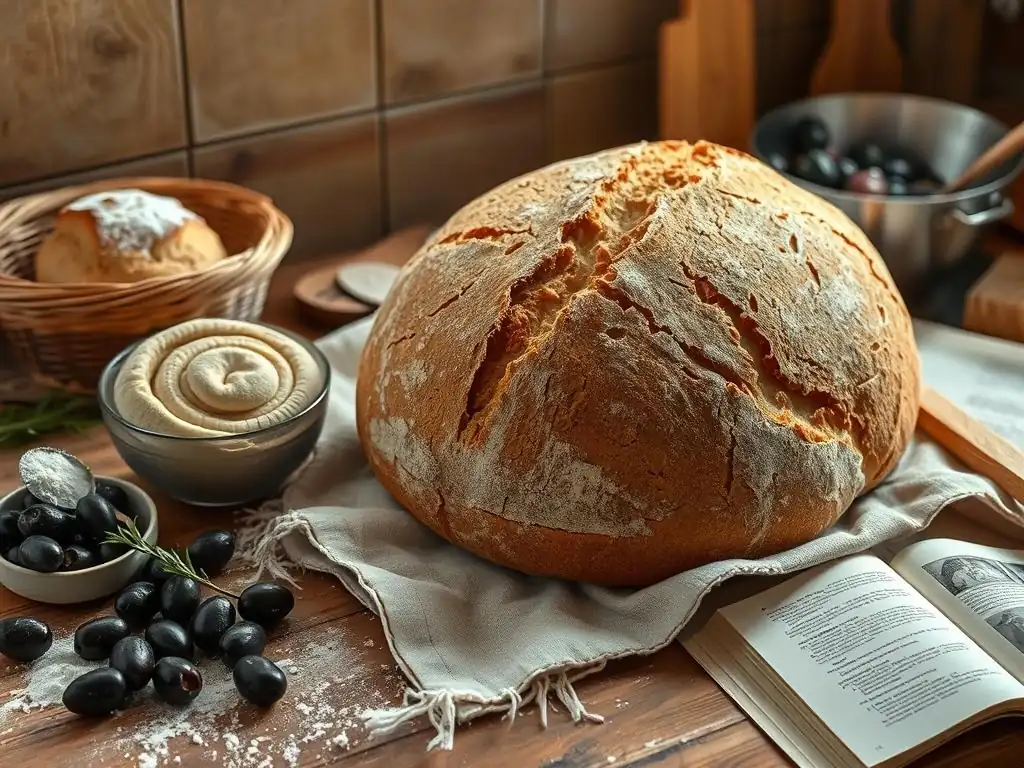
Baking Spanish sourdough bread, whether it's a high-hydration Pan Gallego or an enriched Bolla de Hornazo, involves understanding the fundamentals of sourdough baking and adapting them to specific regional characteristics. It's a process that requires patience, observation, and practice. Mastering the art isn't about achieving perfection on the first try, but about learning to read your dough and your starter. With easy Spanish sourdough bread recipes as your guide, you can build confidence and consistently produce delicious loaves.
Key aspects to focus on include maintaining a healthy and active sourdough starter, understanding the impact of ingredients, and controlling fermentation and baking temperatures. While traditional Spanish bakers might use wood-fired ovens and specific regional flours, home bakers can achieve excellent results by mastering basic techniques and making smart adaptations.
Essential Tools and Equipment for Spanish Bread Baking
Having the right tools can significantly simplify the process of baking Spanish sourdough bread. You don't need a professional setup, but a few key items are highly recommended.
- Kitchen Scale: Essential for accurate measurement of ingredients, especially with sourdough where hydration percentages are key.
- Large Mixing Bowls: For mixing dough and bulk fermentation. Glass or plastic are fine.
- Dough Scraper: Incredibly useful for handling wet dough and cleaning surfaces.
- Proofing Baskets (
Bannetons): Help the dough hold its shape during the final proof and create a lovely pattern on the crust. Can be lined with linen or heavily floured. - Baking Stone or Steel: Provides consistent, high heat from below, crucial for crust development.
- Dutch Oven or Covered Baker: Excellent for trapping steam during the initial bake, mimicking a professional oven environment.
- Lame or Sharp Razor Blade: For scoring the dough before baking, allowing for controlled expansion.
- Wire Cooling Rack: Allows air circulation around the loaf as it cools, preventing a soggy bottom crust.
- Oven Thermometer: To verify your oven's actual temperature, as they can often be inaccurate.
These tools, combined with easy Spanish sourdough bread recipes, will set you up for baking success.
Sourdough Starter Maintenance for Optimal Results
A healthy, active sourdough starter ( masa madre) is the foundation of all good sourdough bread, including Spanish varieties. Its activity directly impacts the dough's rise, flavor, and texture.
- Regular Feeding: Keep your starter on a consistent feeding schedule (e.g., daily if kept at room temperature, weekly if refrigerated). A common ratio is 1:1:1 (starter:water:flour by weight).
- Use Quality Flour: Feed your starter with the same type of flour you plan to use in your bread, or a mix that includes some whole grain flour, which starters love.
- Observe its Activity: An active starter should double or triple in size within a few hours of feeding (at room temperature), be full of bubbles, and smell pleasantly tangy. The 'float test' (dropping a small piece in water to see if it floats) is a good indicator of readiness, though not foolproof.
- Discarding: Regularly discard a portion of your starter before feeding to keep it manageable and vigorous. Use discarded starter in other recipes like pancakes or crackers.
Maintaining a strong starter is perhaps the most crucial step in ensuring your easy Spanish sourdough bread recipes turn out well.
Adapting Spanish Bread Recipes for Different Ovens
Home ovens can vary significantly, impacting baking results. Adapting traditional Spanish recipes often means finding ways to mimic the conditions of a baker's oven, particularly high heat and steam.
- Steam: Home ovens are dry. For crusty loaves like Pan Gallego or Pan de Payés, you need steam in the first 15-20 minutes of baking. A Dutch oven is the easiest method. If using a baking stone, use a steam pan (a tray with hot water or lava rocks) placed on a lower rack.
- Heat: Many Spanish breads are baked at high temperatures (220-250°C). Ensure your oven can reach and maintain these temperatures. Preheat thoroughly, including your stone or Dutch oven, for at least 30-45 minutes.
- Even Baking: If your oven has hot spots, rotate the bread halfway through the bake.
- Temperature Adjustment: For enriched breads like Bolla de Hornazo, a lower temperature (180-200°C) is needed to prevent the crust from burning before the interior is cooked through.
Understanding your oven's quirks and making these simple adjustments will help you successfully bake easy Spanish sourdough bread recipes regardless of your equipment.
Tips and Tricks for Baking Authentic Spanish Breads
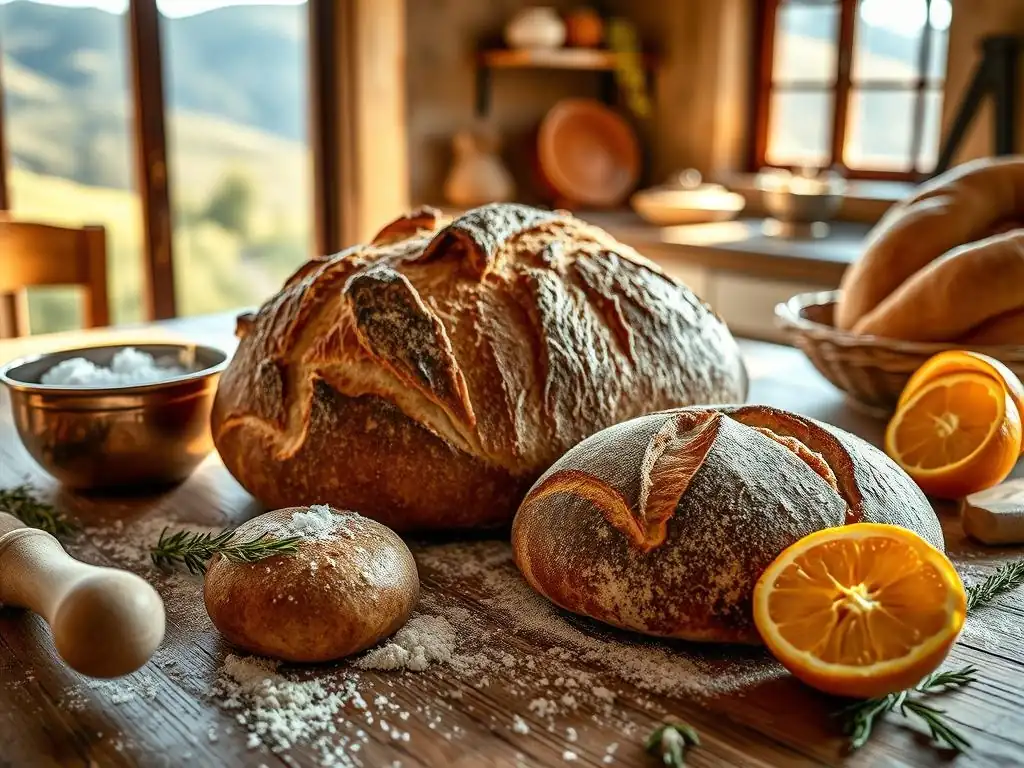
Beyond the recipes, a few general tips can elevate your Spanish bread baking game and help you achieve results closer to traditional loaves. These insights come from understanding the characteristics that define authentic Spanish bread.
- Handle high-hydration doughs gently.
- Don't rush the fermentation process.
- Trust your senses – look, feel, and smell the dough.
These simple principles apply whether you're making a rustic country loaf or a savory filled bread.
Achieving the Perfect Crust and Crumb in Spanish Bread
The crust and crumb are defining features of Spanish bread. A good crust is typically thick, crackly, and flavorful, while the crumb varies from tight and dense in some loaves to open and airy in others.
- Crust: Achieved through high heat and steam (as discussed above) followed by a period of dry heat baking until deeply colored. The Maillard reaction during baking contributes significantly to crust flavor.
- Crumb: Developed through proper gluten development (kneading/folding) and controlled fermentation. Hydration levels play a big role – higher hydration usually leads to a more open crumb (like Pan Gallego), while lower hydration results in a tighter crumb (like Pan de Payés). Don't over-proof, as this can lead to a dense crumb.
Practicing shaping techniques also helps control crumb structure and ensures a good rise. For easy Spanish sourdough bread recipes, focus on understanding how your handling affects the final texture.
Using Local Ingredients to Enhance Flavor
While you might not have access to specific Spanish heritage flours, using high-quality, locally sourced ingredients where possible can enhance the flavor of your Spanish-style breads.
- Flour: Use the best quality strong bread flour you can find. If possible, seek out stone-ground flours, which often have more character. Experiment with adding small percentages of regional flours like rye or whole wheat if called for in the recipe.
- Olive Oil: Use good quality Spanish extra virgin olive oil, especially in recipes where it's a key ingredient like Coca de Recapte or Bolla de Hornazo dough. Its flavor is distinct and contributes significantly.
- Salt: Use sea salt or kosher salt. Avoid iodized table salt, which can sometimes impart an off-flavor.
Paying attention to ingredient quality is a simple step that makes a big difference in the authenticity and deliciousness of your easy Spanish sourdough bread recipes.
Storing and Enjoying Your Homemade Spanish Bread
Proper storage is key to keeping your homemade Spanish sourdough bread fresh, especially larger loaves like Pan de Payés or Pan Gallego, which are meant to last.
- Cool Completely: Always let bread cool completely on a wire rack before storing or slicing. This allows the internal structure to set and prevents a gummy crumb.
- Storage: Store crusty loaves at room temperature in a paper bag to allow the crust to breathe and remain crispy. Avoid plastic bags, which trap moisture and make the crust soft. Enriched breads like Bolla de Hornazo can be wrapped more tightly once completely cool, perhaps in beeswax wraps or foil, and stored at room temperature for a couple of days.
- Freezing: For longer storage, slice the cooled bread and freeze in airtight bags or containers. Toast slices from frozen for quick enjoyment.
- Reviving: Stale crusty bread can often be refreshed by quickly running it under water and reheating in a hot oven (200°C) for 5-10 minutes.
Enjoy your Spanish sourdough bread in traditional ways – with tomato and olive oil, alongside cheeses and cured meats, or simply on its own!
Conclusion: Embrace the Richness of Spanish Bread Baking
Exploring the regional breads of Spain opens up a world of diverse flavors, textures, and traditions, far beyond the familiar tapas loaf. From the hearty, high-hydration Pan Gallego to the versatile, savory Coca de Recapte and the rustic charm of Pan de Payés, each bread tells a story of its region. By embracing sourdough and following easy Spanish sourdough bread recipes, home bakers can recreate these authentic experiences in their own kitchens.
Baking Spanish sourdough bread is a rewarding process that connects you to centuries of culinary heritage. It teaches patience, skill, and the joy of working with natural fermentation. Whether you're a beginner or an experienced baker, there's a Spanish bread waiting to be discovered and mastered. So, get your starter ready, choose a recipe, and embark on your own delicious regional journey through the diverse and wonderful world of Spanish bread. Happy baking!
Frequently Asked Questions
### What is the main focus of BakeWithEase regarding Spanish bread?
The website focuses on providing simple recipes, techniques, and tips for baking all kinds of bread, including Spanish varieties, making them accessible to bakers of all levels. They aim to go beyond just "tapas loaves", exploring regional variations.
### Where can I find easy Spanish sourdough bread recipes on BakeWithEase?
BakeWithEase provides step-by-step guides and recipes utilizing easy-to-find ingredients. Look for the "Spanish sourdough bread" category or use the search bar to find specific recipes.
### What kind of help does BakeWithEase provide for beginner bakers wanting to try Spanish sourdough?
The website offers resources for bakers of all levels, including beginners. These resources include simple recipes and techniques that are easy to follow.
### Does BakeWithEase offer recipes for breads other than sourdough?
Yes, BakeWithEase explores a wide range of baked goods, including pastries, breads, cakes, and cookies. Their focus extends beyond just sourdough breads to encompass a variety of baking techniques.
### What makes BakeWithEase a good resource for learning about regional Spanish breads?
BakeWithEase offers step-by-step guides and emphasizes easy-to-find ingredients. This makes it easier for bakers to explore the diverse world of regional Spanish breads.
Final Reflection: The Enduring Magic of Spanish Sourdough
The simple act of baking bread, especially sourdough, connects us to a rich culinary history, and nowhere is this more evident than in the diverse regional breads of Spain. The seemingly humble loaf holds within it centuries of tradition, innovation, and cultural exchange, a testament to the enduring power of simple ingredients transformed by time and skill. This exploration into the regional variations of Spanish sourdough highlights not just recipes, but a vibrant tapestry of flavors and techniques passed down through generations.
The impact of these traditional baking methods extends far beyond the kitchen. They represent a connection to the land, a celebration of local ingredients, and a preservation of cultural heritage. The very act of nurturing a sourdough starter, patiently waiting for its rise, mirrors the slow, deliberate pace of life often associated with Spain's rural communities. Bread is the staff of life,
a proverb often repeated, but rarely felt with such intensity as when kneading the dough and inhaling the aroma of freshly baked bread. This journey through Spanish sourdough recipes has been a personal exploration of this connection, revealing the depth and beauty hidden within seemingly simple recipes.
Now, it's your turn. Consider the ingredients you use, the stories they hold, and the traditions you might be carrying forward. Don't just bake a loaf of bread; bake a piece of history, a taste of culture, and a connection to something larger than yourself. Experiment with different flours, explore the nuances of regional variations, and share your creations with others. Let the simple act of baking become a celebration of heritage, a testament to the enduring power of tradition, and a delicious journey of discovery.
Unleash Your Inner Panadero: Bake Your Way Through Spain!
Thanks for joining us on a delicious journey through the regional breads of Spain! We hope you've discovered new flavors and baking inspiration. Now it's time to put your newfound knowledge to the test.
- Bake your own Spanish bread masterpiece! Choose one recipe that sparked your interest and give it a try. Don't be afraid to experiment with different flours or additions.
- Share your baking journey! Post a picture of your creation on social media and tag #BakeWithEaseSpain – let's see those delicious loaves!
- Dive deeper into Spanish baking traditions! Explore online resources and cookbooks to discover even more regional variations and techniques.
What unique Spanish ingredient will you incorporate into your next baking adventure?