
Using Your Sourdough Discard: Tasty Recipes & Ideas

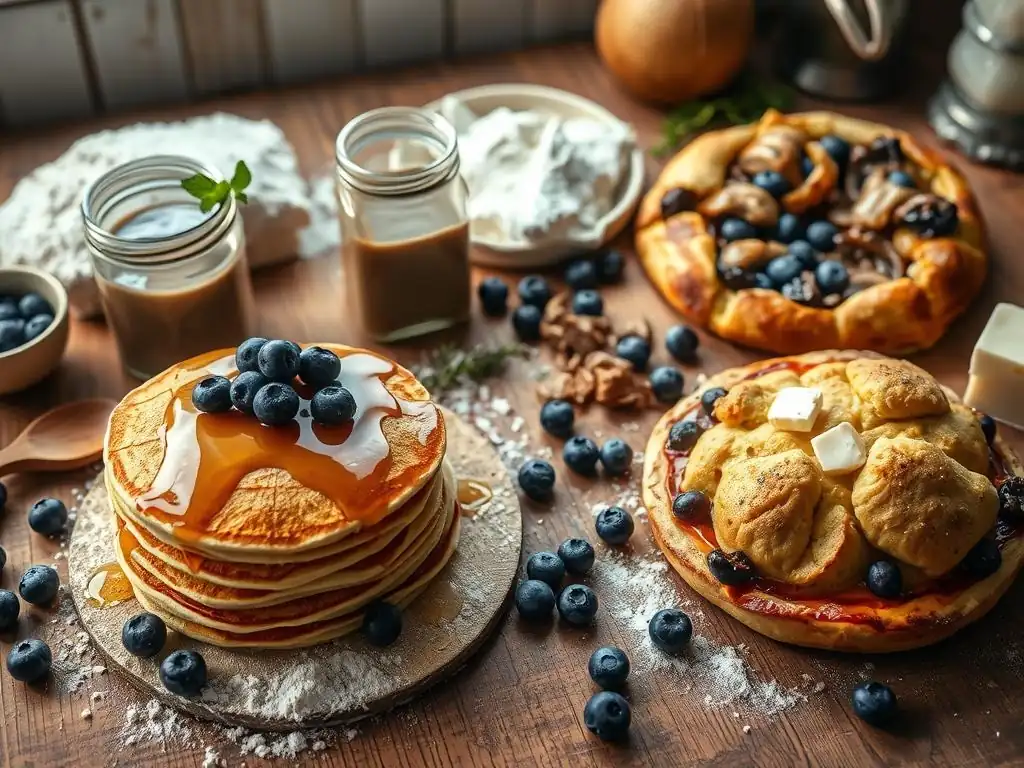
Welcome to BakeWithEase, your haven for baking bliss! Ever wondered what to do with that extra sourdough starter? Don't toss it! This page dives into the delicious world of sourdough discard recipes, offering surprisingly simple ways to transform it into everything from crispy crackers to delectable pancakes. Get ready to minimize waste and maximize flavor – your next baking adventure starts here!
- Sourdough Discard Recipes: Reduce Waste & Enhance Flavor - BakeWithEase
- Introduction: Understanding & Utilizing Sourdough Discard
- Sweet Sourdough Discard Recipes
- Savory Sourdough Discard Recipes
- Tips for Baking with Sourdough Discard
- Creative Uses for Sourdough Discard
- Conclusion: Minimizing Waste with Sourdough Discard
-
Frequently Asked Questions
- What exactly is sourdough discard, and why should I save it?
- Can I use sourdough discard straight from the fridge, or does it need to be at room temperature?
- What kinds of recipes can I make with sourdough discard besides bread?
- How long can I store sourdough discard in the refrigerator?
- Does sourdough discard have the same leavening power as active sourdough starter?
- Final Reflection: Unlocking the Potential of Sourdough Discard
- Unleash the Power of Your Discard: Delicious Recipes Await!
Sourdough Discard Recipes: Reduce Waste & Enhance Flavor - BakeWithEase
Introduction: Understanding & Utilizing Sourdough Discard
What is Sourdough Discard?
Sourdough discard refers to the portion of your active sourdough starter that you remove before feeding it. When you maintain a sourdough starter, you typically feed it regularly with flour and water. To prevent it from growing too large and to maintain its health and activity, a significant amount is usually discarded.
This discarded starter is not "active" in the sense of being bubbly and ready to leaven bread quickly, but it is still a living mixture of flour, water, and wild yeast and bacteria. It contains the unique tangy flavor profile that sourdough is known for, as well as gluten development from the flour, making it a valuable ingredient in its own right.
Understanding what sourdough discard is opens up a world of culinary possibilities beyond just baking traditional sourdough bread. Instead of letting this flavorful mixture go to waste, you can transform it into a variety of delicious treats, both sweet and savory. Discard is typically stored in the refrigerator, where its activity slows down considerably, allowing you to accumulate it over several feedings. The older the discard, the more pronounced its tangy flavor might become, adding complexity to your baked goods without providing significant leavening on its own.
Benefits of Using Sourdough Discard
Using sourdough discard offers several compelling benefits for home bakers. Firstly, and perhaps most importantly, it's a fantastic way to minimize food waste. Maintaining a sourdough starter requires regular discarding, and finding ways to use this material means less goes into the bin, aligning with sustainable kitchen practices. It transforms what would otherwise be waste into delicious ingredients for new recipes.
Beyond waste reduction, incorporating sourdough discard into recipes brings unique flavor and texture advantages. The wild yeast and bacteria in the discard contribute a subtle tang and depth of flavor that commercial yeast or baking powder alone cannot replicate. Furthermore, the developed gluten structure in the discard can enhance the texture of baked goods, contributing to chewiness in cookies, crispness in crackers, or tenderness in muffins. This makes exploring sourdough discard recipes simple and rewarding, adding a gourmet touch to everyday baking.
Flavor & Texture Enhancement with Discard
The unique microbial community in sourdough discard is the secret behind its ability to enhance flavor and texture. The lactic and acetic acids produced by the bacteria contribute the characteristic sourdough tang. While active starter brings significant acidity, discard, especially older discard, can provide a more mellow yet distinct sour note that complements both sweet and savory dishes beautifully. For example, adding discard to pancakes introduces a subtle complexity, or incorporating it into cracker dough yields a richer, more nuanced taste.
In terms of texture, the pre-hydrated flour and developed gluten in the discard can improve the structure and mouthfeel of baked goods. In recipes like biscuits or scones, discard contributes to a tender crumb. For items like crackers or flatbreads, it can help achieve a desirable crispness. Even in cookies or brownies, a small amount of discard can add a slight chewiness and a hint of flavor that elevates the final product beyond standard recipes. These sourdough discard recipes simple techniques allow you to leverage these benefits easily.
Sweet Sourdough Discard Recipes
Sourdough Discard Pancakes
Transform your breakfast routine with fluffy, tangy sourdough discard pancakes. Adding discard to your favorite pancake batter is incredibly simple – typically, you replace a portion of the liquid (like milk or buttermilk) with the discard, adjusting slightly for consistency. A common ratio might involve using 1 cup of discard for every 1.5 cups of flour in your recipe. The discard doesn't provide significant lift here; that usually comes from baking powder or soda, ensuring reliably fluffy results every time.
The magic of using sourdough discard in pancakes lies in the subtle, pleasant tang it imparts, cutting through the richness of butter and syrup. It also contributes to a slightly more tender crumb than pancakes made without it. These sourdough discard recipes simple variations are quick to whip up on a weekend morning, utilizing that leftover discard from your last sourdough bake. You can easily scale up the recipe to use more discard if needed, making it a flexible option for managing your starter maintenance.
Sourdough Discard Waffles
Sourdough discard waffles offer a delightful combination of crispy exterior and tender interior, enhanced by that signature sourdough tang. Similar to pancakes, incorporating discard into waffle batter is straightforward. You'll typically substitute some of the liquid with discard – perhaps using 1/2 to 1 cup of discard per standard batch of waffle batter. The discard adds depth of flavor and can contribute to a slightly more golden brown crust when cooked in the waffle iron.
The slight acidity from the discard can also react with baking soda (if used), contributing to lift and creating those sought-after crispy edges. Sourdough discard recipes simple like these waffles are perfect for using up larger quantities of discard at once. Serve them with your favorite toppings – fresh berries, whipped cream, or a drizzle of maple syrup – and enjoy the elevated flavor profile that the sourdough discard brings.
Sourdough Discard Muffins
Adding sourdough discard to muffins is a fantastic way to introduce moisture and a subtle tangy note, resulting in tender, flavorful baked goods. Discard can be incorporated into almost any muffin recipe, from blueberry to chocolate chip. A good starting point is replacing about 1/4 to 1/2 cup of the liquid ingredients (milk, yogurt, etc.) with your unfed discard. The hydration of the discard helps keep the muffins moist, preventing them from becoming dry.
The acidity in the discard also interacts favorably with leavening agents like baking soda, helping the muffins rise nicely and contributing to a soft crumb. These sourdough discard recipes simple adjustments make it easy to use up a cup or two of discard in one batch of muffins. Experiment with different flavors – a hint of lemon zest or cinnamon pairs wonderfully with the subtle tang of the sourdough.
Sourdough Discard Scones
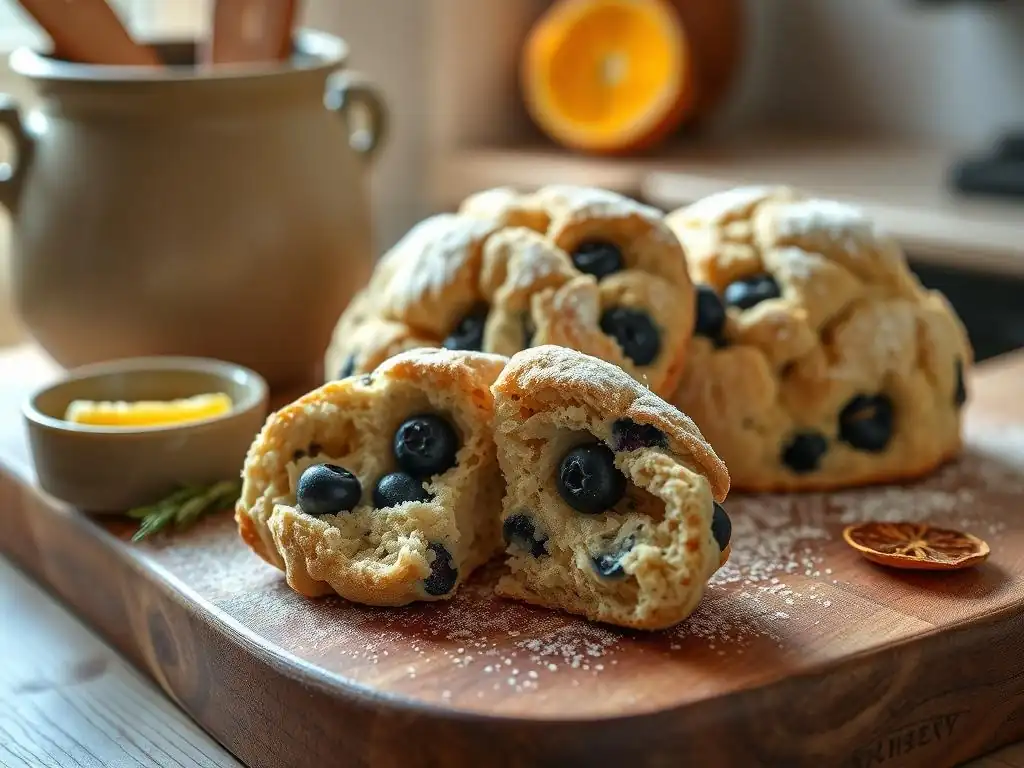
Sourdough discard scones are a delightful blend of flaky texture and tangy flavor, perfect for tea time or a light breakfast. Discard can be incorporated into traditional scone dough, often replacing a portion of the butter or liquid. Using cold discard, similar to cold butter, can help create flaky layers as it melts during baking. A typical recipe might use around 1/2 to 3/4 cup of cold discard per 2 cups of flour.
The discard adds a lovely complexity to the flavor, complementing both sweet additions like dried fruit or chocolate chips and savory mix-ins like cheese and herbs. The acidity also helps tenderize the dough, resulting in a scone that is both flaky and moist inside. These sourdough discard recipes simple steps involve cutting the discard into the dry ingredients alongside the butter before adding the remaining liquid.
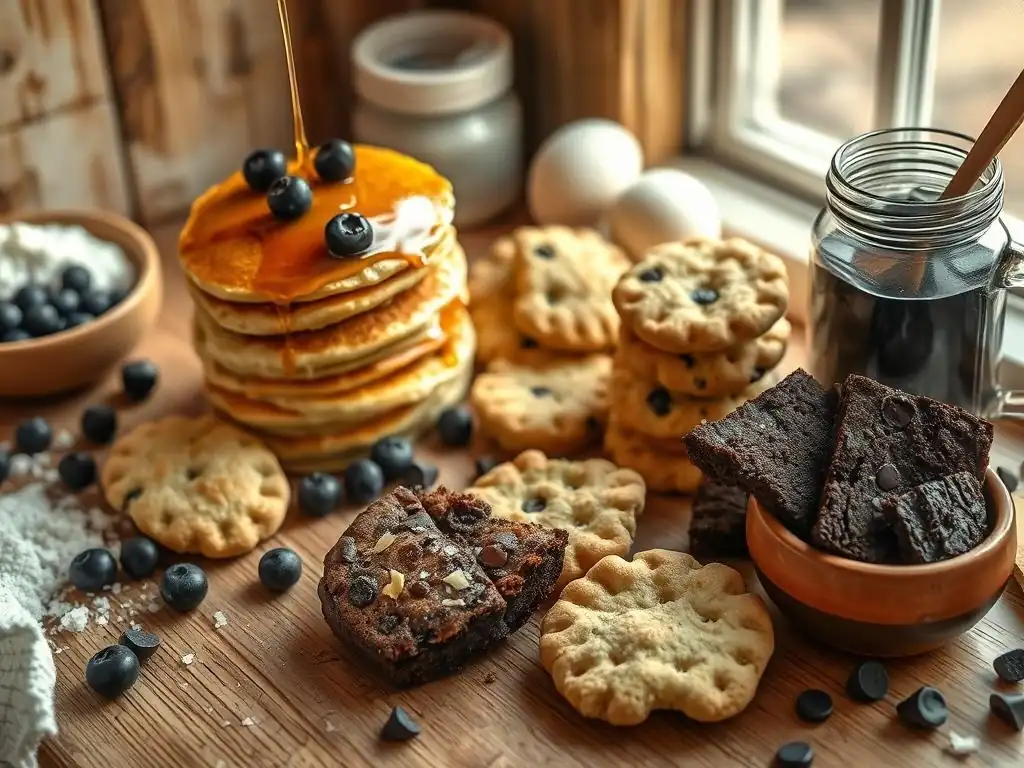
Sourdough discard cookies offer a unique twist on classic recipes, often resulting in a chewier texture and a subtle, pleasant tang. Adding discard to cookie dough is straightforward; you typically replace a portion of the flour and liquid, or simply add a scoop of discard to your existing recipe and adjust the dry ingredients slightly. Around 1/4 to 1/2 cup of discard per standard batch of cookies (yielding ~2 dozen) is a common amount.
The discard contributes moisture and acidity, which can inhibit gluten development slightly in some recipes, leading to a more tender bite, while in others, the pre-developed gluten adds chewiness. The subtle sourness is particularly good in chocolate chip or oatmeal cookies, balancing the sweetness. These sourdough discard recipes simple additions transform ordinary cookies into something special, preventing that discard from going to waste.
Sourdough Discard Brownies
Elevate your brownie game by incorporating sourdough discard for a richer flavor and fudgier texture. Adding discard to brownie batter introduces moisture and a hint of tang that complements the deep chocolate notes beautifully. A good starting point is using about 1/2 cup of discard for a standard 8x8 inch pan of brownies, adjusting the amount of liquid or flour slightly to maintain the correct batter consistency.
The acidity in the discard can enhance the cocoa flavor and contribute to a wonderfully fudgy texture. It doesn't typically affect the rise significantly, as brownies rely more on eggs and fat for structure. These sourdough discard recipes simple additions create a more complex and sophisticated brownie that's sure to impress. The subtle tang cuts through the sweetness, resulting in a perfectly balanced treat.
Savory Sourdough Discard Recipes
Sourdough Discard Pizza Dough
Using sourdough discard in pizza dough is an excellent way to achieve a flavorful crust with a satisfying chew, even without a long fermentation. While discard won't provide the primary rise for a quick pizza dough, it contributes significantly to the flavor and texture. You can replace a portion of the water in your favorite pizza dough recipe with discard, perhaps using 1 to 1.5 cups of discard for a recipe calling for 3-4 cups of flour.
The tang from the discard gives the crust that desirable sourdough flavor profile without requiring an overnight proof (though you can certainly combine discard with active yeast and proof for flavor). The developed gluten in the discard also helps create a dough that is easier to stretch and results in a crust with a pleasant chewiness and crisp edges when baked. These sourdough discard recipes simple doughs are perfect for a weeknight pizza night.
Sourdough Discard Crackers
Sourdough discard crackers are perhaps one of the most popular and simple ways to use up a significant amount of discard, resulting in incredibly flavorful and crispy snacks. The basic recipe often involves mixing discard with a bit of flour, oil, salt, and seasonings, then rolling it thinly and baking until crisp. You can easily use 1 cup or more of discard in a single batch, which might yield 2-3 large baking sheets of crackers.
The discard provides both flavor and structure. As the thin dough bakes, the moisture evaporates, leaving behind a wonderfully crisp cracker with a distinct tangy taste. You can customize them endlessly with seeds, herbs, or spices baked right in. These sourdough discard recipes simple techniques involve minimal ingredients and effort for a rewarding yield of homemade crackers.
Sourdough Discard Pretzels
Sourdough discard pretzels offer a chewy interior and a characteristic pretzel crust, enhanced by the subtle tang of the discard. While traditional pretzels often use commercial yeast, incorporating discard adds depth. You can add 1/2 to 1 cup of discard to a standard pretzel dough recipe, adjusting the liquid content. The discard contributes to the dough's structure and flavor profile.
After shaping, the pretzels are typically briefly boiled in a baking soda solution before baking, which helps create that classic chewy exterior. The sourdough discard adds a layer of complexity to the flavor, making these homemade pretzels even more satisfying. These sourdough discard recipes simple adaptations allow you to enjoy a bakery-quality snack at home while using up your discard.
Sourdough Discard Flatbreads

Sourdough discard flatbreads are quick, versatile, and delicious, making them an ideal way to use up leftover discard. Unlike leavened bread, flatbreads rely less on active yeast for rise and more on quick cooking methods. You can mix discard with a bit of flour and salt to form a simple dough, then cook it on a hot griddle or in a pan. Using 1 cup of discard might yield 2-3 individual flatbreads.
The discard adds flavor and helps create a dough that cooks up with a pleasant texture, often slightly chewy with some crisp edges. These flatbreads are perfect for dipping, using as a base for quick pizzas, or serving alongside curries and stews. The simplicity of these sourdough discard recipes simple flatbreads makes them a go-to for using discard on the fly.
Sourdough Discard Dumplings
Sourdough discard can even find its way into savory dumplings, adding a unique depth of flavor to the dough. Whether you're making potstickers, gyoza, or even soup dumplings, a small amount of discard can be incorporated into the wrapper dough. Replacing a few tablespoons of the water with discard in your recipe can add subtle tang and potentially a slightly more tender chew.
The acidity in the discard can interact with the flour to create a pliable dough that rolls out well for wrappers. While the flavor contribution might be subtle depending on the filling, it adds an interesting layer to the overall dish. These sourdough discard recipes simple additions are a creative way to use up small amounts of discard in unexpected places.
Sourdough Discard Biscuits
Sourdough discard biscuits are known for their tender, flaky layers and rich, slightly tangy flavor. Similar to scones, cold discard is often cut into the dry ingredients along with cold butter. Using 1/2 to 1 cup of cold discard per 2 cups of flour is a common approach. The discard contributes both acidity and moisture, which helps create a tender crumb.
The acidity in the discard reacts with baking soda (typically used in biscuit recipes) to provide lift, resulting in tall, flaky biscuits. The tang balances the richness of the butter and is particularly good served warm with savory meals or simply slathered with butter. These sourdough discard recipes simple techniques result in incredibly delicious biscuits that are far from basic.
Tips for Baking with Sourdough Discard
Adjusting Liquid Ratios
When incorporating sourdough discard into recipes, it's crucial to consider its hydration level, which is typically 100% (equal parts flour and water by weight). Because discard adds liquid to your recipe, you'll often need to reduce the amount of other liquids (like milk, water, or buttermilk) specified in the original recipe. For example, if a recipe calls for 1 cup of milk and you add 1 cup of 100% hydration discard, you might need to reduce the milk by approximately 1/2 cup, as the discard contributes roughly half a cup of water.
The exact adjustment will depend on the consistency of your discard (which can vary slightly) and the desired consistency of your final dough or batter. It's often best to start by reducing the liquid by about half the volume of the discard added and then add more liquid sparingly if the mixture seems too dry. Conversely, if your discard is stiffer (lower hydration), you might need to make smaller adjustments. Paying attention to the texture of the batter or dough as you mix is key to successful sourdough discard recipes simple or complex.
Storing Sourdough Discard
Proper storage is essential for accumulating and using sourdough discard effectively. The best place to store unfed discard is in the refrigerator. The cold temperature significantly slows down the microbial activity, preventing it from becoming overly acidic or developing off-flavors quickly. You can store it in an airtight container, like a jar or plastic tub, in the fridge for several weeks.
While discard can technically be kept for a month or even longer in the fridge, its flavor will become increasingly acidic over time. For most sourdough discard recipes simple or elaborate, discard that is between a few days and two weeks old offers a pleasant tang without being overpowering. If you have a large amount or won't be baking soon, you can even freeze discard in portions for longer storage, though freezing can slightly alter its texture.
Working with Different Hydration Levels
Sourdough starters, and thus their discard, can be maintained at various hydration levels (the ratio of water to flour). While 100% hydration (equal weight of flour and water) is most common, some bakers use stiffer (lower hydration, e.g., 50-70%) or wetter (higher hydration, e.g., 150%) starters. The hydration of your discard will impact how much liquid and flour it contributes to a recipe.
If a sourdough discard recipe simple or complex assumes 100% hydration discard but yours is different, you'll need to adjust. A stiffer discard contributes more flour and less water by volume, meaning you might need to add a little extra liquid to the recipe. A wetter discard contributes more water and less flour, potentially requiring you to add a bit more flour or reduce other liquids further. Understanding your starter's hydration is helpful, but for many discard recipes, especially those using smaller amounts, the difference might be negligible.
Troubleshooting Discard Baking
Baking with sourdough discard is generally forgiving, but you might encounter issues. If your dough or batter seems too wet after adding discard, it's likely due to the discard's hydration; simply add a tablespoon or two of extra flour until the consistency is correct. Conversely, if it's too dry, add a splash of milk or water. Remember, discard doesn't provide significant leavening on its own for quick recipes like muffins or crackers, so ensure your recipe includes enough baking powder or baking soda if a rise is expected.
Another common point is flavor. If your discard is very old, it might make baked goods excessively sour. If you prefer a milder tang, use younger discard (less than a week old) or reduce the amount used. If your baked goods are dense when they should be light, double-check that you haven't overmixed the batter after adding the discard and other wet ingredients, as overmixing can develop gluten too much, resulting in toughness. These sourdough discard recipes simple tips can help you navigate common challenges.
Creative Uses for Sourdough Discard
Sourdough Discard Compost Activator
Beyond the kitchen, sourdough discard can even be useful in the garden! The mixture of organic matter (flour) and microbial activity in discard can act as an activator for your compost pile. Adding discard can help introduce beneficial bacteria and yeast that aid in the decomposition process, helping break down kitchen scraps and yard waste more efficiently.
Simply add your discard directly to your compost bin or pile, ensuring it's mixed in with other materials rather than sitting in a solid clump. Avoid adding extremely large quantities at once, as it could potentially attract pests if not properly covered. A few cups of discard mixed into a healthy compost pile can give the microbial action a little boost, turning potential waste into valuable garden gold.
Sourdough Discard for Fermenting
Sourdough discard, being a fermented product itself, can sometimes be used to kickstart other fermentation projects, although caution and research are advised depending on the specific project. The wild yeasts and bacteria present in discard can contribute to the initial microbial population in ferments like vegetable ferments or even some simple beverage ferments.
For instance, a small amount of discard might be added to a brine for fermenting vegetables, introducing lactobacillus bacteria that are key to the process. However, the specific strains and activity levels in discard can vary greatly, so it's not a reliable or standard method for all fermentation types. It's more of an experimental or advanced technique, often used by experienced fermenters looking to introduce specific microbial profiles. For most home bakers, using sourdough discard recipes simple like crackers or pancakes is a more common and reliable application.
Conclusion: Minimizing Waste with Sourdough Discard
Reducing Waste, Maximizing Flavor
Utilizing sourdough discard is a win-win situation for any sourdough baker. It directly addresses the issue of food waste generated during starter maintenance, transforming what would otherwise be discarded into a valuable ingredient. By incorporating discard into a wide array of baked goods, you significantly reduce the amount of flour and water that goes unused.
Furthermore, beyond just waste reduction, using discard elevates the flavor and texture of your baking. The subtle tang and unique qualities it imparts can turn everyday recipes into something truly special. From crispy crackers to tender muffins, exploring sourdough discard recipes simple adjustments can add depth and complexity that you simply can't get from conventional ingredients alone.
Explore More Sourdough Recipes with BakeWithEase.
Now that you understand the value of sourdough discard and have a collection of sourdough discard recipes simple and delicious to get you started, you're well-equipped to make the most of your starter. Don't let that discard go to waste; let it inspire your next baking adventure. Each time you feed your starter, think about the possibilities waiting in your discard jar.
Ready to bake? Dive into more simple sourdough discard recipes and expand your baking repertoire. BakeWithEase offers a wealth of guides and recipes for all levels, helping you master sourdough and beyond. Keep experimenting, keep baking, and enjoy the incredible flavors you can create while being mindful of waste.
Frequently Asked Questions
What exactly is sourdough discard, and why should I save it?
Sourdough discard is the portion of your sourdough starter that you remove before feeding it. You should save it because it can be used in a variety of tasty recipes and avoids food waste.
Can I use sourdough discard straight from the fridge, or does it need to be at room temperature?
While you can use it straight from the fridge, it's generally best to let it come to room temperature for about 30 minutes to an hour. This allows for better incorporation into your recipes.
What kinds of recipes can I make with sourdough discard besides bread?
Sourdough discard can be used in many recipes! Think pancakes, waffles, crackers, and even cakes. It adds a unique tang and texture to these treats.
How long can I store sourdough discard in the refrigerator?
You can generally store sourdough discard in an airtight container in the refrigerator for up to a week. Check for any off smells or mold before using.
Does sourdough discard have the same leavening power as active sourdough starter?
No, sourdough discard generally has less leavening power than active starter. It's primarily used for flavor and texture, not as the main leavening agent.
Final Reflection: Unlocking the Potential of Sourdough Discard
The humble sourdough discard, once a discarded byproduct, is now a culinary treasure. Its transformation from waste to wonder demonstrates the power of resourcefulness and the surprising versatility hidden within seemingly insignificant ingredients. This shift in perspective, from discarding to utilizing, reflects a broader societal movement towards sustainability and minimizing food waste.
The journey of exploring sourdough discard recipes has been a fascinating one, highlighting not only the delicious possibilities but also the interconnectedness of baking and mindful consumption. The simple act of repurposing this "waste" product speaks volumes about our relationship with food and the environment. Waste not, want not
– this old adage rings truer than ever in our modern world, and the sourdough discard is a perfect embodiment of this philosophy. It's a reminder that even in the seemingly mundane aspects of cooking, there's an opportunity for creativity and resourcefulness.
Now, it's your turn. Don't let your sourdough discard languish in the bin! Experiment with the recipes outlined in this article, or let them inspire your own culinary creations. Embrace the challenge of transforming a byproduct into something delicious and meaningful. The possibilities are endless, and the rewards – both culinary and environmental – are well worth the effort. Let's together reduce food waste, one delicious sourdough discard recipe at a time.
Unleash the Power of Your Discard: Delicious Recipes Await!
Thanks for taking the time to explore the amazing world of sourdough discard! We hope you've discovered just how versatile and delicious those seemingly wasted bits can be. Ready to put your new knowledge into practice?
- Bake something incredible! Try one of the recipes highlighted in the article – the cheesy crackers are a particular crowd-pleaser!
- Share your creations! Snap a picture of your sourdough discard masterpiece and tag us on social media – we’d love to see what you bake!
- Challenge yourself: Experiment with a completely new recipe using your discard. What surprising treat will you create?
So, what delicious adventure will your sourdough discard embark on next?