
Temperature Mastery: Why a Digital Probe Thermometer Beats the Rest

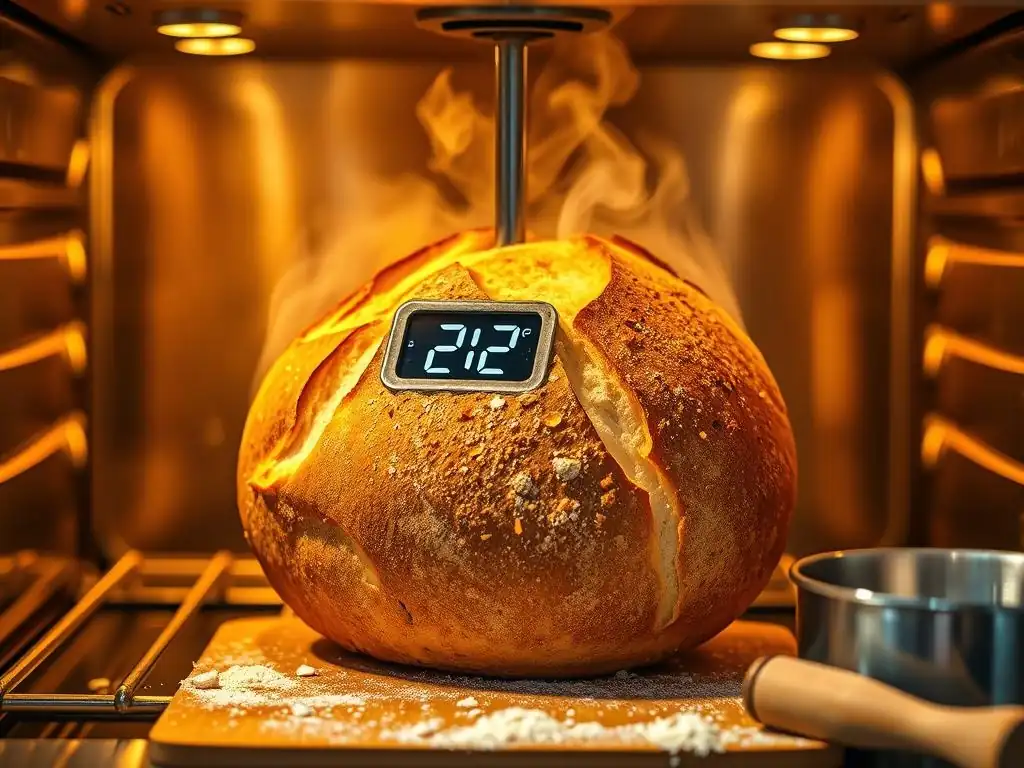
Welcome to BakeWithEase, where baking becomes a joy, not a chore! Are you ready to unlock the secret to perfectly baked goods, every single time? Temperature is key, and that's why understanding digital probe thermometer baking temps is absolutely crucial. But are you really getting the most accurate readings? Discover why a digital probe thermometer is the unsung hero of the modern baker, and how it can elevate your creations from good to unforgettable. Intrigued? Let's dive in!
- Bake With Ease: Achieving Baking Perfection with Accurate Temperatures
- Digital Probe Thermometers: Your Key to Baking Success
- Digital Probe Thermometer vs. Other Thermometers: A Comparison for Baking
- Advantages of Using a Digital Probe Thermometer for Baking
- Mastering Baking Temperatures with a Digital Probe Thermometer: A Step-by-Step Guide
- Tips for Choosing the Best Digital Probe Thermometer for Baking
- Troubleshooting Common Baking Temperature Issues with a Digital Probe Thermometer
- Digital Probe Thermometer Maintenance and Care for Longevity
- Beyond the Basics: Advanced Baking Techniques with Precise Temperature Control
- Investing in a Digital Probe Thermometer: A Worthwhile Tool for Every Baker
-
Frequently Asked Questions
- What is a digital probe thermometer and why is it useful for baking?
- Why is monitoring internal temperature so important in baking?
- How does a digital probe thermometer differ from other types of thermometers used in baking?
- Can I use a digital probe thermometer for all types of baked goods?
- What temperature should I aim for when baking bread with a digital probe thermometer?
- Final Reflection: The Precision Revolution in Baking
- Unleash Your Inner Baking Master!
Bake With Ease: Achieving Baking Perfection with Accurate Temperatures
Understanding the Importance of Precise Baking Temperatures
Baking is often described as a science, and like any science, precision is paramount. At the heart of successful baking lies temperature control. Every ingredient interacts differently at various temperatures, from the way leavening agents activate to how sugars caramelize and proteins set. For instance, yeast thrives within a specific temperature range, typically between 70°F and 80°F (21°C-27°C) for optimal rising. If your dough is too cold, the yeast activity slows drastically, resulting in dense, underproofed bread. Conversely, if it's too hot, you risk killing the yeast entirely.
Beyond leavening, temperature dictates texture and structure. Consider a delicate custard or cheesecake. Baking it at too high a temperature can cause the proteins to seize up too quickly, leading to a cracked surface or a rubbery texture instead of the smooth, creamy consistency you desire. Even cookies are affected; baking at a slightly lower temperature for longer can result in a chewier cookie, while a higher temperature for less time often yields a crispier one. Understanding and controlling these subtle temperature variations is the key to consistently excellent baked goods.
Why Temperature Control is Crucial for Consistent Baking Results
Consistency is the hallmark of a skilled baker. Whether you're recreating a favorite family recipe or perfecting a signature loaf, being able to achieve the same delicious outcome every time requires rigorous control over variables, and temperature is arguably the most critical. An oven thermostat can fluctuate by as much as 25-50°F (approx. 15-30°C) from its set temperature, and this variance alone can turn a golden-brown cake into a burnt disaster or an undercooked flop. Relying solely on timers or visual cues introduces guesswork that hinders consistency.
Precise temperature control removes this uncertainty. For example, many recipes for enriched breads recommend baking until the internal temperature reaches 190-200°F (88-93°C) for a soft interior, while leaner loaves might need to reach 205-210°F (96-99°C) for a crustier result. Knowing the internal temperature of your baked good using a reliable tool like a digital probe thermometer baking temps guide ensures it's cooked through exactly as intended, regardless of minor oven fluctuations or variations in ingredient temperature. This scientific approach transforms baking from an unpredictable art into a reliable craft, leading to consistently perfect results batch after batch.
Digital Probe Thermometers: Your Key to Baking Success
What is a Digital Probe Thermometer and Why is it Essential for Baking?
A digital probe thermometer is a temperature measuring device that consists of a metal probe (containing a sensor) connected by a wire to a digital display unit. The probe is inserted directly into the food item, and the sensor quickly reads the internal temperature, transmitting the data to the easy-to-read screen. This differs fundamentally from an oven thermometer, which only measures the air temperature inside the oven cavity.
For baking, a digital probe thermometer is essential because it tells you the true state of doneness of your product from the inside out. While a golden-brown exterior is a good sign, it doesn't guarantee the interior is cooked through.
A cake might look perfect on the outside but be gooey in the center, or bread might sound hollow when tapped but be underproofed internally. By providing an accurate internal temperature reading, a digital probe thermometer for baking eliminates the guesswork, allowing you to pull your baked goods out of the oven at the precise moment they reach peak perfection according to the recipe's target internal temperature.
How Digital Probe Thermometers Work: A Baker's Guide
At its core, a digital probe thermometer utilizes a temperature-sensitive element, typically a thermistor or thermocouple, located at the tip of the probe. When the probe is inserted into your baked item, heat transfers from the food to this sensor. The sensor's electrical resistance (thermistor) or voltage (thermocouple) changes in response to the temperature. This electrical signal travels through the wire to the digital display unit.
The display unit contains circuitry that interprets the electrical signal from the sensor and converts it into a temperature reading, which is then shown numerically on the screen, usually in both Fahrenheit and Celsius. The speed at which this process occurs is known as the response time.
High-quality digital probe thermometers can provide an accurate reading in just a few seconds, making them incredibly convenient for quickly checking the doneness of various baked goods without losing too much heat from the oven. This allows bakers to monitor internal temperatures effectively and ensure optimal digital probe thermometer baking temps are achieved.
Digital Probe Thermometer vs. Other Thermometers: A Comparison for Baking
Digital Probe Thermometer vs. Instant-Read Thermometer for Baking
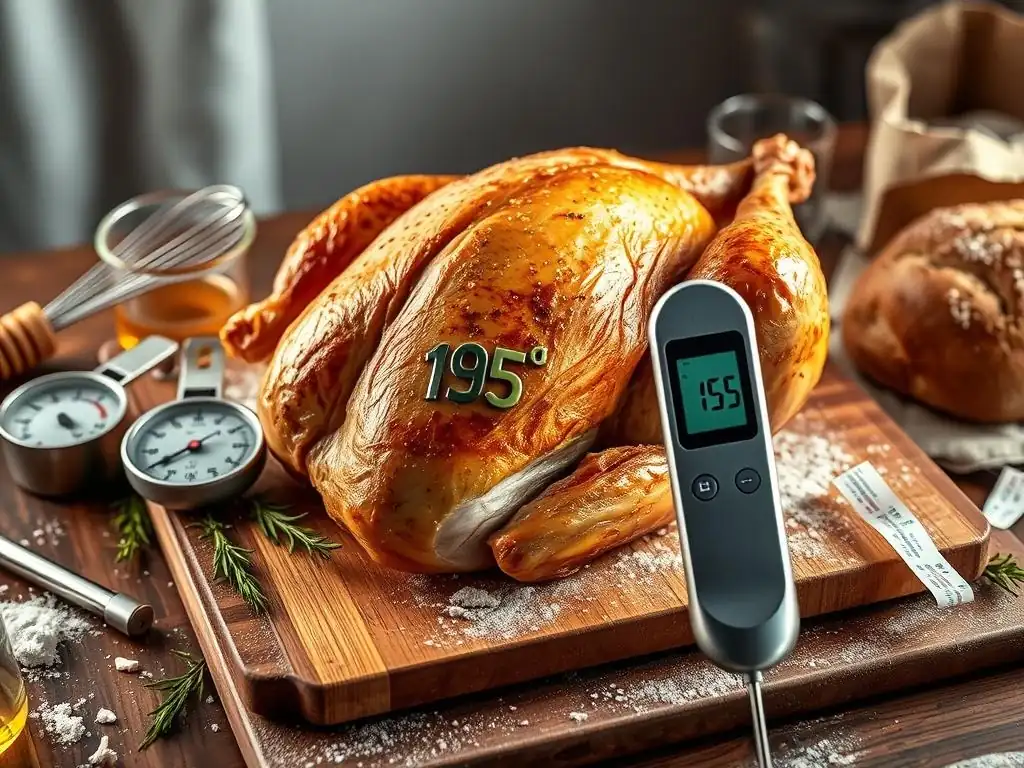
The terms "digital probe thermometer" and "instant-read thermometer" are often used interchangeably, and many modern digital probe thermometers are instant-read. However, there's a distinction. An instant-read thermometer is designed for quick spot-checks – you insert the probe for a few seconds, get a reading, and remove it. A traditional digital probe thermometer often has a longer wire connecting the probe to the display, allowing the probe to remain inside the food while it's cooking in the oven, with the display unit sitting outside.
For baking purposes, both types are valuable over older dial-type thermometers due to their speed and accuracy. However, the stay-in digital probe thermometer offers the unique advantage of continuous monitoring, especially useful for larger items like bread loaves or roasts where you want to track the temperature rise without repeatedly opening the oven door (which causes temperature fluctuations). An instant-read digital thermometer is excellent for quick checks on muffins, cakes, or pastries.
When choosing, consider if you need the continuous monitoring feature or just fast spot checks. Many bakers find a good instant-read digital probe thermometer covers most baking needs effectively.
Candy Thermometer vs. Digital Probe Thermometer: Which is Best for Baking?
Candy thermometers are specifically designed for measuring the high temperatures required for sugar syrups, jams, and deep-frying, typically ranging from around 100°F up to 400°F or even 500°F (approx. 40°C to 260°C). They often feature markings for specific sugar stages like 'soft ball' (around 235-240°F / 118-120°C) or 'hard crack' (around 300-310°F / 149-154°C) and often have a clip to attach to the side of a pot.
While a digital probe thermometer can often measure temperatures high enough for candy making, its primary advantage in baking lies in measuring the internal temperature of solid or semi-solid baked goods like bread, cakes, and casseroles. Their probes are designed to be inserted into the center of an item.
A candy thermometer is not suitable for this application as it's designed for liquids and would not give an accurate reading inside a loaf of bread. Therefore, for general baking purposes focused on internal doneness of doughs and batters, a digital probe thermometer is far more versatile and appropriate than a dedicated candy thermometer.
Oven Thermometer vs. Digital Probe Thermometer: A Side-by-Side Baking Comparison
An oven thermometer measures the air temperature inside your oven cavity. It's a crucial tool for ensuring your oven is preheating correctly and maintaining the desired temperature setting. As mentioned earlier, oven thermostats can be inaccurate, so an independent oven thermometer helps you verify if your oven is truly at 350°F when you set it there.
A digital probe thermometer, on the other hand, measures the internal temperature of the food item itself. This is critical because the air temperature in the oven only tells you about the cooking environment, not how far along the food is towards being perfectly done. For example, two loaves of bread of slightly different sizes baked in the same 400°F oven might require different baking times to reach the target internal temperature of 205°F.
An oven thermometer confirms the environment is correct, but only the digital probe thermometer tells you when the bread is actually finished baking. Both thermometers are valuable, but they serve different, complementary purposes in achieving optimal digital probe thermometer baking temps.
Advantages of Using a Digital Probe Thermometer for Baking
Accurate Temperature Readings: Ensuring Perfectly Baked Goods
One of the most significant advantages of using a digital probe thermometer is the high degree of accuracy they provide compared to older analog thermometers. Most quality digital units are accurate to within +/- 1°F (approx. +/- 0.5°C). This level of precision is vital in baking, where even a few degrees difference in internal temperature can impact the final texture and structure.
Consider a delicate chocolate lava cake. You want the edges set but the center molten. Achieving this requires pulling it out at a specific internal temperature range, perhaps around 165-170°F (approx. 74-77°C) in the outer ring, while the very center remains lower. An inaccurate reading could result in a fully cooked cake (too high temp) or a completely raw one (too low temp). By providing reliable, accurate readings, a digital probe thermometer ensures you hit those critical temperature targets for consistent, perfectly baked goods.
Real-Time Temperature Monitoring: No More Guesswork in Baking
Many digital probe thermometers, especially those with a wired probe that stays in the item, offer real-time temperature monitoring. This means you can watch the internal temperature climb as your baked good cooks without having to open the oven door repeatedly. Opening the door causes significant heat loss, which can extend baking time and negatively impact delicate items like soufflés or cheesecakes.
With real-time monitoring, you can see exactly how quickly the temperature is rising and anticipate when your item will be done. This removes the anxiety of guessing based on time alone. If a recipe says bake for 45 minutes but your probe shows the internal temperature is still far from the target after 40 minutes, you know you need more time. Conversely, if it reaches the target sooner, you can prevent over-baking. This capability is invaluable for achieving perfect digital probe thermometer baking temps every time.
Versatility: Measuring Internal Temperatures of Cakes, Breads, and More
A good digital probe thermometer is incredibly versatile across a wide range of baking applications. It's not just for checking the doneness of a large loaf of bread. You can use it to measure the temperature of:
- Yeast dough during bulk fermentation and proofing (aiming for that sweet spot around 75-80°F / 24-27°C).
- Liquid ingredients like milk or water before adding yeast.
- Custards, cheesecakes, and quiches to ensure they are set (often around 170-175°F / 77-79°C).
- Dense cakes to check the center is cooked through (typically 200-210°F / 93-99°C).
- Quick breads and muffins.
- Even tricky items like macarons or meringues (though here, surface or syrup temperature might be more relevant, demonstrating the probe's broader use).
This single tool provides critical temperature data for countless recipes, making it an indispensable item in any baker's toolkit. Its ability to measure internal temperature across such a variety of items highlights its value for mastering digital probe thermometer baking temps.
Programmable Alarms: Preventing Over-Baking and Achieving Ideal Baking Temps
Many digital probe thermometers come with a programmable alarm feature. This allows you to set a target internal temperature for your baked good. Once the probe detects that the item has reached this temperature, the alarm will sound, alerting you that it's time to take it out of the oven.
This feature is a game-changer for preventing over-baking. Instead of constantly checking the clock or peering through the oven door, you can trust the thermometer to tell you precisely when doneness is achieved. For example, if you're baking a sourdough loaf and aiming for an internal temperature of 208°F (98°C) for a perfect crust, you set the alarm, and the thermometer alerts you the moment that temperature is hit.
This prevents the bread from drying out or becoming dense from being left in too long. The programmable alarm is a powerful tool for consistently hitting ideal digital probe thermometer baking temps.
Mastering Baking Temperatures with a Digital Probe Thermometer: A Step-by-Step Guide
How to Use a Digital Probe Thermometer for Baking Cakes
Using a digital probe thermometer to check a cake's doneness is simple and more reliable than the toothpick test for many cakes, especially denser ones or those with gooey fillings.
- Towards the end of the recommended baking time (e.g., 5-10 minutes before the recipe suggests), gently open the oven door.
- Carefully insert the probe into the very center of the cake, avoiding any fruit, nuts, or filling if possible. For layer cakes, aim for the thickest part of the deepest layer.
- Ensure the probe tip is not touching the bottom or side of the pan, as this will give a false, higher reading.
- Wait a few seconds for the temperature reading to stabilize on the digital display.
- A fully baked cake typically reaches an internal temperature of 200-210°F (approx. 93-99°C). Some denser cakes or those with specific textures might be done slightly lower, around 195°F (approx. 90°C).
- If the temperature is below the target, close the oven door and continue baking, checking again in 5-minute intervals until the desired digital probe thermometer baking temps are reached.
Using a Digital Probe Thermometer for Baking Bread: Achieving the Perfect Crust and Interior
A digital probe thermometer is arguably most crucial for bread baking, ensuring both a perfectly cooked interior crumb and the desired crust development.
- About 10-15 minutes before the recipe's estimated finish time, open the oven carefully.
- For a freeform loaf, insert the probe into the thickest part of the loaf from the side or top, ensuring the tip is deep in the center and not touching the baking stone or tray. For pan loaves, insert into the center, avoiding the pan bottom.
- Wait for the reading to stabilize. Leaner, crusty loaves like sourdough or baguettes are typically done when their internal temperature reaches 205-210°F (approx. 96-99°C). Enriched breads with eggs, milk, or butter might be done slightly lower, around 190-200°F (approx. 88-93°C), for a softer crumb.
- If the temperature hasn't reached the target, close the oven and continue baking. Check every 5-10 minutes.
- Once the target temperature is achieved, remove the bread from the oven. The residual heat will continue to cook the bread slightly (carryover cooking), contributing to the final texture. Using a digital probe thermometer baking temps guide takes the guesswork out of achieving that perfect internal doneness.
Baking Pastries with a Digital Probe Thermometer: Ensuring Flaky and Delicious Results
While many pastries are judged by their flaky layers and golden color, some benefit greatly from checking internal temperature, especially those with fillings or custards.
- Pies and Tarts: For fruit pies, you want the filling to be bubbling and the crust golden. For custard pies (like pumpkin or pecan), using a probe is essential. Insert the probe about an inch from the edge of the center; the custard should be set but slightly wobbly in the very center. A safe internal temperature for most custard pies is 170-175°F (approx. 77-79°C). The center will continue to set as it cools.
- Quiches: Similar to custard pies, insert the probe into the center. Quiches are typically done when they reach an internal temperature of 165-170°F (approx. 74-77°C) to ensure the egg is fully cooked and safe.
- Cream Puffs/Eclairs: While not strictly internal temperature checks, ensuring the dough reaches a high enough temperature during the initial stovetop stage (around 175-180°F / approx. 80-82°C) before adding eggs is crucial for proper structure and puff. A probe can help verify this.
For pastries with fillings, using a digital probe thermometer helps ensure the filling is cooked to a safe and desirable consistency without over-baking the delicate pastry crust. Achieving these specific digital probe thermometer baking temps is key to success.
Tips for Choosing the Best Digital Probe Thermometer for Baking
Key Features to Look for in a Baking Thermometer
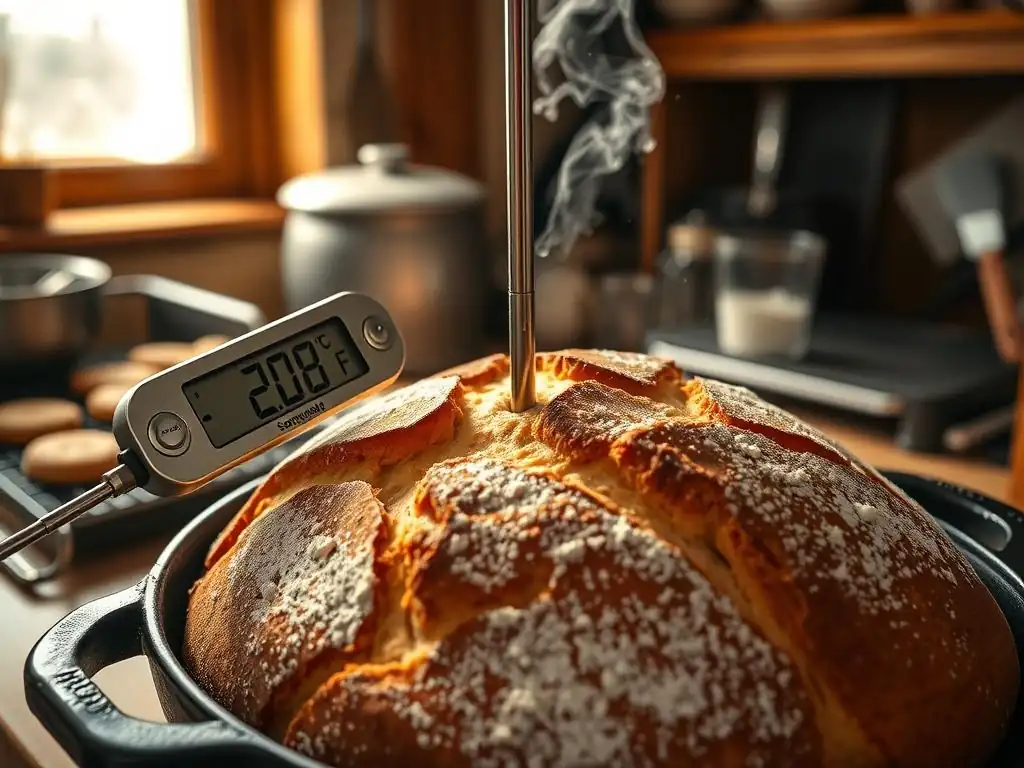
When selecting a digital probe thermometer for your baking adventures, several features can make a significant difference in performance and ease of use. Prioritize speed and accuracy; an "instant-read" response time of 2-5 seconds is ideal. Look for a wide temperature range that covers typical baking needs, perhaps from low proofing temperatures (around 70°F / 21°C) up to high baking or candy-making temperatures (400-500°F / approx. 200-260°C).
Consider the probe's design – a thin tip is preferable for delicate items like cakes or fish, minimizing damage. A longer probe (around 4-6 inches) is useful for larger loaves or deep pans. Features like a large, backlit display are helpful for visibility in different lighting conditions. Some models offer minimum/maximum temperature tracking or calibration options. A waterproof or water-resistant rating is a big plus for easy cleaning. These features combine to make a thermometer a truly valuable tool for mastering digital probe thermometer baking temps.
Temperature Range and Accuracy: Matching Your Baking Needs
The temperature range of your digital probe thermometer should comfortably encompass the temperatures you typically work with in baking. While most baking happens below 400°F (200°C), if you also make candy or deep-fry, a thermometer that goes up to 500°F (approx. 260°C) is beneficial. Ensure the lower end of the range is suitable for checking dough fermentation temperatures if that's part of your routine.
Accuracy is paramount. Look for thermometers that specify an accuracy range, ideally +/- 1°F (approx. +/- 0.5°C) or better. Reputable brands often provide this specification.
While perfect accuracy is hard to guarantee long-term for any thermometer, starting with a unit known for its precision will give you confidence in your readings. Some high-end models even offer manual calibration features, allowing you to periodically check and adjust the thermometer's accuracy against known temperatures like ice water (32°F / 0°C) or boiling water (212°F / 100°C at sea level). Relying on an accurate thermometer is fundamental to consistent digital probe thermometer baking temps.
Probe Length and Material: Considerations for Different Baking Applications
The physical characteristics of the probe itself matter. The length of the probe should be sufficient to reach the center of the items you bake most frequently. For standard cakes, muffins, or smaller bread loaves, a shorter probe (3-4 inches) might suffice. However, for large sourdough boules, deep dish pies, or roasting large cuts of meat (if you use it for that too), a 6-inch probe is much more practical.
The probe material should be food-grade stainless steel, which is durable, easy to clean, and resistant to rust. The tip's thickness can also be a factor; a very thin tip (sometimes called a "needle" probe) is ideal for delicate items where you want to leave the smallest possible mark, whereas a slightly sturdier probe might be better for piercing dense bread crusts. Consider a thermometer with a probe cover or sheath for safe storage, protecting both the probe and your hands.
Ease of Use and Cleaning: Making Baking More Enjoyable
A thermometer that is difficult to use or clean can quickly become a neglected tool. Look for models with intuitive controls and a clear, easy-to-read display. A magnetic back or a hook for storage can be convenient. If the thermometer has a wire connecting the probe to the base unit, ensure the wire is long enough to comfortably reach from your oven to a countertop or magnetic surface.
Cleaning is crucial for hygiene and longevity. Check if the probe itself is waterproof and can be easily wiped clean. Some thermometers are fully waterproof or water-resistant, meaning they can be rinsed under a tap, which is a significant advantage. Avoid models that require complex cleaning procedures or have crevices where food particles can get trapped. An easy-to-clean and simple-to-operate digital probe thermometer will encourage consistent use and help you master your digital probe thermometer baking temps without hassle.
Troubleshooting Common Baking Temperature Issues with a Digital Probe Thermometer
Identifying Inaccurate Oven Temperatures
One of the most common baking frustrations is an oven that doesn't heat accurately. You set it to 350°F (175°C), but it might be running 25°F (approx. 15°C) hot or cold. While an oven thermometer tells you the air temperature, your digital probe thermometer can indirectly help diagnose this issue by revealing how your baked goods are cooking relative to the recipe's expected timeline.
If your cake or bread consistently takes significantly longer than the recipe states to reach its target internal temperature (e.g., 205°F for bread), even though the oven thermometer says the air temp is correct, it could indicate uneven heating zones or a thermostat that cycles wide. Conversely, if items cook much faster and reach their internal temp quickly, your oven might be running hot.
Use your digital probe thermometer baking temps as the ultimate indicator of doneness and compare the actual baking time needed to the recipe. If there's a consistent discrepancy, consider recalibrating your oven or adjusting baking times accordingly.
Adjusting Baking Times Based on Internal Temperature Readings
Recipes provide estimated baking times based on average oven performance and ingredient temperatures. However, variations in your oven, the actual temperature of your ingredients, the type of pan used, and even altitude can affect how long it takes for your baked goods to cook through. Relying solely on the timer can lead to under or over-baked results.
This is where the digital probe thermometer shines. Instead of strictly adhering to a 45-minute timer, use the thermometer to determine the actual doneness. If the recipe says bake for 45-50 minutes, start checking the internal temperature (e.g., 200°F for a cake) at the 40-minute mark. If it hasn't reached the target, keep baking and check every 5-10 minutes. This approach ensures your item is perfectly cooked, regardless of whether it takes 42 minutes or 55 minutes. Adjusting baking time based on precise digital probe thermometer baking temps is the most reliable way to achieve consistent results.
Ensuring Consistent Results with Every Batch
Inconsistency is the enemy of the home baker aiming for perfection. One batch of cookies is chewy, the next is hard; one loaf of bread is airy, the next is dense. While many factors influence this, temperature control is a major culprit. By using a digital probe thermometer to verify the internal temperature of your baked goods, you introduce a critical layer of control.
If you know that your favorite chocolate chip cookie recipe yields the perfect texture when the center reaches an internal temperature of, say, 175°F (approx. 79°C) just after coming out of the oven, you can aim for that exact temperature every time. Similarly, consistently pulling bread loaves when they hit 208°F (approx. 98°C) ensures the crumb structure is developed correctly batch after batch. This data-driven approach, guided by precise digital probe thermometer baking temps, transforms guesswork into reliable methodology, leading to consistently delicious results.
Digital Probe Thermometer Maintenance and Care for Longevity
Cleaning Your Digital Probe Thermometer Properly
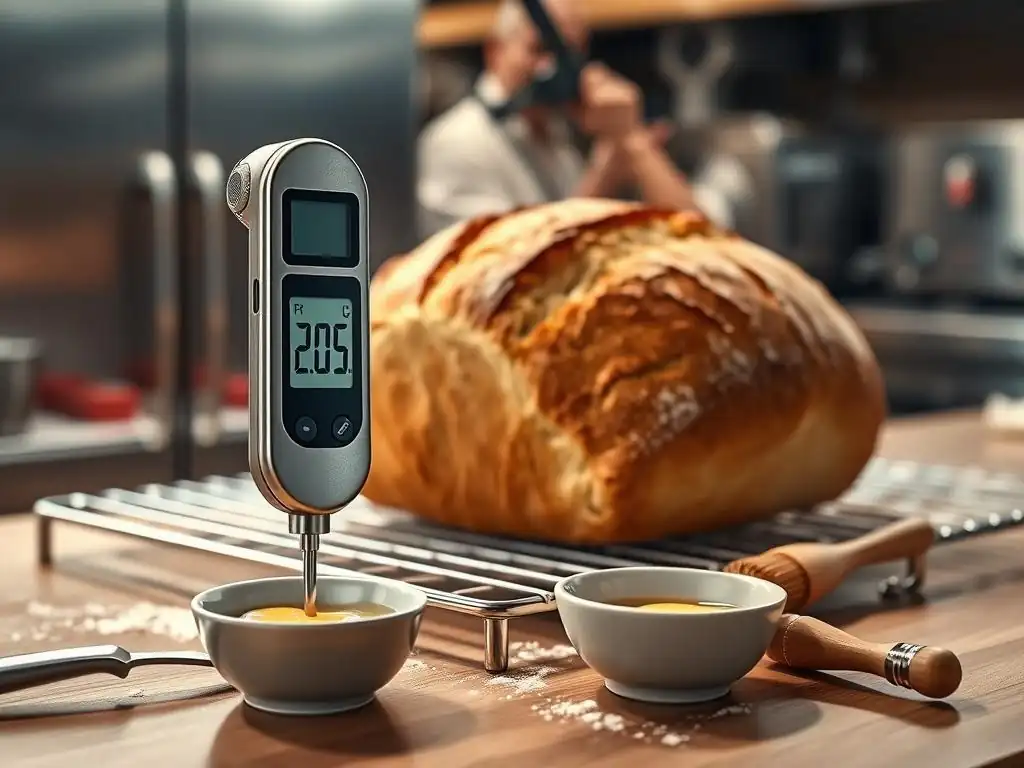
Proper cleaning is essential for hygiene and extending the life of your digital probe thermometer. After each use, especially when measuring internal temperatures of food, the probe should be thoroughly cleaned.
- Wipe the stainless steel probe with a damp cloth or a sponge soaked in warm, soapy water.
- Rinse the probe clean.
- Crucially, avoid submerging the digital display unit in water unless the manufacturer specifically states it is fully waterproof. Most are only water-resistant, meaning they can withstand splashes but not immersion.
- Pay attention to where the probe connects to the wire or base unit, as this is often a vulnerable spot for moisture damage.
- Dry the probe completely with a clean cloth before storing.
Following these simple cleaning steps prevents the buildup of food residues and bacteria and protects the sensitive electronics from moisture damage, ensuring your thermometer remains accurate and functional.
Storing Your Thermometer to Prevent Damage
How you store your digital probe thermometer can impact its longevity and accuracy. The probe tip is the most sensitive part and should be protected from bending or impact.
- Many thermometers come with a protective sheath or sleeve for the probe. Always use this when storing.
- Avoid storing the thermometer in a drawer where it can be easily jostled or have heavy objects placed on it, which could bend the probe or damage the wire.
- If your thermometer has a magnetic back, storing it on the side of your refrigerator or oven (when cool) keeps it accessible and safe.
- Keep the thermometer away from extreme temperatures when not in use, such as direct sunlight or freezing conditions, which can affect the battery and electronics.
Proper storage ensures the delicate probe and internal components are protected, maintaining the accuracy needed for precise digital probe thermometer baking temps.
Battery Replacement and Calibration Tips
Most digital probe thermometers are powered by small batteries, often button cells or AAA batteries. If your thermometer starts giving inconsistent readings or the display is faint, the battery may be low. Consult your thermometer's manual for the specific battery type and replacement instructions. Keep spare batteries on hand so you're never caught without your essential tool.
Over time, any thermometer can drift slightly out of calibration. While high-end professional thermometers offer complex calibration, many home-use digital probe thermometers can be checked using simple methods:
- Ice Bath Test: Fill a glass with crushed ice and add a little cold water. Stir well and let it sit for a few minutes. Insert the probe into the center of the ice bath, ensuring the tip is surrounded by ice and not touching the glass bottom. An accurate thermometer should read 32°F (0°C).
- Boiling Water Test: Bring a pot of water to a rolling boil (at your altitude). Carefully insert the probe into the boiling water, avoiding touching the bottom or sides of the pot. An accurate thermometer should read 212°F (100°C) at sea level. Note that boiling point decreases at higher altitudes.
If your thermometer is off by more than a degree or two and doesn't have a calibration feature, it might be time to replace it to ensure accurate digital probe thermometer baking temps.
Beyond the Basics: Advanced Baking Techniques with Precise Temperature Control
Using a Digital Probe Thermometer for Sous Vide Baking
While traditionally a cooking method for meats and vegetables, sous vide (cooking food in a temperature-controlled water bath) has fascinating applications in baking, particularly for achieving incredibly consistent and moist results with items like cheesecakes, custards, or even certain dense cakes. A digital probe thermometer is essential here, but not for measuring the food's internal temperature directly while in the bath.
Instead, the digital probe thermometer is used to verify the accuracy of your sous vide circulator's water bath temperature. Sous vide relies on holding food at an exact temperature for an extended period. For instance, a sous vide cheesecake might be cooked at precisely 176°F (80°C) for several hours. Using your trusted digital probe thermometer to check the water bath temperature independently confirms that your circulator is maintaining the precise temperature required, ensuring the desired texture and doneness is achieved throughout the item.
Temperature-Controlled Chocolate Tempering with a Probe Thermometer
Tempering chocolate is a precise process that involves melting, cooling, and then slightly reheating chocolate to specific temperature ranges to stabilize the cocoa butter crystals. This results in chocolate that sets up firm, is glossy, and has a satisfying snap. Achieving the correct temperatures at each stage is critical, and guessing will almost always lead to dull, streaky, or soft chocolate.
A digital probe thermometer, especially one with a fast response time and accuracy within +/- 1°F, is the ideal tool for chocolate tempering. You'll use it to monitor the temperature as you melt the chocolate (e.g., to 115°F / 46°C for dark chocolate), cool it down while seeding with tempered chocolate (e.g., to 82°F / 28°C), and then gently warm it back up to the working temperature (e.g., 88-90°F / 31-32°C). Hitting these exact digital probe thermometer baking temps for chocolate is the secret to perfect tempering.
Optimizing Sourdough Baking with Precise Temperature Monitoring
Sourdough baking is heavily influenced by temperature at every stage, from the health of your starter to the fermentation of the dough. A digital probe thermometer allows sourdough bakers to move beyond relying solely on ambient temperature and truly control their process.
You can use your probe thermometer to:
- Check the temperature of your starter to ensure it's in its active range (typically 70-80°F / 21-27°C).
- Measure the water temperature before mixing your dough to achieve a desired final dough temperature (FDT). Many sourdough recipes aim for an FDT between 75°F and 80°F (24-27°C) for optimal fermentation speed.
- Monitor the dough temperature during bulk fermentation and proofing. Knowing the exact dough temperature allows you to predict fermentation times more accurately and adjust based on activity rather than just time or volume increase.
Precise temperature monitoring with a digital probe thermometer empowers sourdough bakers to achieve more consistent fermentation, leading to better flavor development, rise, and overall loaf quality. Mastering these specific digital probe thermometer baking temps for sourdough is a mark of an advanced baker.
Investing in a Digital Probe Thermometer: A Worthwhile Tool for Every Baker
Whether you're a beginner just starting out or an experienced baker looking to refine your craft, a digital probe thermometer is one of the most impactful tools you can add to your kitchen. It takes the guesswork out of crucial moments in the baking process, providing objective data about the internal state of your food.
From ensuring your bread has reached the ideal internal temperature for a perfect crumb to verifying that your delicate cheesecake is set without being overbaked, a digital probe thermometer provides the accuracy and confidence needed for consistent success. While recipes offer guidelines, understanding and controlling the actual temperature of your baked goods using this simple device elevates your baking from following instructions to truly mastering the science behind delicious results.
Investing in a quality digital probe thermometer is an investment in better baking, leading to more consistently perfect outcomes and a deeper understanding of the craft. It's the key to unlocking optimal digital probe thermometer baking temps.
Frequently Asked Questions
What is a digital probe thermometer and why is it useful for baking?
A digital probe thermometer is a device with a heat-resistant probe connected to a digital display. It's useful for baking because it allows you to accurately monitor the internal temperature of your baked goods without opening the oven door.
Why is monitoring internal temperature so important in baking?
Monitoring internal temperature is crucial because it ensures your baked goods are cooked through and safe to eat. It also helps you achieve the perfect texture and avoid under- or over-baking, leading to consistent results.
How does a digital probe thermometer differ from other types of thermometers used in baking?
Unlike instant-read or oven thermometers, a digital probe thermometer allows for continuous monitoring while baking. This avoids temperature fluctuations from opening the oven and provides a more accurate reading of the food's core temperature.
Can I use a digital probe thermometer for all types of baked goods?
Yes, digital probe thermometers are versatile and can be used for a wide variety of baked goods, including breads, cakes, roasts, and even candies. Just ensure the probe is properly inserted into the thickest part of the item.
What temperature should I aim for when baking bread with a digital probe thermometer?
The ideal internal temperature for most breads is between 200-210°F (93-99°C). However, this can vary slightly depending on the specific recipe and type of bread.
Final Reflection: The Precision Revolution in Baking
The pursuit of perfect baked goods hinges on precise temperature control, and the digital probe thermometer has revolutionized this crucial aspect. No longer are we reliant on guesswork and unreliable oven dials; the ability to monitor internal temperatures with pinpoint accuracy has unlocked a new era of baking consistency and creativity. This isn't just about avoiding burnt cakes; it's about achieving the ideal texture, moisture, and overall flavor profile every single time.
The impact of this simple yet powerful tool extends far beyond the individual baker. It's democratized professional-level baking techniques, making them accessible to home cooks. The ability to confidently tackle complex recipes, from perfectly cooked roasts to flawlessly layered cakes, has empowered a generation of culinary enthusiasts. The difference between good and great is often in the details, and in baking, that detail is often temperature.
This simple truth underscores the profound influence the digital probe thermometer has had on our approach to cooking and the resulting quality of our food.
Consider the possibilities. Imagine the confidence you'll feel knowing you can consistently achieve perfectly cooked meats, tender pastries, and creamy custards. You have the power to elevate your baking game, to transform your kitchen into a laboratory of culinary precision. Invest in a digital probe thermometer, embrace the power of accurate temperature control, and unlock a world of baking possibilities. The journey to mastering temperature begins with a single, precise measurement.
Unleash Your Inner Baking Master!
Thanks for diving into the world of precise baking with us! We hope you now see the incredible advantages of a digital probe thermometer for achieving consistently perfect results. Ready to take your baking to the next level?
- Invest in your baking future: Order a high-quality digital probe thermometer today and experience the difference firsthand. Imagine perfectly cooked cakes, flawlessly browned meats, and consistently delicious results every single time.
- Share your baking triumphs: Snap a photo of your latest baking masterpiece and share it with us on social media – use #BakeWithEaseProbe to show off your precision baking skills!
- Join the BakeWithEase community: Have questions about your new thermometer or tips to share with fellow bakers? Head to our forums to connect and discuss with other passionate bakers!
Ready to experience the joy of perfectly baked goods every time? What's the first recipe you're going to perfect with your new digital probe thermometer?