
Achieving the Perfect Crumb: Vegan Texture Secrets

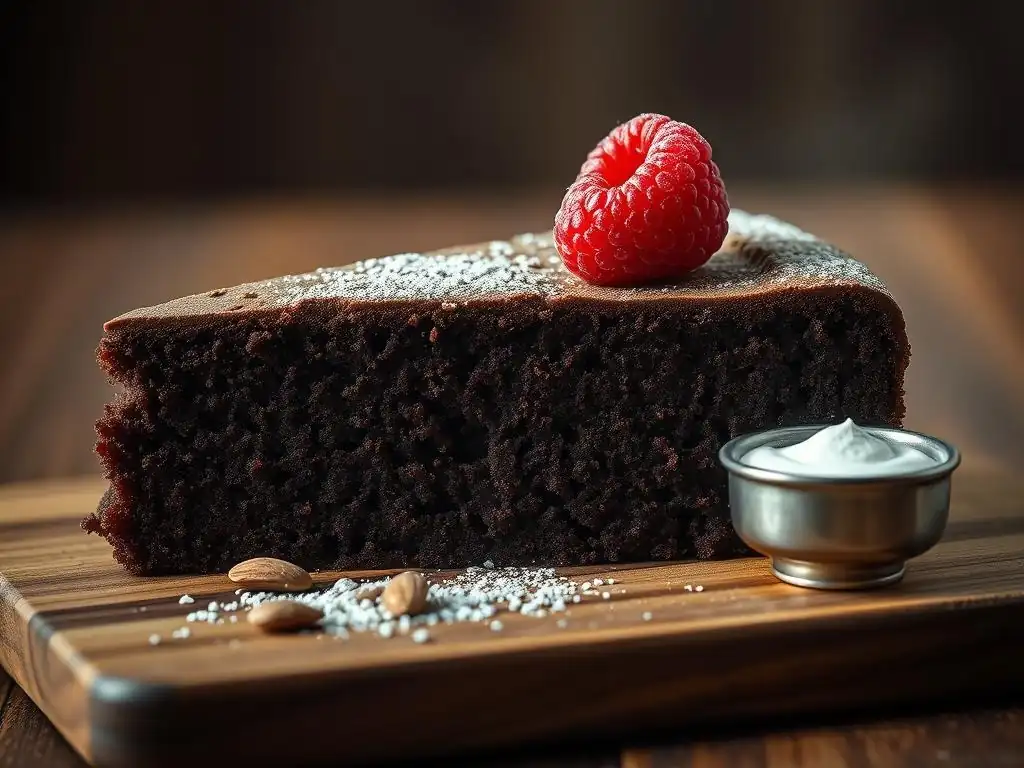
Welcome to BakeWithEase, your haven for baking brilliance! Ever dreamed of achieving that perfect, melt-in-your-mouth crumb in your vegan bakes? You're in the right place. Prepare to unlock the vegan crumb texture secrets that will elevate your baking from good to unforgettable. But how exactly do you achieve that delicate, airy interior without eggs or dairy? Let's explore...
- Achieving the Perfect Crumb: Vegan Texture Secrets for BakeWithEase
- Introduction: Unlocking the Secrets to Vegan Crumb Texture
- Understanding the Vegan Baking Crumb Challenge
- Key Ingredients for Perfect Vegan Crumb
- Techniques for Mastering Vegan Crumb
- Vegan Crumb Texture Troubleshooting: Common Problems and Solutions
- Recipes with Perfect Vegan Crumb: Examples and Techniques
- Conclusion: Mastering Vegan Crumb for Exceptional Bakes
-
Frequently Asked Questions
- How can I achieve a light and airy vegan crumb texture in my baked goods?
- What are some common mistakes that lead to a dense or gummy vegan crumb?
- Are there any specific vegan ingredients that help improve crumb texture?
- How does gluten development affect the vegan crumb texture, and how can I control it?
- What crumb texture differences should I expect when baking vegan compared to traditional recipes?
- Final Reflection: The Transformative Power of the Perfect Vegan Crumb
- Unlock the Secret to Perfectly Crumbly Vegan Baking!
Achieving the Perfect Crumb: Vegan Texture Secrets for BakeWithEase
Introduction: Unlocking the Secrets to Vegan Crumb Texture
Welcome to BakeWithEase! Mastering the art of baking, especially vegan baking, often comes down to achieving that perfect crumb texture. That delightful balance of tender, moist, and sometimes airy goodness is what makes a bake truly exceptional. However, navigating the world of vegan ingredients can present unique challenges when aiming for the ideal texture. Without traditional binders like eggs and dairy, bakers need different strategies to create structure, moisture, and tenderness.
This guide dives deep into the Vegan crumb texture secrets, exploring the science behind vegan ingredient interactions and sharing practical tips and techniques. Whether you're struggling with dry muffins, dense cakes, or gummy bread, understanding the nuances of vegan baking is key. We'll uncover how different plant-based ingredients behave and how precise techniques can transform your bakes from simply edible to absolutely irresistible, ensuring you achieve that coveted perfect vegan crumb.
Understanding the Vegan Baking Crumb Challenge
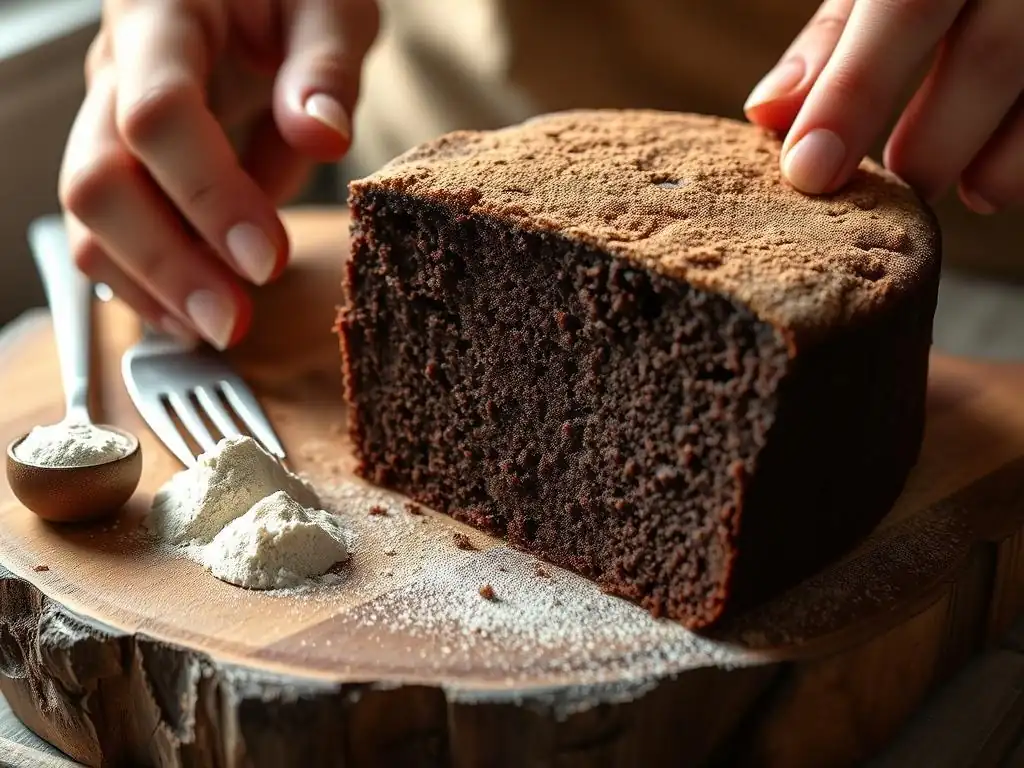
Why is Vegan Crumb Texture Different?
The fundamental difference in vegan baking lies in the absence of animal products, primarily eggs and dairy. In traditional baking, eggs serve multiple roles: they bind ingredients together, provide structure through protein coagulation, contribute moisture and fat, and aid in leavening when whisked. Dairy, like butter and milk, adds fat and moisture, tenderizes the crumb, and assists with browning and flavor development.
Without these components, vegan recipes must rely on alternative ingredients to perform similar functions. This requires a different understanding of ingredient interactions. Plant-based binders, fats, and liquids behave differently under heat and when mixed, impacting gluten development, moisture retention, and leavening in unique ways. Achieving a pleasing Vegan crumb texture demands careful selection and handling of these substitute ingredients.
The Role of Gluten in Traditional Baking vs. Vegan Baking
Gluten, the protein network formed when flour is mixed with liquid, is a cornerstone of structure in many baked goods, particularly breads. In traditional baking, eggs and dairy can influence gluten development – fats can shorten gluten strands (tenderizing), while liquids and proteins can help build a stronger network. The presence of eggs also provides alternative structure, reducing the reliance solely on gluten in items like cakes.
In vegan baking, without egg protein to contribute structure, the role of gluten can become even more pronounced, especially in yeasted goods. However, without the tenderizing effect of dairy fats and egg yolks, it's easier to overdevelop gluten, leading to a tough or rubbery Vegan crumb texture, particularly in quick breads or cakes. Conversely, in gluten-free vegan baking, alternative binders like xanthan gum or psyllium husk are essential to replicate the structure gluten provides, which is crucial for preventing a crumbly texture.
Common Vegan Baking Crumb Issues: Dryness, Density, and Gumminess
Many vegan bakers encounter frustrating texture issues. Dryness is a common problem, often stemming from insufficient fat or liquid, or overbaking. Without the rich moisture from dairy fats and egg yolks, vegan bakes can dry out quickly if the recipe isn't perfectly balanced or if baked for too long.
Density and gumminess are also frequent complaints. Density can result from inadequate leavening (not enough baking powder/soda or inactive yeast), using too much flour, or not enough fat/liquid. Gumminess, particularly noticeable just below the crust or in the center, is often a sign of underbaking or, paradoxically, overmixing which can create a tough, chewy layer due to excessive gluten development in some recipes. Mastering Vegan crumb texture secrets involves learning how to preemptively address these issues through ingredient choices and technique.
Key Ingredients for Perfect Vegan Crumb
The Power of Vegan Egg Replacers for Texture
Eggs perform multiple functions in baking, and successful vegan baking relies heavily on choosing the right egg replacer for the desired outcome, especially for achieving a specific Vegan crumb texture. Different replacers excel at binding, providing moisture, or aiding in leavening, and understanding their strengths is crucial. Using the wrong one can lead to a crumb that is too dense, too crumbly, or gummy.
Many recipes call for a specific number of "vegan eggs," but it's more accurate to think about the function you need the replacer to perform. For example, a rich cake might need a replacer that adds moisture and binding, while a light muffin might benefit from something that helps with lift. Experimentation and knowing the properties of common vegan egg substitutes are key to unlocking their power for a superior Vegan crumb texture.
Flaxseed Meal: A Versatile Vegan Egg Substitute for Crumb
Flaxseed meal, when mixed with water, forms a gel-like consistency that mimics the binding properties of eggs. A common ratio is 1 tablespoon of flaxseed meal mixed with 3 tablespoons of water, left to sit for about 5-10 minutes until thickened. This 'flax egg' is excellent for binding ingredients in cookies, muffins, and quick breads, helping to prevent a crumbly Vegan crumb texture.
While great for binding and adding a touch of moisture, flax eggs don't provide leavening. They also contribute a slightly nutty flavor and can add visible flecks to the crumb, which might not be desirable in all recipes. For recipes where binding is the primary need and a slightly denser, moist crumb is acceptable, flaxseed meal is a reliable and easily accessible option among Vegan crumb texture secrets.
Chia Seeds: Adding Moisture and Binding for Ideal Crumb
Similar to flaxseed meal, chia seeds mixed with water create a gelatinous binder (1 tablespoon chia seeds + 3 tablespoons water, let sit 5-10 minutes). Chia seeds form a thicker gel than flax and are very effective at binding and retaining moisture, contributing to a tender Vegan crumb texture. They are particularly useful in recipes where you want extra moisture and structure without relying on gluten as heavily.
Chia seeds, like flax, contribute small flecks to the finished product and have a neutral to slightly nutty flavor. They are excellent in dense loaves, muffins, and energy bars. While they provide strong binding and moisture, they offer no leavening, so you'll need to ensure your recipe has adequate baking powder, baking soda, or yeast for lift if aiming for a lighter vegan crumb texture.
Aquafaba: Achieving Light and Airy Vegan Crumb
Aquafaba, the liquid drained from canned chickpeas or other legumes, is a truly remarkable ingredient for achieving light and airy textures in vegan baking. When whipped, similar to egg whites, it can create stable foams and meringues. This makes it invaluable for recipes requiring significant leavening and a delicate structure, such as macarons, pavlovas, or light cakes.
Using aquafaba as a binder in place of whole eggs (approximately 3 tablespoons per egg) also contributes moisture and can help create a slightly lighter Vegan crumb texture than flax or chia. While it doesn't whip up quite as stiffly as egg whites, its ability to trap air is unparalleled among plant-based binders for achieving a truly airy vegan crumb texture in certain applications.
Commercial Vegan Egg Replacers: A Comparison for Crumb Quality
The market offers various commercial vegan egg replacers, often made from starches (like potato or tapioca), leavening agents, and sometimes gums. These products are formulated to mimic different egg functions. Some are designed primarily for binding, others for leavening, and some aim to be multi-purpose, tackling various Vegan crumb texture secrets.
Brands like Bob's Red Mill Egg Replacer or Ener-G Egg Replacer are starch-based binders suitable for cookies and muffins, helping with structure and preventing crumbliness but providing minimal lift. JUST Egg, a mung bean-based liquid replacer, behaves more like beaten eggs and can be used in recipes where eggs provide significant moisture and structure, potentially leading to a softer vegan crumb texture in cakes or quiches. Reading product descriptions and experimenting is key to finding the best commercial option for your desired result.
Flour Power: Choosing the Right Flour for Vegan Baking Crumb
Flour is the backbone of most baked goods, providing structure through its protein content, primarily gluten in wheat flours. The type of flour used significantly impacts the final Vegan crumb texture. Different flours absorb liquids differently and contain varying amounts of protein, leading to diverse outcomes in terms of density, tenderness, and chewiness.
Understanding the characteristics of common flours and how they interact with vegan ingredients is essential. Whether you're aiming for a tender cake or a chewy bread, selecting the appropriate flour is one of the foundational Vegan crumb texture secrets. Combining different flours can also yield unique textures, allowing for greater control over your final bake.
All-Purpose Flour in Vegan Baking: Tips and Tricks
All-purpose flour is a versatile staple with a moderate protein content (typically 10-12%). It works well in many vegan recipes, from cakes and cookies to quick breads and some yeasted doughs. Its balanced protein level allows for sufficient structure development without becoming overly tough, provided it's handled correctly.
When using all-purpose flour in vegan baking, be mindful of mixing. Without the tenderizing effects of animal fats and egg yolks, overmixing can quickly lead to excessive gluten development, resulting in a tough, chewy, or rubbery Vegan crumb texture. Gentle mixing until just combined is often recommended for tender bakes like muffins and cakes. For breads, proper kneading is needed to develop structure, but care must still be taken.
Gluten-Free Flour Blends: Achieving the Right Crumb Structure
Gluten-free vegan baking presents a unique challenge as you must replicate the structure provided by gluten using alternative flours and binders. Gluten-free flour blends are often a mix of different flours (rice, oat, almond, sorghum, etc.) and starches (tapioca, potato, corn). To mimic gluten's elasticity and binding, these blends frequently include hydrocolloid gums like xanthan gum or guar gum.
The ratio of flours, starches, and gums in a blend dramatically affects the Vegan crumb texture. Too little binder can result in a dry, crumbly texture; too much can lead to a gummy or dense crumb. Using a high-quality, well-formulated gluten-free blend designed for baking is crucial, or carefully formulating your own blend with the correct balance of structure and binding agents is necessary to achieve a desirable gluten-free vegan crumb texture.
Using Bread Flour for Chewier Vegan Crumb
Bread flour has a higher protein content (typically 12-14% or more) than all-purpose flour. This higher protein level allows for greater gluten development when mixed and kneaded, which is ideal for creating the strong, elastic structure needed for yeasted breads. The increased gluten contributes to a chewier texture and helps trap gases produced by yeast, resulting in a well-risen loaf with a satisfying Vegan crumb texture.
While primarily used for bread, bread flour can also be incorporated in small amounts into other recipes where a slightly chewier texture is desired. However, using it in recipes meant to be tender, like cakes or muffins, will likely result in a tougher vegan crumb texture due to the increased potential for gluten development. It's best reserved for recipes where chewiness is a desired characteristic.
Fats and Oils: Crucial for Moisture and Tender Crumb
Fats and oils play a vital role in creating a tender and moist Vegan crumb texture. They coat flour particles, preventing excessive gluten development, and contribute richness and flavor. Without the saturated fats found in dairy butter and egg yolks, choosing the right vegan fat source is paramount. Different fats behave differently at various temperatures and interact uniquely with other ingredients.
Understanding whether a recipe requires a solid fat (like vegan butter or coconut oil) for creaming or flakiness, or a liquid oil for moisture and tenderness, is key. The type and amount of fat used are significant factors in determining the final structure and feel of your vegan crumb texture. Insufficient fat is a common cause of dry, crumbly vegan bakes.
Vegan Butter Alternatives: Impact on Crumb Texture
Vegan butter alternatives are designed to mimic the properties of dairy butter, often made from a blend of plant-based oils (like palm, soy, or shea) and emulsifiers. Like dairy butter, stick vegan butter is solid at room temperature and can be creamed with sugar to create air pockets, contributing to lift and a tender Vegan crumb texture in cookies and cakes. Its solid nature also makes it excellent for creating flaky layers in pastries.
However, not all vegan butters are created equal. Their composition varies, affecting how they cream, melt, and interact in recipes. Butters with a higher fat percentage (around 80%) generally perform better in baking where creaming and flakiness are important. Using a spreadable vegan butter (often lower in fat and higher in water) can negatively impact the crumb texture, leading to less tenderness and poor structure.
Coconut Oil: When and How to Use for Best Crumb
Coconut oil is a unique vegan fat because it is solid at room temperature but melts readily when heated. Refined coconut oil has a neutral flavor, making it versatile. Its solid state makes it useful in recipes where you might use solid vegan butter, contributing to flakiness in pie crusts or biscuits if kept cold. When melted and used as a liquid fat, it behaves more like other oils, contributing moisture and tenderness.
Using coconut oil can significantly impact the Vegan crumb texture depending on its state. Creaming solid coconut oil with sugar can incorporate air for lift and tenderness. Using melted coconut oil in batters adds moisture and results in a softer crumb. Be mindful of its melting point; in cooler environments, bakes made with coconut oil might have a firmer texture than those made with other oils, affecting the perceived vegan crumb texture.
Other Oils: Olive Oil, Avocado Oil, and Their Effect on Crumb
Liquid oils like olive oil, avocado oil, canola oil, or sunflower oil are commonly used in vegan baking, particularly in cakes, muffins, and quick breads. Unlike solid fats, liquid oils cannot be creamed to incorporate air, but they are excellent at coating flour particles, which inhibits gluten development. This leads to a very tender, moist Vegan crumb texture.
These oils distribute moisture effectively throughout the batter, resulting in bakes that often stay moist for longer compared to those made with solid fats. The choice of oil can also affect flavor; extra virgin olive oil, for example, imparts a distinct taste that works well in certain recipes (like citrus cakes), while neutral oils like canola or sunflower are more versatile when a specific flavor isn't desired. Using liquid oils is a simple way to ensure a soft and tender vegan crumb texture.
Techniques for Mastering Vegan Crumb
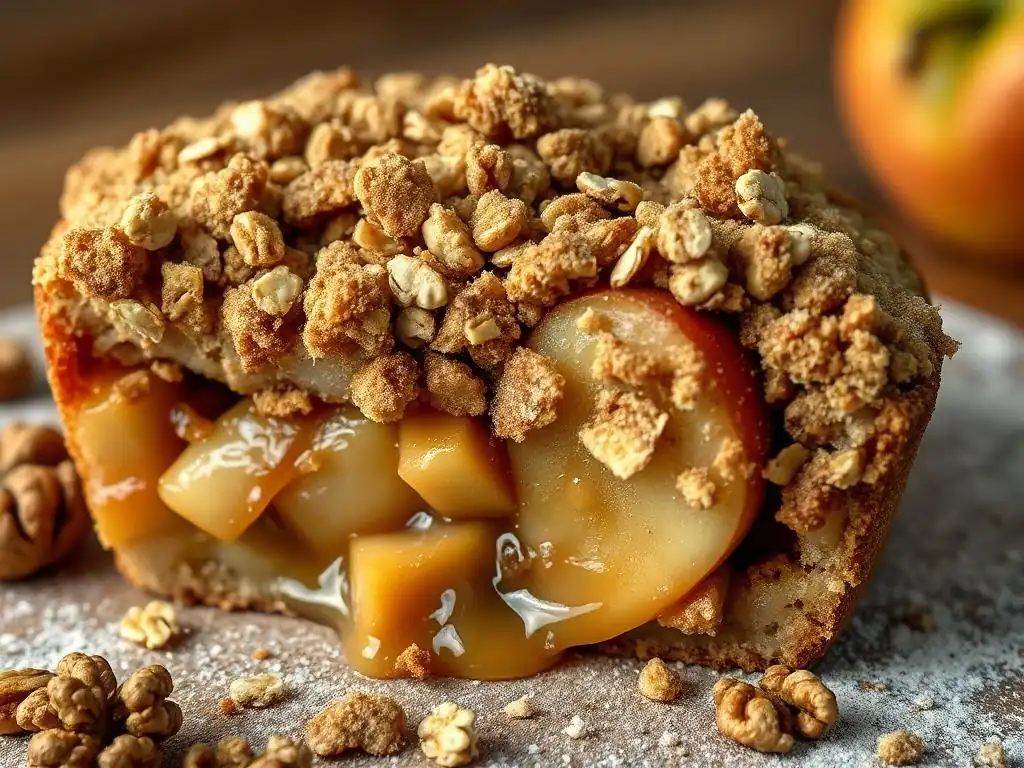
The Importance of Proper Mixing in Vegan Baking
Mixing technique is just as crucial as ingredient selection when aiming for the perfect Vegan crumb texture. How ingredients are combined affects everything from gluten development to the distribution of leavening agents and fats. Different types of baked goods require different mixing approaches – what works for a light cake will not work for a chewy bread.
Understanding the purpose of each mixing step is key. For recipes where tenderness is paramount (like cakes, muffins, cookies), minimizing gluten development is the goal, requiring gentle mixing. For yeasted breads, sufficient mixing or kneading is needed to build a strong gluten network for structure and rise. Mastering these techniques is one of the most important Vegan crumb texture secrets.
Avoiding Overmixing: The Key to a Tender Vegan Crumb
Overmixing is a common pitfall that can ruin the Vegan crumb texture of tender baked goods like cakes, muffins, scones, and cookies. When wheat flour is mixed with liquid, gluten begins to form. The more you mix, the stronger and more extensive this gluten network becomes. In recipes where a tender, soft crumb is desired, excessive gluten development leads to a tough, dense, or rubbery texture.
To avoid overmixing, mix wet and dry ingredients only until just combined. A few small lumps in muffin or cake batter are perfectly acceptable and often preferable to a smooth, overmixed batter. For cookies, stop mixing as soon as no dry streaks of flour are visible. This gentle handling minimizes gluten formation, ensuring a light and tender vegan crumb texture.
The Windowpane Test: Assessing Gluten Development in Vegan Doughs (when applicable)
The windowpane test is a classic technique used to assess whether gluten has been sufficiently developed in yeasted doughs, primarily for breads. It involves taking a small piece of dough and gently stretching it between your fingers. If the dough can be stretched thinly enough to see light through it without tearing (like a windowpane), the gluten network is strong and elastic enough to support the rise during proofing and baking, contributing to a desirable open Vegan crumb texture.
This test is applicable to vegan bread doughs made with wheat flour. If the dough tears easily, it needs more kneading or resting time. While not relevant for quick breads, cakes, or gluten-free bakes, mastering the windowpane test is a key technique for achieving an excellent vegan crumb texture in your homemade loaves. A properly developed gluten network is essential for trapping the gases that create those lovely holes in bread crumb.
Hydration Levels: Finding the Right Balance for Vegan Crumb
Hydration, or the amount of liquid relative to flour, is a critical factor influencing Vegan crumb texture, particularly in bread. The liquid activates gluten formation and helps distribute ingredients evenly. Too little liquid results in a dry, stiff dough and a dense, dry crumb. Too much liquid can make the dough difficult to handle and may lead to a gummy texture if not properly baked.
Finding the right hydration level is essential for achieving the desired outcome. Higher hydration doughs (those with a higher percentage of water compared to flour by weight) are often stickier but can result in a more open, airy vegan crumb texture in breads if handled and baked correctly. Lower hydration doughs are easier to work with and yield a tighter, more uniform crumb.
Understanding Dough Hydration Percentages in Vegan Baking
Dough hydration is typically expressed as a percentage of the flour weight. For example, if a recipe uses 500g of flour and 350g of water, the hydration is (350 / 500) * 100 = 70%. This metric is most commonly used and important in bread making. Typical bread dough hydration can range from 60% (for a tighter crumb, easier handling) up to 80% or even higher (for a more open, airy crumb, requires more skill to handle).
In vegan bread baking, understanding hydration is key to controlling the Vegan crumb texture. A higher hydration dough often requires longer kneading or folding to develop sufficient strength to support the airy structure. For quick breads or cakes, hydration isn't usually discussed in percentages, but the overall liquid-to-dry ingredient ratio is equally important for moisture and texture. Too little liquid results in dryness and a crumbly vegan crumb texture.
Adjusting Liquids for Different Flour Types
Different types of flour absorb liquid at different rates due to variations in protein and starch content, as well as how they are processed. Whole wheat flour, for example, absorbs significantly more liquid than white all-purpose flour because it contains the bran and germ, which are highly absorbent. Rye flour also absorbs a large amount of water but doesn't form gluten in the same way as wheat.
When substituting flours in a vegan recipe, you may need to adjust the amount of liquid to achieve the correct consistency and ensure a good Vegan crumb texture. If using a more absorbent flour like whole wheat, you'll likely need to add more liquid than the recipe originally called for. Conversely, substituting a less absorbent flour might require slightly reducing the liquid. Paying attention to the dough or batter consistency is crucial for making these adjustments.
Baking Temperature and Time: Achieving the Ideal Vegan Crumb
Baking temperature and time are the final critical factors in achieving the desired Vegan crumb texture. The heat of the oven provides the energy for leavening agents to work (whether yeast or chemical), sets the structure of the bake through protein coagulation and starch gelatinization, and evaporates moisture. Incorrect temperature or baking duration can lead to underbaked, gummy centers or dry, tough exteriors.
Understanding how heat affects your specific vegan bake is essential. High temperatures can promote a strong oven spring and a crisp crust (like in bread), while lower temperatures allow for more even heat distribution and a tender crumb (like in cakes). Monitoring your bake and knowing when it's truly done is vital for preventing common texture issues and ensuring a perfect vegan crumb texture.
Oven Temperature: Finding the Sweet Spot for Vegan Bakes
The oven temperature plays a significant role in how quickly a bake rises and sets. For yeast breads, an initial high temperature (e.g., 450-500°F or 230-260°C, often with steam) promotes rapid oven spring before the crust hardens, contributing to an open Vegan crumb texture. The temperature is then often reduced to finish baking.
For cakes, muffins, and quick breads, a more moderate temperature (e.g., 325-375°F or 160-190°C) is typically used. This allows the bake to rise evenly and the interior to cook through before the crust becomes too dark or hard, resulting in a tender and moist vegan crumb texture. Using an oven thermometer is highly recommended, as oven thermostats can be inaccurate by as much as 50°F (15°C), significantly impacting your results.
Monitoring Internal Temperature for Perfect Doneness
While baking time is a good guideline, relying solely on the clock can be misleading due to variations in ovens and pan materials. Monitoring the internal temperature of your bake is the most accurate way to determine doneness and ensure a perfect Vegan crumb texture – not underbaked and gummy, nor overbaked and dry.
For bread, a fully baked loaf typically reaches an internal temperature between 190°F (88°C) for softer sandwich loaves and 210°F (99°C) for crustier artisan breads. Cakes are often done when the internal temperature reaches around 200-210°F (93-99°C), or when a skewer inserted into the center comes out clean (though this is less reliable for very moist cakes). Using an instant-read thermometer removes the guesswork and helps guarantee a properly cooked and textured vegan crumb.
Vegan Crumb Texture Troubleshooting: Common Problems and Solutions
Dry and Crumbly Vegan Bakes: Causes and Fixes
A dry and crumbly Vegan crumb texture is one of the most common frustrations in vegan baking. This usually indicates a lack of sufficient moisture or fat in the recipe, or that the bake has been cooked for too long. Without the inherent moisture from eggs and dairy, vegan batters can be more susceptible to drying out.
Possible causes include: inaccurate measuring of flour (too much), insufficient liquid or fat, using a fat with a low moisture content, or simply overbaking. To fix this, double-check your measurements using a scale for accuracy. Ensure you're using the correct type of fat (e.g., stick vegan butter vs. spread). Next time, try slightly increasing the liquid or fat, or reduce the baking time by a few minutes, checking for doneness earlier than the recipe suggests. Using ingredients like applesauce or mashed banana can also boost moisture.
Dense and Gummy Vegan Bakes: How to Improve Texture
A dense or gummy Vegan crumb texture suggests issues with leavening, mixing, or underbaking. Density often occurs when the batter or dough hasn't risen properly due to inactive leavening agents (expired baking powder/soda, cold or dead yeast), insufficient leavening quantity, or too heavy a batter. Gumminess, particularly in the center or just under the crust, is often a sign of underbaking, where the starches haven't fully gelatinized and the structure hasn't set, or overmixing which can create a chewy layer.
To improve density, ensure your leavening agents are fresh (test baking powder/soda in vinegar/water). Check yeast activity. Ensure your batter isn't too thick; sometimes adding a splash more liquid helps. To combat gumminess, ensure your bake is fully cooked by checking the internal temperature or using the skewer test (aim for moist crumbs, not wet batter). Also, review your mixing technique – mix gently until just combined for tender items to avoid overdeveloping gluten.
Uneven Crumb: Tips for Consistent Results
An uneven Vegan crumb texture, where some areas are dense and others are airy, can be frustrating. This inconsistency often points to issues with mixing, resulting in uneven distribution of ingredients (especially leavening or fat), or problems with heat distribution in the oven. If leavening isn't evenly dispersed, some areas will rise more than others. If fat isn't incorporated properly, it can lead to dense pockets.
To achieve a more consistent vegan crumb texture, ensure you are properly creaming fats and sugar (if applicable) and sifting dry ingredients together to distribute leavening evenly. Mix wet and dry ingredients thoroughly but without overmixing. Also, consider your oven's performance; hotspots can cause uneven baking. Rotating your pan halfway through the baking time can help ensure even heat exposure and a uniform crumb structure throughout your bake.
Recipes with Perfect Vegan Crumb: Examples and Techniques
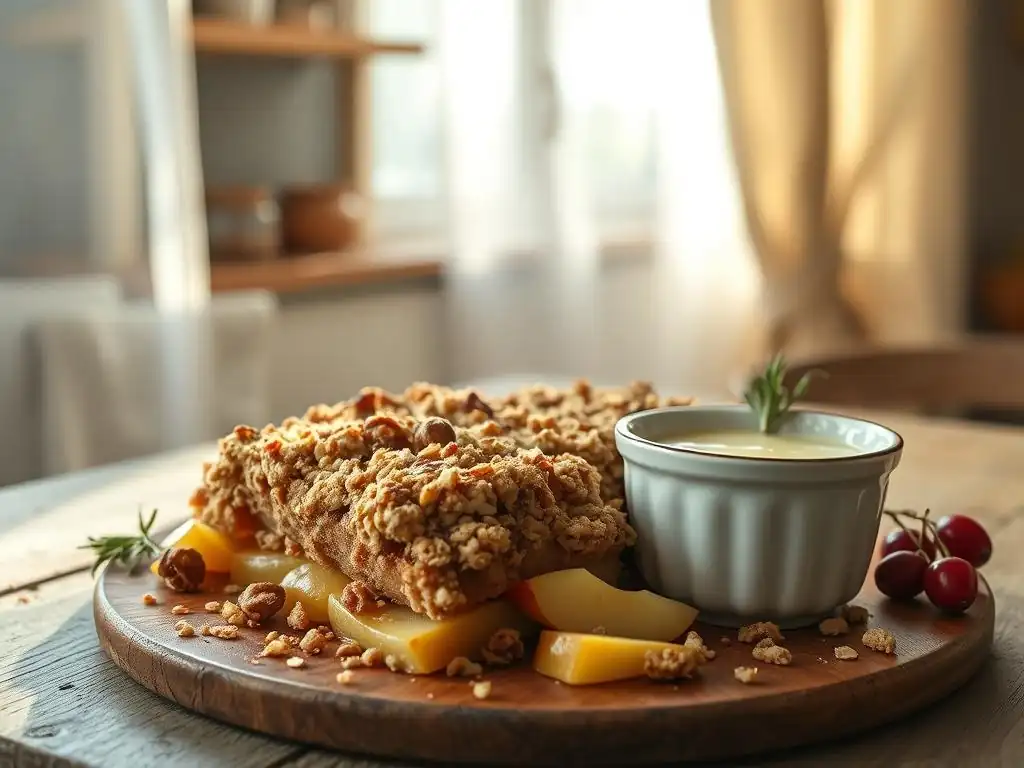
Achieving a perfect Vegan crumb texture is possible across a wide range of baked goods. Let's look at a few examples and the techniques that help them shine. These recipes utilize the ingredient and technique secrets discussed earlier to deliver delightful textures without any animal products.
Practicing these recipes helps solidify your understanding of how different ingredients and methods impact the final vegan crumb texture. Pay attention to the consistency of the batter or dough, the appearance during baking, and the final feel of the crumb once cooled.
Vegan Chocolate Cake with a Tender Crumb
A classic vegan chocolate cake often achieves its tender Vegan crumb texture through the use of liquid oil and chemical leavening (baking soda and baking powder). The oil coats the flour particles, limiting gluten development and ensuring a soft crumb. The combination of baking soda and an acid (like vinegar or coffee) creates vigorous leavening, contributing to a light structure.
Many recipes use a 'dump and stir' method where wet and dry ingredients are mixed separately and then combined quickly. This minimal mixing is key to preventing toughness. Using hot liquid, like hot coffee or water, in the batter can also help dissolve cocoa powder and slightly 'bloom' the flour, contributing to a moist and tender vegan crumb texture.
Vegan Sourdough Bread with an Open Crumb
Achieving an open Vegan crumb texture in sourdough bread relies heavily on strong gluten development, proper hydration, and active fermentation. Vegan sourdough starters behave similarly to traditional ones, relying on wild yeast and bacteria. The key is using a high-protein bread flour and ensuring adequate kneading or stretch-and-folds to build a robust gluten network that can trap the fermentation gases.
Higher hydration levels (often 75% or more) are commonly used to promote a more open crumb structure. Long, slow fermentation (including cold proofing) develops flavor and helps the dough build strength. Baking in a hot oven, often in a Dutch oven or with steam injection, provides the necessary heat and moisture for maximum oven spring and a beautiful, airy vegan crumb texture with large holes.
Vegan Muffins with a Light and Airy Crumb
Vegan muffins aim for a light and airy Vegan crumb texture that is also moist and tender. This is typically achieved by using a liquid oil (like canola or sunflower) for moisture and tenderness, and relying on chemical leavening (baking powder, often boosted by baking soda reacting with an acidic ingredient like plant milk cultured with vinegar or lemon juice).
The 'muffin method' of mixing – combining dry ingredients, combining wet ingredients, and then mixing them together quickly until just combined – is essential here. Overmixing will develop gluten and result in tough muffins with a dense vegan crumb texture. Using ingredients like mashed banana, applesauce, or pumpkin puree can also add moisture and contribute to a softer crumb.
Conclusion: Mastering Vegan Crumb for Exceptional Bakes
Your Journey to Perfect Vegan Baking Crumb Starts Now!
Mastering the art of achieving the perfect Vegan crumb texture is a journey that involves understanding ingredient functions, practicing techniques, and learning from each bake. It requires patience and a willingness to experiment. While it presents unique challenges compared to traditional baking, the rewards of creating delicious, beautifully textured vegan treats are immense.
You now have a solid foundation of knowledge regarding the key ingredients and techniques that influence vegan crumb texture. Armed with insights into egg replacers, flours, fats, mixing, hydration, and baking temperatures, you are well-equipped to tackle common issues and elevate your vegan baking skills. Every bake is an opportunity to refine your understanding and get closer to that ideal vegan crumb texture.
Further Resources and Recipes on BakeWithEase
BakeWithEase is dedicated to providing you with the resources you need to succeed in your baking endeavors. Explore our extensive collection of vegan recipes, many of which highlight techniques for achieving specific textures, from the flaky layers of a scone to the moist interior of a cake.
Look for recipes specifically tagged with tips on crumb texture or ingredient substitutions. Our guides on specific ingredients, like working with gluten-free flours or making your own vegan butter, offer deeper dives into topics that directly impact your Vegan crumb texture secrets. Keep baking, keep learning, and enjoy the process of creating delicious vegan bakes with confidence!
Frequently Asked Questions
How can I achieve a light and airy vegan crumb texture in my baked goods?
To achieve a light and airy crumb, focus on using the correct leavening agents like baking powder and soda, and ensure your ingredients are at the proper temperature. Avoiding overmixing is also crucial.
What are some common mistakes that lead to a dense or gummy vegan crumb?
Overmixing the batter is a frequent culprit. Also, using too much liquid or not enough leavening can result in a dense crumb. Incorrect oven temperature can also contribute to this issue.
Are there any specific vegan ingredients that help improve crumb texture?
Yes! Ingredients like apple sauce and mashed banana can add moisture and improve the crumb's texture in vegan baking. Using aquafaba as an egg replacement can also contribute to a lighter crumb.
How does gluten development affect the vegan crumb texture, and how can I control it?
Gluten development can lead to a tough crumb. To control it, avoid overmixing, use weaker flours (like cake flour), and consider adding acidic ingredients like lemon juice.
What crumb texture differences should I expect when baking vegan compared to traditional recipes?
Vegan recipes often require adjustments to compensate for the lack of eggs and dairy. Expect a slightly different texture, potentially needing more moisture or a different fat source to achieve a similar crumb structure to traditional bakes.
Final Reflection: The Transformative Power of the Perfect Vegan Crumb
The quest for the perfect vegan crumb isn't just about texture; it's about accessibility, creativity, and the ongoing evolution of plant-based cuisine. The seemingly simple act of achieving a satisfying crumb in vegan baking speaks volumes about the dedication and innovation within the plant-based food movement. It's a testament to how far we've come and a challenge to push even further.
The journey to mastering vegan crumb texture has profoundly impacted my own understanding of baking, forcing me to reconsider fundamental assumptions about ingredients and techniques. It's a journey of constant learning, experimentation, and a deep appreciation for the subtle nuances that separate a good bake from a truly exceptional one. The details are not the details. They make the design.
– Charles Eames. This quote perfectly encapsulates the importance of meticulous attention to detail in achieving the perfect vegan crumb, a detail that elevates the entire culinary experience.
Now, I invite you to take this knowledge and apply it to your own baking adventures. Don't be afraid to experiment, to fail, and to learn from each attempt. The pursuit of the perfect vegan crumb is a rewarding journey of discovery, one that allows you to create delicious and satisfying food while contributing to a more sustainable and compassionate food system. Embrace the challenge, and let the delightful crunch of a perfectly formed vegan crumb be your reward.
Unlock the Secret to Perfectly Crumbly Vegan Baking!
Thanks for joining us on this journey into the world of vegan baking textures! You've now unlocked some powerful techniques to achieve that perfect crumb. Ready to put your new skills to the test?
- Bake your dream vegan treat today! Experiment with a new recipe, focusing on the crumb-enhancing tips we discussed. What will you create?
- Share your baking triumph! Show us your perfectly crumbly creations on social media using #BakeWithEaseVeganCrumb. Let's inspire each other!
- Consider exploring different flours and their impact on texture. What unexpected flour combination might you try next?
What innovative baking technique will you master next to elevate your vegan baking game?