
Italian Meringue Mastery: Stable, Shiny, and Foolproof for Professionals & Home Bakers

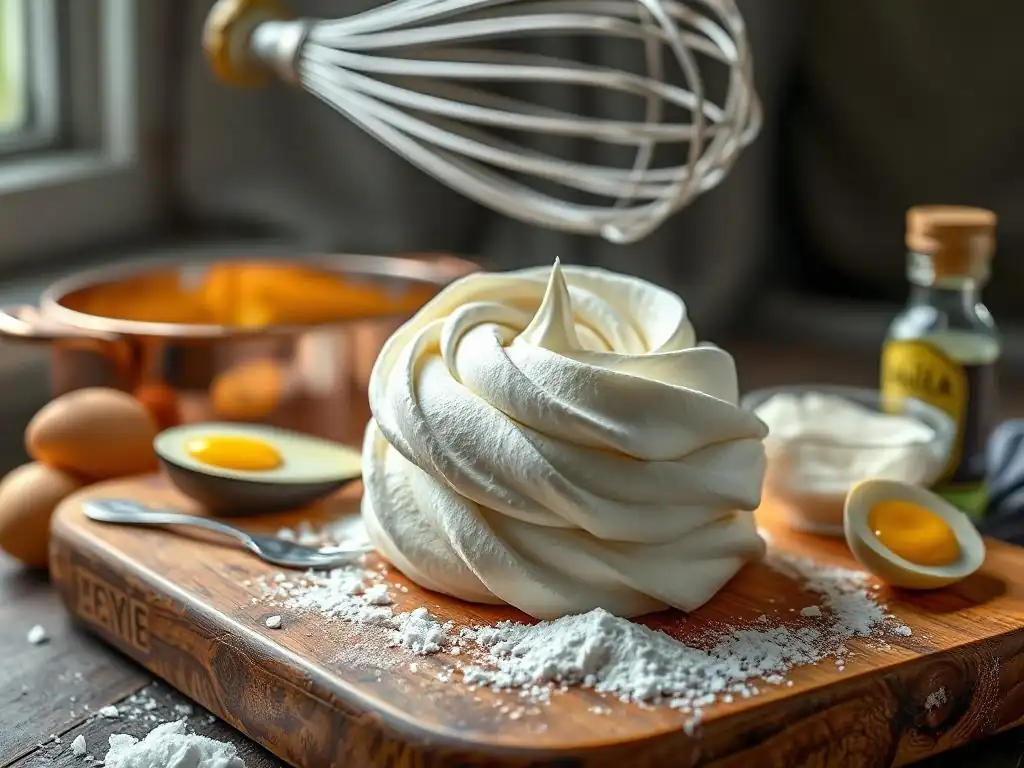
Welcome to BakeWithEase, where baking dreams become delicious realities! Are you ready to unlock the secrets to a perfectly stable Italian meringue? Forget the frustrations and embrace the finesse. Our comprehensive guide, "Italian Meringue Mastery," takes you step-by-step through creating a meringue that's not only shiny and beautiful but also incredibly reliable. Discover the crucial techniques that separate a good meringue from a truly exceptional one, and prepare to elevate your desserts to a whole new level. But first, what makes our Italian meringue recipe so different? Read on to find out!
- Understanding the Fundamentals of Italian Meringue
-
Frequently Asked Questions
- What exactly is Italian meringue, and how does it differ from other meringues?
- Why is stability so important in an Italian meringue recipe?
- What are the key ingredients needed for a stable Italian meringue recipe?
- How can I ensure my Italian meringue is shiny and glossy?
- What are some common mistakes to avoid when making Italian meringue?
- Final Reflection: The Enduring Allure of a Perfect Meringue
- Unlock Your Inner Pastry Chef: Master the Italian Meringue!
Understanding the Fundamentals of Italian Meringue
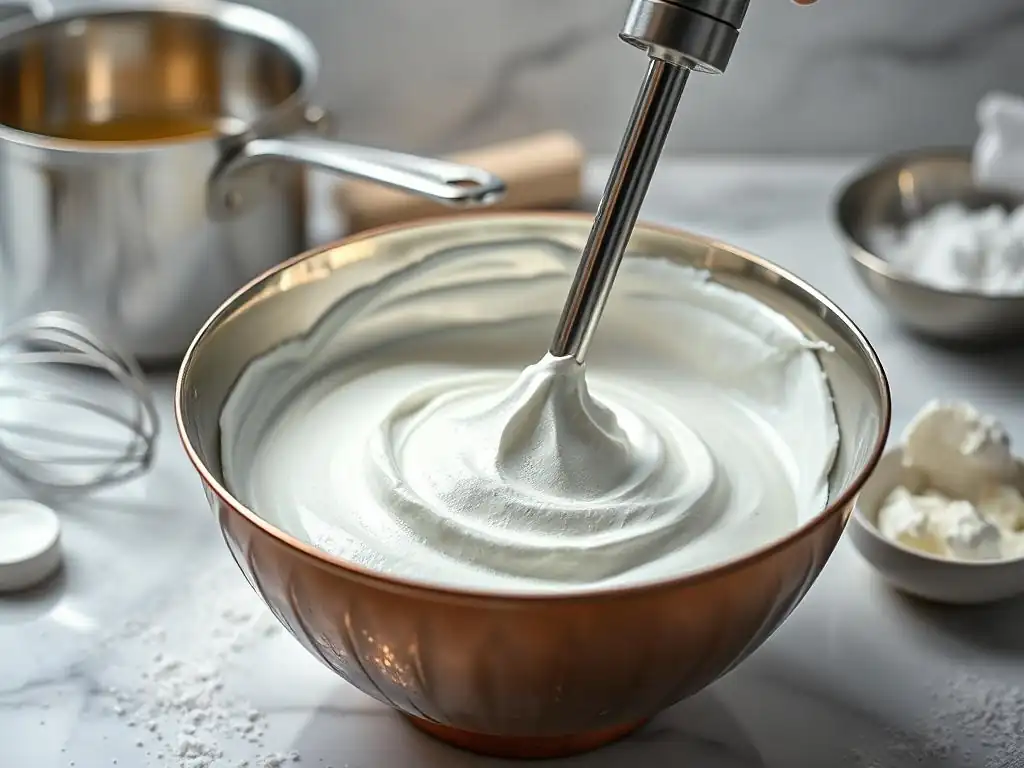
Creating a truly stable Italian meringue recipe begins with a solid grasp of its core components and the science behind their interaction. Unlike its French and Swiss counterparts, Italian meringue relies on the unique method of incorporating a hot sugar syrup into whipping egg whites. This process denatures the egg white proteins differently, resulting in a structure that is significantly more stable, less prone to weeping, and delightfully smooth and glossy. Mastering this technique is a cornerstone for achieving a reliable stable Italian meringue recipe, whether you're topping a lemon pie or folding it into a delicate mousse.
The stability achieved through the hot syrup method makes Italian meringue ideal for applications where the meringue isn't baked or is only lightly torched. It holds its shape beautifully, making it perfect for piping intricate designs onto cakes or tarts. Furthermore, because the sugar syrup reaches a high temperature (typically above 115°C), it effectively cooks the egg whites, making this meringue a safer option for raw preparations compared to French meringue. This inherent stability and safety are key reasons why professionals and home bakers seeking a stable Italian meringue recipe turn to this method.
The Essential Ingredients: Egg Whites, Sugar, and Water
At its heart, a stable Italian meringue recipe requires just three simple ingredients: egg whites, granulated sugar, and water. Egg whites provide the protein matrix that traps air, forming the meringue's airy structure. For optimal results, use fresh, room-temperature egg whites, as they whip up with greater volume and stability than cold ones. Ensure your mixing bowl and whisk are scrupulously clean and free of any grease, as even a tiny amount can prevent the egg whites from whipping properly.
Sugar plays a dual role in Italian meringue. It not only sweetens but also stabilizes the whipped egg whites by forming a protective coating around the air bubbles and preventing protein collapse. Using fine granulated sugar is recommended because it dissolves easily in the water to create the necessary syrup.
The water is simply the medium to dissolve the sugar and allow it to reach a high temperature. A common ratio for a stable Italian meringue recipe is roughly 1 part egg white to 2 parts sugar by weight, with enough water to moisten the sugar (often just enough to dissolve it, around 1/4 to 1/3 the weight of the sugar). For example, 100g of egg whites might use 200g of sugar and 50-70g of water.
The Sugar Syrup Temperature: A Key to Consistent Results
The temperature of the sugar syrup is perhaps the single most critical factor in achieving a stable Italian meringue recipe. The syrup must reach the "soft ball" stage, which corresponds to a temperature range of approximately 118°C to 121°C (244°F to 250°F). Heating the sugar and water to this temperature ensures that the sugar concentration is high enough to provide structure and that the hot syrup effectively cooks the egg whites as it's added. Using a reliable candy thermometer is absolutely essential for accuracy; guessing the temperature will almost certainly lead to an unstable meringue.
If the syrup temperature is too low, below the soft ball stage, the meringue will be weak, lack volume, and may weep excessively. The sugar won't be concentrated enough to properly stabilize the egg whites. Conversely, if the syrup is heated too high, above 121°C, it can lead to a brittle, hard meringue that is difficult to work with and prone to cracking.
Pouring the hot syrup slowly and steadily down the side of the mixing bowl while the egg whites are whipping is crucial. This allows the syrup to be incorporated gradually and cooked evenly by the whisk, preventing it from pooling at the bottom of the bowl and hardening. This precise temperature control is what elevates a basic meringue to a stable Italian meringue recipe.
Different Types of Meringue: Exploring French, Swiss, and Italian
Understanding the differences between the three main types of meringue helps highlight why Italian meringue is the go-to for stability. French meringue is the simplest, made by whipping cold egg whites while gradually adding granulated sugar. It's the least stable, prone to weeping, and must be baked immediately or used raw only with caution. It's often used for light, crisp cookies or as a topping that will be baked until dry.
Swiss meringue offers a step up in stability. It's made by heating egg whites and sugar together over a double boiler while whisking until the sugar is dissolved and the mixture reaches about 60-70°C (140-160°F). The mixture is then removed from the heat and whipped until stiff peaks form. This gentle heating provides more structure than French meringue, making it suitable for frostings and light toppings, but it still doesn't match the robustness of the Italian method.
Italian meringue, as discussed, achieves superior stability by incorporating hot sugar syrup into whipping egg whites. This method creates a very strong, glossy, and smooth meringue that holds its shape exceptionally well. Its inherent stability makes it the preferred choice for applications like buttercream (Italian meringue buttercream), mousses, and decorative toppings that won't be baked. When seeking a truly stable Italian meringue recipe, this technique is unparalleled for its reliable structure and beautiful finish.
Frequently Asked Questions
What exactly is Italian meringue, and how does it differ from other meringues?
Italian meringue is made by whisking a hot sugar syrup into whipped egg whites. Unlike French or Swiss meringue, it's partially cooked, making it safer and more stable.
Why is stability so important in an Italian meringue recipe?
Stability prevents the meringue from weeping or collapsing, ensuring it holds its shape. This is crucial for decorating cakes, piping designs, and creating smooth, glossy finishes.
What are the key ingredients needed for a stable Italian meringue recipe?
The main ingredients are egg whites, granulated sugar, and water. However, using a precise ratio and optionally adding cream of tartar can significantly improve the meringue's structure.
How can I ensure my Italian meringue is shiny and glossy?
Achieving a glossy finish depends on the correct syrup temperature and the speed of whisking. The syrup needs to be at the soft-ball stage, and the egg whites should be whipped at high speed.
What are some common mistakes to avoid when making Italian meringue?
Avoid getting any egg yolk or grease in the egg whites, as this prevents proper whipping. Also, ensure the sugar syrup reaches the correct temperature and is added slowly and steadily.
Final Reflection: The Enduring Allure of a Perfect Meringue
The pursuit of the perfect Italian meringue transcends mere culinary technique; it's a testament to the enduring power of precision and patience in achieving culinary excellence. This article explored the intricacies of creating a stable, shiny, and foolproof Italian meringue, a technique often perceived as daunting but ultimately rewarding. The demand for reliable recipes, especially in the age of online baking communities, highlights the continued relevance of mastering classic techniques.
The journey of crafting the ideal meringue mirrors life's own pursuit of stability and perfection. The delicate balance of heat, sugar, and egg whites requires careful attention, much like navigating life's challenges. The art of cooking is the art of making something delicious out of nothing.
This quote, though not directly about meringues, speaks to the transformative power of skill and dedication, a sentiment deeply resonant with the process of meringue-making. The impact of a perfectly executed meringue, whether in a delicate pavlova or a vibrant macaron, extends beyond taste; it's a visual and textural masterpiece that speaks to the baker's skill and passion.
Now, consider your own pursuit of perfection, whatever form it may take. Embrace the challenges, learn from the imperfections, and savor the sweet rewards of your efforts. Don't be intimidated by the seemingly complex process of making an Italian meringue; instead, approach it with curiosity and a willingness to learn. The journey itself, with its subtle nuances and rewarding results, is as valuable as the final, flawless meringue. So, gather your ingredients, and embark on your own journey to meringue mastery. The perfectly stable, shiny, and delicious result awaits.
Unlock Your Inner Pastry Chef: Master the Italian Meringue!
Thanks for diving into the world of perfect Italian meringue! We hope you gained valuable insights and feel confident in tackling this elegant technique. Now it's time to put your new knowledge into practice.
- Whip up a batch of your own Italian meringue today! Use the recipe and tips from the article as your guide. Don't be afraid to experiment with different flavors!
- Share your meringue masterpieces! Tag us on social media with your creations – we'd love to see your stunning results.
- Challenge yourself: Try creating a meringue-based dessert you've always wanted to make. Maybe a pavlova, a classic lemon meringue pie, or something completely new!
What incredible meringue creation will you bake first? Let us know in the comments below!