
Mastering the Bean: How to Scrape and Use Real Vanilla Pods Like a Pro

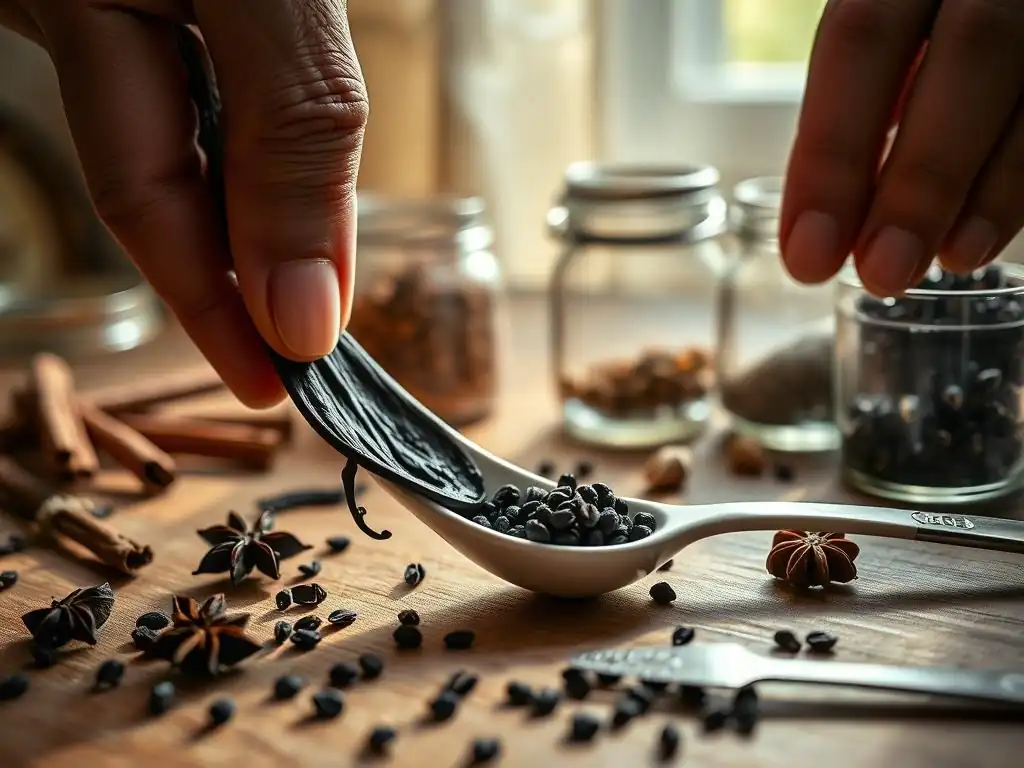
Welcome to BakeWithEase, where mastering the art of baking becomes delightfully achievable! Ever wondered how to truly unlock the aromatic magic hidden within a vanilla pod? Discover the secrets to perfect vanilla pod scraping techniques and elevate your baking from ordinary to extraordinary. Get ready to transform your desserts with this essential guide and unlock a world of flavor you never knew existed!
- Unlocking the Flavor Secrets of Vanilla Pods: A Baker's Guide
- The Essential Tools for Vanilla Pod Scraping Success
- Step-by-Step: Vanilla Pod Scraping Techniques for Maximum Flavor
- Beyond Scraping: Maximizing Vanilla Bean Usage
- Storing Your Vanilla Beans for Optimal Freshness
- Vanilla Bean Recipes to Showcase Your Scraping Skills
- Sourcing the Best Vanilla Beans: A Buyer's Guide
- Troubleshooting Common Vanilla Bean Issues
- Elevate Your Baking with Expert Vanilla Pod Scraping Techniques
- Frequently Asked Questions
- Final Reflection: The Enduring Allure of the Vanilla Bean
- Unleash Your Inner Pastry Chef: Vanilla Mastery Awaits!
Unlocking the Flavor Secrets of Vanilla Pods: A Baker's Guide
Working with real vanilla pods is a transformative experience for any baker. While vanilla extract is a pantry staple, the complexity and depth of flavor derived directly from the bean are simply unparalleled. The tiny black specks, often called "vanilla caviar," contain hundreds of aromatic compounds that contribute to a richer, more nuanced taste profile than vanillin alone, which is the primary flavor compound in most extracts. Mastering the technique of extracting these precious seeds is fundamental to elevating your baking from good to truly exceptional.
This guide will take you through the essential steps and tools needed to confidently handle and scrape vanilla pods, ensuring you unlock their full potential. We'll cover everything from selecting the right bean and preparing it for scraping to utilizing every part of the pod, minimizing waste and maximizing flavor in your culinary creations. Whether you're whipping up a delicate panna cotta, a classic crème brûlée, or simply infusing sugar, understanding proper vanilla pod scraping techniques is key to achieving that unmistakable, luxurious vanilla aroma and taste.
Why Choose Real Vanilla Beans Over Extract?
Real vanilla beans offer a depth of flavor that pure vanilla extract, while convenient, simply cannot replicate. The bean contains a complex blend of aromatic compounds, not just vanillin. Estimates suggest over 200 different compounds contribute to the unique bouquet of a high-quality vanilla bean. When you use the scraped seeds directly, you introduce this full spectrum of flavors into your dish, resulting in a richer, more rounded, and authentic vanilla taste. This is particularly noticeable in recipes where vanilla is a primary flavor, such as custards, ice creams, and delicate pastries.
Furthermore, using real vanilla beans provides a visual cue of quality – those tell-tale black specks distributed throughout the finished product signal the use of genuine, premium ingredients. While a good pure vanilla extract is far superior to artificial vanilla, it is typically made by macerating chopped beans in alcohol, primarily extracting vanillin and some other soluble compounds.
The fat-soluble compounds and the physical structure of the seeds contribute significantly to the overall aroma and flavor profile that is unique to using the whole bean. For bakers aiming for the pinnacle of flavor, mastering vanilla pod scraping techniques is an essential skill.
The Essential Tools for Vanilla Pod Scraping Success
Efficiently scraping a vanilla bean requires just a couple of basic tools, but having the right ones makes a significant difference in ease and yield. The goal is to cleanly split the pod and scrape out as much of the flavorful, sticky "caviar" as possible without wasting any of the precious contents. Using inappropriate tools can crush the seeds, make scraping difficult, or even damage the pod unnecessarily.
The two main tools you'll need are a sharp knife and a clean, stable cutting surface. While almost any small knife can technically split a bean, a specific type of knife is highly recommended for the scraping process itself. Similarly, the cutting board should be clean and non-porous to avoid transferring unwanted flavors or odors to your delicate vanilla.
The Right Knife for the Job: Victorinox Swiss Classic Paring Knife
For precise vanilla pod scraping techniques, a small, sharp paring knife with a straight edge is ideal. A common and excellent choice is the Victorinox Swiss Classic Paring Knife, often with a 3 to 4-inch blade.
The straight edge allows for a clean split down the length of the bean without sawing, and the relatively blunt tip (compared to a pointed utility knife) is less likely to pierce through the back of the pod during scraping. The sharpness is crucial because it allows you to easily split the bean with minimal pressure, reducing the risk of squashing the seeds inside.
The size and shape of a paring knife like the Victorinox Swiss Classic also offer excellent control. You need to be able to guide the blade along the inside of the split pod with a gentle, even pressure to lift the paste of seeds. A larger knife would be unwieldy, and a serrated knife would tear the pod. The fine, straight edge and maneuverability of a quality paring knife make it the perfect tool for this delicate task, ensuring you maximize the yield of those precious vanilla seeds with minimal effort.
The Importance of a Clean Cutting Board
A clean cutting board is absolutely essential when working with vanilla beans. Vanilla pods are highly porous and can easily absorb odors and flavors from previous ingredients. Imagine scraping a fragrant vanilla bean on a board still carrying remnants of garlic or onions – those strong flavors could easily transfer to the delicate vanilla, ruining its pure aroma. Therefore, using a dedicated small cutting board for vanilla and other delicate ingredients, or ensuring your primary board is thoroughly cleaned and dried, is a critical step.
In addition to preventing flavor transfer, a clean, stable surface provides the necessary grip and stability for safely splitting and scraping the bean. A wobbly or dirty board increases the risk of slips, potentially leading to cuts or wasted vanilla. Non-porous materials like plastic or bamboo are often preferred as they are easier to clean effectively compared to some types of wood that can harbor odors. A stable board that doesn't slide around your counter ensures you can focus on the precise movements required for effective vanilla pod scraping techniques.
Step-by-Step: Vanilla Pod Scraping Techniques for Maximum Flavor
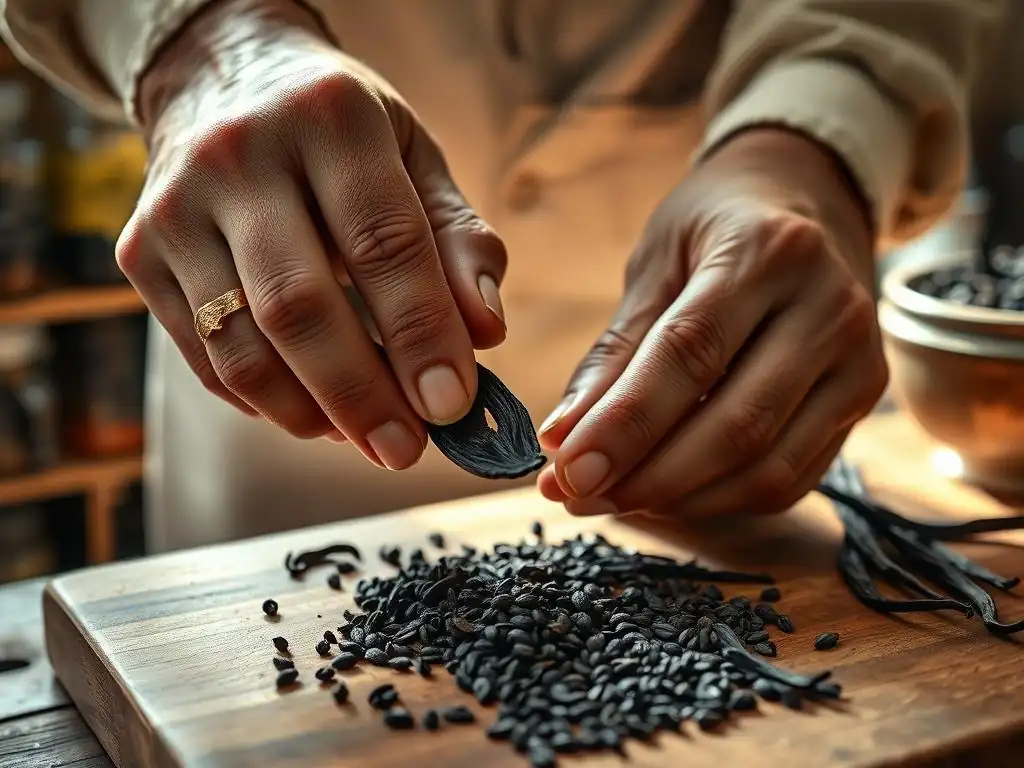
Mastering vanilla pod scraping techniques is a simple process once you understand the basic steps. The goal is to access the treasure trove of tiny seeds inside the bean. A plump, moist bean will be easier to work with than a dry one. If your bean feels a bit dry, you can gently warm it slightly in your hand or briefly submerge it in warm liquid (like milk you'll be using in a recipe) to soften it slightly, though this is usually unnecessary for high-quality, properly stored beans.
The most common and effective method involves splitting the bean lengthwise and scraping the seeds out. This method allows you to access the majority of the flavorful paste inside. Practice makes perfect, but even on your first attempt, you should be able to extract a significant amount of the precious vanilla "caviar."
Preparing Your Vanilla Bean: A Gentle Approach
Before you begin scraping, you need to prepare the vanilla bean. Start by laying the bean flat on your clean cutting board. Hold one end of the bean firmly with your non-dominant hand. With your dominant hand, take your sharp paring knife, like the Victorinox Swiss Classic, and position the tip near the top end of the bean, just below where you are holding it. The aim is to make a single, clean cut down the entire length of the bean, stopping just short of the other end.
Apply gentle, steady pressure with the knife tip and slide it slowly down the center of the bean. You are only trying to cut through one side of the pod wall, not cut the bean completely in half. The goal is to open it up like a book. If done correctly, the bean will split open, revealing the dark, moist paste of seeds inside. Avoid pressing too hard, which could crush the seeds or cut through the back of the pod prematurely. This careful preparation is the first step in executing effective vanilla pod scraping techniques.
The Classic Split and Scrape Method: A Detailed Walkthrough
Once your vanilla bean is split lengthwise, open it flat on the cutting board so the cut side is facing up. You should see the sticky, dark vanilla seed paste running down the center. Hold one end of the split bean firmly against the board with your non-dominant hand. Now, take your paring knife and turn it sideways, holding the blade almost perpendicular to the board.
Position the dull side of the knife blade (or the back of the blade if it's more comfortable) at the top end of one half of the split bean. Apply gentle pressure and scrape the blade down the length of the pod, collecting the vanilla seeds onto the blade. The motion is similar to scraping paint or spreading butter.
Repeat this process on the other half of the split bean. You should end up with a small pile of dark, fragrant vanilla seed paste on your knife blade or cutting board. This collected "vanilla caviar" is ready to be added directly to your recipe, ensuring you benefit from comprehensive vanilla pod scraping techniques.
Alternative Scraping Methods: Exploring Different Techniques
While the classic split and scrape method is the most common and efficient, there are slight variations some bakers use. One technique involves cutting the bean into smaller sections (e.g., 2-3 inches long) before splitting and scraping. This can make handling easier for some, especially with very long beans, but you risk losing a tiny amount of paste at each cut end. Another approach is to use the tip of the knife to gently lift and scoop the seeds out without a full scraping motion, though this is less efficient for extracting all the paste.
Some sources suggest freezing vanilla beans briefly to make scraping easier, claiming the seeds become firmer. However, this can also make the pod more brittle and harder to handle. For most applications and bean qualities, the simple split and scrape method on a room-temperature bean remains the most reliable and effective way to extract the maximum amount of flavor and seeds. Exploring different vanilla pod scraping techniques can help you find what feels most comfortable and effective for you.
Beyond Scraping: Maximizing Vanilla Bean Usage
The flavor potential of a vanilla bean doesn't end after you've scraped out the seeds. The pod itself is still infused with vanilla aroma and can be used to impart flavor to various ingredients and preparations. Discarding the scraped pod is missing out on a significant source of vanilla goodness. Creative use of the spent pod is part of a zero-waste approach in the kitchen and extends the value of your investment in real vanilla.
There are several popular and effective ways to repurpose scraped vanilla pods. These methods are simple and require minimal effort, allowing you to infuse flavor into staples like sugar or liquids, or create convenient vanilla products for future use.
Infusing Cream and Milk with Vanilla Bean Pods
One of the simplest and most effective ways to use a scraped vanilla pod is to infuse it into liquids like milk or cream. This is a common technique when making custards, ice cream bases, panna cotta, or sauces. After scraping the seeds into your liquid, simply add the entire scraped pod to the pot as well. Gently heat the liquid over medium heat, bringing it just to a simmer (do not boil vigorously).
Allow the pod to steep in the warm liquid for at least 15-20 minutes, or even longer if time permits. You can even leave the pod in the liquid as it cools and chills in the refrigerator overnight for a more intense infusion. The warmth helps to extract residual flavor compounds from the pod wall.
Before using the liquid, remove and discard the spent pod. This method ensures you've extracted every last bit of flavor after employing your vanilla pod scraping techniques. For example, using one scraped pod in 2 cups of milk for a custard base adds noticeable depth.
Making Vanilla Sugar with Spent Pods
Transforming plain granulated sugar into fragrant vanilla sugar is another excellent way to use scraped vanilla pods. Simply bury the spent, dry pod(s) in a container of granulated sugar. A ratio of about 1-2 spent pods per cup of sugar is a good starting point, but you can adjust based on your preference and the size/quality of the pods.
Seal the container tightly and let it sit for at least a week, preferably two or more. The vanilla pod will gradually infuse the sugar with its aroma. The longer it sits, the stronger the vanilla flavor will become. You can replenish the sugar as you use it, and add new scraped pods over time. Use this vanilla sugar in baking, coffee, tea, or sprinkled over fruit. It's a delightful way to add a hint of vanilla flavor without adding moisture, and a great payoff from your vanilla pod scraping techniques.
Vanilla Bean Paste: A Convenient Alternative
While not using the spent pod directly, vanilla bean paste is a product that utilizes the scraped seeds combined with a thick syrup and sometimes vanilla extract. It offers the visual appeal of the seeds and a more concentrated flavor than extract, making it a convenient option for many bakers. A tablespoon of good quality vanilla bean paste is often considered equivalent in flavor strength to a whole vanilla bean, containing the scraped seeds from that bean.
Many commercial vanilla bean pastes are available, offering a consistent product. Some adventurous bakers also attempt to make their own by cooking scraped vanilla seeds with a simple syrup until thickened, although achieving the right consistency and shelf life can be tricky. Using vanilla bean paste is a great way to get the visual and flavor benefits of seeds without needing to perform vanilla pod scraping techniques every time you bake, though scraping beans yourself often yields a fresher, more vibrant aroma.
Storing Your Vanilla Beans for Optimal Freshness
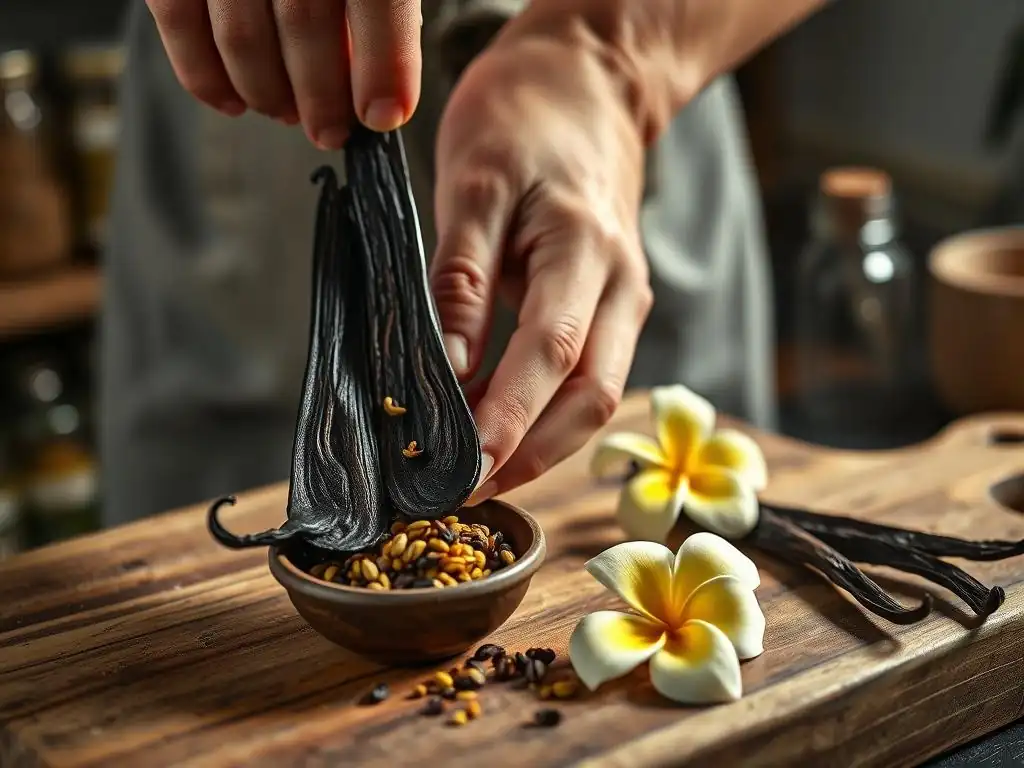
Proper storage is crucial for maintaining the quality, moisture, and flavor of your vanilla beans. Vanilla beans can dry out quickly if exposed to air, becoming brittle and losing their pliability and aroma. Conversely, storing them incorrectly can lead to mold. The goal is to keep them moist but not wet, and protected from light and temperature fluctuations.
With proper care, high-quality vanilla beans can retain their potency for a significant period, often 1-2 years or even longer. Investing a little time in correct storage techniques ensures you get the most out of your premium vanilla beans.
Proper Storage Techniques to Preserve Flavor
The best way to store vanilla beans is in an airtight container in a cool, dark place, away from direct sunlight and heat sources. Glass tubes with airtight stoppers, small glass jars with tight-fitting lids, or even vacuum-sealed bags are excellent options. Many high-quality beans are sold in glass tubes, which are perfect for storage. Avoid storing them in the refrigerator, as this can actually dry them out and potentially cause mold due to condensation.
If you have multiple beans, storing them together in a single airtight container is fine. Ensure the container is sealed tightly after each use.
If you notice your beans are starting to feel a little dry, you can try placing a small piece of food-grade parchment paper dampened with a few drops of water (not touching the beans directly) in the container for a day or two to help rehydrate them slightly, but be careful not to add too much moisture, which encourages mold. Consistent, airtight storage is key to preserving the delicate flavor compounds after using your vanilla pod scraping techniques.
Recognizing Signs of Spoiled Vanilla Beans
Knowing how to identify a spoiled vanilla bean is important to avoid ruining your baked goods. The most obvious sign of spoilage is mold. Mold on vanilla beans typically appears as fuzzy or powdery patches, often green, white, or black. If you see mold, it's best to discard the bean entirely, as the mold can penetrate the pod and potentially produce toxins. Do not attempt to scrape off the moldy parts and use the rest.
Another sign of a bean going bad is an off smell. A good vanilla bean should have a rich, sweet, complex aroma. If it smells musty, sour, or otherwise unpleasant, it may be spoiled or of very poor quality. While a dry, brittle bean isn't necessarily "spoiled," its flavor will be significantly diminished and it will be difficult to perform vanilla pod scraping techniques effectively. Look for beans that are plump, moist, pliable, and have a strong, sweet vanilla scent.
Vanilla Bean Recipes to Showcase Your Scraping Skills
Now that you've mastered vanilla pod scraping techniques, it's time to put those skills to delicious use! Real vanilla bean adds a layer of sophistication and intense flavor to many classic desserts. Choosing recipes where vanilla is a star ingredient allows the quality of your beans and the effectiveness of your scraping to truly shine.
Here are a few quintessential recipes where the visual appeal of the vanilla specks and the complex flavor of real vanilla bean make a significant impact. These recipes are perfect for demonstrating the difference that using the real bean makes.
Vanilla Bean Cupcakes: A Classic Showcase
Vanilla bean cupcakes are a perfect canvas for showcasing the pure flavor of real vanilla. By incorporating the scraped vanilla seeds directly into the batter and frosting, you achieve a moist, tender crumb infused with rich vanilla notes and visually appealing black specks. A standard recipe for about 12-18 cupcakes might call for one entire vanilla bean.
The scraped seeds are typically creamed with the butter and sugar or whisked into the liquid ingredients (like milk or buttermilk) to distribute the flavor evenly. The subtle, floral notes of a good vanilla bean elevate the simple cupcake base, making it far more interesting than those made with extract alone. Using effective vanilla pod scraping techniques ensures you get plenty of those flavorful seeds into both the cake and perhaps a luxurious vanilla bean buttercream frosting.
Vanilla Bean Panna Cotta: A Delicate Dessert
Panna cotta, an Italian cooked cream dessert, relies heavily on the quality of its few ingredients, making it an ideal candidate for real vanilla bean. The delicate texture and subtle sweetness allow the complex flavor of the vanilla to take center stage. A typical recipe for 4-6 servings might use half to a whole vanilla bean.
The scraped seeds and the pod are usually steeped in the warm cream (as described earlier) to infuse maximum flavor before the gelatin is added. The resulting panna cotta will have a beautiful speckled appearance and a pure, creamy vanilla taste that is clean and bright. The texture is key, wobbling slightly but holding its shape. Mastering vanilla pod scraping techniques is essential here to ensure every spoonful is dotted with flavorful seeds.
Vanilla Bean Ice Cream: The Ultimate Vanilla Experience
Perhaps the most iconic dessert featuring real vanilla bean is vanilla ice cream. The cold temperature can sometimes mute flavors, so using the most potent source – the scraped seeds from a real vanilla pod – is crucial for achieving that classic, intense vanilla flavor. For a batch of ice cream yielding about 1 quart, you might use 1-2 high-quality vanilla beans, depending on their size and potency.
The scraped seeds and often the split pod are heated with the milk and cream base, allowing the flavors to meld and infuse before chilling and churning. The resulting ice cream is rich, creamy, and visibly flecked with thousands of tiny black vanilla seeds. The difference between ice cream made with extract and ice cream made with real vanilla bean using proper vanilla pod scraping techniques is immediately apparent in both flavor and appearance.
Sourcing the Best Vanilla Beans: A Buyer's Guide
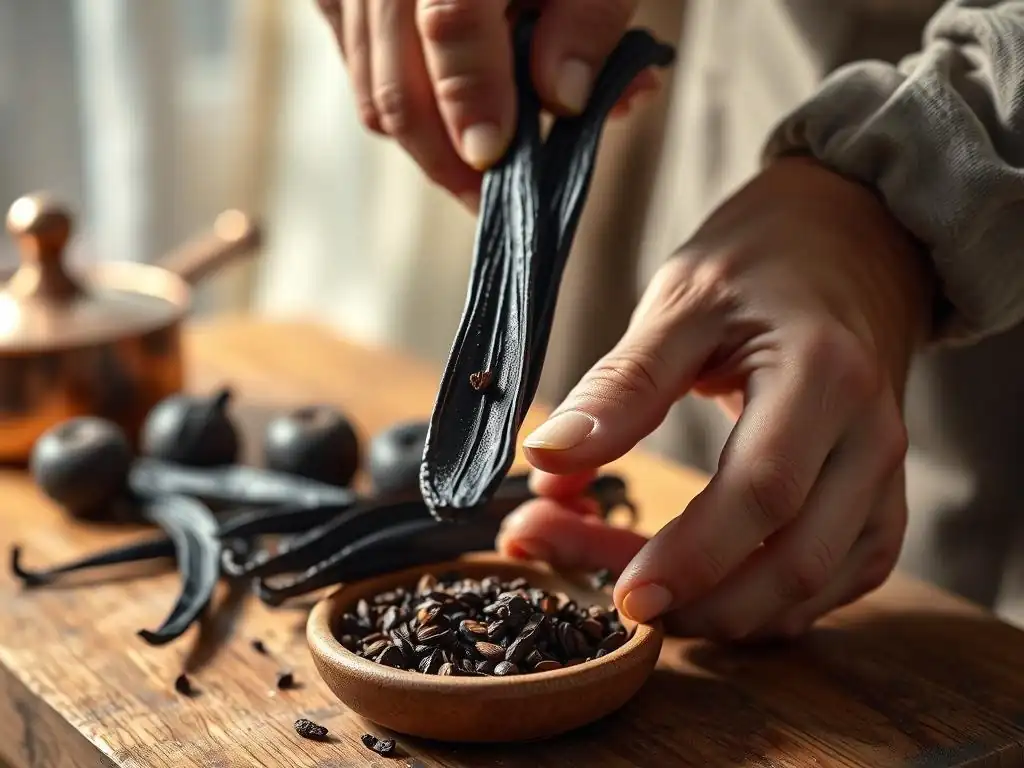
The quality of your vanilla beans directly impacts the flavor of your baking. Not all vanilla beans are created equal; their origin, species, and how they are cured all play a significant role in their final aroma and flavor profile. Understanding these differences will help you make informed decisions when purchasing, ensuring you get the best value and flavor for your culinary needs.
Several factors differentiate vanilla beans, including their geographical origin, which influences their unique characteristics. Knowing where and how to buy from reputable sources is key to avoiding disappointment.
Understanding Vanilla Bean Grades and Origins
Vanilla beans are typically graded based on moisture content, length, and appearance. Grade A (or Gourmet) beans are usually plump, moist (around 30-35% moisture), oily, and pliable, making them easy to split and scrape for vanilla pod scraping techniques. They are ideal for applications where the visual appeal and pure flavor of the seeds are desired. Grade B (or Extract) beans are drier (around 15-20% moisture), less visually appealing, and primarily used for making vanilla extract. While they contain less moisture, they often have a higher concentration of vanillin, making them excellent for extraction purposes.
Different origins yield distinct flavor profiles.
- Madagascar (Bourbon) Vanilla: The most common type, known for its classic, creamy, sweet flavor with notes of bourbon.
- Tahitian Vanilla: Plumper and moister than Bourbon beans, with a more floral, cherry-like aroma.
- Mexican Vanilla: Known for smoky, spicy, and chocolatey undertones.
- Ugandan Vanilla: Often described as having bold, earthy, and chocolatey notes.
Choosing an origin depends on the desired flavor profile for your recipe.
Where to Buy High-Quality Vanilla Beans Online
Purchasing vanilla beans online often provides access to a wider variety of origins and grades than local grocery stores, and can sometimes offer better pricing, especially when buying in larger quantities (e.g., an ounce or more). Look for reputable online retailers specializing in spices or baking ingredients. Good vendors will provide details about the bean's origin, grade, and harvest date, and show clear photos of the beans.
Check customer reviews for feedback on the quality and freshness of the beans received. Websites that cater specifically to bakers or gourmet cooks are often reliable sources. Be wary of deals that seem too good to be true, as they may indicate low-quality, very dry, or improperly cured beans. Purchasing from a trusted source ensures you receive fresh, pliable beans perfect for practicing your vanilla pod scraping techniques.
Avoiding Common Vanilla Bean Scams
When buying vanilla beans, be aware of potential pitfalls. One common issue is receiving beans that are excessively dry, brittle, or have a weak aroma, despite being advertised as "gourmet." This can be due to improper storage by the seller or old stock. Another issue is mislabeling of origin or grade. For example, selling Grade B beans as Grade A.
Sometimes, a white crystalline substance appears on vanilla beans. This is often vanillin crystals that have bloomed on the surface and is a sign of a high-quality bean, not mold (mold is fuzzy; vanillin crystals are needle-like). However, some unscrupulous sellers might try to pass off mold as vanillin bloom. Always inspect beans upon arrival – they should be dark brown/black, shiny, pliable, and have a strong, sweet aroma. Buying from established, reputable vendors is the best defense against these issues, ensuring you have the quality beans needed for effective vanilla pod scraping techniques.
Troubleshooting Common Vanilla Bean Issues
Even with the best storage and sourcing practices, you might occasionally encounter issues with vanilla beans. Knowing how to address common problems like dryness or the appearance of mold is essential for preventing waste and ensuring food safety.
Most issues can be mitigated if caught early, or you can learn to distinguish between a minor quality issue and a bean that is truly unusable.
Dealing with Dry or Brittle Vanilla Beans
If you find your vanilla beans have become dry and brittle despite proper storage, they haven't necessarily gone bad, but they will be much harder to work with for vanilla pod scraping techniques, and their flavor may be less vibrant. You can attempt to rehydrate them slightly. A simple method is to place the dry bean in a small amount of warm milk or cream (the liquid you plan to use in your recipe) for 15-30 minutes. The bean will absorb some moisture and become more pliable, making it easier to split and scrape.
Alternatively, you can place the dry beans in a sealed container with a slightly damp piece of paper towel (not touching the beans) for a day or two. Be very cautious with this method, as too much moisture can lead to mold. While rehydration can make scraping easier, it won't fully restore the bean's original aroma if it was very dry to begin with. For optimal results, start with fresh, plump beans.
Addressing Mold on Vanilla Beans
Finding mold on your vanilla beans is a serious issue. As mentioned earlier, mold typically appears as fuzzy or powdery patches and can be white, green, or black. Unlike vanillin crystals (which are shiny and needle-like), mold looks fuzzy and is a sign that the bean is unsafe to use.
If you discover mold on a vanilla bean, it is crucial to discard it immediately. Do not try to salvage parts of the bean, as mold spores and potentially harmful toxins can penetrate the entire pod. To prevent mold, ensure your storage container is truly airtight, the beans are not exposed to excessive humidity, and they are stored away from heat. Proper airflow around the beans within the container (not packed too tightly) can also help. Regular inspection of your stored beans is a good practice to catch any potential issues early.
Elevate Your Baking with Expert Vanilla Pod Scraping Techniques
Mastering vanilla pod scraping techniques is a simple skill that yields significant rewards in your baking. By choosing high-quality beans, using the right tools, and employing the classic split and scrape method, you unlock the full, complex flavor profile that only real vanilla can provide. The visual appeal of the tiny black seeds adds an extra touch of gourmet sophistication to your desserts.
Beyond just scraping, utilizing the spent pods for infusing liquids or making vanilla sugar ensures you get the most out of every precious bean. Proper storage guarantees your investment remains flavorful and pliable, ready for your next baking project. By paying attention to sourcing, storage, and technique, you can confidently incorporate real vanilla bean into your repertoire and truly elevate the taste and quality of everything you bake. Embrace the bean, and taste the difference that expert vanilla pod scraping techniques make!
Frequently Asked Questions
How do I choose a good vanilla pod?
Look for plump, moist, and fragrant pods. Avoid pods that are dry, brittle, or have white crystals on the surface. A good pod should be slightly oily.
What's the best tool to use for scraping a vanilla pod?
A sharp paring knife is ideal. You can also use the tip of a teaspoon if you're careful. The key is a clean, precise cut.
Do I need to use the entire vanilla pod at once?
No, you can store unused portions of the pod. Wrap the remaining pod tightly in plastic wrap and store it in an airtight container in a cool, dark place.
Can I use the vanilla pod after scraping out the seeds?
Yes! The empty vanilla pod is still packed with flavour. You can infuse it in milk, cream, or sugar for extra vanilla essence.
What's the difference between vanilla extract and using vanilla pod seeds?
Vanilla pod seeds offer a more intense and pure vanilla flavour compared to extract. Extract is often alcohol-based and can sometimes have a slightly different taste profile.
Final Reflection: The Enduring Allure of the Vanilla Bean
The art of properly scraping a vanilla bean is more than just a culinary technique; it's a gateway to unlocking the unparalleled depth and complexity of this precious spice. In a world increasingly dominated by artificial flavors and shortcuts, mastering the nuances of vanilla pod scraping offers a powerful connection to authentic, high-quality ingredients and the satisfaction of crafting something truly special. This simple act elevates the ordinary into the extraordinary, transforming a humble dessert into a culinary masterpiece.
The influence of vanilla extends far beyond the kitchen; it's woven into the fabric of our cultural heritage, representing luxury, indulgence, and a touch of the exotic. Its rich history and enduring appeal are a testament to its captivating aroma and flavor. Vanilla is the queen of flavors, the perfume of happiness.
This sentiment, though perhaps romanticized, speaks to the emotional resonance this simple spice holds for many. The act of carefully scraping a vanilla bean, savoring its potent fragrance, and witnessing its transformative power in a dish becomes a mindful practice, a connection to a tradition that spans centuries.
Now, consider your own culinary journey. Will you continue to embrace the convenience of imitation vanilla, or will you embark on a path of discovery, unlocking the full potential of the real thing? I invite you to take the next step, to purchase a vanilla bean, and experience the transformative power of this simple act. Feel the texture, inhale the aroma, and savor the unparalleled flavor that awaits. Let the mastery of the bean be your own personal journey towards a richer, more flavorful life.
Unleash Your Inner Pastry Chef: Vanilla Mastery Awaits!
Thanks for taking the time to explore the wonderful world of real vanilla beans! You’ve now unlocked the secrets to unlocking their incredible flavor. Ready to put your new knowledge into practice?
- Craft your signature vanilla extract: This is your chance to create a truly unique flavor profile—experiment with different bean varieties and aging techniques!
- Share your vanilla creations: Show off your baking prowess and inspire others by sharing photos of your vanilla-infused masterpieces on social media. Use #BakeWithEaseVanilla.
- Explore our other baking guides: Discover more flavor secrets and expand your baking repertoire with our collection of expert-led tutorials.
What incredible vanilla-infused treat will you bake first? Let us know in the comments below!