
Flax Seeds in Baking: Boost Health and Structure

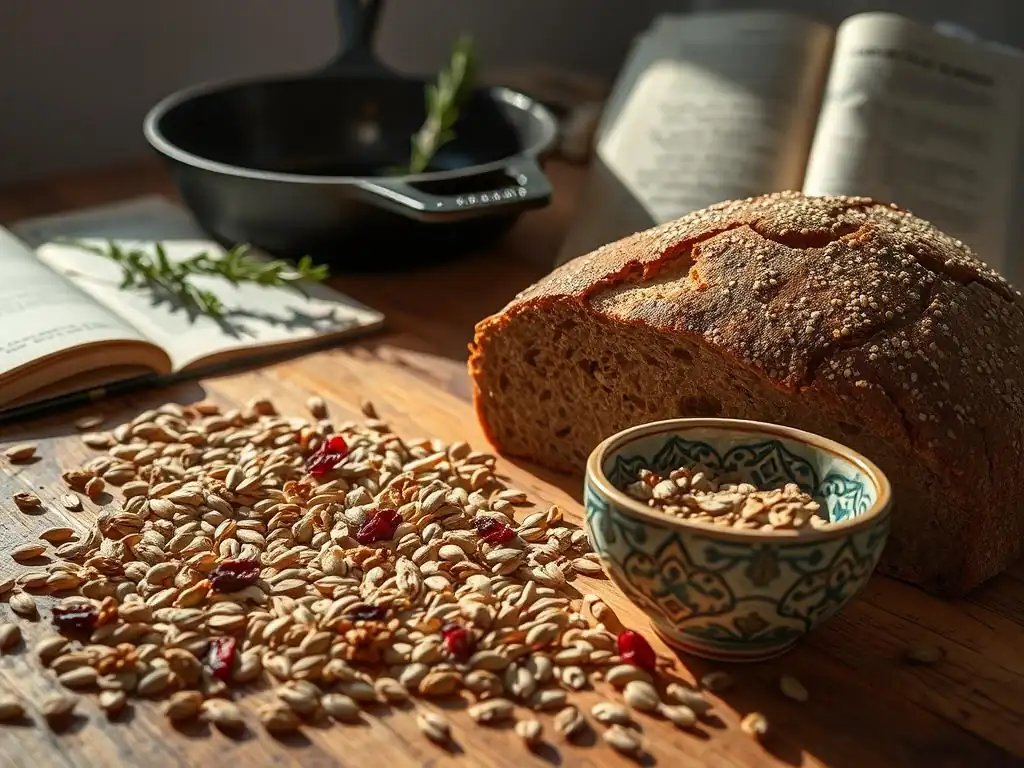
Welcome to BakeWithEase, your trusted guide to the delicious world of baking!
Unlock the secrets to healthier and more flavorful baked goods. Ever wondered how a tiny seed could transform your recipes? This week, we're diving deep into the fascinating world of flaxseed baking, especially for beginners. Discover how flaxseeds not only boost the nutritional value of your treats but also contribute to a unique texture and structure. Intrigued? Keep reading to explore our collection of flaxseed baking recipes and learn how to seamlessly incorporate this powerhouse ingredient into your favorite creations!
- Understanding Flaxseed for Baking
- Flaxseed Baking Recipes
- How Flaxseed Impacts Baking Structure and Texture
- Tips and Tricks for Successful Flaxseed Baking
- Beyond the Basics: Advanced Flaxseed Baking Techniques
- Flaxseed Baking Recipe Variations
- Conclusion: Mastering Baking with Flaxseed
-
Frequently Asked Questions
- What are the main benefits of using flaxseed in baking, especially for beginners?
- How does flaxseed contribute to the structure of baked goods?
- What kind of flaxseed is best for baking: whole or ground?
- How much flaxseed should I add to a baking recipe to get the best results?
- Are there any specific types of baking recipes that are particularly well-suited for incorporating flaxseed?
- Final Reflection: The Humble Flax Seed's Rise in the Kitchen
- Unleash the Power of Flax: Bake Better, Feel Better!
Understanding Flaxseed for Baking
What are Flax Seeds and Why Bake With Them?
Flax seeds, also known as linseeds, are small, nutrient-dense seeds that come from the flax plant ( Linum usitatissimum). They have been cultivated for thousands of years for their fiber and oil. In recent times, they've gained popularity as a superfood due to their impressive nutritional profile. When used in baking, flax seeds offer a subtle, nutty flavor and a pleasant texture, whether used whole or ground into meal. Their versatility makes them a fantastic addition to many flaxseed baking recipes for beginners, adding not just flavor but also valuable nutrients.
Baking with flax seeds is appealing not only for the health boost but also for their functional properties. When ground flax seeds (flax meal) are mixed with liquid, they form a gel-like consistency. This unique property allows them to act as a binder, thickener, or even an egg substitute in vegan baking. Incorporating flaxseed into your baked goods is a simple way to enhance both the nutritional value and sometimes the texture of your favorite treats, from simple muffins to more complex breads.
Nutritional Benefits of Adding Flaxseed to Baked Goods
Adding flaxseed to baked goods significantly boosts their nutritional value, particularly by increasing their fiber and omega-3 fatty acid content. Just one tablespoon (about 7 grams) of ground flaxseed contains roughly 2 grams of fiber and about 1.5 grams of alpha-linolenic acid (ALA), a plant-based omega-3 fatty acid. Dietary fiber is crucial for digestive health, helping to regulate blood sugar levels and promote a feeling of fullness, which can be beneficial in managing weight. ALA is an essential fatty acid that plays a role in heart health.
Beyond fiber and omega-3s, flax seeds are also a good source of lignans, a type of plant compound with antioxidant properties. They also provide essential minerals like magnesium and phosphorus, and B vitamins. While the high temperatures of baking can slightly affect the omega-3 content, a significant portion of the fiber, lignans, and minerals remains intact, making baked goods with flaxseed a more nutritious option compared to those without. Including flaxseed in your flaxseed baking recipes for beginners is an easy step towards healthier eating.
Flaxseed vs. Flax Meal: Choosing the Right Form
When it comes to baking, you'll primarily encounter flax seeds in two forms: whole seeds and ground seeds, often called flax meal or flaxseed meal. Whole flax seeds offer a delightful crunch and visual appeal in baked goods like bread or crackers. However, the hard outer shell of the whole seed makes it difficult for our bodies to fully digest and absorb the nutrients, particularly the beneficial omega-3s and lignans.
Flax meal, or ground flaxseed, is the more common and often preferred form for baking, especially for maximizing nutritional benefits. Grinding the seeds breaks down the tough hull, making the nutrients readily available for absorption. This is the form used to create the "flax egg" and acts as a binder. Most flaxseed baking recipes for beginners will call for flax meal due to its functional properties and superior nutrient absorption. You can buy pre-ground flax meal or grind whole seeds yourself using a coffee grinder or high-speed blender.
Flaxseed Baking Recipes
Flaxseed Bread Recipe
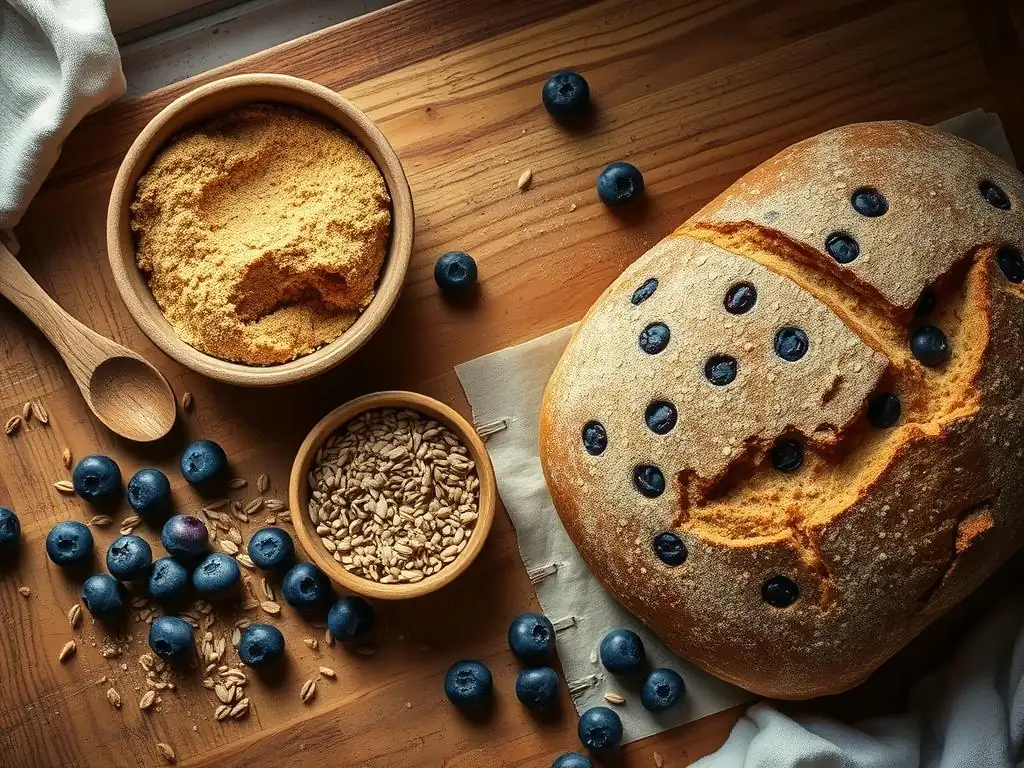
Creating a delicious and nutritious flaxseed bread is a rewarding experience for any baker, especially for those new to flaxseed baking recipes for beginners. A basic recipe often involves substituting a small percentage of the flour (say, 5-10%) with flax meal or adding 2-4 tablespoons of whole or ground flaxseed per loaf. The flax meal absorbs moisture, contributing to a slightly denser but moist crumb, while whole seeds add texture.
For a standard loaf using about 3 cups of flour, incorporating 3-4 tablespoons of flax meal is a great starting point. This adds significant fiber without drastically altering the bread's structure.
When developing your flaxseed baking recipes for beginners for bread, consider the hydration. Flax meal absorbs about 2.5 times its weight in water. So, if you add 4 tablespoons (around 28g) of flax meal, you might need to slightly increase the liquid in your recipe, perhaps by 2-3 tablespoons, to achieve the desired dough consistency. Kneading time might be slightly adjusted as the flax meal interacts with the gluten development. The result is a hearty loaf with a beautiful speckled appearance and a subtle nutty undertone, perfect for sandwiches or toast.
Adding Flaxseed to Muffins
Muffins are an incredibly easy and popular vehicle for incorporating flaxseed, making them perfect for flaxseed baking recipes for beginners. You can stir 1-3 tablespoons of flax meal or whole flax seeds directly into your standard muffin batter. For a batch yielding 12 muffins, adding 2 tablespoons of flax meal is a good starting point; it blends in seamlessly and boosts the fiber content without affecting the texture too much. Adding whole seeds provides a pleasant, slightly chewy texture throughout the muffin.
When adding flax meal to muffins, remember its absorbent nature. If adding more than 2-3 tablespoons to a typical recipe, you might need to slightly increase the liquid ingredients (milk, buttermilk, or oil) to prevent the muffins from becoming too dry or dense. For example, if a recipe calls for 1 cup of milk and you add 4 tablespoons of flax meal, consider adding an extra tablespoon or two of milk. This simple addition transforms an ordinary muffin into a nutritional powerhouse, perfect for a quick breakfast or snack.
Adding flaxseed to cookies is another simple way to enhance their nutritional profile and can be easily adapted for flaxseed baking recipes for beginners. Depending on the desired outcome, you can add 1-2 tablespoons of flax meal or whole flax seeds per batch of cookies (yielding about 2-3 dozen). For instance, in an oatmeal cookie recipe, substituting 1 tablespoon of flour with flax meal and adding 1 tablespoon of whole seeds adds fiber and a delightful texture contrast against the soft oats.
Using flax meal in cookies can sometimes make them slightly softer or chewier, especially if used as part of a "flax egg" substitute in vegan recipes. If you're just adding it for nutrition, stirring it in with the dry ingredients works well. Start with small amounts, like 1-2 tablespoons, and see how it affects your favorite cookie flaxseed baking recipes for beginners. You'll get a cookie that's just as delicious but with a hidden health boost!
How Flaxseed Impacts Baking Structure and Texture
Flaxseed as an Egg Replacement: Vegan Baking
One of the most popular uses of flax meal in baking, especially in flaxseed baking recipes for beginners exploring vegan options, is as an egg replacement, often called a "flax egg." To make a flax egg, you combine 1 tablespoon of flax meal with 3 tablespoons of water and let it sit for 5-10 minutes. The mixture thickens into a gelatinous consistency, mimicking the binding properties of an egg. This substitute works best in recipes where the egg primarily serves as a binder, such as muffins, quick breads, cookies, pancakes, or brownies.
A single flax egg (made with 1 tbsp flax meal and 3 tbsp water) is generally considered equivalent to one chicken egg. However, flax eggs don't provide the leavening or richness that eggs do. Therefore, they are less suitable for recipes that rely heavily on eggs for structure and lift, like airy cakes or meringues. For many flaxseed baking recipes for beginners aiming for a plant-based option, the flax egg is a simple and effective binder.
Using Flaxseed Meal as a Binding Agent
Beyond replacing eggs, flaxseed meal is an excellent general binding agent in various baked goods. Its ability to absorb liquid and form a gel helps hold ingredients together, which is particularly useful in recipes that might otherwise be crumbly, such as gluten-free baked goods or those with a high proportion of nuts or seeds. Adding even a small amount, say 1-2 tablespoons per batch, can improve the structure and prevent baked goods from falling apart.
In recipes like veggie burgers or gluten-free bread, flax meal works alongside other ingredients to create a cohesive structure. The mucilage formed when flax meal meets liquid creates a network that traps moisture and binds particles. This binding property is invaluable in many flaxseed baking recipes for beginners looking for ways to enhance texture and prevent dryness, contributing to a more satisfying final product.
Troubleshooting: Common Issues When Baking with Flaxseed
While baking with flaxseed is generally straightforward, especially with flaxseed baking recipes for beginners, a few common issues can arise. One frequent problem is excessive denseness or dryness. This is often due to flax meal's high absorbency. If you've added too much flax meal without increasing the liquid, your baked goods might turn out heavy and dry. This is why it's crucial to start with recommended amounts and potentially adjust liquid slightly.
Another issue can be a slightly gummy texture, particularly if using a large amount of flax meal or not baking the item thoroughly. This can happen in recipes like cakes where too much flax meal is used as an egg substitute without adjusting other ingredients. Lastly, whole flax seeds can sometimes remain hard if not fully cooked or if too many are added. Ensuring even distribution and proper baking time helps mitigate these issues. For flaxseed baking recipes for beginners, following tested recipes is key.
Tips and Tricks for Successful Flaxseed Baking
Maximizing Flaxseed's Health Benefits
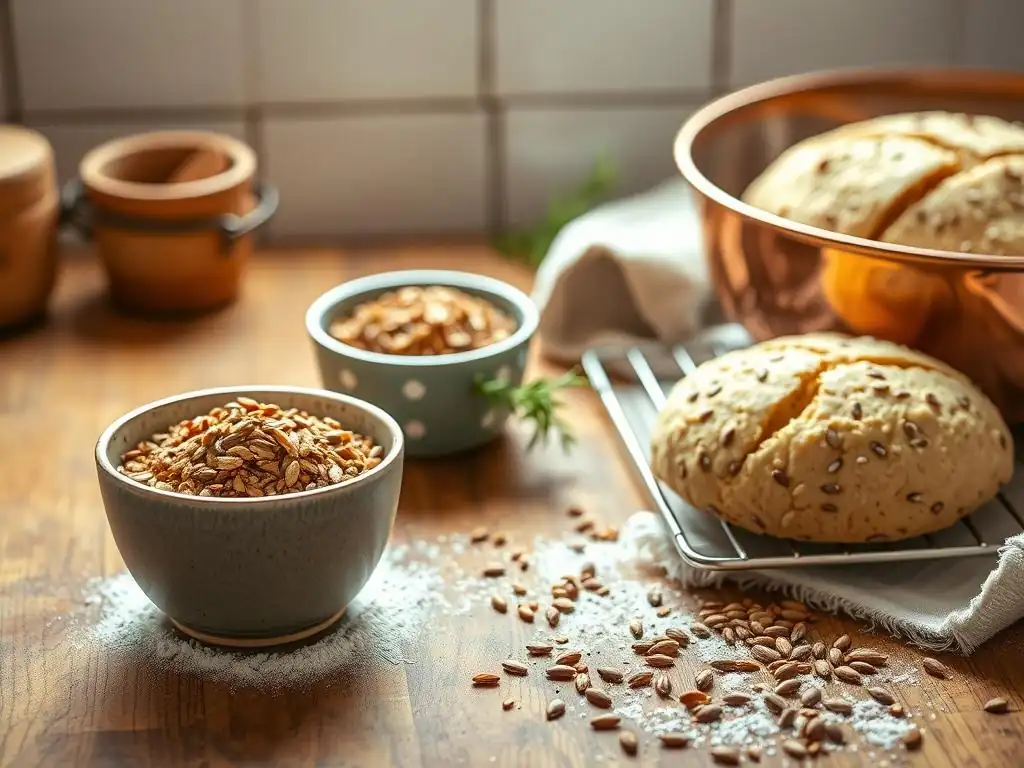
To get the most nutritional benefit from flaxseed in your baking, it's generally recommended to use ground flaxseed (flax meal) rather than whole seeds. As mentioned, the body can't efficiently break down the tough outer shell of whole seeds, meaning many of the beneficial nutrients pass through undigested. Grinding the seeds just before use is ideal for maximizing the availability of omega-3 fatty acids, which can be susceptible to oxidation.
While baking involves heat, which can degrade some nutrients, a significant portion of the fiber, lignans, and minerals in flaxseed remains beneficial. To further protect nutrients, consider reducing baking time slightly if possible, or incorporating flaxseed into recipes that bake at lower temperatures or for shorter durations. For flaxseed baking recipes for beginners, simply using flax meal consistently is the biggest step towards boosting health.
Storing Flaxseed and Flaxseed Meal
Proper storage is crucial to maintain the freshness and nutritional quality of flaxseed, especially flax meal. Whole flax seeds are quite stable due to their protective outer shell and can be stored at room temperature in an airtight container for up to a year. However, grinding exposes the delicate oils within the seed to air and light, which can cause them to oxidize and become rancid.
Flax meal should always be stored in an airtight container in the refrigerator or freezer. Stored in the refrigerator, it typically stays fresh for 3-4 months. In the freezer, it can last up to a year. Storing it cold slows down the oxidation process, preserving the beneficial omega-3 fatty acids and preventing off-flavors. For flaxseed baking recipes for beginners, buying smaller quantities of pre-ground flax meal or grinding seeds as needed can help ensure freshness.
Enhancing the Flavor of Flaxseed in Baking: Flavor Pairings
Flaxseed has a mild, slightly nutty, and earthy flavor that pairs well with a variety of other ingredients commonly used in baking. It complements spices like cinnamon, nutmeg, and cardamom beautifully, often found in muffins, quick breads, or cookies. Fruits such as apples, bananas, berries, and citrus zest also work wonderfully, masking the flax flavor slightly while adding moisture and sweetness.
Other complementary flavors include vanilla, maple syrup, honey, and chocolate or cocoa powder. Nuts and other seeds, like walnuts, pecans, chia seeds, or sunflower seeds, enhance the nutty profile introduced by the flaxseed. For flaxseed baking recipes for beginners, don't be afraid to experiment with these pairings. A simple banana bread or apple muffin recipe is a great place to start, adding 2-3 tablespoons of flax meal along with the standard ingredients.
Beyond the Basics: Advanced Flaxseed Baking Techniques
Gluten-Free Baking with Flaxseed
Flaxseed is a powerhouse ingredient in gluten-free baking, offering both nutritional benefits and crucial structural support. Gluten-free flours often lack the binding properties of wheat flour, leading to crumbly textures. Flax meal acts as a natural binder, mimicking some of the functions of gluten by creating a gel when mixed with liquid. This helps hold gluten-free doughs and batters together, improving texture and preventing baked goods from falling apart.
In many gluten-free flaxseed baking recipes for beginners, a combination of gluten-free flours is used, and flax meal is incorporated at a ratio that helps with binding without making the product too dense. For example, in a gluten-free bread recipe using a blend of rice flour, almond flour, and tapioca starch, adding 1-2 tablespoons of flax meal per cup of total flour blend can significantly improve the crumb structure and elasticity, resulting in a less brittle loaf.
Incorporating Flaxseed into Sourdough
Adding flaxseed to sourdough bread introduces extra nutrition, flavor, and texture to this beloved fermented bread. Both whole flax seeds and flax meal can be incorporated. Whole seeds add a pleasant chewiness and speckled appearance, while flax meal integrates more subtly into the crumb and boosts fiber. A common method is to add 5-10% of the total flour weight as flaxseed. For a loaf using 500g of flour, this would mean adding 25-50g (approx. 3-6 tablespoons) of flaxseed.
When adding flaxseed to sourdough, especially flax meal, you may need to adjust the hydration level of your dough. Flax meal absorbs a significant amount of water, so adding a few extra tablespoons of water or allowing the flax meal to soak in some of the recipe's liquid beforehand (autolyse with flax) can prevent a dry dough. Incorporating flaxseed into sourdough flaxseed baking recipes for beginners requires a bit more attention to hydration but results in a wonderfully hearty and healthy loaf.
Experimenting with Different Types of Flaxseed: Brown vs. Golden
While often used interchangeably in baking, there are two main types of flaxseed: brown and golden. Nutritionally, they are very similar, offering comparable amounts of omega-3s, fiber, and lignans. The primary differences lie in their color and perhaps a slight variation in flavor profile and size. Brown flax seeds are the most common variety and tend to have a slightly more pronounced earthy or nutty flavor.
Golden flax seeds, sometimes called yellow flax, are lighter in color and have a slightly milder, less intense flavor. They are often preferred when you want the nutritional boost without the visual speckling or stronger flavor of brown flax. For flaxseed baking recipes for beginners, either type will work, so feel free to use whichever is most accessible or preferred. Experimenting with both in simple recipes like muffins or cookies can help you determine which you prefer.
Flaxseed Baking Recipe Variations
Savory Flaxseed Crackers
Making savory flaxseed crackers is a simple and rewarding project, perfect for flaxseed baking recipes for beginners looking for a healthy snack. A basic recipe often consists primarily of flax meal, water, and seasonings. For example, mixing 1 cup of flax meal with 1 cup of water and letting it sit for 10 minutes forms a thick gel. You can then stir in herbs (like rosemary or thyme), spices (like garlic powder or onion powder), salt, and perhaps a tablespoon of olive oil.
The mixture is then spread very thinly onto a baking sheet lined with parchment paper and baked at a low temperature (around 300°F or 150°C) for an hour or more until completely dry and crisp. Scoring the dough before baking makes it easy to break into cracker shapes afterward. These crackers are incredibly versatile, serving as a crunchy base for dips or cheeses and providing a significant fiber boost compared to many store-bought options.
Sweet Flaxseed Energy Bites
Sweet flaxseed energy bites are a no-bake, nutrient-packed treat ideal for flaxseed baking recipes for beginners needing a quick energy boost. These typically combine flax meal with other ingredients like rolled oats, nut butter (peanut butter or almond butter), honey or maple syrup, and mix-ins like chocolate chips, dried fruit, or shredded coconut. A common ratio might be 1/2 cup flax meal, 1 cup oats, 1/2 cup nut butter, and 1/4 cup sweetener.
Simply mix all the ingredients in a bowl until well combined, then roll the mixture into bite-sized balls. These don't require baking; they firm up when chilled in the refrigerator. They are highly customizable and offer a convenient way to consume flaxseed's benefits. They store well in the fridge for up to a week and are perfect for grab-and-go snacks.
Flaxseed Pancakes and Waffles
Adding flaxseed to your morning pancakes or waffles is another effortless way to incorporate it into your diet, making them excellent flaxseed baking recipes for beginners. You can stir 1-3 tablespoons of flax meal or whole flax seeds directly into your favorite pancake or waffle batter. For a standard recipe yielding about 6-8 pancakes, adding 2 tablespoons of flax meal works well.
The flax meal will absorb some liquid, so if your batter seems too thick, add an extra splash of milk or water until you reach the desired consistency. The result is a slightly heartier pancake or waffle with added fiber and nutrients, without significantly altering the classic texture or taste. Serve them as usual with your favorite toppings for a healthier start to your day.
Conclusion: Mastering Baking with Flaxseed
Incorporating flaxseed into your baking is a simple yet effective way to boost the nutritional value of your favorite treats while also gaining a versatile ingredient with unique functional properties. From enhancing the fiber and omega-3 content of everyday items like bread and muffins to acting as a binder in vegan recipes and gluten-free goods, flaxseed proves its worth in the kitchen.
Whether you're starting with flaxseed baking recipes for beginners like simple muffins or energy bites, or exploring more advanced techniques in sourdough or gluten-free baking, flaxseed offers a world of possibilities. Remember to use ground flaxseed for maximum nutrient absorption, store it properly to maintain freshness, and don't hesitate to experiment with different recipes and flavor pairings. With a little practice, you'll be mastering baking with flaxseed in no time, creating delicious and healthier baked goods for yourself and your loved ones.
Frequently Asked Questions
What are the main benefits of using flaxseed in baking, especially for beginners?
Flaxseed adds nutritional value and can act as a binder or egg replacer, making it a healthy and versatile ingredient. It's easy to incorporate into many recipes.
How does flaxseed contribute to the structure of baked goods?
Ground flaxseed, when mixed with water, creates a gel that improves moisture retention and acts as a binding agent, similar to eggs. This helps hold the baked goods together.
What kind of flaxseed is best for baking: whole or ground?
Ground flaxseed is recommended because it's easier to digest and allows the body to absorb the nutrients. Whole flaxseed will pass through the body undigested.
How much flaxseed should I add to a baking recipe to get the best results?
A good starting point is to replace 1-3 tablespoons of flour with an equal amount of ground flaxseed. For egg replacement, use 1 tablespoon ground flaxseed mixed with 3 tablespoons water.
Are there any specific types of baking recipes that are particularly well-suited for incorporating flaxseed?
Flaxseed works well in muffins, breads, pancakes, and cookies. It adds a subtle nutty flavor and a boost of nutrients, enhancing these recipes without drastically altering the texture or taste.
Final Reflection: The Humble Flax Seed's Rise in the Kitchen
The integration of flax seeds into baking isn't just a trend; it's a delicious and nutritious revolution. More and more home bakers are discovering the power of this tiny seed to enhance both the texture and health profile of their creations, proving that healthy eating doesn't have to compromise on taste or enjoyment. This shift reflects a growing awareness of the importance of incorporating functional foods into our daily diets.
The journey of flax seeds from a relatively obscure ingredient to a baking staple highlights our evolving relationship with food. We're moving beyond simply satisfying hunger to actively seeking nourishment and mindful consumption. This conscious approach to baking, incorporating ingredients like flax, speaks to a broader cultural shift towards wellness and sustainability. The food you eat can be either the safest and most powerful form of medicine or the slowest form of poison.
- Ann Wigmore. This quote perfectly encapsulates the potential of ingredients like flax seeds to positively impact our health through simple dietary choices.
Now, it's your turn. Consider the simple act of adding flax seeds to your next batch of muffins, cookies, or bread. Experiment with different recipes, explore the versatility of this incredible ingredient, and experience firsthand the delightful transformation it brings to both the taste and nutritional value of your baked goods. Embrace the opportunity to nourish your body and delight your taste buds simultaneously – the journey towards healthier baking starts with a single, humble flax seed.
Unleash the Power of Flax: Bake Better, Feel Better!
Thanks for taking the time to explore the amazing benefits of flax seeds in baking! You've now unlocked a world of healthier, tastier treats. Ready to put your new knowledge into practice?
- Try substituting flax eggs in your next recipe: This is the easiest way to start experimenting with flax's power. See how easily it enhances your favorite baked goods!
- Share your flax-seed baking adventures on social media: Tag us @BakeWithEase (imaginary social media handle) and inspire others to bake healthier!
- Leave a comment below: Tell us about your favorite flax-enhanced recipe or a baking challenge you'd like to tackle with flax!
What delicious creation will you bake with flax seeds first?