
How to Bake the Perfect Polish Sernik (Cheesecake) at Home

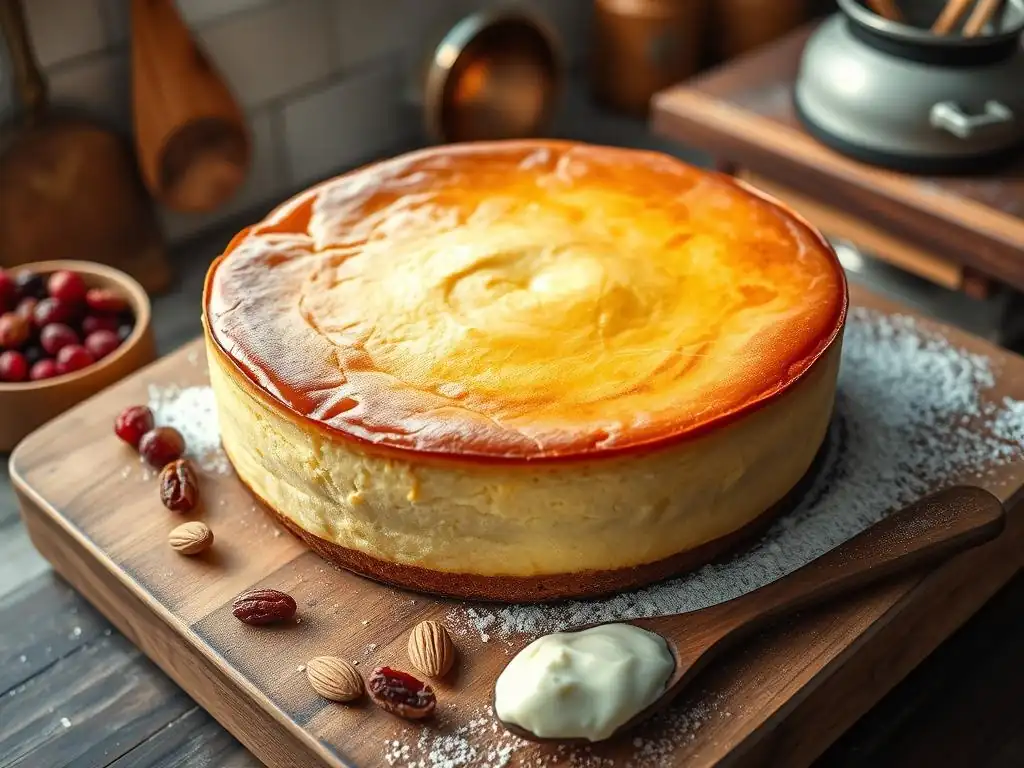
Welcome to BakeWithEase, your guide to confident baking! Ever dreamed of creating a perfect Polish cheesecake (Sernik) that rivals the best bakeries? Discover the secrets to achieving that signature creamy texture and subtly sweet flavor in our detailed guide, and embark on a delicious journey into the heart of regional baking. Are you ready to unlock the secrets to baking this cultural delight at home?
- BakeWithEase Presents: Mastering the Authentic Polish Sernik Recipe
- Understanding Polish Sernik: What Makes it Special?
- Essential Ingredients for the Perfect Polish Sernik
- Step-by-Step Guide to Baking Authentic Sernik at Home
- Tips for a Flawless Polish Cheesecake
- Variations on the Classic Polish Sernik Recipe
- Troubleshooting Common Sernik Baking Problems
- Serving and Enjoying Your Homemade Polish Cheesecake
- Polish Cheesecake Recipe: Detailed Ingredient List and Instructions
- More Eastern European Baking Recipes from BakeWithEase
- Frequently Asked Questions
- Final Reflection: A Slice of Tradition, A Taste of Home
- Unlock Your Inner Pastry Chef: Bake the Perfect Sernik Today!
BakeWithEase Presents: Mastering the Authentic Polish Sernik Recipe
Welcome, fellow baking enthusiasts! At BakeWithEase, we believe that mastering classic recipes brings immense joy. Today, we're diving deep into the world of Polish baking to bring you the ultimate guide on how to create the perfect Polish cheesecake recipe home kitchens can produce. Sernik, as it's known in Poland, is more than just a dessert; it's a slice of tradition, often gracing holiday tables and family gatherings.
This article will walk you through everything you need to know, from understanding what makes Sernik unique to troubleshooting common issues. Whether you're a complete beginner or looking to perfect your technique, our step-by-step instructions and helpful tips will help you bake an authentic and delicious homemade Polish cheesecake. Get ready to fill your kitchen with the delightful aroma of freshly baked Sernik!
Understanding Polish Sernik: What Makes it Special?
Polish Sernik stands out in the crowded world of cheesecakes. Its character is deeply rooted in Polish culinary history and the specific ingredients used. Unlike some lighter, fluffier cheesecakes, traditional Sernik often boasts a rich, dense, and creamy texture, underpinned by a distinct tangy flavor from the cheese.
The beauty of Sernik lies in its simplicity and versatility. While the core recipe is straightforward, regional variations and personal touches abound, making each homemade Polish cheesecake a reflection of the baker and their heritage. It's a dessert that tells a story with every bite.
The History and Tradition of Polish Cheesecake
The history of Polish Sernik stretches back centuries, with mentions of cheese-based cakes appearing in Polish culinary texts as early as the 17th century. It is believed to have been introduced to Poland during the reign of King Jan III Sobieski, potentially influenced by recipes from the south. Over time, it evolved into the beloved dessert we know today, becoming an integral part of Polish culture and celebrations.
Sernik is particularly associated with Easter and Christmas, but it's also a staple for family visits and Sunday dinners. Grandmothers often have their secret techniques and ingredient ratios, passed down through generations. Baking Sernik at home is a cherished tradition, connecting families to their past and creating new memories around the table.
Key Differences Between Sernik and Other Cheesecakes
One of the most significant distinctions of Polish Sernik lies in the type of cheese used. While American cheesecakes typically rely on cream cheese, Sernik traditionally uses twaróg, a type of farmer's cheese or quark. Twaróg has a different texture – often drier and more crumbly before preparation – and a distinct tangy flavor that is less sweet and richer than cream cheese.
Furthermore, the texture of Sernik can vary significantly. Some versions are incredibly dense and firm, almost like a fudge, while others are lighter and more akin to a classic baked cheesecake but still retaining that characteristic tang. The crust also differs; Sernik often features a shortbread-like base made from flour, butter, and sugar, or sometimes no crust at all, unlike the common graham cracker crust in the US.
Essential Ingredients for the Perfect Polish Sernik
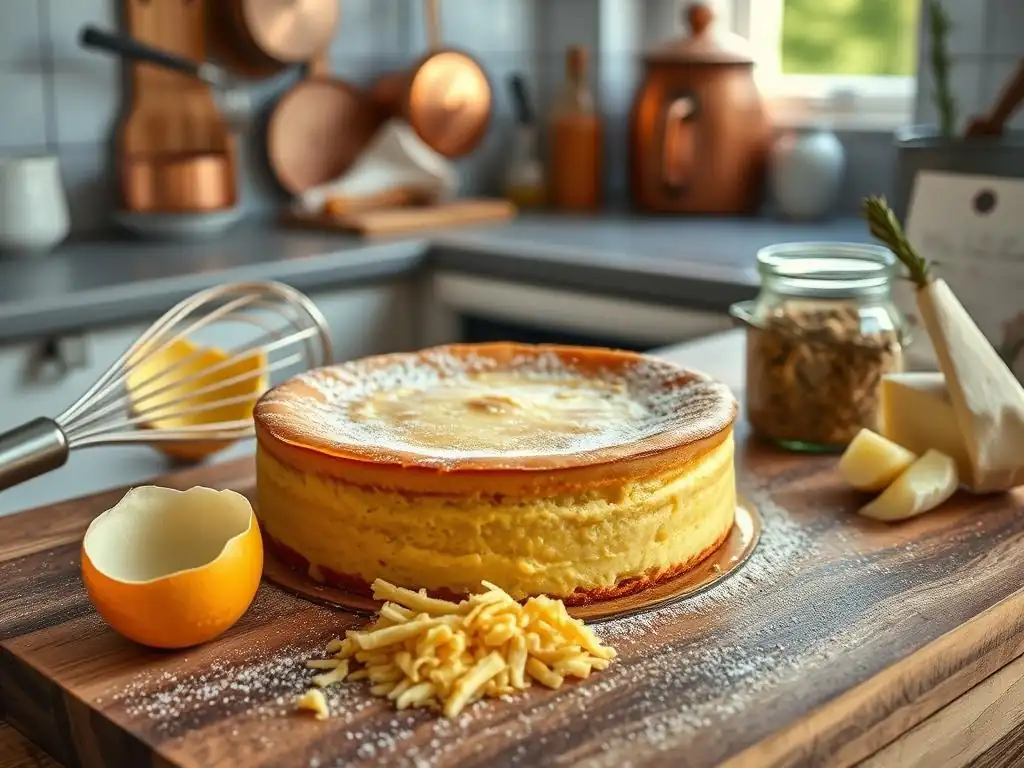
Creating the perfect Polish cheesecake recipe home requires attention to ingredient quality, particularly the cheese. Using the right components is fundamental to achieving the authentic taste and texture.
Beyond the cheese, other common baking staples play crucial roles. Fresh eggs provide structure and richness, while sugar adds sweetness and aids in browning. Flavorings like vanilla and lemon zest brighten the overall profile and complement the tang of the cheese beautifully.
Choosing the Right Cheese: Farmer's Cheese, Ricotta, or Quark
The heart of any authentic Polish Sernik is the cheese, traditionally twaróg. Finding true Polish twaróg outside of Poland can be challenging, but good substitutes exist. Look for a dry, pressed farmer's cheese (often labeled "farmer's cheese" or "dry curd cottage cheese") or quark. These cheeses typically have a protein content ranging from 10-18% and fat content varying widely, from nearly fat-free to around 9% or even higher for full-fat versions.
If these are unavailable, drained whole-milk ricotta or even a blend of ricotta and cream cheese can be used, although they will result in a slightly different texture and flavor profile compared to using traditional twaróg. For the most authentic result, aim for a cheese that is relatively dry and tangy, requiring milling or pressing to achieve a smooth consistency before mixing into the filling.
Other Important Ingredients: Eggs, Sugar, Vanilla Extract, and Lemon Zest
Eggs are vital for structure and richness in Sernik. A typical recipe using 1 kilogram of cheese might call for anywhere from 6 to 10 large eggs, depending on the desired density. Separating egg whites and whipping them to soft peaks before folding them into the batter is a common technique to introduce air and lighten the texture slightly, though many traditional recipes simply use whole eggs.
Sugar not only sweetens the Sernik but also contributes to the texture and helps create a beautiful golden-brown top. Granulated sugar is standard, with quantities typically ranging from 200 to 350 grams per kilogram of cheese, adjusted to personal preference. Vanilla extract, usually 1-2 teaspoons, and the zest of one or two lemons are essential flavor enhancers that brighten the rich cheese base.
Step-by-Step Guide to Baking Authentic Sernik at Home
Baking a perfect Polish cheesecake recipe home requires patience and attention to detail, but it's entirely achievable. Following these steps will guide you through the process from start to finish.
**Task List: Baking Sernik**

*   [ ] Prepare the crust (if using).
*   [ ] Prepare the cheese filling.
*   [ ] Assemble the cheesecake.
*   [ ] Bake at the correct temperature.
*   [ ] Cool properly.
*   [ ] Chill before serving.
Preparing the Crust: Shortbread or Graham Cracker Crust
Many traditional Sernik recipes feature a simple shortbread-style crust. This involves creaming together about 150-200 grams of cold butter with 100-150 grams of sugar, then mixing in 250-300 grams of all-purpose flour and a pinch of salt until crumbly. The mixture is pressed into the bottom of a 23-26 cm (9-10 inch) springform pan. Some bakers pre-bake this crust for 10-15 minutes at 180°C (350°F) until lightly golden, while others add the filling directly onto the raw crust.
Alternatively, a simpler graham cracker crust can be used, similar to American cheesecakes. This typically involves combining about 200 grams of graham cracker crumbs with 100 grams of melted butter and 2-3 tablespoons of sugar. Press this mixture firmly into the bottom of the pan. While less traditional, this provides a quick and easy base.
Making the Cheese Filling: A Detailed Guide
The key to a smooth, creamy Sernik filling is properly preparing the cheese. If using twaróg or farmer's cheese, it must be milled or passed through a fine sieve multiple times (2-3 times is ideal) to remove any graininess and achieve a fine, smooth consistency. This step is crucial and cannot be skipped if you want a truly smooth filling.
In a large bowl, beat the softened cheese with sugar until light and fluffy. Beat in the egg yolks one at a time, scraping down the sides of the bowl. Stir in vanilla extract, lemon zest, and any other desired additions like raisins (soaked and drained) or cornstarch (about 2-3 tablespoons per kg of cheese) which helps prevent cracking and ensures a smooth set. If using, gently fold in stiffly beaten egg whites last.
Baking Your Sernik to Perfection: Temperature and Time
Baking Sernik requires a low and slow approach to prevent cracking and ensure even cooking. Preheat your oven to a relatively low temperature, typically between 160°C and 180°C (320°F and 350°F). Many bakers recommend using a water bath (bain-marie) for the most even baking. Wrap the bottom of your springform pan tightly in heavy-duty foil to prevent water from seeping in, place it in a larger pan, and pour hot water into the larger pan until it comes about halfway up the sides of the cheesecake pan.
Bake for approximately 60 to 90 minutes, or until the edges are set and slightly golden, but the center still looks slightly wobbly when gently shaken. An internal temperature of around 70-75°C (160-167°F) indicates it's done. Avoid opening the oven door too frequently during baking.
Tips for a Flawless Polish Cheesecake
Achieving the perfect Polish cheesecake recipe home bakers dream of involves more than just following steps; it requires a few insider tips. These tricks help prevent common pitfalls and ensure a beautiful result.
From managing oven temperature to allowing ample cooling time, these pointers contribute significantly to the texture and appearance of your homemade Polish cheesecake.
Preventing Cracks in Your Sernik
Cracks are a common frustration when baking cheesecakes. They often occur due to sudden temperature changes or overbaking. Using a water bath is one of the most effective methods to prevent cracks, as it provides gentle, consistent heat and adds moisture to the oven environment.
Another key tip is to avoid overmixing the batter once eggs are added, as this can incorporate too much air. Also, turn off the oven when the Sernik is just set (center slightly wobbly) and let it cool gradually inside the oven with the door ajar for an hour or two. This slow cooling process minimizes temperature shock.
Achieving the Perfect Texture: Creamy vs. Dense
The desired texture of Sernik varies by personal preference and regional style. For a denser, more traditional Sernik, ensure your cheese is well-pressed and dry, use more egg yolks relative to whites, and avoid incorporating excessive air. Using a food processor or stand mixer with a paddle attachment to mix the batter will result in a dense consistency.
For a slightly creamier, lighter texture, ensure your cheese is very smooth (milled multiple times), consider adding a bit of sour cream or heavy cream (around 100-150g per kg of cheese) to the batter, and gently fold in whipped egg whites if the recipe calls for them. Baking in a water bath also promotes a creamier texture.
Cooling and Storing Your Homemade Sernik
Proper cooling is just as important as baking for the perfect Polish cheesecake recipe home. After the initial cooling in the oven, remove the Sernik from the water bath (if used) and let it cool completely on a wire rack at room temperature. This can take several hours. Do not attempt to move or cut the Sernik while it is still warm.
Once completely cool, cover the cheesecake loosely and refrigerate for at least 4-6 hours, preferably overnight. This chilling period allows the flavors to meld and the texture to firm up properly. Store leftover Sernik tightly covered in the refrigerator for up to 4-5 days.
Variations on the Classic Polish Sernik Recipe
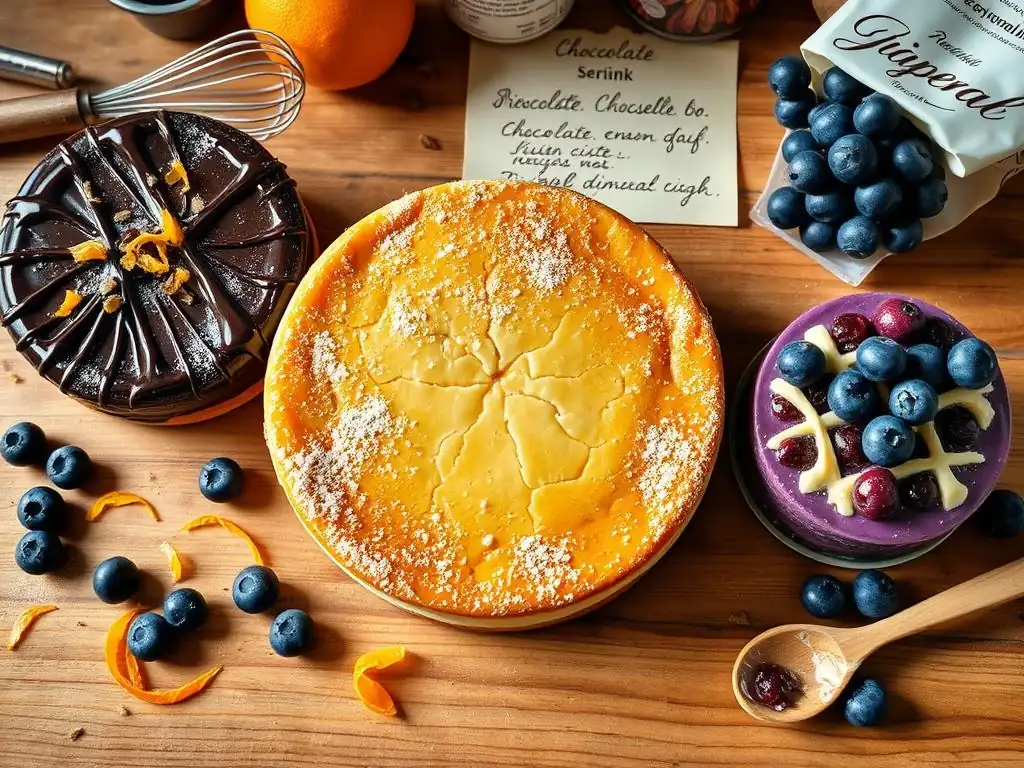
While the classic Sernik is delicious on its own, it serves as an excellent base for variations. Experimenting with additions allows you to personalize your homemade Polish cheesecake and cater to different tastes.
These variations are popular in Poland and offer delightful twists on the traditional perfect Polish cheesecake recipe home bakers know and love.
Adding Raisins or Other Dried Fruits
Adding raisins (rodzynki) is perhaps the most classic variation of Sernik. About 100-150 grams of raisins are typically soaked in hot water or rum for at least 30 minutes (or overnight) to plump them up before being drained and folded into the cheese filling. This adds bursts of sweetness and a slightly chewy texture.
Other dried fruits like dried cranberries, apricots, or candied orange peel (kandowana skórka pomarańczowa) can also be used. About 50-100 grams of finely chopped dried apricots or candied peel add a different kind of sweetness and aroma. Ensure any dried fruit is well-drained before adding to the batter to avoid excess moisture.
Incorporating Chocolate into Your Sernik
Chocolate Sernik is a popular modern variation. This can be achieved in several ways: by adding cocoa powder (2-4 tablespoons) directly to the cheese batter for a chocolate-flavored cheesecake, or by swirling melted dark chocolate (around 100-150 grams, cooled slightly) into the plain cheese batter before baking for a marbled effect.
Another method involves adding a layer of chocolate ganache or melted chocolate over the cooled Sernik. Combining chocolate with the tangy cheese creates a rich and decadent dessert that's a hit with chocolate lovers.
Exploring Different Flavor Profiles: Citrus, Vanilla, or Almond
While lemon zest and vanilla extract are standard, other flavorings can be explored. Increasing the amount of lemon zest and adding a tablespoon or two of fresh lemon juice can intensify the citrus flavor. Orange zest can also be used for a different citrus note.
Almond extract (1/2 to 1 teaspoon) can be added to complement the cheese flavor, often paired with almond slivers sprinkled on top before baking. Some recipes might incorporate a touch of rum or brandy (1-2 tablespoons) into the cheese filling or the soaked raisins for added depth.
Troubleshooting Common Sernik Baking Problems
Even with the best perfect Polish cheesecake recipe home kitchens can follow, sometimes things don't go exactly as planned. Don't worry; many common Sernik problems have simple solutions or explanations.
Understanding the potential issues and how to address them will boost your confidence and help you achieve a great result next time you bake your homemade Polish cheesecake.
My Sernik is Too Dry: What Went Wrong?
A dry Sernik is often a result of using cheese that is too dry without adding enough moisture, or overbaking. If your twaróg or farmer's cheese was very crumbly, ensure you milled it thoroughly and consider adding a few tablespoons of sour cream, heavy cream, or even a bit of milk to the batter to increase moisture content.
Overbaking is a major culprit for dryness. If the Sernik bakes for too long or at too high a temperature, the protein structure tightens excessively, squeezing out moisture. Use a lower temperature, bake only until the center is slightly wobbly, and cool slowly in the oven.
My Sernik Cracked: How to Fix It?
Cracking is usually caused by rapid temperature changes or overbaking, as mentioned earlier. The best fix is prevention: use a water bath, don't overmix, and cool slowly. If a crack does appear after baking, you can often disguise it once the cheesecake is fully cooled and chilled.
Traditional methods include dusting the top generously with powdered sugar, covering it with a layer of fruit topping (like cherry or berry compote), or spreading a thin layer of sour cream mixed with sugar over the cooled surface before chilling.
My Sernik is Not Setting: What to Do?
If your Sernik is still very liquid or excessively wobbly after the recommended baking time, it might be underbaked. This can happen if the oven temperature was too low or the baking time was insufficient for the size and depth of the cheesecake.
If it's only slightly underbaked (center still quite soft), let it cool completely and chill it overnight. Sometimes, refrigeration alone is enough to firm it up. If it's significantly underbaked, you can try putting it back in the oven at a low temperature (around 150°C / 300°F) for an additional 15-30 minutes, checking frequently, though this can sometimes lead to dryness or cracking. Ensure you used the correct amount of eggs and any thickeners like cornstarch specified in your recipe.
Serving and Enjoying Your Homemade Polish Cheesecake
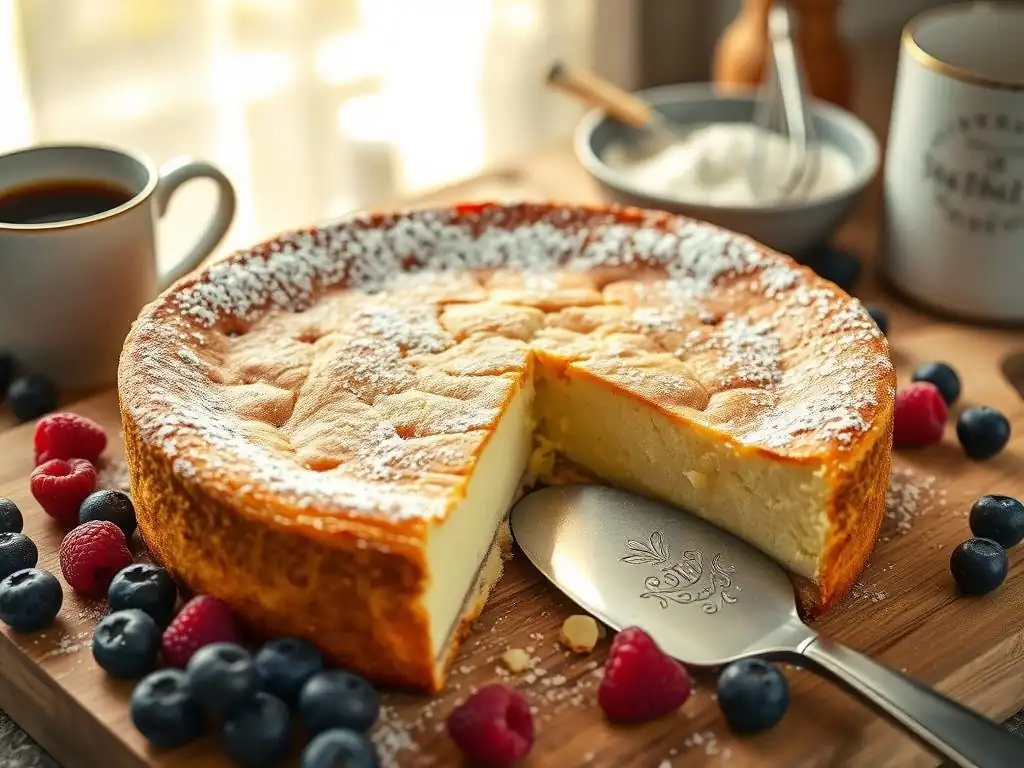
Once your perfect Polish cheesecake recipe home creation is fully cooled and chilled, it's time to enjoy the fruits of your labor! Sernik is best served cold, straight from the refrigerator.
There are many ways to serve Sernik, from simple slices dusted with sugar to more elaborate presentations with toppings and garnishes.
Traditional Sernik Toppings and Garnishes
The simplest and most traditional way to serve Sernik is plain or lightly dusted with powdered sugar. This allows the rich flavor of the cheese to shine through.
Other popular toppings include fruit compotes, especially cherry (wiśnie) or various berry compotes (like raspberry or blueberry). A drizzle of melted chocolate or a sprinkle of toasted almonds are also common additions. Sometimes, a thin layer of sweet sour cream or a simple glaze made from powdered sugar and lemon juice is spread over the top before serving.
Pairing Sernik with Drinks
Sernik pairs wonderfully with warm beverages. A cup of strong black tea is a classic Polish pairing, offering a nice contrast to the richness of the cheesecake. Coffee is also an excellent choice, whether it's a simple filter coffee or an espresso-based drink.
For a more festive pairing, consider serving Sernik with a sweet dessert wine or a traditional Polish liqueur like Wiśniówka (cherry liqueur) or Goldwasser (a Gdańsk herbal liqueur). The sweet and sometimes slightly tart flavors of these drinks complement the cheesecake beautifully.
Polish Cheesecake Recipe: Detailed Ingredient List and Instructions
Ready to bake the perfect Polish cheesecake recipe home style? Here is a detailed recipe for a classic Sernik with a shortbread crust. This recipe yields one 23-26 cm (9-10 inch) cheesecake, serving approximately 12-16 people.
This recipe aims for a balance between traditional density and creamy texture, suitable for achieving a wonderful homemade Polish cheesecake.
Recipe: Classic Polish Sernik
Yields: 1 (23-26 cm) cheesecake Prep time: 30 minutes Bake time: 60-90 minutes Chill time: 6+ hours
Ingredients:
- For the Crust:
- 250g (approx. 1 ¾ cups) All-purpose flour
- 150g (approx. ¾ cup) Cold unsalted butter, cut into small cubes
- 100g (approx. ½ cup) Granulated sugar
- Pinch of salt
- For the Filling:
- 1 kg (approx. 2.2 lbs) Twaróg (Polish farmer's cheese), quark, or dry curd cottage cheese, milled or sieved 2-3 times
- 250g (approx. 1 ¼ cups) Granulated sugar (adjust to taste)
- 8 large eggs, separated (optional, for lighter texture) or 6 large whole eggs
- 100g (approx. ½ cup) Unsalted butter, softened
- 2 tbsp Cornstarch or potato starch
- 1 tsp Vanilla extract
- Zest of 1-2 large lemons
- (Optional) 100g Raisins, soaked and drained
Instructions:
- Prepare the Crust: In a medium bowl, combine flour, sugar, and salt. Cut in the cold butter using a pastry blender or your fingertips until the mixture resembles coarse crumbs. Press the mixture evenly into the bottom of a greased and floured 23-26 cm springform pan. If desired, pre-bake at 180°C (350°F) for 10-15 minutes until lightly golden, then let cool slightly. Reduce oven temperature to 160°C (320°F).
- Prepare the Filling: If using egg separation, beat egg yolks with softened butter and sugar in a large bowl until creamy and pale. If using whole eggs, beat whole eggs with butter and sugar. Add the milled cheese, cornstarch, vanilla extract, and lemon zest. Mix until well combined and smooth, scraping down the sides. If using raisins, stir them in now.
- If you separated eggs, beat the egg whites in a separate clean bowl until stiff peaks form. Gently fold the whipped egg whites into the cheese mixture in two or three additions, being careful not to deflate them.
- Assemble and Bake: Pour the cheese filling over the prepared crust in the springform pan. Smooth the top. Prepare a water bath by wrapping the bottom of the springform pan tightly in heavy-duty foil and placing it in a larger roasting pan. Carefully pour hot water into the larger pan until it comes about halfway up the sides of the springform pan.
- Bake in the preheated oven (160°C / 320°F) for 60-90 minutes, or until the edges are set and slightly golden, and the center is mostly set but still slightly wobbly. An instant-read thermometer inserted near the center should read around 70-75°C (160-167°F).
- Cool: Turn off the oven, prop the oven door open slightly with a wooden spoon, and let the Sernik cool in the oven for 1-2 hours. This gradual cooling helps prevent cracking.
- Remove the Sernik from the oven and water bath. Let it cool completely on a wire rack at room temperature.
- Chill: Once completely cool, cover the Sernik loosely with plastic wrap or foil and refrigerate for at least 6 hours, preferably overnight, before releasing the springform pan sides and slicing.
More Eastern European Baking Recipes from BakeWithEase
Loved baking your perfect Polish cheesecake recipe home? The world of Eastern European baking is rich and full of delicious treats waiting to be explored.
From festive cakes to everyday pastries, there's a whole range of flavors and textures to discover in this diverse culinary tradition, perfect for the homemade Polish cheesecake enthusiast.
If you enjoyed making Sernik, you might also love trying your hand at other Eastern European classics. Babka is a sweet, often braided yeast cake, sometimes filled with chocolate, cinnamon, or fruit, known for its moist texture.
Piernik refers to Polish gingerbread, which can range from soft, moist cakes often filled with preserves and glazed with chocolate, to hard, decorative cookies. It's particularly popular during the Christmas season.
Makowiec is a traditional poppy seed roll, made from a sweet yeast dough wrapped around a rich, sweet poppy seed filling. It's another staple on Polish holiday tables, especially Christmas Eve. Exploring these recipes will further expand your Eastern European baking repertoire.
Frequently Asked Questions
What makes Polish Sernik different from other cheesecakes?
Polish Sernik, or cheesecake, often uses twaróg cheese, which gives it a unique, slightly tangy and drier texture compared to cheesecakes made with cream cheese. It can also include additions like raisins or candied orange peel.
Can I substitute the twaróg cheese with something else?
While twaróg is the key to authentic Sernik, you can try a combination of dry curd cottage cheese that has been thoroughly drained and ricotta cheese to mimic the texture.
What is the secret to preventing cracks in my Sernik?
Baking in a water bath is crucial to preventing cracks. Also, avoid overbaking and let the cheesecake cool slowly in the oven with the door ajar.
How long does Sernik typically last in the refrigerator?
Properly stored in an airtight container, Sernik can last for 3-5 days in the refrigerator. Make sure it's fully cooled before storing.
Can I freeze my Polish cheesecake?
Yes, Sernik freezes well! Wrap it tightly in plastic wrap and then foil for up to 2 months. Thaw it in the refrigerator overnight before serving.
Final Reflection: A Slice of Tradition, A Taste of Home
The pursuit of the perfect Polish sernik transcends mere baking; it's a journey into culinary heritage and the comforting embrace of tradition. This recipe, meticulously detailed to guide you through each step, aims to bring the joy of this beloved dessert into your own kitchen, regardless of your baking experience. The rich, creamy texture and subtly sweet flavor are a testament to the enduring appeal of this classic.
Baking a sernik is more than just following instructions; it's about connecting with generations past, honoring family recipes, and creating memories around a shared table. The process itself, from carefully measuring the ingredients to the anticipation of the first slice, is a meditative experience. As the aroma fills your home, you're not just baking a cake; you're weaving a thread into the rich tapestry of Polish culture. Food is symbolic of love when words are inadequate.
- Alan D. Wolfelt. This sentiment perfectly captures the emotional resonance of sharing a homemade sernik with loved ones.
Now, I invite you to embark on your own sernik adventure. Don't be intimidated by the seemingly complex steps; embrace the process, savor each moment, and allow the magic of baking to unfold. The reward? Not just a delicious cheesecake, but a deeper appreciation for the art of baking and the power of food to connect us across time and cultures. So, gather your ingredients, preheat your oven, and let the journey begin!
Unlock Your Inner Pastry Chef: Bake the Perfect Sernik Today!
Thanks for taking the time to explore the wonderful world of Polish Sernik with us! We hope you gained valuable insights and inspiration to create your own delicious masterpiece. Now, it's time to put those skills to the test!
- Bake your own Sernik! Use our recipe as a guide and experiment with your favorite additions – a sprinkle of extra vanilla, maybe some fresh berries? We can't wait to see your results!
- Share your Sernik journey with us and other baking enthusiasts! Post a photo of your creation on social media and use #BakeWithEaseSernik – let's build a community of Sernik lovers.
- Explore more delicious Polish recipes on our site— we have a whole treasure trove waiting for you!
Ready to transform your kitchen into a Polish bakery? What unique twist will you add to your perfect Sernik?