
Finding Your Perfect Stand Mixer: The BakeWithEase Buying Guide


Welcome to BakeWithEase! Are you ready to elevate your baking game? Embark on a delicious journey to discover the best stand mixer for beginners! Choosing the right equipment can be daunting, but fear not. This guide will demystify the options and help you find the perfect partner for your baking adventures. Let's dive in and unlock a world of effortless, mouthwatering creations!
Top Stand Mixer Features to Consider
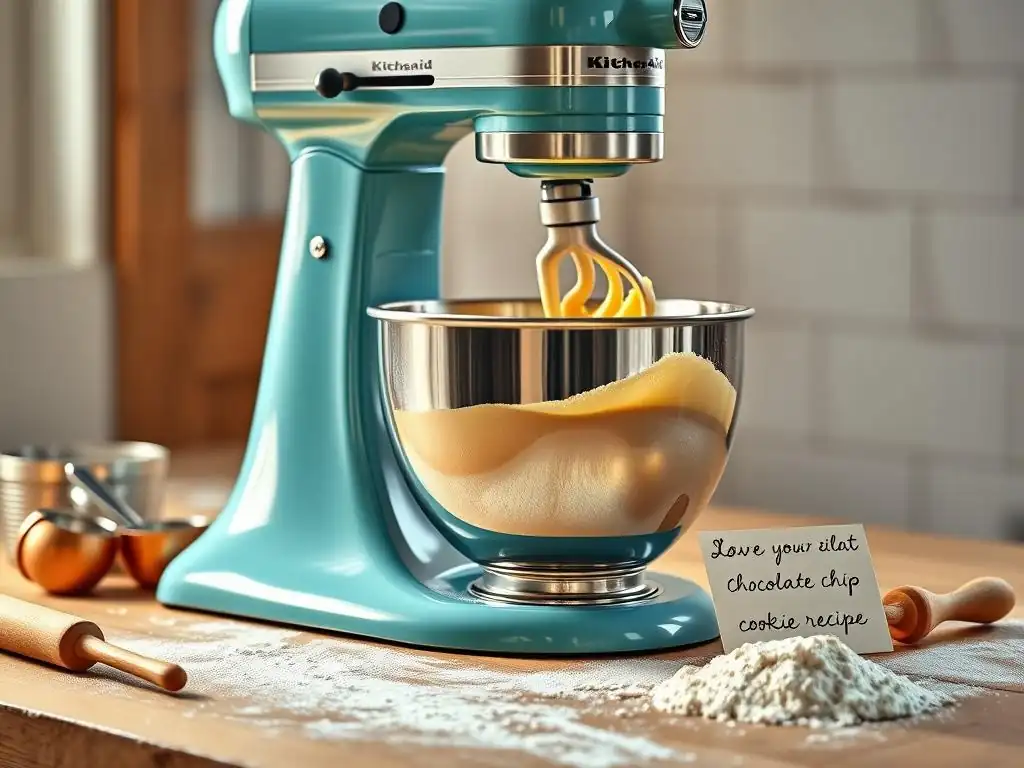
When you're looking for the best stand mixer for beginners or even upgrading your current one, understanding the key features is crucial. These aren't just technical specifications; they directly impact performance, versatility, and ease of use in your baking endeavors. Thinking about these elements will help you match the mixer to your specific needs and baking aspirations.
Choosing the right features ensures your investment pays off, making baking less of a chore and more of a joy. From the power that drives the mixing to the size of the bowl holding your ingredients, each component plays a vital role in achieving consistent, delicious results. Let's delve into the specifics that differentiate one stand mixer from another.
Power and Motor Strength: Finding the Right Balance
The motor's wattage is often cited as a measure of a stand mixer's power, typically ranging from around 250 watts for compact models up to 600 watts or more for heavy-duty machines. While higher wattage generally indicates more power, it's important to remember that motor design and gearing also significantly affect performance.
For beginners tackling standard recipes like cookie dough, cake batter, and occasional bread dough, a motor in the 275 to 325-watt range is often sufficient. Models like the KitchenAid Classic (often around 275W) or Artisan (typically 325W) fall into this category and are frequently recommended as the best stand mixer for beginners because they balance power with accessibility.
However, if you plan on regularly making stiff bread doughs, pizza doughs, or large batches, a mixer with a more robust motor, perhaps 450 watts or higher, might be a better long-term investment. These higher-powered motors handle heavier loads without straining or overheating, ensuring smooth operation even with dense mixtures. Consider your future baking ambitions; while a basic model is great for starting, a slightly more powerful one can grow with your skills.
Speed Settings and Control: Precision for Every Recipe
Having a range of speed settings on your stand mixer provides the precision needed for various baking tasks. Most quality stand mixers, including many considered the best stand mixer for beginners, offer anywhere from 3 to 12 speeds, with 10 speeds being a common standard on popular models like the KitchenAid Artisan. These speeds allow you to perform everything from gently incorporating dry ingredients to vigorously whipping egg whites.
Crucially, look for a mixer that has a very low speed setting, sometimes labeled "stir" or "fold." This speed is essential for starting the mixing process, especially when adding flour or other dry ingredients, as it prevents clouds of dust and splattering. Higher speeds are then used for creaming butter and sugar, mixing batters thoroughly, kneading dough, and whipping air into ingredients like cream or meringue. Precise control, whether through a mechanical lever or electronic dial, allows you to fine-tune the mixing process for perfect results every time.
Bowl Size and Material: Choosing the Right Capacity
The size of the mixing bowl dictates how much you can comfortably mix at once. Bowl capacities for home stand mixers typically range from 3.5 quarts in compact models up to 6 quarts or more in larger, professional-style machines. For the average home baker and those just starting out, a 4.5 or 5-quart bowl is often considered the sweet spot. This size is generally large enough to handle standard recipes, such as a batch of dough for 3-4 dozen cookies, a double-layer cake batter, or a loaf of bread.
Bowl materials are usually stainless steel or glass. Stainless steel is the most common, offering durability, lightness, and easy cleaning. Glass bowls are heavier and more fragile but have the advantage of allowing you to see the ingredients being mixed, which can be helpful, especially for beginners learning to recognize textures. Some mixers offer interchangeable bowls of different sizes or materials, adding flexibility. When choosing the best stand mixer for beginners, consider the typical batch sizes you anticipate making; a 5-quart bowl offers good versatility without being overly large.
Attachments and Accessories: Expanding Your Baking Capabilities
One of the biggest advantages of a stand mixer is its versatility, largely thanks to the array of attachments and accessories available. These tools transform your mixer from a single-purpose machine into a multi-functional kitchen workhorse. Understanding which attachments are standard and which are optional can help you assess the overall value and potential of a mixer.
While the core function is mixing, beating, and kneading, the right attachments can allow you to make pasta, grind meat, slice vegetables, and even make ice cream, significantly expanding your culinary repertoire. This adaptability is a key reason why a stand mixer is often considered a worthwhile investment for anyone serious about baking and cooking.
Standard Attachments: Dough Hook, Paddle, Whisk
Most stand mixers, including those recommended as the best stand mixer for beginners, come standard with three essential attachments: the flat beater (often called the paddle), the dough hook, and the wire whip (or whisk). Each is designed for specific tasks and is fundamental to most baking recipes. The flat beater is your go-to for creaming butter and sugar, mixing batters for cakes and cookies, making frosting, and even tasks like mashing potatoes.
The dough hook is specifically shaped to knead yeast doughs effectively, whether for bread, pizza, or pasta, saving you significant time and effort compared to hand kneading. The wire whip is used for incorporating air into ingredients, perfect for whipping egg whites into meringue, making whipped cream, or achieving light and fluffy textures in batters. Mastering the use of these three attachments will cover the vast majority of your initial baking needs.
Optional Attachments: Pasta Makers, Meat Grinders, and More
Beyond the standard trio, many stand mixer brands, particularly those with a power hub on the front like KitchenAid, offer a wide ecosystem of optional attachments that connect to the mixer's motor. These are purchased separately and can turn your stand mixer into a variety of other appliances. Examples include pasta rollers and cutters for making fresh pasta, meat grinders, vegetable slicers and shredders, citrus juicers, and even specialized tools like grain mills or spiralizers.
This range of optional accessories means that while you might initially invest in a stand mixer primarily for baking, it can grow with you as your cooking interests expand. For a beginner, these might seem like advanced additions, but knowing they are available means your stand mixer can evolve alongside your skills, making it a truly long-term kitchen companion.
Frequently Asked Questions
What should I look for in the best stand mixer for beginners?
When choosing the best stand mixer for beginners, consider features like power, capacity, and ease of use. A tilt-head design and multiple speed settings are also beneficial for new bakers.
Are there specific brands that are recommended for beginners?
Yes, brands like KitchenAid and Hamilton Beach are often recommended for beginners due to their reliability, ease of use, and variety of attachments that can grow with your baking skills.
Can I use a stand mixer for different types of baking?
Absolutely! The best stand mixers are versatile and can handle a range of tasks from mixing dough for bread to whipping cream for cakes. They can also be used for making cookies and pastries.
How do I maintain my stand mixer for longevity?
To ensure your stand mixer lasts, regularly clean it after use, avoid overloading it, and check for any loose parts. Following the manufacturer’s instructions for maintenance will also help.
Is it worth investing in a stand mixer as a beginner?
Investing in a stand mixer can be worthwhile for beginners as it significantly reduces effort in mixing and kneading. A good stand mixer can enhance your baking experience and improve your results.
Final Reflection: The Joy of Baking, One Mixer at a Time
Choosing the right stand mixer is more than just a kitchen appliance purchase; it's an investment in culinary creativity and countless delicious memories. The journey to finding your perfect baking companion, as detailed in this guide, highlights the importance of considering individual needs and baking aspirations. From budget constraints to desired functionalities, the perfect mixer is a personalized choice that unlocks a world of baking possibilities.
The impact of a good stand mixer extends far beyond the kitchen itself. It fosters a sense of accomplishment, encourages experimentation, and strengthens the bonds we share through the simple act of sharing homemade treats. The best things in life are homemade.
This sentiment rings truer than ever when you consider the joy and satisfaction derived from creating something delicious with the right tools. The ease and efficiency a good stand mixer provides allows even beginners to confidently tackle complex recipes, fostering a love for baking that can last a lifetime.
Now, it's your turn. Don't just read about the perfect stand mixer – go find yours! Consider your baking style, your budget, and the recipes you dream of creating. Embrace the process of discovery, and remember that the best stand mixer is the one that empowers you to bake with confidence, creativity, and joy. The journey to becoming a confident baker begins with a single, well-chosen appliance. What are you waiting for? Let the baking begin!
Unlock Your Baking Potential: Start Mixing!
Thanks for taking the time to explore the world of stand mixers with BakeWithEase! We hope you gained valuable insights to help you find the perfect kitchen companion. Now it's time to turn those insights into delicious reality.
- Find your dream mixer: Use our handy comparison chart (available on the main page) to revisit your top choices and make your final decision! This will allow you to finally start baking the treats you've always dreamed of!
- Share your baking journey: Tell us – what mixer did you choose and why? Share your decision and any questions on our community forum!
- Explore our recipes: Dive into our extensive recipe collection and start experimenting with your new mixer. You'll find everything from beginner-friendly cookies to advanced bread recipes to help you master every aspect of baking!
Ready to transform your kitchen into a baking haven? What's the first amazing recipe you'll tackle with your new stand mixer?