
The Best GlutenFree Flour Substitutes for Bread

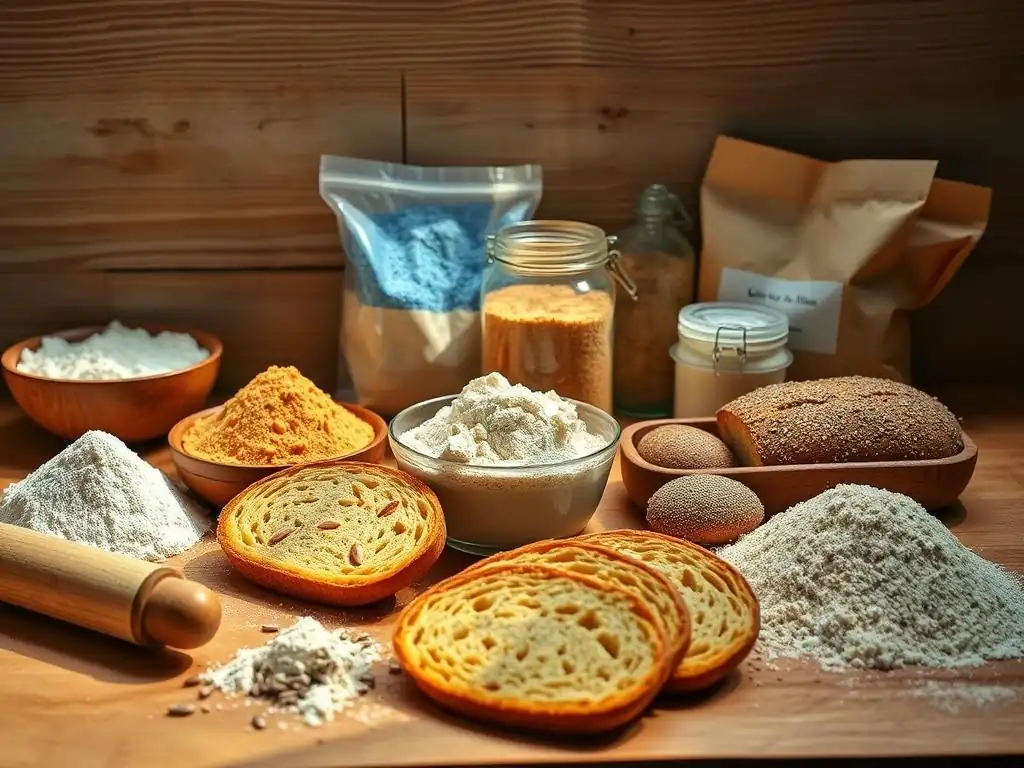
Welcome to BakeWithEase, your guide to unlocking the secrets of incredible baking! Ever wondered if truly delicious, perfectly textured gluten-free bread is actually achievable at home? It is! This article dives deep into the world of gluten-free bread flour substitutes, revealing the key ingredients and techniques that will transform your baking. Prepare to discover how to create amazing loaves without the gluten – let's get baking!
- The Best Gluten-Free Flour Substitutes for Bread: Bake Deliciously with Ease
- Introduction to Gluten-Free Bread Baking
-
Top Gluten-Free Flour Alternatives for Bread Making
- Almond Flour: A Nutty and Nutritious Option for Gluten-Free Bread
- Coconut Flour: A Sweet and Fiber-Rich Gluten-Free Choice
- Tapioca Flour (Tapioca Starch): Adding Structure and Chew
- Brown Rice Flour: A Versatile and Affordable Gluten-Free Staple
- Sorghum Flour: An Ancient Grain for Soft and Flavorful Bread
- Oat Flour (Certified Gluten-Free): A Hearty and Wholesome Option
- Buckwheat Flour: A Robust and Earthy Choice
- Blending Gluten-Free Flours for Optimal Bread Texture
- Essential Tips for Baking Gluten-Free Bread
- Troubleshooting Common Gluten-Free Bread Baking Issues
- Conclusion: Mastering Gluten-Free Bread with Flour Substitutes
- Frequently Asked Questions
- Final Reflection: The Ever-Evolving World of Gluten-Free Baking
- Unleash Your Inner Baker: Gluten-Free Bread Triumphs Await!
The Best Gluten-Free Flour Substitutes for Bread: Bake Deliciously with Ease
Introduction to Gluten-Free Bread Baking
Why Choose Gluten-Free Bread? Exploring the Benefits
Choosing gluten-free bread goes beyond simply avoiding gluten; it opens up a world of diverse flavors and textures derived from alternative grains, seeds, and nuts. For individuals with celiac disease, consuming even tiny amounts of gluten can trigger a severe autoimmune response, causing damage to the small intestine and leading to nutrient deficiencies, digestive issues, and long-term health complications. Approximately 1% of the global population is affected by celiac disease, making gluten-free eating a medical necessity for millions.
Beyond celiac disease, many people experience non-celiac gluten sensitivity, which can cause symptoms like bloating, gas, fatigue, and headaches after consuming gluten. Opting for gluten-free bread provides relief from these uncomfortable symptoms, significantly improving quality of life.
Furthermore, exploring gluten-free bread flour substitutes encourages experimentation with nutrient-rich ingredients that might not be found in traditional wheat bread. Flours like almond flour, made from ground almonds, are rich in healthy fats, vitamin E, and magnesium, offering a different nutritional profile than wheat. Buckwheat, despite its name, is a gluten-free pseudocereal packed with fiber and protein.
Incorporating these alternative flours can enhance the nutritional density of your diet, providing a broader spectrum of vitamins, minerals, and antioxidants. Many find that the unique flavors of these flours, from the nutty notes of almond to the earthy taste of buckwheat, add an exciting dimension to their baking, moving beyond the familiar taste of wheat-based loaves.
Understanding Gluten and Its Role in Traditional Bread
Gluten is a complex protein structure formed when two proteins, gliadin and glutenin, found in wheat, barley, and rye, are hydrated and kneaded. This network is crucial in traditional bread making because it provides elasticity and extensibility to the dough. As yeast ferments, it produces carbon dioxide gas, and the gluten network traps these gas bubbles, causing the dough to rise and develop its characteristic airy structure.
Without gluten, dough would not hold its shape or trap gas effectively, resulting in a dense, flat loaf. The strength and elasticity of the gluten network also contribute to the chewiness and texture that are highly valued in classic wheat breads like sourdough or baguettes.
When baking gluten-free bread, we must find gluten-free bread flour substitutes that can replicate some of these functions. Since no single gluten-free flour possesses the same properties as wheat gluten, bakers typically rely on a blend of different flours and often incorporate binders. These binders, such as xanthan gum or psyllium husk, help to mimic the cohesive and elastic properties of gluten, holding the dough together and allowing it to trap air and rise.
Understanding the role of gluten highlights the challenge and creativity involved in gluten-free baking – it requires a different approach, focusing on combining ingredients to achieve a desirable texture and structure without the natural binding power of gluten. Mastering the use of gluten-free bread flour substitutes is key to overcoming this challenge.
Top Gluten-Free Flour Alternatives for Bread Making
Almond Flour: A Nutty and Nutritious Option for Gluten-Free Bread
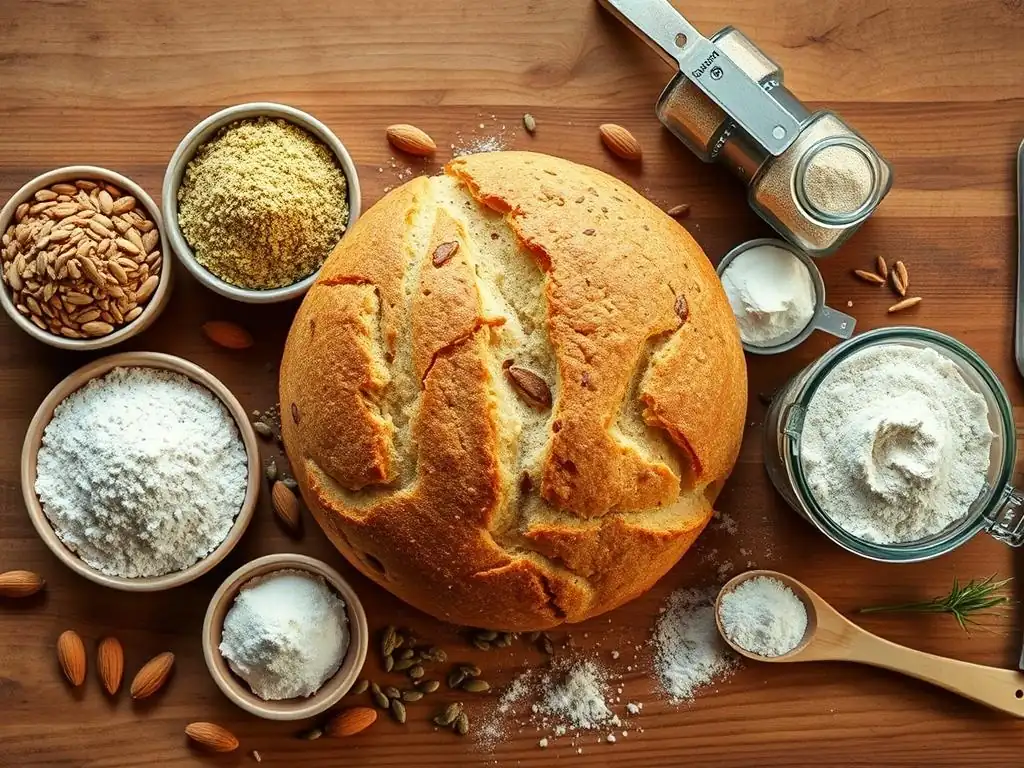
Almond flour, made from finely ground blanched almonds, is a popular gluten-free bread flour substitute known for its rich flavor and nutritional benefits. It's significantly lower in carbohydrates than wheat flour and higher in protein and healthy monounsaturated fats. A quarter cup of almond flour typically contains around 6 grams of carbohydrates, 3 grams of fiber, and about 6 grams of protein, along with a good dose of Vitamin E and magnesium.
This composition makes it an excellent choice for adding moisture and richness to gluten-free bread recipes, resulting in a tender crumb. However, its high-fat content means it can brown more quickly than other flours.
While almond flour adds wonderful flavor and nutrition, it doesn't absorb as much liquid as many other gluten-free flours, nor does it provide significant structure on its own. Breads made solely with almond flour can be quite dense and more cake-like than traditional airy loaves. It works best when combined with other gluten-free bread flour substitutes that offer more structure, such as brown rice flour or tapioca starch. Its natural sweetness pairs well with both savory and slightly sweet bread recipes, from quick breads to more complex yeast-leavened loaves where it contributes tenderness.
Baking with Almond Flour: Tips and Tricks for Success
When using almond flour as one of your gluten-free bread flour substitutes, precision is important. Ensure you're using finely ground almond flour, not almond meal (which includes the skins and is coarser), unless the recipe specifically calls for it. Measure by weight for the most consistent results, as scooping method can vary density significantly. Because of its fat content, store almond flour in the refrigerator or freezer to prevent it from going rancid.
Almond flour's tendency to brown quickly means you might need to adjust baking temperature or tent the loaf with foil partway through baking to prevent the crust from over-darkening before the inside is fully cooked. Due to its low starch content and lack of gluten, it requires a binder like xanthan gum or psyllium husk to help the dough hold together and rise. Start with recipes specifically developed for gluten-free baking that include almond flour, or experiment by substituting a portion of other flours in a blend, keeping in mind its unique moisture and fat characteristics.
Coconut Flour: A Sweet and Fiber-Rich Gluten-Free Choice
Coconut flour is a highly absorbent, low-carbohydrate, and high-fiber gluten-free bread flour substitute made from dried, defatted coconut meat. It boasts an impressive fiber content, often around 10-12 grams per quarter cup, significantly higher than most other flours. This makes it very absorbent, requiring substantially more liquid in recipes compared to wheat or other gluten-free flours. Its natural sweetness and distinct coconut flavor are noticeable, which can be a welcome addition or require careful pairing depending on the bread type.
Because of its extreme absorbency, coconut flour cannot be substituted cup-for-cup for other flours. Typically, you'll use only about 1/4 to 1/3 cup of coconut flour for every cup of wheat flour or other gluten-free flour blend in a recipe. It also requires a higher proportion of eggs or other binding agents to provide structure, as it doesn't contain gluten or starch to hold things together. While it contributes excellent fiber and a soft texture when used correctly, using too much coconut flour can result in a dry, crumbly, or dense loaf.
Mastering Coconut Flour: Hydration is Key
Working with coconut flour primarily involves managing its high absorption rate. Recipes using coconut flour as one of the gluten-free bread flour substitutes will call for significantly more liquid (water, milk, or other wet ingredients) and often more eggs than recipes using other flours. It's crucial to follow tested recipes when you're starting out, as getting the liquid ratio wrong is the most common pitfall. The dough or batter will seem very wet initially, but the coconut flour will soak up the liquid as it rests.
Allowing the dough to sit for a few minutes after mixing is often recommended to give the coconut flour time to absorb the liquid fully. This resting period helps you gauge the true consistency of the dough before proceeding. Because it lacks the elasticity of gluten, coconut flour relies heavily on binders and eggs for structure. Don't skip the xanthan gum, psyllium husk, or the number of eggs specified in a recipe using coconut flour; they are essential for preventing a crumbly texture and helping the bread hold its shape.
Tapioca Flour (Tapioca Starch): Adding Structure and Chew
Tapioca flour, also known as tapioca starch, is a fine, white powder extracted from the cassava root. Unlike many other gluten-free bread flour substitutes, it is primarily starch and contains very little protein or fiber. Its main role in gluten-free baking is to provide structure, chewiness, and elasticity that are often missing when gluten is removed. It acts as a binder and thickener, helping to hold together flour blends and prevent crumbly textures.
When used in bread recipes, tapioca flour contributes to a crispy crust and a soft, slightly chewy interior, mimicking some of the textural qualities of wheat bread. It's rarely used on its own in bread (as it would result in a gummy, dense texture) but is an essential component in many balanced gluten-free flour blends. Typically, it makes up a smaller percentage of a blend compared to base flours like rice or oat, often ranging from 10% to 30% of the total flour weight, depending on the desired outcome.
Using Tapioca Flour to Improve Texture
Incorporating tapioca flour into your gluten-free bread flour substitutes blend is a great way to improve the overall texture. It helps to bind the other flours together, preventing the bread from falling apart. Its starchy nature also contributes to better moisture retention, helping to keep the bread from drying out too quickly. For a chewier crust and interior, increasing the proportion of tapioca flour slightly within a balanced blend can be effective, but be cautious not to use too much, as it can lead to a gummy texture.
Tapioca flour works well in both yeast-leavened and quick breads. In yeast breads, it helps create a more extensible dough that is easier to handle and shape, aiding in better rise. In quick breads, it prevents sinking and provides a pleasant, slightly chewy texture. When using tapioca flour, ensure it is fresh, as stale starch can affect the final texture. Sifting it with other flours helps distribute it evenly throughout the mixture, preventing pockets of starchiness.
Brown Rice Flour: A Versatile and Affordable Gluten-Free Staple
Brown rice flour is a popular and widely available gluten-free bread flour substitute made from ground brown rice. It's considered a whole grain flour, containing the bran, germ, and endosperm of the rice kernel, which provides more fiber and nutrients compared to white rice flour. It has a slightly nutty flavor and a relatively fine texture, though it can sometimes feel a little gritty compared to very finely milled flours.
This flour serves as an excellent base for many gluten-free flour blends due to its neutral flavor (compared to coconut or almond) and its ability to provide structure. While it doesn't contain gluten, its starch content helps contribute to the loaf's body. Brown rice flour is generally more affordable than many nut or seed-based gluten-free bread flour substitutes, making it a cost-effective option for everyday baking. However, like many gluten-free flours, using 100% brown rice flour results in a dense, crumbly loaf, so it's best used in combination with other flours and binders.
Baking with Brown Rice Flour: Achieving the Right Balance
When baking with brown rice flour as part of your gluten-free bread flour substitutes, combining it with starches like tapioca or potato starch is crucial to improve texture and binding. A common ratio in blends might see brown rice flour making up 40-60% of the mix, with starches and other flours making up the rest. The slightly gritty texture can be minimized by using very finely ground flour or by allowing the dough to hydrate properly, giving the flour particles time to soften.
Brown rice flour absorbs a moderate amount of liquid, but recipes often benefit from slightly higher hydration than traditional wheat bread recipes. Ensuring adequate moisture helps prevent a dry, crumbly outcome. Because it is a whole grain, brown rice flour can contain oils that may go rancid over time, so storing it in a cool, dark place or the refrigerator is recommended to maintain freshness. It's a reliable and versatile component in many gluten-free bread recipes, providing a solid foundation for blends.
Sorghum Flour: An Ancient Grain for Soft and Flavorful Bread
Sorghum flour, milled from the ancient grain sorghum, is a nutritious gluten-free bread flour substitute gaining popularity. It has a mildly sweet flavor and a smooth texture, making it a versatile addition to gluten-free blends. Sorghum is a good source of fiber, protein, and antioxidants. Approximately a quarter cup of sorghum flour contains about 4 grams of fiber and 4 grams of protein, offering a nutritional boost compared to refined flours.
This flour contributes to a soft, tender crumb in gluten-free bread. It doesn't have the strong flavor of some other alternative flours, making it a good neutral base in blends. Sorghum flour works well in both yeast-leavened and quick bread recipes. Its fine texture helps create a smoother dough and a less crumbly finished product when combined with other gluten-free bread flour substitutes and binders.
Sorghum Flour: Adding a Unique Taste
While often described as mild, sorghum flour does impart a subtle, slightly sweet and sometimes faintly earthy flavor to bread. This unique taste is generally pleasant and can enhance the overall complexity of the loaf, particularly in rustic or slightly sweet bread recipes. To highlight its best qualities, sorghum flour is typically used as part of a blend, often comprising 20-40% of the total flour mixture.
When using sorghum flour, ensure it is fresh, as like other whole grain flours, it can develop off-flavors if stored improperly for too long. It pairs well with other gluten-free bread flour substitutes like brown rice flour, millet flour, and starches such as tapioca or potato starch. Its smooth texture helps to counteract the potential grittiness of some other gluten-free flours, contributing to a more refined crumb structure in the final bread.
Oat Flour (Certified Gluten-Free): A Hearty and Wholesome Option
Oat flour, made from grinding rolled oats, is a hearty and wholesome gluten-free bread flour substitute, provided the oats are certified gluten-free to avoid cross-contamination. Oats themselves are naturally gluten-free, but they are often processed in facilities that also handle wheat, barley, or rye. Certified gluten-free oat flour ensures purity for those with celiac disease or severe sensitivity. Oat flour is rich in soluble fiber, particularly beta-glucan, which can help with digestion and contribute to a moist, tender crumb in baked goods.
This flour imparts a slightly sweet, nutty flavor and a soft texture to bread. It absorbs a good amount of liquid and can help create a cohesive dough when used in blends. Oat flour can be relatively affordable and is easy to make at home by grinding certified gluten-free rolled oats in a blender or food processor until a fine flour consistency is achieved. However, it lacks the structure needed for a standalone bread flour and is best used as part of a blend with other gluten-free bread flour substitutes.
Baking with Oat Flour: Considerations for Recipes
When incorporating certified gluten-free oat flour into your bread recipes, it's important to remember its high fiber content and absorption qualities. It can make dough stickier than blends without it, so proper hydration levels are key. It works well in both yeast and quick bread recipes, contributing moisture and a pleasant chewiness. Oat flour blends often benefit from the addition of binders like psyllium husk, which works synergistically with the soluble fiber in oats to create a more stable structure.
If grinding your own oat flour, ensure it is very finely ground for the best texture in bread; coarser flour can result in a heavier loaf. Because of its fiber content, breads made with a significant proportion of oat flour can be quite filling. It pairs well with flours like brown rice flour, sorghum flour, and starches. Its subtle sweetness makes it particularly suitable for slightly sweet or rustic-style gluten-free bread.
Buckwheat Flour: A Robust and Earthy Choice
Buckwheat flour, despite its name, is not related to wheat and is a gluten-free bread flour substitute made from the seeds of the buckwheat plant. It is considered a pseudocereal and is known for its strong, earthy, and slightly bitter flavor. It's a good source of fiber, protein, and various minerals. Buckwheat flour contains approximately 3-4 grams of fiber and 5-6 grams of protein per quarter cup, along with significant amounts of manganese and magnesium.
This flour adds a distinct, robust flavor and a darker color to bread. It doesn't provide much structure on its own and can result in a dense, crumbly texture if used in large quantities. Therefore, buckwheat flour is best used as a complementary flour in gluten-free blends, adding flavor and nutritional value rather than serving as the primary base. It pairs well with milder flours like brown rice or oat flour, which help to balance its strong taste.
Buckwheat Flour: Adding Depth of Flavor
Using buckwheat flour as one of your gluten-free bread flour substitutes is about adding complexity and depth to the flavor profile of your bread. Its earthy notes are particularly well-suited for rustic loaves, savory breads, or those incorporating herbs and seeds. It's typically used in smaller proportions within a blend, often making up 10-25% of the total flour weight, depending on how pronounced you want the buckwheat flavor to be.
Due to its lack of gluten and relatively low starch content compared to rice or tapioca, buckwheat flour relies heavily on other flours and binders for structure. Combining it with starches like potato or tapioca and using a binder like xanthan gum or psyllium husk is essential for achieving a bread-like texture. Store buckwheat flour in a cool, dark place or the refrigerator to prevent its natural oils from becoming rancid, which can affect its flavor.
Blending Gluten-Free Flours for Optimal Bread Texture
The Importance of Flour Blends
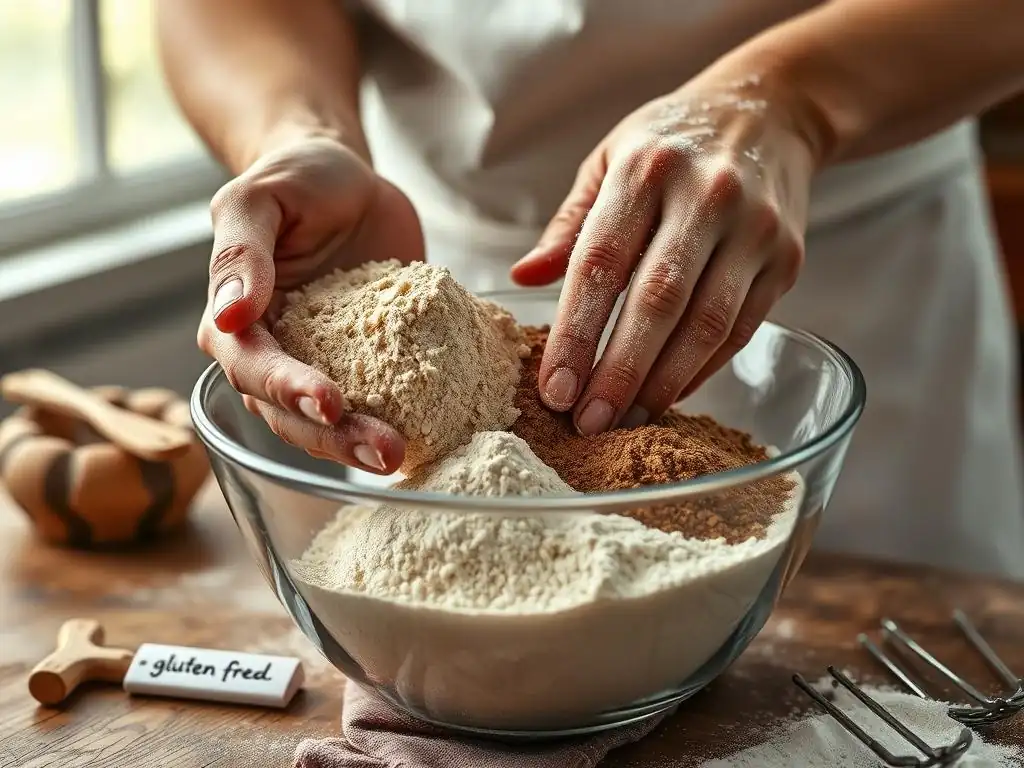
Successfully baking gluten-free bread often hinges on using a carefully formulated blend of gluten-free bread flour substitutes rather than relying on a single flour. Each gluten-free flour has unique properties: some provide structure (like brown rice), some add binding and chewiness (like tapioca), some contribute moisture and richness (like almond or coconut), and others offer flavor and nutrition (like sorghum or buckwheat). A single flour cannot replicate the complex role of wheat gluten.
Blending allows you to combine the strengths of different flours to achieve a balance of texture, structure, flavor, and nutritional value similar to traditional bread. A well-designed blend typically includes a base flour (like rice, sorghum, or oat), a starch (like tapioca or potato), and sometimes a protein/fiber flour (like almond, coconut, or buckwheat) along with a binder.
The ratios can vary depending on the desired outcome – a lighter bread might use more starch, while a heartier loaf might incorporate more whole-grain flours. Experimentation with different gluten-free bread flour substitutes and their proportions is key to finding your favorite blend.
Sample Gluten-Free Flour Blend Recipes
Creating your own gluten-free bread flour substitutes blend allows customization. Here are a couple of sample recipes to get you started. These are measured by volume, but using a kitchen scale for weight measurements (grams) will provide more consistent results.
All-Purpose Gluten-Free Bread Blend
This blend is versatile and works well for many standard gluten-free yeast bread recipes.
- 1 ½ cups (approx. 240g) Brown Rice Flour
- ½ cup (approx. 80g) White Rice Flour (optional, for lighter texture)
- ½ cup (approx. 80g) Sorghum Flour
- ½ cup (approx. 60g) Tapioca Starch (Tapioca Flour)
- ¼ cup (approx. 30g) Potato Starch (not potato flour)
Combine all ingredients thoroughly. Store in an airtight container in a cool, dark place or the refrigerator. Use this blend cup-for-cup in recipes calling for a gluten-free all-purpose flour blend for bread. Remember you'll likely still need a binder like xanthan gum or psyllium husk in your bread recipe itself.
Hearty Gluten-Free Bread Blend
This blend incorporates more whole grains for a nuttier flavor and denser crumb, suitable for rustic loaves.
- 1 cup (approx. 160g) Brown Rice Flour
- 1 cup (approx. 120g) Certified Gluten-Free Oat Flour
- ½ cup (approx. 80g) Buckwheat Flour
- ¼ cup (approx. 30g) Almond Flour
- ¼ cup (approx. 30g) Tapioca Starch (Tapioca Flour)
- 2 tablespoons (approx. 15g) Psyllium Husk Powder (optional, can add to blend or recipe)
Whisk all flours and starch together. If including psyllium husk powder in the blend, mix it in now. Store in an airtight container. This blend will result in a darker, more flavorful loaf. Adjust hydration in your recipe as needed, as whole-grain flours and psyllium husk absorb more liquid.
Essential Tips for Baking Gluten-Free Bread
Hydration: The Key to Moist Bread
Gluten-free bread dough typically requires significantly more hydration than traditional wheat dough. Without gluten to absorb and hold moisture, gluten-free flours can result in a dry, crumbly loaf if not adequately hydrated. Many gluten-free bread recipes call for a dough consistency that resembles a thick batter or very wet dough rather than a firm, kneadable ball. For instance, a standard wheat bread recipe might use a hydration level (water as a percentage of flour weight) of 60-65%, whereas a gluten-free recipe might require 80-100% or even higher, depending on the gluten-free bread flour substitutes used.
Proper hydration allows the starches in the gluten-free flours to gelatinize during baking, contributing to a softer crumb and better structure. It also helps the binding agents work effectively to create a cohesive network. If your dough seems too stiff or dry, gradually add more liquid (water, milk, or other recipe liquid) a tablespoon at a time until you reach a consistency that is sticky and wet but still holds some shape. Don't be afraid of wet dough; it's often the secret to moist, tender gluten-free bread.
Binding Agents: Using Xanthan Gum or Psyllium Husk
Since gluten-free bread flour substitutes lack the natural elasticity and binding power of gluten, binding agents are essential for providing structure, preventing crumbling, and helping the bread rise. The two most common binders are xanthan gum and psyllium husk (or psyllium husk powder). Xanthan gum is a polysaccharide produced by fermentation, while psyllium husk is a soluble fiber derived from the seeds of the Plantago ovata plant.
Both binders absorb liquid and create a gel-like substance that helps to hold the dough together and trap the gases produced by yeast or leavening agents. As a general guideline when a recipe doesn't specify amounts for a blend, you might use about 1 teaspoon of xanthan gum or 1 to 1.5 tablespoons of psyllium husk powder (or 2-3 tablespoons of whole psyllium husks) per cup of gluten-free flour blend.
Psyllium husk tends to absorb more liquid than xanthan gum and can give the bread a slightly chewier texture and darker color, particularly if using the whole husks. Choose one or the other, as using both can lead to a gummy texture.
Proofing Gluten-Free Dough: Techniques
Proofing gluten-free bread dough differs from proofing wheat dough because there is no gluten network to develop. The goal of proofing gluten-free dough is primarily to allow the yeast to produce gas, which is then trapped by the binding agents and starches. Gluten-free dough often doesn't double in size like wheat dough; it might only increase by 50-75%. Over-proofing is a common issue that can lead to a poor rise or collapse during baking.
Proofing times are typically shorter than for wheat bread, often ranging from 30 to 60 minutes, depending on the recipe, ambient temperature, and the amount of yeast used. A warm, draft-free environment is still beneficial. Some bakers find success with a single proofing period after the dough is mixed and shaped, while others prefer a shorter initial rise followed by a final proof in the pan. Pay attention to visual cues rather than just time – the dough should look puffy and slightly increased in volume, but not airy or fragile.
Baking Temperatures and Times: Adjusting
Baking gluten-free bread often requires adjustments to temperature and time compared to traditional wheat bread. Many recipes recommend starting with a higher initial temperature (e.g., 400-425°F or 200-220°C) for the first 15-20 minutes to help the loaf set and achieve a good oven spring, then reducing the temperature (e.g., 375°F or 190°C) for the remainder of the baking time. This helps create a good crust while ensuring the interior cooks through without drying out.
Total baking time will vary depending on the size and shape of the loaf, typically ranging from 30 to 60 minutes for a standard loaf. Gluten-free bread is done when the crust is golden brown and the internal temperature reaches approximately 200-210°F (93-99°C). Using a digital thermometer is the most reliable way to check for doneness. Allowing the bread to cool completely on a wire rack is crucial before slicing; slicing too early can result in a gummy texture as the internal structure isn't fully set.
Troubleshooting Common Gluten-Free Bread Baking Issues
Dense or Gummy Bread: Causes and Solutions
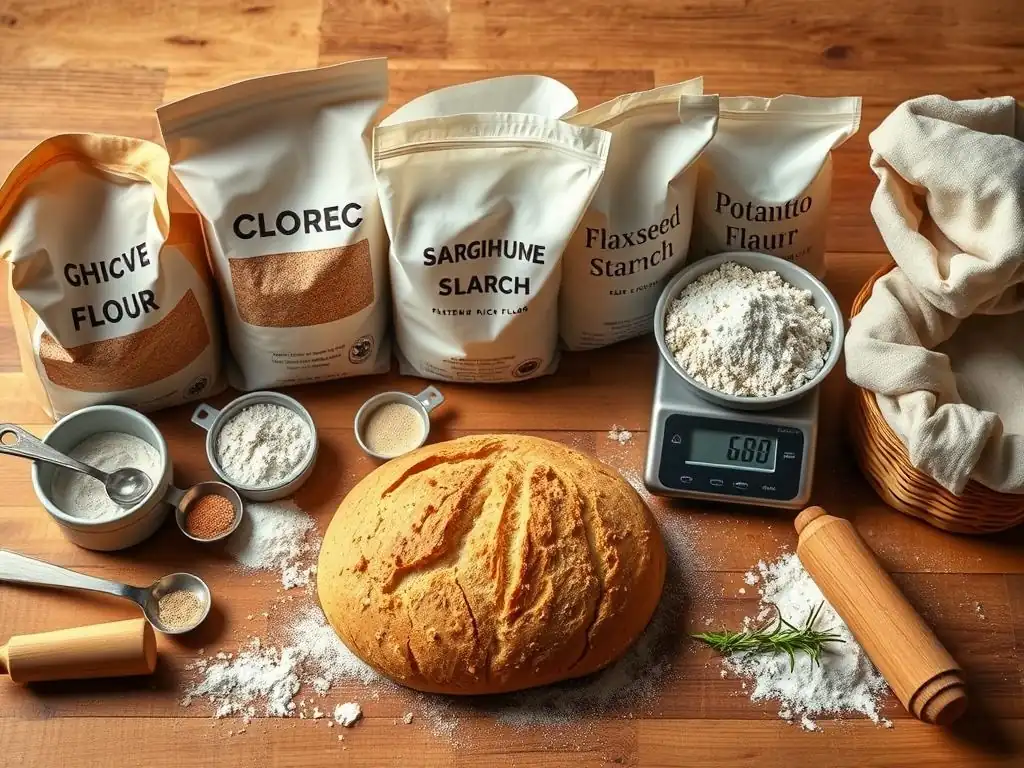
One of the most frustrating outcomes when using gluten-free bread flour substitutes is a dense or gummy loaf. This often occurs when the balance of ingredients is off, particularly the ratio of flours, starches, and binders, or due to improper hydration. Using too much heavy, non-starchy flour (like almond or coconut) without enough starch or binder can lead to density. Conversely, using too much starch can result in a gummy texture. Insufficient leavening (yeast or baking powder/soda) or under-proofing/over-proofing can also contribute to a poor, dense structure.
To fix this, review your recipe and ensure you are using the correct proportions of your gluten-free bread flour substitutes blend and binder. If using a homemade blend, ensure it has a good balance of base flour, starch, and possibly a protein/fiber flour. Check your leavening agent's freshness. Ensure the dough is adequately hydrated – gluten-free dough should be quite wet.
Avoid overmixing, which can negatively impact the structure when using binders like xanthan gum. If the bread is gummy, it could be due to too much starch, not enough baking time, or slicing before it has fully cooled. Always cool gluten-free bread completely!
Dry and Crumbly Bread: Preventing and Fixing
Dry and crumbly gluten-free bread is another common issue, often the opposite problem of dense or gummy bread. This is typically caused by insufficient hydration, too much flour (especially absorbent ones like coconut flour used incorrectly), not enough binder, or over-baking. Gluten-free flours absorb moisture differently than wheat, and without sufficient liquid and a good binder, the structure won't hold together, leading to crumbling.
To prevent dry and crumbly bread, ensure your dough is wet enough – it should be more like a thick batter than a traditional kneadable dough. Double-check the amount of binder (xanthan gum or psyllium husk) in your recipe or blend; it is crucial for holding the crumb together. When using highly absorbent gluten-free bread flour substitutes like coconut flour, be precise with measurements and ensure adequate liquid is added. Avoid over-baking by using a thermometer to check for doneness (target 200-210°F or 93-99°C internal temperature). Storing finished gluten-free bread properly (in an airtight container) also helps maintain moisture.
Flat Bread: Achieving Rise
A flat loaf indicates that the dough did not rise properly. This can be due to several factors: inactive yeast, insufficient leavening agent (yeast, baking powder, or soda), too little sugar (which feeds yeast), cold ingredients or proofing environment, over-proofing, or a poor flour blend lacking sufficient starch or binder to trap gas. If using yeast, check its expiry date and proof it in warm water with a pinch of sugar first to ensure it's active; it should become foamy within 5-10 minutes.
Ensure your liquid is the correct temperature for activating yeast (typically 105-115°F or 40-46°C). Provide a warm, draft-free place for proofing; around 75-85°F (24-30°C) is ideal. Be careful not to over-proof, as this can cause the structure to collapse. Ensure your gluten-free bread flour substitutes blend includes sufficient starch and you are using the correct amount of binder (xanthan gum or psyllium husk) to help trap the gases produced by the leavening. Sometimes, using a pan with higher sides can help support the dough during baking and encourage a better rise.
Conclusion: Mastering Gluten-Free Bread with Flour Substitutes
Baking delicious gluten-free bread is an achievable and rewarding endeavor, requiring a slight shift in technique and a good understanding of the unique properties of various gluten-free bread flour substitutes. By moving beyond single flours and embracing the art of blending, you can create loaves with wonderful textures, flavors, and nutritional profiles. Whether you choose nutty almond flour, fiber-rich coconut flour, versatile brown rice flour, or ancient grains like sorghum and buckwheat, each alternative brings something special to the table.
Remember the key principles: adequate hydration is crucial for moistness, binding agents like xanthan gum or psyllium husk are essential for structure, and careful attention to proofing and baking times will ensure a successful loaf. Don't be discouraged by initial attempts; like any baking skill, mastering gluten-free bread takes practice and experimentation. With the wide array of gluten-free bread flour substitutes available today, you have the tools to bake a variety of delicious and satisfying breads right in your own kitchen, making gluten-free living easier and more enjoyable. Happy baking!
Frequently Asked Questions
What are some common gluten-free bread flour substitutes?
Common substitutes include almond flour, coconut flour, and rice flour. Each offers unique textures and flavors, making them suitable for different types of gluten-free bread.
How can I improve the texture of gluten-free bread?
To enhance the texture of gluten-free bread, consider adding xanthan gum or guar gum. These ingredients help mimic the elasticity of gluten, resulting in a better crumb structure.
Can I use all-purpose gluten-free flour for bread baking?
Yes, all-purpose gluten-free flour can be used for bread baking. However, it's often best to combine it with other flours to achieve the desired flavor and texture.
What is the role of binding agents in gluten-free bread?
Binding agents like eggs, flaxseed meal, or chia seeds are essential in gluten-free baking. They help hold the ingredients together and improve the bread's overall structure.
Are there any tips for baking gluten-free bread?
For successful gluten-free bread, ensure you measure your ingredients accurately and allow for proper rising time. Also, consider using a bread machine for consistent results.
Final Reflection: The Ever-Evolving World of Gluten-Free Baking
The quest for the perfect gluten-free loaf is far from over, but the journey, as detailed in this article, reveals a landscape of exciting possibilities. Understanding the nuances of different gluten-free flour blends and their unique properties is crucial for anyone seeking to recreate the texture and taste of traditional bread without gluten. This isn't just a niche interest; it's a vital resource for millions navigating dietary restrictions and seeking delicious, healthy alternatives.
The impact of gluten-free baking extends far beyond simply providing alternatives for those with celiac disease or gluten sensitivity. It represents a growing movement towards inclusivity and mindful eating, pushing culinary innovation and challenging preconceived notions about what constitutes "good" bread. The best bread is the bread that brings joy to the baker and the eater.
This simple truth underscores the importance of experimentation and finding the flour blend that best suits individual preferences and baking styles. The ongoing exploration of gluten-free baking reflects a broader cultural shift towards healthier and more personalized diets.
So, what's next for you? Don't be afraid to experiment! This article serves as a starting point, a guide to navigate the world of gluten-free flour substitutes. Try out different combinations, adjust ratios based on your preferred texture, and most importantly, enjoy the process of creating something delicious and satisfying. The perfect gluten-free loaf awaits – all it takes is a little exploration and a passion for baking.
Unleash Your Inner Baker: Gluten-Free Bread Triumphs Await!
Thanks for joining us on this gluten-free baking adventure! You've now unlocked the secrets to creating delicious and satisfying bread without gluten. Ready to put your new knowledge to the test?
- Bake your first gluten-free loaf: Choose your favorite flour blend from the article and get baking! The results will be incredibly rewarding.
- Share your baking journey: Post a picture of your creation on social media and tag us – we'd love to see your gluten-free masterpiece!
- Explore more gluten-free recipes: Head over to our recipe section for even more delicious ideas – you might be surprised at what you discover!
What unique gluten-free bread creation will you bake first? Let us know in the comments below!