
Your Guide to DairyFree Milk & Butter in Vegan Bread

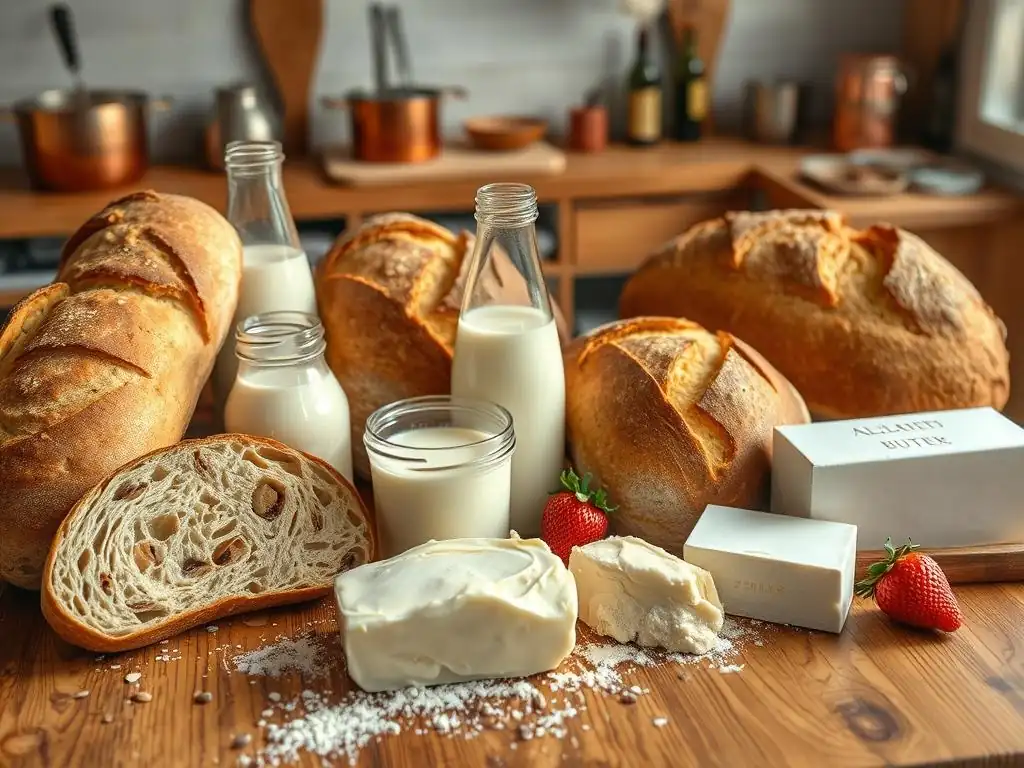
Welcome to BakeWithEase, your kitchen companion for unlocking baking brilliance! Ever wondered how to achieve the perfect loaf without dairy? You're in the right place. Dive into our comprehensive guide to dairy-free vegan bread recipes and discover the secrets to creating delicious, plant-based breads that are surprisingly simple. Ready to bake something amazing? Let's get started!
- Understanding Dairy-Free Vegan Bread Recipes
- Dairy-Free Milk Options for Bread Baking
- Dairy-Free Butter Alternatives for Vegan Bread Baking
- Dairy-Free Vegan Bread Recipes: Step-by-Step Guide
- Tips and Tricks for Successful Dairy-Free Vegan Bread Baking
- Troubleshooting Common Dairy-Free Vegan Bread Baking Issues
- Storing Your Dairy-Free Vegan Bread
- Conclusion: Mastering Dairy-Free Vegan Bread Baking
-
Frequently Asked Questions
- What are the most common dairy-free milk alternatives used in vegan bread recipes?
- Can I substitute dairy-free butter for regular butter in any bread recipe without adjustments?
- What impact does using dairy-free milk have on the rise of vegan bread compared to bread made with dairy milk?
- Are there specific brands of dairy-free butter recommended for achieving the best results in vegan bread baking?
- What are some essential tips for ensuring my dairy-free vegan bread isn't dry or crumbly?
- Final Reflection: The Delicious Revolution of Dairy-Free Baking
- Unleash Your Inner Vegan Baker!
Understanding Dairy-Free Vegan Bread Recipes
What Makes Bread Vegan? The Role of Dairy
Traditionally, many bread recipes rely on dairy products like milk or butter to achieve specific textures, flavors, and richness. Milk, for instance, is often used instead of water because its proteins and fats contribute to a softer crumb and a richer taste. Lactose, the sugar in milk, also aids in crust browning during baking, resulting in that desirable golden-brown finish.
Butter, another common ingredient, provides tenderness, moisture, and a distinct flavor profile. Its fat content helps to shorten gluten strands, leading to a more tender crumb, and its low water content can contribute to a crispier crust in some recipes. Understanding these roles is the first step in successfully adapting or creating dairy-free vegan bread recipes.
The presence of these animal-derived ingredients means that a bread containing them is not suitable for a vegan diet. For individuals following a vegan lifestyle, or those with dairy allergies or lactose intolerance, these traditional bread recipes are off-limits. This is where the world of dairy-free vegan bread recipes opens up, offering a wealth of alternatives that can mimic or even improve upon the characteristics provided by dairy.
The challenge and the art lie in substituting these ingredients effectively while maintaining the desired structure, flavor, and texture of the bread. Baking without dairy requires a thoughtful approach to ingredient selection and technique.
The Importance of Dairy-Free Alternatives in Vegan Baking
The rise in popularity of veganism, coupled with increasing awareness of dairy allergies and lactose intolerance, has made dairy-free baking not just a niche but a significant part of the culinary landscape. For bread bakers, this means exploring and understanding a range of plant-based ingredients that can replace milk and butter. The goal is to create delicious, satisfying bread that meets dietary needs without compromising on quality.
Effective dairy-free alternatives allow bakers to achieve results comparable to, or even surpassing, traditional bread, opening up the world of baking to a wider audience. Crafting excellent dairy-free vegan bread recipes is now more accessible than ever thanks to a growing market of plant-based products.
Beyond simply replacing ingredients, using dairy-free alternatives can sometimes introduce new, desirable qualities to bread. For example, certain plant milks can add subtle background flavors, while different plant-based fats can impact crumb structure and crust development in unique ways. The exploration of these alternatives allows for innovation in bread baking, leading to exciting new textures and tastes.
Mastering the use of these alternatives is crucial for anyone looking to bake a variety of dairy-free vegan bread recipes, from simple loaves to enriched brioche-style breads. It's about finding the right balance and understanding how each alternative behaves during the fermentation and baking process.
Dairy-Free Milk Options for Bread Baking
Soy Milk: A Baking Staple for Vegan Bread
Soy milk is often considered a workhorse in vegan baking due to its relatively high protein and fat content compared to some other plant milks. This composition makes it an excellent substitute for dairy milk in many recipes, including those for bread. The protein helps contribute to the structure of the bread crumb, while the fat adds richness and helps tenderize the dough.
Unsweetened varieties are generally preferred for savory bread to avoid unwanted sweetness, while lightly sweetened versions can work well in enriched or sweet dairy-free vegan bread recipes. Its neutral flavor profile also means it typically doesn't overpower the other ingredients in the bread.
When using soy milk in dairy-free vegan bread recipes, you can usually substitute it in a 1:1 ratio for dairy milk. Its performance in yeast activation is comparable to dairy milk, providing the sugars necessary for the yeast to feed on and produce carbon dioxide, which makes the bread rise.
For instance, a standard loaf recipe calling for 1 cup of milk can typically use 1 cup of unsweetened soy milk with reliable results. Experimentation with different brands might be necessary, as the thickness and composition can vary slightly, but soy milk is a consistently reliable option for achieving a good rise and a tender crumb in many dairy-free vegan bread recipes.
Using Soy Milk for Flavor and Texture in Bread
Soy milk contributes to a soft and moist crumb in bread, similar to the effect of dairy milk. The proteins in soy milk interact with the gluten network, helping to create a fine, even texture. The fat content also plays a role in this, preventing the bread from becoming dry or crumbly.
While unsweetened soy milk has a mild flavor, some individuals can detect a slight "beany" undertone, which is usually masked by other ingredients in the bread, especially in savory loaves with herbs or spices. For enriched breads, the richness provided by soy milk helps create that desirable tender texture.
For enriched dairy-free vegan bread recipes, like challah or brioche adaptations, the higher protein and fat in soy milk are particularly beneficial. They help create a dough that is pliable and elastic, capable of incorporating fats and sugars without becoming tough.
For example, in a vegan brioche recipe, using full-fat soy milk can help achieve a rich, soft crumb that closely resembles its dairy counterpart. The lactose in dairy milk contributes to crust browning, and while soy milk doesn't contain lactose, its sugars and protein can still aid in achieving a pleasant golden crust, especially when combined with brushing the loaf with a glaze before baking.
Almond Milk: Adding a Subtle Nutty Flavor
Almond milk is a popular dairy-free alternative, known for its light texture and subtle nutty flavor. It is made from ground almonds and water, and often fortified with vitamins and minerals. While it is thinner and typically lower in protein and fat than soy milk, it can still be successfully used in many dairy-free vegan bread recipes, particularly those where a lighter texture is desired or where the nutty flavor complements other ingredients. Unsweetened varieties are best for most bread applications to avoid adding unwanted sweetness.
When substituting almond milk for dairy milk in bread recipes, you might need to make slight adjustments due to its lower fat and protein content. In some cases, using a slightly thicker variety or reducing the overall liquid volume by a small amount might be beneficial, especially in recipes sensitive to hydration levels. For instance, in a lean dough recipe where milk is primarily for hydration and some flavor, almond milk can be a straightforward substitute.
However, for enriched doughs where the fat and protein of dairy milk contribute significantly to richness and texture, almond milk might not provide the same level of tenderness without additional fat from another source. Its subtle flavor can be a lovely addition to certain breads, like those with whole grains or nuts.
Considerations for Using Almond Milk in Bread Recipes
The primary consideration when using almond milk in dairy-free vegan bread recipes is its relatively low fat and protein content compared to dairy or soy milk. This can sometimes result in a slightly less rich crumb or a less pronounced browning of the crust.
To counteract this, you might consider adding a bit more vegan butter or oil to the dough, or using a glaze like maple syrup or agave nectar mixed with a little plant milk before baking to promote browning. For example, if a recipe calls for 1 cup of milk and 2 tablespoons of butter, you might use 1 cup of almond milk and 3 tablespoons of vegan butter to compensate for the lower fat.
Despite these considerations, almond milk is an excellent choice for breads where a very light and airy texture is desired, or where its delicate nutty note is a welcome addition. It works well in recipes for quick breads and some yeasted loaves where the structure is less reliant on the milk's protein content. It is also a great option for individuals with soy allergies. When using almond milk, pay attention to the dough's consistency during kneading; it might require a bit more flour or less liquid initially compared to using a richer milk.
Oat Milk: The Creamy Choice for Dairy-Free Bread
Oat milk has gained immense popularity due to its creamy texture and slightly sweet, mild flavor. Made from oats and water, it often contains beta-glucans, a type of soluble fiber that can contribute to a pleasant texture. Its creaminess comes from the natural fats and starches in oats. This rich mouthfeel makes it an excellent contender for replacing dairy milk in many baking applications, including dairy-free vegan bread recipes. Barista blends, which are often formulated to be creamier and froth better, can be particularly effective in baking.
The creamy texture of oat milk translates well into a tender and moist bread crumb. The natural sugars in oat milk can also contribute to better crust browning compared to unsweetened almond or rice milk. Its mild flavor generally blends well with other ingredients without introducing unwanted tastes. For example, in a simple white bread recipe, swapping dairy milk for oat milk can result in a loaf with a wonderfully soft interior and a nicely browned crust. Just like soy milk, it can typically be substituted in a 1:1 ratio for dairy milk in most recipes.
Achieving a Soft Crust with Oat Milk
Oat milk is particularly effective at helping to achieve a soft crust in dairy-free vegan bread recipes. The fats and sugars present in oat milk contribute to moisture retention in the dough, which prevents the crust from becoming excessively hard or brittle during baking. The natural sugars also caramelize during baking, aiding in the Maillard reaction, which produces that desirable golden-brown color and complex flavors in the crust. While it might not brown as intensely as dairy milk due to the absence of lactose, it performs better than some thinner plant milks.
To enhance the soft crust effect when using oat milk, consider incorporating a small amount of fat into the dough, such as vegan butter or oil, if the recipe doesn't already call for it. Additionally, brushing the top of the loaf with a little melted vegan butter or a mixture of oat milk and a sweetener before baking can further promote a soft, golden crust. The key is that the richness and sugar content of oat milk provide a good starting point for achieving that sought-after tender crust in your dairy-free vegan bread recipes.
Rice Milk: A Light Option for Specific Bread Types
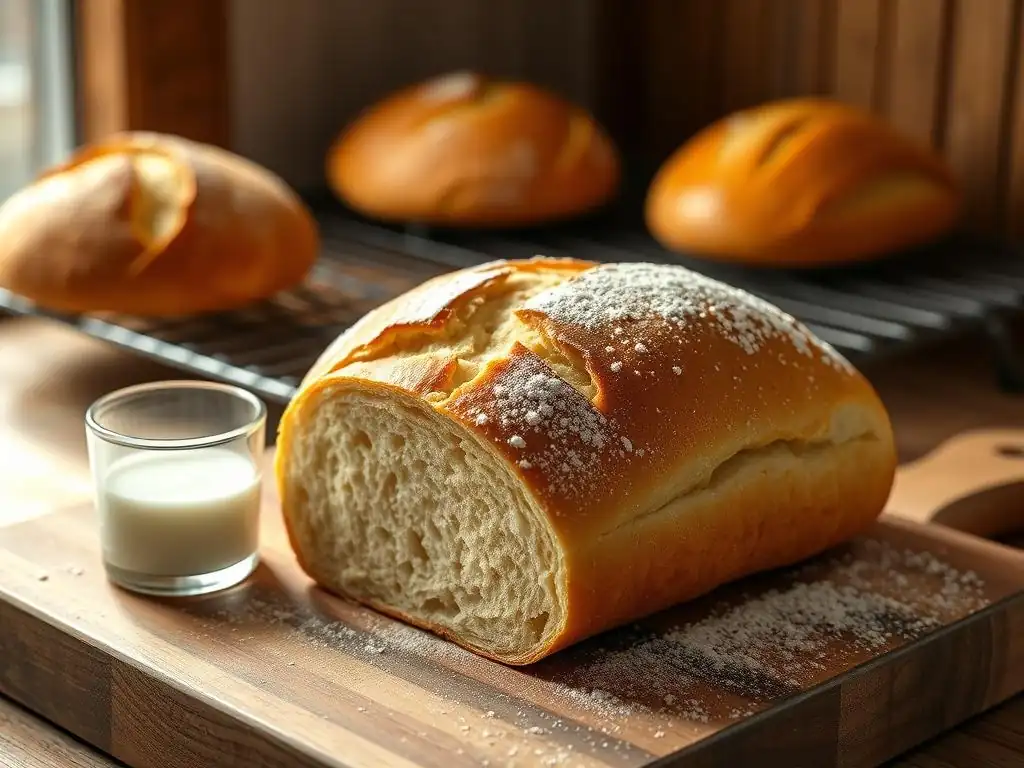
Rice milk, made from boiled rice, brown rice syrup, and water, is one of the most hypoallergenic plant milk options, making it suitable for individuals with allergies to nuts, soy, and dairy. It is typically thinner and lower in protein and fat compared to other plant milks. Its flavor is very mild and slightly sweet. While it can be used in dairy-free vegan bread recipes, its characteristics mean it's best suited for specific applications where a lighter texture is desired or where other ingredients provide the necessary structure and richness.
Due to its low protein and fat content, rice milk provides less structure and richness to bread compared to soy or oat milk. This can result in a slightly less tender crumb and less effective browning. When using rice milk, it is often necessary to supplement with other ingredients to achieve the desired texture and rise.
For instance, increasing the amount of fat (like vegan butter or oil) in the recipe can help compensate for the lack of fat in the milk. It's generally substituted 1:1 for dairy milk, but you might find the dough feels wetter or requires slightly more flour.
When to Use Rice Milk in Vegan Bread
Rice milk is best used in dairy-free vegan bread recipes where a very light, almost airy texture is the goal, or in recipes that already incorporate significant amounts of fat or other structure-building ingredients. It can work well in quick breads, muffins, or very lean yeasted doughs where the primary role of the liquid is hydration. For example, a simple focaccia or a rustic baguette recipe might successfully use rice milk without compromising the desired outcome, as these breads often rely on hydration levels and strong gluten development rather than milk richness for their structure and texture.
It's also a good option when you want the flavor of the grains or other additions in the bread to be the star, as rice milk's neutral taste won't compete. However, for enriched breads like brioche or challah, or for sandwich loaves where a soft, substantial crumb is desired, rice milk might not be the ideal choice unless significant adjustments are made to the fat and potentially the protein content (e.g., adding vital wheat gluten).
Its main advantage lies in its hypoallergenic nature and its very light texture, making it a suitable choice for specific types of dairy-free vegan bread recipes catering to particular dietary needs.
Other Dairy-Free Milk Alternatives: Coconut, Cashew, and More
Beyond the most common options, several other plant-based milks can be used in dairy-free vegan bread recipes, each offering unique characteristics. Coconut milk, particularly the carton variety (not canned, which is too thick for most doughs unless diluted), offers a richer texture and a distinct coconut flavor that can be desirable in certain sweet or tropical-inspired breads. It has a higher fat content than many other plant milks, contributing to a tender crumb.
Cashew milk, similar to almond milk, has a creamy texture and a mild, slightly nutty flavor. It can be used in a similar fashion to almond milk, often providing a slightly creamier result.
Other options include hemp milk, which has an earthy flavor and a moderate fat content, and macadamia milk, which is rich and buttery but can be more expensive. Each of these milks will impact the final flavor and texture of the bread differently.
When experimenting with these alternatives in dairy-free vegan bread recipes, it's crucial to consider the fat and protein content and how their unique flavors will complement the other ingredients. For instance, coconut milk would be excellent in a sweet bread with tropical fruits, while cashew milk might work well in a rustic loaf with nuts and seeds.
Exploring Unique Flavors and Textures with Alternative Milks
Using alternative plant milks like coconut or cashew milk allows for greater creativity in dairy-free vegan bread recipes. Coconut milk's richness can replicate some of the qualities of dairy milk in enriched doughs, providing a tender crumb and a pleasant aroma. However, its distinct flavor might not be suitable for all types of bread. Cashew milk, being creamier than almond milk, can contribute to a slightly richer crumb and a smoother dough. Its subtle nutty flavor is less pronounced than almond or soy milk.
Experimenting with these milks requires a willingness to test and adjust. For example, if using carton coconut milk in a recipe calling for soy milk, you might find the dough slightly richer and potentially needing a touch less liquid depending on the brand's consistency. Using cashew milk might yield a slightly creamier dough than almond milk.
The key is to understand the basic composition of each milk (fat, protein, sugar content) and how it might interact with flour, yeast, and other ingredients in your specific dairy-free vegan bread recipes. Don't be afraid to try a small batch first to see how the milk performs.
Dairy-Free Butter Alternatives for Vegan Bread Baking
Vegan Butter Sticks: Mimicking Traditional Butter
Vegan butter sticks are specifically formulated to behave like dairy butter in baking. They are typically made from a blend of vegetable oils (like palm, soybean, canola, or coconut oil), water, salt, and emulsifiers. Their composition is designed to provide the right fat content and structure to perform well in creaming, melting, and incorporating into doughs, much like dairy butter. This makes them one of the most straightforward substitutes for butter in dairy-free vegan bread recipes, especially for enriched breads where creaming butter and sugar is a key step or where cold butter is cut into the flour.
Using vegan butter sticks in bread dough contributes richness, tenderness, and flavor. Just like dairy butter, the fat coats the flour particles, inhibiting excessive gluten development and resulting in a softer crumb. It also adds moisture and helps create a more flavorful crust. When a recipe calls for softened or melted butter, vegan butter sticks can usually be substituted in a 1:1 ratio. For recipes requiring cold butter to be cut into flour (like some biscuit or scone-like breads), ensure the vegan butter is very cold and firm.
Choosing the Right Vegan Butter for Optimal Results
The quality and composition of vegan butter sticks can vary significantly between brands, which can impact the outcome of your dairy-free vegan bread recipes. Some brands have a higher water content, which can affect the hydration of your dough. Others might have different blends of oils that perform better or worse depending on whether you are creaming, melting, or incorporating cold butter. Look for vegan butter sticks labeled specifically for baking, as these are generally formulated to have a fat-to-water ratio closer to dairy butter (around 80% fat).
For optimal results in dairy-free vegan bread recipes, especially for enriched doughs, choose a high-quality vegan butter stick that is firm when cold and softens predictably. Brands that use a blend of oils, including some harder fats like coconut or palm oil (ethically sourced, if possible), tend to perform better in creating flaky layers or contributing to a rich, tender crumb.
Experimenting with a couple of different brands might be necessary to find the one that works best with your preferred dairy-free vegan bread recipes. Pay attention to salt content as well, and adjust any added salt in the recipe accordingly if using salted vegan butter.
Coconut Oil: A Versatile Dairy-Free Option
Coconut oil is a popular and versatile dairy-free fat that can be used in various forms in vegan baking. Refined coconut oil has a neutral flavor, making it suitable for most dairy-free vegan bread recipes, while unrefined or virgin coconut oil retains a distinct coconut aroma and flavor, which can be lovely in sweet breads or those where a tropical note is desired. Coconut oil is solid at room temperature (below 76°F or 24°C) and melts when heated, similar to butter, allowing it to be used in both solid and melted forms.
As a substitute for butter in bread, coconut oil adds richness and moisture. When used in its solid form and creamed with sugar (in sweet breads), it helps incorporate air, contributing to leavening. When melted and added to dough, it coats the gluten strands, leading to a tender crumb. For example, replacing melted butter with melted coconut oil in a quick bread recipe will yield a moist and tender loaf. In yeasted doughs, adding softened or melted coconut oil contributes to the dough's pliability and the final bread's softness.
Baking with Coconut Oil: Tips and Tricks
When substituting coconut oil for butter in dairy-free vegan bread recipes, a 1:1 ratio is often a good starting point, but adjustments might be needed. Since coconut oil is 100% fat (unlike butter which contains some water and milk solids), it can sometimes make baked goods slightly more greasy or crumbly if used in excessive amounts, especially in recipes where the water content of butter is important for structure. For instance, if a recipe calls for creaming butter and sugar, using solid coconut oil at the same temperature as softened butter is crucial for achieving the right aeration.
For yeasted doughs, melted coconut oil is often incorporated after the initial mixing. Be careful that the melted oil is not too hot, as it could harm the yeast. Aim for a temperature that is warm to the touch, not hot.
In lean doughs where only a small amount of fat is used, coconut oil can provide a pleasant tenderness. For enriched doughs, combining coconut oil with a vegan butter stick might offer a better balance of richness, flavor, and texture compared to using coconut oil alone. Remember that unrefined coconut oil will impart a noticeable coconut flavor, so choose based on the desired outcome of your dairy-free vegan bread recipes.
Olive Oil: Adding Flavor and Moisture
Olive oil, particularly extra virgin olive oil, is a staple in many traditional bread recipes, especially those from Mediterranean regions. It is a liquid fat at room temperature and contributes a distinct flavor profile to bread, ranging from mild and fruity to peppery and robust depending on the type of oil. Unlike solid fats, olive oil doesn't contribute to aeration through creaming, but it excels at adding moisture, tenderness, and flavor to bread dough. It's an excellent choice for rustic loaves, focaccia, and ciabatta.
Using olive oil in dairy-free vegan bread recipes helps to tenderize the crumb by coating the gluten network. It also contributes to a moist interior and can aid in creating a crispy crust, particularly when brushed on the surface before baking. The amount of olive oil used can vary significantly; some recipes call for just a tablespoon or two for tenderness, while others, like focaccia, use generous amounts incorporated into the dough and drizzled on top, resulting in a rich, moist, and flavorful bread.
Using Olive Oil for Rustic Vegan Bread
Olive oil is ideally suited for dairy-free vegan bread recipes aiming for a rustic texture and flavor. Its liquid form makes it easy to incorporate into wet doughs, common in many artisan-style breads. For example, in a no-knead bread recipe, adding a few tablespoons of olive oil can improve the crumb structure and add a lovely flavor dimension.
In focaccia, olive oil is essential for achieving the characteristic chewy interior and crispy, golden exterior. A typical focaccia dough might include 1/4 to 1/2 cup of olive oil per loaf, with more drizzled on top before the final proof and baking.
When substituting olive oil for solid fats like butter or vegan butter in dairy-free vegan bread recipes, remember that it's a liquid. You cannot cream it, and it won't contribute to flakiness in the same way cold, solid fat does. It's best used in recipes where the fat is added in liquid form or where a more dense, moist crumb is desired rather than a light, airy one achieved through creaming.
The flavor of the olive oil will be noticeable, so choose a quality oil whose flavor you enjoy. It pairs particularly well with herbs like rosemary and sea salt in savory dairy-free vegan bread recipes.
Other Dairy-Free Fat Options: Avocado Oil, Vegan Shortening
Beyond the most common alternatives, other dairy-free fats can be explored for dairy-free vegan bread recipes. Avocado oil is a mild-flavored oil with a high smoke point, making it versatile. It can be used similarly to olive oil in terms of adding moisture and tenderness, without imparting a strong flavor. Vegan shortening, often made from hydrogenated vegetable oils, is solid at room temperature and has a high melting point. It is excellent for creating tender, crumbly textures, particularly in quick breads or biscuits.
Vegan shortening is particularly effective in recipes where the fat needs to be cut into the flour to create layers or a tender crumb, such as in vegan biscuits or some types of rolls. Its structure helps create pockets of fat that melt during baking, resulting in flakiness. However, it typically lacks the flavor of butter or olive oil. Avocado oil, on the other hand, is a good neutral liquid fat option for adding moisture and richness without altering the primary flavors of the bread.
Experimenting with Different Fats for Unique Bread Profiles
Exploring different dairy-free fats allows bakers to fine-tune the texture and flavor of their dairy-free vegan bread recipes. Using vegan shortening can yield incredibly tender biscuits or a more delicate crumb in enriched breads. For instance, replacing half the vegan butter with vegan shortening in a vegan dinner roll recipe might result in an even softer texture. Avocado oil can be a neutral substitute for other liquid oils, providing moisture without adding a specific taste.
The choice of fat significantly impacts the final result. A rustic loaf made with olive oil will have a different character than an enriched loaf made with vegan butter or shortening. Sweet breads might benefit from the richness of vegan butter or coconut oil, while savory loaves might shine with the addition of olive oil. Experimentation is key to discovering how different fats behave in your specific dairy-free vegan bread recipes and which ones best achieve your desired texture and flavor profile. Consider the melting point, flavor, and fatty acid composition when selecting a fat for your recipe.
Dairy-Free Vegan Bread Recipes: Step-by-Step Guide
Basic Dairy-Free Vegan Bread Recipe
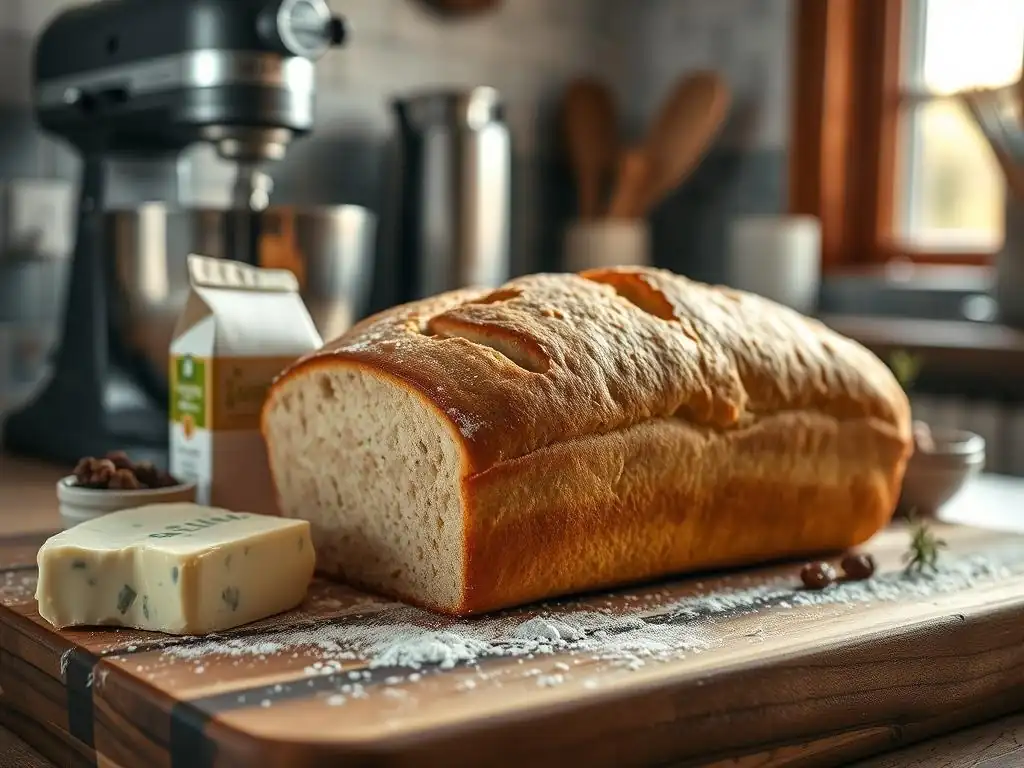
A simple dairy-free vegan bread recipe provides a foundation for understanding how plant-based ingredients work in a standard loaf. This type of recipe typically involves flour, yeast, water or plant milk, a small amount of sweetener (for yeast), salt, and a dairy-free fat. The process usually includes mixing, kneading, proofing, shaping, a second proof, and baking. Mastering a basic recipe allows you to confidently move on to more complex dairy-free vegan bread recipes.
This basic recipe focuses on achieving a good rise and a pleasant texture using dairy-free substitutes. It demonstrates how plant milk activates yeast and how vegan fat contributes to tenderness. While variations exist, the core principles of yeast bread making – developing gluten, allowing for sufficient fermentation, and baking at the correct temperature – remain constant. This recipe serves as a perfect starting point for beginners looking to bake their first dairy-free vegan bread.
Ingredients for Dairy-Free Vegan Bread
For a standard loaf of dairy-free vegan bread, you will typically need the following ingredients:
- 3 cups (approximately 360-400g) All-Purpose Flour or Bread Flour (Bread flour provides more gluten for chewiness)
- 1 packet (2.25 teaspoons or 7g) Active Dry Yeast or Instant Yeast
- 1 teaspoon Salt
- 1 tablespoon Sugar or other sweetener (Maple syrup or agave nectar work too)
- 1 to 1.25 cups (240-300ml) Warm Dairy-Free Milk (Soy, oat, or almond milk are good choices, warmed to 105-115°F or 40-46°C for Active Dry Yeast; temperature less critical for Instant Yeast)
- 2 tablespoons Melted Vegan Butter or Olive Oil (Adds tenderness and flavor)
These ingredients are readily available and form the basis of many dairy-free vegan bread recipes. Using warm plant milk is crucial for activating active dry yeast, ensuring a good rise. The sugar provides food for the yeast, while salt controls the yeast activity and enhances flavor. The small amount of fat improves the dough's handling and the bread's final texture.
Instructions for Baking Dairy-Free Vegan Bread
Here's a basic process for baking dairy-free vegan bread:
- Activate the Yeast (if using Active Dry): In a large bowl, combine the warm dairy-free milk and sugar. Sprinkle the yeast over the top. Let stand for 5-10 minutes until foamy. If using Instant Yeast, you can skip this step and add it directly to the dry ingredients.
- Combine Ingredients: Add the salt, melted vegan butter or olive oil, and about half of the flour to the yeast mixture (or liquid mixture if using Instant Yeast). Stir until well combined.
- Add Remaining Flour: Gradually add the remaining flour, mixing until a shaggy dough forms.
- Knead: Turn the dough out onto a lightly floured surface and knead for 8-10 minutes (or 5-7 minutes if using a stand mixer with a dough hook) until the dough is smooth and elastic. It should spring back slowly when poked.
- First Proof: Place the dough in a lightly oiled bowl, turning to coat. Cover with a clean kitchen towel or plastic wrap and let rise in a warm place for 1-1.5 hours, or until doubled in size.
- Shape: Punch down the dough to release air. Turn it out onto a lightly floured surface and shape it into a loaf.
- Second Proof: Place the shaped loaf in a greased loaf pan (a standard 9x5 inch pan works well). Cover and let rise for another 30-45 minutes, or until nearly doubled and the dough crests just above the rim of the pan.
- Preheat Oven: Preheat your oven to 375°F (190°C) while the bread is doing its second proof.
- Bake: Bake for 30-40 minutes, or until the crust is golden brown and the internal temperature reaches 200-210°F (93-99°C) when measured with an instant-read thermometer.
- Cool: Remove the bread from the pan immediately after baking and let it cool completely on a wire rack before slicing. Slicing warm bread can result in a gummy texture.
Following these steps carefully will help you achieve a successful loaf from this basic dairy-free vegan bread recipe. The total active time is relatively short, but allowing sufficient time for the dough to rise is crucial for a light and airy texture.
Dairy-Free Vegan Sweet Bread Recipe
Dairy-free vegan sweet bread recipes, such as those for cinnamon rolls, brioche-style loaves, or fruit breads, are often enriched with more sugar, fat, and sometimes eggs in their traditional forms. Adapting these recipes to be dairy-free and vegan requires careful substitution of milk, butter, and eggs. Plant milks like soy or oat milk provide richness, while vegan butter or coconut oil replaces dairy butter. Egg substitutes like applesauce, mashed banana, flax egg (ground flaxseed mixed with water), or commercial egg replacers are used for binding, moisture, and richness.
These types of dairy-free vegan bread recipes result in a softer, often richer crumb compared to lean bread. The higher sugar and fat content contributes to tenderness and moisture. While they require more ingredients and steps than a basic loaf, the result is a delicious treat perfect for breakfast, dessert, or a snack. Mastering these recipes demonstrates the versatility of dairy-free vegan baking.
Ingredients for Dairy-Free Vegan Sweet Bread
A typical dairy-free vegan sweet bread recipe, like a cinnamon swirl loaf, might include:
- 3.5 to 4 cups (approximately 420-480g) All-Purpose Flour or Bread Flour
- 2.25 teaspoons (7g) Instant Yeast
- 1/4 cup (50g) Sugar
- 1/2 teaspoon Salt
- 1 cup (240ml) Warm Dairy-Free Milk (Soy or oat milk work well)
- 1/4 cup (60ml) Melted Vegan Butter or Coconut Oil
- 1 Flax Egg (1 tablespoon ground flaxseed + 3 tablespoons water, mixed and let sit for 5 minutes) or other egg replacer equivalent to 1 egg
Filling (for cinnamon swirl):
- 1/2 cup (100g) Brown Sugar
- 2 teaspoons Ground Cinnamon
- 2 tablespoons Melted Vegan Butter
These ingredients provide the necessary structure, richness, and flavor for a sweet, tender loaf. The higher sugar and fat content distinguishes it from a basic bread recipe. The flax egg helps bind the dough and adds a little richness, mimicking some of the functions of a hen's egg in traditional recipes.
Baking a Delicious Dairy-Free Vegan Sweet Bread
Baking dairy-free vegan sweet bread follows a similar process to basic bread but often involves incorporating the extra sugar and fat early in the mixing process and potentially adding fillings or toppings.
- Combine Dry Ingredients: In a large bowl, whisk together the flour, yeast, sugar, and salt.
- Add Wet Ingredients: Add the warm dairy-free milk, melted vegan butter or coconut oil, and flax egg (or other egg replacer) to the dry ingredients. Mix until a shaggy dough forms.
- Knead: Knead the dough for 8-10 minutes until smooth and elastic. The dough will be softer than a lean dough due to the higher fat and sugar content.
- First Proof: Place the dough in a lightly oiled bowl, cover, and let rise in a warm place for 1-1.5 hours, or until doubled.
- Prepare Filling (if applicable): While the dough is rising, mix the brown sugar, cinnamon, and melted vegan butter for the filling.
- Shape and Fill: Punch down the dough. Roll it out into a rectangle (e.g., 14x10 inches). Spread the filling evenly over the dough, leaving a small border. Roll the dough up tightly from the long side.
- Second Proof: Place the rolled dough seam-side down in a greased loaf pan. Cover and let rise for 45-60 minutes, or until nearly doubled.
- Bake: Preheat oven to 350°F (175°C). Bake for 35-45 minutes, or until golden brown and the internal temperature is around 190-200°F (88-93°C). The lower temperature helps prevent the higher sugar content from burning.
- Cool: Let the bread cool in the pan for 10-15 minutes before transferring to a wire rack to cool completely. Add glaze or icing if desired once cool.
Baking sweet dairy-free vegan bread recipes requires attention to the sugar content and baking temperature to ensure a golden crust without burning. The result is a moist, tender, and flavorful loaf perfect for enjoying on its own or with a cup of coffee or tea.
Tips and Tricks for Successful Dairy-Free Vegan Bread Baking
Hydration is Key: Adjusting Liquid Levels
Hydration refers to the ratio of water (or other liquid) to flour in bread dough. It's a critical factor influencing the dough's consistency and the final bread's texture. Different types of flour absorb liquid differently, and the type of dairy-free milk used (e.g., thin almond milk vs. creamy oat milk) can also affect the overall hydration. A dough that is too dry will result in dense, heavy bread, while a dough that is too wet can be difficult to handle and may not hold its shape well, although it can sometimes lead to a more open crumb structure.
When working with dairy-free vegan bread recipes, especially when substituting different plant milks, you may need to adjust the liquid slightly. Start with the amount specified in the recipe but be prepared to add a little more liquid if the dough feels too stiff, or a little more flour if it's too sticky. The ideal dough consistency should be slightly tacky but not sticking excessively to your hands or the work surface after kneading.
Factors like humidity and the specific brand of flour and plant milk can all influence the required hydration. Don't be afraid to trust your feel for the dough.
Gluten Development in Vegan Bread
Gluten, formed when proteins in flour (glutenin and gliadin) combine with water and are worked (kneaded), provides the structure and elasticity necessary for bread to rise and hold its shape. Proper gluten development is just as important in dairy-free vegan bread recipes as in traditional ones. Kneading strengthens the gluten network, allowing it to trap the carbon dioxide produced by the yeast, which causes the dough to expand during proofing and baking.
The presence of fat from vegan butter or oil can affect gluten development by coating the flour particles, which can slightly inhibit the formation of gluten strands. This is why enriched doughs are often softer and less chewy than lean doughs. However, sufficient kneading is still necessary to develop enough gluten to support the rise.
The type of flour also matters; bread flour has a higher protein content than all-purpose flour, leading to stronger gluten development and a chewier bread. Ensuring adequate kneading time (8-10 minutes by hand, 5-7 minutes by machine) is crucial for achieving a good crumb structure in your dairy-free vegan bread recipes.
Achieving the Perfect Crust and Texture
Achieving the perfect crust and texture in dairy-free vegan bread recipes involves several factors, including hydration, gluten development, proofing, and baking technique. A well-developed gluten network and proper hydration contribute to a good crumb structure. Sufficient proofing allows the bread to achieve optimal volume before baking. The baking environment plays a significant role in crust development.
For a crispy crust, baking in a hot oven with steam is often recommended. The steam keeps the surface of the dough moist initially, allowing the bread to expand fully before the crust sets. Once the steam dissipates, the dry heat allows the crust to brown and crisp up.
This can be achieved by baking on a preheated baking stone or steel and adding water to a hot pan in the bottom of the oven. For a softer crust, baking at a slightly lower temperature or for a shorter time, and potentially brushing the loaf with melted vegan butter or plant milk before baking, can help. The fat and sugars in some plant milks (like oat or soy) also contribute to browning and a softer crust compared to water or thin plant milks.
Troubleshooting Common Dairy-Free Vegan Bread Baking Issues
Dense Bread: Causes and Solutions
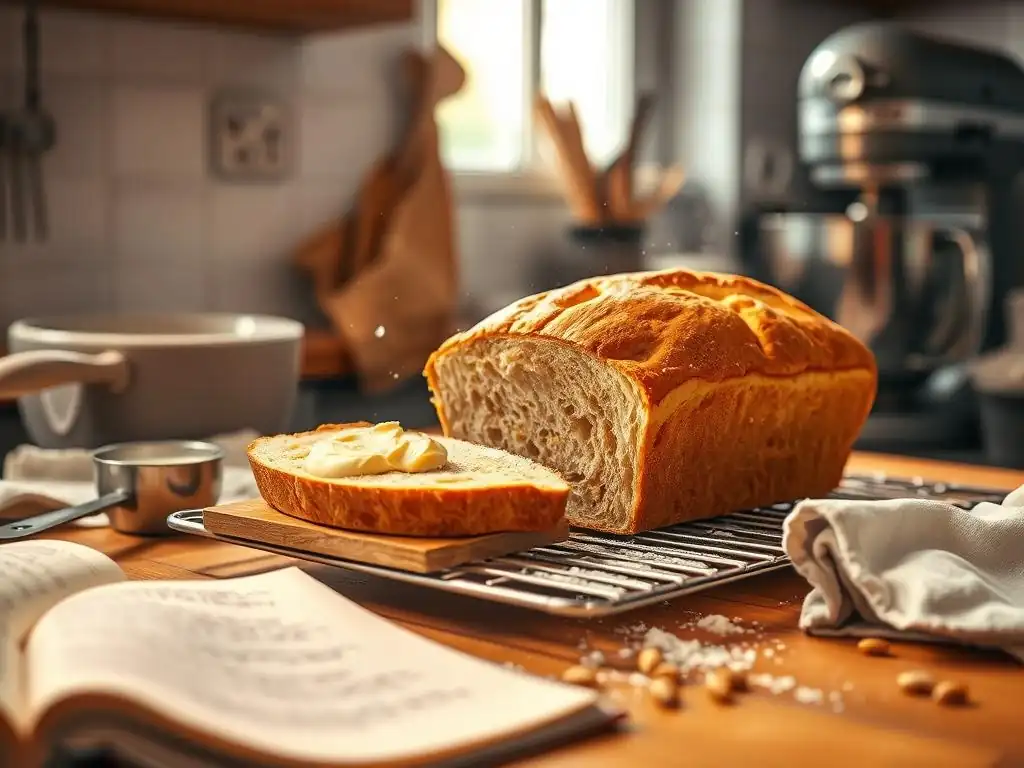
Dense bread is a common issue in baking, and it can occur in dairy-free vegan bread recipes for several reasons. The most frequent culprits include insufficient kneading, which leads to poor gluten development; inactive or dead yeast, preventing the dough from rising properly; or insufficient proofing time, meaning the dough didn't have enough time to expand before baking. Using too much flour, resulting in a dry dough with insufficient hydration, can also inhibit a light texture.
To address dense bread, ensure your yeast is active by testing it in warm liquid with sugar before adding flour (if using active dry yeast). Knead the dough thoroughly until it is smooth and elastic; the dough should pass the "windowpane test" (you should be able to stretch a small piece thinly enough to see light through it without tearing).
Pay close attention to the dough's consistency and adjust liquid or flour as needed to achieve a slightly tacky, pliable dough. Finally, allow the dough to proof in a warm environment free from drafts until it has visibly increased in volume, roughly doubling in size, before shaping and baking.
Dry Bread: Preventing and Correcting
Dry bread lacks moisture and can be crumbly or unpleasant to eat. In dairy-free vegan bread recipes, this can be caused by using too much flour, not enough liquid (plant milk or water), insufficient fat (vegan butter or oil), or overbaking. Lean doughs, which contain little to no added fat or sugar, are more prone to dryness than enriched doughs.
To prevent dry bread, ensure accurate measurement of ingredients, particularly flour and liquid. Use the specified amount of plant milk or water, and don't be tempted to add excessive flour during kneading; a slightly sticky dough is often better than a dry one. Incorporating the recommended amount of vegan butter or oil is also key, as fat contributes significantly to moisture and tenderness.
Avoid overbaking by checking the bread's internal temperature (200-210°F or 93-99°C) rather than solely relying on visual cues. If you find a finished loaf is slightly dry, you can try refreshing slices by lightly misting them with water and toasting them, or using the bread for recipes like bread pudding or French toast where it will absorb liquid.
Flat Bread: How to Achieve a Good Rise
Flat bread indicates a failure to achieve sufficient volume during proofing and baking. The main reasons for this in dairy-free vegan bread recipes are similar to those for dense bread: inactive yeast, insufficient proofing, or poor gluten development. However, it can also be caused by over-proofing, where the dough rises too much and then collapses, or by improper shaping, which doesn't create enough surface tension to support the rise.
To achieve a good rise, start by confirming your yeast is viable. Ensure the liquid temperature is correct for activating yeast. Knead the dough adequately to develop a strong gluten network capable of trapping gases.
Proof the dough in a warm, draft-free place, monitoring its progress; it should double in size but still feel resilient, not fragile, when gently poked (the indentation should spring back slowly). When shaping, create tension on the surface of the loaf; for a boule, tuck the edges underneath to form a smooth top; for a batard or loaf pan, create a tight cylinder. Finally, ensure your oven is preheated to the correct temperature, as a hot oven provides the initial burst of heat ("oven spring") that helps the bread achieve its final volume.
Storing Your Dairy-Free Vegan Bread
Best Practices for Keeping Bread Fresh
Proper storage is essential for maintaining the quality and freshness of your homemade dairy-free vegan bread. Unlike commercial breads that often contain preservatives, homemade bread has a shorter shelf life. The goal of storage is to protect the bread from drying out or becoming moldy. Once the bread has cooled completely on a wire rack (cooling is crucial; storing warm bread creates condensation, leading to a soggy crust and potential mold), it should be stored at room temperature.
The best method for short-term storage (1-3 days) is often a bread box or a paper bag. A bread box provides a controlled environment, allowing some air circulation while preventing the bread from drying out too quickly. A paper bag also allows the crust to remain relatively crisp while protecting the interior. Avoid storing bread in the refrigerator, as this can actually cause it to stale faster due to a process called retrogradation of starches. For longer storage, freezing is the best option.
Freezing Dairy-Free Vegan Bread
Freezing is an excellent way to preserve the quality of dairy-free vegan bread for longer periods, typically up to 3-6 months. To freeze, ensure the bread is completely cool. You can freeze a whole loaf, half a loaf, or individual slices. Freezing slices is particularly convenient for having fresh bread on demand. Wrap the bread tightly in plastic wrap, then in a layer of aluminum foil or place it in a freezer-safe bag. Removing as much air as possible helps prevent freezer burn.
To thaw a whole or half loaf, remove it from the freezer wrapping and let it thaw at room temperature on a wire rack. This can take several hours. For individual slices, you can often pop them directly into a toaster or under a broiler from frozen.
Thawing bread in the refrigerator is not recommended as it can lead to staling. For best results, reheat thawed whole or half loaves in a preheated oven (around 350°F or 175°C) for 10-15 minutes to refresh the crust and warm the interior. Freezing allows you to enjoy your delicious homemade dairy-free vegan bread recipes long after they've been baked.
Conclusion: Mastering Dairy-Free Vegan Bread Baking
Mastering dairy-free vegan bread baking is an achievable goal for any home baker. By understanding the role of traditional dairy ingredients and exploring the wide array of effective plant-based alternatives for milk and butter, you can confidently create delicious and satisfying loaves. From selecting the right plant milk for tenderness and flavor to choosing the best vegan fat for richness and texture, each ingredient substitution offers an opportunity to learn and refine your technique.
The journey involves not just following dairy-free vegan bread recipes but also understanding the fundamental principles of bread making – hydration, gluten development, and proofing. Troubleshooting common issues will become easier with practice, allowing you to consistently produce high-quality bread. With the right knowledge, patience, and willingness to experiment, you can unlock a world of possibilities in dairy-free vegan bread baking, creating everything from simple sandwich loaves to enriched sweet breads, all without a drop of dairy. Bake with ease and enjoy the rewarding process of making your own dairy-free vegan bread.
Frequently Asked Questions
What are the most common dairy-free milk alternatives used in vegan bread recipes?
The most common alternatives are almond milk, soy milk, and oat milk. These provide moisture and contribute to the texture of the bread.
Can I substitute dairy-free butter for regular butter in any bread recipe without adjustments?
Generally, yes, but it's best to use dairy-free butters specifically designed for baking. You might need to slightly adjust liquid in some recipes.
What impact does using dairy-free milk have on the rise of vegan bread compared to bread made with dairy milk?
Dairy-free milks may sometimes result in a slightly slower rise, especially if the milk isn't at the right temperature. Consider proofing your yeast to ensure it's active.
Are there specific brands of dairy-free butter recommended for achieving the best results in vegan bread baking?
While personal preference varies, many bakers recommend brands like Miyoko's Kitchen Cultured Vegan Butter or Earth Balance Vegan Buttery Sticks for their butter-like texture and taste.
What are some essential tips for ensuring my dairy-free vegan bread isn't dry or crumbly?
Ensure you're using the correct amount of liquid and consider adding applesauce or mashed banana for extra moisture. Also, avoid over-baking the bread.
Final Reflection: The Delicious Revolution of Dairy-Free Baking
The demand for dairy-free vegan bread is not just a trend; it's a reflection of a growing awareness of ethical and health concerns surrounding animal products. This guide has explored the diverse world of plant-based milks and butters, showcasing their unique properties and how they can be successfully incorporated into delicious, fluffy, and satisfying vegan loaves. The recipes presented offer a starting point for a culinary journey that prioritizes both taste and values.
The shift towards plant-based diets is profoundly impacting our cultural landscape, challenging traditional culinary norms and opening up exciting new possibilities. This movement extends beyond simple dietary choices; it reflects a growing consciousness about sustainability, animal welfare, and personal health. Food is symbolic of love when words are inadequate.
- Alan D. Wolfelt. This quote resonates deeply, as the act of baking and sharing dairy-free bread becomes an act of sharing compassion and a commitment to a more ethical and sustainable future.
Now, it's your turn. Don't be intimidated by the seemingly complex world of dairy-free baking. Experiment with different plant-based milks and butters, explore the recipes provided, and most importantly, have fun! Each loaf you bake is a step towards a more compassionate and flavorful world. Embrace the challenge, share your creations, and discover the joy of crafting delicious, dairy-free vegan bread that nourishes both body and soul.
Unleash Your Inner Vegan Baker!
Thanks for joining us on this dairy-free bread baking adventure! We hope you now feel empowered to create delicious, plant-based loaves. Ready to take your baking to the next level?
- Bake your first dairy-free loaf today! Use the recipes and tips from this article to create your own masterpiece. Remember, practice makes perfect!
- Share your creations! Tag us on social media and show off your amazing dairy-free bread. Let's inspire others!
- Explore our other vegan baking recipes on BakeWithEase.com – you might just discover your new favorite treat.
What unique dairy-free ingredient will you try in your next bread recipe?