
Bourbon vs. Tahitian vs. Mexican: A Guide to Vanilla Bean Origins

Welcome to BakeWithEase, your trusted guide to baking bliss! Unlock the secrets to truly exceptional baked goods. Ever wondered what makes Bourbon, Tahitian, and Mexican vanilla beans so distinct? Our Vanilla Bean Flavor Guide delves into the unique origins and flavor profiles of these premium ingredients, revealing how to elevate your recipes from ordinary to extraordinary. Discover the nuances and find the perfect vanilla bean to transform your next baking masterpiece. Are you ready to explore the world of vanilla?
- Bourbon vs. Tahitian vs. Mexican: A Guide to Vanilla Bean Origins - BakeWithEase.com
- Understanding Vanilla Bean Flavor Profiles: A Comprehensive Guide
-
Bourbon Vanilla Beans: The Classic Choice for Bakers
- Madagascar Bourbon Vanilla: The Gold Standard of Vanilla Flavor
- Characteristics of Madagascar Bourbon Vanilla Beans: Sweet, Creamy, and Rich
- Baking Applications: When to Use Bourbon Vanilla Beans for Optimal Flavor
- Nielsen-Massey Madagascar Bourbon Vanilla Beans: A Review and Recommendation
- Alternatives to Madagascar Bourbon Vanilla: Ugandan and Comorian Varieties
-
Tahitian Vanilla Beans: Exquisite Floral Notes
- The Unique Profile of Tahitian Vanilla: Fruity, Floral, and Anise-Like
- Tahitian Vanilla vs. Bourbon Vanilla: A Flavor Comparison for Baking Projects
- Best Uses for Tahitian Vanilla Beans: Delicate Desserts and Pastries
- Heilala Vanilla Tahitian Vanilla Beans: A Review and Recommendation
- Growing Regions for Tahitian Vanilla: French Polynesia and Beyond
-
Mexican Vanilla Beans: A Spicy and Bold Option
- Exploring Mexican Vanilla: A History of Flavor and Tradition
- Characteristics of Mexican Vanilla Beans: Bold, Spicy, and Woody Notes
- Mexican Vanilla Extract vs. Vanilla Beans: Understanding the Difference
- Baking with Mexican Vanilla: Cakes, Cookies, and More
- Orlando's Mexican Vanilla Beans: A Review and Recommendation
- Important Note: Identifying Authentic Mexican Vanilla
- Vanilla Bean Flavor Guide: A Side-by-Side Comparison Chart
- Choosing the Right Vanilla Bean for Your Baking Needs: A Practical Guide
- Maximizing Vanilla Bean Flavor in Your Baked Goods: Tips and Techniques
- Beyond Baking: Exploring Other Culinary Uses for Vanilla Beans
-
Frequently Asked Questions
- What are the main vanilla bean origins discussed in this article, and how do they differ?
- How does the flavor profile of Bourbon vanilla beans differ from Tahitian vanilla beans?
- Is there a noticeable difference in price between the different types of vanilla beans?
- What are the best baking applications for each type of vanilla bean discussed?
- Where can I reliably purchase high-quality vanilla beans of each origin?
- Final Reflection: The Enduring Allure of Vanilla, A Flavor Journey
- Unleash Your Inner Vanilla Expert!
Bourbon vs. Tahitian vs. Mexican: A Guide to Vanilla Bean Origins - BakeWithEase.com
Understanding Vanilla Bean Flavor Profiles: A Comprehensive Guide
Unlocking the Secrets of Vanilla Bean Origins for Baking Excellence
Embarking on the journey of baking often leads to a deeper appreciation for quality ingredients, and vanilla beans stand out as a prime example. Understanding the nuances between vanilla beans from different origins is crucial for achieving truly exceptional results in your baked goods. Each region where vanilla is cultivated imparts distinct characteristics to the bean, influenced by climate, soil, and curing methods. This guide to vanilla bean flavor will help you navigate the aromatic landscape and choose the perfect bean for your next baking project.
The subtle yet profound differences in vanilla bean flavor profiles can elevate a simple recipe into a gourmet creation. Just as grapes vary by vineyard, vanilla beans from Madagascar, Tahiti, or Mexico offer unique notes – from sweet and creamy to floral and spicy.
Recognizing these differences is key to unlocking the full potential of vanilla in your kitchen, allowing you to intentionally select a bean that complements or enhances the other flavors in your dessert. This comprehensive vanilla bean flavor guide aims to equip you with the knowledge to make informed choices and bake with greater confidence and creativity.
Why Origin Matters: How Vanilla Bean Source Impacts Flavor
The geographical origin of a vanilla bean is not merely a label; it's a fundamental determinant of its flavor and aroma. The Vanilla planifolia orchid, native to Mexico, is the source of the classic vanilla flavor, but when grown in different locations like Madagascar or Uganda, it develops distinct nuances.
Similarly, the Vanilla tahitensis species, while originating from cross-breeding, thrives in French Polynesia, yielding a bean with a vastly different profile. These differences arise from variations in the specific vanilla species grown, the unique terroir of the region (including soil composition, rainfall, and temperature), and the traditional curing processes passed down through generations.
Consider the impact of curing: the post-harvest process of drying and fermenting vanilla beans is labor-intensive and varies by region. In Madagascar, a meticulous sun-drying and sweating process develops the high vanillin content. In Tahiti, a less aggressive process preserves the bean's moisture and allows more volatile compounds to flourish, contributing to its fruity and floral notes.
Mexican beans often undergo a different method that can enhance their smoky or spicy undertones. These regional techniques, combined with the genetic makeup of the vine and the environmental conditions, are what create the complex and diverse vanilla bean flavor profiles we encounter.
Bourbon Vanilla Beans: The Classic Choice for Bakers
Madagascar Bourbon Vanilla: The Gold Standard of Vanilla Flavor
Madagascar Bourbon vanilla beans are arguably the most popular and widely recognized vanilla beans in the world, often considered the benchmark for classic vanilla flavor. Grown primarily on the island of Madagascar (and neighboring islands in the Indian Ocean like Réunion, formerly Île Bourbon, hence the name), these beans are derived from the Vanilla planifolia orchid. They are celebrated for their consistently high quality, rich aroma, and versatile flavor profile that complements a vast array of baking applications. The "Bourbon" designation refers specifically to beans grown in the Bourbon Islands region, not to the alcoholic spirit.
The reputation of Madagascar Bourbon vanilla as the "gold standard" is well-earned. The region's ideal climate and fertile soil, coupled with centuries of expertise in hand-pollination and traditional curing methods, result in beans with a high concentration of vanillin, the primary compound responsible for vanilla's characteristic flavor. These beans typically have a vanillin content ranging from 1.5% to 2.5%, sometimes even higher in premium grades. This high vanillin level contributes to their intense, sweet, and creamy aroma, making them a favorite among professional bakers and home enthusiasts alike when seeking that quintessential vanilla bean flavor.
Characteristics of Madagascar Bourbon Vanilla Beans: Sweet, Creamy, and Rich
Madagascar Bourbon vanilla beans are typically long, slender, and dark brown to black, with a moist, pliable texture. Their surface is often oily and may show small, crystalline structures called vanillin frost, a sign of high quality and potent flavor. The aroma is intensely sweet, with rich, creamy, and often slightly woody or caramel-like undertones. Breaking open a bean reveals millions of tiny, black seeds, often referred to as "vanilla caviar," which are packed with flavor and aroma.
The flavor profile is predominantly sweet and creamy, with a smooth, mellow richness that is both comforting and complex. Unlike some other varieties, Bourbon vanilla has a straightforward, universally appealing taste that pairs well with almost anything. It lacks the strong floral or spicy notes found in Tahitian or Mexican beans, making it incredibly versatile. When used in baking, it imparts a clean, pure vanilla bean flavor that enhances sweetness and adds depth without overpowering other ingredients. This reliable and beloved profile is why it features so prominently in guides to vanilla bean flavor.
Baking Applications: When to Use Bourbon Vanilla Beans for Optimal Flavor
Bourbon vanilla beans are the workhorse of the baking world, suitable for a wide range of applications where a classic, rich vanilla flavor is desired. They are particularly excellent in custards, puddings, ice cream bases, and crème brûlée, where the flavor has a chance to infuse slowly and deeply into a dairy-rich base. The tiny seeds also add a beautiful visual speckled effect to these desserts.
They are also superb in cakes, cookies, muffins, and quick breads. Adding the scraped seeds and/or infusing the pod into a liquid component (like milk or butter) before incorporating it into the batter ensures even distribution of the vanilla bean flavor. Shortbread, sugar cookies, pound cake, and classic vanilla cake are all recipes that shine when made with high-quality Bourbon vanilla. Their robust flavor holds up well to baking temperatures, making them a reliable choice for nearly any sweet treat where vanilla plays a starring role.
Nielsen-Massey Madagascar Bourbon Vanilla Beans: A Review and Recommendation
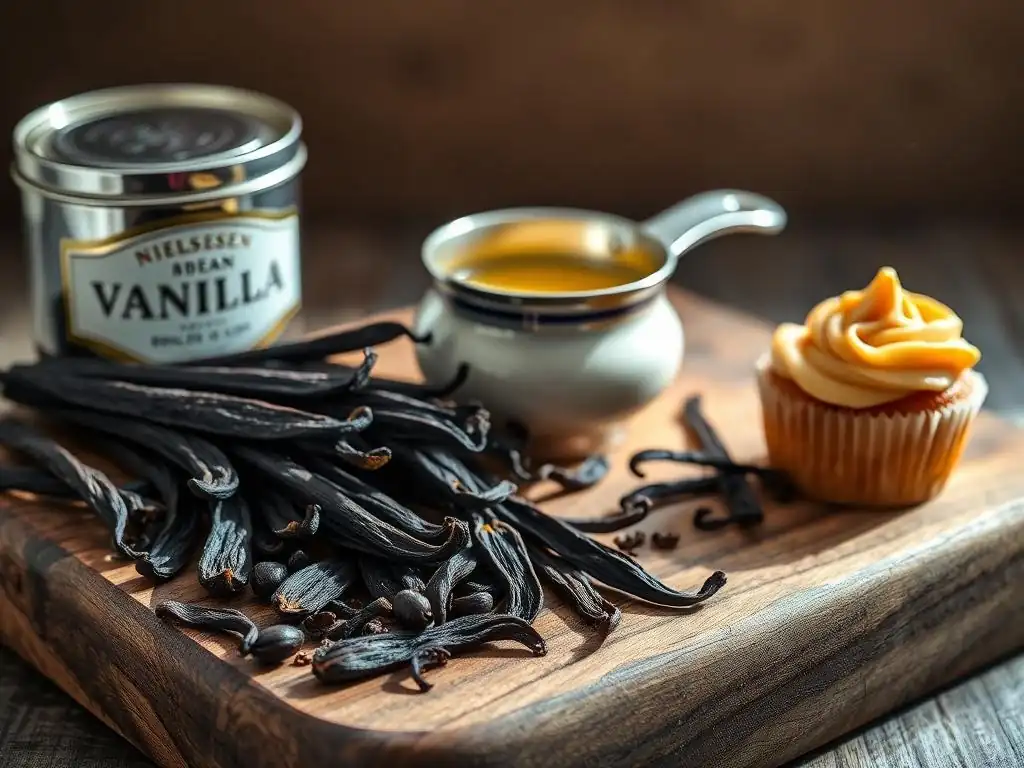
Nielsen-Massey is a well-respected name in the vanilla world, known for its commitment to quality and traditional processing methods. Their Madagascar Bourbon vanilla beans are consistently praised for their rich flavor, high vanillin content, and moist, pliable texture, indicative of careful curing and proper storage. These beans typically exhibit the classic sweet, creamy, and smooth profile characteristic of top-tier Madagascar vanilla, making them a reliable choice for bakers seeking that quintessential vanilla bean flavor.
While specific product reviews can vary based on batch and individual preference, Nielsen-Massey's reputation for sourcing premium beans and processing them to preserve peak flavor is widely recognized. Their beans are often plump and oily, yielding a good amount of "vanilla caviar" when scraped. For bakers looking for a dependable source of high-quality Madagascar Bourbon vanilla that consistently delivers the expected flavor profile, Nielsen-Massey is a brand frequently recommended within the baking community.
Alternatives to Madagascar Bourbon Vanilla: Ugandan and Comorian Varieties
While Madagascar dominates the Bourbon vanilla market, other regions in the Indian Ocean also produce excellent Vanilla planifolia beans with similar characteristics. Uganda, for instance, has emerged as a significant producer of Bourbon-style vanilla. Ugandan vanilla beans are often described as having a bolder, sometimes slightly smoky or earthy flavor profile compared to Madagascar beans, while still maintaining the core sweetness and richness. They tend to be plump and oily, with a high vanillin content, making them a powerful alternative, particularly in chocolate or caramel-based desserts where their robust notes can shine.
The Comoro Islands, situated near Madagascar, also produce Bourbon vanilla. Comorian beans share many similarities with their Malagasy counterparts, exhibiting a sweet and creamy aroma. However, subtle differences in terroir and curing can result in profiles that some describe as slightly more floral or fruity than classic Madagascar, though still firmly within the Bourbon category. Exploring Ugandan or Comorian vanilla can offer subtle variations on the beloved vanilla bean flavor profile for bakers looking to experiment while staying within the familiar territory of Vanilla planifolia.
Tahitian Vanilla Beans: Exquisite Floral Notes
The Unique Profile of Tahitian Vanilla: Fruity, Floral, and Anise-Like
Tahitian vanilla beans, primarily cultivated in French Polynesia, offer a strikingly different vanilla bean flavor profile compared to the more common Bourbon variety. These beans come from the Vanilla tahitensis species, which is believed to be a hybrid of Vanilla planifolia and Vanilla odorata. This genetic difference, combined with the specific climate and curing methods used in Tahiti, results in a bean with a complex and highly aromatic character that sets it apart.
The aroma of Tahitian vanilla is often described as intensely floral, with notes of cherry, red fruit, and sometimes a hint of licorice or anise. The flavor is typically less focused on pure vanillin sweetness than Bourbon vanilla. Instead, it offers a delicate, fruity, and slightly spicy profile with prominent floral undertones. These characteristics make Tahitian vanilla particularly prized in gourmet baking and pastry, where its unique notes can add sophistication and complexity to desserts. Understanding this distinct profile is key when consulting any vanilla bean flavor guide.
Tahitian Vanilla vs. Bourbon Vanilla: A Flavor Comparison for Baking Projects
When comparing Tahitian and Bourbon vanilla beans for baking, the primary difference lies in their dominant flavor notes. Bourbon vanilla is the classic, sweet, creamy vanilla that provides a familiar and comforting base. Tahitian vanilla, on the other hand, is more adventurous, bringing bright, fruity, and intensely floral notes to the forefront. Imagine Bourbon vanilla as a smooth, rich base note, while Tahitian vanilla adds vibrant, complex top notes.
For a simple vanilla ice cream or a classic sugar cookie, Bourbon vanilla provides the expected, universally loved vanilla bean flavor. However, for a fruit tart, a delicate mousse, or a dessert featuring white chocolate or subtle fruit flavors, Tahitian vanilla's fruity and floral characteristics can complement and enhance the other ingredients in a way Bourbon vanilla might not. Choosing between them depends entirely on the desired outcome and how you want the vanilla bean flavor to interact within the recipe.
Best Uses for Tahitian Vanilla Beans: Delicate Desserts and Pastries
Tahitian vanilla beans are best utilized in applications where their delicate and complex flavor profile can be appreciated without being masked by overpowering ingredients. They are particularly well-suited for cold preparations or those with minimal heat exposure, as high temperatures can sometimes diminish their subtle floral and fruity notes.
Ideal uses include panna cotta, crème brûlée, custards, ice cream, and light mousses. They are also fantastic in fruit-based desserts, such as poached pears or fruit tarts, where their fruity undertones can harmonize with the fruit. Pastries like madeleines, financiers, or light cakes with subtle flavors benefit greatly from the sophisticated touch of Tahitian vanilla. Consider using them in glazes or frostings added after baking to preserve their volatile aromatic compounds and maximize their exquisite vanilla bean flavor.
Heilala Vanilla Tahitian Vanilla Beans: A Review and Recommendation
Heilala Vanilla is a company recognized for its focus on ethical sourcing and high-quality vanilla, particularly from Tonga, which also cultivates Vanilla tahitensis. Their Tahitian vanilla beans are often highlighted for their plumpness, high oil content, and characteristic fruity and floral aroma. While specific sensory details can vary, Heilala's beans generally embody the distinct profile expected from Tahitian-type vanilla, offering those sought-after cherry and floral notes.
The brand is known for its traceable vanilla and commitment to working directly with growers, which often translates into premium quality beans. For bakers seeking authentic Tahitian-style vanilla bean flavor with its unique fruity and floral complexity, Heilala Vanilla provides a widely available and reputable option that consistently delivers the expected characteristics of Vanilla tahitensis.
Growing Regions for Tahitian Vanilla: French Polynesia and Beyond
While French Polynesia, particularly the islands of Tahiti, Raiatea, and Taha'a, is the most famous origin for Tahitian vanilla, Vanilla tahitensis is also successfully cultivated in other regions around the world. Tonga, another island nation in the Pacific, is a significant producer of high-quality Tahitian vanilla beans. The beans from Tonga share many of the same fruity and floral characteristics as those from French Polynesia, though subtle differences in terroir can lead to minor variations in the final vanilla bean flavor.
Other regions, including Papua New Guinea and parts of Indonesia, also grow Vanilla tahitensis, sometimes alongside Vanilla planifolia. The specific flavor profile can be influenced by local growing conditions and curing methods, but the core genetic makeup of the Vanilla tahitensis species ensures a deviation from the classic Bourbon profile towards more fruity, floral, and sometimes spicy notes. When exploring Tahitian vanilla, sourcing from French Polynesia or Tonga typically guarantees the most characteristic vanilla bean flavor profile associated with this variety.
Mexican Vanilla Beans: A Spicy and Bold Option
Exploring Mexican Vanilla: A History of Flavor and Tradition
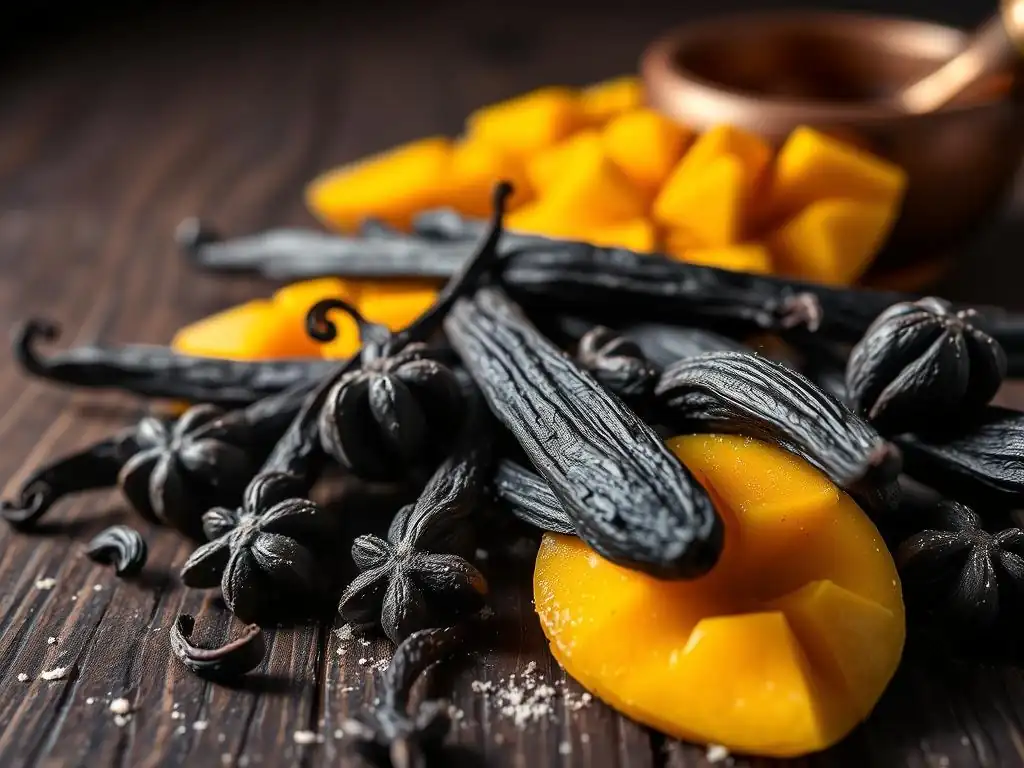
Mexico holds a unique place in the history of vanilla, as it is the birthplace of the Vanilla planifolia orchid. For centuries, vanilla was cultivated and used by the indigenous Totonac people in what is now the state of Veracruz. While Madagascar became the dominant producer in the 20th century, Mexican vanilla has experienced a resurgence and is highly valued for its distinct flavor profile, which reflects its origins and traditional processing methods.
Mexican vanilla beans often undergo a curing process that can involve sun-drying and sometimes oven-drying, which can contribute to specific flavor characteristics. This traditional approach, combined with the terroir of the Veracruz region, yields a vanilla bean flavor that is different from both Bourbon and Tahitian varieties. Understanding this history provides context for appreciating the unique qualities of Mexican vanilla in any comprehensive vanilla bean flavor guide.
Characteristics of Mexican Vanilla Beans: Bold, Spicy, and Woody Notes
Mexican vanilla beans are typically plump, dark, and have a rich aroma that is often described as a balance of sweet, spicy, and smoky notes. While still containing vanillin, they also possess other aromatic compounds that contribute to their unique character. The flavor profile is generally bolder and more robust than Bourbon vanilla, with prominent spicy, woody, and sometimes smoky or leather-like undertones.
Compared to the creamy sweetness of Bourbon or the floral fruitiness of Tahitian, Mexican vanilla offers a warm, slightly peppery, and earthy complexity. It can have hints of clove, nutmeg, or even tobacco. This distinct vanilla bean flavor makes it particularly well-suited for pairing with ingredients like chocolate, cinnamon, and other warm spices, where its bold notes can complement and enhance the overall flavor profile.
Mexican Vanilla Extract vs. Vanilla Beans: Understanding the Difference
It is important to distinguish between authentic Mexican vanilla beans and some liquid vanilla extracts sold as "Mexican vanilla." Unfortunately, a history of fraudulent vanilla products from Mexico, particularly liquid extracts containing coumarin (a potentially harmful substance with a vanilla-like aroma), has created confusion. Authentic Mexican vanilla extract, made solely from Vanilla planifolia beans and alcohol, is safe and carries the characteristic flavor profile of the beans.
However, the flavor intensity and complexity of using whole Mexican vanilla beans are generally superior to extract. Vanilla beans contain the full spectrum of aromatic compounds, not just vanillin, which contributes to their layered flavor. When using whole beans, you also gain the benefit of the vanilla caviar, which adds visual appeal and bursts of concentrated flavor.
While a high-quality Mexican vanilla extract can be excellent, using the beans themselves provides a more authentic and potent vanilla bean flavor experience. Always ensure any Mexican vanilla product you purchase is from a reputable source and is labeled as pure vanilla extract or whole beans, free from additives like coumarin.
Mexican vanilla beans are a fantastic choice for baked goods where a warm, spicy, or bold vanilla bean flavor is desired. Their robust profile holds up well to baking and pairs beautifully with rich, complex ingredients.
They are particularly excellent in chocolate cakes, brownies, and cookies, where their woody and spicy notes can complement the cocoa flavor. Recipes featuring cinnamon, chili powder (like Mexican chocolate cookies), or other warming spices also benefit from Mexican vanilla. Consider using them in gingerbread, spice cakes, or even in savory applications (though we'll touch on that later). While versatile, they truly shine when paired with flavors that can stand up to their intensity, providing a unique twist on classic recipes and adding a distinct vanilla bean flavor dimension.
Orlando's Mexican Vanilla Beans: A Review and Recommendation
Orlando's is a brand often associated with high-quality Mexican vanilla, known for sourcing beans that exhibit the characteristic bold and spicy notes of the region. Their Mexican vanilla beans are typically described as plump, oily, and aromatic, reflecting traditional curing methods that help develop the bean's complex flavor profile, including those sought-after hints of wood, spice, and sometimes smoke.
While availability can vary, Orlando's has built a reputation for providing authentic Mexican vanilla beans that deliver a distinct vanilla bean flavor, different from the more common Bourbon variety. For bakers specifically seeking the unique spicy and slightly smoky undertones characteristic of Mexican vanilla, Orlando's is a brand frequently mentioned as a reliable source within the community.
Important Note: Identifying Authentic Mexican Vanilla
Given the historical issues with adulterated vanilla products from Mexico, it is crucial to purchase Mexican vanilla beans or extract from reputable sources. Look for beans that are pliable, oily, and have a rich, complex aroma – signs of proper curing and freshness. For extract, ensure the label specifies "pure vanilla extract" and lists only vanilla bean extractives, alcohol, and water.
Avoid products labeled "vanilla flavor," "imitation vanilla," or those with unusually low prices, as these are often indicators of synthetic ingredients or, worse, the presence of coumarin. Trusting well-known suppliers or specialty spice shops is the best way to ensure you are getting authentic Mexican vanilla bean flavor.
Vanilla Bean Flavor Guide: A Side-by-Side Comparison Chart
Key Flavor Compounds and Their Impact on Taste: Vanillin, Piperonal, and More
While vanillin is the most abundant and well-known flavor compound in vanilla, contributing the classic sweet and creamy notes, it's just one piece of the puzzle. The complex vanilla bean flavor comes from a symphony of hundreds of volatile aromatic compounds. Differences in these minor compounds are largely responsible for the unique profiles of beans from different origins. For example, Vanilla planifolia (Bourbon and Mexican) is typically higher in vanillin than Vanilla tahitensis (Tahitian).
Tahitian vanilla, however, contains higher levels of compounds like heliotropin (piperonal), which contributes floral, fruity, and cherry-like notes, and diacetyl, which adds a buttery quality. Mexican vanilla, while high in vanillin like Bourbon, often contains higher levels of phenolic compounds and other aromatics that result in its characteristic spicy, woody, and sometimes smoky undertones. Understanding that the overall vanilla bean flavor is a result of the interplay between these various compounds helps explain the distinct differences between origins.
Visual Differences: Comparing the Appearance of Bourbon, Tahitian, and Mexican Beans
Beyond flavor, there are often visible differences between Bourbon, Tahitian, and Mexican vanilla beans. Madagascar Bourbon beans are typically long and slender, usually ranging from 5 to 7 inches in length, with a relatively thin pod. They are pliable, dark brown to black, and often have a slightly wrinkled surface.
Tahitian vanilla beans are generally shorter and plumper than Bourbon beans, often 4 to 6 inches long, but wider and flatter. They tend to have a reddish-dark brown color and a smoother, more oily surface. Mexican vanilla beans vary more in size but are often quite plump and oily, similar to Tahitian beans but usually longer, sometimes reaching lengths comparable to Bourbon beans. They are typically dark brown and can sometimes have a slightly rougher texture or a more pronounced curve. These visual cues can sometimes offer an initial hint about the bean's potential vanilla bean flavor profile.
Aroma Profiles: Distinguishing the Scents of Different Vanilla Bean Origins
The aroma is often the first clue to the origin and flavor profile of a vanilla bean. Gently sniffing a bean before purchase can tell you a lot. Madagascar Bourbon beans have a straightforward, intensely sweet, creamy, and classic vanilla scent – clean and comforting.
Tahitian vanilla beans possess a much more complex and perfumed aroma. Expect strong floral notes, reminiscent of jasmine or orchids, combined with fruity hints of cherry, prune, or red berries, and sometimes a whisper of licorice or spice. Mexican vanilla beans offer a warm, bolder aroma with noticeable spicy, woody, and sometimes smoky or leathery undertones layered over the fundamental sweetness. Distinguishing these aromatic nuances is a key part of becoming familiar with the comprehensive vanilla bean flavor guide.
Choosing the Right Vanilla Bean for Your Baking Needs: A Practical Guide
Matching Vanilla Bean Flavor to Your Recipe: A Baker's Checklist
Choosing the perfect vanilla bean involves considering how its unique flavor profile will interact with the other ingredients in your recipe. Use this checklist as a guide:
- Classic, Sweet, Creamy Vanilla: For pure vanilla impact in custards, ice cream, or simple cakes, choose Madagascar Bourbon.
- Fruity, Floral, Delicate Vanilla: For light desserts, fruit tarts, or white chocolate pairings, opt for Tahitian.
- Bold, Spicy, Woody Vanilla: For recipes with chocolate, cinnamon, or warm spices, consider Mexican.
- Intensity: Do you need a prominent vanilla flavor (Bourbon, Mexican) or a more nuanced, aromatic note (Tahitian)?
- Preparation: Are you infusing into a liquid (all types work well) or adding directly to a batter (all types, but consider how heat impacts delicate notes)?
By thinking about the desired outcome and the dominant flavors in your recipe, you can strategically select the vanilla bean that will provide the optimal vanilla bean flavor.
Budget Considerations: Comparing Prices of Different Vanilla Bean Varieties
Vanilla beans are a premium ingredient, and their price reflects the labor-intensive cultivation and curing process. Prices can fluctuate significantly based on global supply, demand, and quality. Generally, Madagascar Bourbon vanilla is the most widely available and often serves as a benchmark for pricing, though prices can vary based on grade (e.g., Grade A/gourmet vs. Grade B/extract).
Tahitian vanilla beans are frequently among the most expensive varieties due to lower production volumes and their unique, highly prized flavor profile. Mexican vanilla beans can also command a premium, particularly high-quality, traditionally cured beans, and their price can sometimes be comparable to or higher than Bourbon vanilla. When building your vanilla bean flavor guide knowledge, be aware that investing in higher-quality beans, regardless of origin, generally yields more intense and nuanced flavor.
Ethical Sourcing: Supporting Sustainable Vanilla Bean Production
As a baker, being mindful of where your ingredients come from is increasingly important. The vanilla industry has faced challenges related to price volatility, fair compensation for farmers, and sustainable farming practices. Choosing ethically sourced vanilla beans supports the communities that grow them and helps ensure the long-term availability of this precious spice.
Look for suppliers who are transparent about their sourcing, work directly with farmers, and invest in sustainable agricultural practices. Certifications or information about fair trade practices can be indicators, though direct relationships between buyers and growers are also crucial. Supporting ethical sourcing ensures that the people behind your vanilla bean flavor are fairly compensated for their hard work and that the environment where vanilla grows is protected.
Where to Buy High-Quality Vanilla Beans Online and Locally: [List of Recommended Retailers]
Finding reputable sources for high-quality vanilla beans is key to experiencing their true vanilla bean flavor. Look for vendors who specialize in spices or baking ingredients and provide detailed information about the origin, grade, and harvest date of their beans. Online retailers often offer a wider selection of origins and grades than local stores.
When buying online, check customer reviews and examine product descriptions carefully. Reputable sellers store beans properly in airtight packaging and ship them efficiently. Locally, specialty spice shops, gourmet food stores, or even high-end grocery stores with dedicated spice sections may carry quality beans. Inquire about turnover and storage conditions to ensure freshness. While a specific list isn't provided here, seeking out vendors known for their commitment to quality and freshness is your best strategy for finding excellent vanilla beans.
Maximizing Vanilla Bean Flavor in Your Baked Goods: Tips and Techniques
Vanilla Bean Paste vs. Whole Beans: Which to Choose?
Vanilla bean paste is a popular alternative to whole beans, made from concentrated vanilla extract and vanilla bean seeds. It offers the convenience of extract with the visual appeal and some of the flavor complexity of the seeds. Vanilla bean paste is generally thicker than extract and easier to measure than scraping a whole bean.
For many applications, particularly those where you want visible seeds but convenience is a factor (like cookies, cakes, or whipped cream), paste is an excellent choice. However, whole beans often provide a deeper, more nuanced vanilla bean flavor because they contain the full spectrum of volatile compounds that might be altered or lost during the paste manufacturing process.
For infusions (like custards or syrups) where you can steep the pod, or for applications where maximum, pure vanilla bean flavor is paramount (like a classic crème brûlée), using a whole bean is often preferred. It's a trade-off between convenience, cost, and ultimate flavor intensity.
Infusing Vanilla Flavor: Making Vanilla Extract and Vanilla Sugar
Beyond using them directly in recipes, vanilla beans are perfect for infusing their vanilla bean flavor into other ingredients. Making your own vanilla extract is simple: steep split vanilla beans in a high-proof alcohol (like vodka, rum, or bourbon) for several months, shaking occasionally. The alcohol extracts the flavor compounds, creating a potent and aromatic liquid that improves with age.
Vanilla sugar is another easy way to use spent or fresh vanilla beans. Simply bury a used (but rinsed and dried) or fresh vanilla bean pod in a jar of granulated sugar. The sugar will gradually absorb the bean's aroma, creating fragrant vanilla-scented sugar perfect for sprinkling on pastries, sweetening coffee, or using in recipes where a subtle vanilla note is desired. Replace the bean every few months or when its aroma fades.
Storing Vanilla Beans Properly to Preserve Freshness and Flavor
Proper storage is essential to maintain the quality and potency of your vanilla beans and preserve their delicate vanilla bean flavor. Vanilla beans should be stored in an airtight container, away from direct sunlight and heat. Glass tubes with tight-fitting stoppers or small glass jars with screw-on lids are ideal.
Avoid storing vanilla beans in the refrigerator, as this can dry them out and cause them to become brittle. They should also not be stored in plastic bags for extended periods, as this can cause them to sweat and potentially mold. Storing them correctly ensures they remain moist, pliable, and full of flavor for many months, allowing you to enjoy their exquisite vanilla bean flavor whenever inspiration strikes.
Beyond Baking: Exploring Other Culinary Uses for Vanilla Beans
Vanilla Bean in Savory Dishes: Adding Depth and Complexity
While most often associated with sweets, vanilla beans can add surprising depth and complexity to savory dishes. Their warm, aromatic notes can balance acidity, enhance sweetness in vegetables, and complement spices. A small piece of vanilla bean or a pinch of seeds can be added to sauces for seafood (like scallops or fish), particularly those with creamy or citrus components.
Vanilla can also be a secret ingredient in glazes for roasted meats, like pork or duck, where its sweetness and spice notes can create a beautiful caramelized crust. Even vegetable dishes, such as roasted carrots or sweet potatoes, can be elevated with a hint of vanilla bean flavor. It requires careful application so as not to make the dish taste like dessert, but used judiciously, vanilla can be a sophisticated addition to the savory repertoire.
Vanilla Bean Infused Beverages: Coffee, Tea, and Cocktails
Infusing vanilla bean flavor into beverages is a simple way to add a touch of luxury. Adding a piece of a vanilla bean pod to your coffee grounds before brewing imparts a subtle, aromatic note to your morning cup. Similarly, a small piece can be steeped with tea leaves.
Vanilla simple syrup, made by simmering sugar, water, and a split vanilla bean, is a versatile ingredient for sweetening iced tea, coffee, or cocktails. It's a key component in many classic and modern drink recipes, adding a pure vanilla bean flavor that elevates the beverage beyond what extract alone can achieve. Consider adding a scraped vanilla bean to homemade liqueurs or infusing it directly into spirits like vodka or rum.
Vanilla Bean Panna Cotta Recipe: A Unique and Delicious Dessert.
Vanilla Bean Panna Cotta is a classic Italian dessert that perfectly showcases the pure, creamy vanilla bean flavor. This elegant dessert consists of sweetened cream thickened with gelatin, allowing the subtle nuances of the vanilla to shine through. The visual appeal of the tiny vanilla bean seeds suspended throughout the silky-smooth cream is as delightful as the taste.
Making panna cotta with a high-quality vanilla bean, such as a plump Madagascar Bourbon or even a fragrant Tahitian, ensures a rich and aromatic result. The process typically involves infusing the split vanilla bean and its scraped seeds into warm cream before chilling. This gentle method allows the full spectrum of the bean's vanilla bean flavor compounds to meld with the dairy, creating a dessert that is both simple and sophisticated, highlighting the magic of vanilla in its purest form.
Frequently Asked Questions
What are the main vanilla bean origins discussed in this article, and how do they differ?
The article primarily focuses on three main origins: Bourbon (Madagascar), Tahitian, and Mexican. They differ significantly in their flavor profiles, with Bourbon being classic, Tahitian being floral, and Mexican having a spicy note.
How does the flavor profile of Bourbon vanilla beans differ from Tahitian vanilla beans?
Bourbon (Madagascar) vanilla beans are known for their classic, rich, and creamy flavor. Tahitian vanilla beans offer a more floral, fruity, and almost cherry-like flavor.
Is there a noticeable difference in price between the different types of vanilla beans?
Yes, there can be a significant difference. Tahitian vanilla beans are generally considered the most expensive, while Bourbon (Madagascar) vanilla beans are often more readily available and moderately priced.
What are the best baking applications for each type of vanilla bean discussed?
Bourbon vanilla is a versatile choice for general baking, like cakes and cookies. Tahitian is excellent for delicate desserts where its floral notes can shine. Mexican is great for chocolate-based desserts or recipes that can handle its spicy notes.
Where can I reliably purchase high-quality vanilla beans of each origin?
While this article doesn't endorse specific vendors, look for reputable online spice retailers, specialty baking supply stores, or directly from vanilla bean farms to ensure quality and authenticity.
Final Reflection: The Enduring Allure of Vanilla, A Flavor Journey
The quest for the perfect vanilla bean transcends mere culinary curiosity; it's a journey into the heart of flavor, culture, and sustainability. The nuanced differences between Bourbon, Tahitian, and Mexican vanilla beans, as explored in this guide, highlight the profound impact of terroir and cultivation methods on the final product. Understanding these distinctions allows us to appreciate the complex tapestry of flavors each origin offers, moving beyond simple preference to a deeper understanding of the bean's journey from vine to our palates.
The exploration of vanilla's diverse origins has profoundly impacted my own approach to cooking and baking. It's no longer just about adding a dash of vanilla extract; it's about consciously selecting a bean that complements the specific dish, enriching the experience with a depth of flavor that reflects the unique characteristics of its origin. The best things in life are simple, but not easy.
This holds true for vanilla; the simplicity of its flavor profile belies the complex processes and dedication required to cultivate these exceptional beans.
Now, it's your turn. Consider the next time you reach for vanilla. Will you settle for the familiar, or will you embark on a sensory adventure, exploring the subtle nuances of Bourbon's boldness, Tahitian's floral sweetness, or Mexican's earthy complexity? The choice is yours, and with a newfound appreciation for the journey each bean undertakes, your culinary creations will undoubtedly be elevated. Let the flavor guide you.
Unleash Your Inner Vanilla Expert!
Thanks for exploring the fascinating world of vanilla beans with us! We hope you now have a deeper appreciation for the nuanced flavors each origin offers. Ready to put your new knowledge to the test?
- Bake a comparative vanilla tasting: Choose a recipe showcasing vanilla's prominent role (like crème brûlée or simple sugar cookies) and bake three versions, using each type of vanilla bean. Note the differences in taste and aroma. This is your chance to truly understand the variations.
- Share your baking creations: Post pictures of your vanilla creations on social media, using #BakeWithEaseVanillaChallenge. Let's see your delicious results!
- Discover more unique vanilla recipes: Explore our extensive recipe library on bakewithease.com for even more ways to use these incredible beans.
Which vanilla bean will become your new favorite for baking? Let us know in the comments!