
Easy Science: Understanding the Maillard Reaction for Better Baking

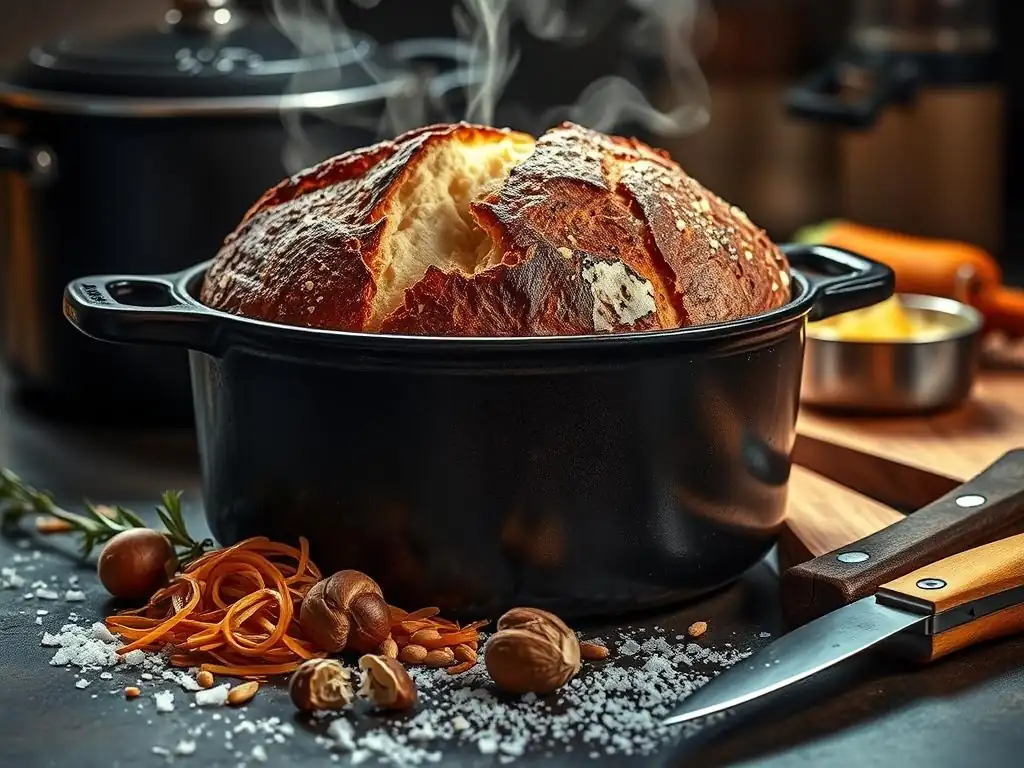
Welcome to BakeWithEase, your trusted guide to unlocking baking brilliance! Ever wondered why your baked goods develop that irresistible golden-brown crust and a symphony of complex flavors? Delve into the fascinating world of the Maillard reaction with us. This article reveals simple yet powerful Maillard reaction baking tips that will transform your creations from ordinary to extraordinary. Discover the secrets behind achieving perfect browning, enhanced aromas, and mouthwatering textures, and prepare to elevate your baking game!
Preventing Over-Browning: Tips and Tricks
Over-browning can be a frustrating issue, especially when the inside of your baked good isn't yet cooked through. The Maillard reaction accelerates significantly at higher temperatures, particularly above 300°F (150°C). If you notice the crust is darkening too quickly while the internal temperature is still low, this is a clear sign that the surface is reaching the optimal temperature for the Maillard reaction faster than the interior is cooking. Reducing the oven temperature slightly, perhaps by 10-20°F (5-10°C), can slow down the exterior browning while allowing the inside to catch up.
Another effective strategy is using a physical barrier. Aluminum foil is a baker's best friend for preventing excessive browning. Loosely tenting your baked goods with foil once they've reached the desired level of browning can shield the surface from the direct radiant heat that drives the Maillard reaction.
This is particularly useful for items like pies, quiches, or bread loaves where you want a golden crust but not a burnt one. For instance, a pie crust might be perfectly golden after 30 minutes at 375°F (190°C), but the filling needs another 15-20 minutes; tenting with foil prevents the edges from becoming brittle or burnt.
Encouraging Browning in Pale Baked Goods
Sometimes, despite following a recipe, your baked goods come out looking pale and unappealing, lacking the rich color and deep flavor provided by the Maillard reaction. This can happen for several reasons, including too low an oven temperature, insufficient baking time, or high moisture content in the dough or batter. To encourage more browning, first ensure your oven thermometer is accurate; a miscalibrated oven is a common culprit. If the temperature is correct, try increasing the baking time slightly, watching closely to prevent burning.
Applying an egg wash or milk wash before baking is one of the most reliable Maillard reaction baking tips for achieving a beautiful, even brown crust. These washes provide a surface layer rich in proteins and sugars that readily participate in the Maillard reaction. For example, a simple egg wash (egg whisked with a little water or milk) brushed onto bread or pastries before baking will result in a significantly deeper golden-brown color than baking without it. Using milk or cream provides lactose, a reducing sugar that promotes browning, along with some protein.
Achieving perfect, evenly browned cookies can be tricky. Factors like oven hot spots, cookie thickness, and sugar type all play a role in the Maillard reaction. If your cookies are browning unevenly, rotating your baking sheet halfway through the baking time is a simple yet effective technique. This helps expose all cookies to the same amount of heat, promoting consistent Maillard development.
The type of sugar used in your cookie dough significantly impacts browning. Brown sugar, which contains molasses, contributes more moisture and contains reducing sugars that enhance the Maillard reaction, leading to chewier, browner cookies compared to those made solely with granulated sugar. If your cookies are consistently pale, try substituting some granulated sugar with brown sugar (adjusting liquid slightly if necessary) to boost Maillard reaction activity and achieve a richer color and flavor profile.
Troubleshooting Maillard in Bread: Crust Development and Texture
Bread crust development is the quintessential example of the Maillard reaction in action. A pale, soft crust often indicates insufficient heat, lack of steam, or too short a baking time. High initial oven temperatures (e.g., 450-500°F or 230-260°C) are crucial for triggering a rapid Maillard reaction on the surface before the interior finishes baking.
Steam in the oven during the initial baking phase is vital for bread. Steam keeps the surface of the dough moist and pliable for longer, allowing the loaf to expand fully (oven spring) before the crust sets. Once the crust sets, the moisture evaporates, and the surface temperature rises rapidly, initiating and accelerating the Maillard reaction and caramelization.
Without sufficient steam, the crust sets too early, restricting oven spring and resulting in a thinner, paler crust. Using a Dutch oven or placing a pan of water in the bottom of your oven are common methods to create a steamy environment for excellent crust development and Maillard reaction benefits.
- Preventing Over-Browning: Tips and Tricks
- Encouraging Browning in Pale Baked Goods
- Troubleshooting Maillard in Cookies: Achieving Even Browning
- Troubleshooting Maillard in Bread: Crust Development and Texture
Exploring Advanced Maillard Techniques for Baking
Sous Vide Baking and the Maillard Reaction
While sous vide is typically associated with moist cooking, it can be surprisingly relevant to the Maillard reaction in baking, albeit in a preparatory phase. Sous vide cooking, usually done at lower temperatures (e.g., 130-180°F or 55-82°C), can pre-cook ingredients like fruits or meats (for savory pastries) slowly and evenly. This can develop complex flavors through enzymatic reactions and early-stage Maillard processes before the item goes into the oven for the final browning step.
For example, sous vide cooking apples for a pie filling at 180°F (82°C) for an hour can soften them and develop a deeper, less 'raw' apple flavor profile. While significant Maillard browning doesn't occur at these temperatures, these pre-treatments can create a richer base for the final high-temperature bake, where the crust and filling surface achieve full Maillard development. This two-stage process allows for precise control over ingredient texture and initial flavor development before the final browning and crisping in a conventional oven.
Using Enzymes to Enhance Maillard Reactions
Enzymes, particularly amylase, play a role in making more reducing sugars available for the Maillard reaction in doughs. Amylase breaks down starches into simpler sugars like maltose, glucose, and fructose. These simpler sugars are more reactive in the Maillard process than complex starches. Doughs that undergo a longer fermentation, like sourdough, naturally develop more enzymes and thus accumulate more reducing sugars over time.
Bakers sometimes add small amounts of diastatic malt powder, which is rich in amylase enzymes, to bread dough. This addition increases the availability of reducing sugars, leading to enhanced Maillard browning of the crust and a more complex flavor profile. For instance, adding just 0.5-1% diastatic malt based on flour weight can significantly improve crust color and oven spring in lean bread doughs, making it a key Maillard reaction baking tip for professional-looking loaves.
Dry Aging Dough for Enhanced Maillard Development
Dry aging dough, a technique often used in pizza making and some bread recipes, involves refrigerating the dough for an extended period (24-72 hours or even longer) in a way that allows the surface to dry slightly. This process isn't just about flavor development through fermentation; the slight drying of the surface concentrates the available sugars and amino acids right where the Maillard reaction will occur most intensely during baking.
As the dough surface loses some moisture, the reactants (sugars and amino acids) become more concentrated. When the dough is then exposed to high heat, this concentrated layer browns exceptionally well, creating a crispy, flavorful crust with intense Maillard products. This technique, combined with high-temperature baking (e.g., in a pizza oven at 700-900°F or 370-480°C), results in the characteristic leopard-spotting and complex crust flavors sought after in artisanal pizzas, showcasing advanced Maillard reaction baking tips in action.
The Maillard Reaction: Beyond Browning - Flavor Development
How Maillard Contributes to Complex Flavor Profiles
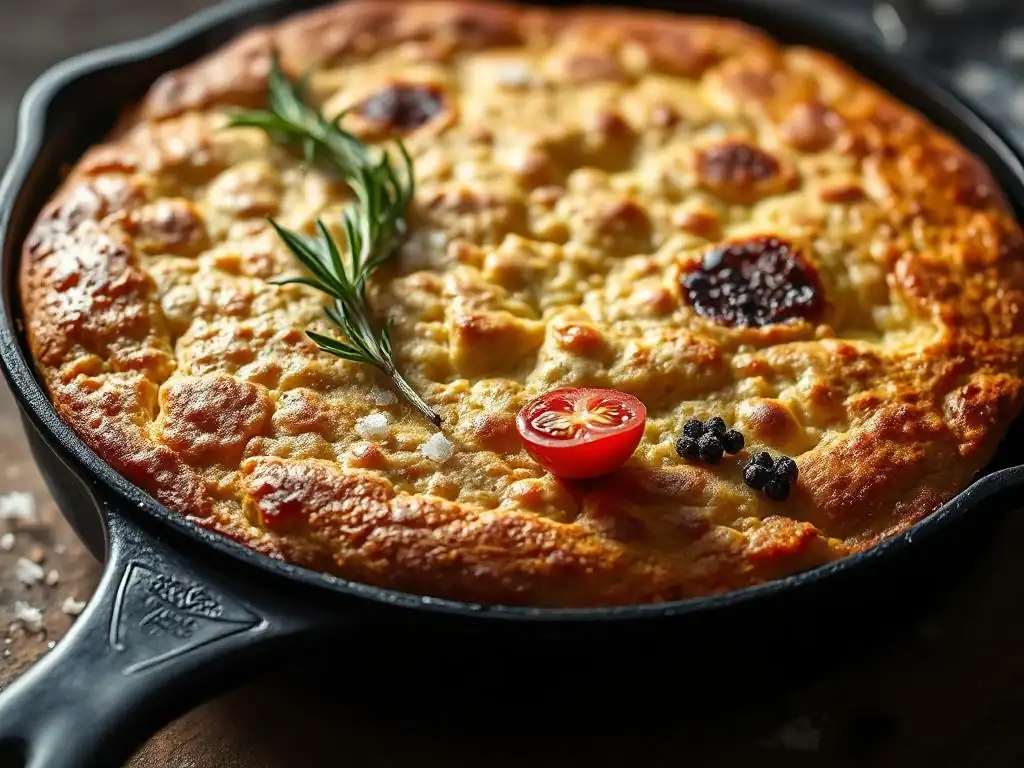
The Maillard reaction is responsible for hundreds, possibly thousands, of different flavor compounds. It's not just about making food brown; it's the primary engine behind the savory, toasty, nutty, malty, and sometimes even chocolatey notes we associate with baked goods. These flavors arise from a cascade of chemical reactions, producing volatile and non-volatile compounds like pyrazines (toasty, nutty), pyrroles (caramel-like), and furans (sweet, caramel, sometimes fruity).
Think about the difference in flavor between raw flour and baked bread. The raw flour is relatively bland, while the bread crust is rich and complex. This transformation is largely due to the Maillard reaction occurring on the surface. Similarly, the deep, toasted flavor in a perfectly baked cookie, compared to raw cookie dough, is a direct result of these chemical interactions creating a symphony of flavor compounds beyond just sweetness.
The Role of Different Sugars in Flavor Creation
While all reducing sugars can participate in the Maillard reaction, different sugars react at different rates and produce slightly different sets of flavor compounds. Fructose is the most reactive reducing sugar, followed by glucose, maltose, and then lactose. Sucrose (table sugar) is not a reducing sugar on its own but breaks down into fructose and glucose when heated, especially in the presence of acid or water, allowing it to participate indirectly.
Using different sugar combinations in your baking can subtly shift the final flavor profile. For instance, recipes using honey (high in fructose and glucose) might brown faster and develop slightly different Maillard flavors compared to recipes relying solely on granulated sugar (sucrose). Understanding how different sugars behave in the Maillard reaction provides valuable Maillard reaction baking tips for controlling both color and the nuanced flavor notes in your baked goods.
Developing a Caramelized Flavor Profile in Cakes
While the Maillard reaction is key for crust browning and flavor, caramelization also plays a significant role in the flavor of baked goods, particularly those high in sugar like cakes. Caramelization is the browning of sugars themselves through heat (typically above 320°F or 160°C), without the involvement of amino acids. It produces distinct sweet, nutty, and slightly bitter flavors.
In a cake, both Maillard and caramelization contribute to the final flavor. The Maillard reaction primarily occurs where proteins and sugars meet, like on the crust. Caramelization happens wherever sugar is sufficiently heated, including within the crumb near the edges.
To enhance a caramelized flavor profile in a cake, ensure adequate baking time and temperature to allow the edges and bottom to reach temperatures conducive to caramelization. Using sugars like brown sugar or adding ingredients like buttermilk (which provides lactose and protein for Maillard and acidity which helps break down sucrose for caramelization) can contribute to richer, more complex flavors.
Conclusion: Harnessing the Power of the Maillard Reaction for Baking Perfection
Key Takeaways for Better Baking Through Understanding Maillard
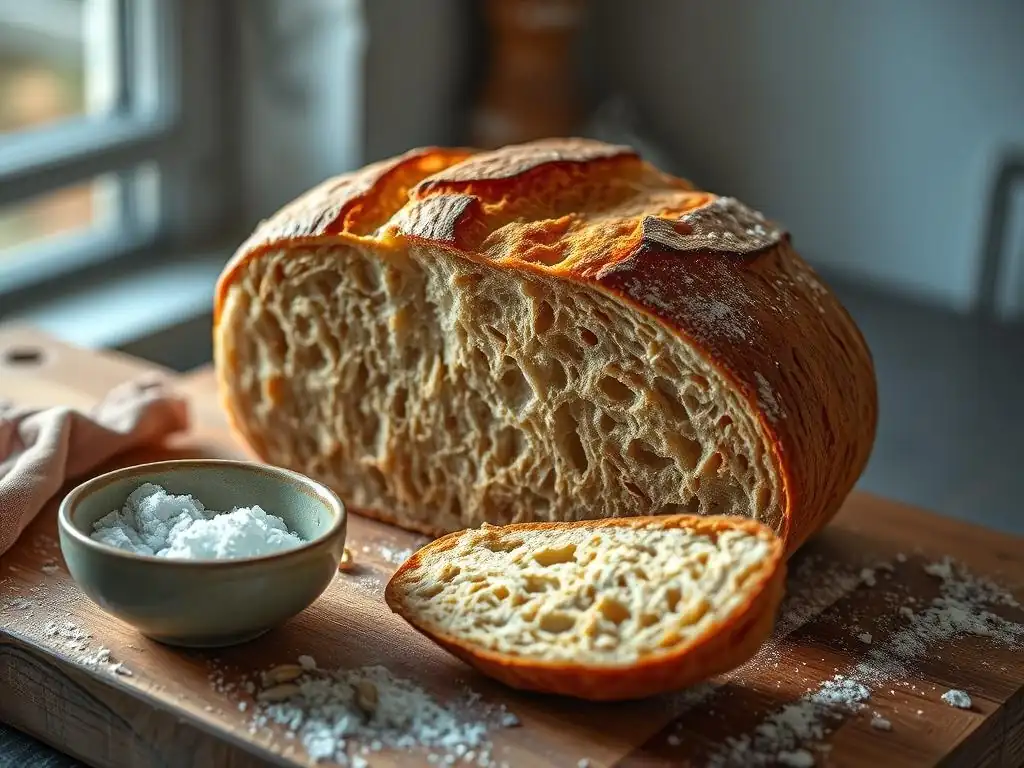
Mastering the Maillard reaction is truly a game-changer for any baker. It's the scientific process behind the irresistible golden-brown crusts, the complex aromas, and the deep, satisfying flavors that elevate baked goods from simple ingredients to culinary delights. Remember that this reaction requires sufficient heat, the presence of both amino acids (from proteins) and reducing sugars, and a certain level of moisture control.
Key Maillard reaction baking tips include controlling your oven temperature precisely, understanding how different ingredients like egg washes, milk, and various sugars influence browning, and troubleshooting common issues like over or under-browning. By paying attention to these factors, you can intentionally manipulate the Maillard reaction to achieve consistent, delicious results every time you bake.
Further Exploration and Experimentation with the Maillard Reaction
The world of baking science, and specifically the Maillard reaction, is vast and full of opportunities for experimentation. Don't be afraid to try small variations in your favorite recipes based on your understanding of this chemical process. Adjusting baking times or temperatures slightly, experimenting with different washes, or trying different sugar blends can lead to exciting discoveries in flavor and texture.
Consider keeping a baking journal to note how changes in temperature, time, or ingredients affect the browning and flavor of your baked goods. This systematic approach will help you refine your Maillard reaction baking tips and techniques over time. The more you observe and understand how the Maillard reaction behaves in your kitchen, the better equipped you will be to consistently achieve baking perfection. Happy experimenting!
Frequently Asked Questions
What exactly is the Maillard reaction in baking?
The Maillard reaction is a chemical process between amino acids and reducing sugars that occurs when heat is applied. It's responsible for the browning and developing complex flavors in baked goods.
Why is the Maillard reaction important for baking?
It's crucial because it creates the desirable color, aroma, and flavor in many baked goods. Think of the golden-brown crust on bread or the rich caramel notes in cookies.
What baking tips can help enhance the Maillard reaction?
Ensure sufficient reducing sugars are present (e.g., honey, maple syrup). Use alkaline ingredients like baking soda. Finally, maintain a baking temperature above 285°F (140°C).
Are there any downsides to overdoing the Maillard reaction?
Yes, excessive Maillard reaction can lead to over-browning or even burning, resulting in a bitter or unpleasant taste. It's about finding the right balance for optimal flavor.
Can the Maillard reaction happen at room temperature?
While theoretically possible, the Maillard reaction is very slow at room temperature. Heat is essential to significantly accelerate the process and achieve noticeable results in baking.
Final Reflection: The Golden Crust and the Deeper Bake
Understanding the Maillard reaction isn't just about achieving a beautiful golden-brown crust; it's about unlocking the full potential of flavor and texture in your baking. The seemingly simple chemical process behind browning is, in reality, a complex dance of sugars and amino acids that dictates the very essence of a perfectly baked loaf, cookie, or pastry. This knowledge empowers bakers of all levels to elevate their craft.
The Maillard reaction's influence extends far beyond the kitchen; it's a fundamental principle woven into the fabric of culinary culture. From the deeply caramelized crust of a perfectly seared steak to the rich aroma of freshly brewed coffee, this reaction is a silent conductor of our sensory experiences. Its impact on our food traditions is undeniable, shaping tastes and preferences across generations. The Maillard reaction is the magic behind so many of our favorite foods, a testament to the power of simple chemistry to create complex and delicious flavors.
Now, armed with a deeper understanding of this fascinating process, I invite you to experiment. Try adjusting your baking temperatures, exploring different sugars, and observing the subtle shifts in color and flavor. Don't be afraid to fail; each experiment is a step towards mastering the art of baking, a journey guided by the science of the Maillard reaction. The possibilities are endless, and the rewards – a deeper appreciation for the food you create and the joy of sharing it – are immeasurable.
Unlock Your Baking Potential: Master the Maillard Reaction!
Thanks for diving into the world of the Maillard reaction with us! You've now got the knowledge to elevate your baking game. Ready to put your newfound expertise to the test?
- Experiment with different sugars and proteins: Try substituting brown sugar for white in your favorite cookie recipe, or explore using different types of flour to see how the browning changes. This is the perfect chance to get creative!
- Share your Maillard masterpieces: Post pictures of your beautifully browned creations on social media using #BakeWithEaseMaillard and tag us! Let's see your delicious results.
- Dive deeper into the science of baking: Explore our other articles on BakeWithEase.com for more tips and tricks to perfect your baking skills!
What delicious Maillard-enhanced treat will you bake next?