
The Dot Technique: Easy Elegance for Any Cake

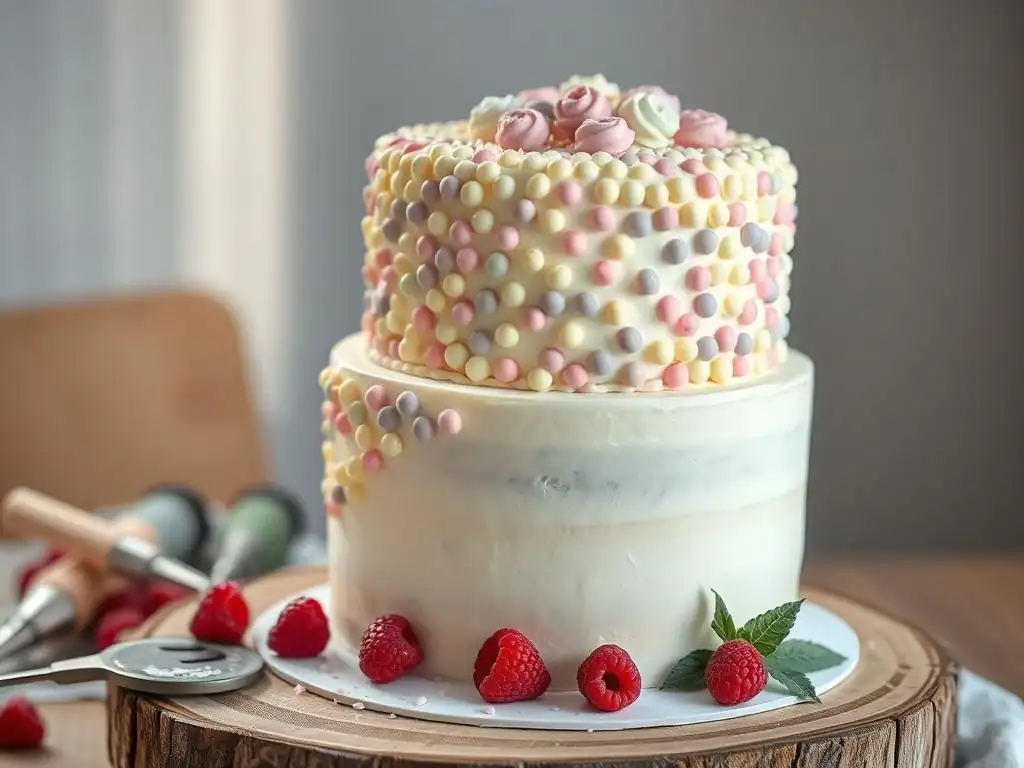
Welcome to BakeWithEase, where turning baking dreams into delicious realities is our specialty! Ever wished you could create stunning cake designs without the fuss? Dive into our article below and discover the secrets of easy dot cake decorating. It's simpler than you think, and the results are simply breathtaking. Get ready to elevate your cakes from ordinary to extraordinary—let's get baking!
- Swiss Meringue Buttercream for Beginners: A Comprehensive Guide
- Introduction to Swiss Meringue Buttercream (SMBC)
- Mastering the Basics of SMBC
- Step-by-Step Guide: Creating Perfect SMBC
- Advanced SMBC Techniques
- SMBC Uses & Applications
- Tips and Tricks for Perfect SMBC
- Troubleshooting Common SMBC Problems
- Conclusion: Mastering the Art of SMBC
- Frequently Asked Questions
- Final Reflection: The Enduring Allure of the Dot
- Unleash Your Inner Cake Artist: Master the Dot Technique Today!
Swiss Meringue Buttercream for Beginners: A Comprehensive Guide
Introduction to Swiss Meringue Buttercream (SMBC)
Swiss Meringue Buttercream, often abbreviated as SMBC, is a classic frosting celebrated for its exceptionally smooth, silky texture and delicate, not-too-sweet flavor. Unlike traditional American buttercream which relies heavily on powdered sugar and butter, SMBC is built upon a stable meringue base made from egg whites and sugar heated over a double boiler before being whipped into a glossy peaky meringue. Softened butter is then gradually incorporated, transforming the meringue into a light, luxurious frosting perfect for a variety of baked goods.
For beginners venturing beyond simple powdered sugar frostings, mastering Swiss Meringue Buttercream opens up a world of elegant decorating possibilities. Its stability makes it ideal for piping intricate designs or achieving perfectly smooth cake finishes. While the process involves a few more steps and a thermometer compared to other buttercreams, the resulting superior texture and balanced sweetness are well worth the effort, elevating your baking creations significantly.
Why SMBC is a Superior Choice
One of the primary reasons bakers gravitate towards Swiss Meringue Buttercream is its superior texture. It possesses an incredibly smooth, almost velvety consistency that melts in your mouth without any trace of graininess often found in powdered sugar frostings. This silky quality makes it exceptionally pleasant to eat and provides a professional finish when used for frosting cakes or cupcakes. Furthermore, its unique structure makes it less prone to crusting compared to American buttercream, keeping your decorated treats looking fresh longer.
Beyond texture, SMBC stands out for its balanced flavor profile. It is significantly less sweet than buttercreams relying solely on powdered sugar, allowing the clean, rich taste of butter and any added flavorings (like vanilla, chocolate, or fruit purees) to truly shine. This makes it a wonderful complement to richly flavored cakes or delicate pastries like macarons, where an overly sweet frosting could be overwhelming. Its stability also means it holds up well for piping and decorating, maintaining sharp lines and defined swirls.
Achieving Silky Smoothness: The SMBC Advantage
The secret to Swiss Meringue Buttercream's signature silky smoothness lies in its unique preparation method, particularly the heating of the egg whites and sugar. By gently warming this mixture over a double boiler to a specific temperature, typically between 130°F and 160°F (54°C to 71°C), the sugar crystals fully dissolve. This crucial step eliminates any potential for a gritty texture in the final buttercream, ensuring it is perfectly smooth from the start. The heat also helps to stabilize the egg whites, creating a robust meringue foundation that can later support the addition of butter.
Following the meringue stage, the gradual incorporation of softened butter is key to achieving the desired creamy, emulsified texture. As butter is added piece by piece into the whipped meringue, the mixture undergoes a transformation, sometimes looking curdled or separated initially. However, with continued mixing, the fat from the butter emulsifies with the protein structure of the meringue, resulting in a homogenous, luscious buttercream that is light, airy, and wonderfully smooth. This controlled emulsification process prevents the greasy mouthfeel that can sometimes plague other types of buttercream.
Mastering the Basics of SMBC
Embarking on your Swiss Meringue Buttercream journey requires understanding a few basic principles and having the right tools and ingredients prepared. While it might seem intimidating at first glance, breaking down the process into manageable steps makes it easily achievable for beginners. Getting the basics right – from your equipment setup to ingredient preparation – sets the stage for a successful batch of this elegant frosting.
Having the correct tools at hand is paramount for SMBC success. A stand mixer is highly recommended due to the long whipping time required, freeing up your hands to manage the heating process and butter addition. A reliable thermometer is non-negotiable for ensuring the egg white and sugar mixture reaches the correct temperature for safety and sugar dissolution. Paying attention to the state of your ingredients, particularly the temperature of your butter and the type of sugar used, also plays a significant role in the final texture and consistency of your Swiss Meringue Buttercream.
Essential Tools for SMBC: What You Need
To successfully make Swiss Meringer Buttercream, you'll need a few key pieces of equipment. A stand mixer with both whisk and paddle attachments is incredibly helpful, as it allows the meringue to whip for the necessary 10-20 minutes hands-free while it cools. You will also need a heatproof bowl, preferably the bowl from your stand mixer if it's metal or glass, that fits snugly over a saucepan without touching the simmering water (a double boiler setup).
A reliable thermometer, either digital or candy, is absolutely essential for monitoring the temperature of the egg white and sugar mixture. Finally, standard measuring cups and spoons, a whisk for the initial heating phase, and a rubber spatula for scraping down the bowl are also necessary.
The quality and type of certain tools can impact the process. For instance, using a clean, grease-free bowl and whisk is critical for the egg whites to whip up properly into a stable meringue. Even a tiny amount of fat can prevent the meringue from reaching stiff peaks. The accuracy of your thermometer directly affects whether the sugar dissolves fully and whether the egg whites are heated to a safe temperature. Ensuring your tools are ready and clean before you begin will streamline the process and increase your chances of achieving perfect Swiss Meringue Buttercream.
Stand Mixer vs. Hand Mixer for SMBC
- Stand Mixer: Offers consistent speed and power necessary for whipping the meringue for an extended period until it's cool and stiff. It allows you to perform other tasks while the mixer is running, making the process much easier, especially for larger batches. The weight and stability of a stand mixer prevent it from moving during the long whipping cycle.
- Hand Mixer: Can be used for smaller batches of SMBC, but it requires continuous holding for 10-20 minutes while whipping the meringue. This can be tiring. Ensure your hand mixer is powerful enough to handle the thick meringue and later the dense buttercream as butter is incorporated. It might take longer to achieve the desired consistency compared to a stand mixer.
Thermometer Accuracy for SMBC Success
- Digital Thermometer: Generally provides faster and more accurate temperature readings. Look for one with a probe that can easily reach into the egg white mixture as it heats over the double boiler. Accuracy within 1-2 degrees Fahrenheit or Celsius is important for ensuring the sugar is dissolved and the mixture is safely heated.
- Candy Thermometer: Can also be used, but ensure it is properly calibrated. It needs to be clipped to the side of the bowl so the bulb is submerged in the mixture without touching the bottom. Candy thermometers can sometimes be slower to register temperature changes compared to digital ones. Ensure it reaches the target temperature range (typically 130-160°F / 54-71°C) to confirm sugar dissolution and pasteurization.
Preparing Your Ingredients for Perfect SMBC
Having your ingredients prepped and at the correct temperatures is crucial for successful Swiss Meringue Buttercream. The main components are egg whites, sugar, and butter. Using fresh, high-quality ingredients will always yield the best results. Ensure your egg whites are separated cleanly, with absolutely no yolk present, as fat inhibits meringue formation. Measure your sugar accurately, as the ratio to egg whites is important for the meringue's stability.
Perhaps the most critical ingredient preparation step is ensuring your butter is at the correct consistency. It needs to be softened, but not melted or greasy. The ideal temperature for butter is around 65-70°F (18-21°C), where it yields to gentle pressure but holds its shape. Butter that is too cold won't emulsify properly, resulting in a lumpy or separated buttercream. Butter that is too warm or melted will cause the meringue to collapse, leading to a soupy mess that is difficult to fix.
Egg Whites: Fresh vs. Pasteurized
- Fresh Egg Whites: Commonly used and produce the best results in terms of meringue volume and stability. Must be heated with the sugar to the target temperature range (130-160°F / 54-71°C) to ensure safety by pasteurizing them and to fully dissolve the sugar. Separate them carefully to avoid any trace of yolk.
- Pasteurized Egg Whites: Already heat-treated for safety, which can be convenient. However, they still need to be heated with the sugar over the double boiler to dissolve the sugar crystals and create the necessary structure for the meringue. Some bakers report slightly less volume or stability compared to fresh egg whites, but they are a perfectly viable option for beginners concerned about using raw egg whites.
Sugar: Granulated vs. Caster
- Granulated Sugar: The standard choice for Swiss Meringue Buttercream. Its crystal size is perfect for dissolving when heated with the egg whites over the double boiler. Using granulated sugar is cost-effective and widely available. Ensure it is completely dissolved during the heating step by rubbing a bit between your fingers.
- Caster Sugar (Superfine Sugar): Has smaller crystals than granulated sugar, which means it dissolves slightly faster when heated with the egg whites. This can potentially shorten the heating time slightly. However, granulated sugar works equally well as long as it's fully dissolved, and there's generally no significant difference in the final texture of the buttercream between the two once the sugar is completely melted.
Step-by-Step Guide: Creating Perfect SMBC
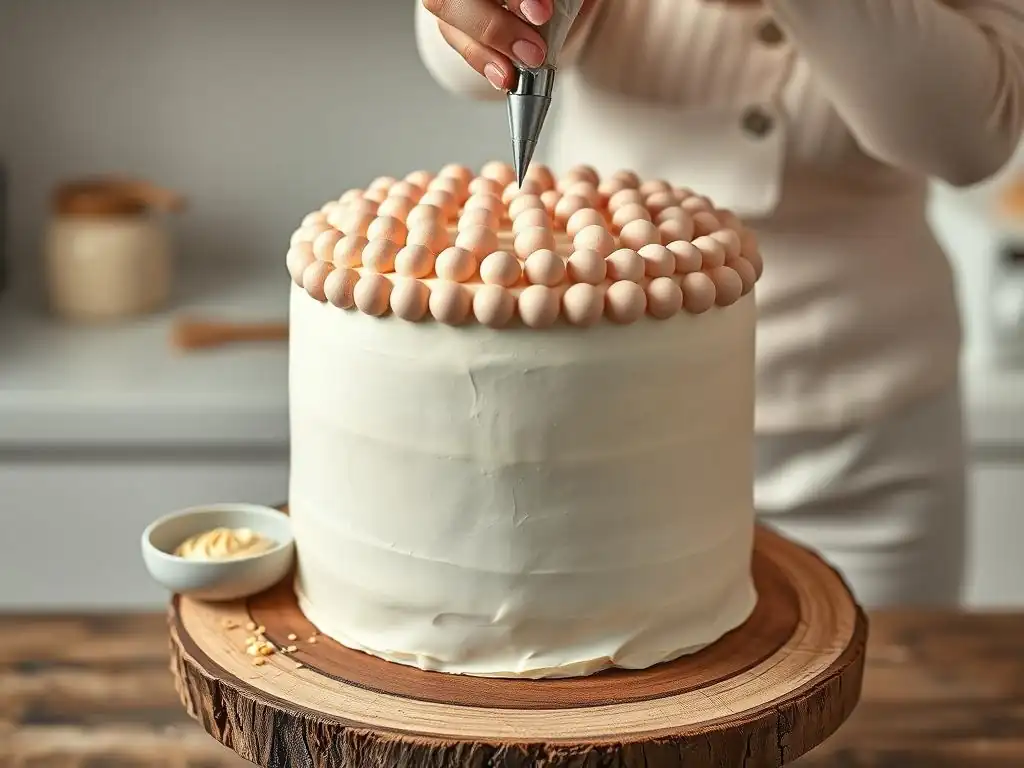
Creating Swiss Meringue Buttercream involves a series of distinct stages, each crucial for the final outcome. By following these steps precisely and paying attention to temperature and consistency, you can transform simple ingredients into a luxurious frosting. The process begins with gently heating egg whites and sugar, moves through whipping a stable meringue, and finishes with the magical incorporation of butter to create the smooth, creamy buttercream.
It's important to be patient during each step. The whipping of the meringue to cool down can take quite a while, and the buttercream might look like a curdled mess when you first add the butter. Don't panic! These are normal parts of the process. Trust the steps, keep mixing when instructed, and you will be rewarded with beautifully smooth SMBC ready for decorating your favorite cakes and pastries.
Step 1: Combining Egg Whites and Sugar
Begin by combining your measured egg whites and granulated or caster sugar in a heatproof bowl. If using a stand mixer with a metal or glass bowl, you can use that directly. Ensure the bowl is completely clean and free of any grease. Place this bowl over a saucepan containing about an inch or two of simmering water, creating a double boiler setup. Crucially, the bottom of the bowl should not touch the surface of the simmering water; it should be heated by the steam.
Using a whisk, gently and continuously whisk the egg white and sugar mixture over the simmering water. Your goal is to dissolve all the sugar crystals and heat the mixture to a safe temperature. Continue whisking until the mixture reaches between 130°F and 160°F (54°C and 71°C) on your thermometer. A common target is around 150°F (65°C). To test if the sugar is fully dissolved, carefully rub a small amount of the mixture between your thumb and forefinger; it should feel perfectly smooth, without any grittiness.
Step 2: Heating the Mixture: The Meringue Stage
Heating the egg white and sugar mixture is a fundamental step that serves two main purposes: dissolving the sugar and safely heating (pasteurizing) the egg whites. Maintaining the temperature within the recommended range of 130°F to 160°F (54°C to 71°C) for a few minutes ensures that any potential bacteria in fresh egg whites are eliminated. The continuous whisking during this stage prevents the egg whites from cooking or scrambling on the bottom of the bowl.
Once the mixture reaches the target temperature and the sugar is completely dissolved, immediately remove the bowl from the heat source. Carefully wipe the bottom of the bowl dry to prevent any residual water from dripping into the mixture later. Attach the bowl to your stand mixer (or prepare your hand mixer) and switch from the whisk you used for heating to the mixer's whisk attachment. You are now ready to whip this hot, sugary mixture into a stable meringue.
Step 3: Whipping the Meringue: Achieving Stiff Peaks
With the bowl attached to the mixer and fitted with the whisk attachment, begin whipping the hot egg white and sugar mixture on medium-high speed. Initially, the mixture will be foamy and translucent. As you continue whipping, it will become opaque, white, and increase significantly in volume, transforming into a glossy meringue. This whipping process serves to incorporate air and, importantly, to cool the meringue down to room temperature.
Continue whipping the meringue until it is thick, glossy, and forms stiff peaks. You'll know it's ready when you lift the whisk attachment and the meringue stands straight up without drooping. This stage can take a considerable amount of time, typically 10 to 20 minutes or even longer, depending on the volume of meringue and the power of your mixer.
It is absolutely crucial that the meringue cools down completely to room temperature before you add the butter. The outside of the mixing bowl should feel cool to the touch. Adding butter to warm meringue will melt the butter and result in a soupy, unusable mess.
Troubleshooting Soft Meringue
- Problem: The meringue is not getting stiff and remains soft or runny even after whipping for a long time.
- Possible Causes: The bowl or whisk had traces of grease or egg yolk; the egg white/sugar mixture was not heated to a high enough temperature to dissolve all the sugar and stabilize the proteins; the meringue hasn't been whipped long enough to cool down and develop structure.
- Solution: Ensure all equipment is meticulously clean and grease-free before starting. Double-check your thermometer's accuracy and ensure the mixture reaches the target temperature (130-160°F / 54-71°C) and the sugar is fully dissolved in the heating step. If the meringue is still warm, keep whipping! Cooling takes time, and the meringue will stiffen as it cools. If it's cool but still soft, the initial heating or a trace of fat is the likely culprit for this batch.
Step 4: Adding the Butter: The Transformation
Once your meringue is whipped to stiff, glossy peaks and has cooled completely to room temperature (the bowl feels cool to the touch), it's time for the magical transformation: adding the butter. Switch from the whisk attachment to the paddle attachment on your stand mixer. Ensure your softened butter is cut into roughly tablespoon-sized pieces. The butter should be cool to the touch but pliable, around 65-70°F (18-21°C).
With the mixer running on low speed, begin adding the softened butter pieces one at a time. Allow each piece to be partially incorporated before adding the next. As you add the butter, the mixture will likely look curdled, separated, or even like cottage cheese. This is completely normal and expected! Do not panic.
Increase the mixer speed to medium and continue mixing. The mixture will eventually come together and transform into a smooth, homogenous, and creamy buttercream. This can take several minutes of continuous mixing after all the butter is added. Keep mixing until it is completely smooth and luscious.
Softening Butter to the Right Consistency
- Ideal Method: Plan ahead and leave your butter out at room temperature for 1 to 2 hours. It should be cool to the touch but should yield slightly when you press it with your finger. It should not be greasy or melted.
- Quick Method (Use with Caution): If you're short on time, you can gently soften butter in the microwave. Cut the butter into cubes and microwave on a low power setting (like 20% or 30%) in very short bursts (5-10 seconds). Flip the butter pieces between bursts. The goal is just to soften it slightly, not melt it. You can also cut butter into small cubes and let it sit at room temperature for 15-30 minutes to speed up the process.
Step 5: Flavoring and Coloring Your SMBC
Once your Swiss Meringue Buttercream is perfectly smooth and creamy after the butter has been fully incorporated, it's time to add flavor and color. Stop the mixer and scrape down the sides and bottom of the bowl with a rubber spatula to ensure everything is evenly mixed. Start adding your chosen flavorings gradually. For classic vanilla SMBC, add pure vanilla extract. Begin with a teaspoon or two per cup of butter used in the recipe and taste as you go, adding more until you achieve the desired intensity.
If you plan to color your SMBC, it's best to use gel or paste food coloring. Liquid food coloring can add too much moisture and potentially destabilize the buttercream. Add the gel coloring with the mixer running on low speed, adding a tiny amount at a time. Gel colors are concentrated, so start with a very small amount (like the tip of a toothpick) and gradually add more until you reach the desired hue. Mix until the color is evenly distributed throughout the buttercream. Remember that colors can deepen slightly as they set.
Flavor Extracts: Vanilla, Almond, Lemon
- Vanilla: Pure vanilla extract is the most common flavoring for SMBC, offering a clean, classic taste that complements most cakes. Use a high-quality extract for the best flavor. You can also use vanilla bean paste for visible flecks of vanilla bean.
- Almond: A few drops of almond extract can add a lovely nutty depth, pairing well with white cakes, cherry flavors, or chocolate. Use sparingly, as almond extract can be quite potent.
- Lemon: Lemon extract or fresh lemon zest can brighten the SMBC and cut through some of the richness. This works beautifully with berry or citrus-flavored cakes. Avoid adding too much liquid extract; zest is often preferable.
Gel Food Coloring: Achieving Vibrant Hues
- Why Gel/Paste: Gel and paste food colorings are highly concentrated and add color without adding significant liquid, which is important for maintaining the SMBC's consistency. Liquid food coloring can make the buttercream too loose.
- How to Use: Add gel coloring incrementally using a toothpick or the tip of a spoon. Mix on low speed until the color is uniform. Start with a small amount – you can always add more, but you can't take it away. Mix thoroughly to avoid streaks. For deep colors, you might need a significant amount of gel coloring, which could slightly alter the flavor, so consider this for very dark or vibrant shades.
Advanced SMBC Techniques
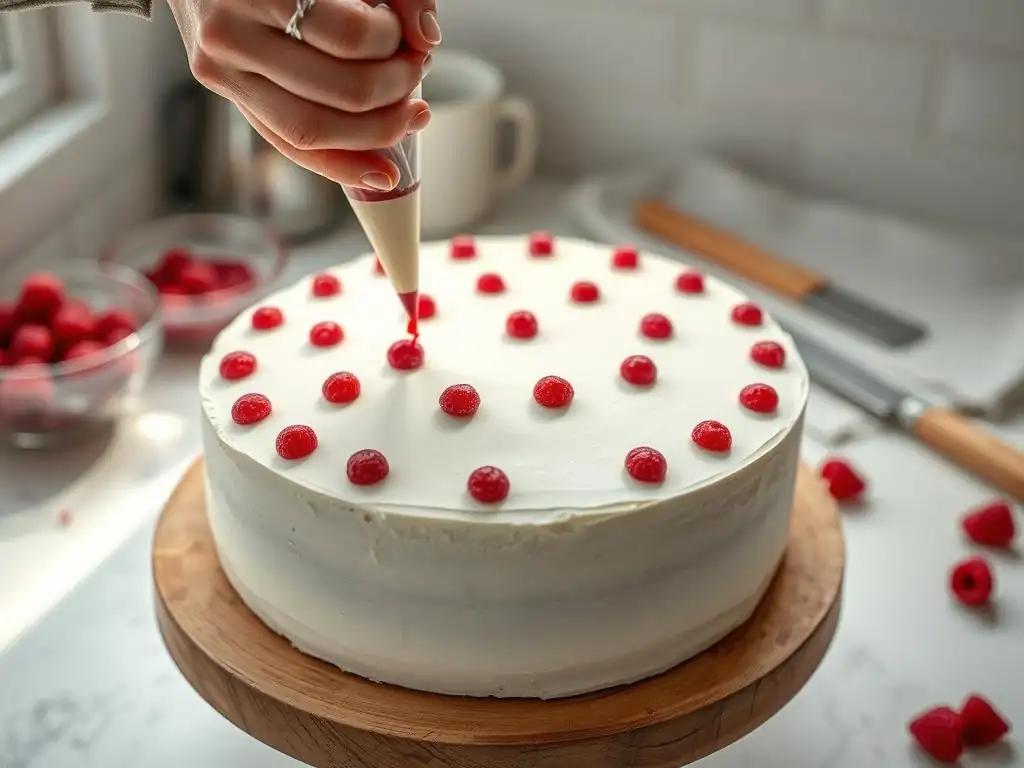
Once you've mastered the basic Swiss Meringue Buttercream, you can explore exciting variations by incorporating additional flavors like chocolate, caramel, or fruit. These advanced techniques build upon the fundamental SMBC process but require careful timing and consideration of how the added ingredients will affect the buttercream's texture and stability. Adding ingredients like melted chocolate or fruit puree requires a bit more finesse to maintain that signature silky smoothness.
Experimenting with different flavorings allows you to tailor your SMBC to perfectly complement your baked goods. Whether you're adding rich melted chocolate for a decadent cake filling or vibrant fruit puree for a summery cupcake topping, understanding how to incorporate these elements without compromising the buttercream's structure is key. These techniques demonstrate the versatility of SMBC as a base for creating a wide array of delicious and elegant frostings.
Chocolate SMBC: Adding Richness
Creating a luxurious chocolate Swiss Meringue Buttercream involves incorporating melted chocolate into your finished SMBC. For the best results, use high-quality chocolate with a cacao percentage you enjoy, whether dark, milk, or even white chocolate. Melt the chocolate gently, either over a double boiler or in the microwave in short bursts, stirring frequently. It is crucial that the melted chocolate cools down significantly before being added to the buttercream; it should still be liquid but not warm to the touch, ideally around 90-100°F (32-38°C). Adding hot chocolate will melt the butter and ruin the buttercream's structure.
Once the chocolate is melted and cooled, add it gradually to your finished SMBC while the mixer is running on low speed with the paddle attachment. Mix only until the chocolate is just combined and the buttercream is a uniform color. Be careful not to overmix after adding the chocolate, as this can sometimes affect the texture.
A common ratio is adding about 4-6 ounces (113-170g) of melted and cooled chocolate per cup of butter used in the original SMBC recipe, but adjust to your preference for chocolate intensity. The resulting chocolate SMBC will be rich, smooth, and deeply flavorful.
Salted Caramel SMBC: A Sweet and Salty Delight
For a delightful sweet and salty variation, you can create Salted Caramel Swiss Meringue Buttercream by incorporating cooled salted caramel sauce into your finished SMBC. You can make your own caramel sauce by heating sugar until it caramelizes to an amber color, then carefully whisking in warm cream and butter off the heat, finishing with a pinch of sea salt. Allow the caramel sauce to cool completely to room temperature and thicken slightly before adding it to the buttercream. The caramel should be thick enough to ribbon but not solid.
With the paddle attachment on your mixer running on low speed, slowly drizzle or spoon the cooled salted caramel sauce into the finished SMBC. Add the caramel gradually and mix until it is just incorporated. Taste and add more caramel as desired, but be cautious not to add too much liquid, as this can loosen the buttercream.
A good starting point might be 1/4 to 1/2 cup (60-120ml) of thick caramel sauce per cup of butter in the recipe. The result is a wonderfully smooth buttercream with layers of sweet, buttery caramel and a hint of salt to balance the flavors.
Incorporating Fruit Purees into SMBC
Adding fruit purees is a fantastic way to infuse your Swiss Meringue Buttercream with vibrant fruit flavor and natural color. Ideal purees for this are made from fruits like raspberries, strawberries, passion fruit, or mango. To prepare the puree, process the fresh or frozen fruit (thawed if frozen) in a blender until smooth.
For berries, you might want to strain the puree through a fine-mesh sieve to remove seeds. To concentrate the flavor and reduce excess liquid, gently simmer the strained puree in a small saucepan over medium heat until it has reduced by about half and is thicker. Allow the reduced puree to cool completely to room temperature before using.
Once the fruit puree is cooled, add it gradually to your finished SMBC while the mixer is running on low speed with the paddle attachment. Mix until the puree is evenly distributed and the buttercream is a uniform color. Add just enough puree to achieve the desired flavor and color without making the buttercream too soft.
The amount will vary depending on the fruit and how much you reduced it, but typically a few tablespoons per cup of butter in the recipe is a good starting point. The resulting SMBC will have a lovely fruity tang and a beautiful natural hue, perfect for cakes or cupcakes that pair well with fruit flavors.
SMBC Uses & Applications
The smooth, stable nature and delightful flavor of Swiss Meringue Buttercream make it incredibly versatile in the world of baking. It's not just for frosting cakes; its unique texture and ability to hold shape lend themselves well to a variety of applications, from filling delicate pastries to creating beautiful piped decorations. Exploring the different ways to use SMBC can elevate your baking skills and the presentation of your treats.
From achieving perfectly smooth cake finishes to piping intricate details, SMBC performs exceptionally well. Its less sweet profile also makes it a better candidate for applications where you don't want the frosting to overpower other flavors, such as filling delicate macarons or serving alongside fruit tarts. Understanding the best uses for SMBC will help you decide when this elegant frosting is the perfect choice for your baking project.
Frosting Cakes and Cupcakes with SMBC
Swiss Meringue Buttercream is a favorite among bakers for frosting cakes and cupcakes due to its exceptional spreadability and smooth finish. Its low sweetness profile complements rich cakes without being cloying. You can easily achieve a perfectly smooth surface on a cake using a bench scraper, or create elegant textured finishes with an offset spatula. The buttercream's stability means it holds its shape well once applied, making it ideal for stacking tiered cakes.
For cupcakes, SMBC pipes beautifully, creating luscious swirls that hold their form. Whether you prefer classic swirls, rosettes, or other patterns, SMBC maintains clean lines and definition. Its light texture also means a generous amount of frosting on a cupcake doesn't feel heavy or greasy. The ease with which it takes flavor and color variations means you can customize your cupcake toppings endlessly to match any theme or flavor profile.
Filling Macarons with SMBC
SMBC is considered a classic and superior filling for delicate French macarons. Its smooth, non-gritty texture is a perfect match for the light, airy shells. Unlike some other fillings, SMBC provides a creamy, stable layer between the shells without making them soggy. It holds its shape well when piped onto one shell before being sandwiched with another, creating the signature macaron "foot."
The ability to easily flavor Swiss Meringue Buttercream makes it ideal for pairing with the wide array of macaron shell flavors. You can create harmonious combinations like pistachio SMBC for pistachio macarons, or contrasting pairings like passion fruit SMBC for chocolate macarons. The clean, buttery flavor of the SMBC allows the subtle almond flavor of the macaron shell and the added flavoring in the buttercream to shine through, resulting in a perfectly balanced bite.
Creating Decorative Borders with SMBC
While perhaps not as stiff as some shortening-based buttercreams, Swiss Meringue Buttercream is stable enough for creating a variety of beautiful decorative borders on cakes. If you need slightly firmer SMBC for intricate piping, you can chill it in the refrigerator for 15-30 minutes before piping. Use standard piping bags fitted with various tips to create shells, stars, rosettes, and other classic border designs.
SMBC excels at creating softer, more elegant borders and swirls. Its smooth texture allows for clean lines and definitions in piped decorations. For designs requiring very sharp, intricate details, a brief chill of the decorated cake might be beneficial to help the SMBC set. However, for most common borders and decorative piping, SMBC provides excellent structure while maintaining its delightful, smooth texture.
Tips and Tricks for Perfect SMBC
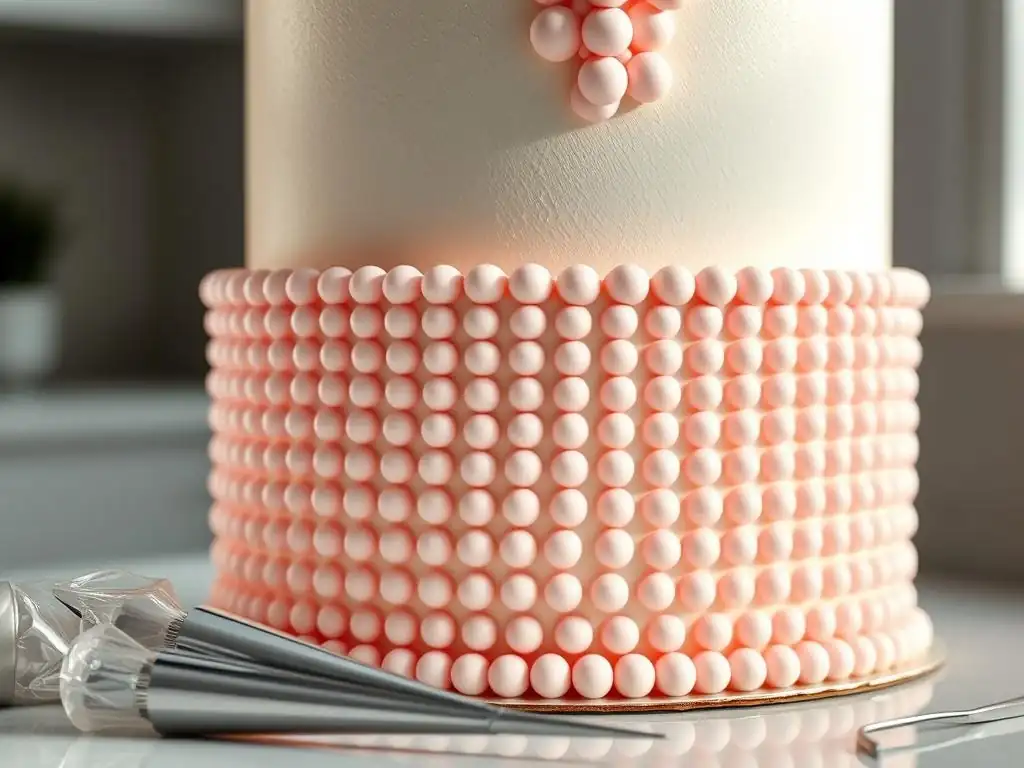
Mastering Swiss Meringue Buttercream involves understanding the science behind it and having a few handy tricks up your sleeve for when things don't go exactly as planned. While the process is straightforward, temperature fluctuations, ingredient inconsistencies, or simple timing errors can sometimes lead to challenges. Knowing how to prevent common issues and how to troubleshoot them if they arise will save you frustration and help you achieve perfect SMBC every time.
From ensuring your butter is at the right temperature to knowing how to handle a batch that looks separated, these tips are invaluable for beginners. Proper storage is also key to enjoying your homemade SMBC later. Armed with these tips, you'll be well-equipped to tackle any SMBC recipe with confidence and achieve that coveted silky-smooth texture.
Preventing a Soupy or Curdled SMBC
The most common reason for Swiss Meringue Buttercream turning soupy or failing to come together is temperature. Specifically, the meringue must be completely cool before you begin adding the softened butter. If the meringue is still warm when the butter is added, the butter will simply melt, resulting in a liquid or very loose consistency that won't whip up into buttercream. Ensure the mixing bowl feels cool to the touch before you even think about adding the butter. This cooling step in the whipping process is non-negotiable and can take 10-20 minutes or more.
Another factor in preventing a soupy or curdled texture is adding the butter correctly. Add the softened butter pieces gradually, one or two at a time, with the mixer running on low speed. Allow each addition to incorporate somewhat before adding the next. While the mixture will likely look curdled or separated during this stage, this is normal. The key is to keep mixing on medium speed after all the butter is added. The mixture will eventually emulsify and become smooth. Don't stop mixing too early just because it looks like a mess; patience is key here.
Dealing with Overly Sweet SMBC
Swiss Meringue Buttercream is naturally less sweet than American buttercream, but sometimes it can still taste a bit too sweet for certain palates or applications. This can happen if the sugar ratio was slightly off or simply due to personal preference. Since the sugar is dissolved into the meringue base, you can't simply add more butter or liquid to dilute the sweetness as you might with other frostings without affecting the texture.
One effective way to balance overly sweet SMBC is to add a pinch of salt after it's made and fully smooth. Salt helps to cut through sweetness and enhance other flavors. Start with a small pinch of fine sea salt and mix it in, then taste and add a little more if needed.
Another approach is to incorporate a tart flavoring, such as lemon zest, a small amount of lemon juice (be cautious with liquid), or a reduced fruit puree (like raspberry or passion fruit). The acidity and tartness can provide a counterpoint to the sweetness, creating a more balanced flavor profile.
Storing SMBC Properly
Swiss Meringue Buttercream can be stored in an airtight container at room temperature for 1-2 days, provided your kitchen isn't excessively warm (above 70°F / 21°C). For longer storage, it should be refrigerated or frozen. SMBC will keep well in the refrigerator for up to a week and in the freezer for several months. When refrigerating or freezing, press a piece of plastic wrap directly onto the surface of the buttercream before sealing the container to prevent a skin from forming and to protect it from absorbing odors.
When you're ready to use refrigerated or frozen SMBC, transfer it to your mixing bowl and let it come to room temperature. This can take several hours on the counter. Once it's at room temperature, it will likely look curdled, separated, or even like cottage cheese – this is perfectly normal! Place the bowl back on your stand mixer fitted with the paddle attachment and whip it on medium speed for several minutes. The buttercream will re-emulsify and become smooth and creamy again, ready to be used for frosting or decorating.
Troubleshooting Common SMBC Problems
Even with careful preparation, sometimes Swiss Meringue Buttercream can present challenges. Knowing how to identify and fix common issues like a buttercream that is too soft, grainy, or separated is essential for any baker. Most SMBC problems are related to temperature or emulsification and can often be corrected with a bit of patience and targeted action. Don't give up on a batch that doesn't look perfect initially; it's often salvageable.
Understanding the likely causes behind these common problems will help you troubleshoot effectively. Whether your buttercream is refusing to firm up or has a strange texture, there's usually a fix. These troubleshooting techniques are valuable skills for mastering SMBC and ensuring you can consistently achieve that desired silky-smooth consistency.
SMBC That Is Too Soft
If your Swiss Meringue Buttercream is too soft or soupy after the butter has been added and you've mixed for several minutes, the most likely cause is that the meringue was not completely cool when the butter was added, or the butter itself was too soft (partially melted). Warm meringue melts the butter, preventing it from emulsifying correctly.
Solution: The fix for overly soft SMBC is usually chilling and re-whipping. Place the entire bowl of soupy buttercream in the refrigerator for 15 to 30 minutes (or longer if very liquid) until the edges start to firm up. Don't let it get too hard.
Then, return the bowl to the mixer and whip it on medium speed with the paddle attachment. As it whips, the butter will cool further and should re-emulsify with the meringue, bringing the buttercream together into a smooth, firm consistency. You might need to repeat the chill-and-whip cycle if it doesn't come together on the first try.
SMBC That Is Too Grainy
A grainy texture in Swiss Meringue Buttercream is almost always caused by sugar crystals that did not fully dissolve in the egg white mixture during the initial heating stage. If you felt any grittiness when rubbing the mixture between your fingers after heating, those undissolved crystals will remain in the final buttercream, giving it a grainy mouthfeel.
Solution: Unfortunately, once the buttercream is made, there is no easy way to dissolve the sugar crystals. You cannot fix a grainy SMBC batch. The key is prevention in future batches. Ensure you heat the egg white and sugar mixture to the proper temperature range (130-160°F / 54-71°C) and whisk constantly until you can confirm, by rubbing a small amount between your fingers, that absolutely no sugar crystals remain. Using superfine (caster) sugar can sometimes help with faster dissolution, but proper heating and testing are the most reliable methods.
SMBC That Separates
SMBC can sometimes look separated, curdled, or broken, even if the meringue was cool and the butter was softened correctly. This often happens when there's a temperature imbalance – either the buttercream is too cold (making the butter solidify unevenly) or too warm (making the butter melt). It can also occur if the butter was added too quickly initially.
Solution: Like soupy SMBC, separated buttercream is often fixable by simply continuing to mix it. Keep the mixer running on medium speed with the paddle attachment; it often comes together after several minutes as the temperatures equalize through friction. If it's stubborn, try the "warm a bit" trick: scoop out about 1/4 to 1/2 cup of the separated buttercream, gently warm it (microwave in 5-second bursts, stirring, or over a double boiler) until it's slightly melted but still mostly liquid.
With the mixer running on medium, slowly pour this warmed portion back into the main bowl of buttercream. Continue mixing, and it should emulsify and become smooth. If the buttercream feels too cold, you can gently warm the outside of the mixing bowl with a kitchen torch or a hot towel while mixing.
Conclusion: Mastering the Art of SMBC
Swiss Meringue Buttercream, while requiring a bit more technical precision than some other frostings, is a highly rewarding technique for any baker to learn. Its smooth, stable texture, balanced sweetness, and clean flavor profile make it a superior choice for a wide range of applications, from elegantly frosted cakes to delicate pastry fillings. By understanding the key steps – heating the meringue correctly, cooling it fully, and incorporating the butter gradually – beginners can confidently create this luxurious buttercream.
Don't be discouraged by initial challenges; troubleshooting is a normal part of the learning process with SMBC. With practice, you'll become adept at recognizing the correct consistencies at each stage and fixing any issues that arise. Mastering SMBC opens up a world of decorating possibilities and elevates the taste and appearance of your baked goods, making it a valuable addition to your baking repertoire.
SMBC: A Versatile and Delicious Frosting
Swiss Meringue Buttercream stands out as a versatile and delicious frosting option. Its inherent stability allows it to be used for intricate piping and smooth finishes, providing a professional look to cakes and cupcakes. Unlike heavy, overly sweet frostings, its light, airy texture and clean, buttery flavor enhance rather than overpower the flavors of the cake or pastry it accompanies. This makes it suitable for delicate creations like macarons, where a less sweet filling is preferred.
The ease with which SMBC can be flavored and colored further adds to its versatility. From classic vanilla and rich chocolate to vibrant fruit purees and decadent caramel, the possibilities for customizing SMBC are nearly endless. This adaptability ensures that Swiss Meringue Buttercream can be tailored to perfectly complement almost any baked treat, making it a go-to frosting for bakers seeking both elegance and exceptional taste.
Further Exploration in Buttercream Techniques
Mastering Swiss Meringue Buttercream is a significant step in expanding your buttercream knowledge, but it's just one type of meringue-based frosting. You might next explore Italian Meringue Buttercream, which uses a hot sugar syrup poured into whipping egg whites, resulting in an even more stable and slightly silkier texture. French Meringue Buttercream, made by whipping hot sugar syrup into egg yolks, offers a richer, custard-like flavor and a pale yellow hue, though it is less stable than Swiss or Italian versions.
Each buttercream technique offers unique characteristics in terms of texture, flavor, and stability, making them suitable for different applications. By practicing SMBC and then potentially delving into Italian or French methods, you can gain a deeper understanding of how meringue and butter combine to create these classic frostings. This continued exploration will further enhance your baking skills and provide you with a wider range of delicious options for decorating and filling your baked creations.
Frequently Asked Questions
What is the dot technique for cake decorating?
The dot technique is a simple method of decorating cakes using small, precisely placed dots of frosting to create patterns, designs, or borders. It's known for its easy elegance and accessibility.
What kind of frosting works best for dot cake decorating?
A stiff buttercream is generally recommended for dot cake decorating. This ensures the dots hold their shape and don't spread out too much. Royal icing can also be used, especially for more intricate designs.
What tools do I need for easy dot cake decorating?
The most important tool is a piping bag fitted with a round piping tip of varying sizes. You may also find tools like spatulas and offset spatulas helpful for creating a smooth base layer of frosting.
Can I use the dot technique on any type of cake?
Yes, the dot technique is versatile and can be used on practically any type of cake. Consider the cake's density and flavor when choosing your frosting and color scheme for the best overall result.
How can I create different effects with the dot technique?
Varying the size and spacing of the dots can create different effects. Use different colors of frosting for a more vibrant design, or try layering dots for added dimension.
Final Reflection: The Enduring Allure of the Dot
The humble dot, a seemingly insignificant mark, holds the power to transform a simple cake into a masterpiece. This article explored the surprisingly versatile dot technique, demonstrating how easily even beginners can achieve elegant and professional-looking results. From simple polka dots to intricate patterns, the possibilities are truly endless, making this technique accessible and appealing to bakers of all skill levels.
The impact of simple decorating techniques like dotting extends far beyond the aesthetic. It's about empowerment; it's about taking ownership of the creative process and finding joy in the small details. The details are not the details. They make the design.
– Charles Eames. This quote perfectly encapsulates the essence of the dot technique: the seemingly insignificant dots collectively create a stunning visual impact, proving that even the smallest elements can contribute to something extraordinary. This resonates deeply with me, as I've found that the same principle applies to many aspects of life.
Now, it's your turn. Don't be intimidated by the blank canvas of your next cake. Grab your piping bag, choose your favorite colors, and let your creativity flow. Experiment with different sizes, patterns, and colors. Embrace the imperfections, for they add character and charm. Remember, the beauty of the dot technique lies in its simplicity and accessibility. Let the dots guide you to create not just a delicious cake, but a testament to your own unique creativity and the joy of simple elegance.
Unleash Your Inner Cake Artist: Master the Dot Technique Today!
Thanks for taking the time to explore the magic of the dot technique! We hope you're feeling inspired to create stunningly elegant cakes with minimal effort. Ready to put your newfound skills to the test?
- Try the Dot Technique on your next cake: Choose a simple design to start, maybe a classic single-color swirl, and see how effortlessly you can elevate your baking game. Don't be afraid to experiment!
- Share your creations: We'd love to see your dot-technique masterpieces! Post a picture on social media and tag us – let's build a community of cake artists together!
- Explore other easy decorating techniques on BakeWithEase.com: We've got plenty more tips and tricks to help you become a confident baker.
What unique design will you create using the dot technique? Let us know in the comments!