
The pH of Flour: Does It Affect Your Baking Results?

Welcome to BakeWithEase, your guide to baking brilliance! Ever wondered if the secret to that perfectly risen loaf or exquisitely tender cake lies beyond just ingredients and technique? We delve into a fascinating, often overlooked aspect of baking: flour pH. Could the pH of your flour be impacting your baking results more than you realize? Join us as we unravel the science behind this crucial factor and discover how understanding flour pH baking results can elevate your creations to the next level. Prepare to unlock the secrets for consistent, delectable baked goods!
- Understanding Flour pH and Its Importance in Baking
- Different Types of Flour and Their Typical pH Levels
- How Flour pH Affects Baking Results: Specific Examples
- Factors Influencing Flour pH
- Testing and Adjusting Flour pH for Optimal Baking
- Choosing the Right Flour for Your Baking Project
- Frequently Asked Questions
- Final Reflection: The Impact of Flour pH on Baking Success
- Unlock Baking Perfection: Master Your Flour's pH
Understanding Flour pH and Its Importance in Baking
What is pH and Why Does it Matter in Baking?
pH is a scale used to specify how acidic or basic a water-based solution is. The scale ranges from 0 to 14, with 7 being neutral. Values below 7 indicate increasing acidity, while values above 7 indicate increasing alkalinity (or basicity).
In baking, ingredients dissolve in liquid (like water or milk) to form solutions, and the pH of these solutions significantly influences chemical reactions that occur during mixing, proofing, and baking. Understanding flour pH and the overall dough or batter pH is crucial because it impacts everything from ingredient interactions to the final texture, color, and flavor of your baked goods.
The pH level in your dough or batter dictates the speed and efficiency of various biological and chemical processes. For example, enzymes naturally present in flour work best within specific pH ranges. Yeast activity, which is essential for leavening many breads, is also highly sensitive to pH. Even the way proteins like gluten interact and form structure is influenced by the pH of the surrounding liquid. Therefore, the initial flour pH, combined with the pH of other ingredients, sets the stage for many critical transformations that determine the ultimate success of your baking results.
The Role of pH in Gluten Development
Gluten, the protein network responsible for structure in many baked goods, is significantly affected by pH. In slightly acidic conditions (lower pH), gluten proteins tend to tighten and become stronger, which can be beneficial for creating chewy textures, like in artisan bread. This is because the acidic environment helps the proteins form more stable cross-links. For instance, sourdough starters are highly acidic, and this acidity contributes greatly to the strong gluten structure and characteristic chewiness of sourdough bread.
Conversely, in alkaline conditions (higher pH), gluten tends to weaken. This can lead to a more tender crumb structure, which is often desired in cakes or pastries. Alkaline ingredients like baking soda (sodium bicarbonate), which has a high pH, are frequently used in recipes where a tender, less chewy result is desired.
The interaction of baking soda with acidic ingredients creates carbon dioxide for leavening, but the resulting higher pH also contributes to a softer gluten network, directly impacting the final texture and crumb structure. The flour pH baking results are therefore intricately linked to how that pH influences gluten formation.
How Flour pH Impacts Yeast Activity
Yeast is a living organism that produces carbon dioxide, which leavens bread dough, and its activity is highly dependent on environmental factors, including pH. While yeast can survive in a relatively broad pH range, it thrives best in slightly acidic conditions, typically between pH 4.5 and 6.0. Flour itself usually falls within this slightly acidic to near-neutral range (around 5.5 to 6.5), providing a suitable starting point for yeast fermentation.
If the dough becomes too acidic (below pH 4.0) or too alkaline (above pH 7.0), yeast activity can slow down significantly or even stop. This is why adding large amounts of highly acidic ingredients (like excessive lemon juice without balancing alkali) or highly alkaline ingredients (like too much baking soda without acid) to a yeasted dough can inhibit rise. The natural flour pH baking results are influenced by how conducive that pH is to optimal yeast fermentation, which in turn affects the dough's proofing time, volume, and the development of flavorful compounds produced during fermentation.
Different Types of Flour and Their Typical pH Levels
All-Purpose Flour pH: What to Expect
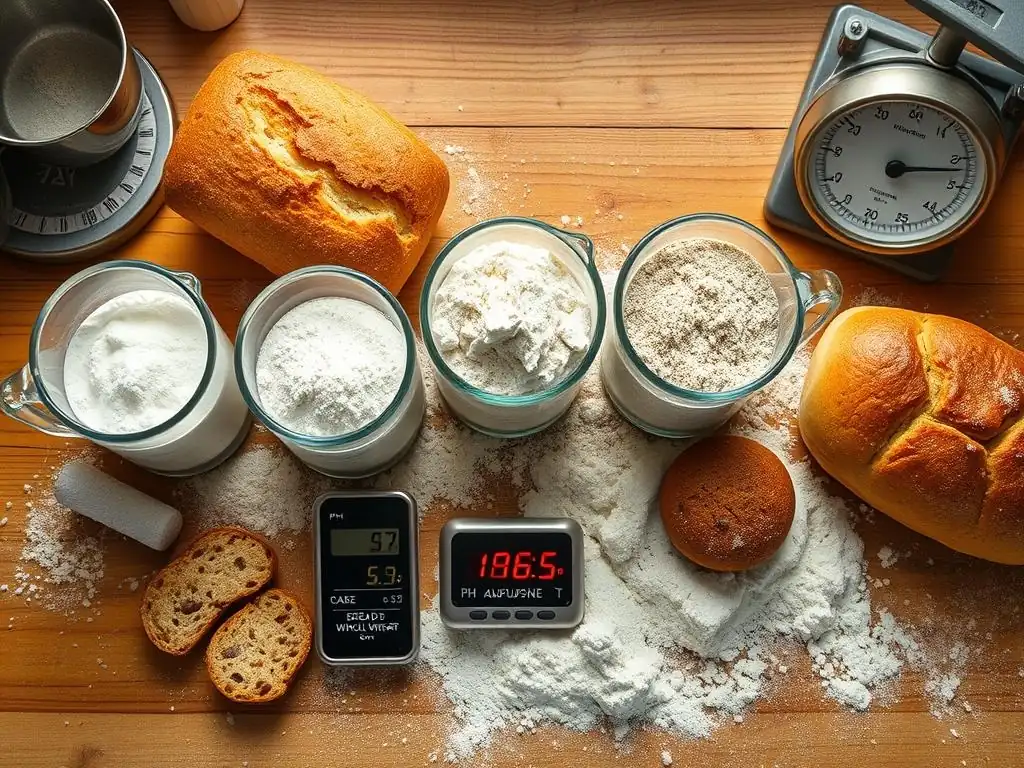
All-purpose flour is a versatile flour milled from a blend of hard and soft wheat, designed for a wide range of baking applications. Its typical pH level usually falls within a slightly acidic to near-neutral range, commonly between 5.8 and 6.2. This range makes it suitable for many recipes because it doesn't significantly push the dough or batter's pH too far in either the acidic or alkaline direction, allowing leavening agents (whether yeast or chemical) to function effectively in most standard recipes.
The relatively neutral pH of all-purpose flour contributes to its adaptability. For most everyday baking tasks, like cookies, muffins, and quick breads, the inherent pH of the flour is less critical than the pH adjustments made by other ingredients, such as buttermilk (acidic), yogurt (acidic), baking powder (contains both acid and alkali), or baking soda (alkaline). However, understanding this baseline flour pH helps predict how it will interact with these other components to achieve the desired flour pH baking results.
Bread Flour pH: Considerations for Loaf Structure
Bread flour is typically milled from hard wheat varieties and has a higher protein content than all-purpose flour, which is essential for strong gluten development. Its pH often ranges from approximately 5.5 to 6.0, slightly lower (more acidic) than the average all-purpose flour. This slightly more acidic pH can be beneficial for yeast activity, as yeast prefers a slightly acidic environment for optimal fermentation and gas production.
The slightly lower pH of bread flour also subtly contributes to the strength and elasticity of the gluten network. While protein content is the primary driver of gluten strength, the acidic conditions help the protein molecules align and bond more effectively, leading to the robust structure needed for a well-risen, chewy loaf of bread. Considering the flour pH baking results for bread requires understanding how this slightly lower pH supports both yeast fermentation and gluten development.
Cake Flour pH: Achieving a Tender Crumb
Cake flour is a finely milled flour from soft wheat, known for its low protein content, which is key to producing tender, delicate cakes. Cake flour is often chlorinated, a process that changes the starch and protein structure and also typically results in a slightly higher pH compared to all-purpose or bread flour, often ranging from 6.0 to 6.5. This higher pH has a significant impact on cake texture.
The slightly alkaline nature of cake flour helps to weaken the gluten structure further, preventing the formation of a tough crumb. Additionally, the treatment and pH affect how the flour interacts with fats and liquids, allowing for better distribution and absorption, which contributes to a moist and tender final product. The flour pH baking results for cakes rely heavily on the specific characteristics imparted by cake flour's processing and its resulting higher pH.
Whole Wheat Flour pH: Impact on Taste and Texture
Whole wheat flour is milled from the entire wheat kernel, including the bran and germ, which contain fats, minerals, and enzymes not found in refined white flours. These components tend to make whole wheat flour slightly more acidic than white flours, with a typical pH range of around 5.5 to 6.0, similar to or slightly lower than bread flour. The presence of the bran and germ significantly impacts baking characteristics beyond just pH.
The bran particles can physically interfere with gluten development, resulting in denser baked goods. The enzymes present in the germ can also affect dough structure over time. While the slightly lower pH doesn't directly cause density (that's more due to bran/germ), it does play a role in enzyme activity and can influence the overall flavor profile, often contributing to the characteristic tanginess sometimes perceived in whole wheat baked goods. Understanding the pH of whole wheat flour is part of mastering flour pH baking results when working with less refined flours.
How Flour pH Affects Baking Results: Specific Examples
The Effect of High pH Flour on Sourdough Bread
While sourdough starters themselves are highly acidic (often pH 3.5-4.5), the flour used to build the dough still influences the final pH. If a flour with an unusually high pH (say, above 6.5) is used, it can buffer the acidity of the starter, resulting in a dough with a higher final pH than desired for optimal sourdough fermentation and gluten development. A higher dough pH (closer to neutral) can lead to slower or less vigorous yeast and lactic acid bacteria activity, resulting in a less airy crumb and potentially less pronounced sour flavor.
Furthermore, the strong gluten network characteristic of good sourdough is partly due to the dough's acidity. A higher pH dough can result in a weaker gluten structure, leading to a loaf that doesn't hold its shape as well during proofing and baking, potentially resulting in a flatter loaf with a tighter crumb. Thus, while starter acidity is key, the baseline flour pH can subtly impact the success of a sourdough bake and alter the expected flour pH baking results.
The Effect of Low pH Flour on Cakes
In cake recipes, especially those using chemical leavening like baking soda, the pH of the batter is critical for proper rise and texture. Baking soda requires an acid to react and produce carbon dioxide gas. While recipes often include acidic ingredients like buttermilk, vinegar, or citrus juice, the flour itself contributes to the overall pH. If a flour with an unusually low pH (more acidic, say, below 5.5) is used in a recipe balanced for a typical flour pH, it might create an overly acidic batter.
An overly acidic cake batter can lead to several issues. It might cause the baking soda to react too quickly or completely before baking begins, resulting in less lift in the oven. It can also affect the color of the crumb (acidic conditions can sometimes inhibit browning or lead to a pale crumb) and can even impart a subtle sour or metallic off-flavor. Achieving the desired tender crumb and good rise in cakes depends on a carefully balanced pH, and an unexpectedly low flour pH can disrupt this balance, negatively impacting the flour pH baking results.
Many common baking problems can sometimes be traced back, in part, to the pH of the ingredients, including the flour. For instance, a yeasted bread that doesn't rise well might be suffering from a dough pH that is too far from the optimal range for yeast activity, potentially influenced by a flour with an atypical pH or the interaction with other ingredients. Similarly, a cake that is dense or has a poor crumb structure might have a pH imbalance affecting leavening or gluten development.
Troubleshooting involves considering all ingredients. If you consistently get unexpected flour pH baking results with a specific flour, especially when using sensitive leavening agents like baking soda (which needs acid) or relying on yeast, it might be worth considering the flour's inherent pH. While significant deviations in commercial flour pH are rare, they can occur or be exacerbated by storage. Adjusting liquids or leavening agents slightly based on experience with a particular flour can sometimes help compensate for minor pH variations.
Factors Influencing Flour pH
Flour Milling Process and pH
The milling process itself can influence the final pH of flour. Different milling techniques and the parts of the wheat kernel included result in different flour types with varying compositions. For example, whole wheat flour includes the bran and germ, which contain minerals and fatty acids that can lower the pH compared to refined white flour, where these components are removed.
Furthermore, some flour treatments applied during or after milling can affect pH. Chlorination, commonly used for some cake flours, is an example of a treatment that significantly alters flour properties, including increasing its pH. The efficiency and temperature of the milling process can also subtly impact the chemical composition and potential for oxidation, which might have minor effects on pH, though these are generally less significant than the inclusion of bran/germ or specific chemical treatments when considering typical flour pH baking results.
Flour Storage Conditions and pH Changes
How flour is stored can also impact its pH over time, particularly whole wheat flours. Whole wheat flour contains fats in the germ that can oxidize and become rancid when exposed to air, light, and warmth. This oxidation process can lead to the formation of fatty acids, which can slightly lower the pH of the flour over prolonged storage.
While refined white flours are less susceptible to rancidity due to the removal of the germ, improper storage (e.g., in high humidity) can still encourage microbial activity or other chemical changes that could potentially alter the pH slightly. Storing flour in a cool, dry, airtight container helps preserve its quality, freshness, and intended pH, ensuring more consistent flour pH baking results.
Additives and Their Impact on Flour pH
Various additives are sometimes included in flour, which can affect its pH. Enriching flour with vitamins and minerals typically has a negligible effect on pH. However, other additives, such as bleaching agents or dough conditioners, can potentially influence the pH. For example, as mentioned, chlorination used in some cake flours significantly raises the pH.
Some dough conditioners might contain acidic or alkaline components designed to optimize enzyme activity or modify gluten structure, thereby impacting the dough's pH when the flour is hydrated. While the impact of additives on the flour's dry pH might be small, their effect becomes relevant once the flour is mixed into a dough or batter, contributing to the overall pH environment that dictates chemical reactions and ultimately the flour pH baking results.
Testing and Adjusting Flour pH for Optimal Baking
Simple pH Testing Methods for Flour
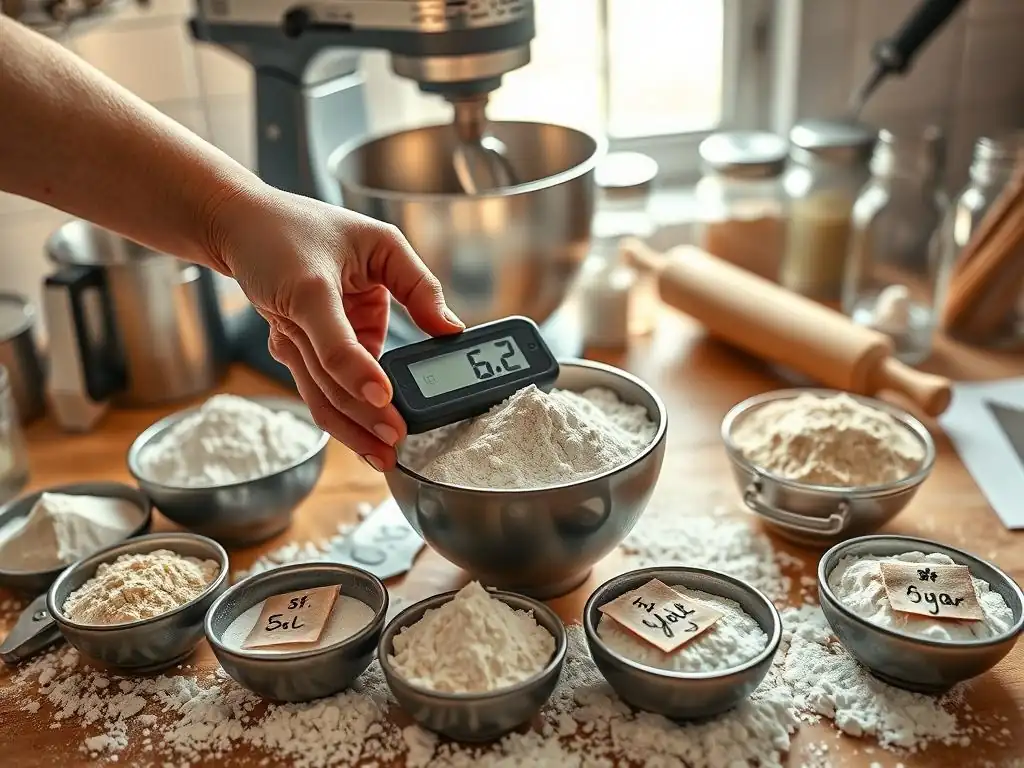
While a laboratory-grade pH meter provides the most accurate measurement, home bakers can get an approximate idea of their flour's pH using simpler methods. One common method is to create a slurry by mixing a small amount of flour with distilled water (using distilled water is important because tap water pH varies). A ratio of about 1 part flour to 5 parts distilled water is often used.
Once the slurry is mixed and has sat for a few minutes, you can test its pH using wide-range pH test strips or a basic electronic pH meter designed for liquids. Dip the strip or meter into the slurry and compare the color change on the strip to the provided chart or read the value on the meter. This won't give you the exact pH of the dry flour, but it provides a useful indication of the pH the flour contributes to a liquid mixture, which is what matters in baking for assessing flour pH baking results.
Natural Ways to Adjust Flour pH for Baking
Adjusting the pH of your dough or batter is more commonly done by altering other ingredients rather than the flour itself. However, understanding the flour's pH helps in deciding how to adjust. If your flour seems slightly high in pH for a specific recipe (like sourdough), you can compensate by using a slightly more acidic liquid (e.g., adding a tiny bit of vinegar or lemon juice to the water, being cautious not to add too much).
For recipes where a slightly higher pH might be beneficial (like some cakes needing extra tenderness, though this is less common to adjust proactively based on flour pH), you might ensure your recipe includes a sufficient amount of alkaline ingredients like baking soda or use liquids that are naturally slightly alkaline (though this is rare in typical baking liquids). The key is usually balancing the overall batter or dough pH, using the flour's contribution as a baseline. The goal is to optimize the overall mix for the best flour pH baking results.
When to Consider Adjusting Flour pH for Baking Success
For most everyday baking, the pH of commercially available flour is consistent enough that direct adjustment isn't necessary. Recipes are generally formulated assuming typical flour pH ranges. However, you might consider the impact of flour pH and potential adjustments in specific scenarios:
- Finicky Fermentations: If you are consistently having issues with yeast activity or sourdough fermentation despite controlling temperature and starter health, the flour's pH might be a contributing factor worth exploring.
- Sensitive Chemical Leavening: In recipes relying heavily on the precise reaction between baking soda and an acid (like some complex cake or muffin recipes), an unusually high or low flour pH might subtly alter the desired reaction rate and final texture, impacting the flour pH baking results.
- Working with Unusual Flours: If you are milling your own flour or working with specialty flours where the pH might vary more significantly than standard commercial products, understanding and potentially testing the pH could be beneficial for consistent results.
Choosing the Right Flour for Your Baking Project
Matching Flour pH to the Recipe Requirements
Selecting the appropriate type of flour for a recipe is the most straightforward way to utilize the concept of flour pH in baking. As discussed, different flours inherently have different pH ranges and characteristics that make them suitable for specific applications. Bread flour's slightly lower pH and high protein content are perfect for chewy bread, while cake flour's slightly higher pH and low protein are ideal for tender cakes.
Recipes are developed with the expected properties of specific flour types in mind, including their typical pH. By choosing the flour specified in a recipe (e.g., using cake flour for a cake, bread flour for bread), you are inherently selecting a flour pH profile that the recipe developer intended to interact correctly with other ingredients and achieve the desired flour pH baking results. Substituting flours without understanding their differences in protein, starch, and pH can lead to unexpected outcomes.
Understanding Recipe Acidity and Alkalinity
Beyond the flour itself, the other ingredients in a recipe significantly contribute to the final pH of the dough or batter. Ingredients like buttermilk, yogurt, sour cream, vinegar, lemon juice, molasses, brown sugar, cocoa powder (natural), and fruit juices are acidic. Ingredients like baking soda, baking powder (which contains both acid and alkali, but the final effect can vary), and sometimes milk can be alkaline or near-neutral.
A recipe's balance of these acidic and alkaline components is crucial, especially when chemical leavening is used. Baking soda requires an acid to react fully. Baking powder contains its own acid, reacting when wet and often again when heated. Understanding how these ingredients interact with the flour's baseline pH allows you to predict and control the final pH environment, ensuring leavening agents function correctly and contributing to the desired flour pH baking results.
Tips for Selecting Flour Based on Desired Baking Outcomes
When choosing flour, consider the end result you want to achieve. For a chewy texture and good crust in bread, opt for a high-protein bread flour, whose typical pH supports yeast and gluten development. For a light, tender crumb in cakes and pastries, a low-protein cake flour, often with a slightly higher pH due to processing, is usually the best choice.
For versatile use in cookies, muffins, and quick breads, all-purpose flour provides a balanced protein level and a relatively neutral pH that works well with various leavening agents. While you don't need to measure the pH of every batch of flour, being aware that different types have typical pH ranges and understanding how pH affects gluten and leavening empowers you to make informed choices and troubleshoot effectively, leading to more consistent and successful flour pH baking results.
Frequently Asked Questions
What exactly is flour pH and why should I care?
Flour pH refers to the level of acidity or alkalinity in flour. It matters because it affects gluten development and enzyme activity, which directly impacts baking results.
How does flour pH influence gluten development?
A slightly acidic pH generally strengthens gluten, leading to better structure and elasticity in baked goods. Conversely, a more alkaline pH can weaken gluten, resulting in a softer, more tender crumb.
Can the pH of flour affect the color of my baked goods?
Yes, flour pH can influence browning reactions. A higher (more alkaline) pH can promote faster browning during baking, while a lower pH may lead to a paler crust.
How can I measure the pH of my flour at home?
Measuring flour pH accurately at home is difficult without specialized equipment. However, you can roughly estimate by observing the baking results and adjusting other ingredients like acidic liquids (lemon juice).
Does the type of flour impact its pH?
Yes, different types of flour naturally have varying pH levels. For example, whole wheat flour tends to be slightly more acidic than all-purpose flour, which can influence the final product's texture and flavor.
Final Reflection: The Impact of Flour pH on Baking Success
Understanding the pH of flour is not just a technical detail; it is a crucial factor that can significantly influence your baking results. As we have explored throughout this article, the pH level of flour can affect gluten development, fermentation, and ultimately the texture and flavor of baked goods. In a world where home baking has surged in popularity, especially during challenging times, recognizing how such a seemingly minor detail can transform our culinary creations is essential for both novice and experienced bakers alike.
The relationship between flour pH and baking results extends beyond the kitchen; it reflects our evolving understanding of food science and its practical applications in our daily lives. As we embrace the art of baking, we also engage with the science that underpins it, fostering a deeper appreciation for the ingredients we use. This connection is beautifully encapsulated in the words of renowned chef Thomas Keller: A recipe has no soul. You, as the cook, must bring soul to the recipe.
By understanding the nuances of flour pH, we can infuse our baking with intention and creativity, elevating our culinary endeavors.
As you reflect on your own baking journey, consider how the insights shared in this article can inspire you to experiment and innovate in your kitchen. Take the time to explore different types of flour and their pH levels, and notice how these variations can enhance your baking results.
Embrace the challenge of mastering this aspect of baking, and let it guide you toward creating delicious, memorable treats that not only satisfy your palate but also tell a story of your culinary growth. The next time you reach for a bag of flour, remember that its pH holds the key to unlocking your baking potential.
Unlock Baking Perfection: Master Your Flour's pH
Thanks for diving into the fascinating world of flour pH and its impact on your baking! You've now got the knowledge to elevate your baking game. Ready to put it into practice?
- Experiment with different flours: Try baking the same recipe with several types of flour – note the differences in texture, rise, and overall flavor. This is the key to understanding how pH affects your results.
- Share your findings: Let the BakeWithEase community know your results! Post a photo of your creations and share your flour pH experiment experience in the comments below.
- Dive deeper: Explore our recipe section for pH-sensitive recipes, designed to showcase the knowledge you’ve gained.
What unique baking experiment will you try first, based on your new understanding of flour pH?