
DairyFree Butter Hacks That Will Transform Your Baking

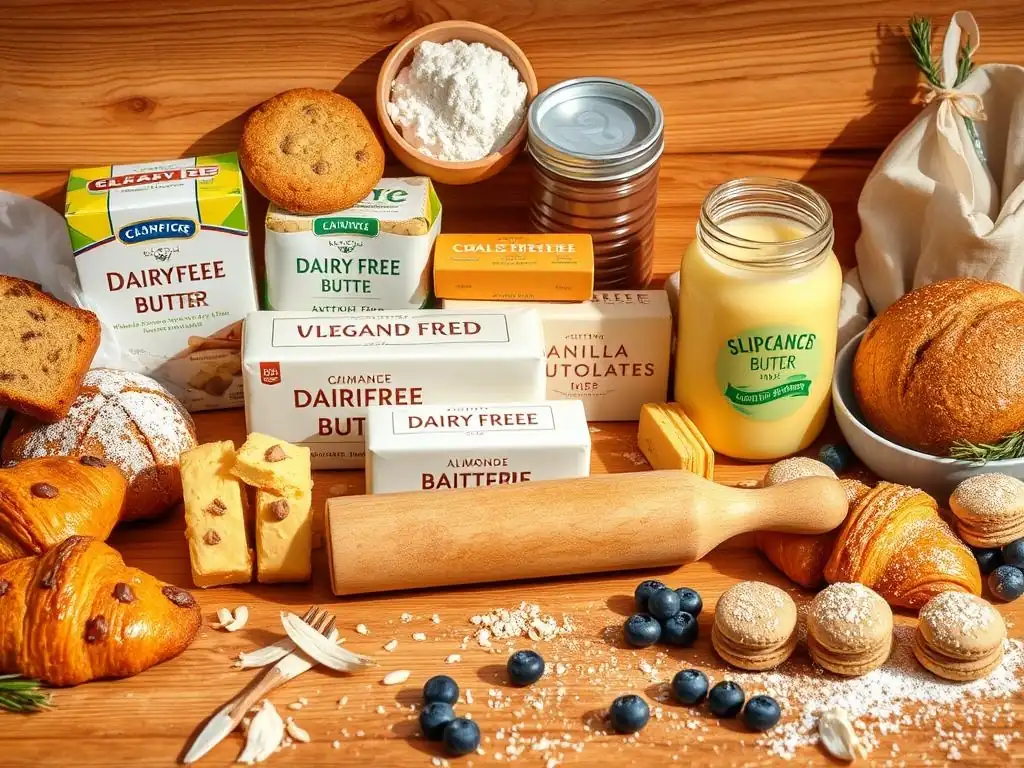
Welcome to BakeWithEase, where effortless baking becomes your reality! Curious about achieving that perfect texture and flavor in your baked goods, even without dairy? Prepare to be amazed! Discover our groundbreaking Dairyfree baking butter hacks that will revolutionize your recipes and open up a whole new world of delicious possibilities. Intrigued? Let's dive in and unlock the secrets to baking brilliance!
- Understanding Dairy-Free Butter Alternatives for Baking
-
Dairy-Free Baking: Mastering Butter Substitution Techniques
- Technique #1: Refined Coconut Oil - A Neutral-Flavored Substitute
- Technique #2: Olive Oil - Enhancing Savory Baked Goods
- Technique #3: Avocado - Adding Creaminess and Moisture
- Technique #4: Nut and Seed Butters - Boosting Flavor and Adding Fat
- Technique #5: Fruit Purees - A Low-Fat Option for Baking
- Baking with Dairy-Free Butter Alternatives: Essential Tips
- Troubleshooting Common Dairy-Free Baking Issues
- Dairy-Free Recipes Using Butter Alternatives
- Conclusion: Exploring Dairy-Free Baking
-
Frequently Asked Questions
- What are some common dairy-free substitutes for butter in baking?
- Can I substitute dairy-free butter 1:1 for regular butter in most baking recipes?
- Will using dairy-free butter alternatives change the taste of my baked goods?
- Are all dairy-free butter alternatives suitable for all types of baking?
- Where can I find reliable information and recipes for dairy-free baking?
- Final Reflection: Unlocking the Delicious Potential of Dairy-Free Baking
- Unleash Your Dairy-Free Baking Genius!
Understanding Dairy-Free Butter Alternatives for Baking
What are Dairy-Free Butter Alternatives? A Guide to Plant-Based Options
Dairy-free butter alternatives are plant-based products designed to mimic the functional properties of traditional dairy butter in baking recipes. These substitutes are typically made from a blend of vegetable oils, such as palm, soybean, canola, or sunflower oil, often combined with water, salt, and emulsifiers to create a solid or semi-solid fat similar in texture to butter. Their primary role is to provide fat, which contributes to tenderness, moisture, and structure in baked goods, enabling techniques like creaming with sugar for aeration in cakes or creating flaky layers in pastries.
Beyond blended vegetable oils, other natural, whole-food options also serve as dairy-free butter hacks in baking. These include refined coconut oil, various liquid oils like olive or canola oil, fruit purees such as applesauce or mashed banana, and nut or seed butters. Each alternative brings unique characteristics in terms of flavor, texture, and fat content, requiring bakers to understand their properties to achieve successful results. Utilizing effective dairyfree baking butter hacks allows those with dietary restrictions or preferences to enjoy a wide range of baked goods without compromising on taste or texture.
Popular Dairy-Free Butter Brands and Their Baking Performance
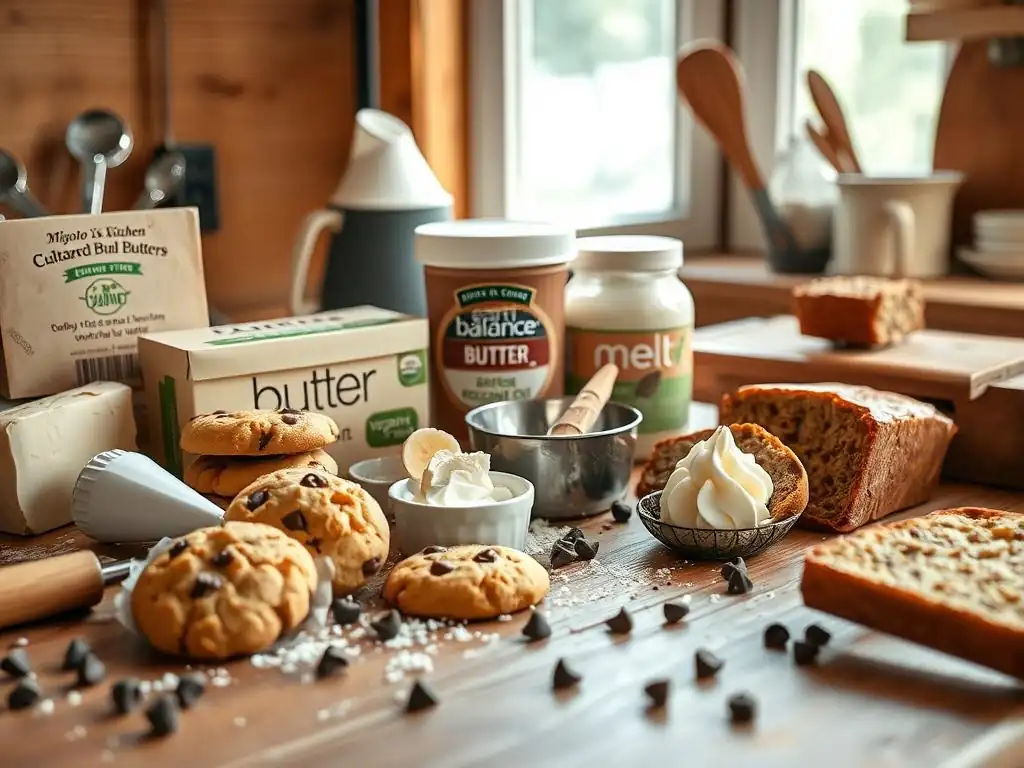
Several brands specialize in producing dairy-free butter alternatives formulated specifically for baking. Brands like Earth Balance offer a range of products, including sticks designed for baking that perform remarkably similarly to dairy butter in terms of creaming ability and melt point.
Their stick format, often a blend of oils like palm, soy, and canola, is widely used for cookies, cakes, and pie crusts, providing reliable structure and tenderness. Another popular option, Miyoko's Kitchen, offers a cultured vegan butter made from organic cashews, coconut oil, and sunflower oil, which is praised for its rich, buttery flavor and excellent performance in pastries and cookies, often yielding results comparable to high-quality dairy butter.
Melt Organic is another brand providing a butter alternative blend suitable for dairyfree baking butter hacks, often using a mix of coconut oil, shea butter, and sunflower oil. These blends typically have a lower melting point than dairy butter, which can slightly affect how cookies spread or how pastries laminate. However, they still function effectively in many recipes.
Understanding that each brand's blend of fats will react differently to temperature and mixing is key. For instance, some blends might soften too quickly at room temperature, impacting creaming, while others might remain too hard. Experimenting with a few brands recommended for baking can help determine which one best suits your specific dairyfree baking butter hacks and recipes.
Comparing Dairy-Free Butters: Taste, Texture, and Applications
When choosing a dairy-free butter alternative, taste and texture are crucial factors that significantly impact the final baked good. Blended vegetable oil margarines tend to have a neutral or slightly processed flavor, making them versatile for a wide array of sweet and savory recipes where a strong buttery taste isn't essential or is provided by other ingredients.
Cultured vegan butters, like those made with cashews, often offer a more pronounced, slightly tangy, buttery flavor that can enhance the richness of cookies, scones, and frostings. Refined coconut oil, on the other hand, is virtually flavorless, making it ideal for delicate flavors or when you want the primary taste to come from other ingredients.
Texture varies significantly among dairy-free options. Stick margarines formulated for baking often have a texture closest to dairy butter, making them excellent for creaming with sugar to incorporate air, which is vital for light cakes and cookies. Refined coconut oil is solid at room temperature but melts quickly, working well in recipes where melted fat is used or where a slightly denser, yet moist, crumb is desired, such as in brownies or certain muffins.
Liquid oils like olive oil remain liquid and are best suited for recipes where they are incorporated into the batter without creaming, contributing moisture and tenderness to quick breads or savory items. Mastering dairyfree baking butter hacks involves selecting the right substitute based on the desired texture and flavor profile for your recipe.
Dairy-Free Baking: Mastering Butter Substitution Techniques
Technique #1: Refined Coconut Oil - A Neutral-Flavored Substitute
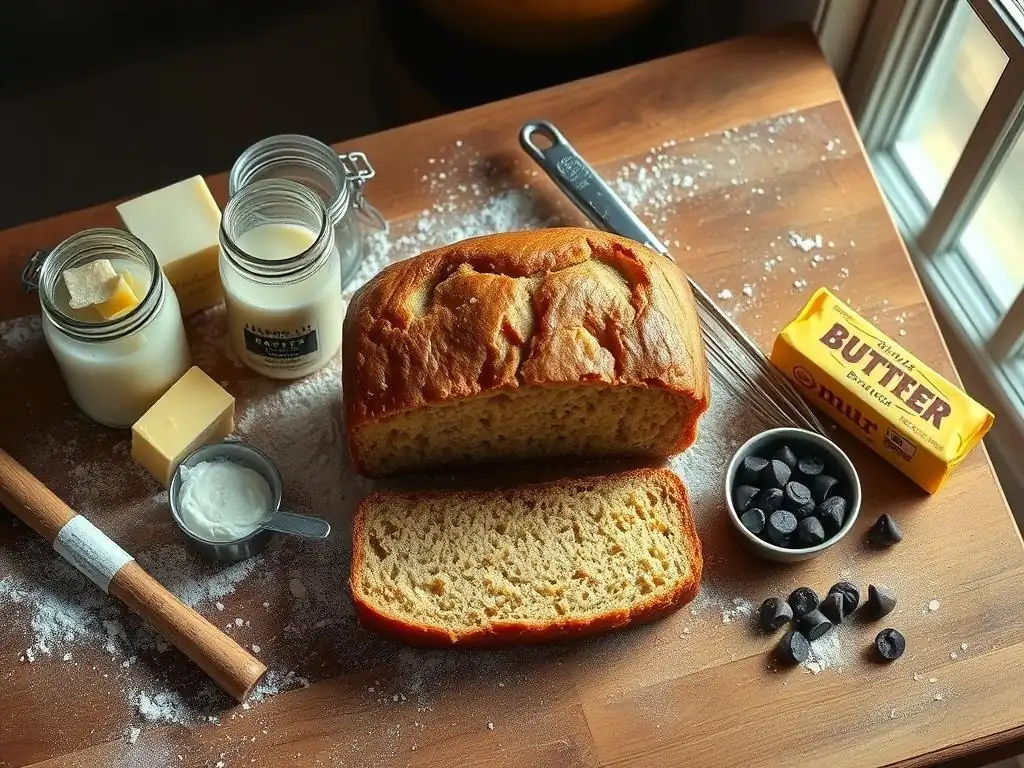
Refined coconut oil is a popular dairy-free butter hack due to its neutral flavor profile, unlike virgin coconut oil which retains a distinct coconut taste. Refining removes most of the odor and flavor compounds, making it a versatile fat for baking where you don't want any tropical notes. It is solid at typical room temperatures (below approximately 76°F or 24°C) and melts readily when heated, mimicking the behavior of dairy butter in many contexts. This solid-to-liquid transition is crucial for its function in different recipes, from creating tender crumbs in cakes to adding richness in bars.
Its relatively high saturated fat content means it provides structure similar to butter when solid, but its lower melting point compared to butter means baked goods made with it might spread more or have a slightly different crumb structure. For instance, cookies made with refined coconut oil might spread a bit more on the baking sheet than those made with dairy butter.
Understanding this property is key to successful dairyfree baking butter hacks using coconut oil. It works exceptionally well in recipes that call for melted butter or those where the fat doesn't need to be creamed extensively for aeration.
Using Refined Coconut Oil for Cakes and Bars
Refined coconut oil is an excellent substitute for dairy butter in many cake and bar recipes. When a recipe calls for melted butter, refined coconut oil can often be substituted 1:1 by volume or weight. For example, in a simple blondie recipe requiring 1/2 cup of melted butter, you can use 1/2 cup of melted refined coconut oil. It contributes moisture and richness, resulting in fudgy bars and moist cakes.
In recipes requiring creaming, ensure the refined coconut oil is solid but pliable, similar to softened butter. You can achieve this by chilling it slightly if your kitchen is warm. Creaming solid coconut oil with sugar helps incorporate air, contributing to a lighter texture in cakes.
For a typical 9x13 inch cake recipe requiring 1 cup of softened butter, you could start by using 1 cup of softened refined coconut oil. Cream it with the sugar until light and fluffy, just as you would with dairy butter. The resulting cake will be tender and moist.
When making dense bars like brownies or blondies, using melted refined coconut oil (e.g., replacing 3/4 cup melted butter with 3/4 cup melted coconut oil) provides the necessary fat for a chewy, fudgy texture. The neutral flavor ensures that the primary tastes, like chocolate or vanilla, come through without any coconut undertones, making it a versatile dairyfree baking butter hack.
Achieving the Right Texture with Refined Coconut Oil
Temperature is paramount when working with refined coconut oil in baking. If a recipe requires softened butter for creaming, your coconut oil needs to be solid but soft enough to yield when pressed, typically achieved around 70-72°F (21-22°C). If it's too cold and hard, it won't cream properly with the sugar; if it's too warm and already melting, it won't incorporate air effectively, leading to a denser result. For instance, attempting to cream liquid coconut oil will result in a greasy batter with poor structure.
When a recipe calls for melted butter, gently melt the refined coconut oil over low heat or in a microwave in short bursts (e.g., 20-30 seconds at a time), stirring in between. Avoid overheating, as this can affect the texture of the final product. For recipes like pie crusts or biscuits where cold, solid fat is cut into flour, chilled, solid refined coconut oil can be used.
It's often harder than cold dairy butter, so cutting it in may require a bit more effort, but it can still yield flaky results. Understanding and controlling the temperature of refined coconut oil is a key dairyfree baking butter hack for consistent results.
Technique #2: Olive Oil - Enhancing Savory Baked Goods
Olive oil, particularly extra virgin olive oil, offers a distinct flavor profile that can complement savory baked goods beautifully and add wonderful moisture to certain sweet items like muffins and quick breads. Unlike solid fats, olive oil is liquid at room temperature, which means it cannot be creamed with sugar to incorporate air. Therefore, it is best used in recipes where the fat is added in liquid form, contributing tenderness and preventing dryness. Its monounsaturated fat content also gives it a different mouthfeel compared to saturated fats like butter or coconut oil.
While extra virgin olive oil provides the most flavor, its intensity can sometimes overpower delicate sweet recipes. For more neutral applications, a lighter or refined olive oil can be used, as these have a milder taste. Olive oil is a fantastic dairyfree baking butter hack for recipes where a rich, slightly peppery, or fruity undertone is desirable. It also works well in recipes that rely on chemical leaveners (baking soda/powder) for lift rather than creaming.
Olive Oil in Breads, Focaccia, and Muffins
Olive oil shines in yeast breads, focaccia, and many muffin recipes. In yeast breads, substituting olive oil for dairy butter or other solid fats (often at a slightly reduced amount, e.g., 1/4 cup olive oil for 1/3 cup melted butter) yields a loaf with a tender crumb and a delightful aroma, especially in recipes like artisan loaves or rolls. For focaccia, a generous amount of olive oil drizzled over the dough before baking is essential for achieving its characteristic crispy crust and moist interior. Using a good quality extra virgin olive oil here truly elevates the flavor.
In muffins and quick breads, olive oil contributes significant moisture and tenderness without the need for creaming. A recipe calling for 1/2 cup of melted butter can often use 1/2 cup of olive oil instead. This is a simple dairyfree baking butter hack that works effectively in recipes like lemon-olive oil muffins, zucchini bread, or cornbread, where the liquid fat is simply whisked into the wet ingredients. The result is a consistently moist texture that stays fresh for longer.
Choosing Olive Oil for Baking: Quality and Flavor Intensity
The type of olive oil you choose significantly impacts the flavor of your baked goods. Extra virgin olive oil, pressed from the first milling of olives, has the most robust flavor and aroma. This is fantastic for savory applications like herb breads or for adding a sophisticated note to certain sweet recipes like citrus cakes or chocolate items where its fruitiness can be a pleasant counterpoint. For instance, using a peppery extra virgin olive oil in a savory scone recipe can add an extra layer of complexity.
If you prefer a more neutral result, opt for a "light" or "pure" olive oil. These are more refined and have a much milder flavor profile, making them suitable for general-purpose baking where you don't want the oil's taste to dominate. They still provide the necessary fat and moisture. For example, using light olive oil in a vanilla muffin recipe ensures the vanilla flavor is prominent. Choosing the right olive oil based on its intensity is a smart dairyfree baking butter hack to control the final taste of your creation.
Technique #3: Avocado - Adding Creaminess and Moisture
Mashed avocado is a unique dairyfree baking butter hack that replaces some of the fat while adding incredible moisture and nutrients. Its creamy texture, when ripe, makes it a surprisingly effective binder and moisturizer in baked goods. It's particularly useful in recipes where its green hue won't be noticeable, such as dark chocolate brownies or spiced muffins. Avocado contains healthy monounsaturated fats and fiber, offering a nutritional boost compared to traditional butter or oil.
While avocado is often used as a partial substitute, in some recipes, like rich brownies, it can replace a significant portion of the fat. A common starting point is replacing butter volume-for-volume with mashed avocado (e.g., 1/2 cup mashed avocado for 1/2 cup butter), though adjustments to liquid and potentially leavening agents might be needed because avocado also adds bulk and moisture. Its mild, slightly earthy flavor is easily masked by stronger ingredients.
Incorporating Avocado in Brownies and Frostings
Mashed avocado is a fantastic dairyfree baking butter hack for achieving incredibly fudgy and moist brownies. By replacing some or all of the butter or oil with mashed avocado, you get a dense, rich texture without the need for dairy. For instance, in a standard brownie recipe calling for 1 cup of butter, you might replace it with 1 cup of mashed avocado (from about 2 medium avocados). The avocado blends seamlessly into the dark chocolate batter, and its color is completely hidden. The result is a brownie that is surprisingly moist and decadent.
Avocado can also be used to create surprisingly creamy dairy-free frostings. Blended with cocoa powder, sweetener (like maple syrup or agave), vanilla extract, and a pinch of salt, mashed avocado transforms into a rich, chocolate frosting. The amount of avocado needed depends on the desired consistency, but starting with 1/2 cup mashed avocado for every 1/4 cup of cocoa powder and sweetener provides a good base. While it might retain a very subtle flavor, it's often masked by the chocolate and sweetness. This is a clever dairyfree baking butter hack for a healthier frosting alternative.
Minimizing Avocado Flavor in Sweet Recipes
To ensure the avocado flavor doesn't come through in sweet baked goods, it's crucial to use ripe, but not overly ripe, avocados. Overripe avocados can develop a stronger, less pleasant taste. The most effective way to minimize the avocado flavor is to pair it with strong, complementary flavors. Chocolate is an ideal partner, as its intensity completely masks the avocado taste, making it perfect for brownies or chocolate cakes.
Other strong flavors like citrus zest or juice (lemon, lime, orange), spices (cinnamon, nutmeg, ginger), or extracts (vanilla, almond, peppermint) can also help. For instance, in a spiced muffin, the cinnamon and nutmeg will easily cover any subtle avocado notes. Using a good quality vanilla extract is also key. Starting with a small amount of avocado as a partial substitute and gradually increasing it in future trials can help you determine the maximum amount you can use in a specific recipe without the flavor becoming noticeable, perfecting this dairyfree baking butter hack.
Technique #4: Nut and Seed Butters - Boosting Flavor and Adding Fat
Nut and seed butters, such as almond butter, peanut butter, tahini (sesame seed butter), and sunflower seed butter, are versatile dairyfree baking butter hacks that add fat, flavor, and a unique texture to baked goods. They are generally made from ground nuts or seeds and contain a mix of fats, protein, and fiber, which differentiates them significantly from dairy butter or oil. This composition means they don't function as a direct 1:1 replacement in all recipes, particularly those relying on butter's creaming ability for lift.
Using nut and seed butters introduces distinct flavors that can be a highlight of the baked good. Almond butter offers a mild, slightly sweet taste, while peanut butter is robust and nutty. Tahini provides a unique earthy flavor, and sunflower seed butter is a great alternative for those with nut allergies, offering a slightly bitter, earthy taste. Their texture can range from smooth and creamy to thick and pasty, impacting the consistency of the dough or batter.
Using Almond Butter, Tahini, and Sunflower Seed Butter
Each type of nut or seed butter lends itself well to specific applications as a dairyfree baking butter hack. Almond butter is fantastic in cookies and bars, contributing a chewy texture and a subtle nutty flavor that pairs well with chocolate or fruit. For example, using 1/2 cup of almond butter to replace some of the butter or oil in a standard cookie recipe can result in a delightful chewy texture and nutty undertones.
Tahini, while often associated with savory dishes, works surprisingly well in sweet baking, particularly in recipes from the Middle East or Mediterranean. It can be used in cookies, cakes, and bars, adding a unique earthy depth. A small amount (e.g., 1/4 cup) can replace some fat in a recipe to add complexity without being overpowering.
Sunflower seed butter is an excellent option for nut-free baking and can be used similarly to peanut butter or almond butter in cookies and bars, though its flavor is distinct. Using these butters requires considering their thickness and how it affects the overall dough consistency.
Adjusting Recipes When Using Nut and Seed Butters
Because nut and seed butters contain protein and fiber in addition to fat, they absorb liquid differently than dairy butter or oil and don't contribute to aeration through creaming. This means they are not typically a straight 1:1 substitute for butter, especially in recipes where creaming is essential (like many cakes). They work best in recipes where the fat is simply mixed into the batter or dough, such as cookies, bars, or quick breads.
When substituting, start by replacing a portion of the butter or oil, perhaps half, with the nut or seed butter. You may need to slightly reduce other liquid ingredients in the recipe (like milk or water) to account for the liquid already present in the nut/seed butter and its different absorption properties. For instance, if replacing 1/2 cup of butter with 1/2 cup of almond butter in a cookie recipe, you might reduce the plant-based milk by 1-2 tablespoons.
You might also need to adjust the sugar level, as some store-bought nut butters contain added sugar. Experimentation is key to perfecting these dairyfree baking butter hacks.
Technique #5: Fruit Purees - A Low-Fat Option for Baking
Fruit purees like applesauce, mashed banana, and pumpkin puree are popular dairyfree baking butter hacks, primarily used to replace some of the fat while adding moisture and natural sweetness. They are a great option for reducing the overall fat content of baked goods, making them a healthier alternative. However, because they contain very little fat compared to butter or oil, they cannot replace all of the fat in most recipes without significantly altering the texture. They work best as partial substitutes, typically replacing up to half of the butter or oil.
These purees work by providing moisture and binding ingredients together, similar to how eggs function. They contribute to a soft, tender crumb but won't create the flaky layers of pastries or the crisp edges of some cookies that rely on solid fat. Each type of puree also imparts its own flavor, which needs to be considered when choosing a recipe.
Using Applesauce, Banana Puree, and Pumpkin Puree
Applesauce is perhaps the most common fruit puree used as a dairyfree baking butter hack. It's relatively neutral in flavor (especially unsweetened) and works well in muffins, quick breads, cakes, and even some cookie recipes. A typical substitution is replacing up to half of the butter or oil with an equal amount of applesauce by volume. For example, if a muffin recipe calls for 1/2 cup of oil, you could use 1/4 cup of oil and 1/4 cup of applesauce. This reduces fat while keeping the muffins moist and tender.
Mashed banana is excellent in banana bread, muffins, and other quick breads, enhancing the banana flavor while adding moisture. Due to its strong flavor, it's best used in recipes where banana is already a primary ingredient. Pumpkin puree is perfect for spiced baked goods like pumpkin bread, muffins, and cookies, contributing moisture, color, and a subtle earthy flavor that pairs wonderfully with cinnamon, nutmeg, and cloves. Using about 1/3 cup of pumpkin puree per cup of flour can add significant moisture.
Unsweetened vs. Sweetened Purees: Considerations for Baking
When using fruit purees as dairyfree baking butter hacks, it's generally recommended to use unsweetened versions. This gives you more control over the total sugar content of your baked goods. Applesauce is commonly available in both sweetened and unsweetened varieties.
Using sweetened applesauce means you'll need to reduce the amount of added sugar in the recipe to avoid an overly sweet result. For instance, if your recipe calls for 1 cup of sugar and you use 1/2 cup of sweetened applesauce (which might contain around 7-10g of sugar per 1/2 cup), you should consider reducing the granulated sugar by 1-2 tablespoons.
Banana puree and pumpkin puree are naturally sweet to varying degrees. Riper bananas are sweeter than less ripe ones. When using these, taste your puree and consider the overall sweetness profile of your recipe. Using unsweetened purees allows the flavors of spices, extracts, and other ingredients to shine through more clearly. Choosing unsweetened purees is a simple dairyfree baking butter hack for healthier and more balanced flavors.
Baking with Dairy-Free Butter Alternatives: Essential Tips
Measuring Dairy-Free Butter Alternatives: Achieving Accuracy
Accurate measurement is critical when using dairy-free butter alternatives, as their different compositions can significantly impact the outcome compared to dairy butter. For solid fats like stick margarines or refined coconut oil, measuring by weight using a kitchen scale is the most accurate method, just as it is for dairy butter. For example, a recipe calling for 1/2 cup (113g) of butter should ideally use 113g of the dairy-free stick alternative or solid refined coconut oil. This ensures you are using the exact amount of fat specified.
If measuring by volume for solid alternatives, pack the softened or solid fat firmly into the measuring cup and level it off with a straight edge. This helps ensure you are getting the correct amount. For liquid alternatives like olive oil or melted coconut oil, standard liquid measuring cups are appropriate. Fruit purees and nut/seed butters should also be measured using standard measuring cups, ensuring they are level. Precision in measurement is a fundamental dairyfree baking butter hack that minimizes variability in your results.
Temperature Considerations: Softening and Melting
The temperature of your dairy-free butter alternative is just as important as its measurement, particularly for solid options. If a recipe calls for softened butter, your plant-based stick or refined coconut oil needs to be at the correct temperature – pliable but not melted. This is typically achieved by leaving it at room temperature for 30-60 minutes, though some plant-based margarines soften faster than dairy butter due to their different fat blends. Avoid using the microwave to soften, as it can melt unevenly.
For recipes requiring melted butter, gently melt the solid alternative over low heat or in a microwave in short intervals, stirring frequently. Overheating can cause some alternatives to separate or become greasy. Liquid alternatives like olive oil are used at room temperature unless the recipe specifies otherwise. Understanding how each specific dairy-free butter hack reacts to temperature is crucial for executing techniques like creaming or incorporating melted fat correctly.
Adjusting Recipes for Dairy-Free Butter Alternatives
While many dairy-free butter alternatives can be substituted 1:1 by volume or weight in recipes calling for butter, it's often beneficial to be prepared to make slight adjustments, especially when using less conventional options like purees or nut butters. Factors to consider include the moisture content of the substitute, its fat composition, and whether it contains added sugar or salt. For instance, fruit purees add significant moisture and sweetness but less fat, which might require slightly reducing other liquids or sugar and potentially adding a bit more leavening for lift.
When using nut or seed butters, their protein and fiber content mean they absorb liquid differently and contribute to a denser texture. You might need to slightly decrease the liquid in the recipe or increase the leavening agent (baking powder or soda) to achieve the desired lightness. Starting with a recipe specifically developed for dairy-free baking can simplify the process, but understanding the properties of different dairyfree baking butter hacks allows you to adapt existing recipes with greater confidence and success.
Troubleshooting Common Dairy-Free Baking Issues
Overly Oily Baked Goods: Managing Fat Content
A common issue when using dairy-free butter hacks is ending up with baked goods that are excessively oily or greasy. This often happens when using substitutes that have a lower melting point or are liquid at room temperature in recipes designed for solid butter. For example, using a plant-based margarine that melts very quickly in a cookie recipe intended for butter can cause the cookies to spread too much and become thin and greasy. Similarly, using too much liquid oil in a recipe that needs some structure from solid fat can lead to an oily crumb.
To manage this, consider adjusting the amount of fat used, especially if substituting liquid oil for solid butter – sometimes a slightly smaller amount of oil is needed. Alternatively, try combining different dairy-free butter hacks; for instance, using a blend of solid plant-based margarine and a small amount of applesauce can reduce the overall fat while maintaining moisture. Ensuring ingredients are at the correct temperature before mixing, particularly chilling doughs or batters before baking, can also help prevent excessive spread and oiliness.
Dry and Dense Textures: Enhancing Moisture Levels
Conversely, some dairy-free butter hacks, particularly those used as partial substitutes like fruit purees, can sometimes lead to baked goods that are dry or dense if not balanced correctly. This occurs because these substitutes provide moisture but lack the fat content necessary for tenderness and richness. If too much fat is replaced with a low-fat alternative without other adjustments, the result can be heavy and lacking in moisture.
To combat dryness and density, ensure you are using an appropriate amount of fat overall, even if it's from a dairy-free source. If using purees, consider them as partial replacements and still include some solid or liquid fat. Adding ingredients like plant-based yogurt, applesauce (even if not replacing butter), or extra liquid (like plant-based milk) can boost moisture. Avoid overmixing the batter, as this can develop gluten and lead to a tough, dense texture, especially in recipes that don't rely on gluten structure like muffins.
Flavor Profiles: Balancing Tastes with Substitutes
Some dairy-free butter hacks, such as certain nut butters, olive oil, or even some blends of plant-based margarines, can impart distinct flavors to baked goods that may not always be desirable. While these flavors can be a positive in certain recipes (like using olive oil in focaccia), they can be unwelcome in others (like a strong olive oil taste in a delicate vanilla cake).
To balance flavors, choose dairy-free butter hacks with neutral profiles for recipes where you want other ingredients to shine. Refined coconut oil or specific neutral-tasting plant-based margarines are good choices. If using substitutes with stronger flavors, ensure they complement the other ingredients. For example, pair almond butter with chocolate, or tahini with lemon or spices. Adding extracts (vanilla, almond) or spices can also help mask subtle off-flavors. Experimentation with different brands and types of dairy-free butter alternatives is key to finding those that best suit your flavor preferences and recipe needs, perfecting your dairyfree baking butter hacks.
Dairy-Free Recipes Using Butter Alternatives
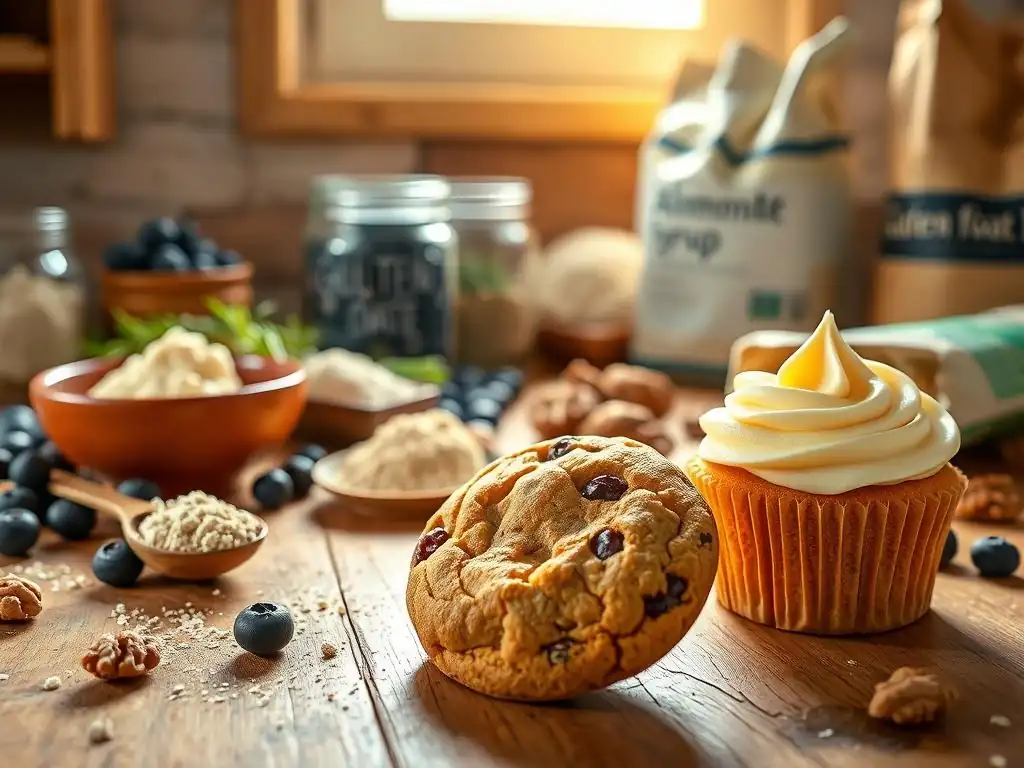
Here are a few examples of delicious recipes that effectively utilize dairy-free butter hacks:
Fudgy Dairy-Free Brownies with Avocado
Spiced Apple Muffins with Applesauce
Conclusion: Exploring Dairy-Free Baking
Exploring the world of dairy-free baking butter hacks opens up a vast array of possibilities for creating delicious baked goods without traditional butter. From versatile plant-based margarines and neutral refined coconut oil to flavorful nut butters and moistening fruit purees, there's a substitute for almost every baking need. Understanding the unique properties of each alternative – how it affects texture, flavor, and structure – is key to successful substitution. With a little experimentation and practice, you can confidently adapt your favorite recipes or discover new ones tailored to these plant-based options.
Mastering these dairyfree baking butter hacks means you don't have to miss out on your favorite treats, whether you're baking for dietary restrictions, allergies, or simply exploring plant-based options. The tips on measuring, temperature, and troubleshooting common issues provide a solid foundation for your dairy-free baking adventures. So, don't hesitate to try out different substitutes and techniques. You might be surprised at how easily and deliciously you can transform your baking with these clever dairy-free solutions.
Frequently Asked Questions
What are some common dairy-free substitutes for butter in baking?
Common dairy-free substitutes include coconut oil, vegan butter sticks, and applesauce depending on the recipe. The best choice often depends on the desired flavor and texture.
Can I substitute dairy-free butter 1:1 for regular butter in most baking recipes?
Generally, yes, you can substitute dairy-free butter sticks 1:1 for regular butter. However, be mindful of the moisture content and adjust other liquids if needed.
Will using dairy-free butter alternatives change the taste of my baked goods?
Yes, certain dairy-free alternatives like coconut oil or olive oil can impart a distinct flavor. Using vegan butter sticks often provides the closest taste to traditional butter.
Are all dairy-free butter alternatives suitable for all types of baking?
No, some alternatives are better suited for specific bakes. For example, applesauce works well in muffins and cakes, while vegan butter sticks are ideal for pastries.
Where can I find reliable information and recipes for dairy-free baking?
Websites like BakeWithEase.com offer step-by-step guides and easy-to-find ingredient lists for dairy-free baking. Many online resources and cookbooks also specialize in this area.
Final Reflection: Unlocking the Delicious Potential of Dairy-Free Baking
The demand for dairy-free alternatives is no longer a niche trend; it's a mainstream movement. This shift reflects a growing awareness of dietary needs, ethical concerns, and a desire for delicious, inclusive baking that caters to everyone. The hacks explored in this article are not just about substitutions; they're about unlocking the full potential of dairy-free baking, proving that deliciousness knows no dietary restrictions.
This journey into the world of dairy-free butter alternatives has been a personal revelation. I've discovered that the perceived limitations of dairy-free baking are largely myths, dispelled by a little creativity and the right techniques. The freedom to bake without compromise is incredibly empowering. The best things in life are often the simplest,
and this rings true for many of these hacks. The subtle adjustments and clever substitutions highlighted here demonstrate that achieving exceptional results doesn't require complex processes or obscure ingredients.
Now, it's your turn to experiment! Don't be afraid to try these dairy-free butter hacks in your own kitchen. Embrace the challenge, explore the possibilities, and discover the joy of creating delectable treats that are both delicious and inclusive. Let your baking become a testament to the power of adaptability and the boundless creativity within the world of dairy-free cuisine. What delicious dairy-free masterpiece will you create next?
Unleash Your Dairy-Free Baking Genius!
Thanks for joining us on this dairy-free baking adventure! We hope you’ve discovered some delicious new possibilities for creating amazing treats without compromising on taste or texture. Ready to put your newfound knowledge into practice?
- Try out your favorite recipe with our suggested dairy-free butter substitutes: Start small, choose one recipe, and see the magic happen!
- Share your dairy-free baking triumphs (or even your funny baking mishaps!) with us on social media using #BakeWithEaseDairyFree. Let's inspire each other!
- Explore our other articles for more dairy-free baking tips and recipes on bakewithease.com. You might be surprised what you discover!
What incredible dairy-free creation will you bake first? Let us know in the comments below!