
Crumb Coating: Why You Can't Skip This Crucial Step

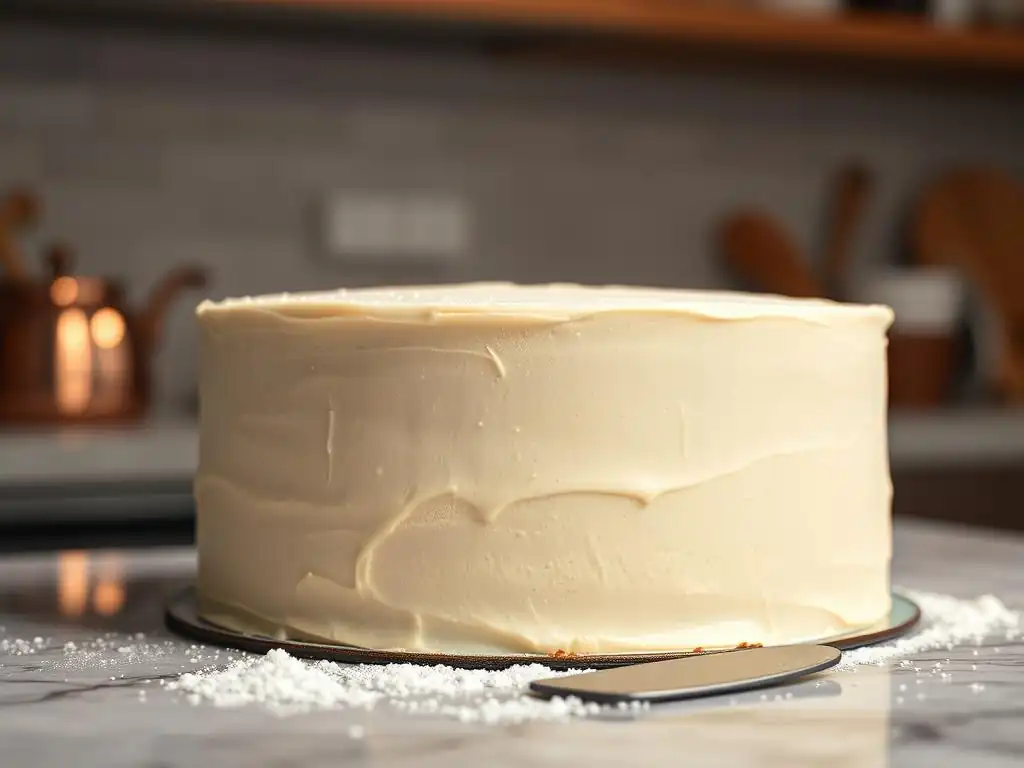
Welcome to BakeWithEase, your essential guide to unlocking baking brilliance! Ever wondered how to achieve that flawless, professional finish on your cakes? We're diving deep into the secret weapon behind every stunning cake: the crumb coat. Discover why mastering the art of crumb coating cake perfectly is a step you simply can't skip. Intrigued? Let's get baking!
- Tips and Tricks for a Perfect Crumb Coat Every Time
- Conclusion: Crumb Coating – Your Key to Cake Decorating Success
-
Frequently Asked Questions
- What exactly is crumb coating, and why is it so important for cake decorating?
- What's the best type of frosting to use for a crumb coat?
- How long should I chill the crumb-coated cake before applying the final frosting?
- What tools are recommended for applying a crumb coat effectively?
- Can I skip the crumb coat if I'm using a very dense cake?
- Final Reflection: The Transformative Power of the Crumb Coat
- Unlock Your Baking Potential: Master the Crumb Coat!
Tips and Tricks for a Perfect Crumb Coat Every Time
Consistency of Frosting: Ensure it's easily spreadable but not too thin.
The consistency of your frosting is paramount when aiming to crumb coating cake perfectly. If your frosting is too thick, it will pull on the cake layers, tearing them and releasing a flood of crumbs into your beautiful coating. Imagine trying to spread cold, stiff butter on soft bread – it's a similar challenge. Your frosting should be smooth and pliable, easily spreadable with a spatula without requiring much pressure. Think of the texture of peanut butter at room temperature, or slightly softer.
To achieve this ideal consistency, you might need to make minor adjustments. If your frosting is too stiff, add a very small amount of liquid – a teaspoon of milk, cream, or even water – and mix thoroughly. Repeat until it reaches the desired spreadability. If it's too thin, which can happen if it's too warm or you added too much liquid, chill it in the refrigerator for 10-15 minutes, stirring it occasionally, until it firms up slightly. Getting this consistency right is the foundational step to a seamless crumb coating cake experience.
Importance of Cold Cake: A chilled cake is firmer and releases fewer crumbs.
Working with a cold cake is arguably the most critical factor for successful crumb coating cake perfectly. When cake layers are warm or even at room temperature, they are soft and fragile. The slightest pressure from your spatula will cause them to crumble excessively, turning your crumb coat into a crumb disaster. Chilling the cake transforms its structure; the fats solidify slightly, and the overall texture becomes much firmer and more stable.
Ideally, your cake layers should be thoroughly cooled after baking, then wrapped and chilled in the refrigerator for at least 30 minutes, or even frozen for 15-20 minutes before you start assembling and crumb coating. This allows the cake to firm up significantly, minimizing the number of loose crumbs that detach during the frosting process. A cold cake provides a sturdy foundation, making it much easier to apply the thin, even layer of frosting needed for an effective crumb coat without tearing or pulling.
Using an Offset Spatula: Provides better control and a smoother finish.
While various tools can spread frosting, an offset spatula is truly the baker's best friend for crumb coating cake perfectly. Its unique design, with the blade angled away from the handle, keeps your knuckles clear of the cake surface. This allows you to hold the spatula at a more natural angle and apply even pressure, which is essential for smoothly gliding the frosting over the cake without digging in or creating uneven patches.
Offset spatulas come in different sizes. A smaller one (around 4-6 inches) is excellent for working on the sides and getting into tighter spots, while a larger one (8-10 inches) is perfect for quickly covering the top surface. The flat, flexible blade allows you to spread the thin layer of frosting required for a crumb coat with precision. Using an offset spatula helps you achieve that uniform, thin seal that traps all the loose crumbs effectively, setting you up for a flawless final frosting layer.
Conclusion: Crumb Coating – Your Key to Cake Decorating Success
Frequently Asked Questions
What exactly is crumb coating, and why is it so important for cake decorating?
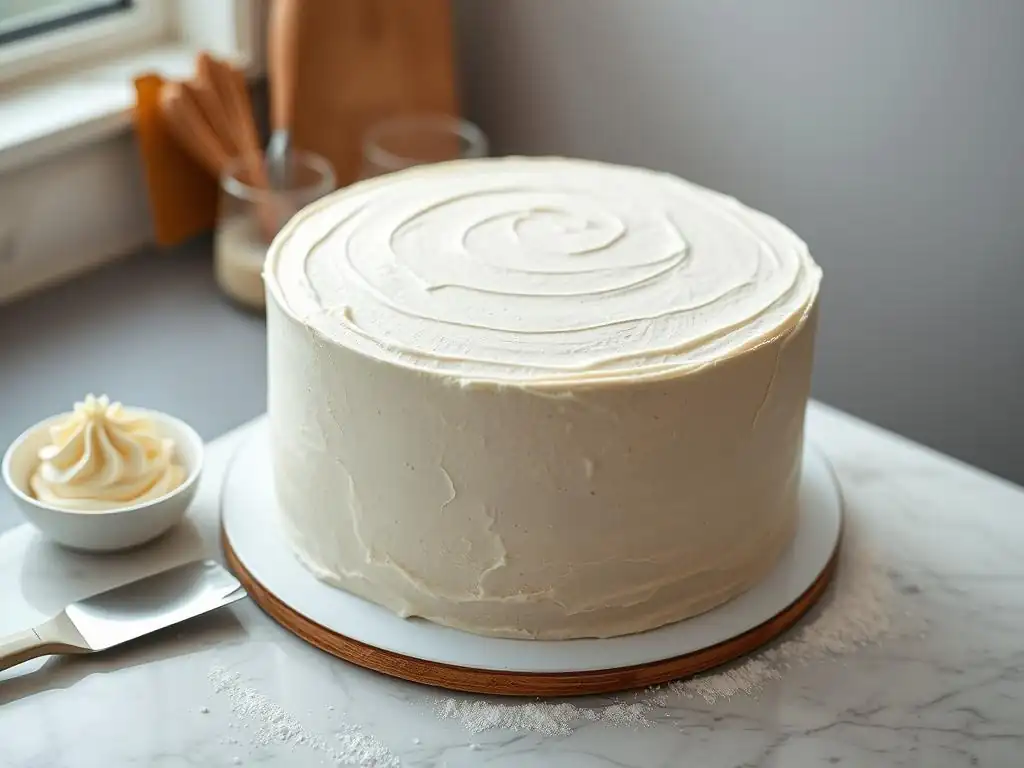
A crumb coat is a thin layer of frosting applied to a cake to seal in crumbs before the final frosting layer. This prevents crumbs from mixing into the final frosting, giving you a smooth and professional finish. It's essential for achieving a perfectly decorated cake.
What's the best type of frosting to use for a crumb coat?
Generally, any frosting you plan on using for your final coat works well for the crumb coat. However, a slightly thinner consistency can make it easier to apply a thin, even layer. Using a homemade buttercream is a popular option.
How long should I chill the crumb-coated cake before applying the final frosting?
Chilling is crucial! Aim for at least 30 minutes in the refrigerator. This allows the crumb coat to set and harden, effectively trapping the crumbs and creating a stable base for your final layer of frosting.
What tools are recommended for applying a crumb coat effectively?
An offset spatula is your best friend! Its angled blade allows for smooth and even application without disturbing the cake. Also consider using a bench scraper to smooth the sides after the crumb coat is applied.
Can I skip the crumb coat if I'm using a very dense cake?
While dense cakes produce fewer crumbs, it's still highly recommended to crumb coat any cake. Even a few crumbs can ruin the final finish. The crumb coat also helps to moisturize the cake and provide a better surface for the final frosting to adhere to.
Final Reflection: The Transformative Power of the Crumb Coat
Mastering the crumb coat isn't just about a perfectly smooth finish; it's about building a foundation for culinary excellence. A seemingly small detail, the crumb coat holds the key to unlocking the potential of any frosted cake, preventing a disastrous frosting experience and ensuring a professional-looking result. Its importance transcends the simple act of baking; it's a testament to the power of preparation and attention to detail in achieving true artistry.
The impact of the crumb coat extends beyond the individual cake. It represents a broader principle of careful groundwork leading to stunning results, a concept applicable to countless aspects of life. The details are not the details. They make the design.
– Charles Eames. This quote perfectly encapsulates the significance of the seemingly insignificant crumb coat; it's the unseen foundation upon which a masterpiece is built. The meticulous application of this crucial step reflects a dedication to quality and a commitment to excellence that elevates the entire baking process.
Now, consider your own projects, your own aspirations. What seemingly small steps are you overlooking? Where can you apply the principle of the crumb coat – the dedication to a solid foundation – to achieve greater success? Take a moment to reflect on this, and I encourage you to embrace the transformative power of attention to detail, not just in your baking, but in every endeavor you undertake. Let the crumb coat be a reminder that even the smallest actions can have the most profound impact.
Unlock Your Baking Potential: Master the Crumb Coat!
Thanks for diving into the world of perfect cakes with us! We hope you now understand the crucial role of the crumb coat in achieving that professional, flawless finish. Ready to put your new skills to the test?
- Bake a masterpiece today! Try out your newfound crumb coating expertise on your favorite cake recipe. We bet the results will amaze you.
- Share your success! Post a picture of your beautifully crumb-coated creation on social media and tag us – we’d love to see it!
- Explore new flavor combinations: Use this technique to experiment with different frostings and fillings.
What incredible cake creations will your crumb coating skills unlock?