
Vegan Pastry Hacks: Perfecting Crusts Without Dairy or Eggs

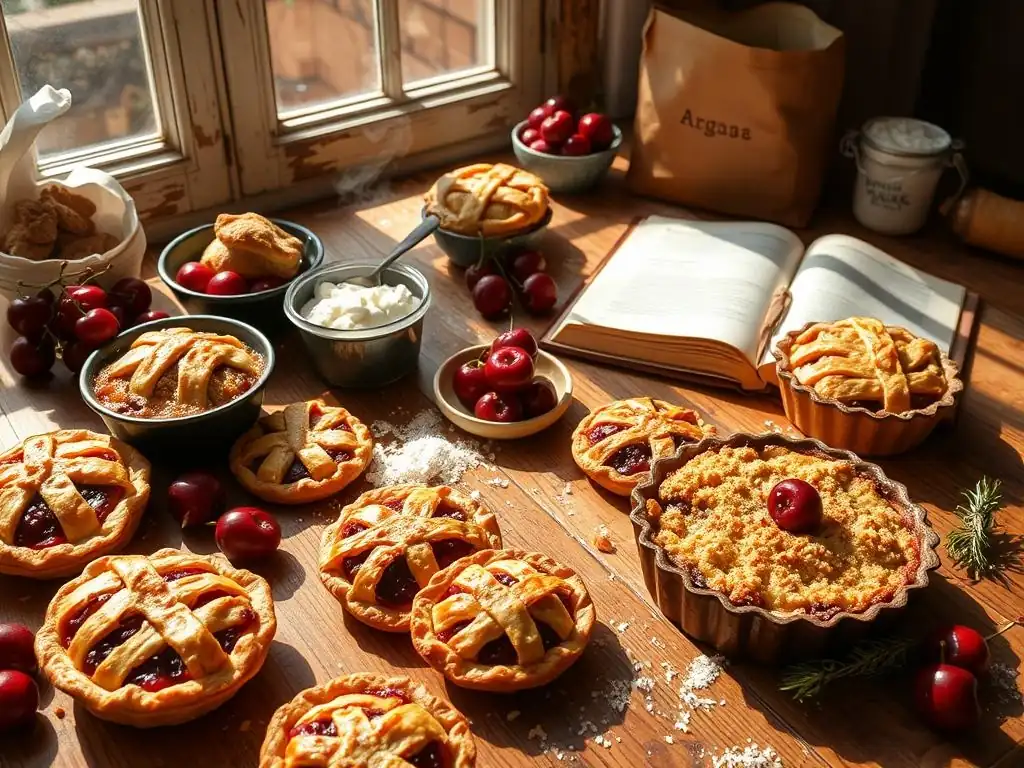
Welcome to BakeWithEase, your haven for all things baking! Ever dreamed of crafting flaky, delicious pastry without relying on dairy or eggs? Unlock the secrets to a perfect, plant-based bake with our guide to essential Vegan pastry crust recipe tips. Discover the techniques that separate a tough crust from a melt-in-your-mouth masterpiece, and prepare to elevate your vegan baking game. Ready to unveil the magic?
- Vegan Pastry Hacks: Perfecting Crusts Without Dairy or Eggs - BakeWithEase.com
- Introduction: Mastering Vegan Pastry Crusts
- Understanding the Fundamentals of Vegan Pastry Crust
- Vegan Fat Substitutes for Perfect Pastry Crusts
- Egg Replacements in Vegan Pastry Dough
- Vegan Pastry Crust Recipe Tips: Achieving Flakiness and Tenderness
- Troubleshooting Common Vegan Pastry Problems
- Vegan Pastry Crust Recipes: BakeWithEase's Tested and Approved Methods
- Flavoring Your Vegan Pastry Crust
- Storing Vegan Pastry Dough and Baked Crusts
- Conclusion: Enjoying Delicious and Ethical Vegan Pastries
-
Frequently Asked Questions
- How can I replace butter in a vegan pastry crust recipe?
- What's the best egg replacement for binding a vegan pastry crust?
- What are some tips for preventing a vegan pastry crust from becoming too tough?
- How can I achieve a golden-brown color on my vegan pastry crust without using eggs for an egg wash?
- Can I use regular flour for a vegan pastry crust, or is there a better option?
- Final Reflection: The Sweet Revolution of Vegan Pastry
- Unleash Your Inner Vegan Pastry Chef!
Vegan Pastry Hacks: Perfecting Crusts Without Dairy or Eggs - BakeWithEase.com
Introduction: Mastering Vegan Pastry Crusts
The Challenge of Vegan Pastry: Dairy and Egg Replacements
Creating a truly flaky and tender pastry crust without traditional ingredients like butter and eggs presents a unique challenge for bakers. Butter, with its specific melting point and fat content (typically around 80-82% fat, 15-17% water, and remaining solids), is crucial for creating the layers that result in flakiness when steam is released during baking. Eggs contribute binding, richness, and structure, helping the dough hold together and brown beautifully. Replicating these functions using only plant-based ingredients requires understanding the science behind these interactions.
The main hurdles lie in finding vegan fats that can mimic butter's plasticity and melting characteristics, and binders that can replace the structural support and emulsifying properties of eggs without making the crust tough or heavy. Many early vegan pastry attempts resulted in dense, crumbly, or overly crisp crusts that lacked the delicate layers and tender bite of their traditional counterparts. However, with the development of new vegan ingredients and refined techniques, achieving perfect vegan pastry crusts is now entirely within reach for home bakers.
Why Vegan Pastry? Health, Ethics, and Flavor
The increasing popularity of vegan baking stems from a variety of motivations, including health considerations, ethical beliefs, and environmental concerns. A vegan diet, which excludes all animal products, is often associated with lower saturated fat and cholesterol intake, potentially contributing to better heart health. For many, choosing vegan options aligns with a desire to avoid animal exploitation in food production. The environmental impact of dairy and egg farming is also a significant factor for some, as plant-based alternatives generally require fewer resources like land, water, and energy.
Beyond these important factors, vegan pastry can also be incredibly delicious and offer unique flavor profiles. Ingredients like coconut oil, various plant-based butters, and nut flours can introduce subtle nuances that enhance the overall taste of the final baked good. Mastering vegan pastry crust recipe tips allows bakers to cater to a wider audience, including those with allergies or dietary restrictions, ensuring that everyone can enjoy a slice of pie or a delicious tart. The focus on alternative fats and binders encourages creativity and experimentation in the kitchen.
Understanding the Fundamentals of Vegan Pastry Crust
Key Ingredients in Traditional Pastry (and What to Replace)
Traditional pastry crusts typically rely on just a few core ingredients: flour, fat (usually butter or shortening), a liquid (usually cold water), and sometimes a pinch of salt or sugar. All-purpose flour provides the structure through its gluten content. Butter is incorporated in cold pieces, which melt during baking to create steam pockets, resulting in flaky layers. Cold water helps hydrate the flour and bring the dough together, while keeping the fat cold. The salt enhances flavor, and sugar can add a touch of sweetness and aid browning.
When making vegan pastry, each of these traditional components needs careful consideration. The flour remains the same, but managing its gluten development becomes even more critical when using different fats and binders. Butter must be replaced with a solid, cold vegan fat that behaves similarly. The liquid remains essential, but the type of liquid or binder might change depending on the egg replacement used. Understanding the specific function of each ingredient in a traditional recipe is the first step in successfully substituting them in a vegan context, laying the groundwork for applying effective vegan pastry crust recipe tips.
The Role of Fat in Flaky Pastry: Vegan Alternatives
Fat is arguably the most critical component for achieving flakiness in pastry. When cold chunks of fat are mixed with flour, they create pockets within the dough. As the pastry bakes, the water in the fat (and the dough's liquid) turns to steam, which forces the layers of dough apart. The fat then melts and coats the gluten strands, preventing them from forming a tough, continuous network and contributing to tenderness. The ideal vegan fat must be solid and cold enough to be cut into the flour and remain in distinct pieces until baking.
Various vegan fats can serve this purpose, each with slightly different characteristics. Vegan butter sticks are formulated to mimic dairy butter's composition and behavior, often containing a blend of oils like palm, soy, and shea, along with emulsifiers and flavorings. Solid coconut oil (refined to be neutral in flavor if preferred) is another option, though its lower melting point requires extra care to keep it cold.
Vegetable shortening, often overlooked, is a highly effective vegan fat for flakiness due to its high melting point and pure fat content, though it lacks flavor compared to butter. The choice of fat significantly impacts the final texture and flavor, influencing which vegan pastry crust recipe tips are most effective.
Gluten's Importance in Pastry: How to Manage It in Vegan Recipes
Gluten, the protein network formed when flour (specifically wheat flour) is mixed with liquid, provides structure and elasticity to dough. In pastry, you want some gluten development to hold the dough together, but not too much, which would result in a tough crust. The goal is a delicate balance: enough structure to roll and handle the dough, but tender enough to flake apart easily when baked. The type of flour used (all-purpose has moderate protein) and how much the dough is mixed and handled significantly impact gluten development.
In vegan pastry, managing gluten can sometimes be slightly different depending on the fat and binder used. Some binders might interact with the flour in ways that affect hydration and gluten formation. The key principles remain the same: use cold ingredients, handle the dough minimally, and allow it to rest. Overworking the dough encourages excessive gluten development, leading to a tough crust regardless of whether it's vegan or traditional. Learning how to gently bring the dough together and stop mixing as soon as it's cohesive is one of the most valuable vegan pastry crust recipe tips you can master.
Vegan Fat Substitutes for Perfect Pastry Crusts
Coconut Oil: A Tropical Twist on Vegan Pastry
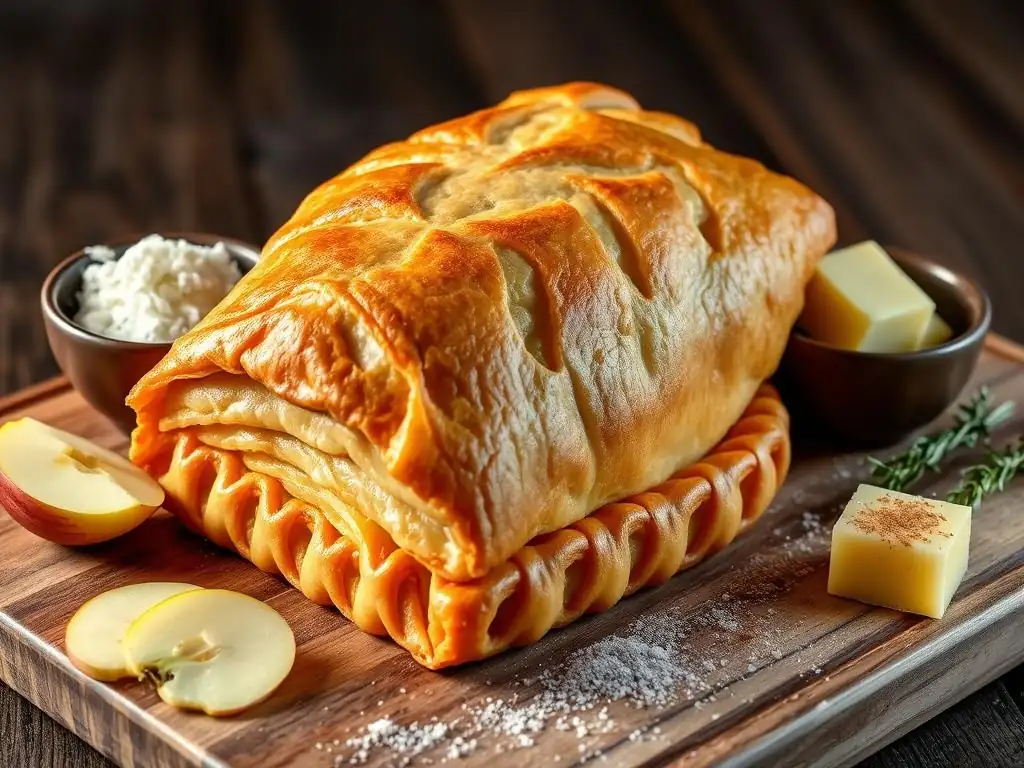
Solid coconut oil is a popular vegan fat substitute due to its availability and plant-based nature. When solid and cold, it can be cut into flour much like butter, creating pockets essential for flakiness. It works well in many vegan pastry crust recipe tips and techniques. However, coconut oil has a lower melting point than butter or shortening, typically melting around 76°F (24°C). This means it's crucial to work quickly and keep all ingredients, tools, and the environment very cold, especially in warmer kitchens.
Using refined coconut oil will result in a neutral flavor, while unrefined (virgin) coconut oil will impart a distinct coconut taste, which can be wonderful in certain desserts like tropical fruit tarts. To use coconut oil successfully in pastry, ensure it is completely solid before cutting it into the flour. Chilling the flour and tools beforehand is also highly recommended. While it can produce flaky results, its lower melting point makes it slightly trickier to handle than vegan butter or shortening, requiring careful attention to temperature control throughout the process.
Vegan Butter: Mimicking Traditional Butter's Texture and Flavor
Vegan butter sticks are specifically designed to replicate the properties of dairy butter in baking. They are often made from a blend of vegetable oils, emulsifiers, and flavorings to achieve a similar fat content (often around 75-80%) and melting behavior. Many brands are formulated to be firm when cold, making them ideal for cutting into flour using methods like a pastry blender or food processor. This makes vegan butter a very straightforward substitute for dairy butter in most vegan pastry crust recipe tips.
The advantage of using vegan butter is that it behaves very similarly to dairy butter, often allowing for a near one-to-one substitution in recipes. It also provides a rich, buttery flavor that other fats like shortening lack. However, the exact composition varies by brand, which can affect performance. Some vegan butters might be softer or have a slightly different water content than dairy butter. Experimenting with a few brands can help you find the one that yields the best results for your specific baking needs and recipes.
Shortening: A Versatile Vegan Pastry Option
Vegetable shortening is a solid fat, typically 100% fat with no water content, which makes it excellent for creating very tender and flaky pastry. It has a higher melting point than butter or coconut oil, making it more stable and easier to work with, especially in warmer conditions. Shortening is a purely functional fat in pastry – it provides flakiness but contributes very little flavor, unlike butter. This can be an advantage if you want the flavor of your filling to be the star.
Using shortening, either alone or in combination with vegan butter for flavor, is a classic technique for achieving flaky crusts, and it translates well to vegan applications. Because it contains no water, you may need to slightly adjust the amount of liquid in a recipe compared to using butter. Shortening is often easier to cut into the flour than butter, leading to consistent distribution of fat pockets. For reliable flakiness, especially when starting out with vegan pastry crust recipe tips, shortening is a very forgiving option.
Olive Oil: For a Savory, Mediterranean-Inspired Crust
While solid fats are generally preferred for flaky, layered pastry, liquid oils like olive oil can be used to create a more tender, crumbly, or crisp crust, often suitable for tarts or savory applications. Olive oil coats the flour particles, inhibiting gluten development significantly, resulting in a very tender texture. It doesn't create the distinct layers characteristic of butter-based pastry because it's a liquid at room temperature and doesn't form discrete pockets within the dough in the same way cold, solid fats do.
Using olive oil in pastry requires a different technique than cutting in solid fat. It's typically whisked with the liquid component before being combined with the flour. This method is simpler and quicker, requiring less chilling time. Olive oil imparts its distinct flavor, which pairs wonderfully with savory fillings like roasted vegetables, herbs, or vegan cheese. While it won't give you the classic flaky layers, it's an excellent option for a flavorful, tender vegan pastry crust, expanding the range of textures achievable with vegan pastry crust recipe tips.
Egg Replacements in Vegan Pastry Dough
Flaxseed Meal: A Nutritious and Binding Agent
Flaxseed meal, often referred to as "flax egg" when mixed with water, is a popular and effective vegan binder in baking. When ground flaxseeds are combined with water (typically 1 tablespoon of flaxseed meal with 3 tablespoons of water per egg), they form a gelatinous mixture after standing for a few minutes. This gel-like consistency helps bind ingredients together, mimicking some of the cohesive properties of an egg. It also adds a bit of fiber and healthy omega-3 fats to the crust.
In pastry dough, a flax egg primarily serves to help the dough come together and provide some structure. It can make the dough slightly denser than using other binders, and it may add tiny flecks of brown color. While it aids in binding, it doesn't contribute to leavening or richness in the way an egg does. It's a reliable option for helping vegan pastry crusts hold their shape and preventing excessive crumbling, making it a useful technique among various vegan pastry crust recipe tips.
Chia Seeds: Adding Texture and Structure to Vegan Crusts
Similar to flaxseed meal, chia seeds also form a gel when soaked in water (using the same ratio of 1 tablespoon of chia seeds to 3 tablespoons of water per egg, though whole or ground seeds can be used). This "chia egg" functions as a binder in vegan baking, helping to hold the dough together. Chia seeds are also highly nutritious, providing fiber, protein, and omega-3 fatty acids.
When used in pastry, chia seeds function much like flaxseed meal, aiding in binding and structure. Using whole chia seeds will leave visible seeds in the crust, adding a unique texture and appearance. Ground chia seeds will blend in more smoothly but still contribute their binding properties. Chia eggs can sometimes make the dough slightly stickier than flax eggs, so adjustments to flour or chilling time might be needed. They are another versatile option for binding in vegan pastry crust recipe tips, offering a slightly different nutritional profile and texture.
Aquafaba: The Secret Weapon for Light and Airy Pastry
Aquafaba, the liquid drained from a can of chickpeas (or other legumes), is a surprisingly effective egg replacement, particularly for mimicking egg whites. It contains a mix of starches and proteins that give it emulsifying, binding, and even foaming properties. While most commonly used for meringues or mousses, a small amount of aquafaba can be used in pastry dough to add a touch of binding and potentially contribute to a slightly lighter texture compared to seed-based binders.
Using aquafaba in pastry dough is less common than flax or chia eggs, but some vegan pastry crust recipe tips leverage its unique properties. It can help create a slightly more pliable dough. The standard replacement ratio is typically 2-3 tablespoons of aquafaba per egg. It's important to use unsalted or low-sodium aquafaba to avoid affecting the flavor of the crust. While it won't provide the same richness as an egg yolk, its binding capabilities can be beneficial in certain pastry recipes, offering an alternative texture profile.
Applesauce: A Sweet and Binding Alternative
Unsweetened applesauce is another common vegan egg substitute in baking, primarily acting as a binder and adding moisture. It can replace eggs in cakes, muffins, and some cookies. Typically, about 1/4 cup of applesauce is used per egg. It works by providing moisture and pectin, a natural gelling agent, which helps hold ingredients together.
In pastry dough, applesauce can provide binding and tenderness due to its moisture content. However, it also adds sweetness and fruit flavor, which might not be desirable in all pastry applications, particularly savory ones. Using applesauce can also make the dough quite soft and potentially gummy if too much is used, and it won't contribute to flakiness. While it's a viable binder in some vegan baked goods, it's generally not the preferred choice for achieving a classic flaky vegan pastry crust, though it can be used in certain specific vegan pastry crust recipe tips for tender, cake-like crusts.
Vegan Pastry Crust Recipe Tips: Achieving Flakiness and Tenderness
Tip #1: Keep Ingredients Cold – Extremely Cold!
This is arguably the most crucial tip for achieving flaky pastry, vegan or otherwise. The fat must be kept cold and solid until it hits the hot oven. When cold, solid pieces of fat are cut into the flour, they create small pockets. As the pastry bakes, the fat melts, and the water content turns to steam, pushing the layers of dough apart to create flakiness. If the fat is warm and soft, it will blend too readily with the flour, resulting in a tough, dense crust rather than a flaky one.
Ensure your vegan butter, shortening, or coconut oil is straight from the refrigerator or even freezer. Cut it into small cubes (about 1/2 to 1 inch) before adding it to the flour. Chill your flour in the refrigerator or freezer for 30 minutes before starting. Use ice-cold water for the liquid. Even chill your mixing bowl and pastry blender. Working quickly and touching the dough as little as possible with warm hands also helps maintain that crucial cold temperature throughout the mixing process. This foundational principle underpins many successful vegan pastry crust recipe tips.
Tip #2: Don't Overmix the Dough: Gluten Development is Key
Overmixing is the enemy of tender pastry. When flour is combined with liquid and worked, gluten proteins develop, creating a strong, elastic network. While some gluten is needed for structure, too much makes the crust tough and chewy. The goal is to mix the dough just until it comes together, with visible pieces of fat still present. You should still see streaks or pea-sized lumps of fat throughout the dough – these are essential for flakiness.
Mix the dough using a pastry blender, your fingertips, a food processor, or a stand mixer with a paddle attachment, being careful not to overwork it. Stop mixing as soon as the dough starts to clump together and looks shaggy. If using a food processor, pulse only a few times until the mixture resembles coarse meal with some larger pea-sized pieces of fat. For hand mixing, gently bring the mixture together until it just forms a cohesive mass. This careful handling is vital among effective vegan pastry crust recipe tips.
Tip #3: Rest the Dough: Allow Gluten to Relax
Once the dough is mixed, it's essential to rest it before rolling and baking. Resting the dough, typically for at least 30 minutes in the refrigerator (or even longer, up to overnight), allows the gluten network that has developed to relax. This makes the dough easier to roll out without shrinking and contributes to a more tender baked crust. It also gives the liquid time to fully hydrate the flour.
Wrapping the dough tightly in plastic wrap before chilling prevents it from drying out. Flattening the disc of dough slightly before chilling will make it easier to roll out later. Don't skip this step! A well-rested dough is significantly more pliable and less likely to fight back or shrink when you try to shape it. Allowing sufficient resting time is a simple yet powerful technique in any list of vegan pastry crust recipe tips.
Tip #4: Blind Baking: Preventing a Soggy Bottom
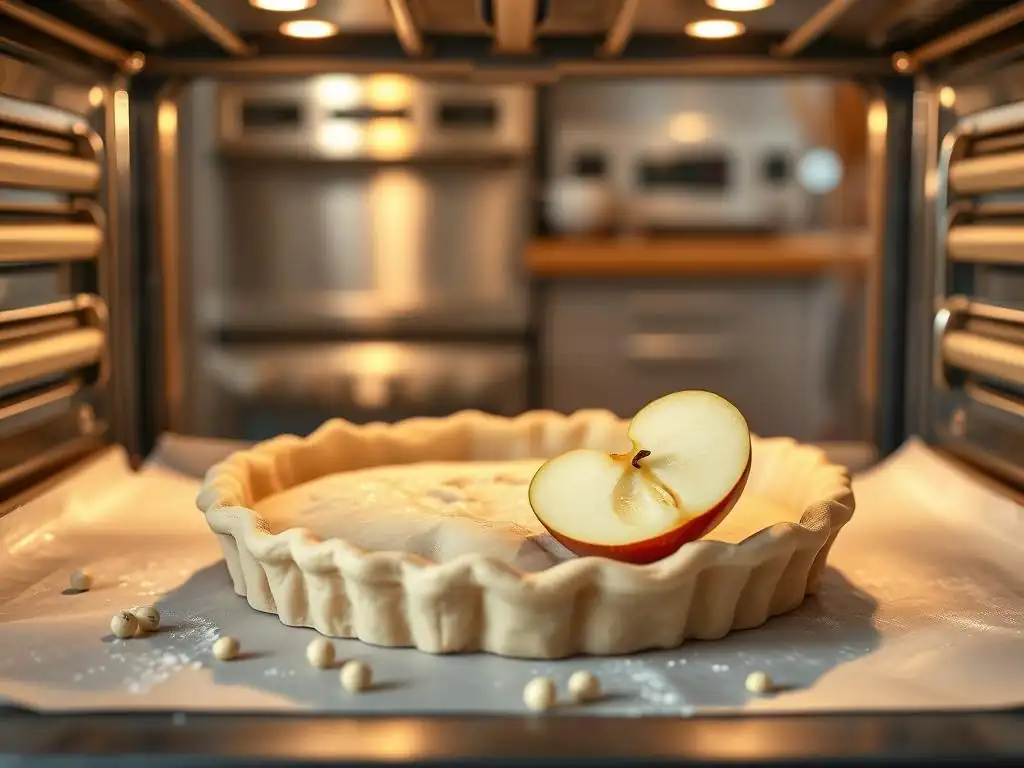
Blind baking, or pre-baking the crust before adding the filling, is a critical step for many pie and tart recipes, especially those with wet fillings (like quiches, fruit pies, or custard tarts). This technique ensures the bottom crust is fully cooked and set, preventing the dreaded "soggy bottom" that can ruin a beautiful pastry. It's particularly important for vegan pastry, as some binders might retain more moisture than eggs.
To blind bake, the chilled dough is rolled out, fitted into the pie or tart pan, and then lined with parchment paper and filled with pie weights, dried beans, or rice. This prevents the crust from puffing up or shrinking during the initial bake. The crust is typically baked with the weights for a portion of the time, then the weights and parchment are removed, and the crust is baked for a few more minutes until lightly golden and set. Following proper blind baking steps is a key element of successful vegan pastry crust recipe tips for wet fillings.
Tip #5: Using Parchment Paper and Pie Weights Effectively
Using parchment paper and pie weights during blind baking serves two main purposes: preventing the crust from bubbling up during baking and holding the sides of the crust in place to prevent shrinking. After fitting the dough into the pan, gently press parchment paper against the bottom and up the sides of the crust. Ensure the paper is large enough to extend over the edges, creating "handles" for easy removal later.
Fill the parchment-lined crust evenly with pie weights. Ceramic or metal pie weights are ideal as they distribute heat well, but dried beans, rice, or even sugar can be used as alternatives (note that sugar may partially caramelize). Fill the weights right up to the rim of the crust to support the edges. Bake according to the recipe's instructions (often 15-20 minutes with weights, then 5-10 minutes without). Proper use of parchment and weights is a simple yet effective method included in essential vegan pastry crust recipe tips.
Troubleshooting Common Vegan Pastry Problems
Dough Too Dry: Adding Moisture Carefully
A common issue with pastry dough, vegan or traditional, is it being too dry and crumbly, making it difficult to bring together and roll. This usually happens when not enough liquid is added, or the flour is particularly dry. If your dough isn't coming together after adding the specified amount of liquid, resist the urge to dump in a lot more water at once. Too much liquid will develop too much gluten, resulting in a tough crust.
Add liquid very gradually, perhaps half a teaspoon or a teaspoon at a time, mixing gently after each addition, until the dough just barely comes together when you squeeze a small piece. It should not feel sticky or wet. Remember that chilling the dough will also help it become more cohesive.
If you've already chilled it and it's still too dry to roll without cracking excessively, you can try adding a tiny bit more liquid to the surface and gently kneading it in, but this should be a last resort. Careful hydration is key among vegan pastry crust recipe tips.
Dough Too Wet: Balancing the Liquid Ingredients
Conversely, dough that is too wet will be sticky, difficult to handle, and prone to toughness from excessive gluten development. This typically occurs if too much liquid was added initially or if the fat wasn't properly cut in, leaving too much free liquid. A wet dough is harder to fix than a dry one, but it's not impossible.
If the dough is excessively wet and sticky immediately after mixing, you can try adding a tablespoon or two of flour, mixing gently until it's just workable. However, the best solution is often to wrap the dough tightly and chill it thoroughly for at least an hour, or preferably longer. Chilling helps solidify the fat and makes the dough firmer and less sticky.
If it's still too wet after chilling, you may need to lightly flour your surface and hands while rolling, but avoid incorporating too much extra flour into the dough itself. Getting the liquid balance right is a fundamental part of effective vegan pastry crust recipe tips.
Crust Shrinking During Baking: Proper Dough Handling
Crust shrinkage is a frustrating problem where the pastry pulls away from the sides of the pan during baking. This is usually caused by two main factors: insufficient chilling time before baking and/or overworking the dough, which develops too much elastic gluten. When overworked dough is rolled out and fitted into a pan, the stretched gluten network tries to contract as it heats in the oven.
To prevent shrinking, ensure your dough is well-chilled (at least 30 minutes, preferably longer) before rolling. When rolling, try to roll evenly and avoid stretching the dough. After fitting the dough into the pan, gently press it into the corners and up the sides, but don't stretch it tight. Trim the edges, then chill the fitted crust in the pan for another 15-30 minutes before baking. This final chill helps the fat solidify and the gluten relax in its final shape. Proper chilling and gentle handling are crucial vegan pastry crust recipe tips for preventing shrinkage.
Tough Crust: Avoiding Overworking the Gluten
A tough, bread-like crust is the result of excessive gluten development, typically from overmixing the dough or adding too much liquid. Gluten creates a strong, chewy network, which is desirable in bread but detrimental to tender pastry. Once gluten is developed, it's difficult to reverse, highlighting the importance of careful technique from the start.
To avoid a tough crust, follow the advice in Tip #2: mix the dough minimally, just until it comes together. Stop as soon as there are no dry streaks of flour. Handle the dough gently when shaping and rolling; avoid kneading it like bread dough. Also, ensure your ingredients are cold (Tip #1), as cold temperatures slow down gluten development. Using a portion of shortening with vegan butter can also contribute to tenderness due to shortening's pure fat content. Mastering gentle handling is one of the most impactful vegan pastry crust recipe tips for achieving tenderness.
Vegan Pastry Crust Recipes: BakeWithEase's Tested and Approved Methods
Basic Vegan Pie Crust Recipe: A Step-by-Step Guide
Creating a reliable basic vegan pie crust is foundational for many desserts. Here's a general outline, emphasizing key vegan pastry crust recipe tips:
- Gather Ingredients:
2 1/2 cups all-purpose flour1 teaspoon salt1 cup (2 sticks) cold vegan butter or cold solid shortening, cut into small cubes1/2 cup ice water (or slightly more, as needed)
- Combine Dry Ingredients: Whisk together the flour and salt in a large bowl.
- Cut in Fat: Add the cold fat cubes to the flour mixture. Use a pastry blender, fork, or your fingertips to cut the fat into the flour until the mixture resembles coarse meal with some pea-sized pieces of fat remaining.
- Add Liquid: Gradually add the ice water, one tablespoon at a time, mixing gently with a fork or your hands until the dough just starts to come together. Do not add too much water; the dough should be shaggy but cohesive when squeezed.
- Chill Dough: Divide the dough into two discs (for a double-crust pie) or one disc (for a single-crust pie). Wrap tightly in plastic wrap and flatten slightly. Chill for at least 30 minutes in the refrigerator.
- Roll Out: On a lightly floured surface, roll out one disc of dough from the center outwards to about 1/8 inch thickness.
- Transfer to Pan: Carefully transfer the rolled dough to your pie plate. Trim and crimp the edges as desired. If making a double crust, repeat with the second disc for the top.
- Chill Again: Chill the fitted crust in the pie plate for another 15-30 minutes before filling and baking, or before blind baking if required.
This basic method incorporates essential vegan pastry crust recipe tips for successful results.
Vegan Tart Crust Recipe: Perfect for Sweet and Savory Fillings
Vegan tart crusts often benefit from being slightly richer or more tender than pie crusts, sometimes using a food processor for speed and minimal handling. This type of crust is versatile for quiches, fruit tarts, or chocolate tarts.
- Ingredients:
1 1/2 cups all-purpose flour1/4 cup powdered sugar (for sweet tarts, omit for savory)1/4 teaspoon salt1/2 cup (1 stick) cold vegan butter or cold shortening, cut into cubes2-3 tablespoons ice water (or alternative binder like aquafaba)
- Process Dry: Pulse flour, sugar (if using), and salt in a food processor to combine.
- Add Fat: Add the cold fat cubes and pulse until the mixture resembles coarse meal with some larger pieces of fat.
- Add Liquid: Drizzle in the ice water (or aquafaba) gradually while pulsing just until the dough starts to clump together. Do not overmix.
- Chill: Gather the dough into a disc, wrap, and chill for at least 30 minutes.
- Press or Roll: For a press-in crust, press the dough evenly into the bottom and up the sides of a tart pan. For a rolled crust, roll out the dough and fit into the pan.
- Chill Again: Chill the fitted tart crust for at least 15-20 minutes before blind baking or filling.
This recipe adapts classic vegan pastry crust recipe tips for a tart application, allowing for variations like adding herbs for savory tarts or citrus zest for sweet ones.
Vegan Puff Pastry: A More Advanced Challenge
Vegan puff pastry, known for its numerous incredibly flaky layers, is a more advanced technique but achievable with practice. It involves laminating dough by repeatedly folding a block of fat (often vegan butter or a specific puff pastry vegan fat blend) into dough.
- Prepare Dough: Make a simple dough with flour, water, and a small amount of vegan butter/oil. Chill thoroughly.
- Prepare Fat: Create a block of cold, pliable vegan butter or specialized vegan puff pastry fat.
- Lamination: Encase the fat block in the dough. Roll and fold the dough multiple times (typically 4-6 "turns," each involving a letter fold or book fold), chilling the dough between each turn to keep the fat cold and firm. This process creates hundreds of alternating layers of dough and fat.
- Chill: After the final turn, chill the dough thoroughly before rolling out and shaping.
Achieving proper layers requires precise temperature control and careful handling to prevent the fat from melting or breaking through the dough. While challenging, mastering vegan puff pastry is the pinnacle of applying vegan pastry crust recipe tips to achieve maximum flakiness.
Flavoring Your Vegan Pastry Crust
Adding Herbs and Spices: Elevating Your Pastry's Flavor Profile
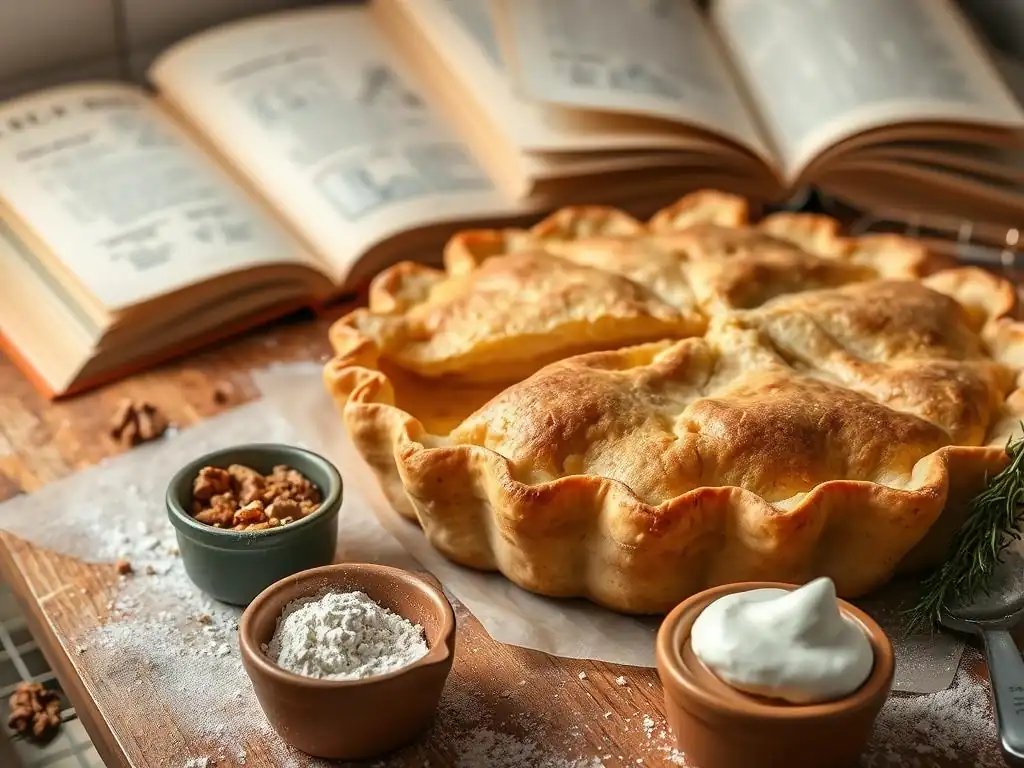
Plain pastry crust is a blank canvas, and adding herbs and spices can significantly enhance its flavor, especially for savory applications. Incorporating dried herbs like rosemary, thyme, or oregano, or spices like black pepper, smoked paprika, or a pinch of cayenne, can complement fillings like roasted vegetables, vegan cheeses, or tofu scrambles.
Mix the dried herbs or spices directly into the dry flour mixture before cutting in the fat. Approximately 1-2 teaspoons of dried herbs or spices per standard pie crust recipe is a good starting point, but adjust to your preference. For fresh herbs, mince them very finely and gently mix them into the dough towards the end of the mixing process. This simple addition is an easy win for elevating your vegan pastry crust recipe tips beyond just texture.
Sweetening Your Crust: Natural Sweeteners and Vegan Sugars
While pie crust isn't meant to be overly sweet, a touch of sugar can improve browning and add subtle flavor, particularly for dessert pies and tarts. Granulated sugar, powdered sugar, or even some liquid sweeteners can be used, keeping in mind their effect on texture and moisture.
Use vegan-certified sugars if ethical concerns are a factor, as some refined sugars are processed with bone char. Powdered sugar dissolves more easily and can contribute to a tender crumb. Liquid sweeteners like maple syrup or agave can be used, but they add moisture, potentially requiring a slight adjustment to the liquid component of the recipe. A common amount is 1-3 tablespoons of sugar per crust. Incorporating sweeteners is a common addition to many vegan pastry crust recipe tips for desserts.
Incorporating Citrus Zest: A Bright and Refreshing Touch
Citrus zest adds a wonderful brightness and fragrance to pastry, pairing beautifully with fruit fillings or creamy vegan custards. The oils in the zest infuse the dough with flavor. Lemon, orange, or lime zest can be used depending on the desired flavor profile.
Finely grate the zest, ensuring you only get the colored part of the peel and not the bitter white pith. Add the zest to the dry ingredients along with the flour and salt before cutting in the fat. The oils in the zest will be distributed throughout the dough. Use the zest from one medium lemon or orange per standard crust for a noticeable but not overpowering flavor. Adding citrus zest is a simple yet effective way to enhance the flavor profile when following vegan pastry crust recipe tips.
Storing Vegan Pastry Dough and Baked Crusts
Properly Wrapping and Refrigerating Dough
Proper storage is essential to maintain the quality and workability of vegan pastry dough. After mixing, the dough should always be wrapped tightly before chilling. This prevents the dough from drying out and forming a crust on its surface, which can lead to cracks when rolling.
Use plastic wrap or a beeswax wrap to tightly encase the disc(s) of dough, pressing out any excess air. Ensure the wrap adheres snugly to the entire surface. Refrigerate the dough for at least 30 minutes before rolling. Dough can typically be stored in the refrigerator for 2-3 days. If storing longer, freezing is recommended. Following proper wrapping techniques is a simple but important step in using vegan pastry crust recipe tips successfully.
Freezing Dough for Later Use
Vegan pastry dough freezes exceptionally well, making it convenient for preparing ahead of time. This is a great way to save time when you anticipate needing a crust later. Properly wrapped dough can be stored in the freezer for up to 3 months.
To freeze, wrap the dough discs tightly in plastic wrap as you would for refrigeration, then add an additional layer of aluminum foil or place the wrapped disc in a freezer-safe bag or container. Label with the date. To use frozen dough, transfer it to the refrigerator and let it thaw completely, which usually takes about 24 hours per disc.
Avoid thawing at room temperature, as this could cause the fat to soften too much. Once thawed, let it sit at room temperature for 10-15 minutes before rolling if it's too hard. Freezing is a practical strategy integrated into many comprehensive vegan pastry crust recipe tips.
Storing Baked Vegan Crusts to Maintain Freshness
If you've blind baked a crust or have leftover baked crusts, proper storage will help maintain their texture and prevent them from becoming stale or soggy. A fully baked, unfilled crust should be allowed to cool completely on a wire rack before storing.
Once cooled, the best way to store a baked crust depends on how soon you plan to use it. For use within a day or two, loosely cover the crust in the pie plate with plastic wrap or aluminum foil and leave it at room temperature. For longer storage, wrap the cooled crust tightly in plastic wrap, then in aluminum foil, and store it in the freezer for up to 1-2 months.
Thaw frozen baked crusts at room temperature. Storing baked crusts correctly is the final step in ensuring your efforts using various vegan pastry crust recipe tips pay off with a delicious result.
Conclusion: Enjoying Delicious and Ethical Vegan Pastries
Mastering vegan pastry crusts is a rewarding journey that opens up a world of possibilities for delicious, ethical, and inclusive baking. By understanding the fundamental roles of fat and gluten, experimenting with effective vegan substitutes like cold vegan butter, shortening, or coconut oil, and utilizing binders such as flaxseed meal or aquafaba, you can achieve flaky, tender, and flavorful results without relying on dairy or eggs.
Remember the core vegan pastry crust recipe tips: keep everything cold, handle the dough minimally, allow it to rest, and consider blind baking for wet fillings. Don't be discouraged by initial attempts; like any baking skill, practice makes perfect. With these techniques and tips, you're well-equipped to create beautiful pies, tarts, and other pastries that everyone can enjoy, proving that vegan baking can be just as delightful and satisfying as traditional methods. Happy baking!
Frequently Asked Questions
How can I replace butter in a vegan pastry crust recipe?
You can successfully substitute butter with vegan butter alternatives or solid coconut oil. Be sure to use them cold and cut them into the flour similarly to how you would with butter for a flaky crust.
What's the best egg replacement for binding a vegan pastry crust?
Common egg replacements include applesauce, flax eggs (ground flaxseed mixed with water), or even aquafaba (the liquid from canned chickpeas). Each offers slightly different texture results.
What are some tips for preventing a vegan pastry crust from becoming too tough?
Avoid overmixing the dough! Also, using ice water and allowing the dough to rest in the refrigerator before rolling will help relax the gluten and prevent a tough crust.
How can I achieve a golden-brown color on my vegan pastry crust without using eggs for an egg wash?
Try brushing the crust with plant-based milk (almond, soy, or oat) or a mixture of maple syrup and water before baking. This will help with browning.
Can I use regular flour for a vegan pastry crust, or is there a better option?
While regular all-purpose flour works, consider using pastry flour or a blend of all-purpose and pastry flour for a more tender crust. You may also experiment with gluten-free flour blends if needed.
Final Reflection: The Sweet Revolution of Vegan Pastry
The accessibility and deliciousness of vegan pastry are no longer niche concepts; they represent a significant shift in culinary creativity and ethical consumption. The rise of plant-based diets, coupled with increasing awareness of animal welfare and environmental sustainability, has fueled a demand for delicious, cruelty-free alternatives—and vegan pastry is answering that call. This isn't just about substituting ingredients; it's about reimagining classic techniques and unlocking new flavour profiles.
The journey of perfecting vegan pastry has been a personal revelation, highlighting the power of ingenuity and the surprising versatility of plant-based ingredients. It's challenged preconceived notions about what constitutes a "perfect" crust, pushing boundaries and demonstrating that ethical choices don't have to compromise on taste or texture. The best things in life are often the simplest,
a phrase often used in baking, holds true even more so in the vegan realm, where mindful ingredient selection and precise technique yield extraordinary results.
Now, it's your turn. Don't be intimidated by the idea of vegan baking; embrace the challenge! Experiment with different flours, starches, and liquids to discover your own signature vegan pastry crust. The techniques outlined in this article are a starting point, a springboard for your own culinary explorations. Let your creativity flourish, and share your delicious creations with the world – because the future of pastry is undeniably plant-powered.
Unleash Your Inner Vegan Pastry Chef!
Thanks for joining us on this delicious journey into the world of vegan pastry! We hope you’ve gained some valuable tips and tricks to elevate your baking game. Ready to put your newfound skills to the test?
- Bake your dream vegan pie: Choose your favorite filling and try out one of the crust recipes from the article. Don't be afraid to experiment!
- Share your creations: Tag us on social media with your baking masterpieces – we’d love to see what you create! Use #VeganPastryHacks #BakeWithEase
- Explore other vegan recipes: Head over to our recipe section and discover a whole new world of plant-based baking possibilities.
What incredible vegan pastry are you going to bake first? Let us know in the comments below!