
The Essential Guide to Baking Chocolate Types: From Dark to White

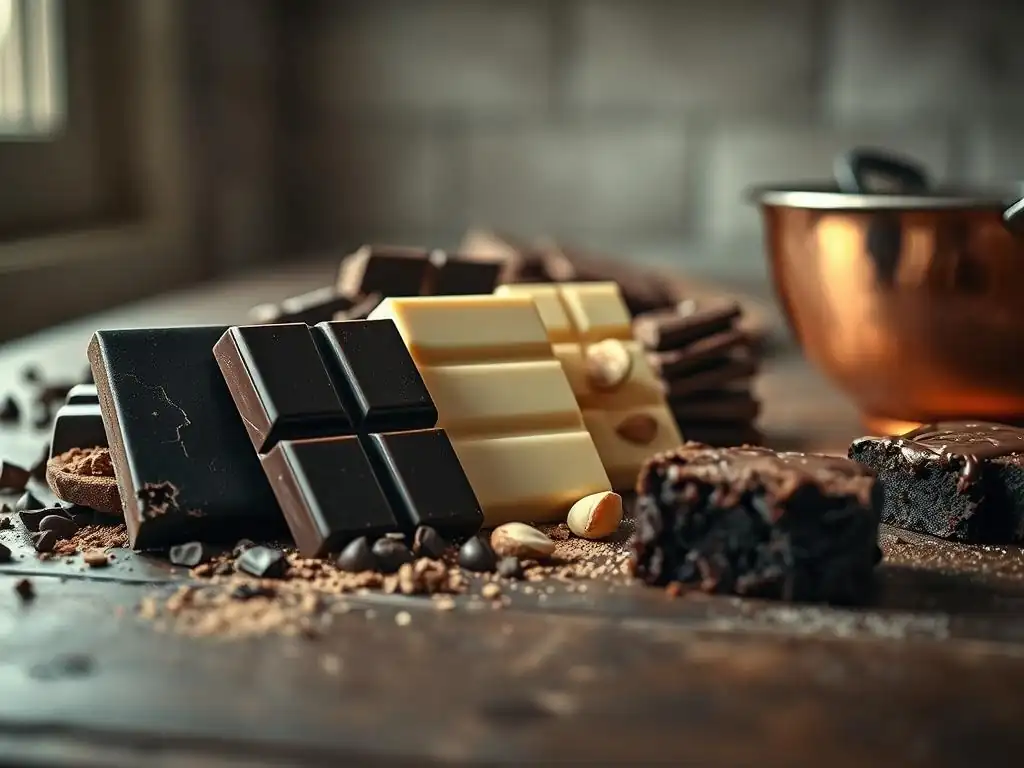
Welcome to BakeWithEase, your companion in the delightful world of baking!
Ever wondered how to unlock the deepest flavors and textures in your chocolate creations? Prepare to embark on a journey into the rich and nuanced world of chocolate, starting with our essential dark chocolate baking guide. Discover the secrets to choosing the perfect chocolate, mastering tempering, and creating unforgettable desserts. Get ready to elevate your baking – the adventure begins now!
- Understanding Chocolate for Baking: Your Guide to Baking Success
- Dark Chocolate Baking: Unlocking Rich Flavors
- Milk Chocolate Baking: Sweet and Creamy Delights
- White Chocolate Baking: Adding Sweetness and Elegance
- Baking Chocolate Substitutes: When You're in a Pinch
- Expert Tips for Working with Chocolate in Baking
- Troubleshooting Common Chocolate Baking Problems
- The Best Baking Chocolate Guide Summary: Choosing the Right Chocolate for Your Needs
-
Frequently Asked Questions
- What is the difference between dark, milk, and white chocolate in baking?
- How does the percentage of cocoa in dark chocolate affect baking?
- Can I substitute different types of chocolate in a recipe?
- What are some common mistakes people make when baking with dark chocolate?
- Where can I find the best quality dark chocolate for baking?
- Final Reflection: The Enduring Allure of Chocolate, Baked to Perfection
- Unlock Your Inner Chocolatier: Master the Art of Baking with Chocolate!
Understanding Chocolate for Baking: Your Guide to Baking Success
Why Chocolate Type Matters in Baking: Achieving Baking Perfection
Choosing the right type of chocolate is perhaps one of the most critical decisions a baker makes, influencing everything from the final texture and appearance to the depth and complexity of flavor. The cacao content, the presence and amount of sugar, milk solids, and cocoa butter, along with the quality of these ingredients, all play a significant role.
Using a chocolate with a lower cocoa butter content might result in a drier bake, while a high-quality dark chocolate can provide the deep, resonant flavor necessary for a truly decadent brownie or cake. Getting this right is a fundamental step in any comprehensive dark chocolate baking guide.
Moreover, different chocolates behave differently when heated. Couverture chocolate, known for its high cocoa butter percentage (typically 32-39%), melts smoothly and is ideal for tempering, resulting in a glossy, snappy finish perfect for dipping and molding. Baking chips, on the other hand, often contain stabilizers to help them hold their shape during baking, which means they might not melt as fluidly or integrate into batters as seamlessly as a chopped bar of high-quality chocolate. Understanding these nuances is key to elevating your baking from good to exceptional, ensuring your chocolate creations turn out exactly as intended.
The BakeWithEase Guide to Choosing the Right Chocolate
Selecting the best chocolate for your baking project involves considering the desired outcome. Are you aiming for an intense, bittersweet flavor, a creamy sweetness, or a delicate, subtle hint of chocolate? The recipe itself will often provide clues, but knowing how different chocolates perform gives you the power to adapt and experiment. For robust chocolate flavor in cakes or cookies, a good quality dark chocolate with a cacao percentage between 60% and 75% is often recommended.
Consider the application: for melting into batters or ganaches, a bar or callets (small drops) of couverture or high-quality baking chocolate is usually best due to its melting properties. For recipes where you want distinct pockets of chocolate that hold their shape, baking chips are designed for this purpose. Always check the ingredients list – fewer ingredients, especially those you recognize (like cocoa mass, sugar, cocoa butter, vanilla, lecithin), often indicate higher quality. Avoiding chocolates with vegetable oils substituting cocoa butter is a good rule of thumb for superior results.
Dark Chocolate Baking: Unlocking Rich Flavors
Exploring Dark Chocolate Percentages: From 50% to 85% and Beyond
Dark chocolate is defined by its cacao content, which includes cocoa solids and cocoa butter. The percentage listed on the packaging indicates the total proportion of ingredients derived from the cacao bean. A 50-60% dark chocolate, often labeled as bittersweet or semi-sweet, has a noticeable sweetness and a milder chocolate flavor compared to higher percentages. This range is incredibly versatile and frequently called for in classic recipes like chocolate chip cookies or brownies where a balance of sweetness and chocolate is desired.
As the cacao percentage increases, the chocolate becomes less sweet and the chocolate flavor becomes more intense, complex, and often more bitter or acidic. Chocolates in the 70-75% range offer a strong, rich chocolate profile with less sugar, making them excellent for ganaches, mousses, or cakes where a deep, sophisticated flavor is needed.
Moving into the 80%+ range, the chocolate is very intense, with minimal sweetness, revealing nuanced characteristics of the cacao bean itself, such as fruity, floral, or earthy notes. These are best used in recipes specifically designed for high-percentage chocolate or when you want a powerful, less sweet chocolate punch, often balanced with other ingredients.
The Impact of Cacao Content on Taste and Texture
The cacao percentage directly dictates the flavor profile. Lower percentages (50-65%) provide a balance of sweetness and chocolate intensity, often described as classic semi-sweet. This balance makes them appealing in a wide array of baked goods without overpowering other flavors. They melt smoothly and contribute to a moist texture in cakes and brownies due to their sugar and cocoa butter content.
Higher percentages (70%+) offer a more profound and less sweet chocolate experience. The reduced sugar allows the true characteristics of the cacao bean to shine through. Texturally, chocolates with higher cacao content and thus often higher cocoa butter content melt very smoothly, which is excellent for ganaches and tempering. However, in baked goods, they can sometimes lead to a slightly less sweet and more 'crumbly' texture if not balanced correctly with other ingredients like sugar and fat. Understanding this balance is crucial for any aspiring dark chocolate baking guide.
Best Dark Chocolate Brands for Baking: Our Top Picks
Choosing a quality dark chocolate is paramount for achieving superior results in your baking. While many brands exist, some consistently deliver on flavor, texture, and performance. Here are a few examples often favored by home bakers and professionals alike, offering a reliable foundation for your dark chocolate baking guide journey.
Valrhona Guanaja 70%: The Professional's Choice
Valrhona is a French brand renowned for its high-quality couverture chocolates. Guanaja 70% is a popular choice among professional bakers for its intense and complex flavor profile, featuring notes of floral, fruity, and nutty undertones alongside a deep chocolate richness. Its high cocoa butter content ensures a smooth melt and excellent tempering properties.
Using Valrhona Guanaja 70% can dramatically elevate the flavor of simple recipes like chocolate lava cakes or truffles, providing a sophisticated depth that standard chocolates can't match. Its consistent quality means you can rely on predictable results every time you bake.
Guittard Extra Dark Chocolate Wafers: Versatile and High Quality
Guittard is an American family-owned company with a long history of chocolate making. Their Extra Dark Chocolate Wafers, often around 74% cacao, offer a rich, balanced dark chocolate flavor that is less intensely bitter than some higher-percentage options but still provides significant depth. The wafer format is convenient for melting.
These wafers are incredibly versatile, performing well in everything from cookies and brownies to ganaches and melting for dipping. Their reliable consistency and excellent flavor make them a staple for many home bakers looking for quality without the ultra-premium price tag of some European brands.
Endangered Species Dark Chocolate: Ethical and Delicious
Endangered Species Chocolate offers a range of dark chocolates with varying percentages, often around 72% or 70%. Beyond their commitment to ethical sourcing and wildlife conservation (a portion of profits goes to related causes), their chocolate is known for its good flavor and quality suitable for baking.
Their dark chocolate bars melt smoothly and provide a solid, rich chocolate flavor that works well in a variety of baked goods. Using this chocolate allows bakers to feel good about their ingredient choices while still achieving delicious results in their dark chocolate baking endeavors.
Dark Chocolate Baking Recipes: Elevate Your Creations
Utilizing high-quality dark chocolate can transform classic recipes into truly memorable desserts. Here are a few ideas highlighting how specific types or brands of dark chocolate can make a difference. This section serves as a mini dark chocolate baking guide for specific applications.
Dark Chocolate Brownies: A Classic Recipe with Valrhona Guanaja
Imagine a rich, fudgy brownie with an intense, complex chocolate flavor that lingers beautifully. Using a 70% dark chocolate like Valrhona Guanaja in your brownie batter, either melted into the base or chopped in as chunks, provides that sophisticated depth. The quality cocoa butter contributes to a moist, tender crumb, while the nuanced cacao notes elevate the overall taste beyond simple sweetness.
Instead of just a sugary chocolate hit, you get layers of flavor – hints of fruit or nuts – that make the brownie taste truly gourmet. Melting the chocolate gently is key here to preserve its delicate flavor compounds.
Dark Chocolate Cake: Achieving Moistness and Deep Flavor with Guittard Extra Dark
For a moist, deeply flavored dark chocolate cake, using a quality dark chocolate around 70-74% like Guittard Extra Dark Wafers is an excellent choice. Melting this chocolate and incorporating it into the batter adds richness and moisture thanks to its cocoa butter content. The balanced dark flavor ensures the cake is not overly sweet but has a pronounced, satisfying chocolate presence.
This type of chocolate pairs wonderfully with coffee or espresso powder added to the batter, which helps to amplify the chocolate notes. The result is a cake with a tender crumb and an intense, comforting chocolate flavor that is perfect on its own or paired with a complementary frosting.
Dark Chocolate Ganache: Perfecting the Glossy Finish with Endangered Species Dark Chocolate
A smooth, glossy dark chocolate ganache is essential for many desserts, from glazes to fillings. Using a good quality dark chocolate, such as Endangered Species Dark Chocolate (around 70-72%), ensures both excellent flavor and texture. The key is the chocolate's ability to melt smoothly and emulsify properly with hot cream.
The ethical dark chocolate provides a clean, rich flavor that is neither too bitter nor too sweet for a ganache. The resulting mixture, when cooled, should be smooth, stable, and beautifully shiny, perfect for pouring over cakes or whipping into a frosting.
Milk Chocolate Baking: Sweet and Creamy Delights
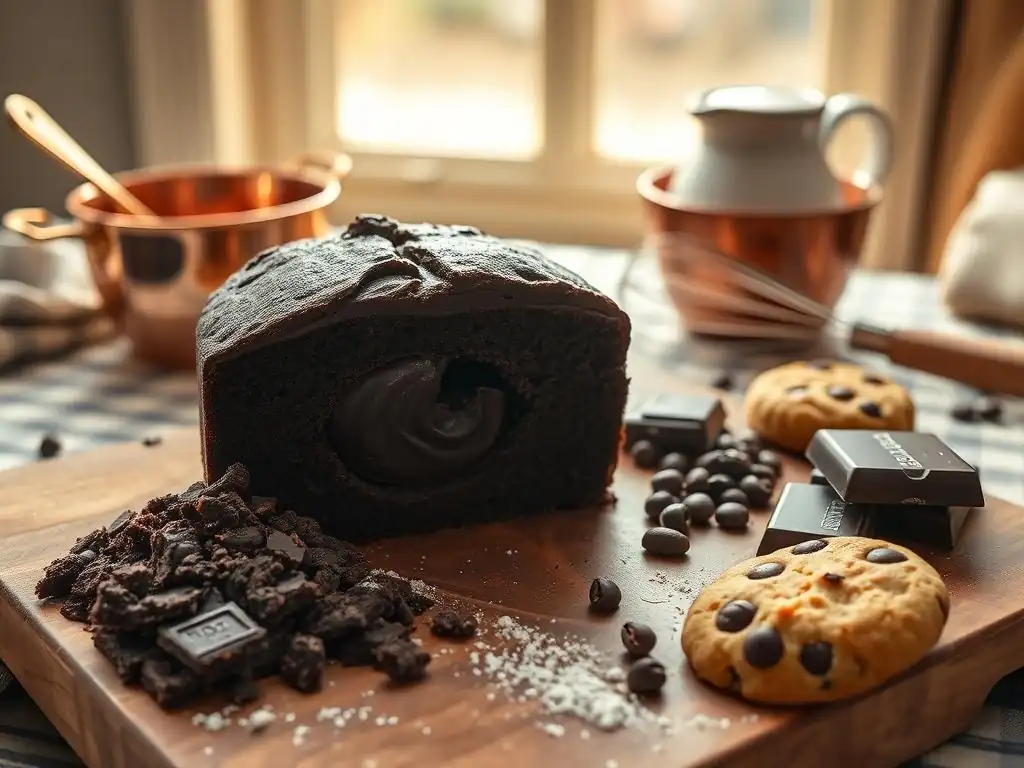
Milk Chocolate vs. Dark Chocolate: Understanding the Differences
The primary difference between milk chocolate and dark chocolate lies in the addition of milk solids (typically milk powder or condensed milk) to milk chocolate. Dark chocolate, by definition, contains no milk solids (though some may contain trace amounts due to manufacturing). This inclusion of milk solids gives milk chocolate its characteristic lighter color, creamier texture, and sweeter, milder flavor profile compared to dark chocolate.
Milk chocolate also typically has a lower cacao content and a higher sugar content than most dark chocolates. While dark chocolate focuses on the intense, sometimes complex flavors of the cacao bean itself, milk chocolate offers a sweeter, softer, and more approachable taste that is widely popular. This fundamental difference means they behave differently in recipes and contribute distinct flavors.
Top Milk Chocolate Brands for Baking: Smooth & Indulgent
When baking with milk chocolate, quality still matters, even though the flavor profile is milder than dark. A good milk chocolate for baking will melt smoothly and have a balanced flavor that isn't just sugar. Here are a couple of examples of reliable brands.
Lindt Classic Recipe Milk Chocolate Bar: Versatile and Delicious
Lindt is a Swiss chocolatier known for its smooth, high-quality chocolate. Their Classic Recipe Milk Chocolate bar is widely available and works well in many baking applications. It has a creamy texture and a balanced sweetness that makes it a reliable choice for incorporating into batters or melting.
This chocolate melts relatively smoothly, making it suitable for things like milk chocolate ganache or adding to cookie doughs. Its pleasant flavor complements other ingredients without being overly assertive, making it a versatile option for many recipes.
Ghirardelli Milk Chocolate Baking Chips: Convenient and Consistent
Ghirardelli is another well-regarded chocolate company, particularly known for its baking products in the US. Their Milk Chocolate Baking Chips are a popular choice due to their convenience and consistent performance. These chips are formulated to hold their shape well during baking.
While they might not melt as fluidly as chopped bar chocolate for ganaches, they are excellent for recipes like milk chocolate chip cookies or muffins where you want distinct pockets of soft, melted chocolate within the baked good. Their flavor is reliably sweet and creamy.
Milk chocolate brings a comforting sweetness and creamy texture to baked goods. Here are some ways it shines in recipes.
Milk Chocolate Chip Cookies: A Crowd-Pleasing Treat with Lindt Classic Recipe
Classic chocolate chip cookies can be made with milk chocolate for a sweeter, milder alternative to dark chocolate chips. Using a chopped Lindt Classic Recipe Milk Chocolate bar instead of chips can result in larger, more melty pockets of chocolate throughout the cookie, providing a richer mouthfeel and a satisfyingly sweet burst of flavor with every bite.
The quality of the milk chocolate ensures the flavor is not just sugary but has a pleasant, creamy chocolate undertone that appeals to many palates. Ensure the chocolate is evenly chopped for distribution.
Milk Chocolate Frosting: Creamy and Decadent Topping with Ghirardelli Milk Chocolate Chips
A creamy milk chocolate frosting is a delicious topping for cakes or cupcakes. Melting Ghirardelli Milk Chocolate Baking Chips and incorporating them into a buttercream or cream cheese frosting base creates a sweet, smooth, and indulgent topping. The consistency of the chips helps ensure the chocolate melts evenly.
The resulting frosting has a lighter color and a sweeter, milder chocolate flavor compared to dark chocolate frosting. It's perfect for pairing with vanilla, red velvet, or even a lighter chocolate cake where a less intense chocolate flavor is desired in the frosting.
White Chocolate Baking: Adding Sweetness and Elegance
What is White Chocolate? Understanding the Ingredients
White chocolate is perhaps the most debated 'chocolate' type, as it contains no cocoa solids, which are responsible for the characteristic brown color and intense chocolate flavor of dark and milk chocolate. By law (in many regions, including the US and EU), white chocolate must contain a minimum percentage of cocoa butter (typically 20%), sugar (often 50% or more), and milk solids (around 14%). It may also contain vanilla and lecithin.
Because it lacks cocoa solids, white chocolate has a creamy, sweet flavor profile dominated by vanilla, sugar, and milk. Its texture is primarily influenced by the cocoa butter content; higher quality white chocolate will have a higher percentage of cocoa butter, resulting in a smoother melt and richer mouthfeel.
Best White Chocolate Brands for Baking: Quality Matters
Quality is particularly important when it comes to white chocolate, as poor quality versions can be overly sweet, waxy, or grainy. Good white chocolate should melt smoothly and have a pleasant, creamy flavor profile derived from cocoa butter and milk solids, not just sugar.
Valrhona Ivoire 35% White Chocolate: A High-End Choice
Valrhona's Ivoire 35% is a benchmark for high-quality white chocolate. With a generous 35% cocoa butter content, it melts exceptionally smoothly and has a rich, creamy texture. Its flavor is balanced, with notes of vanilla and milk, and it avoids the excessive sweetness or waxy texture found in lower quality white chocolates.
This white chocolate is ideal for delicate applications like mousses, ganaches, or tempering for coatings, where its superior melting properties and refined flavor truly shine. It's a favorite among professionals for a reason.
Guittard Choc-O-Lait White Baking Chips: Consistent and Reliable
Guittard also offers quality white chocolate options, including their Choc-O-Lait White Baking Chips. While chips are formulated to hold shape, Guittard's version provides a good balance of convenience and flavor for general baking purposes. They offer a creamy, sweet flavor that is reliable for cookies and other baked goods.
These chips are a dependable choice for recipes where you want pockets of white chocolate within the bake. While not as refined for melting as Valrhona Ivoire, they perform consistently in standard cookie and muffin recipes.
White Chocolate Baking Recipes: Delicate and Flavorful
White chocolate adds a sweet, creamy note and a different kind of richness to baked goods. It pairs wonderfully with fruits, nuts, and spices.
White Chocolate Macadamia Nut Cookies: A Gourmet Delight with Valrhona Ivoire
For truly exceptional white chocolate macadamia nut cookies, using chopped high-quality white chocolate like Valrhona Ivoire makes a significant difference. Instead of small, hard chips, you get substantial chunks of smooth, creamy white chocolate that melt beautifully into the warm cookie.
The refined flavor of the white chocolate complements the buttery macadamia nuts without being overly sweet, creating a sophisticated take on a classic cookie. The high cocoa butter content contributes to a lovely texture.
White Chocolate Mousse: Light and Airy Dessert with Guittard Choc-O-Lait
A delicate white chocolate mousse relies on the white chocolate's ability to melt smoothly and incorporate air when combined with cream or egg whites. Using a reliable white chocolate like Guittard Choc-O-Lait chips (melted smoothly) provides the necessary structure and creamy sweetness.
While perhaps not as nuanced as a mousse made with Valrhona, a mousse made with Guittard chips will still be light, airy, and pleasantly sweet with a distinct white chocolate flavor, perfect for layering in parfaits or serving as a standalone dessert.
Baking Chocolate Substitutes: When You're in a Pinch
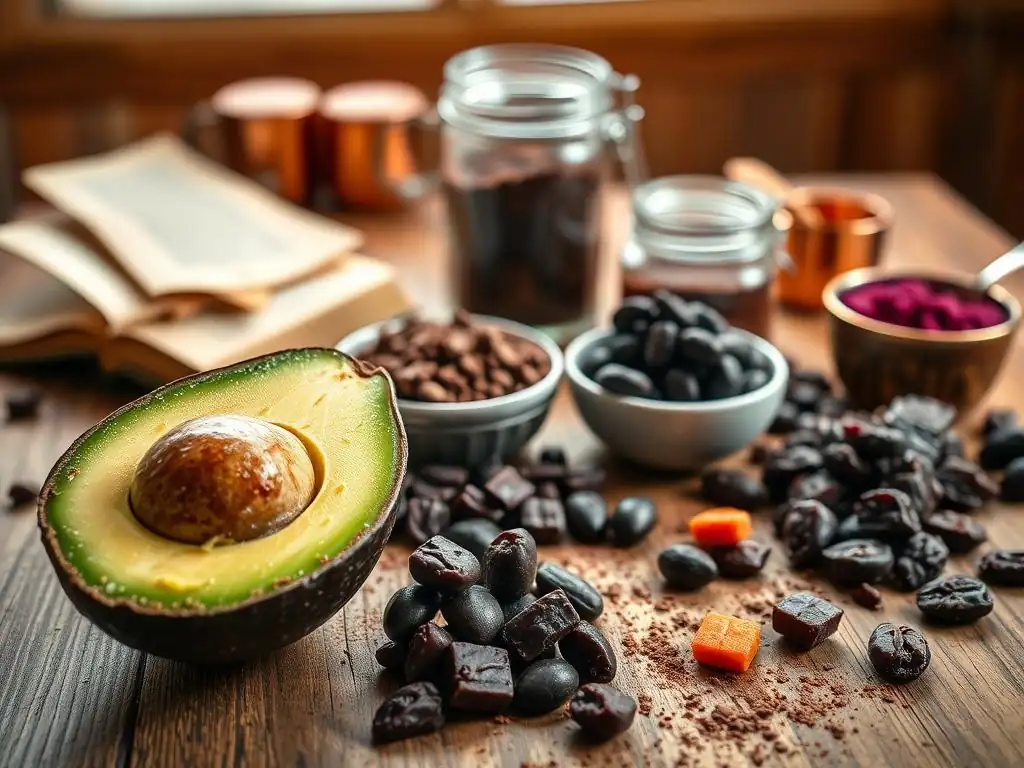
Sometimes you find yourself mid-recipe without the specific type of chocolate you need. While substitutions can alter the final outcome, knowing viable alternatives can save your bake.
Cocoa Powder as a Dark Chocolate Alternative
Unsweetened cocoa powder can often be used as a substitute for melted unsweetened or bittersweet dark chocolate in cake and brownie recipes, though it requires careful adjustment of fats and liquids. A common ratio is to substitute 3 tablespoons of cocoa powder plus 1 tablespoon of butter or oil for every ounce of unsweetened chocolate called for. For bittersweet or semi-sweet, you'd also need to add extra sugar to compensate for the sweetness difference.
Keep in mind that cocoa powder contains no cocoa butter, so the texture and richness of the final product will differ slightly – often resulting in a less fudgy, more cake-like texture. However, it provides a strong chocolate flavor, making it a useful stand-in when you need a dark chocolate baking guide shortcut.
Carob Chips: A Unique Substitute for Chocolate
Carob chips are derived from the carob tree pod and are naturally sweet, requiring little added sugar. They are often used as a caffeine-free alternative to chocolate chips, particularly for those with chocolate allergies or sensitivities.
Carob has a distinct flavor that is often described as naturally sweet and slightly malty or caramel-like, which is quite different from chocolate. While they can be substituted cup-for-cup for chocolate chips in recipes like cookies, the resulting flavor and texture will be noticeably different. They melt similarly to chocolate chips but do not provide the same deep, complex chocolate flavor.
Expert Tips for Working with Chocolate in Baking
Handling chocolate correctly is just as important as choosing the right type. Proper technique ensures smooth textures and optimal flavor.
Tempering Chocolate: Achieving a Smooth and Shiny Finish
Tempering chocolate is the process of heating, cooling, and reheating chocolate to specific temperatures to stabilize the cocoa butter crystals. This results in chocolate that sets firmly, has a glossy finish, a satisfying snap when broken, and resists blooming (the formation of grayish streaks). Dark chocolate is typically heated to around 115°F (46°C), cooled to around 82°F (28°C), and then gently reheated to around 88-90°F (31-32°C).
Tempering is essential for dipping, molding, and creating decorative elements. It's less critical if the chocolate is simply melted and added to a batter or ganache, but it's a fundamental skill for anyone serious about working with chocolate, especially for a complete dark chocolate baking guide.
Melting Chocolate: Avoiding Seizing and Burning
Melting chocolate requires patience and gentle heat to prevent it from seizing (becoming a thick, grainy paste) or burning. The safest methods are using a double boiler (a bowl set over a pan of simmering water, ensuring the bottom of the bowl doesn't touch the water) or melting in a microwave on low power, stirring frequently (every 30 seconds).
Ensure the chocolate is chopped into small, uniform pieces for even melting. Crucially, avoid introducing any water or steam into the melting chocolate, as even a single drop can cause it to seize instantly. If it does seize, sometimes stirring in a teaspoon of vegetable oil or melted shortening can help rescue it, though the texture may be affected.
Storing Chocolate: Maintaining Freshness and Flavor
Proper storage is essential to keep chocolate in good condition for baking. Chocolate should be stored in a cool, dry place, away from direct sunlight and strong odors. Ideal temperatures are typically between 60-70°F (15-21°C).
Avoid storing chocolate in the refrigerator unless you live in a very hot, humid climate. Refrigeration can cause sugar bloom (white powdery streaks) and condensation, which can affect texture. If refrigeration is necessary, store it in an airtight container to protect it from moisture and odors, and allow it to come to room temperature slowly before use. Properly stored chocolate can last for several months, though its peak flavor is best within a year or two of manufacture.
Troubleshooting Common Chocolate Baking Problems
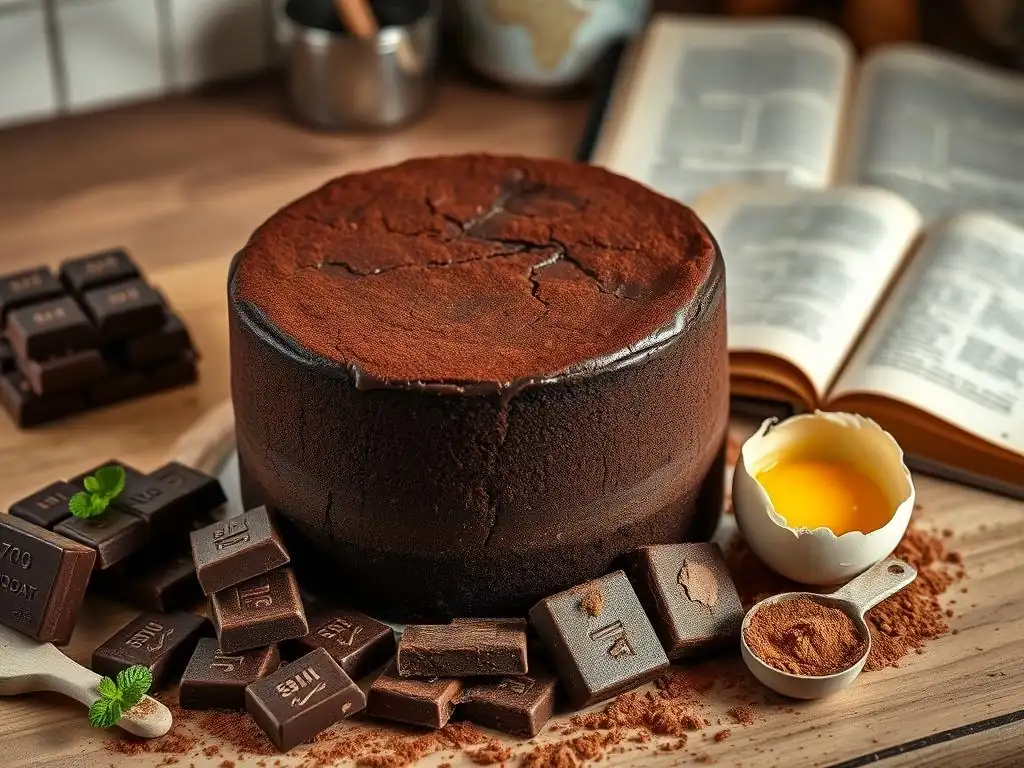
Even with the best ingredients and techniques, issues can arise when baking with chocolate. Here are a couple of common problems and how to address them, drawing on principles from this dark chocolate baking guide.
Why is My Chocolate Seizing?
Chocolate seizes when it comes into contact with even a tiny amount of water or steam during the melting process. Cocoa solids are hydrophilic (water-attracting), and water causes them to clump together, separating from the cocoa butter and sugar, resulting in a thick, grainy, unusable mass.
To prevent seizing, ensure all equipment (bowls, spatulas) is completely dry. If using a double boiler, make sure the water is simmering gently, not boiling vigorously, and that no steam escapes into the chocolate. When microwaving, cover the chocolate to prevent condensation from dripping in. If seizing occurs, sometimes you can stir in a small amount of hot liquid (like cream, milk, or melted butter) to create a ganache-like consistency, but it won't return to a perfectly smooth, melted state.
My Baked Goods are Too Bitter: Choosing the Right Chocolate Percentage
If your dark chocolate baked goods, like brownies or cakes, are coming out too bitter, the most likely culprit is the cacao percentage of the chocolate you used. Using a very high-percentage dark chocolate (80%+) in a recipe designed for semi-sweet (50-60%) or bittersweet (60-70%) will result in a significantly less sweet and more bitter flavor profile.
Review the recipe's chocolate specification carefully. If it calls for "semi-sweet" or "bittersweet," use a chocolate within the 50-70% range. If you prefer less bitterness, stick to the lower end of that range (50-65%). For recipes that simply say "dark chocolate," a versatile choice is typically around 60-72%. Adjusting the chocolate percentage is a simple fix outlined in any good dark chocolate baking guide.
The Best Baking Chocolate Guide Summary: Choosing the Right Chocolate for Your Needs
Selecting the perfect chocolate for your baking project is a crucial step that significantly impacts the final flavor, texture, and appearance of your creations. This guide to baking chocolate types, from dark to white, has covered the key characteristics and uses of each. Understanding the cacao percentage in dark chocolate (50-85%+) helps you control the bitterness and intensity, while recognizing the role of milk solids and cocoa butter explains the differences in milk and white chocolates.
Whether you're following a dark chocolate baking guide for fudgy brownies, aiming for creamy milk chocolate chip cookies, or crafting delicate white chocolate mousses, opting for quality brands makes a noticeable difference. Remember that different chocolates perform best in different applications – bars or callets for melting and ganaches, chips for holding shape in cookies. Mastering techniques like gentle melting and proper storage will further enhance your results. By paying attention to the type and quality of chocolate, you're well on your way to achieving baking perfection.
Frequently Asked Questions
What is the difference between dark, milk, and white chocolate in baking?
Dark chocolate has a higher percentage of cocoa solids and no milk solids, resulting in a bitter taste. Milk chocolate contains cocoa solids, milk solids, and sugar. White chocolate contains cocoa butter, sugar, and milk solids, but no cocoa solids.
How does the percentage of cocoa in dark chocolate affect baking?
A higher percentage of cocoa in dark chocolate will result in a more intense, bitter chocolate flavor in your baked goods. Lower percentages will be sweeter and milder. Choose based on your recipe and taste preference.
Can I substitute different types of chocolate in a recipe?
While possible, substituting can impact the final flavor and texture. Dark chocolate substitutions may require adjusting sugar levels. Be mindful of cocoa butter content and its effect on melting.
What are some common mistakes people make when baking with dark chocolate?
Overbaking is a common mistake, as it can cause dark chocolate to become bitter and dry. Also, overheating chocolate can cause it to seize. Use a double boiler or microwave in short intervals.
Where can I find the best quality dark chocolate for baking?
Check specialty baking stores, gourmet food shops, or online retailers known for their high-quality chocolate. Look for brands that list the cocoa percentage and origin clearly.
Final Reflection: The Enduring Allure of Chocolate, Baked to Perfection
The journey through the diverse world of chocolate, from the intense bitterness of dark varieties to the creamy sweetness of white, reveals a fundamental truth about baking: the ingredient is as crucial as the technique. Understanding the nuances of each chocolate type—its percentage of cacao, its flavor profile, its impact on texture—transforms baking from a simple process into a creative exploration. This knowledge empowers bakers to craft truly exceptional treats, tailored to their specific preferences and culinary ambitions.
The enduring appeal of chocolate transcends mere indulgence; it's woven into the fabric of our cultural heritage, a symbol of celebration, comfort, and shared experience. Chocolate is a perfect food. It is a comfort food, a celebratory food, a food that is associated with love and romance.
This sentiment perfectly captures the emotional resonance of chocolate, and understanding its multifaceted nature as a baking ingredient only deepens that appreciation. From family recipes passed down through generations to the innovative creations of modern pastry chefs, chocolate's influence on our culinary landscape is undeniable and continues to evolve.
Now, consider your own baking journey. What new possibilities does this deeper understanding of chocolate unlock for you? Will you experiment with higher percentages of cacao in your brownies? Perhaps you'll try substituting milk chocolate with white chocolate in a surprising new recipe? The possibilities are endless. Embrace the adventure, explore the spectrum of chocolate's flavors, and let your creativity flourish in the kitchen. The perfect baked treat awaits—all you need is the knowledge and the passion to create it.
Unlock Your Inner Chocolatier: Master the Art of Baking with Chocolate!
Thanks for joining us on this delicious journey into the world of chocolate! We hope you’ve gained a newfound appreciation for the nuances of different chocolate types and how they impact your baking. Ready to put your newfound knowledge to the test?
- Bake your dream dessert: Choose your favorite chocolate type from the guide and bake something amazing! Let your creativity flow and experiment with different flavor combinations.
- Share your chocolate creations: Tag us on social media – we’d love to see your baking masterpieces! Use #BakeWithEaseChocolate.
- Dive deeper into chocolate: Explore our other articles on baking techniques and recipes featuring chocolate, and unlock even more delicious possibilities!
What incredible chocolate-infused treat will you bake first? Let us know in the comments!