
The Science Behind Baking Soda: How It Leavens and Why pH Matters

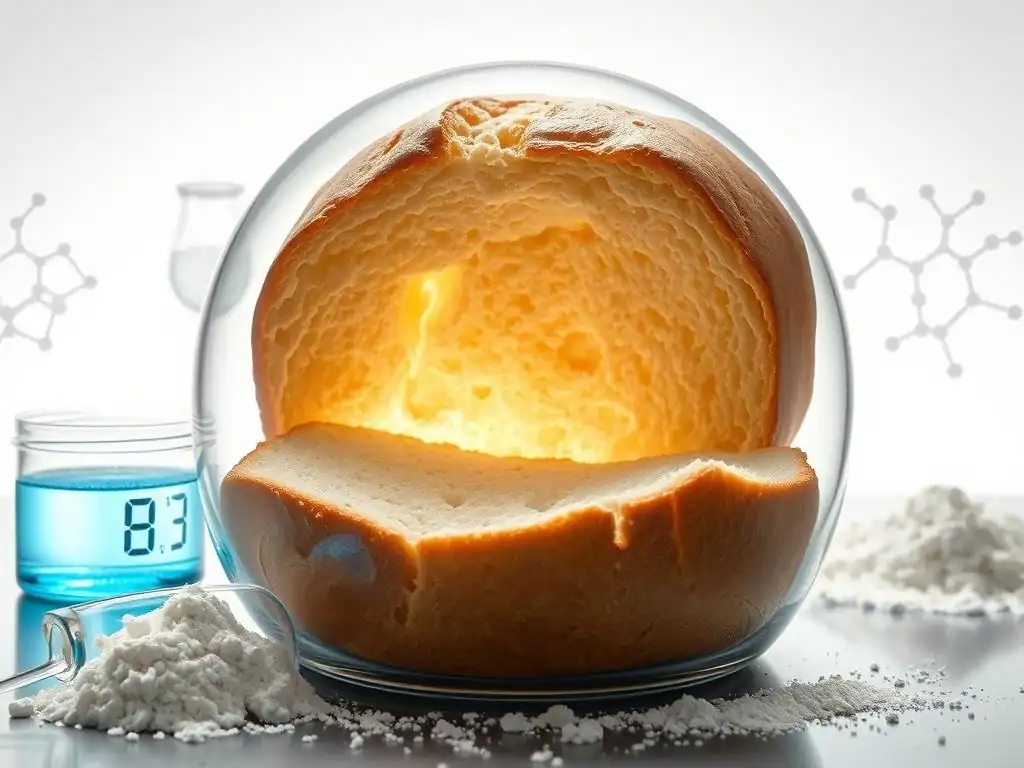
Welcome to BakeWithEase, your haven for unlocking the secrets of delicious baking! Ever wondered how a simple ingredient can transform a flat batter into a fluffy masterpiece? Dive into the fascinating world of baking soda leavening science and discover the chemical reactions that bring your baked goods to life. Uncover the secrets to perfect rise and texture, and learn how pH plays a crucial role in achieving baking perfection. Ready to elevate your baking game? Read on!
- Introduction to Baking Soda Leavening Science
- The Chemistry of Baking Soda (Sodium Bicarbonate)
- How Baking Soda Works as a Leavening Agent
- The Importance of pH in Baking Soda Activation
- Controlling the Leavening Reaction for Optimal Results
- Troubleshooting Baking Soda Leavening Issues
- Baking Soda in Different Recipes: Applications and Considerations
- Advanced Techniques with Baking Soda
- Conclusion: Mastering Baking Soda Leavening for Baking Success
-
Frequently Asked Questions
- What exactly is baking soda and what makes it a leavening agent?
- How does baking soda work differently than baking powder?
- What kinds of ingredients typically react with baking soda to create leavening?
- Why is pH important when using baking soda in a recipe?
- Can I substitute baking powder for baking soda, or vice versa?
- Final Reflection: The Rising Power of Baking Soda
- Unleash Your Baking Potential: Master the Science of Baking Soda!
Introduction to Baking Soda Leavening Science
What is Baking Soda and its Role in Baking?
Baking soda, chemically known as sodium bicarbonate ( NaHCO3), is a seemingly simple white powder that plays a monumental role in the world of baking. It's a chemical leavening agent, meaning it helps baked goods rise by producing gas bubbles within the dough or batter. Unlike biological leaveners like yeast, which produce carbon dioxide over hours through fermentation, baking soda works almost instantly when activated, making it ideal for quick breads, cookies, and cakes where rapid lift is desired. Its primary function is to create lightness and airiness in the final product.
Beyond just providing lift, baking soda also influences other crucial aspects of baked goods. It affects the texture, often contributing to a crispier or more open crumb structure depending on the recipe. It can also influence the flavor, as any unreacted baking soda can leave a metallic or bitter aftertaste. Furthermore, it plays a part in browning reactions, particularly the Maillard reaction, which contributes to the golden crust on many baked items. Understanding the fundamentals of baking soda leavening science is key to mastering its use.
Leavening Agents: Baking Soda's Unique Properties
Leavening agents are the heroes behind fluffy cakes, airy breads, and tender muffins. They introduce gas into batter or dough, causing it to expand during baking. Common leavening agents include yeast, baking powder, and baking soda. Yeast relies on living microorganisms consuming sugars to produce CO2, a process that takes time, often hours for bread dough to double in size. This biological method is distinct from chemical leavening.
Baking soda stands out among chemical leaveners because it requires an acid to react and produce carbon dioxide. This is its key property that differentiates it from baking powder, which contains both the base (baking soda) and the acid needed for the reaction, plus a buffer like cornstarch.
Because baking soda is purely the base, recipes using it must also contain an acidic ingredient, such as buttermilk, yogurt, vinegar, or citrus juice, to trigger the leavening reaction effectively. This reliance on added acid gives the baker more control over when and how the leavening occurs, and also influences the final flavor profile of the baked good.
The Chemistry of Baking Soda (Sodium Bicarbonate)
Breaking Down the Chemical Formula: NaHCO3
The chemical formula for baking soda, NaHCO3, tells us exactly what it's made of: one sodium atom ( Na), one hydrogen atom ( H), one carbon atom ( C), and three oxygen atoms ( O3). It's a salt composed of a sodium cation ( Na+) and a bicarbonate anion ( HCO3-). This bicarbonate part is where the magic happens in baking. In its dry, powdered state, baking soda is quite stable.
However, when NaHCO3 comes into contact with moisture and an acid, the bicarbonate ion breaks down. This breakdown releases carbon dioxide gas ( CO2), water ( H2O), and a type of salt. The carbon dioxide gas is what gets trapped in the batter or dough, forming bubbles that expand when heated in the oven, causing the baked good to rise. Understanding this basic chemical structure and its potential for reaction is foundational to appreciating baking soda leavening science.
Baking Soda vs. Baking Powder: Understanding the Differences
While both baking soda and baking powder are chemical leavening agents that produce carbon dioxide, their compositions and how they react are fundamentally different. As we've discussed, baking soda ( NaHCO3) is just the alkaline component (a base) and needs an external acid, along with moisture, to create a leavening reaction. A classic example is adding baking soda to vinegar; the immediate fizz is the release of CO2.
Baking powder, on the other hand, is a complete leavening system. It contains baking soda, one or more powdered acids (like cream of tartar or sodium aluminum sulfate), and usually a starch like cornstarch to absorb moisture and prevent premature reaction. Most commercial baking powders are "double-acting," meaning they produce some CO2 when mixed with liquid at room temperature, and then release a second, larger burst of CO2 when heated in the oven.
This makes baking powder more foolproof for many recipes as it doesn't rely on specific acidic ingredients being present in the batter. Baking soda is typically used in recipes that already contain a significant acidic ingredient, ensuring the base is neutralized and the proper leavening reaction occurs.
How Baking Soda Works as a Leavening Agent
The Leavening Process: Carbon Dioxide (CO2) Release
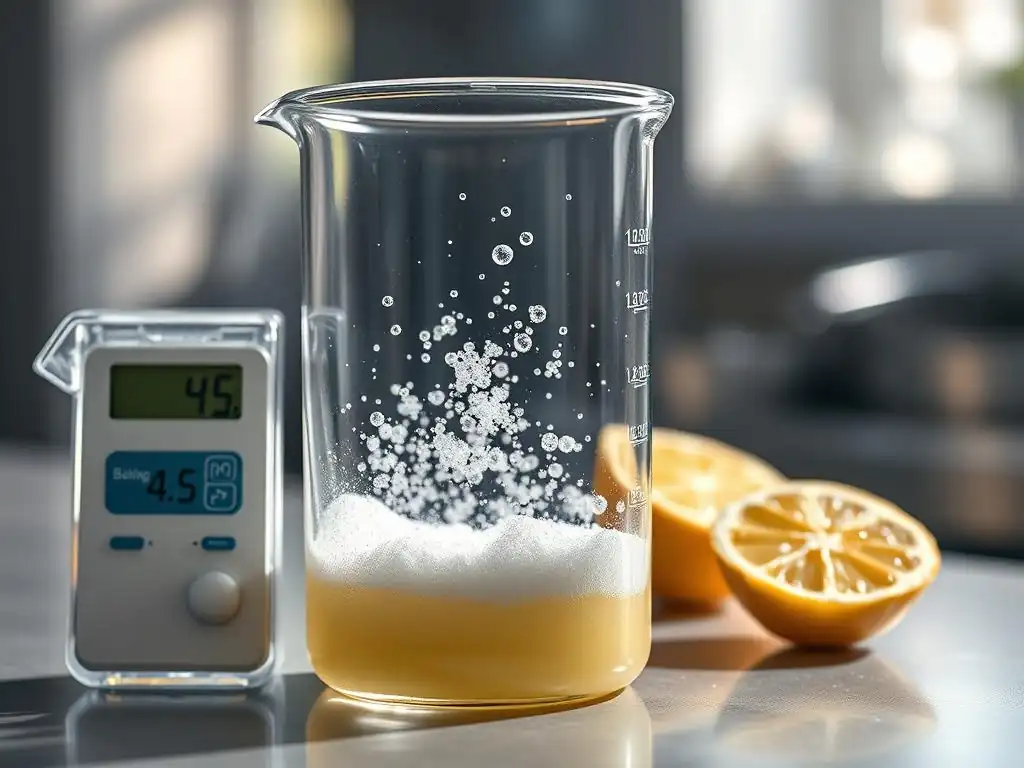
The primary mechanism by which baking soda leavens is the rapid production of carbon dioxide gas. When sodium bicarbonate encounters an acid in the presence of moisture, a chemical reaction occurs. This reaction breaks down the NaHCO3, releasing CO2 gas as a byproduct. Think of adding baking soda to a liquid containing lemon juice or buttermilk – you'll see immediate bubbling or fizzing.
These tiny bubbles of CO2 get trapped within the gluten structure (in dough) or the protein matrix (in batters) of your baked goods. As the item bakes and heats up, these gas bubbles expand, pushing the dough or batter upwards and outwards. This expansion is what causes cakes, cookies, and muffins to rise, creating a lighter, more tender texture. Without this gas production, baked goods made with baking soda would be dense and flat.
The Reaction: Acid + Baking Soda = CO2 + Water + Salt
The core chemical reaction responsible for baking soda's leavening power is the reaction between a weak acid and sodium bicarbonate. A generalized form of this reaction looks like this:
Acid + NaHCO3 (Baking Soda) → Salt + H2O (Water) + CO2 (Carbon Dioxide)
For example, if you use citric acid (found in lemon juice) reacting with baking soda, the specific reaction is: C6H8O7 (Citric Acid) + 3 NaHCO3 (Baking Soda) → Na3C6H5O7 (Sodium Citrate) + 3 H2O (Water) + 3 CO2 (Carbon Dioxide)
This equation illustrates that the reaction produces carbon dioxide gas, which is the desired leavening agent, along with water and a sodium salt specific to the acid used. The water and salt produced are usually dissolved or integrated into the baked good's structure and contribute little to the leavening itself, though the salt can affect flavor. It's the CO2 bubbles that provide the lift, a fundamental principle in baking soda leavening science.
The Importance of pH in Baking Soda Activation
Understanding pH Levels in Baking
pH is a scale used to specify how acidic or basic a water-based solution is. The scale ranges from 0 to 14, with 7 being neutral. Substances with a pH below 7 are acidic, and those with a pH above 7 are alkaline (basic). In baking, the pH of your ingredients significantly impacts how baking soda behaves. Baking soda itself is alkaline, with a pH around 8-9 when dissolved in water.
For baking soda to effectively produce carbon dioxide gas for leavening, it needs to react with an ingredient that has a pH lower than 7 – an acid. The strength and amount of the acid present in a recipe determine how much of the baking soda will react and, consequently, how much CO2 is produced. A recipe with a low pH (more acidic) will cause a more vigorous reaction with baking soda compared to a recipe with a higher pH (less acidic or neutral).
Acidic Ingredients that React with Baking Soda: Buttermilk, Lemon Juice, Molasses
Many common baking ingredients are acidic enough to react with baking soda. Buttermilk, a classic partner for baking soda in recipes like pancakes and biscuits, has a pH typically ranging from 4.5 to 4.8 due to lactic acid produced by fermentation. Lemon juice, containing citric acid, is even more acidic, with a pH around 2.0 to 2.5. Yogurt (pH 4.0-4.6), sour cream (pH 4.5-4.8), vinegar (pH 2.4-3.4), and even honey (pH 3.2-4.5) and molasses (pH 5.0-5.5) contain varying levels of acidity that can activate baking soda.
Chocolate and cocoa powder are also acidic, particularly natural cocoa powder (pH 5.0-5.8), which is why baking soda is often paired with it in chocolate cake recipes. Dutch-processed cocoa, however, is less acidic (pH 6.0-7.0) and requires baking powder or a different balance of leavening. The specific acidic ingredient used not only triggers the baking soda leavening science reaction but also contributes its own flavor and moisture, influencing the overall outcome of the baked good.
Controlling the Leavening Reaction for Optimal Results

Balancing Acids and Bases for Optimal Rise
Achieving the perfect rise and texture when using baking soda hinges on correctly balancing the amount of baking soda (the base) with the amount of acidic ingredients in the recipe. If there isn't enough acid to react with all the baking soda, the excess unreacted baking soda will remain in the finished product. This leads to two main issues: a metallic or soapy bitter taste and a yellowish discoloration, especially noticeable in lighter-colored baked goods like yellow cake.
Conversely, if there is too much acid for the amount of baking soda, all the baking soda will react, but you might not produce enough CO2 for adequate leavening, resulting in a dense product. The excess acid can also impact the flavor negatively, making the baked good too tart. Professional bakers and recipe developers carefully calculate the ratios based on the known acidity of ingredients like buttermilk or cocoa powder to ensure a complete reaction that maximizes leavening while neutralizing the base, resulting in a balanced flavor and texture.
The Impact of Over-Mixing on CO2 Retention
Once baking soda reacts with an acid and moisture, CO2 gas bubbles begin to form immediately. These bubbles are crucial for creating the light, airy structure of baked goods. However, the structure that traps these delicate gas bubbles, whether it's a gluten network in dough or a protein and starch matrix in batter, is vulnerable.
Over-mixing a batter or dough after the wet and dry ingredients (including baking soda and acid) are combined can cause the already-formed CO2 bubbles to burst and escape. Imagine stirring vigorously after you see the initial fizzing – you're essentially deflating the batter. This loss of gas results in less potential for expansion during baking, leading to a denser, tougher texture. This is why many recipes that rely on baking soda (like muffins or quick breads) instruct you to mix just until the ingredients are combined, often leaving a few lumps, to preserve as many of those precious CO2 bubbles as possible.
Troubleshooting Baking Soda Leavening Issues
Why Your Baked Goods Didn't Rise Properly
Several factors can contribute to poor rise when using baking soda. One of the most common culprits is using old or expired baking soda. Baking soda has a shelf life, and over time, it can absorb moisture from the air, causing it to lose some of its reactive power before it even hits the batter. You can test if your baking soda is still active by adding a teaspoon to a small amount of vinegar or lemon juice; it should fizz vigorously. If it doesn't, it's time for a new box.
Another frequent issue is an incorrect balance of acid to baking soda, as discussed earlier. Too little acid means insufficient CO2 production. Conversely, using too much acid might lead to a dense product if the formula isn't properly balanced to produce enough gas. Lastly, improper mixing technique, such as over-mixing, can deflate the batter before it gets into the oven, significantly reducing the final volume. Understanding these potential pitfalls is part of mastering baking soda leavening science.
The Bitter Taste of Excess Baking Soda: Prevention Strategies
A metallic or soapy bitter taste in your baked goods is a tell-tale sign that not all the baking soda reacted with an acid. This means there was excess sodium bicarbonate left over. This often happens when a recipe calls for baking soda but doesn't contain enough acidic ingredients to neutralize it, or if the wrong type of cocoa (Dutch-processed instead of natural) is used with a recipe balanced for natural cocoa's acidity.
To prevent this unpleasant taste, ensure your recipe is properly balanced with sufficient acidic components for the amount of baking soda used. If adapting a recipe, be mindful of ingredient substitutions that might change the pH. For instance, swapping buttermilk for regular milk in a recipe relying solely on baking soda will likely result in a bitter taste and poor rise. Always measure baking soda accurately, as even a small excess can be noticeable. If a recipe seems off, consult reliable sources or consider using baking powder instead for a more neutral outcome.
Baking Soda in Different Recipes: Applications and Considerations

Baking soda plays a significant role in cookie recipes, often contributing more to spread and texture than just vertical rise. In many cookie doughs, which tend to be less liquid than batters, the reaction between baking soda and an acid (like brown sugar, molasses, or even the slight acidity in butter) starts when the dough is mixed. However, the full leavening effect often combines with the thermal decomposition of baking soda at oven temperatures above 122°F (50°C), which releases a small amount of CO2 without needing an acid.
The alkalinity of baking soda also helps weaken gluten development in cookie dough, leading to a more tender crumb. Furthermore, the increased pH caused by the unreacted portion of baking soda (common in recipes designed for spread) accelerates the Maillard reaction during baking. This contributes to the golden-brown edges and caramelized flavor that are characteristic of many types of cookies, like classic chocolate chip cookies, where baking soda is a key ingredient for achieving that desired chewiness and spread.
Baking Soda in Cakes: Enhancing Rise and Flavor
In cake recipes, baking soda is frequently used in conjunction with baking powder, especially in cakes containing acidic ingredients like sour cream, yogurt, buttermilk, or cocoa powder. The baking soda reacts with the acid, providing an initial lift and also neutralizing the acid, which helps tenderize the cake crumb and balance the flavor by reducing tanginess.
Using baking soda alongside baking powder in these acidic cakes ensures that the acid is neutralized while still providing ample leavening. The baking soda handles the acid-driven leavening, while the baking powder provides additional lift, particularly the second phase of leavening in the oven. This combination allows for a fine, even crumb structure and a moist cake, balancing the pH for optimal flavor and texture outcomes. A good example is a classic devil's food cake, which uses baking soda to react with acidic cocoa, often alongside baking powder for extra lift.
Baking Soda in Irish Soda Bread: A Traditional Leavening Approach
Irish soda bread is a quintessential example of baking soda leavening science in action, relying almost solely on the reaction between baking soda and buttermilk for its rise. Traditional recipes contain just flour, salt, baking soda, and buttermilk. The lactic acid in the buttermilk provides the necessary acid to react with the baking soda, producing carbon dioxide gas throughout the dense dough.
Because the dough is mixed quickly and often shaped with minimal handling, the CO2 bubbles are retained within the relatively weak gluten structure formed by the low-protein flour traditionally used. The rapid reaction ensures the bread rises during its relatively short baking time. This simple yet effective use of baking soda demonstrates how understanding the interaction between an acid and a base can create a rustic, hearty loaf without the need for yeast fermentation.
Advanced Techniques with Baking Soda
Using Baking Soda for Enhanced Browning and Caramelization
Beyond its leavening function, baking soda can be used strategically to enhance browning and caramelization, even in small quantities. By slightly increasing the pH of the surface of a food item (making it more alkaline), baking soda accelerates the Maillard reaction, the complex chemical process responsible for the browning and flavor development in many cooked foods, particularly when proteins and sugars are present.
A classic example is using a small amount of baking soda in the water when boiling pretzels or bagels before baking. The alkaline solution creates a high-pH environment on the surface, leading to a deep, rich brown crust much faster and more intensely than boiling in plain water. Similarly, adding a pinch to caramelized onions can speed up the browning process and develop deeper flavors by raising the pH slightly, demonstrating a different facet of baking soda's chemical influence.
The Role of Baking Soda in Texture Modification
Baking soda doesn't just create air pockets; its alkaline nature can also influence the texture of baked goods by affecting protein structure. In doughs containing gluten, like cookies or biscuits, the alkalinity of baking soda can slightly weaken the gluten network compared to using only baking powder or yeast. This can contribute to a more tender, less chewy result, which is often desirable in items like tender scones or crumbly cookies.
Furthermore, in recipes with eggs, the elevated pH caused by baking soda can affect how egg proteins set, contributing to a softer crumb structure. For instance, it can influence the denaturation and coagulation of egg proteins during baking. While leavening is its primary role, these subtle interactions with other ingredients highlight the multifaceted impact of baking soda in achieving specific textures in a variety of baked goods.
Conclusion: Mastering Baking Soda Leavening for Baking Success
Key Takeaways: pH, Reaction Control, and Recipe Adaptation
Mastering baking soda leavening science boils down to understanding a few core principles: the need for an acid to trigger the primary CO2-producing reaction, the importance of pH balance for complete reaction and optimal flavor, and the need to handle batters and doughs gently to retain the gas bubbles. Baking soda is a powerful tool, but it's a reactive one that requires specific conditions to work correctly.
Remember that the amount and type of acid in your recipe are just as important as the amount of baking soda. Recipes specifically formulated for baking soda typically include ingredients like buttermilk, yogurt, molasses, or natural cocoa to provide the necessary acidity. When adapting recipes or substituting ingredients, consider how these changes might affect the pH and the baking soda's reaction, ensuring you maintain the delicate balance required for success.
Elevate Your Baking with a Deeper Understanding of Baking Soda
Moving beyond simply adding "a teaspoon of baking soda" because a recipe says so, and truly understanding the baking soda leavening science behind it, empowers you as a baker. You can troubleshoot issues more effectively, confidently adapt recipes, and even begin to formulate your own. Knowing why baking soda is used in a particular recipe – whether for leavening, texture, flavor, or browning – allows you to predict outcomes and make informed decisions in the kitchen.
By paying attention to the interaction between baking soda and acidic ingredients, practicing gentle mixing techniques, and ensuring your ingredients are fresh, you unlock the full potential of this versatile leavening agent. Embrace the chemistry, experiment with different recipes, and watch your baked goods achieve new heights of lightness and deliciousness.
Frequently Asked Questions
What exactly is baking soda and what makes it a leavening agent?
Baking soda, or sodium bicarbonate, is a chemical compound that releases carbon dioxide gas when combined with an acid. This gas creates bubbles in baked goods, causing them to rise.
How does baking soda work differently than baking powder?
Baking soda requires an acid to activate, while baking powder contains its own acid. Baking powder is a complete leavening agent, while baking soda only works with acidic ingredients.
What kinds of ingredients typically react with baking soda to create leavening?
Common acidic ingredients that react with baking soda include buttermilk, yogurt, lemon juice, vinegar, molasses, and even brown sugar. These ingredients provide the necessary acid for the leavening reaction.
Why is pH important when using baking soda in a recipe?
pH balance is crucial because too much baking soda can result in a bitter or metallic taste. Too little, and the leavening effect is insufficient, resulting in a dense product.
Can I substitute baking powder for baking soda, or vice versa?
Generally, it's not recommended as they have different chemical compositions. Baking powder contains an acid, while baking soda requires one. Substitution can affect the taste and texture of your baked goods.
Final Reflection: The Rising Power of Baking Soda
The science behind baking soda isn't just about fluffy cakes; it's a fundamental principle impacting everything from food production to environmental remediation. Understanding its leavening power, driven by its precise chemical reactions and pH sensitivity, is crucial in a world increasingly focused on sustainable and efficient processes. This knowledge empowers us to appreciate the intricate chemistry hidden within our everyday lives.
The impact of baking soda extends far beyond the kitchen; its versatility has shaped culinary traditions across cultures and continues to influence innovative food technologies. Its ability to neutralize acids, act as a cleaning agent, and even play a role in fire suppression highlights its remarkable properties. As the saying goes, The simplest things are often the most extraordinary.
This certainly holds true for the seemingly humble baking soda. Its seemingly simple chemistry unlocks a world of possibilities.
Now, consider the implications of this knowledge. You've learned about the intricate dance of acids and bases, the importance of precise measurements, and the fascinating science behind a perfectly risen cake. Take this understanding beyond the recipe book. Explore further! Investigate the role of pH in other areas of science and technology. Embrace the power of understanding the fundamental principles that govern our world, and you'll find yourself empowered to create, innovate, and appreciate the wonders of chemistry all around you.
Unleash Your Baking Potential: Master the Science of Baking Soda!
Thanks for diving into the fascinating world of baking soda! You've now unlocked some powerful secrets to creating lighter, fluffier baked goods. Ready to put your new knowledge into practice?
- Bake a masterpiece: Try out a new recipe today, focusing on the precise measurements and pH considerations you learned about. See how your understanding of baking soda elevates your baking game!
- Share your baking triumphs (or challenges!): Connect with fellow baking enthusiasts in our comments section below. Let's discuss your experiences and learn from each other.
- Explore baking soda's other uses: Did you know baking soda has amazing cleaning and deodorizing properties? Consider how it could enhance your everyday life beyond the kitchen.
So, what delicious creation will you be baking with your newfound expertise? Let's hear about it!