
Using Invert Sugars in Caramel: Improve Texture and Extend Shelf Life

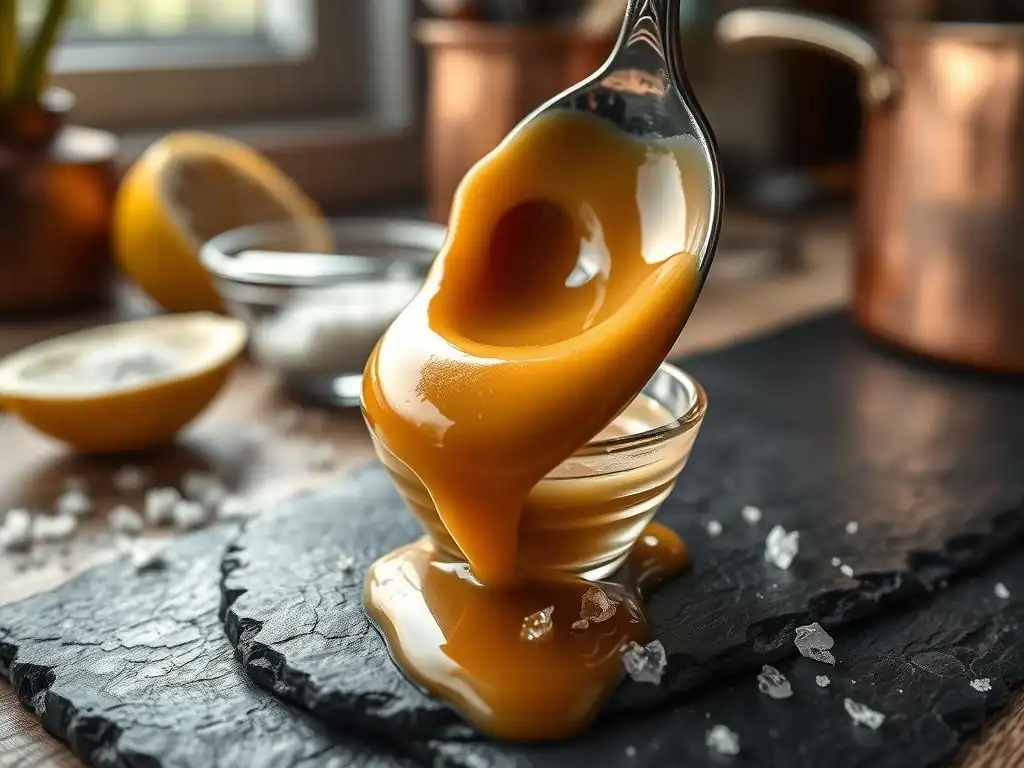
Welcome to BakeWithEase, your haven for all things baking! Ever wondered how to achieve that perfectly smooth, never-crystallizing caramel? Dive into our latest article and unlock the secrets of using invert sugar in our irresistible caramel recipe. Discover how this simple ingredient tweak can transform your caramel's texture and dramatically extend its shelf life. Intrigued? Let's get baking!
- Using Invert Sugar in Caramel: Improve Texture and Extend Shelf Life
- Understanding Invert Sugar and Its Role in Caramel Making
- Benefits of Using Invert Sugar in Your Caramel Recipe
- Invert Sugar Caramel Recipe: A Step-by-Step Guide
- Tips and Tricks for Baking with Invert Sugar in Caramel
- Comparing Caramel Recipes: Invert Sugar vs. Traditional Methods
- Exploring Different Types of Invert Sugar for Caramel Applications
- Caramel Desserts Using Invert Sugar
- Mastering Caramel Making with Invert Sugar: Advanced Techniques
- Conclusion: Elevate Your Caramel with Invert Sugar
-
Frequently Asked Questions
- What is invert sugar and why is it useful in caramel making?
- How does using invert sugar improve the texture of my caramel?
- Can I substitute invert sugar for regular sugar in a caramel recipe?
- Does using invert sugar in caramel affect its shelf life?
- Where can I find an "Invert sugar caramel recipe" that's easy to follow?
- Final Reflection: The Sweet Science of Invert Sugar Caramel
- Unlock the Secrets of Silky Smooth Caramel!
Using Invert Sugar in Caramel: Improve Texture and Extend Shelf Life
Understanding Invert Sugar and Its Role in Caramel Making
What is Invert Sugar? Exploring its Properties for Baking
Invert sugar is a liquid sweetener made by splitting sucrose (table sugar) into its two component sugars: glucose and fructose. This process, called inversion or hydrolysis, usually involves heating sucrose with water and a small amount of acid, like lemon juice or cream of tartar, or using an enzyme. The resulting syrup is roughly equal parts glucose and fructose. Unlike sucrose, which is a disaccharide (two sugar molecules linked), glucose and fructose are monosaccharides (single sugar molecules). This difference in molecular structure is key to invert sugar's unique properties in baking.
One of the most significant properties of invert sugar is its high hygroscopicity, meaning it attracts and retains moisture from the air better than sucrose. This is particularly useful in confectionery and baking, as it helps keep products soft and moist over time. Additionally, invert sugar is sweeter than sucrose; fructose, in particular, is known for its intense sweetness.
While sucrose is assigned a sweetness value of 100, fructose is around 170, and glucose is about 75. The combination in invert sugar results in a sweetness level slightly higher than sucrose, depending on the concentration and temperature. These properties make invert sugar a valuable tool for bakers looking to control texture, moisture, and sweetness.
The Science Behind Invert Sugar in Caramel: Why It Matters
The primary challenge in making smooth caramel is preventing sucrose crystallization. When sucrose is heated to high temperatures and then cools, the molecules tend to realign themselves into a crystalline structure. This results in grainy or gritty caramel, which is undesirable for sauces, fillings, or smooth candies. This is where invert sugar plays a crucial scientific role.
The presence of glucose and fructose molecules disrupts the orderly formation of sucrose crystals. Imagine trying to stack neat blocks (sucrose) when you have smaller, irregularly shaped pebbles (glucose and fructose) mixed in – the blocks can't align as easily or tightly. By interfering with this process, invert sugar acts as an anti-crystallizing agent.
Even a small amount of invert sugar can significantly reduce the likelihood of crystallization, ensuring your caramel remains beautifully smooth and fluid. This molecular interference is the fundamental reason why many professional confectioners rely on adding invert sugar or corn syrup (which contains glucose) to their caramel recipes.
Benefits of Using Invert Sugar in Your Caramel Recipe
Enhanced Caramel Texture: Achieving Smoothness and Preventing Crystallization
Using invert sugar is a game-changer for achieving that coveted smooth, non-grainy caramel texture. As discussed, its main function in this context is preventing sucrose crystallization. Traditional caramel recipes, especially those using only sucrose and water (wet method) or just sucrose (dry method), are highly susceptible to crystallization if even a tiny sugar crystal is left on the side of the pan or if the mixture is stirred incorrectly during heating.
By incorporating invert sugar, you create a molecular environment where sucrose crystals struggle to form. This means you're far less likely to end up with a gritty texture, even if minor errors occur during the cooking process. The result is a consistently smooth caramel sauce or a perfectly flowing caramel filling, essential for many desserts like tarts, candies, and ice cream toppings. For instance, a standard invert sugar caramel recipe for sauce might use around 10-15% invert sugar relative to the sucrose weight to ensure optimal smoothness.
Extended Shelf Life of Caramel: How Invert Sugar Preserves Freshness
Beyond texture, invert sugar significantly contributes to extending the shelf life of your homemade caramel. This is primarily due to its hygroscopic nature and its impact on water activity. Invert sugar draws and holds onto moisture, which keeps the caramel from drying out and becoming hard or brittle over time.
Furthermore, by binding water, invert sugar lowers the water activity (aw) of the caramel. Water activity is a measure of the "free" water available in food for microbial growth and chemical reactions. A lower water activity inhibits the growth of mold, yeast, and bacteria, which are common culprits for spoilage.
While caramel's high sugar content already contributes to preservation, adding invert sugar further reduces the available water, creating a less hospitable environment for microbes. This can extend the usable life of your caramel from potentially just a few days to several weeks when stored properly, making it ideal for preparing ahead or for commercial applications.
Balanced Sweetness: Achieving Desired Flavor Profiles
While the primary drivers for using invert sugar in caramel are texture and shelf life, it also influences the final sweetness and flavor profile. As fructose is sweeter than sucrose, substituting a portion of sucrose with invert sugar can result in a caramel that is perceived as slightly sweeter. This allows bakers to potentially use a little less overall sugar while achieving the desired level of sweetness, or it can simply alter the sweetness perception.
The breakdown of sucrose into glucose and fructose can also subtly affect the flavor development during caramelization. These different sugars caramelize at slightly different temperatures and rates, potentially adding complexity to the final taste. While sucrose caramelization provides the classic, deep caramel notes, the presence of glucose and fructose can contribute to a slightly different flavor spectrum. Experimenting with the amount of invert sugar in your invert sugar caramel recipe allows you to fine-tune both the sweetness level and the nuanced flavor of your finished product.
Invert Sugar Caramel Recipe: A Step-by-Step Guide
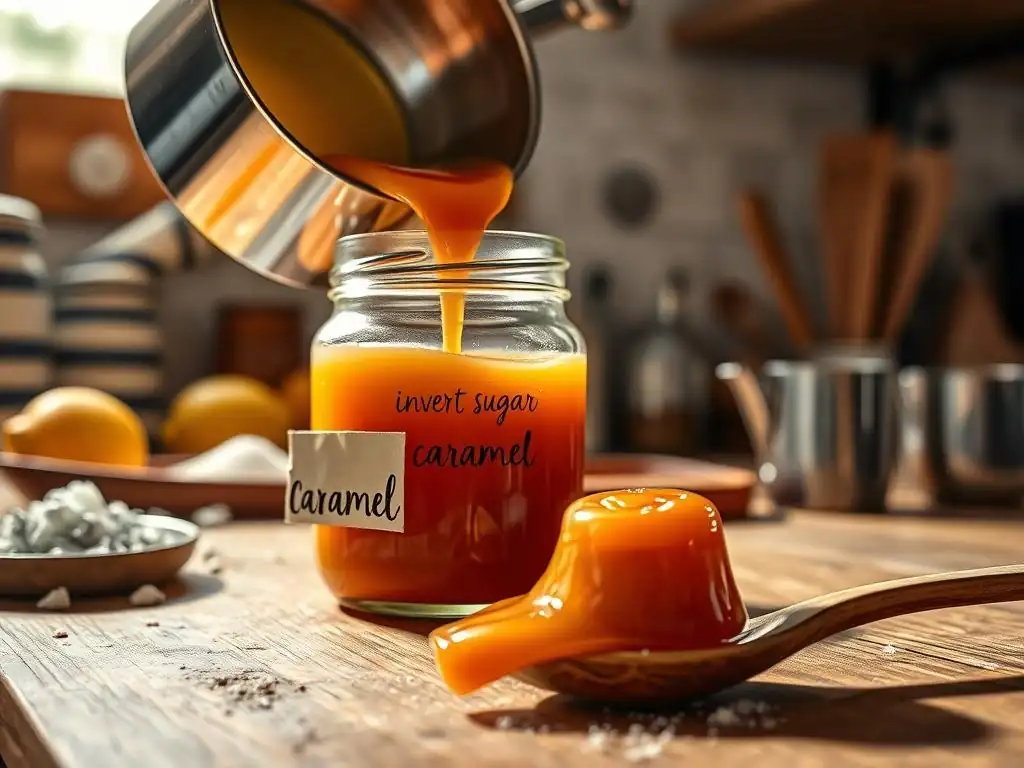
Making caramel with invert sugar is similar to traditional methods but with added assurance against crystallization. Here's a basic framework for an invert sugar caramel recipe focusing on a smooth sauce:
Ingredients for Invert Sugar Caramel
Gathering your ingredients accurately is the first critical step. Using a kitchen scale for precise measurements is highly recommended for consistent results in any caramel recipe.
- Granulated Sugar: Typically 200-300 grams (about 1 to 1.5 cups)
- Water: Around 60-90 ml (about 1/4 to 1/3 cup)
- Invert Sugar: 30-60 grams (about 2-4 tablespoons), or approximately 15-20% of the granulated sugar weight.
- Heavy Cream: 120-180 ml (about 1/2 to 3/4 cup), warmed slightly
- Unsalted Butter: 50-80 grams (about 1/4 to 1/3 cup), cut into pieces, at room temperature
- Salt: 1/4 to 1/2 teaspoon, or to taste (especially for salted caramel)
Ingredients Checklist:
- [ ] Granulated Sugar
- [ ] Water
- [ ] Invert Sugar
- [ ] Heavy Cream (warmed)
- [ ] Unsalted Butter (room temperature)
- [ ] Salt (optional)
Step 1: Preparing the Sugar Mixture
Combine the granulated sugar, water, and invert sugar in a heavy-bottomed saucepan. A heavy bottom helps distribute heat evenly, reducing the risk of hot spots that can cause burning. Stir the mixture gently over low heat until all the sugar is dissolved.
It's crucial at this stage to dissolve all the sugar crystals before the mixture boils. You can use a wet pastry brush to wash down any sugar crystals clinging to the sides of the pan; these stray crystals can act as seeds for crystallization later on. Avoid splashing the mixture onto the sides once it starts to boil.
Dissolving the sugar completely before boiling is arguably the most important step in preventing crystallization, even when using anti-crystallizing agents like invert sugar.
- A common baking principle.
Step 2: Cooking the Caramel: Achieving the Ideal Color
Increase the heat to medium-high and bring the mixture to a boil. Do not stir the mixture once it starts boiling. Simply swirl the pan occasionally to ensure even cooking. Use a candy thermometer clipped to the side of the pan (ensure the tip isn't touching the bottom) to monitor the temperature. The mixture will bubble vigorously and the color will gradually change from clear to pale yellow, then amber, and finally to a rich brown.
- Pale Amber: Around 320°F (160°C) - Good for sauces
- Medium Amber: Around 330°F (165°C) - Deeper flavor, still good for sauces/soft candies
- Dark Amber/Brown: Around 340°F (170°C) - Intense flavor, for firmer candies (use caution, it burns quickly after this point!)
Cook until the desired caramel color is reached. This color determines the depth of flavor – lighter caramel is milder, darker caramel is more intense and slightly bitter. This stage requires vigilance; the color can change from perfect to burnt in mere seconds.
Step 3: Adding Dairy and Butter for Richness
Once the caramel reaches the target temperature and color, carefully remove the pan from the heat. This is a critical step and requires extreme caution as the caramel is very hot and adding liquid will cause vigorous bubbling and steam. Slowly and carefully pour in the warmed heavy cream while whisking continuously. The mixture will bubble and steam intensely. Keep whisking until the bubbling subsides and the cream is fully incorporated.
Next, add the room-temperature butter pieces one at a time, whisking until each piece is melted and incorporated before adding the next. Adding butter at room temperature helps it emulsify smoothly into the caramel. Continue whisking until the caramel is smooth and glossy. If adding salt, stir it in now. If the mixture seems separated or lumpy, you can gently heat it back on low heat, whisking constantly, until it comes together smoothly.
Step 4: Cooling and Storing Your Caramel
Once smooth, carefully pour the finished invert sugar caramel recipe into a heatproof jar or container. Be mindful that the caramel is still extremely hot. Allow the caramel to cool completely at room temperature. As it cools, it will thicken significantly.
For storage:
- Store cooled caramel in an airtight container.
- Refrigerate for longer storage. Caramel sauce can typically last for several weeks in the refrigerator due to the properties of invert sugar.
- If the caramel sauce thickens too much in the fridge, gently warm it on the stovetop or in the microwave (in a microwave-safe container) to reach the desired consistency.
Tips and Tricks for Baking with Invert Sugar in Caramel
Troubleshooting Common Caramel Making Issues with Invert Sugar
While invert sugar significantly reduces the risk of crystallization, it doesn't eliminate it entirely if basic precautions aren't followed. If your invert sugar caramel recipe turns grainy:
- Crystallization: Ensure all sugar was dissolved before boiling. Avoid stirring during the boil. If it crystallizes, you can sometimes fix it by adding a small amount of hot water (a tablespoon or two per cup of caramel) and gently heating while stirring until the crystals dissolve. However, this can alter the final consistency. Prevention is key!
- Burning: Caramel burns quickly, especially past 340°F (170°C). Use a thermometer and watch the color closely. If it burns, unfortunately, there's no fixing it; the bitter flavor is permanent. Start over.
- Separation (Fats separating from sugar): This can happen if the cream or butter is added too cold, too quickly, or if the mixture isn't whisked enough. Adding the dairy and butter while whisking constantly and ensuring they are at the correct temperature helps. Gently reheating and whisking can sometimes bring it back together.
Adjusting Invert Sugar Ratios for Different Textures
The amount of invert sugar used in your invert sugar caramel recipe directly impacts the final texture.
- Softer Caramel/Sauce: Use a higher percentage of invert sugar, perhaps 20-25% of the sucrose weight. This maximizes the anti-crystallization effect and keeps the caramel very smooth and flowing, perfect for sauces or soft fillings.
- Firmer Caramel/Candies: Use a lower percentage of invert sugar, around 10-15% of the sucrose weight. This provides enough interference to prevent graininess but allows the caramel to set up more firmly when cooled, suitable for chewy caramels or nougat inclusions.
Experimenting with these ratios will help you achieve the precise texture required for your specific baking application. Remember that cooking temperature also plays a major role in firmness (lower temps for sauce, higher for firm candy).
Best Practices for Storing Invert Sugar
Proper storage of your invert sugar ensures it remains in good condition for your baking projects.
- Airtight Container: Store liquid invert sugar in a clean, airtight container. This prevents it from absorbing moisture from the air (which could dilute it) or drying out.
- Room Temperature: A cool, dark pantry is ideal. Refrigeration isn't strictly necessary for commercial liquid invert sugar due to its low water activity, but consistent temperature is best.
- Homemade Invert Sugar: If you make your own, store it similarly. Homemade versions might have a slightly shorter shelf life than commercial ones depending on purity, but should still keep well for several months.
Storage Checklist:
- [ ] Use airtight container
- [ ] Store at cool room temperature
- [ ] Keep away from direct light/heat
Comparing Caramel Recipes: Invert Sugar vs. Traditional Methods
Traditional Caramel: The Classic Approach
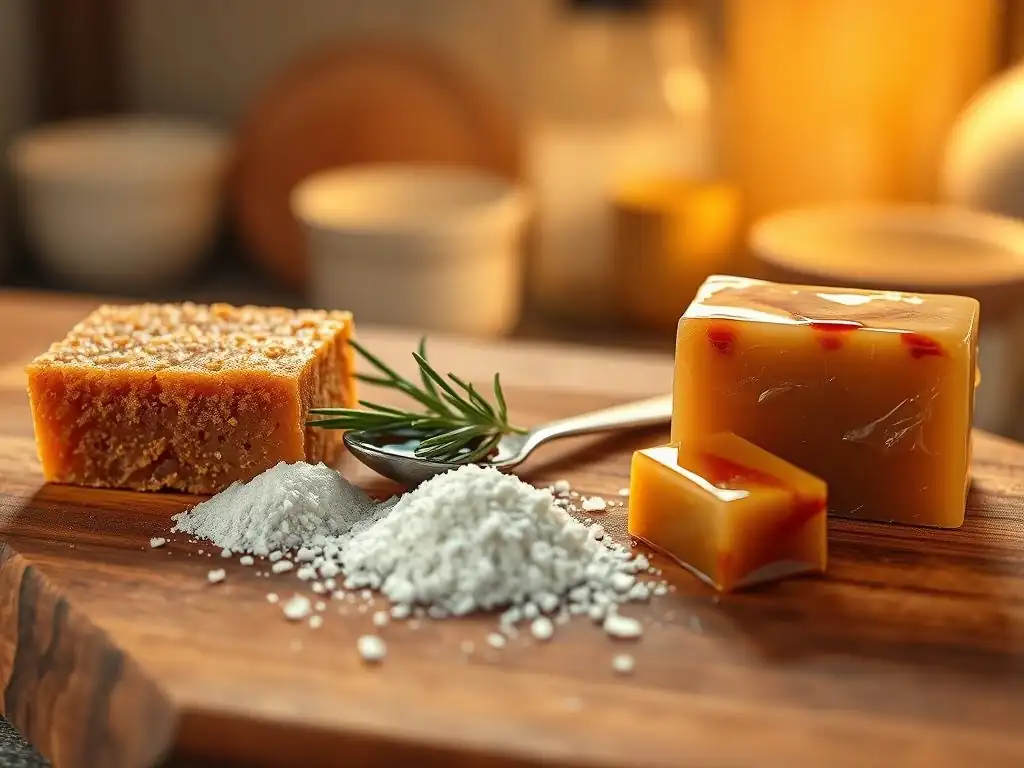
Traditional caramel is typically made using only sucrose, sometimes with water (wet method) or just dry heat (dry method). The wet method involves dissolving sugar in water and boiling until it caramelizes. The dry method involves melting sugar directly in a pan. Both methods rely solely on the heating process to transform the sugar.
The classic appeal of traditional caramel lies in its pure sugar flavor profile. However, these methods are notoriously finicky. Success requires strict control over temperature, avoiding any crystal contamination, and precise timing. A slight misstep can easily lead to a grainy, unusable batch. Achieving consistent results, especially for beginners, can be challenging.
Invert Sugar Caramel: Advantages of Using Invert Sugar
The primary advantage of using invert sugar in your invert sugar caramel recipe is the significantly reduced risk of crystallization. This makes the caramel-making process much more forgiving and reliable, especially for home bakers.
| Feature | Traditional Caramel | Invert Sugar Caramel |
|---|---|---|
| Crystallization Risk | High | Low |
| Texture | Prone to graininess | Consistently smooth |
| Shelf Life | Shorter (prone to drying) | Longer (retains moisture) |
| Process | Less forgiving, requires care | More forgiving |
| Flavor | Pure sucrose caramel | Slightly different sweetness/flavor profile |
Side-by-Side Comparison: Texture and Shelf Life
Let's look at a simple comparison based on typical outcomes when proper technique is applied:
- Texture: A traditional caramel sauce, if not made perfectly, can develop a slight graininess within hours or a day. An invert sugar caramel sauce, made correctly, will remain silky smooth for days, often weeks, when stored properly. For firm candies, traditional methods can yield brittle or slightly grainy results, while invert sugar helps achieve a consistent chewiness or snap without grain.
- Shelf Life: A traditional wet caramel sauce stored in the fridge might start to show signs of drying or crystal formation after 5-7 days. An invert sugar caramel sauce, stored identically, can often remain in excellent condition for 3-4 weeks or even longer, depending on the specific recipe and storage conditions, primarily due to enhanced moisture retention and lower water activity.
Exploring Different Types of Invert Sugar for Caramel Applications
You have a couple of options when it comes to sourcing invert sugar for your invert sugar caramel recipe.
Liquid Invert Sugar: Convenience and Consistency
Commercially produced liquid invert sugar is readily available from baking supply stores and online retailers. It is typically sold as a thick syrup, often standardized to a specific solids concentration (e.g., 70% or 80% solids).
- Pros:
- Convenient: Ready to use, no preparation needed.
- Consistent: Provides reliable results batch after batch due to standardized composition.
- Easy to measure: Can be weighed or measured by volume.
- Cons:
- Cost: Can be more expensive than making your own.
- Availability: Might not be in every local grocery store.
Using liquid invert sugar is often the easiest way to incorporate this ingredient into your caramel making, offering consistent performance.
Homemade Invert Sugar: Considerations
It is possible to make a form of invert sugar at home by heating a solution of sucrose and water with an acid catalyst like cream of tartar or lemon juice. A common ratio is 2 parts sugar to 1 part water, with a pinch of cream of tartar (about 1/8 tsp per cup of sugar). The mixture is heated to around 236°F (113°C - soft ball stage) and held there for a short period to allow the hydrolysis reaction to occur.
- Pros:
- Cost-effective: Uses common pantry ingredients.
- Accessibility: Can be made whenever needed.
- Cons:
- Requires effort: Involves an extra cooking step.
- Variable consistency: The degree of inversion can vary depending on cooking time and temperature, leading to less consistent results compared to commercial products.
- Not 100% inverted: Homemade versions are rarely 100% inverted; they are typically a mix of sucrose, glucose, and fructose.
While homemade invert sugar works, commercial liquid invert sugar offers greater reliability for achieving consistent caramel texture and shelf life benefits.
Choosing the Right Invert Sugar
For most home bakers attempting an invert sugar caramel recipe, starting with commercial liquid invert sugar is recommended due to its ease of use and consistent anti-crystallization properties. If you bake frequently and want a more economical option, learning to make your own can be worthwhile, but be prepared for potential slight variations in your final caramel results.
Caramel Desserts Using Invert Sugar
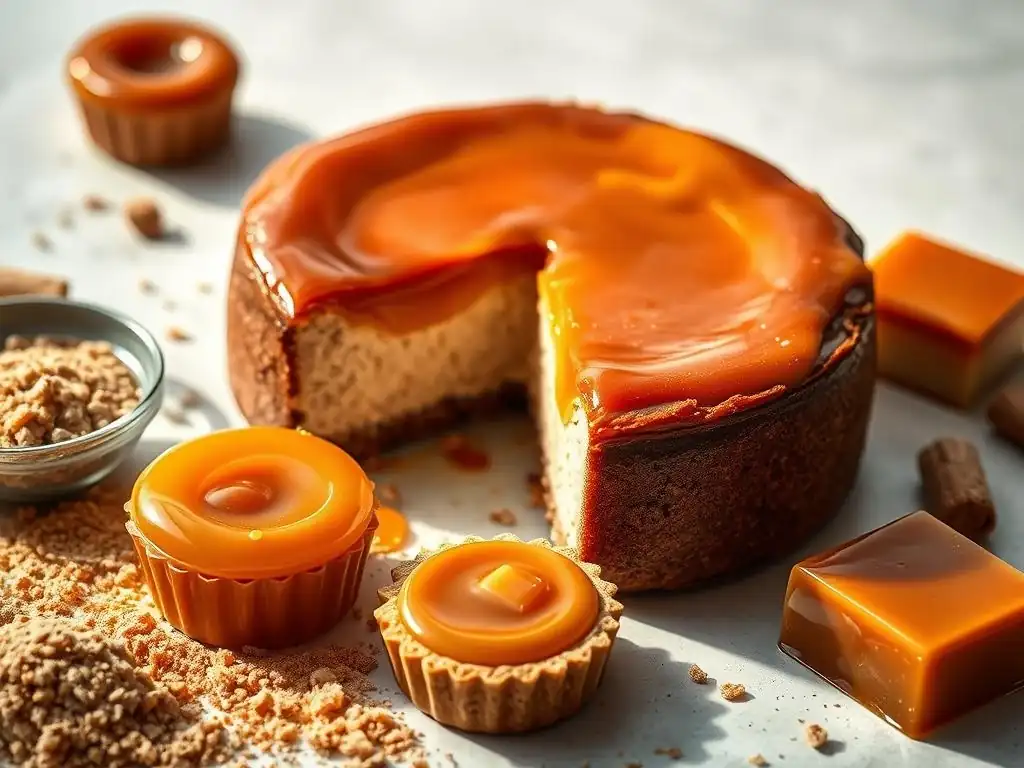
Invert sugar caramel can be used in a vast array of delicious desserts, providing superior texture and stability.
Invert Sugar Caramel Sauce
This is perhaps the most common application. A smooth, pourable caramel sauce made with invert sugar is perfect for drizzling over ice cream, cheesecakes, brownies, or using as a dip for apples. The invert sugar ensures it stays liquid and smooth, without becoming grainy, even when refrigerated.
Caramel Candies with Invert Sugar
For making chewy caramels, toffees, or caramel fillings for chocolates, invert sugar is invaluable. It prevents the sugar from crystallizing into a hard, brittle mass and instead promotes a smooth, pliable texture. This results in caramels that are pleasantly chewy and don't turn grainy over time.
Invert Sugar Caramel Glazes
Caramel glazes for cakes or pastries benefit greatly from invert sugar. A smooth, non-crystallized glaze provides a beautiful, professional finish. The moisture-retaining properties also help keep the glazed item fresh longer.
Mastering Caramel Making with Invert Sugar: Advanced Techniques
Once you're comfortable with a basic invert sugar caramel recipe, you can explore more advanced techniques.
Achieving Different Caramel Stages with Invert Sugar
While invert sugar helps prevent crystallization, hitting specific temperature stages is still crucial for achieving different caramel consistencies:
- Soft Ball (235-240°F / 118-120°C): Used for very soft caramels, fudge, or nougat.
- Firm Ball (245-250°F / 124-126°C): For chewy caramels.
- Hard Ball (250-265°F / 126-130°C): For divinity or marshmallows.
- Soft Crack (270-290°F / 132-143°C): For toffee or brittle that is chewy initially then hardens.
- Hard Crack (300-310°F / 149-154°C): For hard candies, lollipops, or very brittle toffee.
Using a reliable candy thermometer is non-negotiable for hitting these stages accurately. The presence of invert sugar slightly lowers the boiling point compared to pure sucrose solutions, so always rely on the thermometer reading rather than just visual cues during the initial boiling phase.
Using Invert Sugar in Salted Caramel
Salted caramel is incredibly popular, and invert sugar works perfectly in these recipes. The process is the same as making regular invert sugar caramel sauce or candy, with the addition of salt.
Process Note:
Add salt *after* the dairy and butter have been fully incorporated. This ensures it dissolves properly and is evenly distributed throughout the caramel.
Flaky sea salt is often preferred for finishing salted caramel sauce or candies, providing little bursts of saltiness, but fine sea salt or kosher salt can be incorporated directly into the warm caramel mixture. The amount of salt is a matter of personal preference, typically ranging from 1/4 to 1 teaspoon per batch made with 200-300g of sugar.
Experimenting with Flavors in Invert Sugar Caramel
Invert sugar caramel provides an excellent base for incorporating various flavors.
- Vanilla: Add vanilla extract or paste after removing the caramel from the heat, when the bubbling subsides.
- Spices: Ground cinnamon, nutmeg, or cardamom can be whisked in with the cream.
- Extracts: Almond extract, coffee extract, or even a hint of citrus zest can be added carefully at the end.
- Liquors: A splash of bourbon, rum, or liqueur can be whisked in very carefully after the caramel has cooled slightly, as alcohol can ignite near high heat.
Experimenting with these additions allows you to customize your invert sugar caramel recipe to create unique and delicious variations for your baked goods.
Conclusion: Elevate Your Caramel with Invert Sugar
Incorporating invert sugar into your caramel making is a simple yet powerful technique that significantly improves both the texture and shelf life of your finished product. By interfering with sucrose crystallization, it ensures a consistently smooth and non-grainy result, while its hygroscopic nature keeps caramel moist and extends freshness. Whether you're making a silky sauce for drizzling or a chewy filling for candies, an invert sugar caramel recipe offers reliability and superior quality compared to traditional methods.
While commercial liquid invert sugar provides the most consistent results, understanding its properties empowers you to achieve caramel perfection. Don't shy away from this ingredient; embrace it to elevate your caramel creations and bake with even greater ease and confidence.
Frequently Asked Questions
What is invert sugar and why is it useful in caramel making?
Invert sugar is a mixture of glucose and fructose, created by breaking down sucrose. It helps prevent crystallization in caramel, resulting in a smoother texture. It also attracts moisture, extending shelf life.
How does using invert sugar improve the texture of my caramel?
Invert sugar inhibits the formation of large sucrose crystals, leading to a smoother, less grainy caramel. This is because the individual fructose and glucose molecules are less prone to crystallizing than sucrose.
Can I substitute invert sugar for regular sugar in a caramel recipe?
Yes, you can substitute invert sugar, but the proportions might need adjusting. Start by replacing a portion of the sucrose with invert sugar and monitor the caramel's texture during cooking. BakeWithEase often provides specific ratios.
Does using invert sugar in caramel affect its shelf life?
Yes, invert sugar is hygroscopic, meaning it attracts and retains moisture. This helps to keep the caramel softer and prevents it from drying out quickly, thus extending its shelf life.
Where can I find an "Invert sugar caramel recipe" that's easy to follow?
BakeWithEase.com is an excellent resource for simple and step-by-step recipes, including invert sugar caramel recipes. Look for recipes specifically mentioning "invert sugar" for optimal results and detailed instructions.
Final Reflection: The Sweet Science of Invert Sugar Caramel
The art of caramel making, once a mysterious culinary pursuit, is now within everyone's reach, thanks to a deeper understanding of invert sugar's transformative power. This understanding allows for not only perfectly smooth, creamy caramels but also extends their shelf life, preventing that dreaded crystallization that can ruin a batch. The impact of this knowledge ripples far beyond the home kitchen, influencing professional pastry chefs and candy makers alike.
The journey into the world of invert sugar has been a fascinating one, revealing the subtle yet profound impact of chemistry on culinary artistry. It's a reminder that even seemingly simple processes, like making caramel, are underpinned by complex scientific principles. The ability to control texture and shelf life through precise ingredient manipulation is incredibly empowering. The best things in life are simple, but not easy.
This quote perfectly encapsulates the process of making perfect caramel – simple ingredients, but requiring precise technique and understanding.
Now, it's your turn to experiment! Don't be afraid to delve into the world of invert sugar and unlock the secrets to creating caramels that are not only delicious but also beautifully textured and long-lasting. Try adjusting the ratio of sugars in your next batch, observe the changes, and refine your technique. The journey of culinary exploration is a rewarding one, and mastering the art of caramel making is just the beginning. Embrace the science, enjoy the process, and savor the sweet results.
Unlock the Secrets of Silky Smooth Caramel!
Thanks for taking the time to explore the world of invert sugars and their incredible impact on caramel making! You've now learned how to create richer, smoother, and longer-lasting caramels. Ready to put your newfound knowledge into practice?
- Craft your perfect caramel: Try the invert sugar recipe from the article and experience the difference firsthand. Note down your results – what worked best for you? What adjustments did you make?
- Share your caramel creations: Post a picture of your luscious caramel on social media and tag us @BakeWithEase! We’d love to see your masterpiece.
- Dive deeper into caramel artistry: Explore other advanced caramel techniques on our website, and discover even more flavor combinations!
What unique flavor profile will you create with your improved caramel technique?