
Savory Sourdough Discard Scones: Perfect Side Dish


Welcome to BakeWithEase, where baking becomes a delightful journey, not a daunting task! Are you ready to transform your sourdough discard into something truly extraordinary? Discover the secret to our Savory Sourdough Discard Scones recipe and unlock a world of flavor with this surprisingly simple and delicious side dish. Intrigued? Let's get baking!
- Cheddar and Chive Sourdough Discard Scones: A Flavorful Addition to Any Meal
- Introduction to Cheddar and Chive Sourdough Discard Scones
- Mastering the Cheddar and Chive Sourdough Discard Scone Recipe
- Savory Sourdough Scone Variations and Flavor Combinations
- Serving and Storing Your Cheddar and Chive Sourdough Discard Scones
- Troubleshooting Common Sourdough Scone Baking Issues
- Why Sourdough Discard Makes the Best Savory Scones
- Conclusion: Enjoy Baking Delicious Cheddar and Chive Sourdough Discard Scones with Ease
- Frequently Asked Questions
- Final Reflection: The Unexpected Joy of Sourdough Discard
- Unleash Your Inner Baker: Master the Sourdough Discard Scone!
Cheddar and Chive Sourdough Discard Scones: A Flavorful Addition to Any Meal
Introduction to Cheddar and Chive Sourdough Discard Scones
What are Sourdough Discard Scones? A Tangy Way to Reduce Waste
Sourdough discard scones are a delicious and practical way to utilize the inactive portion of your sourdough starter that is typically discarded before feeding. This 'discard' is essentially unfed starter, which still contains active yeast and bacteria, albeit in a less vigorous state than a fed starter. When incorporated into baked goods like scones, this discard doesn't provide significant leavening power, but it contributes a wonderful tangy flavor and can affect the texture, often resulting in a tender crumb. It's an excellent way to minimize waste from maintaining a sourdough starter while creating something genuinely tasty.
Using sourdough discard in a savory sourdough discard scones recipe transforms what might otherwise be thrown away into a culinary asset. The inherent acidity of the discard reacts with baking soda and baking powder in the recipe, aiding in lift and creating a lighter texture than might be expected from a scone dough without it.
Furthermore, the subtle sour notes from the fermentation process beautifully complement savory additions like cheese and herbs, adding a layer of complexity that is absent in traditional scone recipes. It's a simple yet effective method for bakers to be more sustainable and adventurous in their kitchen practices.
Why Choose This Cheddar and Chive Sourdough Scone Recipe?
This particular savory sourdough discard scones recipe stands out due to its classic combination of sharp cheddar and fresh chives, offering a perfect balance of salty, tangy, and herbaceous flavors. Unlike sweet scones that rely heavily on sugar and fruit, these savory versions are incredibly versatile, serving equally well as a side dish, a snack, or even a light breakfast. The recipe is designed to be approachable for intermediate bakers, guiding you through the process of incorporating sourdough discard effectively without requiring expert-level skills.
The cheddar and chive pairing is a timeless favorite for a reason. Sharp cheddar provides a robust, slightly piquant flavor that holds up well against the tang of the sourdough discard, while fresh chives add a delicate oniony note and vibrant color without overpowering the other ingredients. This specific savory sourdough discard scones recipe emphasizes technique to ensure a flaky texture and golden crust, resulting in scones that are both flavorful and visually appealing. It's a reliable recipe that consistently produces delicious results, making it a go-to option for utilizing your sourdough discard.
Mastering the Cheddar and Chive Sourdough Discard Scone Recipe
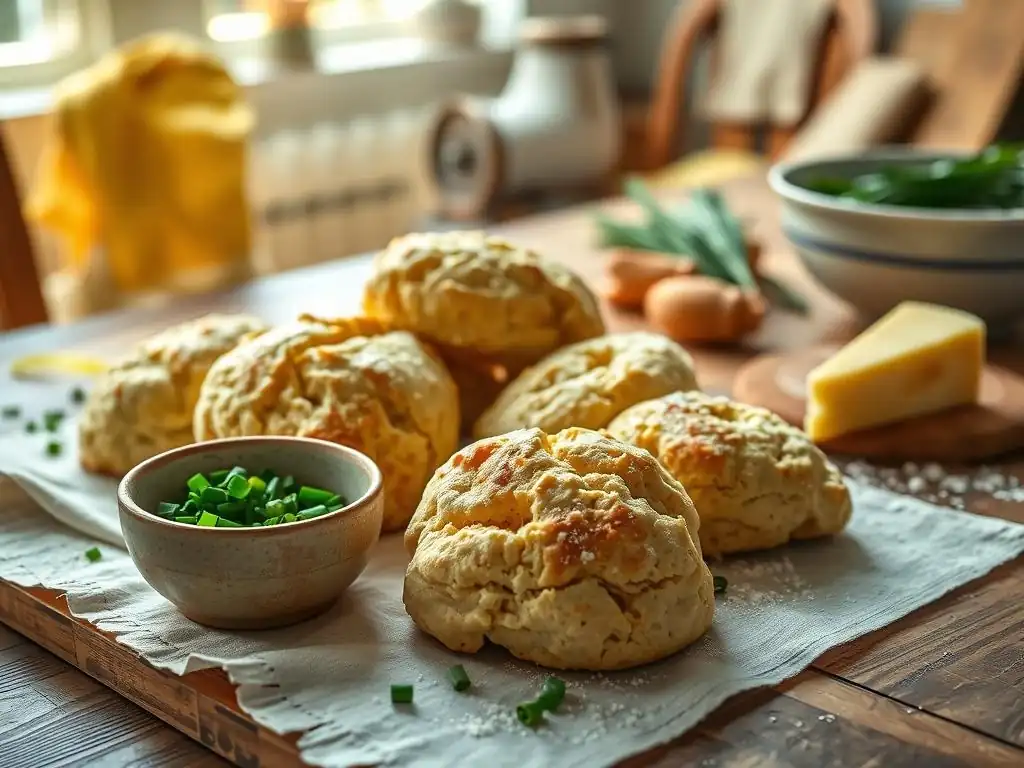
Ingredients for Cheddar and Chive Sourdough Discard Scones
Key Ingredients and Their Role in Flavor and Texture
- Sourdough Discard: The star ingredient, ideally used when it's between 12 and 48 hours old and stored in the refrigerator. Discard that is too fresh (just after feeding) may be too active, while discard older than a few days might have a stronger, potentially overpowering sourness. Using chilled discard is crucial as it helps keep the overall dough temperature low, which is key for flaky layers. Approximately 1 cup (around 220-240 grams) is a typical amount for a batch yielding 8-12 scones.
- Flour: All-purpose flour is the standard recommendation for savory sourdough discard scones. Its moderate protein content (around 10-12%) provides enough structure to hold the scones together but not so much that they become tough. Using a blend of all-purpose and a small amount of pastry flour (lower protein, ~8-9%) could enhance tenderness, but is not strictly necessary. Sifting the flour before measuring helps ensure accuracy and incorporates air, contributing to a lighter texture.
- Butter: Cold, unsalted butter is absolutely essential for achieving that coveted flaky texture in savory sourdough discard scones. The butter should be cut into small cubes (about 1/2 inch) or grated, then kept very cold, ideally in the freezer for 10-15 minutes before use. When the cold butter melts during baking, it creates steam pockets within the dough layers. Using room temperature butter would result in a more cake-like, less flaky scone. A typical recipe might call for 1/2 cup (1 stick or 113 grams) of cold butter.
- Cheddar Cheese: Sharp cheddar cheese is preferred for its pronounced flavor that complements the sourdough tang. Mild cheddar will melt nicely but may get lost among the other flavors. Grating the cheese yourself from a block is recommended over using pre-shredded cheese, as pre-shredded often contains anti-caking agents that can affect melting and texture. Around 1 cup (packed, about 100-120 grams) of grated sharp cheddar adds significant flavor.
- Chives: Fresh chives are superior to dried in this savory sourdough discard scones recipe. They offer a mild, fresh oniony flavor and a vibrant green color that adds visual appeal. Dried chives can be used in a pinch, but they lack the fresh bite and color. Finely chopping fresh chives ensures they are evenly distributed throughout the dough. About 1/4 cup (finely chopped, roughly 5-10 grams) provides a noticeable but not overwhelming chive flavor.
Step-by-Step Guide: Baking Cheddar and Chive Sourdough Discard Scones
Preparing the Sourdough Discard Scone Dough
Begin by combining the dry ingredients: all-purpose flour, baking powder (typically 1-2 teaspoons), baking soda (around 1/2 teaspoon), salt (about 1/2 teaspoon), and any other dry seasonings like a pinch of black pepper or cayenne for heat. Whisk these together in a large bowl to ensure leavening agents and salt are evenly distributed. Next, incorporate the cold, cubed butter.
Using a pastry blender, your fingertips, or a food processor pulses, cut the butter into the dry ingredients until the mixture resembles coarse meal with some pea-sized pieces of butter still visible. This step is critical for flakiness; avoid overworking the butter into the flour.
Once the butter is incorporated, gently stir in the grated sharp cheddar cheese and finely chopped fresh chives. Make sure they are evenly distributed throughout the flour-butter mixture. In a separate bowl, whisk together the wet ingredients: your cold sourdough discard, cold buttermilk (or milk/cream mixed with a little lemon juice or vinegar – about 1/2 cup liquid is common), and perhaps an egg for richness and binding. Pour the wet ingredients into the dry ingredients.
Using a fork or spatula, mix just until the dough just comes together. It should be shaggy and slightly sticky. Do not overmix. Overmixing develops gluten, resulting in tough scones.
Shaping and Cutting the Scones
Turn the shaggy dough out onto a lightly floured surface. Gently bring the dough together into a cohesive mass, working it as little as possible. Press or pat the dough into a disc or rectangle about 3/4 to 1 inch thick.
For uniform scones, you can use a round cutter (about 2-3 inches in diameter) or a sharp knife or bench scraper to cut the disc into wedges (like a pizza, typically 8 wedges) or the rectangle into squares or triangles. Avoid twisting the cutter or knife as you cut, as this can seal the edges and prevent proper rising.
If using a cutter, dip it in flour between cuts to prevent sticking. Re-roll scraps only once, stacking them gently rather than kneading, to maintain flakiness. Place the cut savory sourdough discard scones onto a baking sheet lined with parchment paper. Leaving about 1-2 inches between them allows for even air circulation during baking. For a golden crust and richer flavor, you can brush the tops of the scones with a little melted butter, milk, or egg wash (egg whisked with a tablespoon of water or milk).
Baking the Cheddar and Chive Sourdough Scones to Perfection
Preheat your oven to a relatively hot temperature, typically between 400°F and 425°F (200°C to 220°C). A hot oven helps the butter melt quickly, creating steam and lift, and sets the crust before the scones spread too much. Place the baking sheet with the shaped savory sourdough discard scones in the preheated oven. Bake for approximately 15-20 minutes. The exact baking time will vary depending on your oven and the size and thickness of your scones.
The scones are done when they are golden brown on top and bottom, and a toothpick inserted into the center comes out clean (avoiding any melted cheese pockets). You should also notice that they have risen nicely. If they are browning too quickly on top, you can loosely tent them with aluminum foil. Once baked, transfer the savory sourdough discard scones to a wire rack to cool slightly before serving. Allowing them to cool for at least 5-10 minutes helps them set and prevents them from falling apart when handled.
Tips for Perfecting Your Cheddar and Chive Sourdough Scones
Achieving a Flaky Texture
The key to flaky savory sourdough discard scones lies in keeping your ingredients, especially the butter and sourdough discard, very cold. Cold butter creates steam pockets as it melts in the hot oven, pushing the layers of dough apart. Ensure the butter is cut into small pieces and remains cold throughout the mixing process; if your kitchen is warm, you might even chill the bowl and ingredients beforehand.
Another critical technique is to handle the dough as little as possible. Overworking the dough develops gluten, leading to a tough, dense scone rather than a light, flaky one. Mix just until the ingredients are combined and pat the dough into shape gently rather than kneading vigorously.
Using buttermilk or another acidic liquid (like milk with lemon juice/vinegar) also contributes to a tender texture by reacting with the baking soda. The acid helps break down gluten strands. Furthermore, ensuring your oven is properly preheated to a high temperature (400-425°F) is vital. The initial blast of heat causes the cold butter to melt rapidly and produce steam, creating those desirable flaky layers before the structure of the scone is fully set. Baking at too low a temperature will result in the butter melting slowly and potentially being absorbed into the dough rather than creating distinct layers.
Preventing Dryness
Dry scones are often a result of too much flour or overbaking. To prevent using too much flour, measure accurately, preferably by weight (using a kitchen scale, 1 cup of all-purpose flour is typically around 120-130 grams). When adding flour to the wet ingredients, mix only until the dough just comes together; resist the urge to add more flour if the dough is slightly sticky, as this is normal and desirable for a tender scone. A shaggy, slightly wet dough is better than a dry one.
Overbaking is another common culprit. Start checking for doneness at the lower end of the suggested baking time range (e.g., 15 minutes for a 15-20 minute range). Look for visual cues like golden-brown tops and bottoms. Remember that scones continue to cook slightly from residual heat after they are removed from the oven. If you are unsure, baking for a minute or two less is often better than baking for too long. Ensuring your oven temperature is accurate by using an oven thermometer can also help avoid overbaking.
Ensuring Even Baking
Uneven baking can lead to some scones being perfectly golden while others are still pale or even burnt on the edges. This is often due to hot spots in the oven. To mitigate this, rotate your baking sheet halfway through the baking time (e.g., after 8-10 minutes if baking for 18-20 minutes). This helps expose all sides of the savory sourdough discard scones to the heat evenly.
Also, ensure the scones are spaced adequately on the baking sheet, typically 1-2 inches apart. If they are too close together, they can steam rather than bake, resulting in pale, soft sides. Using a good quality, light-colored baking sheet can also help; dark baking sheets absorb more heat and can cause the bottoms of the scones to brown too quickly. If you consistently have issues with bottoms browning too fast, try baking on a baking sheet lined with parchment paper or even doubling up on baking sheets (placing one sheet inside another) to create an insulating layer.
Savory Sourdough Scone Variations and Flavor Combinations
Jalapeño and Cheddar Sourdough Scones
For those who enjoy a little heat, adding finely diced pickled or fresh jalapeños to your savory sourdough discard scones recipe is a fantastic variation. The spice of the jalapeño pairs wonderfully with the sharpness of the cheddar and the tang of the sourdough discard. Use about 1-2 tablespoons of finely diced jalapeño, adjusting the amount based on your desired level of heat. If using fresh jalapeños, removing the seeds and membranes will reduce the spice significantly. This variation results in a scone with a spicy kick that's perfect alongside chili or soup.
Rosemary and Parmesan Sourdough Discard Scones
A sophisticated and aromatic variation involves incorporating finely chopped fresh rosemary and grated Parmesan cheese. The pungent, slightly piney flavor of rosemary complements the nutty, salty notes of Parmesan beautifully, and both stand up well to the sourdough tang. Use about 1-2 teaspoons of finely chopped fresh rosemary and 1/4 to 1/2 cup of grated Parmesan cheese (preferably Parmigiano-Reggiano for the best flavor). This savory sourdough discard scones variation is excellent served with Italian dishes or as a flavorful bread option for a cheese board.
Garlic and Herb Sourdough Scones
Create a classic savory profile by adding garlic powder and a mix of dried or fresh herbs like parsley, thyme, and oregano. Garlic powder provides a consistent garlic flavor throughout the scone without the moisture of fresh garlic. Use about 1 teaspoon of garlic powder and 1-2 tablespoons of mixed chopped fresh herbs or 1-2 teaspoons of dried herbs. This savory sourdough discard scones variation is incredibly versatile and pairs well with almost any meal, from roasted chicken to a simple salad.
Exploring Other Savory Sourdough Scone Ideas
The possibilities for savory sourdough discard scones are vast! Consider combinations like sun-dried tomato and basil, olive and feta, caramelized onion and Gruyère, or even bacon and smoked paprika. Think about flavors that complement the subtle tang of sourdough and the richness of butter and cheese. Almost any hard or semi-hard cheese works well, and a wide variety of herbs, spices, and savory additions like crispy bacon bits, chopped roasted red peppers, or everything bagel seasoning can be incorporated. Experiment with different flavor profiles to find your favorite savory sourdough discard scones recipe variation.
Serving and Storing Your Cheddar and Chive Sourdough Discard Scones

Serving Suggestions for Sourdough Scones
Pairing with Soups and Salads
Cheddar and chive savory sourdough discard scones are a perfect accompaniment to a warm bowl of soup or a crisp salad. Their hearty texture and savory flavor make them a substantial alternative to bread rolls. Imagine dunking a warm scone into a creamy tomato soup, a hearty lentil stew, or serving it alongside a fresh garden salad with a light vinaigrette. The tang from the sourdough and the richness of the cheese create a delightful contrast that elevates a simple meal. They are particularly good with soups that feature vegetables or legumes, adding a comforting element.
As a Side Dish for Dinner
These savory sourdough discard scones serve wonderfully as a side dish for various main courses. Instead of traditional dinner rolls, offer these flavorful scones alongside roasted chicken, grilled fish, or a beef roast. Their robust flavor profile means they can stand up to richer main dishes without being overpowered. They also pair well with vegetarian meals like vegetable gratins or substantial pasta dishes. Serving them warm with a dollop of butter is a simple yet effective way to enhance their flavor and texture.
Enjoying Them as a Savory Snack
Beyond mealtime, cheddar and chive savory sourdough discard scones make for an excellent savory snack. Enjoy one mid-morning or afternoon with a cup of tea or coffee. They are also substantial enough to serve as a light lunch, perhaps split and filled with a slice of ham or turkey. Their portable nature makes them a great option for packing in a lunchbox for work or school. The combination of flavors makes them satisfying on their own, offering a more interesting alternative to crackers or plain bread.
Storing Sourdough Discard Scones for Later
Best Practices for Maintaining Freshness
To keep your savory sourdough discard scones as fresh as possible, allow them to cool completely on a wire rack after baking. Once cooled, store them in an airtight container at room temperature for up to 2-3 days. Avoid refrigerating them, as this can dry them out quickly and alter their texture. If you need to store them for longer, freezing is the best option.
For freezing, wrap individual cooled scones tightly in plastic wrap, then place them in a freezer-safe bag or container. Properly stored, they can be kept in the freezer for up to 2-3 months. Freezing individual scones allows you to take out just what you need, preventing waste. Labeling the container with the date is helpful for tracking freshness.
Reheating Sourdough Scones
Reheating savory sourdough discard scones can bring them back close to their freshly baked glory. From room temperature, you can gently warm them in a preheated oven or toaster oven at around 300°F (150°C) for about 5-10 minutes, or until heated through. Avoid using a microwave, as this can make them rubbery.
If reheating from frozen, you can bake them directly from frozen in a preheated oven at the same temperature (300°F/150°C) for about 15-20 minutes, or until they are warm in the center. Alternatively, thaw them overnight in the refrigerator or for a few hours at room temperature before reheating as you would a room-temperature scone. Reheating is a great way to enjoy that warm, cheesy, chive-infused goodness whenever you like.
Troubleshooting Common Sourdough Scone Baking Issues
Scones Not Rising Properly
If your savory sourdough discard scones are flat and haven't risen well, several factors could be at play. One common reason is expired or inactive leavening agents (baking powder and baking soda). Baking powder loses its potency over time, often within 6-12 months of opening. Test its freshness by adding a teaspoon to hot water; it should bubble vigorously. Baking soda can be tested by adding a teaspoon to vinegar; it should also fizz immediately. Ensure you are using the correct amounts specified in the savory sourdough discard scones recipe.
Another cause is overworking the dough or handling it too roughly. Excessive mixing develops gluten, which makes the dough tough and restricts its ability to rise. Gentle mixing until just combined and minimal handling when shaping are crucial.
Also, ensuring your butter is very cold and your oven is sufficiently hot (400-425°F) is vital for the steam-based lift that contributes to scone height. If the butter melts before baking, you lose this leavening power. Lastly, using sourdough discard that is too old or inactive might contribute slightly, although chemical leaveners (baking powder/soda) are the primary source of lift in this savory sourdough discard scones recipe.
Scones Being Too Dry
Dry savory sourdough discard scones are typically the result of too much flour or overbaking. Accurately measuring flour is key; using a scale is the most precise method. If measuring by volume, be sure to spoon the flour into the measuring cup and level it off, rather than scooping directly from the bag, which compacts the flour and results in using more than needed. The dough should be slightly sticky and shaggy before shaping, not dry or stiff.
Overbaking removes too much moisture from the scones. Pay attention to the baking time range provided in the savory sourdough discard scones recipe and start checking for doneness at the earlier end. Scones should be golden brown, not dark brown, and a toothpick test should come out clean (avoiding cheese pockets). Oven calibration can also be a factor; use an oven thermometer to ensure your oven is heating to the correct temperature. Baking at the right temperature for the correct duration is essential for a moist interior.
Scones Being Too Dense
Dense savory sourdough discard scones often stem from similar issues that cause poor rise: overworking the dough or insufficient leavening. When dough is overworked, excessive gluten development creates a tight, dense crumb. Mix the wet and dry ingredients only until they are just combined and no dry flour streaks remain. The dough will look shaggy; resist the urge to knead it smooth. Gentle handling during shaping is also important. Patting the dough into shape is better than rolling it out vigorously.
Using old or insufficient baking powder/soda is another common culprit for density. These leavening agents produce the gas that creates air pockets and gives scones their lighter texture. Ensure your leaveners are fresh and measured accurately according to the savory sourdough discard scones recipe. Finally, if the dough is too warm when it goes into the oven (because the butter wasn't cold or the kitchen was hot), the butter will melt too slowly or be absorbed, leading to less steam lift and a denser result. Keep all ingredients cold and work relatively quickly.
Why Sourdough Discard Makes the Best Savory Scones
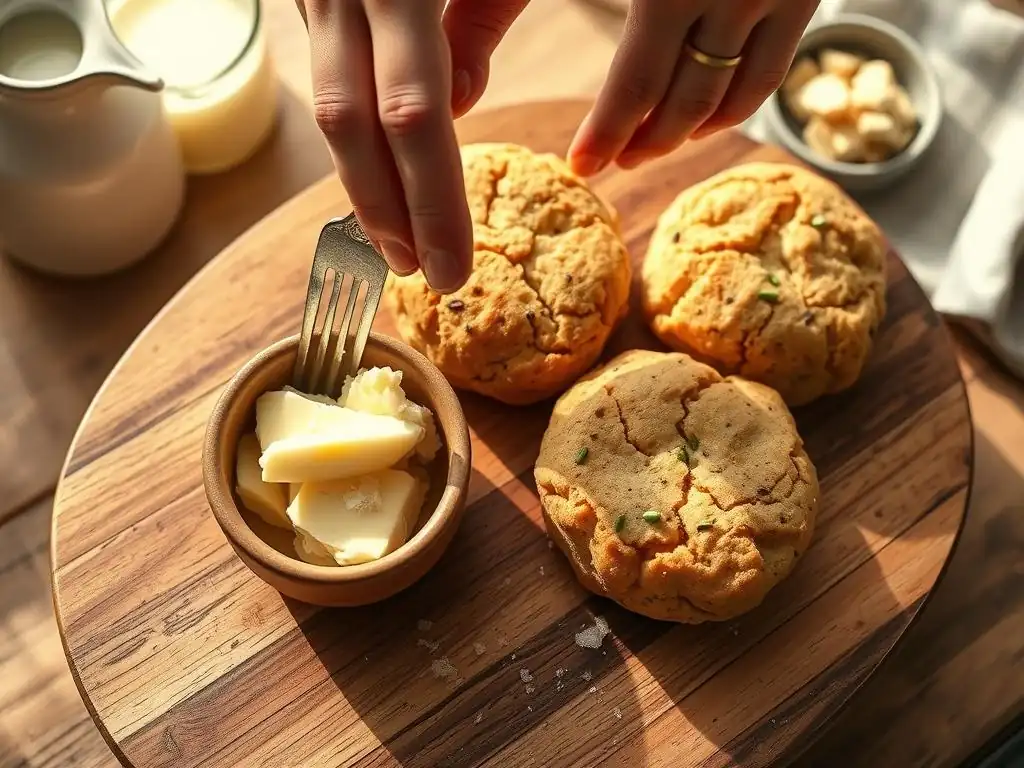
The Unique Flavor Profile of Sourdough Discard
Sourdough discard, even when inactive, carries the distinct tangy flavor developed during the fermentation process by wild yeasts and lactic acid bacteria. This subtle acidity adds a depth of flavor to baked goods that is simply unmatched by recipes relying solely on baking powder and soda. In savory applications, this tang acts as a wonderful counterpoint to rich ingredients like butter and cheese. The slight sourness cuts through the richness, creating a more complex and balanced taste experience in savory sourdough discard scones.
Unlike using active starter, which provides significant leavening and can sometimes overpower delicate flavors, discard contributes flavor without drastically altering the rise (which is handled primarily by chemical leaveners in a scone recipe). This means you get all the delicious tang without the unpredictable rise or strong fermented flavor that a very active starter might impart. The result is a savory sourdough discard scones recipe where the sourdough notes enhance, rather than dominate, the other ingredients like sharp cheddar and fresh chives, creating a harmonious blend of flavors.
The Texture Benefits of Using Sourdough Discard in Scones
While sourdough discard doesn't provide the primary lift in these scones, its acidity can subtly interact with the gluten in the flour and the chemical leaveners, potentially contributing to a more tender crumb. The acid helps to break down proteins slightly, which can inhibit excessive gluten development if the dough is accidentally overmixed a little. This can lead to a more tender final product compared to a scone made without any acidic component.
Furthermore, the moisture content of the sourdough discard adds necessary hydration to the dough. This moisture, combined with the cold butter and proper technique, helps create steam during baking, contributing to the flaky layers that are characteristic of a great scone. The slight stickiness that discard can impart to the dough also encourages minimal handling, which, as discussed, is crucial for preventing toughness and ensuring a light, flaky texture in your savory sourdough discard scones. It's a combination of flavor and subtle textural advantages that makes discard an excellent addition to savory scone recipes.
Conclusion: Enjoy Baking Delicious Cheddar and Chive Sourdough Discard Scones with Ease
Frequently Asked Questions
How can I use sourdough discard in this scone recipe?
The recipe specifically utilizes sourdough discard to add a tangy flavor and improve the texture of the scones. Sourdough discard is the portion of your starter that's removed during feeding.
What makes these scones "savory" instead of sweet?
Instead of sugar, this recipe incorporates ingredients like cheese, herbs, and sometimes bacon or vegetables. These ingredients create a flavor profile that complements main courses rather than desserts.
Can I substitute ingredients in the Savory Sourdough Discard Scones recipe?
Yes, you can! Feel free to experiment with different types of cheese, herbs, and vegetables to customize the flavor to your preference. Just be mindful of moisture content.
Are these scones difficult to make for a beginner baker?
No, the recipe is designed with ease in mind. The step-by-step instructions and simple ingredients make it accessible even for beginner bakers.
How should I store leftover Savory Sourdough Discard Scones?
Store them in an airtight container at room temperature for up to two days or in the refrigerator for up to five days. You can also reheat them slightly before serving.
Final Reflection: The Unexpected Joy of Sourdough Discard
The humble sourdough discard, once a kitchen nuisance, has been transformed into a culinary treasure. This article has explored the simple yet surprisingly versatile world of savory sourdough discard scones, proving that even seemingly wasted ingredients can yield incredible results. From the satisfying crumb to the delightful savory flavors, these scones offer a delicious and sustainable approach to baking.
The journey of transforming discarded sourdough starter into something so delightful has been a personal revelation. It highlights the beauty of resourcefulness and the unexpected rewards of embracing imperfection. The process itself, from the gentle kneading to the golden-brown bake, is a meditative experience, a quiet counterpoint to the often frenetic pace of modern life. Waste not, want not,
an old adage rings truer than ever when considering the possibilities unlocked by utilizing sourdough discard.
Now, it's your turn. Consider the ingredients you might overlook, the "waste" you might repurpose. Experiment with your own savory sourdough discard scones, adapting the recipe to your tastes and preferences. Embrace the unexpected joy of transforming something discarded into something delicious and meaningful. Let this be a reminder that even in the kitchen, creativity and sustainability can go hand in hand, resulting in a truly rewarding experience.
Unleash Your Inner Baker: Master the Sourdough Discard Scone!
Thanks for joining us on this delicious journey into the world of sourdough discard scones! We hope you've discovered a new way to utilize those precious scraps and create a truly satisfying treat. Ready to take your baking skills to the next level?
- Bake a batch of these savory scones today! Use the recipe from the article as your guide, and don't be afraid to experiment with your favorite herbs and cheeses.
- Share your scone creations! Post a picture on social media using #BakeWithEaseSourdoughScones and tag us – we'd love to see your baking masterpiece.
- Challenge a friend to a sourdough baking showdown! See who can create the most inventive scone flavor combination.
What unexpected ingredient will you add to your next batch of sourdough discard scones? Let's hear your ideas in the comments below!