
Baking SugarFree: Is It Really Possible to Bake Delicious Treats?

Welcome to BakeWithEase!
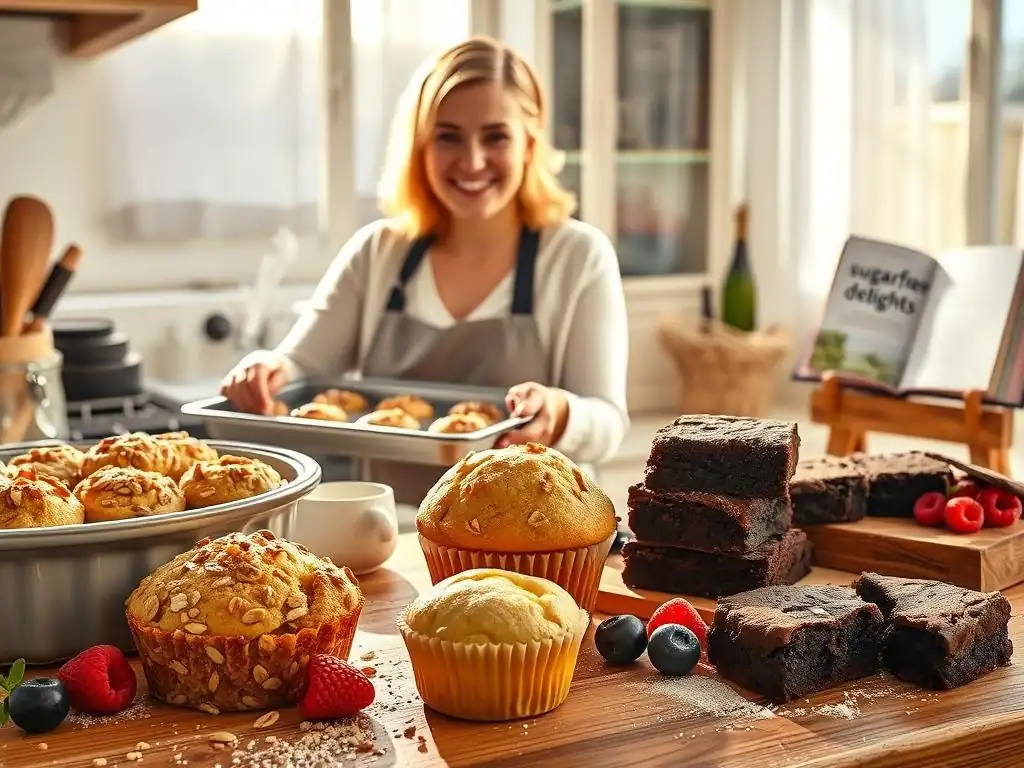
Ever wondered if you could truly indulge in delicious baked goods without the sugar rush? Discover the secrets to sugarfree baking that even a beginner can master! We're diving deep into easy, guilt-free recipes and techniques that will transform your baking. Get ready to explore a world of sweetness, naturally. Keep reading to find out how you can bake your favorite treats, completely sugar-free!
- Introduction to Sugar-Free Baking: A BakeWithEase Guide
- Understanding Sugar's Role in Baking
- The Best Sugar Substitutes for Baking
- Easy Sugarfree Baking Recipes: Getting Started
- Tips and Tricks for Successful Sugar-Free Baking
- Troubleshooting Common Sugar-Free Baking Problems
- Sugarfree Baking Recipes Easy: Advanced Techniques
- Conclusion: Enjoying Delicious and Healthy Sugar-Free Baking
-
Frequently Asked Questions
- What are the main challenges when attempting sugar-free baking?
- Which sugar substitutes are recommended for baking, and why?
- Will sugar-free baked goods taste the same as traditional recipes?
- Where can I find easy-to-follow sugar-free baking recipes?
- Can I convert my existing traditional baking recipes to be sugar-free?
- Final Reflection: The Sweet Truth About Sugar-Free Baking
- Unlock Your Sugar-Free Baking Potential!
Introduction to Sugar-Free Baking: A BakeWithEase Guide
The Rise of Sugar-Free Baking: Why Bake Without Sugar?
The movement towards sugar-free baking has gained significant momentum in recent years, driven by increasing health consciousness and a growing understanding of sugar's impact on well-being. Many individuals are actively seeking ways to reduce their sugar intake due to dietary restrictions like diabetes, keto, or low-carb diets, or simply as part of a healthier lifestyle choice. This shift has spurred innovation in the baking world, pushing bakers to explore alternative sweeteners and techniques to create delicious treats without the traditional sugar load.
Beyond just calorie reduction, the motivation for sugar-free baking often stems from a desire to avoid blood sugar spikes and subsequent energy crashes. For someone managing diabetes, controlling blood glucose levels is critical, and sugar-free options provide a way to enjoy baked goods without the typical high-carbohydrate impact. Similarly, those following ketogenic diets strictly limit sugar and net carbs, making sugar-free desserts a welcome indulgence. This growing demand has made exploring sugarfree baking recipes easy and accessible for more home bakers than ever before.
Can You Really Bake Delicious Treats Without Sugar? Setting Expectations
Yes, you absolutely can bake delicious treats without conventional sugar, but it's important to set realistic expectations. Sugar isn't just a sweetener; it plays crucial roles in texture, moisture, browning, and structure in traditional baking. When you remove it, you need substitutes that can perform some, if not all, of these functions, or adjust your techniques to compensate. The taste and texture of sugar-free baked goods will often differ slightly from their sugar-laden counterparts, but this doesn't mean they can't be incredibly satisfying and flavorful in their own right.
Success in baking without sugar often comes down to understanding the properties of different sugar substitutes and how they interact with other ingredients. Some substitutes don't caramelize like sugar, affecting the crust color of cookies or cakes. Others may absorb more or less liquid, requiring hydration adjustments. Finding truly delicious sugar-free baking recipes easy to follow involves choosing the right sweetener for the job and often requires a bit of experimentation. While a sugar-free brownie might not have the exact same crackly top as a traditional one, it can still be rich, fudgy, and utterly delightful.
Understanding Sugar's Role in Baking
Sugar's Functionality: More Than Just Sweetness
Sugar, typically granulated sucrose, is a powerhouse ingredient in baking, contributing far more than just sweetness. It tenderizes baked goods by interfering with gluten development in flour and slowing down the coagulation of proteins in eggs. This results in a softer, more tender crumb in cakes and muffins, and a chewier texture in cookies. Without sugar, baked goods can become tough or dry because the structure-building ingredients (flour, eggs) are allowed to dominate.
Furthermore, sugar plays a vital role in moisture retention. It is hygroscopic, meaning it attracts and holds onto water molecules. This property helps keep baked goods moist and extends their shelf life. In recipes like cakes or brownies, sugar contributes to the moist, tender mouthfeel. It also contributes significantly to volume in recipes where butter and sugar are creamed together, incorporating air that helps the mixture rise during baking.
How Sugar Affects Texture, Moisture, and Browning
Let's break down sugar's impact on these key characteristics. For texture, sugar's ability to interfere with gluten and protein creates that desirable tenderness. Think about a meringue, which is mostly egg whites and sugar; the sugar stabilizes the egg foam and prevents it from collapsing, while also creating a delicate, crisp texture when baked. In cookies, different sugar ratios lead to different textures – more granulated sugar often yields a crispier cookie, while more brown sugar can lead to a chewier one due to its molasses content and moisture.
In terms of moisture, sugar acts as a humectant, drawing moisture from the air and preventing baked goods from drying out quickly. This is why cookies and cakes made with sugar often stay soft and moist for several days, whereas those made without it might become hard or dry much faster. Finally, sugar is crucial for browning.
When heated, sugar undergoes caramelization (around 320°F or 160°C), contributing golden color and complex flavors. Sugar also participates in the Maillard reaction, a chemical process between amino acids and reducing sugars that occurs at lower temperatures (starting around 280°F or 140°C) and creates the rich brown crust on bread and the surface color of many baked goods. Achieving similar browning without sugar requires different approaches or ingredients.
The Best Sugar Substitutes for Baking
Natural Sugar Alternatives for Baking: A Comprehensive Overview
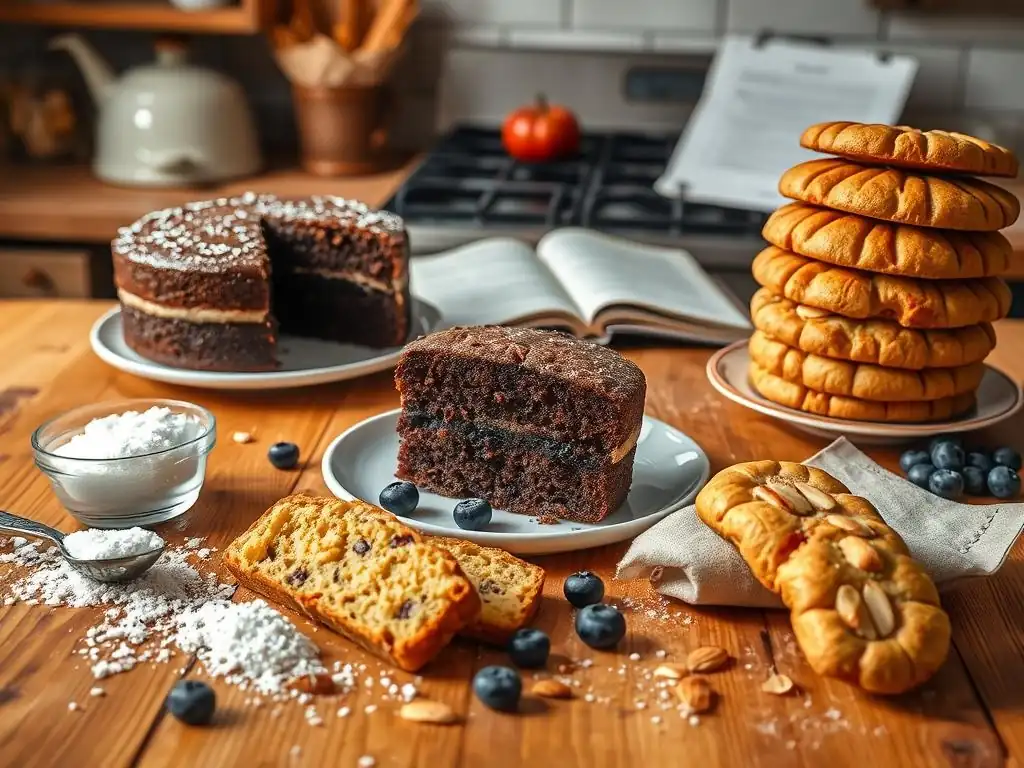
Natural sugar alternatives offer sweetness derived from plant sources, often with fewer calories or a lower glycemic impact than sugar. These options vary widely in their sweetness intensity, taste profile, and behavior in baking, making it essential to choose the right one for your specific sugarfree baking recipes easy or complex. Understanding their properties is key to successful substitution.
Some popular natural alternatives include stevia, erythritol, monk fruit sweetener, and allulose. Each has unique characteristics regarding sweetness level compared to sugar, solubility, cooling effect, and how well they mimic sugar's functional properties like moisture retention or browning. Using a blend of different sweeteners is often recommended to achieve a more balanced taste and better texture, mitigating potential off-flavors or textural issues associated with using a single substitute.
Stevia: Pros, Cons, and Baking Tips
Stevia is derived from the leaves of the Stevia rebaudiana plant and is significantly sweeter than sugar – estimates range from 200 to 400 times sweeter. It has zero calories and does not affect blood sugar levels.
- Pros: Very potent sweetness, zero calories, zero glycemic index.
- Cons: Can have a distinct licorice-like aftertaste, especially in larger quantities. Doesn't provide bulk or structure like sugar.
- Baking Tips: Use very small amounts. Often sold blended with other sweeteners (like erythritol) to provide bulk and temper the aftertaste. Look for baking blends specifically formulated for 1:1 sugar replacement in terms of volume.
Erythritol: A Popular Sugar-Free Option
Erythritol is a sugar alcohol produced by fermenting glucose. It's about 60-70% as sweet as sugar but has almost no calories (about 0.2 calories per gram) and a very low glycemic index.
- Erythritol is widely used in sugar-free baking recipes easy to find online because it behaves similarly to sugar in terms of volume. However, it doesn't dissolve as readily as sugar and can recrystallize upon cooling, leading to a slightly gritty texture, especially in frostings or sauces. It also produces a noticeable cooling sensation in the mouth.
Monk Fruit Sweetener: Baking with Monk Fruit
Monk fruit sweetener comes from the luo han guo fruit and is also intensely sweet, about 150-200 times sweeter than sugar. Like stevia, it's calorie-free and has no impact on blood sugar.
- Pure monk fruit extract is very potent and typically used in tiny amounts. It's often blended with erythritol or other bulk sweeteners for easier measurement and improved texture in baking. Monk fruit generally has less of an aftertaste than stevia for many people, making it a preferred choice for some sugar-free baking recipes easy to adapt.
Allulose: A Promising Sugar Replacement
Allulose is a rare sugar that exists naturally in small quantities in foods like wheat, figs, and raisins. It's about 70% as sweet as sugar but has significantly fewer calories (about 0.4 calories per gram) and doesn't raise blood sugar or insulin levels.
- Allulose is gaining popularity in sugar-free baking because it behaves more like sugar than many other substitutes. It dissolves well, caramelizes to some extent, and contributes to texture and moisture better than erythritol or stevia blends alone. It has no cooling effect or strong aftertaste for most people, making it an excellent option for enhancing sugarfree baking recipes easy to make and enjoy.
Artificial Sweeteners: Are They Suitable for Baking?
Artificial sweeteners, such as sucralose (Splenda), aspartame (Equal), and saccharin (Sweet'N Low), are synthetically produced and are many times sweeter than sugar. They are calorie-free and do not affect blood sugar.
While they provide sweetness, artificial sweeteners typically lack the functional properties of sugar (bulk, browning, moisture retention, texture). Some, like aspartame, can lose sweetness when heated, making them unsuitable for baked goods that require significant oven time. Others, like sucralose, are more heat-stable and can be used, but they still don't contribute to structure or browning. For these reasons, they are generally not the preferred choice for baking compared to natural alternatives or sugar alcohols, which offer better structural contributions.
Easy Sugarfree Baking Recipes: Getting Started
Adapting Traditional Recipes for Sugar-Free Baking: Key Considerations
Adapting traditional sugar-filled recipes to be sugar-free requires more than just a simple 1:1 swap of sugar for a substitute. You need to consider how the substitute will affect the recipe's overall balance of wet and dry ingredients, its structure, moisture level, and how it will brown. For instance, if you're using a highly concentrated sweetener like pure stevia extract, you'll need to add extra bulk to compensate for the missing volume of sugar, perhaps by increasing flour slightly or adding a small amount of applesauce or yogurt for moisture.
When adapting, pay close attention to the liquid content. Sugar is hygroscopic, meaning it absorbs moisture. Some sugar substitutes, like erythritol, don't absorb liquid in the same way, which could lead to a drier bake. You might need to slightly increase the liquid (milk, oil, eggs) or add ingredients known for retaining moisture, such as mashed banana, pumpkin puree, or unsweetened applesauce. Experimentation is key, so start with simpler recipes when you're first learning to adapt.
Sugarfree Baking Recipes Easy: Beginner-Friendly Options
Starting with simple sugarfree baking recipes easy to master is the best way to build confidence and learn how sugar substitutes behave. Recipes like cookies, muffins, and quick breads are generally more forgiving than cakes or pastries, making them ideal for your initial sugar-free baking adventures. These recipes often rely less on sugar for complex structure and more on basic leavening and binding agents.
Look for recipes specifically developed for sugar-free baking, as they will already have the proportions adjusted for the chosen sweetener. Alternatively, try adapting a favorite simple recipe, making one change at a time (e.g., swapping sugar for a 1:1 baking blend) and noting the results. This iterative process helps you understand the impact of different ingredients and substitutions.
Sugar-Free Chocolate Chip Cookies Recipe
Sugar-free chocolate chip cookies are a fantastic starting point for easy sugarfree baking recipes. They typically involve creaming butter with a sugar substitute blend (often erythritol/monk fruit or allulose), adding eggs and vanilla, then incorporating dry ingredients and sugar-free chocolate chips.
- A common adaptation involves using a sugar substitute blend formulated to replace sugar cup-for-cup. You might find the cookies spread slightly differently or are less chewy than traditional ones, but adjusting the baking time slightly can help achieve a pleasant texture. Many successful recipes use a combination of sweeteners to mimic sugar's taste and texture more closely.
Sugar-Free Banana Bread Recipe
Banana bread is inherently moist due to the mashed bananas, which makes it very forgiving for sugar-free adaptation. The bananas also provide natural sweetness, reducing the amount of substitute needed.
- To make a sugar-free banana bread, you can replace granulated sugar with a baking blend or allulose. The browning might be less intense, but the natural color of the bananas and the baking process will still result in a pleasant appearance. This is one of the most popular sugarfree baking recipes easy to convert and consistently yields satisfying results.
Sugar-Free Muffins Recipe
Muffins are another excellent candidate for easy sugarfree baking recipes because their structure is less dependent on sugar compared to cakes. They rely on chemical leaveners like baking powder and baking soda.
- Replacing sugar in muffins involves using a sweetener blend and potentially slightly increasing the liquid or adding a moist ingredient like yogurt or applesauce to ensure tenderness. The focus is on achieving a good rise and moist crumb without relying on sugar's humectant properties. Fruit additions like berries or apples also contribute natural sweetness and moisture.
Tips and Tricks for Successful Sugar-Free Baking
Mastering the Art of Sugar-Free Baking: Expert Advice
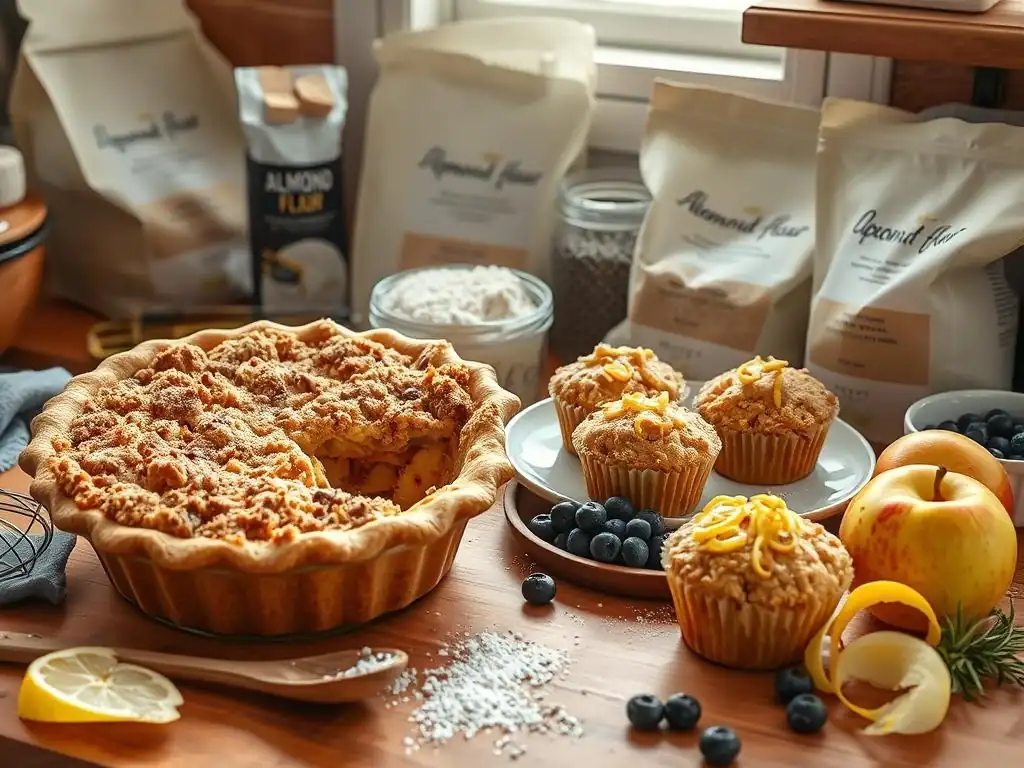
Successful sugar-free baking is an art that combines understanding ingredient science with practical technique. One key piece of advice is to always taste your batter or dough (if safe to do so, e.g., not containing raw eggs) and adjust sweetness before baking. Different sweeteners have varying intensities and flavor profiles, and personal preference plays a big role. You can often add a little more sweetener at this stage if needed.
Another expert tip is to allow sugar-free baked goods to cool completely before assessing their final texture and taste. Some sweeteners, particularly erythritol, have a cooling effect that is more pronounced when warm. Flavors also meld and develop as baked goods cool. Patience is rewarded in sugar-free baking!
Hydration Adjustments: Maintaining Moisture in Sugar-Free Bakes
As mentioned earlier, sugar is a humectant, helping baked goods retain moisture. When you remove sugar, you often need to compensate for this loss of moisture-holding capacity.
- Consider adding ingredients like:
- Unsweetened applesauce
- Mashed banana or pumpkin puree
- Yogurt or sour cream
- Extra egg yolks
- A touch more liquid (milk, oil)
- Ingredients with soluble fiber, like psyllium husk or flaxseed meal (use sparingly as they absorb a lot of liquid)
Start by slightly increasing one of these moistening agents in your adapted sugarfree baking recipes easy or complex, and observe the result. You might find a combination works best.
Binding Agents: Replacing Sugar's Binding Properties
Sugar contributes to the structure and binding in baked goods, especially in cookies and bars where it helps create chewiness and holds ingredients together. Without sugar, treats can sometimes be more crumbly.
- To improve binding and structure in sugar-free baking:
- Ensure you have sufficient eggs, which are excellent binders.
- Consider adding a small amount of a binding agent like xanthan gum or guar gum (typically 1/4 to 1/2 teaspoon per cup of flour in gluten-free/sugar-free recipes).
- Ingredients like nut butters, mashed fruits, or melted sugar-free chocolate chips can also help bind ingredients together, particularly in bar recipes.
Dealing with Browning: Achieving Golden-Brown Perfection Without Sugar
Most sugar substitutes do not caramelize or participate in the Maillard reaction like sugar, meaning sugar-free baked goods often bake up much paler than their traditional counterparts.
- To promote browning in sugar-free bakes:
- Some sugar substitutes, like allulose, do brown to some extent. Using a blend that includes allulose can help.
- Brushing the surface with a little melted butter or oil before baking can enhance color.
- Adding a tiny pinch of baking soda (if not already in the recipe and appropriate for the flavor profile) can slightly raise the pH and encourage the Maillard reaction at lower temperatures, though this must be done carefully as it affects taste and texture.
- Baking at a slightly higher temperature for a shorter time might help achieve a bit more color on the exterior before the interior overbakes.
Flavor Enhancers: Boosting Taste in Sugar-Free Treats
Because sugar provides sweetness and also enhances other flavors, its absence can sometimes leave baked goods tasting a bit flat.
-
Boost flavor in sugar-free baking by:
- Using high-quality vanilla extract.
- Adding a pinch of salt to balance sweetness and enhance other flavors.
- Incorporating spices like cinnamon, nutmeg, or cardamom.
- Using extracts like almond, lemon, or peppermint.
- Adding zest from citrus fruits.
- Including ingredients with strong natural flavors, such as cocoa powder, coffee, or nuts.
These additions help create complex flavor profiles that don't rely solely on sweetness.
Troubleshooting Common Sugar-Free Baking Problems
Dryness and Crumbliness: Identifying and Correcting the Issue
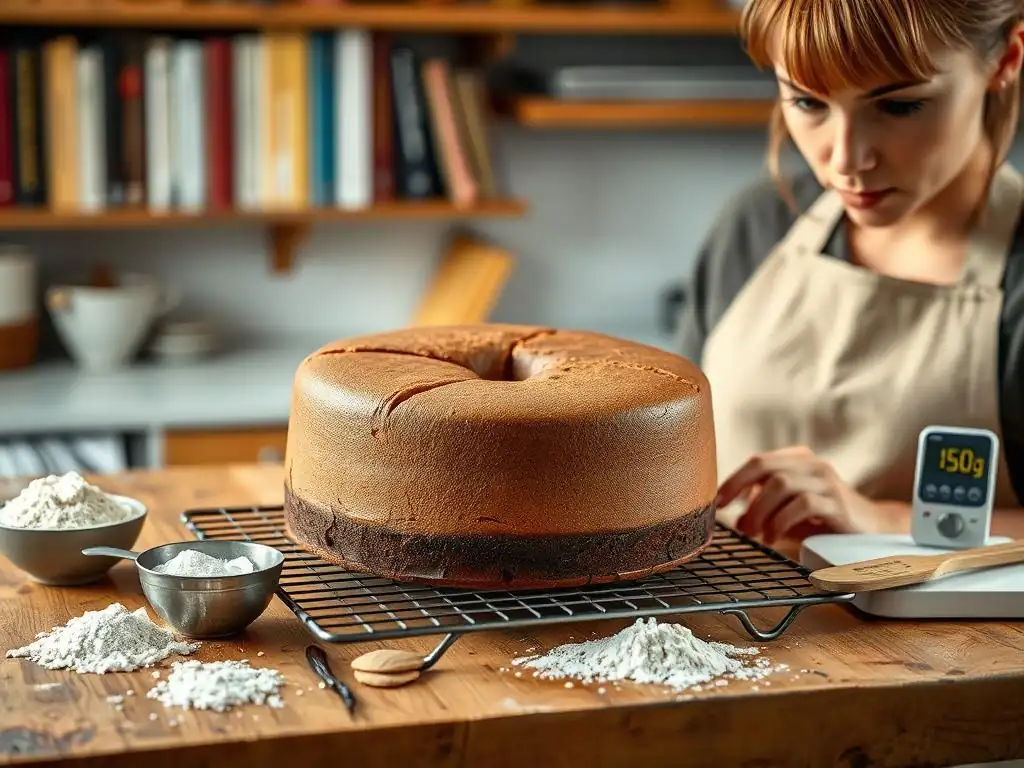
One of the most frequent issues in sugar-free baking is dryness and a crumbly texture. This often happens because the sugar substitute doesn't retain moisture as effectively as sugar, and the lack of sugar's tenderizing effect allows gluten and proteins to form a tighter structure.
- Identification: Baked goods feel dry, fall apart easily when handled, or have a harsh crumb.
- Correction: Review the hydration adjustment tips above. Ensure you are using enough fat (butter, oil) and moist ingredients (eggs, yogurt, fruit puree). Consider using a sweetener blend that includes allulose or a sugar alcohol like xylitol (though xylitol is toxic to dogs, so handle with extreme caution if you have pets) known for better moisture retention. Don't overbake; sugar-free items can dry out quickly.
Aftertaste and Bitterness: Managing Sweetener Profiles
Some sugar substitutes, particularly stevia and certain artificial sweeteners, can leave a bitter or metallic aftertaste for some individuals.
- Identification: A noticeable off-flavor lingers after tasting the baked good.
- Correction: This is often due to using too much of a highly concentrated sweetener or using a single sweetener type. Try using less of the problematic sweetener and supplement the sweetness with another type. Blending sweeteners (e.g., erythritol with monk fruit or stevia) often helps mask individual off-flavors. Adding ingredients like cocoa powder, coffee, or strong spices can also help hide subtle aftertastes.
Texture Issues: Achieving the Right Consistency
Sugar contributes significantly to texture, from the chewiness of cookies to the tenderness of cake crumb and the crispness of meringue. Replacing it can lead to results that are too hard, too soft, gritty, or lack the desired chew.
- Identification: Cookies are hard instead of chewy, cakes are dense, or frostings are gritty.
- Correction: Grittiness in frostings is often due to erythritol not dissolving completely; try powdering the erythritol substitute in a blender or food processor before use. For hard or dense bakes, ensure adequate fat and moist ingredients are used, and consider binding agents if crumbliness is also an issue. For lack of chewiness, particularly in cookies, experimenting with different sweetener blends or adding ingredients like brown erythritol blends (which mimic brown sugar) can help. Ensure ingredients are at the correct temperature (e.g., softened butter for creaming).
Sugarfree Baking Recipes Easy: Advanced Techniques
Sugar-Free Frostings and Glazes: Adding the Finishing Touch
Creating smooth, delicious sugar-free frostings and glazes can be slightly tricky because powdered sugar substitutes don't always behave exactly like powdered sugar. Traditional powdered sugar dissolves readily and creates a smooth consistency.
- For sugar-free frostings, you'll typically use a powdered form of a sugar substitute blend (often erythritol and monk fruit). Ensure the sweetener is very finely powdered; you may need to process it further in a blender or spice grinder yourself for the smoothest result. Use cream cheese, butter, or a dairy-free alternative as the base, and thin with a liquid like milk or cream until the desired consistency is reached. Sugar-free glazes can be made by whisking powdered substitute with a small amount of liquid (milk, lemon juice, extract) until pourable.
Sugar-Free Cakes and Pastries: Taking on More Complex Bakes
Moving from easy sugarfree baking recipes like muffins to more complex items like layer cakes, cheesecakes, or pastries presents greater challenges because these rely more heavily on sugar for structure, texture, and browning.
- Cakes require careful balancing of ingredients to ensure a tender crumb and good rise without sugar's tenderizing effect and creaming properties. Using alternative flours (like almond or coconut flour) that are lower in carbs but require different liquid ratios is common. Cheesecakes often adapt well as their structure relies on cream cheese and eggs, though getting the sweetness right is key. Pastries involving doughs (like pie crusts or choux pastry) are particularly challenging as sugar affects dough handling and crispness. These bakes often benefit from using sweetener blends that include allulose for better performance.
Experimenting with Different Sugar Substitutes: Finding Your Perfect Blend
There is no single "perfect" sugar substitute for all sugar-free baking recipes easy or advanced. The best approach is often to experiment with different types and blends to find what works best for specific recipes and your personal taste preferences.
- Start by trying recipes that use different single substitutes (like erythritol, allulose) or pre-made blends. Pay attention to the results – taste, texture, moistness, browning. Then, you can begin experimenting with creating your own blends. For instance, combining erythritol (for bulk) with a small amount of potent stevia or monk fruit (for sweetness intensity) and perhaps some allulose (for texture/browning) can yield results superior to using any single substitute alone. Keep detailed notes on your experiments to refine your approach.
Conclusion: Enjoying Delicious and Healthy Sugar-Free Baking
Sugar-Free Baking: A Rewarding Culinary Journey
Embarking on the journey of sugar-free baking is an incredibly rewarding experience. It opens up a world of possibilities for enjoying delicious baked goods while adhering to dietary needs or health goals. While it involves a learning curve and requires understanding the nuances of sugar substitutes, the ability to create treats like sugar-free chocolate chip cookies, moist banana bread, or tender muffins without the guilt of added sugar is empowering.
As you gain confidence, you can explore more complex sugarfree baking recipes easy to find or adapt, from intricate cakes to delicate pastries. This journey is not about deprivation but about innovation and discovering new ways to satisfy your sweet tooth using alternative ingredients. With patience, practice, and a willingness to experiment, you can master the art of baking without sugar and enjoy a continuous stream of delightful, healthier treats from your own kitchen.
Frequently Asked Questions
What are the main challenges when attempting sugar-free baking?
The main challenges include finding suitable sugar substitutes that provide the necessary sweetness and structure, as well as adjusting recipes to account for the lack of browning and moisture retention that sugar typically offers.
Which sugar substitutes are recommended for baking, and why?
Erythritol, Stevia, and Monk Fruit are often recommended because they are low-calorie sweeteners and generally considered safe for consumption. They also have a minimal impact on blood sugar levels, making them suitable for those managing diabetes or following a low-sugar diet.
Will sugar-free baked goods taste the same as traditional recipes?
No, sugar-free baked goods will likely have a slightly different taste and texture compared to traditional recipes. The key is to experiment with different sweeteners and adjust the recipe to achieve the best possible flavor and consistency.
Where can I find easy-to-follow sugar-free baking recipes?
Websites like BakeWithEase.com are a great resource for simple and accessible sugar-free baking recipes designed for all skill levels. Look for recipes that offer step-by-step instructions and use easily accessible ingredients.
Can I convert my existing traditional baking recipes to be sugar-free?
Yes, you can convert traditional recipes, but it requires careful consideration. You'll need to replace the sugar with a suitable substitute and potentially adjust other ingredients to compensate for the changes in moisture, texture, and browning. Research is key!
Final Reflection: The Sweet Truth About Sugar-Free Baking
The quest for delicious, sugar-free baked goods is no longer a niche pursuit; it's a growing movement reflecting a wider societal shift towards healthier lifestyles. The increasing awareness of sugar's impact on our health has fueled a demand for alternatives, pushing innovation in the sugar-free baking world. This isn't just about deprivation; it's about discovering new flavors and textures, proving that indulgence and well-being aren't mutually exclusive.
This journey into the world of sugar-free baking has been a personal revelation. I've learned that the perceived limitations are often self-imposed, and that creativity can overcome almost any challenge. The best things in life are worth fighting for,
and finding delicious, healthy alternatives to traditional baked goods is certainly a fight worth waging. The sheer variety of sugar substitutes and innovative techniques available today is astounding, constantly evolving and expanding the possibilities for those seeking healthier, sweeter treats.
Now, it's your turn. Don't be intimidated by the idea of sugar-free baking. Experiment with the recipes and techniques explored in this article, adapt them to your own tastes, and discover the joy of creating delicious and healthy treats for yourself and your loved ones. Embrace the challenge, explore the possibilities, and unlock a world of sweet, guilt-free indulgence. The journey to healthier baking starts with a single, delicious bite.
Unlock Your Sugar-Free Baking Potential!
Thanks for joining us on this delicious journey into the world of sugar-free baking! We hope you discovered some inspiring ideas and newfound confidence in creating healthier, equally scrumptious treats. Ready to put your newfound knowledge to the test?
- Bake your first sugar-free masterpiece! Choose one of the recipes mentioned in the article and get baking. The satisfaction is unbeatable!
- Share your creation! Post a picture of your sugar-free bake on social media and tag us—we'd love to see your results!
- Explore more sugar-free recipes on our website for endless inspiration. Discover the sweet possibilities!
What unexpected flavor combination will you try first in your sugar-free baking adventure?