
Gelatin in Advanced Pastry: Terrines, Gelees, and Innovative Textures

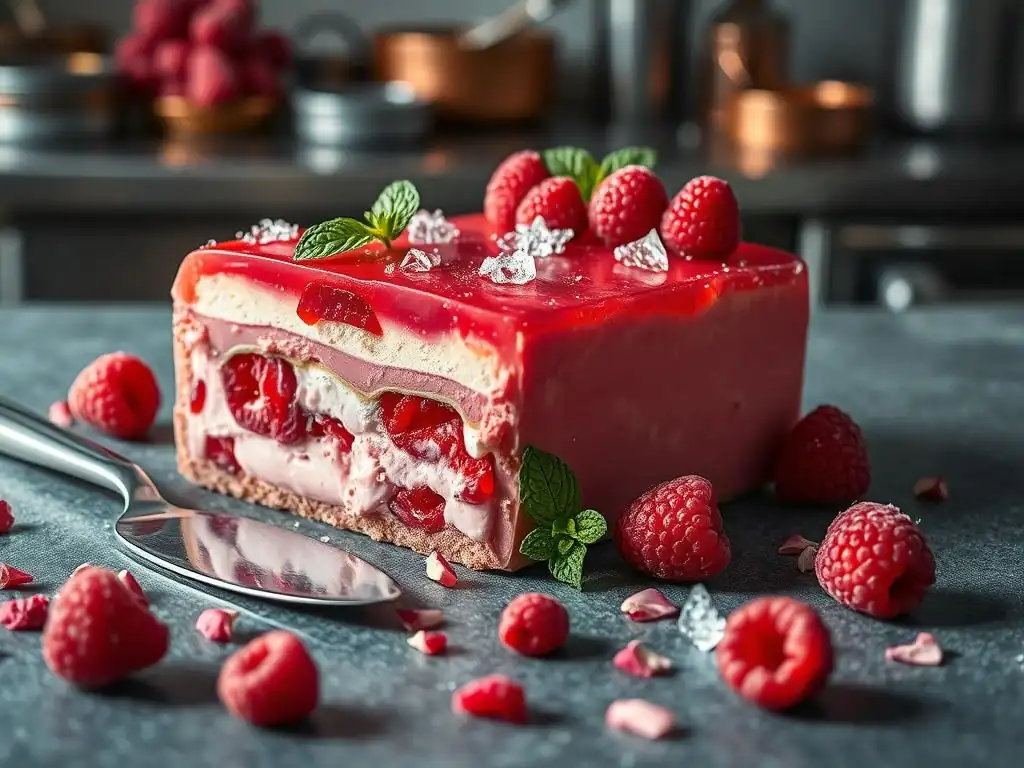
Welcome to BakeWithEase, where we unlock the secrets to exceptional baking! Ever wondered how professional pastry chefs achieve those breathtakingly smooth terrines and shimmering gelees? This article delves into the fascinating world of Gelatin in Advanced Pastry, revealing how this versatile ingredient can elevate your creations to new heights. Prepare to explore innovative textures and techniques that will transform your baking repertoire. Intrigued? Let's get started!
- Understanding Gelatin for Advanced Baking
- Gelatin in Terrines: Mastering the Art of Molded Desserts
- Gelees: Adding a Shimmering Touch with Gelatin
- Innovative Textures with Gelatin: Beyond Traditional Uses
- Advanced Techniques: Controlling Gelatin Setting and Melting Points
- Gelatin Advanced Pastry Recipes: Step-by-Step Examples
- Tips for Success with Gelatin in Pastry
- Conclusion: Elevating Your Pastry Skills with Gelatin
-
Frequently Asked Questions
- What exactly is gelatin and why is it used in advanced pastry recipes?
- How does gelatin contribute to the texture of pastries like terrines and gelees?
- What are some common mistakes bakers make when working with gelatin?
- Can gelatin be substituted with other ingredients in advanced pastry recipes?
- Where can I find high-quality gelatin specifically for use in advanced pastry creations?
- Final Reflection: The Enduring Allure of Gelatin in Modern Pastry
- Unlock the Secrets of Gelatin: Craft Exquisite Desserts!
Understanding Gelatin for Advanced Baking
What is Gelatin and its Role in Pastry?
Gelatin is a translucent, colorless, and flavorless protein derived from collagen. In the world of advanced pastry, it serves as a crucial gelling agent, stabilizer, and texturizer. Its unique ability to form a thermoreversible gel – meaning it sets when chilled and melts when warmed – makes it indispensable for creating delicate mousses, firm gelees, structured terrines, and glossy glazes that hold their shape beautifully at serving temperature but melt sensually in the mouth. Mastering gelatin is key to elevating many classic and modern Gelatin advanced pastry recipes.
Beyond simple setting, gelatin contributes significantly to the mouthfeel of a dessert. It provides a smooth, clean melt that water-based thickeners often cannot replicate. This characteristic is vital in sophisticated pastries where texture is as important as flavor. Whether it's providing the structural integrity for a multi-layered entremet or giving a gelee that perfect wobble, understanding gelatin's properties is fundamental for any baker looking to explore advanced gelatin pastry techniques.
Different Types of Gelatin: Powdered and Sheet
Gelatin is most commonly available in two forms: powdered and sheet (or leaf). Powdered gelatin is granulated and dissolves easily in warm liquids after blooming. It is measured by weight or volume and is often the go-to for many home bakers due to its accessibility. However, its strength can sometimes vary slightly between brands, making precise control challenging in complex recipes.
Sheet gelatin, preferred by many professional pastry chefs, comes in thin, rectangular sheets. Each sheet has a consistent weight and strength (measured in bloom), allowing for more accurate and predictable results. It is bloomed in cold water before use. While potentially more expensive and requiring a bit more care in handling, sheet gelatin offers superior clarity and a cleaner flavor profile compared to some powdered varieties, which can be crucial for achieving pristine gelees in advanced gelatin pastry techniques.
Bloom Strength: Measuring Gelatin's Setting Power
The gelling strength of gelatin is measured by its "bloom" value. This standardized test determines the weight (in grams) required to depress a plunger 4mm into a 6.67% gelatin solution maintained at 10°C (50°F). Bloom values typically range from about 50 to 300. The higher the bloom number, the stronger the gelatin's gelling power. For example, standard sheet gelatin often falls into categories like Bronze (approx. 125 bloom), Silver (approx. 160 bloom), Gold (approx. 200 bloom), and Platinum (approx. 250 bloom).
Understanding bloom strength is critical for consistently successful Gelatin advanced pastry recipes. A recipe designed for Gold strength gelatin will require a different amount if you substitute with Bronze or Platinum gelatin to achieve the same set. Using the incorrect strength or amount can result in a dessert that is too rubbery, too soft, or fails to set altogether. Professional recipes often specify the type and bloom strength of gelatin required for this very reason.
Proper Hydration Techniques for Gelatin
Properly hydrating, or "blooming," gelatin is the essential first step before it can be dissolved and incorporated into a pastry base. For powdered gelatin, this typically involves sprinkling the powder evenly over a small amount of cold liquid (usually water, but sometimes juice or milk) and letting it stand for 5-10 minutes until it swells and becomes a spongy mass. The common ratio for blooming powdered gelatin is about 1 part gelatin to 5 parts cold liquid by weight.
Sheet gelatin is bloomed by submerging the required number of sheets in a generous amount of cold water for 5-10 minutes until soft and pliable. It's crucial to use cold water; hot water can start dissolving the gelatin prematurely, affecting its gelling power. After blooming, gently squeeze out any excess water from the sheets before melting them. This careful hydration ensures the gelatin dissolves smoothly and activates its gelling properties effectively for use in advanced gelatin pastry techniques.
Gelatin in Terrines: Mastering the Art of Molded Desserts
Summer Berry Terrine with Elderflower Gelée
A Summer Berry Terrine is a classic example showcasing gelatin's role in creating stunning molded desserts. This terrine typically involves layering fresh summer berries (like strawberries, raspberries, blueberries) within a mold, suspended in a light, fruit-flavored gelée often infused with elderflower syrup or liqueur. The gelatin provides the structure, holding the delicate berries in place and allowing the terrine to be sliced cleanly once set.
A typical recipe might use Gold strength sheet gelatin for the gelée to ensure a firm yet sliceable texture that isn't rubbery. The amount of gelatin used, perhaps 8-10 grams per 500ml of liquid base, is calibrated to the volume of liquid and desired set.
Creating such a terrine requires careful temperature control. The gelatin-infused liquid must be cool enough not to cook the fresh fruit but warm enough to remain liquid while pouring. Success hinges on chilling the terrine thoroughly, usually for at least 4-6 hours or overnight, to allow the gelatin to fully set. Demolding techniques, such as briefly dipping the mold in warm water, are also crucial to present this elegant Gelatin advanced pastry recipe without breakage.
Vegetable Terrine with Balsamic Glaze
While often associated with sweet desserts, gelatin is also used in savory Gelatin advanced pastry recipes, such as vegetable terrines. These terrines involve layering cooked or blanched vegetables (like roasted bell peppers, grilled zucchini, blanched asparagus, spinach) within a mold, often bound together by a savory aspic or gelée made from vegetable stock, consommé, or even tomato water, set with gelatin. A balsamic glaze, reduced until syrupy, can provide a flavorful counterpoint and glossy finish, sometimes incorporating a touch of gelatin itself for stability.
For a savory vegetable terrine, the gelatin must provide sufficient structure to hold denser ingredients while still being tender enough to cut. Bronze or Silver strength gelatin might be preferred for a softer set, or a slightly higher quantity of a weaker gelatin. The liquid base is often flavored with herbs, garlic, or wine before gelatin is added. Chilling time is equally important as with sweet terrines, ensuring the layers are fully set before slicing and serving as an elegant appetizer or side dish, demonstrating the versatility of advanced gelatin pastry techniques beyond the dessert course.
Achieving Perfect Clarity and Texture in Terrines
Clarity is paramount in terrines and gelees, especially those using fruit juices or stocks. Using high-quality gelatin, particularly sheet gelatin, contributes to better clarity. However, the liquid base itself must also be clear. For fruit gelees, using clarified juices (filtered through a fine sieve or cheesecloth) is essential. For savory aspics, using a well-clarified consommé is key. Skimming any foam or impurities from the liquid before adding gelatin also helps achieve a pristine appearance.
Texture in a terrine is a balance. It needs to be firm enough to slice cleanly but tender enough to melt pleasantly in the mouth. This is controlled primarily by the amount and bloom strength of the gelatin used relative to the volume and acidity of the liquid.
Too much gelatin results in a rubbery texture; too little, and the terrine won't hold its shape. Acidity (from fruit, vinegar, or wine) can weaken gelatin's setting power, requiring a slight increase in gelatin quantity. Precise measurement and careful temperature management during mixing and setting are non-negotiable for achieving that desired delicate yet stable texture in these Gelatin advanced pastry recipes.
Troubleshooting Common Terrine Problems
Several issues can arise when working with gelatin in terrines. One common problem is layers separating or the terrine collapsing upon demolding. This often happens if the layers weren't fully set before adding the next, or if the gelatin solution wasn't evenly distributed. Ensuring each layer is properly chilled until firm before proceeding is vital. Another issue is a cloudy or murky appearance, which, as mentioned, is usually due to impurities in the liquid base or using lower-quality gelatin.
A rubbery or overly firm texture is typically caused by using too much gelatin or gelatin with too high a bloom strength for the recipe. Conversely, a terrine that doesn't set is usually due to too little gelatin, insufficient chilling time, or the presence of ingredients that inhibit gelatin setting (like certain enzymes in fresh pineapple, papaya, or kiwi, which break down protein).
Using canned or cooked versions of these fruits neutralizes the enzymes. Careful adherence to ingredient quantities, chilling times (often 6-8 hours minimum for a large terrine), and ensuring the gelatin is fully dissolved and evenly incorporated are key to avoiding these pitfalls in advanced gelatin pastry techniques.
Gelees: Adding a Shimmering Touch with Gelatin
Understanding Gelee Textures: From Soft to Firm
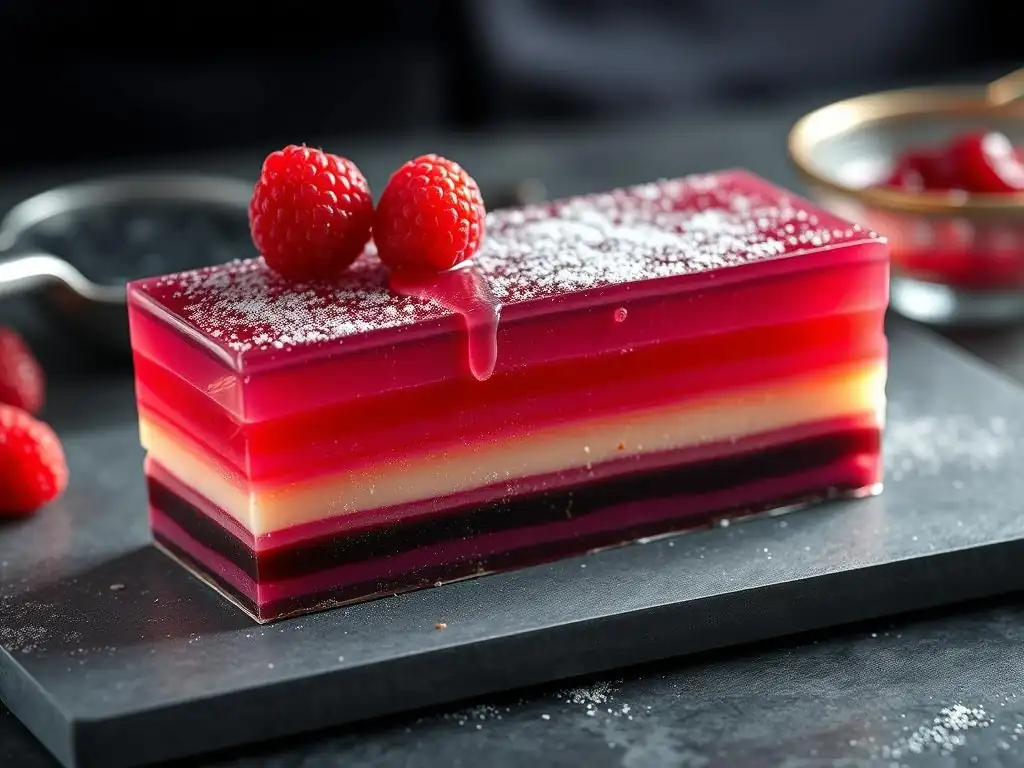
Gelees, essentially flavored liquids set with gelatin, offer a wide spectrum of textures, from a barely-set, shimmering pool to a firm, sliceable block. The desired texture dictates the amount and bloom strength of gelatin used. A very soft gelee, suitable for a delicate topping or internal layer in a mousse cake, might use a lower concentration of gelatin (e.g., 0.8-1.2% of the liquid's weight in gelatin). A firmer gelee, intended to be cut into cubes or used as a standalone dessert, would require a higher concentration (e.g., 1.5-2.5% or more).
Achieving the perfect gelee texture is an art form in advanced gelatin pastry techniques. It's not just about the quantity of gelatin but also the temperature at which it's served and the accompanying textures. A firm gelee might be refreshing on its own, while a softer one is essential for complementing the creaminess of a mousse or panna cotta. Experimentation with gelatin ratios is often needed to fine-tune the texture for a specific application in Gelatin advanced pastry recipes.
Raspberry Gelee with Champagne
A Raspberry Gelee with Champagne is a sophisticated gelee application. It involves setting a blend of raspberry puree (often strained for clarity) and champagne with gelatin. The challenge here is incorporating the bubbly champagne without losing its flavor or effervescence entirely and managing the acidity of both the raspberry and the champagne, which can affect the gelatin set. A common technique is to make a concentrated raspberry base, dissolve the bloomed gelatin in it, cool it slightly, and then gently fold in the chilled champagne just before pouring into molds or over another dessert layer.
Using a high-bloom gelatin, like Gold or Platinum, can help achieve a clear, vibrant gelee with a delicate set, even with the presence of acid and alcohol (which can slightly weaken the gel). The ratio might be adjusted, perhaps using slightly more gelatin (e.g., 1.8-2.2% of total liquid weight) than for a non-acidic gelee. This Gelatin advanced pastry recipe highlights the need to consider ingredient interactions when determining gelatin quantities.
Espresso Gelee with Coffee Cream
Espresso Gelee with Coffee Cream is another popular gelee application, often served as individual portions or layered desserts. The gelee is made by setting strong espresso coffee, sweetened and perhaps flavored with a coffee liqueur, using gelatin. This is often paired with a rich, often unsweetened or lightly sweetened, coffee-infused cream or panna cotta. The contrast in textures – the firm, slightly bitter gelee against the smooth, sweet cream – is key to its appeal.
For the espresso gelee, a moderate amount of gelatin (e.g., 1.5-2% of liquid weight) typically provides a good balance between firmness and tenderness. The coffee cream layer might also use gelatin or agar-agar as a stabilizer, though often in smaller quantities than the gelee to maintain a softer, creamier texture. Temperature control is crucial when layering; the gelee must be partially or fully set before adding the cream layer to prevent them from mixing, a common technique in advanced gelatin pastry techniques.
Layering Gelees for Complex Flavors and Textures
Layering different flavored and colored gelees is an advanced gelatin pastry technique that creates visually stunning and texturally complex desserts. This can involve alternating layers of fruit gelee, cream gelee, or even savory aspic layers. Each layer must be poured individually and chilled until sufficiently set before the next layer is added. The chilling time required for each layer depends on its thickness, the amount of gelatin, and the refrigerator's temperature, but typically ranges from 15 minutes to an hour per layer.
Successful layering requires precision in measuring the volume for each layer and careful pouring to avoid disturbing the set layer beneath. Temperature management is also key; the new gelee layer must be cool enough not to melt the previous layer but still liquid enough to pour smoothly. Using different gelatin concentrations for different layers can also add textural variety, for example, a firmer bottom layer supporting softer layers above. This technique, seen in many complex Gelatin advanced pastry recipes, allows for intricate designs and flavor combinations.
Innovative Textures with Gelatin: Beyond Traditional Uses
Gelatin Sheets for Edible Decorations
Beyond setting liquids, gelatin sheets can be used to create flexible, edible decorations. By dissolving gelatin sheets in a minimal amount of hot liquid (often water or a light syrup) and letting it cool and partially set on a flat surface, a thin, pliable film can be formed. This film can be cut into shapes, molded, or even colored with food dyes before it fully sets. Once dry, these gelatin decorations become brittle, but when exposed to moisture (like humidity or contact with a creamy dessert), they can regain some flexibility or melt delicately.
This technique allows for creative elements like edible stained-glass effects, fragile sugar-like shards, or delicate wraps for individual pastries. The bloom strength of the gelatin can influence the film's flexibility and drying speed. Using high-bloom gelatin might result in a more brittle decoration, while lower bloom could yield a more flexible one. This is a lesser-known but fascinating application of Gelatin advanced pastry techniques.
Creating Spherical Desserts with Gelatin
While molecular gastronomy often uses calcium chloride baths with sodium alginate for perfect spheres (spherification), gelatin can also be used to create spherical or hemispherical desserts, particularly when working with less viscous liquids or foams. This involves using spherical silicone molds. A thin layer of gelatin-set liquid or foam can be used to coat the inside of the mold, chilled until set, and then the center filled with another component (like a fruit puree, mousse, or liquid center) before being sealed with another gelatin layer or base.
Alternatively, very soft gelees or stabilized liquids can be frozen in spherical molds. Once frozen, these spheres can sometimes be carefully dipped in a warm, quick-setting glaze (often containing gelatin or pectin) to create a thin outer shell that sets upon contact with the frozen center. This allows for visually appealing, geometrically perfect components in Gelatin advanced pastry recipes.
Gelatin as a Stabilizer in Mousse and Creams
Gelatin is a primary stabilizer in many classic mousses, bavarois, and panna cottas. In mousses, it provides the necessary structure to hold the aerated base (like whipped cream or meringue) without collapsing. A typical fruit mousse might use 1.5-2% gelatin relative to the total weight of the fruit puree and cream base. The bloomed and melted gelatin is gently folded into the base mixture when it's partially cooled but still liquid, ensuring even distribution before the mixture is folded with the aerating component and chilled.
In panna cotta and bavarois, gelatin provides a smooth, creamy set that is characteristic of these desserts. The amount of gelatin used dictates the firmness, from a very wobbly panna cotta to a sliceable bavarois. Using too much gelatin can make these desserts rubbery, destroying their delicate texture. The bloomed gelatin is dissolved directly into the warm cream or base mixture before chilling. Mastering the balance of gelatin in these creamy advanced gelatin pastry techniques is crucial.
Using Gelatin to Enhance Mouthfeel in Pastries
Beyond structure, gelatin significantly impacts mouthfeel. It provides a clean, smooth melt that contributes to the luxurious sensation of many high-end pastries. This is particularly noticeable in mousses, gelees, and glazes. A well-made gelatin-set component melts quickly at body temperature, releasing flavors efficiently without leaving a gummy or heavy residue, unlike some starch-based thickeners.
In glazes, gelatin provides gloss and a smooth finish while also contributing to the way the glaze melts in the mouth alongside the cake or mousse it covers. Even small amounts of gelatin can subtly improve the texture and melt characteristic of various pastry components, making it a valuable tool for pastry chefs focusing on the total sensory experience. This nuanced application is part of what distinguishes advanced gelatin pastry techniques.
Advanced Techniques: Controlling Gelatin Setting and Melting Points
Factors Affecting Gelatin's Setting Time
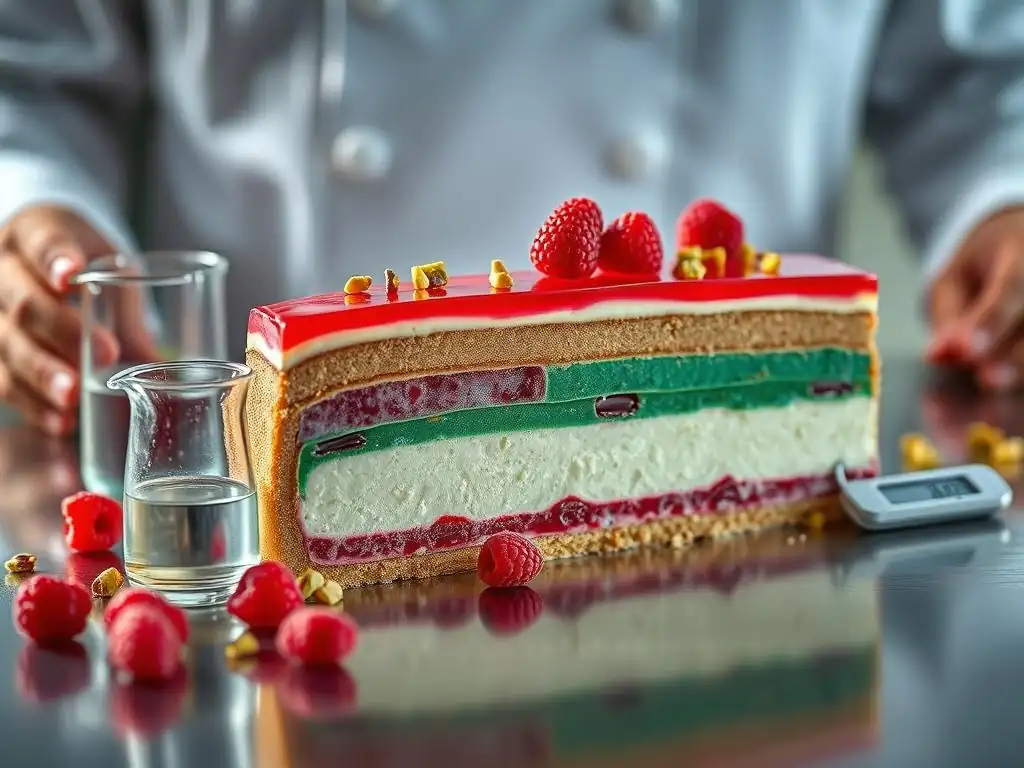
Several factors influence how quickly gelatin sets. The most significant is temperature; gelatin solutions set fastest when chilled, typically in a refrigerator at 2-4°C (35-40°F). The concentration of gelatin also plays a major role – higher concentrations set faster and firmer. The volume of the liquid matters; larger volumes take longer to chill and set than smaller ones.
Ingredients present in the liquid can also affect setting time. Acids (like lemon juice, vinegar, or fruit purees) can weaken the gelatin structure over time, potentially slowing the initial set or resulting in a softer final texture. Alcohol also tends to slightly inhibit setting and can lower the final melting point. Conversely, sugar, especially at high concentrations, can slightly speed up setting and increase firmness. Understanding these interactions allows pastry chefs to manipulate setting times and final textures in complex Gelatin advanced pastry recipes.
Modifying Gelatin's Texture with Other Ingredients
Gelatin's texture can be modified by combining it with other hydrocolloids or ingredients. While gelatin provides elasticity and a clean melt, combining it with starches, pectins, or agar-agar can create different textures. For instance, combining a small amount of gelatin with pectin can create a fruit jelly with both elasticity and a slightly jammy texture. Adding a small amount of agar-agar to a gelatin base can increase its heat stability, allowing it to hold its shape better at room temperature, although agar-agar can impart a slightly more brittle texture.
Fats and proteins in the liquid base (like cream or egg yolks) can also influence the final texture, making it creamier and less transparent than a water-based gelee. High sugar concentrations can make a gelatin set firmer and slightly chewy. By carefully combining gelatin with other ingredients, pastry chefs can engineer a wide range of textures for innovative advanced gelatin pastry techniques.
Working with Acids and Sugars in Gelatin-Based Desserts
Acidity is a known challenge when working with gelatin. Enzymes in certain fresh fruits (pineapple, papaya, kiwi, fig, mango, ginger) contain proteases that break down proteins, including gelatin, preventing it from setting. Cooking or using canned versions of these fruits deactivates these enzymes. Acids like citric acid in citrus fruits or tartaric acid in grape juice, while not enzymatic, can hydrolyze (break down) the gelatin protein over time, particularly at high concentrations or elevated temperatures. This means acidic mixtures set less firmly or may require more gelatin.
Sugar, on the other hand, generally reinforces the gelatin network. High sugar concentrations can lead to a firmer gel. Sugar also lowers the freezing point, which is relevant if a gelatin-based dessert is intended to be frozen.
Balancing the quantities of gelatin, acid, and sugar is a critical skill in developing successful Gelatin advanced pastry recipes. It often requires testing and adjustment based on the specific ingredients and desired outcome. A gelee made with highly acidic passion fruit puree, for example, will likely require significantly more gelatin than a gelee made with neutral-pH water or milk to achieve a similar firmness.
Gelatin Advanced Pastry Recipes: Step-by-Step Examples
Recipe 1: Passion Fruit and Coconut Entremet
Ingredients and Equipment
(Note: Specific quantities are omitted as this is a descriptive example, not a precise recipe)
This multi-layered entremet would typically require ingredients for several components: a base (like a joconde sponge or coconut dacquoise), a passion fruit mousse, a coconut mousse, a passion fruit gelee insert, and a mirror glaze. Gelatin (likely Gold or Platinum sheet gelatin for clarity and set) would be a key ingredient in the mousses, gelee, and glaze. Equipment would include ring molds or entremet frames, acetate sheets, a stand mixer, saucepans, whisks, spatulas, and a digital scale for accurate gelatin measurement.
Step-by-Step Instructions
- Prepare the base layer and place it in the bottom of the mold.
- Make the passion fruit gelee insert: Hydrate gelatin in cold passion fruit puree. Gently heat remaining puree/liquid to dissolve sugar, then incorporate bloomed gelatin off the heat. Pour into a smaller mold or frame and chill until fully set (approx. 2-3 hours).
- Prepare the passion fruit mousse: Hydrate gelatin. Make a base (e.g., créme anglaise or Italian meringue base). Dissolve bloomed gelatin in a warm portion of the base or puree. Fold into the main base, then fold in whipped cream. Pour a layer of mousse into the main entremet mold over the base.
- Gently place the set passion fruit gelee insert onto the mousse layer.
- Prepare the coconut mousse (similar process to passion fruit mousse, using coconut puree/cream and gelatin). Pour the coconut mousse over the gelee insert, filling the mold.
- Chill the entire entremet until completely set (ideally overnight, 8-12 hours).
- Prepare the mirror glaze (often containing gelatin for gloss and set): Hydrate gelatin. Heat glucose, sugar, water, condensed milk, and color. Pour over white chocolate, add bloomed gelatin, and blend smoothly. Cool to the correct glazing temperature (typically 30-35°C or 86-95°F).
- Unmold the entremet (often using a gentle heat source like a hairdryer), place on a wire rack, and pour the glaze evenly over the top.
- Allow excess glaze to drip off, then transfer the entremet to a serving platter and decorate. This is a complex example of Gelatin advanced pastry recipes.
Tips and Tricks
- Ensure each layer is sufficiently chilled and set before adding the next to prevent bleeding or collapsing.
- Measure gelatin precisely by weight.
- Use a thermometer for the mirror glaze to hit the ideal pouring temperature for a smooth, even finish.
- Have all components prepared and ready before assembling the entremet, as working quickly once the mousses and gelees are ready to pour is important.
- Use acetate lining inside the mold for easier demolding and a clean edge.
Recipe 2: Black Forest Gelee Cake
Ingredients and Equipment
(Note: Specific quantities are omitted)
This dessert might feature layers of chocolate sponge cake, cherry gelee, and kirsch-flavored chocolate mousse, potentially topped with whipped cream and chocolate shavings. Key gelatin uses would be in the cherry gelee and the chocolate mousse. Equipment needed includes cake pans, a knife or cake leveler, a saucepan, whisk, spatulas, and potentially a ring mold for assembly.
Step-by-Step Instructions
- Bake and cool the chocolate sponge cake. Cut it into layers.
- Make the cherry gelee: Hydrate gelatin in cold cherry juice/puree. Heat remaining juice/puree with sugar and kirsch. Dissolve bloomed gelatin off the heat. Pour into a flat dish or mold to a specific thickness and chill until set (approx. 2-3 hours). Once set, cut into discs or squares to fit the cake layers.
- Prepare the chocolate mousse: Hydrate gelatin. Make a chocolate base (e.g., melted chocolate folded into whipped cream or a custard base). Dissolve bloomed gelatin in a warm portion of the base or a small amount of warm liquid (like kirsch or milk). Fold into the chocolate base, then fold in whipped cream.
- Assemble the cake: Place a cake layer on your serving plate or within a mold. Spread a layer of chocolate mousse. Place a layer of cut cherry gelee on top of the mousse. Add another layer of cake, then mousse, and repeat, ending with a cake layer or mousse top.
- Chill the cake until the mousse and gelee are fully set (approx. 4-6 hours or overnight).
- Finish with whipped cream frosting and chocolate shavings. This demonstrates gelatin's use in a layered Gelatin advanced pastry recipe.
Tips and Tricks
- Ensure the cherry gelee is firm enough to handle and cut cleanly before placing it on the mousse.
- Chill the mousse base before folding in the whipped cream to prevent the gelatin from setting too quickly in streaks.
- If using a mold, line it with parchment or acetate for a clean release.
- Allow sufficient chilling time for the mousse and gelee to set firmly before slicing.
- Be mindful of the alcohol content from the kirsch, as it can slightly affect the gelatin set; adjust gelatin quantity if necessary.
Tips for Success with Gelatin in Pastry
Measuring and Hydrating Gelatin Accurately
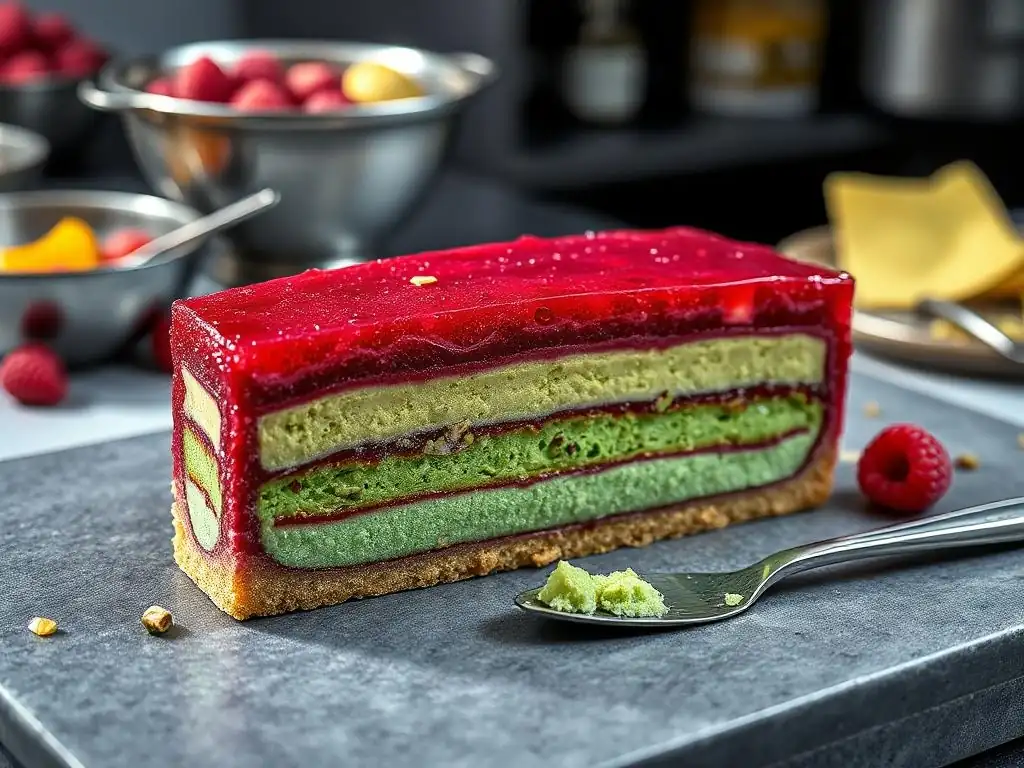
Accuracy is paramount when working with gelatin. Always measure gelatin by weight, especially when using sheet gelatin where each sheet has a standard weight (e.g., 2.5g, 5g). If using powdered gelatin, weigh it rather than relying solely on volume measurements (like teaspoons or tablespoons), as density can vary. Hydrate gelatin in the specified amount of cold liquid for the recommended time. Using warm liquid can start the melting process unevenly and reduce gelling power.
For sheet gelatin, ensure each sheet is fully submerged during blooming. After blooming, squeeze out excess water gently but thoroughly before melting. For powdered gelatin, sprinkle it evenly over the liquid surface rather than dumping it in a lump, which can lead to uneven hydration and undissolved granules. Proper hydration is the foundation for success in all Gelatin advanced pastry recipes.
Preventing Grainy Textures in Gelatin Desserts
A grainy texture in a gelatin-based dessert is typically caused by undissolved gelatin granules or uneven distribution of the gelatin. This can happen if the gelatin is not properly bloomed, if the liquid it's dissolved in is not warm enough, or if it's added to a base that is too cold, causing it to seize and form clumps.
To prevent graininess, always ensure the bloomed gelatin (either melted sheets or the bloomed powder mass) is fully dissolved in a liquid warm enough to melt it completely, usually around 50-60°C (120-140°F). Then, temper the dissolved gelatin mixture into the main base gradually, or ensure the base is at a temperature that allows the gelatin to disperse evenly without setting prematurely (often slightly above room temperature or lukewarm). Avoid boiling the gelatin mixture after adding the gelatin, as prolonged high heat can degrade its gelling power. These steps are crucial for smooth results in advanced gelatin pastry techniques.
Storing Gelatin-Based Pastries Properly
Gelatin-based pastries are delicate and require proper storage to maintain their texture and appearance. They must be kept refrigerated at a consistent temperature, typically between 2-4°C (35-40°F), to remain set. Fluctuations in temperature can cause the gelatin to partially melt and reset unevenly, resulting in a less desirable texture.
Store gelatin desserts covered to prevent them from drying out or absorbing odors from the refrigerator. While gelatin provides structure, it can become watery over time, especially if exposed to air. Most gelatin-based desserts are best consumed within 2-3 days of preparation. Freezing is possible for some gelatin desserts (like mousses), but gelees may lose some clarity and firmness upon thawing due to ice crystal formation disrupting the gel structure. Proper storage ensures the effort put into creating Gelatin advanced pastry recipes pays off with a perfect result upon serving.
Substituting Agar-Agar for Gelatin: Vegan Options
For vegan advanced pastry techniques, agar-agar is a common substitute for gelatin. Derived from seaweed, agar-agar is a plant-based hydrocolloid with different properties than gelatin. It creates a firmer, more brittle gel that sets at room temperature (around 40-45°C or 104-113°F) and requires boiling to dissolve fully. Unlike gelatin, it is not thermoreversible in the same way; once set, it requires higher temperatures to melt again.
The substitution ratio is not one-to-one. Agar-agar is much stronger than gelatin; typically, you need about 1/3 to 1/2 the amount of agar-agar powder compared to gelatin powder, or even less depending on the desired firmness. It's essential to dissolve agar-agar by bringing the liquid to a rolling boil and simmering for a few minutes.
The resulting texture is less elastic and more brittle than gelatin, which may require adjusting expectations or combining it with other thickeners for certain applications. While a viable vegan alternative, working with agar-agar requires understanding its unique properties which differ significantly from gelatin in advanced gelatin pastry techniques.
Conclusion: Elevating Your Pastry Skills with Gelatin
Gelatin is far more than just a setting agent; it's a versatile tool that allows for incredible creativity and precision in advanced pastry. From crafting elegant, translucent terrines and shimmering gelees to stabilizing airy mousses and creating innovative textures, understanding gelatin's properties, bloom strength, and proper handling techniques is fundamental.
By mastering the techniques discussed – accurate measurement, proper hydration, temperature control, and understanding interactions with other ingredients like acids and sugars – you unlock the potential to create stunning, professional-quality desserts. Whether you're following classic Gelatin advanced pastry recipes or developing your own innovative creations, gelatin empowers you to achieve textures and structures that define sophisticated baking. Embrace the challenge, practice these techniques, and watch your pastry skills reach new heights.
Frequently Asked Questions
What exactly is gelatin and why is it used in advanced pastry recipes?
Gelatin is a protein derived from collagen and is used in advanced pastry for its gelling and stabilizing properties. It allows for the creation of unique textures in terrines, gelees, and other desserts.
How does gelatin contribute to the texture of pastries like terrines and gelees?
Gelatin forms a network of bonds within the liquid, causing it to solidify into a smooth, elastic gel. This provides structure and stability to terrines and allows gelees to hold their shape.
What are some common mistakes bakers make when working with gelatin?
Common mistakes include using the wrong bloom strength, not properly hydrating the gelatin, and overheating the gelatin, which can degrade its gelling ability.
Can gelatin be substituted with other ingredients in advanced pastry recipes?
Yes, there are vegetarian alternatives such as agar-agar and pectin. However, they have different gelling properties than gelatin and may require recipe adjustments.
Where can I find high-quality gelatin specifically for use in advanced pastry creations?
BakeWithEase recommends checking specialty baking supply stores or online retailers that carry a variety of gelatin bloom strengths suitable for professional pastry applications.
Final Reflection: The Enduring Allure of Gelatin in Modern Pastry
The precise control offered by gelatin remains a cornerstone of advanced pastry techniques, pushing culinary boundaries and inspiring innovation in texture and presentation. Its seemingly simple nature belies a depth of potential, allowing for the creation of breathtakingly elegant and complex desserts that continue to captivate both chefs and diners alike. The versatility of gelatin, explored throughout this article, ensures its continued relevance in the ever-evolving world of culinary arts.
The journey through terrines, gelees, and other gelatin-based creations has highlighted not only the technical mastery required but also the artistry involved in manipulating this ingredient. It's a testament to the enduring power of tradition, refined and reimagined for contemporary palates. The most beautiful things in the world cannot be seen or even touched - they must be felt with the heart.
This quote, while not directly about gelatin, perfectly encapsulates the emotional connection that a truly exceptional dessert, often relying on the subtle magic of gelatin, can evoke. The careful layering of flavors and textures, the precise setting of the gel, all contribute to a sensory experience that transcends mere sustenance.
Consider the possibilities: the delicate wobble of a perfectly set jelly, the smooth, luxurious mouthfeel of a terrine, the unexpected burst of flavor within a carefully constructed mousse. These are not just recipes; they are opportunities to explore creativity, precision, and the profound satisfaction of mastering a technique that has stood the test of time. You, the reader, now hold the key to unlocking this potential. Experiment, innovate, and discover the unique magic that gelatin can bring to your own culinary creations. Let your passion guide you, and the results will be truly unforgettable.
Unlock the Secrets of Gelatin: Craft Exquisite Desserts!
Thanks for exploring the fascinating world of gelatin with us! You've now discovered how this versatile ingredient can elevate your pastry creations to a whole new level of artistry and texture. Ready to put your newfound knowledge into practice?
- Master the art of the perfect gelatin terrine: Experiment with different flavor combinations and techniques to impress your friends and family with stunningly elegant desserts. This is your primary challenge—a true test of your newfound skills!
- Share your gelatin masterpieces: Post photos of your creations on social media and tag #BakeWithEaseGelatin to inspire others and join our passionate baking community!
- Dive deeper: Explore our extensive recipe archive on BakeWithEase.com for more inspiration and advanced techniques with gelatin.
What innovative gelatin creation will you dream up next? Let us know in the comments!