
Using Gelatin in Panna Cotta: Achieve That Signature Silky Texture

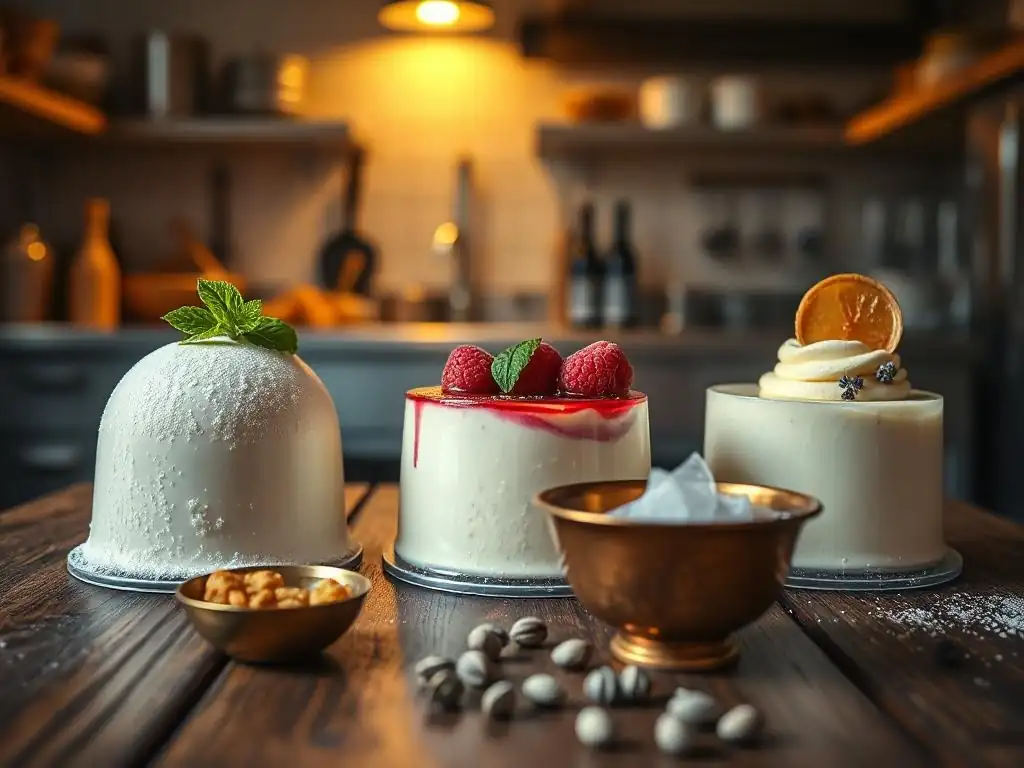
Welcome to BakeWithEase, your passport to a world of baking bliss! Ever wondered how to achieve that impossibly smooth, melt-in-your-mouth texture in a panna cotta? Unlock the secrets in our article below, where we delve into the crucial role of gelatin and reveal the simple steps to creating a truly exquisite dessert. Prepare to elevate your baking skills and impress your guests with this classic Italian treat – are you ready to master our Gelatin panna cotta recipe and achieve that signature silky texture?
- Achieving Silky Panna Cotta: Mastering Gelatin Usage
- Understanding Gelatin in Panna Cotta
- Gelatin Selection and Preparation
- Classic Panna Cotta Recipe with Gelatin
- Troubleshooting Panna Cotta
- Flavor Variations for Panna Cotta
- Storing and Serving Panna Cotta
- Vegan Alternatives to Gelatin
- Secrets to Perfect Panna Cotta
- Frequently Asked Questions
- Final Reflection: The Enduring Allure of Perfectly Set Panna Cotta
- Unlock the Silky Secret: Master Panna Cotta Today!
Achieving Silky Panna Cotta: Mastering Gelatin Usage
Understanding Gelatin in Panna Cotta
Gelatin's Role: Structure and Texture
Gelatin is the unsung hero behind the signature wobbly, yet stable, texture of a classic panna cotta. Its primary function is to create a delicate protein matrix throughout the liquid, trapping the cream and sugar molecules in place as it cools. This matrix is responsible for that desirable silky mouthfeel that distinguishes a well-made panna cotta. Without gelatin, you would simply have flavored cream, lacking the structural integrity to hold its shape when unmolded or served chilled.
The unique property of gelatin is its thermoreversibility. It dissolves when heated and sets when cooled, transitioning from a liquid state to a gel. This allows the panna cotta mixture to be poured into molds or glasses while warm and then solidify into a smooth, custard-like dessert as it chills in the refrigerator. The concentration of gelatin used directly impacts the firmness of the final product – too little results in a runny dessert, while too much creates a rubbery, undesirable texture, far from the ideal silky gelatin panna cotta recipe outcome.
Gelatin Setting: Consistency and Stability
The setting process of gelatin relies entirely on temperature. Gelatin needs to be fully hydrated (bloomed) and then dissolved in a warm liquid, typically around 50-60°C (122-140°F). Once dissolved and mixed into the cream base, the mixture must be chilled to below roughly 15°C (59°F) for the gel network to begin forming effectively. Optimal setting usually occurs in the refrigerator, ideally at temperatures between 2-4°C (36-39°F), and typically takes at least 4 hours, though overnight chilling often yields the best stability.
The stability of the set gelatin is influenced by several factors, including the gelatin concentration, the chilling temperature, and the acidity of the mixture. Highly acidic ingredients like certain fruit purees can weaken the gelatin's structure, requiring a slight increase in gelatin quantity or careful handling. Understanding how temperature and acidity interact with gelatin is crucial for consistently achieving a stable yet silky texture when using gelatin for panna cotta.
Gelatin Selection and Preparation
Gelatin Types: Powder vs. Sheet
The two most common forms of commercial gelatin available for home cooks are powdered gelatin and sheet (or leaf) gelatin. Powdered gelatin is granular and requires blooming in a small amount of cold liquid before being added to the warm base. It's measured by volume or weight, and consistency can sometimes vary slightly between brands. A common ratio for a standard gelatin panna cotta recipe might use around 1 to 1.5 teaspoons of powder per cup of liquid.
Sheet gelatin, on the other hand, comes in thin, rectangular sheets of varying weights and strengths (bloom). It must be soaked in a generous amount of cold water until pliable before being squeezed dry and dissolved. Sheet gelatin is often preferred by professionals for its perceived purity and ease of use, as well as the ability to be more precise with measurements, especially when working with specific "bloom" strengths.
Bloom Strength and Measurement
Gelatin's gelling strength is measured by its "bloom" value. Bloom strength indicates the rigidity of the gel formed under controlled conditions. Higher bloom numbers signify stronger gelling power. Sheet gelatin is typically graded by bloom strength and weight; common strengths include Bronze (125 bloom), Silver (160 bloom), Gold (200 bloom), and Platinum (250 bloom). Powdered gelatin is less often labeled with bloom strength but typically falls within the Silver to Gold range (160-200 bloom).
When a recipe specifies sheet gelatin without mentioning bloom strength, it often assumes Gold (200 bloom) as a standard. If substituting between types or bloom strengths, adjustments are necessary. For instance, approximately 2.3 grams of Gold strength sheet gelatin provides similar gelling power to about 1 teaspoon (around 3-3.5 grams) of typical powdered gelatin. Accurate measurement, whether by weighing sheets or carefully leveling spoons of powder, is vital for reproducible results in your panna cotta with gelatin.
Blooming Process: Hydration Techniques
Blooming is the essential first step when working with both powdered and sheet gelatin. For powdered gelatin, sprinkle it evenly over a small amount (typically 3-5 times its weight) of cold liquid – water, milk, or even juice, depending on the recipe. Do not dump it in a pile, as this can cause clumping. Let it sit undisturbed for 5-10 minutes until it absorbs the liquid and swells into a jelly-like mass. This hydration is critical for it to dissolve smoothly later.
For sheet gelatin, submerge the required number of sheets in a bowl of ample cold water. Ensure the sheets are fully separated and covered by water. Let them soak for 5-10 minutes until they are completely softened and pliable. Once bloomed, lift the sheets from the water and gently squeeze out any excess liquid before adding them to your warm panna cotta base. Proper blooming ensures the gelatin dissolves completely and distributes evenly, preventing grainy texture or undissolved clumps in your gelatin panna cotta recipe.
Classic Panna Cotta Recipe with Gelatin
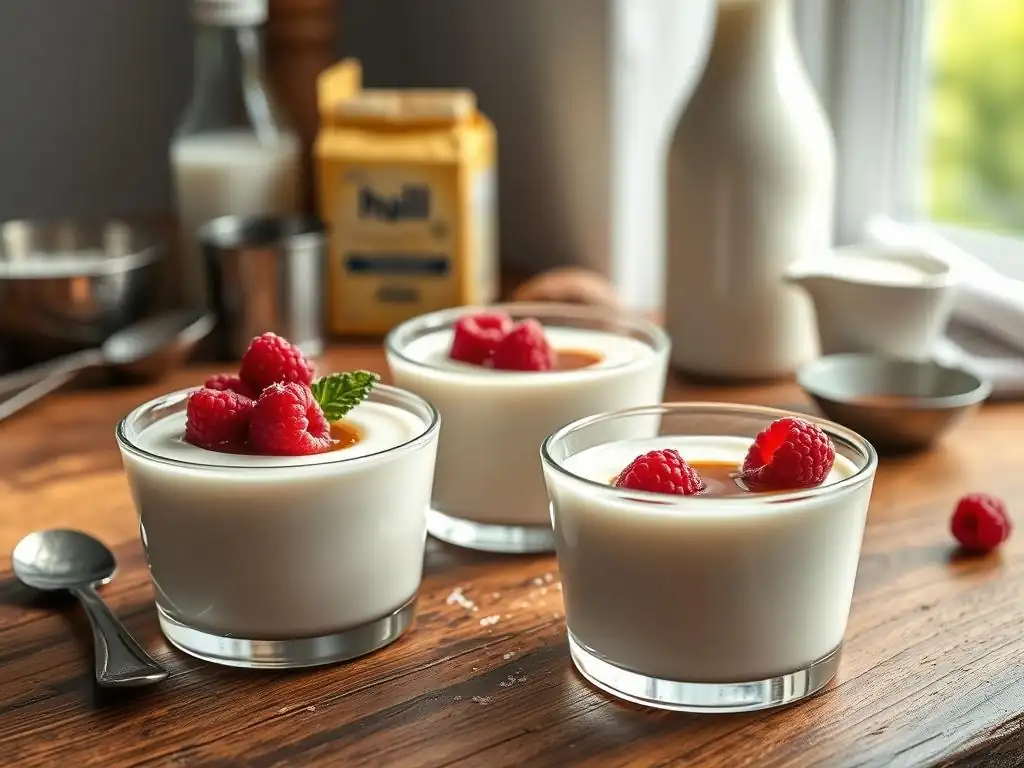
Ingredients: Cream, Sugar, Vanilla, Gelatin
A classic panna cotta is elegantly simple, relying on a few key ingredients for its luxurious taste and texture. The base is typically heavy cream or a mixture of heavy cream and milk (like a 1:1 or 2:1 ratio of cream to milk for varying richness). Sugar provides sweetness; the amount can be adjusted to taste, but usually ranges from 1/4 to 1/2 cup per 2 cups of liquid. Vanilla is the traditional flavoring, often added as vanilla bean seeds, vanilla extract, or vanilla bean paste.
The final crucial ingredient is, of course, the gelatin. As discussed, this could be powdered or sheet gelatin. For a standard silky set using about 2 cups (500ml) of liquid (cream/milk), you might use approximately 1 to 1.5 teaspoons (3-4.5 grams) of powdered gelatin or 2-3 sheets of Gold strength (200 bloom) sheet gelatin. The exact amount depends on the desired firmness and the specific gelatin product used, making testing and adjustment key to perfecting your gelatin panna cotta recipe.
Instructions: Step-by-Step Guide
- Bloom the Gelatin: Hydrate the gelatin according to the type used (sprinkle powder over cold liquid or soak sheets in cold water) and let sit for 5-10 minutes.
- Heat the Base: Combine the cream, milk (if using), and sugar in a saucepan over medium heat. Add vanilla bean seeds or paste if using. Stir until the sugar is dissolved and the mixture is just simmering, do not boil. If using extract, add it later.
- Dissolve Gelatin: Remove the cream mixture from the heat. Squeeze excess water from bloomed sheet gelatin and add to the warm cream, stirring until completely dissolved. If using bloomed powdered gelatin, add the softened mass and stir until fully incorporated and dissolved. Ensure no granules remain.
- Strain and Flavor: For the smoothest texture, strain the mixture through a fine-mesh sieve into a clean jug or bowl to catch any undissolved sugar crystals, gelatin clumps, or vanilla bean pods (if used). Stir in vanilla extract now if using.
- Pour and Chill: Pour the mixture into individual ramekins, glasses, or a single mold. Cover the surface of each panna cotta with plastic wrap, pressing it gently onto the surface to prevent a skin from forming. Chill in the refrigerator for at least 4-6 hours, or preferably overnight, until fully set.
Achieving Smoothness: Tips and Techniques
Achieving that signature silky texture requires attention to detail. First, ensure the gelatin is fully bloomed and completely dissolved in the warm cream base. Undissolved gelatin can lead to a grainy texture. Heating the cream gently until just simmering (around 80-85°C or 175-185°F) is sufficient to dissolve the gelatin; boiling can weaken its gelling power.
Straining the mixture is a simple but effective step to remove any potential lumps or impurities before chilling. Finally, covering the panna cotta surface with plastic wrap while chilling prevents a rubbery 'skin' from forming on top, contributing to a uniformly smooth consistency throughout your gelatin panna cotta recipe. Allowing adequate chilling time is also essential for the gel structure to fully develop its firmness and smooth mouthfeel.
Troubleshooting Panna Cotta
Setting Issues: Causes and Solutions
One of the most common issues is panna cotta that doesn't set properly or is too soft. This is usually due to insufficient gelatin, improper blooming, or inadequate chilling time. If your panna cotta is too runny after chilling overnight, you likely need to increase the amount of gelatin used in the recipe next time. Ensure you are using the correct type and quantity of gelatin for panna cotta based on the recipe or desired firmness.
Another cause can be adding unbloomed or improperly bloomed gelatin, which won't dissolve fully. Overheating the mixture after adding gelatin can also degrade its gelling power, especially boiling. If you suspect this is the issue, gently reheat the mixture (do not boil! ), ensuring the gelatin is fully dissolved, and re-chill. Finally, ensure your refrigerator is cold enough (below 4°C or 39°F) and that you've given the panna cotta sufficient time to set, which is often 6-8 hours or more.
Texture Problems: Firmness and Graininess
Texture issues can range from being too firm (rubbery) to grainy. Panna cotta that is too firm indicates too much gelatin was used. While edible, it lacks the delicate wobble characteristic of a perfect panna cotta. The solution here is straightforward: reduce the amount of gelatin in your next batch. Experiment with smaller increments (e.g., half a teaspoon of powder or half a sheet of gelatin) until you find the ideal ratio for your desired texture when making your gelatin panna cotta recipe.
Graininess is typically caused by undissolved sugar or, more commonly, undissolved or unevenly distributed gelatin. Ensure sugar is fully dissolved in the warm cream before adding gelatin. Make sure the gelatin is properly bloomed and stirred into the warm (but not boiling) liquid until it is completely invisible. Straining the mixture before pouring into molds can also help eliminate any remaining solid particles and contribute to a smoother texture.
Flavor Imbalances: Adjusting Sweetness
While not directly related to gelatin's function, flavor is crucial for a delicious panna cotta. The balance between sweetness, creaminess, and flavoring (like vanilla) is key. If your panna cotta tastes too sweet, reduce the sugar slightly in your next batch. If it tastes bland, consider using a higher quality vanilla extract or scrape seeds from a fresh vanilla bean for a more intense flavor.
Acidity can also affect flavor and gelatin set. If adding acidic components like fruit purees or citrus zest, taste and adjust the sugar accordingly, as acidity can make a dessert seem less sweet. Be mindful that adding acidic ingredients directly to the warm base might require slightly more gelatin for panna cotta to achieve the same set strength. It's often better to incorporate acidic elements as a topping or layer rather than directly into the main cream base unless the recipe specifically accounts for it.
Flavor Variations for Panna Cotta
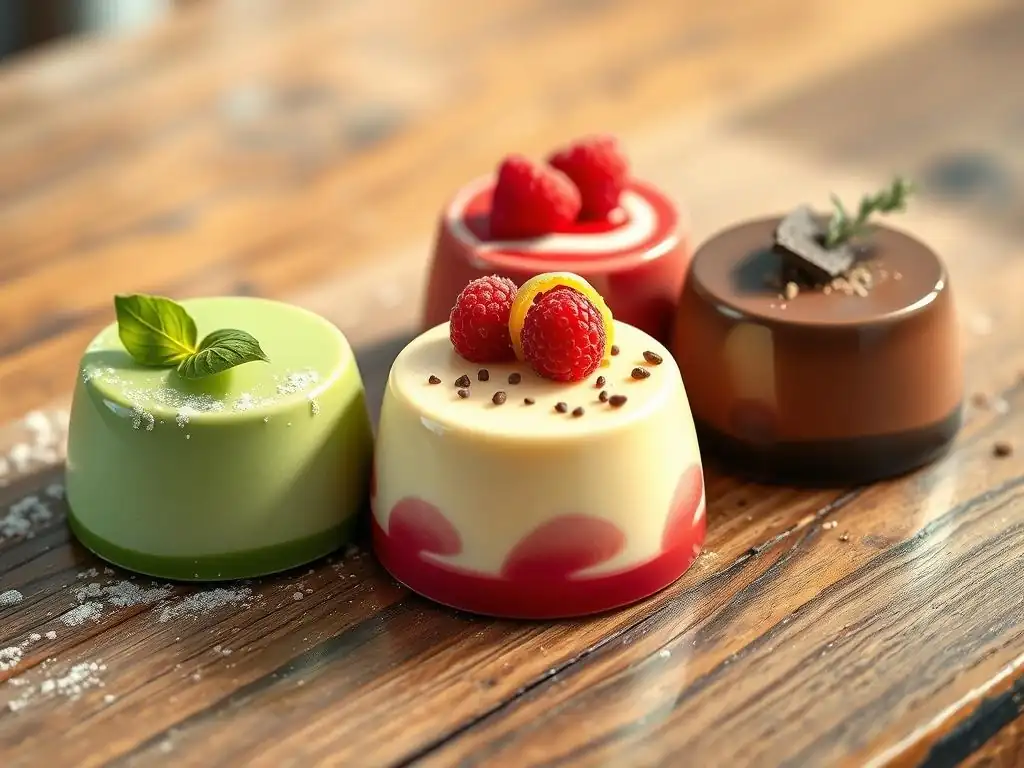
Infusing Flavors: Vanilla, Citrus, Coffee
The neutral base of a classic gelatin panna cotta recipe makes it a perfect canvas for a wide range of flavors. Vanilla is traditional, and using a whole vanilla bean steeped in the warm cream yields the most authentic flavor. Scrape the seeds into the cream and add the pod while heating, removing the pod before straining.
Citrus flavors can be infused by adding strips of orange or lemon zest to the cream while heating, straining them out before adding the gelatin. Coffee panna cotta is popular; dissolve instant coffee or add strongly brewed espresso to the warm cream base before adding the gelatin. Other possibilities include steeping tea leaves (like Earl Grey or chai) or adding spices like cinnamon or cardamom.
Layered Desserts: Gelatin's Role
Gelatin's setting properties make it ideal for creating beautiful layered desserts. Panna cotta can serve as one layer, with other gelatin-set or simply chilled layers on top or below. For example, a common pairing is a fruit jelly layer made with fruit juice and gelatin, poured on top of a partially set panna cotta layer and allowed to chill until fully set.
To create distinct layers, the first layer must be chilled until it is firm enough to support the weight of the second layer without mixing, but not so hard that the layers won't adhere. The second layer should be cooled slightly before pouring to avoid melting the layer beneath. This technique allows for stunning visual effects and interesting flavor combinations, showcasing the versatility of using gelatin in panna cotta applications.
Topping Ideas: Fruits, Sauces, Nuts
While delicious on its own, panna cotta is often enhanced by toppings that add contrasting textures and flavors. Fresh berries, such as raspberries, strawberries, or blueberries, are a classic choice, providing a burst of freshness and slight acidity that cuts through the richness of the cream. A simple berry compote or coulis (pureed and strained fruit sauce) is also excellent.
Caramel sauce, chocolate sauce, or a drizzle of honey can add sweetness and decadence. Toasted nuts or a sprinkle of granola can provide a welcome crunch against the smooth backdrop. The choice of topping allows for endless customization and can elevate even a basic gelatin panna cotta recipe into a sophisticated dessert experience.
Storing and Serving Panna Cotta
Chilling Time: Texture Development
Adequate chilling time is paramount for the texture of panna cotta. While the gelatin mixture may appear somewhat set after just 2-3 hours in the refrigerator, the gel structure continues to strengthen and stabilize over a longer period. For the best, silkiest texture and firm-enough-to-unmold consistency, chilling for at least 6-8 hours is recommended.
Overnight chilling, typically 10-12 hours, is often ideal. This extended time allows the gelatin matrix to fully develop its strength and elasticity, resulting in a panna cotta that is perfectly set, smooth, and ready to hold its shape when unmolded, if desired. Rushing the chilling process can lead to a panna cotta that is too soft or wobbles excessively.
Serving Suggestions: Presentation
Panna cotta can be served directly in the glasses or ramekins it was chilled in, which is the easiest method and requires no unmolding. For a more elegant presentation, especially with a classic gelatin panna cotta recipe, it can be unmolded onto a plate. To unmold, briefly dip the bottom of the mold or ramekin in warm water (just a few seconds) to slightly loosen the edges. Then, invert the mold onto the serving plate, and the panna cotta should slide out.
Serving temperature is also important. Panna cotta is best served chilled, directly from the refrigerator. Allowing it to sit out at room temperature for too long can cause the edges to soften or even begin to melt, compromising the texture that the gelatin for panna cotta worked so hard to create.
Storage: Maintaining Quality
Proper storage ensures your panna cotta maintains its quality and texture. Keep individual servings or the main mold covered tightly with plastic wrap or stored in airtight containers in the refrigerator. This prevents the surface from drying out or absorbing odors from other foods.
Panna cotta made with dairy and gelatin is perishable and should be stored in the refrigerator at 2-4°C (36-39°F). Properly stored, it will typically last for 3-4 days. While it might remain safe to eat for a bit longer, the texture is best within the first few days. Freezing panna cotta is generally not recommended, as it can damage the gelatin structure and result in a watery, grainy texture upon thawing.
Vegan Alternatives to Gelatin
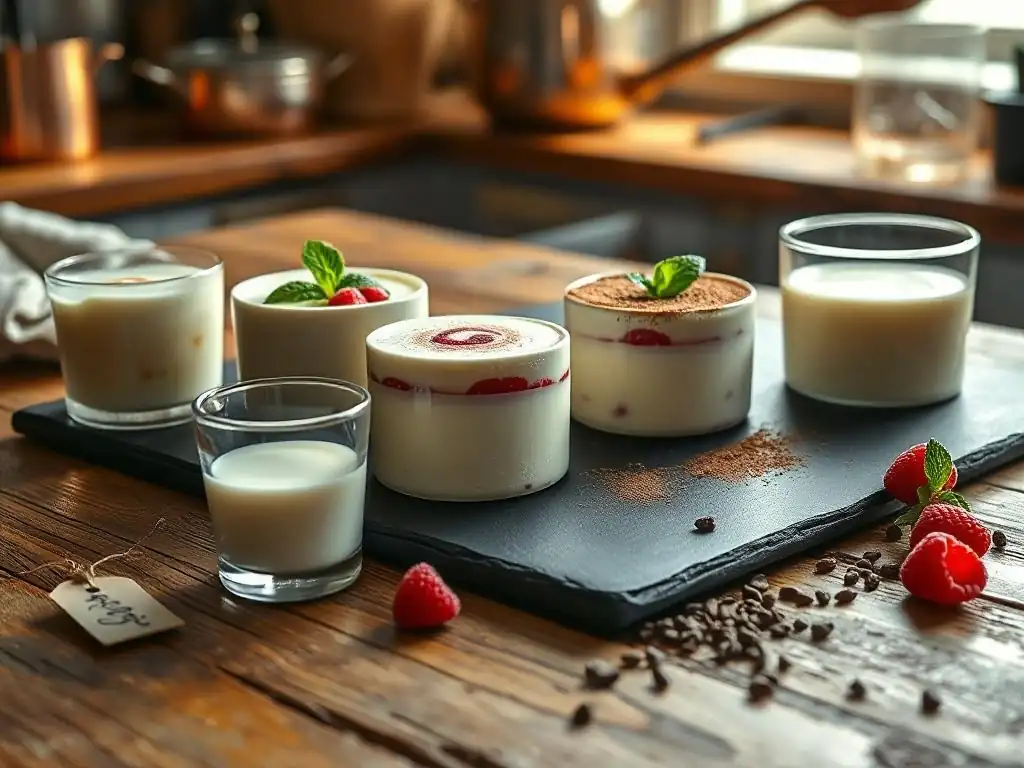
Agar-Agar: Properties and Usage
For those seeking a vegan alternative to animal-based gelatin, agar-agar is a popular choice. Derived from seaweed, agar-agar creates a firmer, less wobbly gel than gelatin. It sets more quickly and at a higher temperature (around 40-45°C or 104-113°F) and melts at a much higher temperature (around 85°C or 185°F), meaning desserts made with agar-agar won't melt easily at room temperature, unlike those made with gelatin for panna cotta.
Agar-agar is typically sold as flakes or powder. Powdered agar-agar is stronger than flakes, and requires boiling for a minute or two to fully dissolve, unlike gelatin which only needs gentle warming. A common substitution ratio is 1 teaspoon of agar-agar powder for every 8 teaspoons (1 tablespoon) of gelatin powder, or roughly half the amount of gelatin sheets. Recipes often need adjustment when substituting, as agar-agar can produce a slightly different, sometimes more brittle, texture compared to the smooth melt-in-your-mouth feel of gelatin panna cotta recipe.
Pectin: Applications and Considerations
Pectin is another plant-based gelling agent, commonly used in jams, jellies, and fruit-based desserts. It is a polysaccharide found in the cell walls of fruits, particularly apples and citrus. Pectin requires sugar and acid to gel effectively, which makes it less versatile for a simple creamy dessert like panna cotta unless the recipe specifically incorporates fruit puree or juice.
While pectin can create a lovely gelled texture, it's not a direct substitute for gelatin for panna cotta in terms of achieving the classic creamy, wobbly set. It's better suited for fruit layers or components within a layered dessert rather than the main creamy body of the panna cotta itself. Using pectin for the main panna cotta base would likely result in a texture closer to a fruit jelly or curd, not the desired silky custard-like consistency.
Secrets to Perfect Panna Cotta
Ingredient Quality: Impact on Texture
The quality of your core ingredients significantly impacts the final texture and flavor of your panna cotta. Using high-quality heavy cream with a good fat content (typically 35% or more) provides the richness and smooth mouthfeel that is characteristic of a great panna cotta. While lower-fat milk can be used to adjust richness, a base predominantly of cream yields the best results.
The quality of your gelatin also matters. Using fresh gelatin, whether powder or sheets from a reputable brand, ensures consistent gelling strength. Stale gelatin can lose its potency, leading to setting failures. Similarly, using good quality vanilla (extract, paste, or bean) makes a noticeable difference in flavor compared to artificial vanilla. These foundational ingredients are key to a successful gelatin panna cotta recipe.
Temperature Control: Key to Smoothness
Precise temperature control throughout the process is crucial for achieving a smooth, lump-free panna cotta. The cream mixture should be heated gently until just simmering to dissolve the sugar and warm the liquid sufficiently to melt the bloomed gelatin. Overheating or boiling the mixture after adding gelatin can weaken its gelling power and potentially lead to a less firm or slightly grainy set.
Conversely, the mixture must be chilled adequately and for a sufficient duration for the gelatin to form its gel network. Chilling too quickly (e.g., in a freezer) can sometimes result in a less uniform texture, while insufficient chilling time means the panna cotta won't be fully set. Maintaining the proper temperatures at each stage, from heating to chilling, is a secret to consistent success using gelatin in panna cotta.
Gelatin Ratios: Texture Customization
Perhaps the biggest secret to perfecting your gelatin panna cotta recipe is mastering the gelatin ratio. The amount of gelatin you use directly dictates the final texture – from a very soft, barely-set 'spoonable' panna cotta to a firmer one suitable for unmolding. There isn't one single "correct" ratio; it depends entirely on personal preference and how you plan to serve it.
A common starting point for a recipe using about 2 cups (500ml) of liquid might be 1.5 teaspoons of powdered gelatin or 3 Gold strength sheets for an unmoldable panna cotta, or slightly less (e.g., 1 teaspoon powder or 2 sheets) for a softer set served in a glass. Don't be afraid to experiment with small adjustments (e.g., +/- 1/4 teaspoon of powder or half a sheet) in future batches until you discover the perfect ratio that yields your ideal silky, wobbly texture. Keep notes on your adjustments and results!
Frequently Asked Questions
What is the role of gelatin in a panna cotta recipe?
Gelatin is crucial for achieving the signature silky texture of panna cotta. It acts as a gelling agent, solidifying the creamy mixture without making it rubbery. The right amount is essential for the perfect wobble.
How much gelatin should I use in my panna cotta?
The amount of gelatin depends on the desired firmness. Generally, a ratio of 1 to 1.5 teaspoons per 2 cups of cream is recommended. Too much will make it too firm, too little and it won't set.
What type of gelatin is best for panna cotta?
Both powdered gelatin and gelatin sheets can be used successfully. Powdered gelatin needs to be bloomed in cold water before use, while gelatin sheets need to be soaked in ice water until softened. The end result should be the same silky texture.
Can I make panna cotta without gelatin?
Yes, you can use substitutes like agar-agar, but the texture will be slightly different. Agar-agar is a vegetarian alternative that requires precise measurement and careful heating.
What happens if my panna cotta doesn't set properly?
If your panna cotta doesn't set, it likely means you didn't use enough gelatin, or it wasn't bloomed/soaked properly. You can try gently re-heating the mixture and adding more bloomed gelatin before chilling again.
Final Reflection: The Enduring Allure of Perfectly Set Panna Cotta
The pursuit of the perfect panna cotta, that impossibly smooth and creamy dessert, remains a culinary quest. Achieving that signature silky texture hinges on a seemingly simple ingredient: gelatin. Understanding its properties and mastering its use is the key to unlocking a dessert experience that transcends mere sweetness, becoming a testament to culinary precision and artistry.
The influence of this seemingly humble ingredient extends far beyond the confines of the kitchen. It's a testament to the power of simple ingredients to create extraordinary results. The delicate dance between the gelatin's setting power and the richness of the cream, the subtle sweetness balanced by a hint of acidity – these are the elements that elevate panna cotta from a simple dessert to a culinary experience. The most beautiful things are the simplest,
a sentiment that perfectly encapsulates the elegance of a well-made panna cotta.
Now, I invite you to consider your own culinary journey. Perhaps you've already mastered the art of the perfect panna cotta, or maybe this article has sparked a newfound curiosity. Regardless, I encourage you to experiment, to explore the nuances of gelatin's role in this classic dessert, and to discover the joy of creating something beautiful and delicious with your own hands. The journey towards culinary mastery is a personal one, and the perfectly set panna cotta is a delicious milestone along the way.
Unlock the Silky Secret: Master Panna Cotta Today!
Thanks for taking the time to explore the world of perfectly silky panna cotta! We hope you gained valuable insights into using gelatin to achieve that signature texture. Ready to put your newfound knowledge to the test?
- Whip up your dream panna cotta: Grab your ingredients and try one of the recipes mentioned in the article – or experiment with your own flavour combinations! This is your chance to create something truly delicious.
- Share your creation: Tag us on social media with your stunning panna cotta photos! We’d love to see your culinary masterpiece and inspire others.
- Explore other gelatin-based desserts: Expand your baking horizons by researching other delicious recipes that benefit from gelatin's magic, like mousses and jellies!
What unique flavor profile will you create with your perfect panna cotta? Let us know in the comments!