
Humidity Hacks: Baking Meringue Successfully in Any Weather Conditions

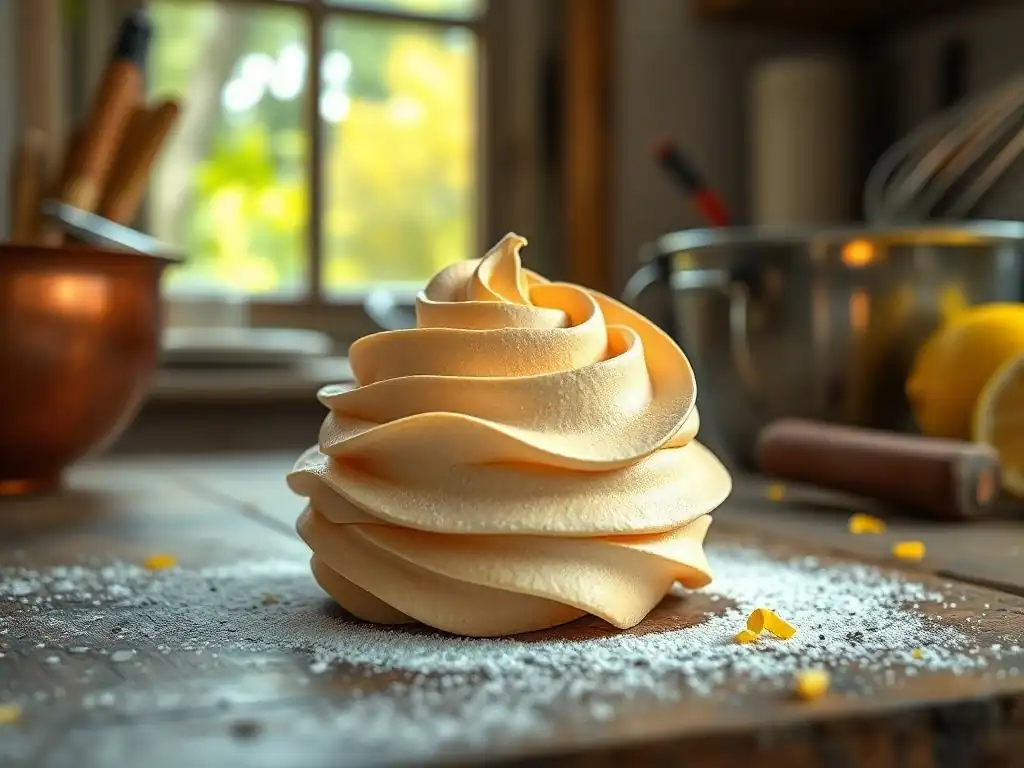
Welcome to BakeWithEase, where we empower you to conquer any baking challenge! Ever dreamt of perfectly crisp meringue but live in a humid climate? You're not alone. This article dives deep into the science and secrets of baking meringue high humidity, providing you with practical tips and tricks to achieve flawless results, no matter the weather. Ready to unlock the secrets to humidity-proof meringue? Let's get baking!
- Introduction: Mastering Meringue Baking Despite Humidity
- Understanding the Science: How Humidity Affects Meringue
- Identifying High Humidity Baking Conditions
- Humidity-Proof Meringue Baking Techniques: A Step-by-Step Guide
- Troubleshooting Common Meringue Problems in Humid Climates
- Equipment Recommendations for Baking Meringue in High Humidity
- Recipes Optimized for Humid Conditions
- Conclusion: Confidently Baking Meringue in Any Weather
-
Frequently Asked Questions
- How does humidity affect meringue baking?
- What are some adjustments I can make to my meringue recipe when baking in humid weather?
- What oven temperature is ideal for baking meringue in humid conditions?
- Can I use a dehumidifier in my kitchen while baking meringue?
- What are some visual cues to look for to know if my meringue is baked properly, even in humid weather?
- Final Reflection: Mastering the Delicate Dance of Meringue and Humidity
- Unlock Your Perfect Meringue: Conquer Humidity, Conquer Baking!
Introduction: Mastering Meringue Baking Despite Humidity
Baking meringue is a delicate dance, a culinary ballet where airy egg whites transform into crisp, cloud-like confections. However, introduce a little extra moisture into the air – also known as humidity – and this dance can quickly turn into a soggy mess. Many bakers find that baking meringue high humidity is one of their biggest challenges, leading to sticky, weeping, or collapsed results instead of the desired dry, crisp texture.
But don't despair! Mastering meringue in less-than-ideal conditions is absolutely achievable with the right knowledge and techniques. This guide will equip you with the understanding of why humidity affects meringue and provide practical, actionable steps to ensure your meringues turn out beautifully, whether the air is dry as a desert or thick with moisture. We'll delve into the science, identify the signs of high humidity, and share proven methods for success.
Why Humidity Matters When Baking Meringue
Humidity is simply the amount of water vapor present in the air. Meringues are essentially a foam of egg white proteins stabilized by sugar, which are then dried out in a low oven. When the air is humid, this drying process is severely hindered. The sugar in the meringue is hygroscopic, meaning it readily absorbs moisture from its surroundings.
In high humidity, the sugar pulls water from the air into the meringue, preventing it from drying properly. Instead of becoming crisp and brittle, the meringue remains soft, sticky, and can even "weep" liquid. This makes baking meringue high humidity particularly tricky, as the very process designed to dry the meringue is fighting against the environment.
Your Guide to Humidity-Proof Meringues
Navigating the challenges of baking meringue high humidity requires a combination of understanding the basic science and implementing specific techniques. This guide will walk you through everything from choosing the most stable type of meringue for humid conditions to making crucial adjustments during the mixing and baking process. We'll also cover essential ingredients that act as humidity defenses and share tips for cooling and storage.
Think of this as your ultimate toolkit for conquering moisture. We'll provide detailed steps and explanations, breaking down complex concepts into easy-to-understand advice. By the end, you'll feel confident tackling meringue projects regardless of what the weather outside is doing, ensuring consistently delightful results every time you whip up those fluffy peaks.
Understanding the Science: How Humidity Affects Meringue
At its core, meringue is a foam created by whipping egg whites, trapping air bubbles within a network of denatured proteins. Sugar is then incorporated, which stabilizes this foam and contributes to the structure and eventual crispness. The baking process isn't really "baking" in the traditional sense of cooking, but rather a low-temperature drying process that hardens the protein-sugar matrix.
When humidity is high, the air is already saturated with moisture. This makes it difficult for water to evaporate from the surface of the meringue during baking. Furthermore, the sugar actively draws in ambient moisture, counteracting the drying effect of the oven. Understanding these scientific principles is key to developing strategies for successful baking meringue high humidity.
The Role of Sugar in Meringue Stability
Sugar plays a dual role in meringue: it stabilizes the whipped egg white foam and contributes to the final texture and sweetness. When sugar is added to whipped egg whites, the sugar granules dissolve and interact with the protein network, creating a more stable structure that is less prone to collapse. Using fine or superfine sugar helps it dissolve more easily, which is crucial for smooth meringue and preventing weeping later.
However, sugar is also highly hygroscopic. This means it attracts and holds onto water molecules. In a humid environment, the sugar in the meringue will readily absorb moisture from the air. This absorbed moisture prevents the meringue from drying out properly during baking and can cause it to become soft, sticky, and difficult to achieve that signature crispness, making baking meringue high humidity particularly challenging.
Water Absorption: Humidity's Impact on Meringue Structure
As mentioned, high humidity means more water vapor in the air. This excess moisture is easily absorbed by the sugar within the meringue structure. The protein network in the egg whites forms the backbone, but it's the sugar that helps solidify and crisp up this structure during drying. When sugar absorbs too much water, it interferes with its ability to harden and stabilize the proteins.
Imagine the meringue as a delicate sponge cake that you're trying to dry out. If you put it in a humid room, it will struggle to lose moisture and might even become damp. Similarly, a meringue exposed to high humidity during or after baking will absorb moisture, leading to a soft, chewy, or sticky exterior instead of the desired dry, crisp shell. This direct interaction between ambient moisture and the sugar is the primary reason baking meringue high humidity requires specific adjustments.
How Ambient Temperature Interacts with Humidity
While humidity is the main culprit, ambient temperature also plays a role. Warm air can hold more moisture than cold air. So, a warm, humid day is generally worse for meringue making than a cold, humid day, simply because there's potentially more water vapor in the air. The temperature of your kitchen can also affect how quickly your meringue dries once it's out of the oven.
Additionally, the temperature inside your oven is critical. Too high a temperature will cause the meringue to brown too quickly or even collapse before it has a chance to dry properly. Too low a temperature, while necessary for drying, needs to be maintained consistently for a sufficient duration, especially when battling external moisture. The combination of high humidity and inappropriate baking temperature is a recipe for meringue failure.
Identifying High Humidity Baking Conditions
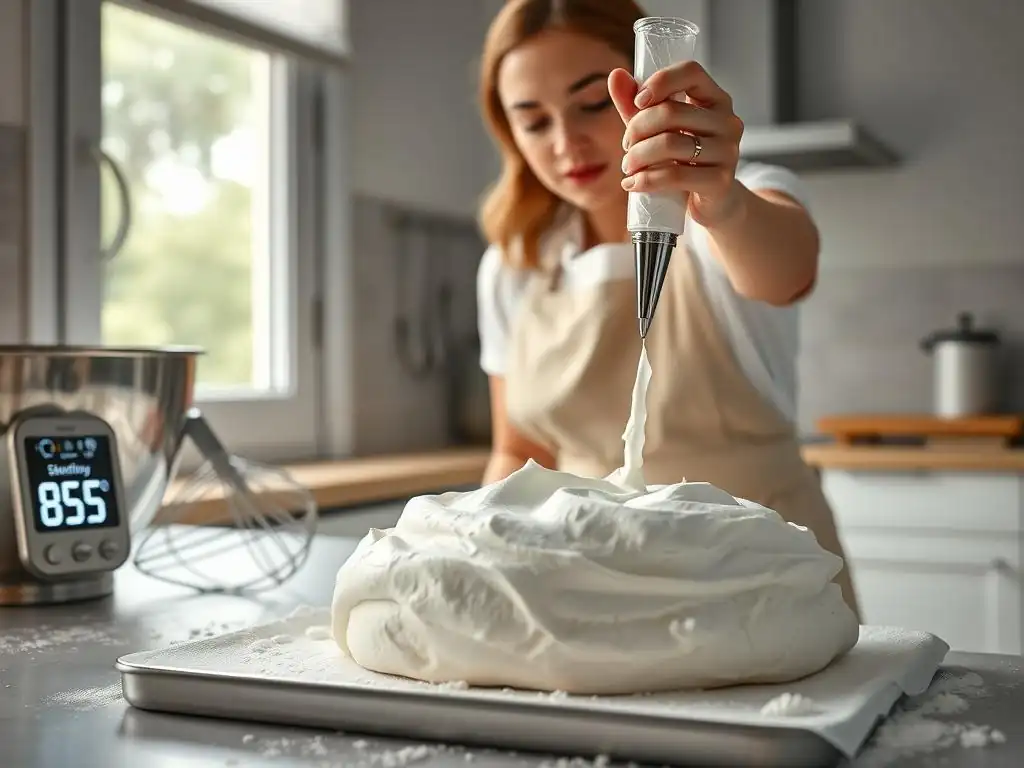
Knowing when you're facing high humidity is the first step in adjusting your meringue technique. Sometimes it's obvious – you can feel the thick air, see condensation on windows, or notice surfaces feeling slightly damp. Other times, especially inside a temperature-controlled home, the signs might be more subtle.
Being able to recognize the environmental conditions is crucial for successful baking meringue high humidity. It allows you to anticipate potential problems and implement preventative measures before you even start whipping your egg whites. Don't wait for your meringues to turn sticky; learn to read the room (and the weather forecast! ).
Recognizing the Signs of High Humidity in Your Kitchen
Beyond the general feeling of mugginess, look for specific indicators in your kitchen environment. Are your countertops or floors feeling slightly sticky? Do metal surfaces like appliance handles feel cool and damp to the touch? Is there condensation forming on the inside of your windows, particularly if the air conditioning is on?
Even pantry items can give clues; does your sugar or salt feel clumpy? Are crackers or chips going stale faster than usual? These are all signs that the relative humidity in your kitchen is elevated, likely above the ideal 40-50% range for meringue making. If you notice these signs, prepare for a more challenging baking meringue high humidity session.
Using a Hygrometer: Measuring Humidity Levels for Baking
For consistent results, especially if you live in a climate with variable humidity, consider using a hygrometer. This inexpensive tool measures the relative humidity (RH) in the air and provides a specific percentage reading. You can find simple digital hygrometers online or at hardware stores for under $20.
For meringue baking, an RH reading above 50% starts to present challenges, and anything over 60% is considered high humidity. Knowing the exact percentage allows you to make informed decisions about which meringue recipe to use and how drastically you need to adjust your technique. It takes the guesswork out of baking meringue high humidity and adds a layer of precision to your baking.
When to Adjust Your Meringue Baking Technique for Humidity
The threshold for adjusting your technique depends on your personal tolerance for risk and the specific recipe, but a general guideline is to start making modifications when the relative humidity in your kitchen exceeds 50%. For very high humidity (above 65-70%), significant adjustments are necessary, and some delicate French meringue recipes might be best avoided altogether.
If your hygrometer reads 55% RH, you might consider adding a small amount of cornstarch or increasing the baking time slightly. If it reads 75% RH, you'll definitely want to opt for a Swiss or Italian meringue, use stabilizers, bake at a lower temperature for a longer duration, and pay extra attention to cooling and storage. Knowing the humidity level allows you to scale your humidity-proofing efforts appropriately for baking meringue high humidity.
Humidity-Proof Meringue Baking Techniques: A Step-by-Step Guide
Successfully baking meringue high humidity requires a proactive approach, implementing specific strategies at each stage of the process. From choosing the right ingredients to tweaking the baking time, every step can be optimized to combat excess moisture. This section breaks down the key techniques you can employ.
We'll cover everything from selecting the most stable meringue types to using specific ingredients that help absorb moisture and reinforce the meringue's structure. By following these steps, you significantly increase your chances of achieving beautiful, crisp meringues, even when the weather isn't cooperating with your baking plans.
Choosing the Right Meringue Type: Swiss, French, or Italian
The type of meringue you choose can significantly impact its resilience to humidity. French meringue, made simply by whipping raw egg whites with sugar, is the least stable because the sugar is simply dissolved into the raw protein matrix. Swiss and Italian meringues, which involve heating the egg whites and sugar, create a more robust and stable structure better equipped to handle moisture.
When faced with baking meringue high humidity, opting for a cooked meringue like Swiss or Italian is highly recommended. The heating process denatures the egg white proteins more thoroughly and helps dissolve the sugar completely, resulting in a stronger foam that is less likely to weep or absorb external moisture.
Swiss Meringue: A More Stable Option for Humid Days
Swiss meringue is made by gently heating egg whites and sugar together over a double boiler until the sugar is dissolved and the mixture reaches a temperature of around 130-140°F (55-60°C). This warm mixture is then whipped until stiff, glossy peaks form and it cools down.
The pre-heating process denatures the egg white proteins, making them stronger and more resilient. This increased protein stability, combined with fully dissolved sugar, results in a meringue foam that is denser and less prone to collapse or moisture absorption compared to French meringue. It's an excellent choice when baking meringue high humidity.
Italian Meringue: Known for its Stability and Gloss
Italian meringue is considered the most stable type of meringue. It's made by whipping egg whites to soft peaks and then slowly pouring a hot sugar syrup (heated to the soft-ball stage, around 240°F or 115°C) into the whipping egg whites. The heat from the syrup cooks the egg whites and creates an incredibly stable, glossy, and smooth meringue.
The high temperature of the sugar syrup ensures that the egg whites are cooked and the sugar is fully dissolved, creating a very strong protein-sugar matrix. Italian meringue is often used for frostings (like Italian meringue buttercream) or as a topping (like for lemon meringue pie) because of its reliability and resistance to weeping, making it ideal for baking meringue high humidity.
French Meringue: Best for Dry Conditions (and How to Adapt)
French meringue is the simplest to make, involving just whipping raw egg whites and gradually adding sugar. While perfect for dry days when you want light, delicate meringues, it is the least forgiving in humid conditions. The raw egg whites are more susceptible to breaking down, and the sugar is prone to absorbing moisture from the air.
If you absolutely must make French meringue in high humidity, you'll need to rely heavily on other humidity-proofing techniques. These include using stabilizers like cream of tartar or cornstarch, ensuring your egg whites are perfectly free of fat, using very fine sugar, and baking at a low temperature for a significantly longer time. Even then, success when baking meringue high humidity using the French method can be challenging.
Essential Ingredients and Their Role in Fighting Humidity
Beyond egg whites and sugar, a few other ingredients can act as powerful allies when baking meringue high humidity. These stabilizers and moisture absorbers help reinforce the meringue's structure and prevent it from succumbing to the damp air. Incorporating these into your recipe is a smart move on humid days.
Understanding why these ingredients work helps you use them effectively. They don't just magically fix humidity problems; they interact with the proteins and sugar to create a more resilient foam. Let's look at some key players in your humidity-proofing arsenal.
Using Cream of Tartar to Stabilize Egg Whites
Cream of tartar, a common acidic salt, helps stabilize whipped egg whites by lowering their pH level. This acidic environment strengthens the protein network in the egg whites, allowing them to hold air bubbles more effectively and preventing them from collapsing. A small amount, typically 1/8 to 1/4 teaspoon per large egg white, can make a significant difference.
When baking meringue high humidity, this extra stability is invaluable. It helps the foam maintain its structure even when faced with the challenges of external moisture. Cream of tartar also contributes to achieving a brighter white color in the finished meringue.
The Importance of Fine Granulated Sugar
Using fine or superfine granulated sugar (sometimes labeled caster sugar) is highly recommended for meringues, especially when dealing with humidity. The smaller crystals dissolve more quickly and completely into the egg whites. Undissolved sugar crystals are a major cause of weeping in meringues, as they can attract moisture and disrupt the structure.
In high humidity, where dissolving sugar is already harder due to the ambient moisture, using fine sugar minimizes the risk of having undissolved granules. This leads to a smoother, more stable meringue that is less likely to weep or become sticky during or after baking meringue high humidity.
Adding Cornstarch: A Secret Weapon Against Humidity
Cornstarch is a fantastic, often overlooked ingredient for baking meringue high humidity. Adding a small amount of cornstarch (typically 1 teaspoon per large egg white) towards the end of the whipping process can significantly improve the meringue's texture and stability in humid conditions.
Cornstarch acts as a moisture absorber, helping to soak up any excess water that the meringue might draw in from the humid air. It also contributes to a more tender, less brittle texture and can help prevent the meringue from shrinking or cracking. Incorporating cornstarch provides an extra layer of defense against weeping and stickiness.
Meringue Baking Process: Tweaks for Humid Weather
Even with the right ingredients and meringue type, the process itself needs minor adjustments when baking meringue high humidity. Small changes in preparation, mixing, and baking can make a big difference in the final outcome. Don't skip these crucial steps!
These tweaks are designed to maximize the meringue's stability and facilitate drying despite the challenging environment. They focus on ensuring the protein-sugar matrix is as strong as possible and that the low-temperature drying process is effective.
Preparing Egg Whites: Tips for Success in Humid Environments
Start with clean, grease-free equipment, as even a tiny amount of fat can prevent egg whites from whipping properly. Use fresh, but ideally "aged," egg whites. Aging egg whites involves separating them a day or two in advance and storing them covered in the refrigerator. As they age, some water evaporates, and the proteins change slightly, making them whip up to a larger volume and potentially more stable foam.
Ensure your egg whites are at room temperature before whipping. Cold egg whites take longer to whip and may not reach their full volume or stability. Using room temperature egg whites helps achieve a more consistent and robust foam, which is essential when baking meringue high humidity.
Slow and Steady: The Importance of Gradual Sugar Addition
Once your egg whites have reached soft peaks (for French or Italian) or are warmed and starting to foam (for Swiss), the sugar should be added very slowly, a tablespoon at a time. This allows the sugar granules sufficient time to dissolve completely into the egg white foam.
Adding sugar too quickly can weigh down the egg whites and prevent the sugar from dissolving properly, leading to grainy meringue and potential weeping. This slow, gradual addition is even more critical when baking meringue high humidity because the sugar is already struggling to dissolve fully in the moist air. Allow a minute or two between additions, especially towards the end.
Achieving Stiff Peaks: The Key to a Stable Meringue
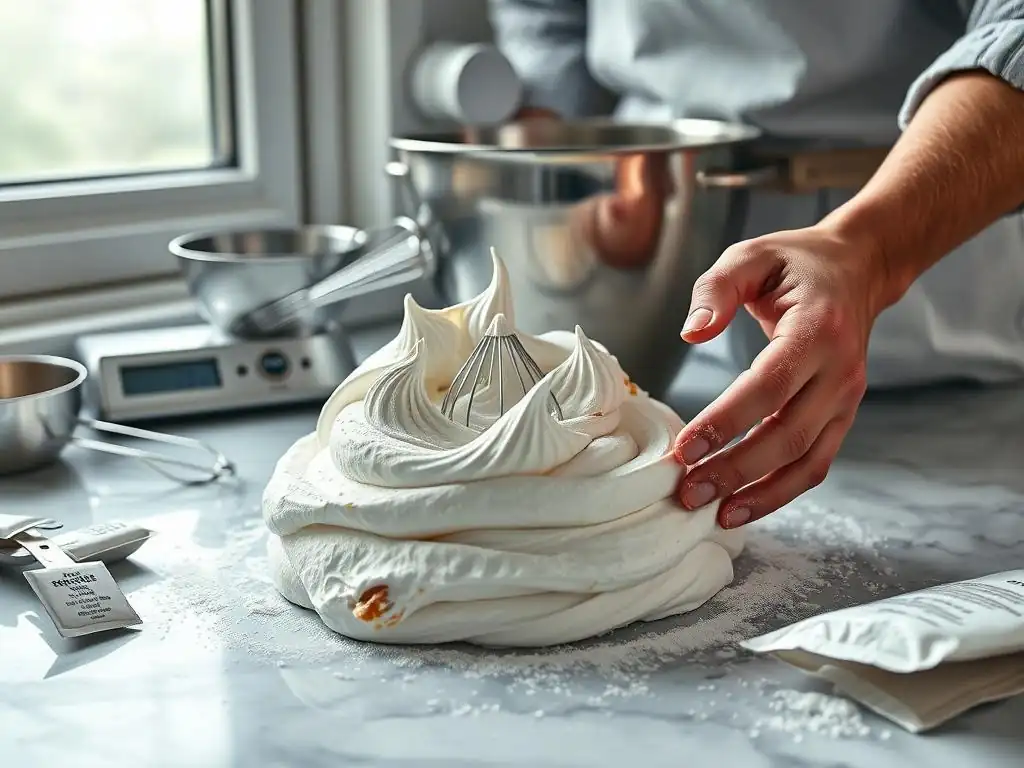
Whipping your meringue mixture to the correct consistency – stiff, glossy peaks – is non-negotiable, particularly when baking meringue high humidity. Stiff peaks mean the protein-sugar matrix is sufficiently developed to hold its shape firmly. When you lift the whisk, the peaks should stand straight up without drooping.
Over-whipping can cause the meringue to become grainy and break, while under-whipping results in a weak foam that will collapse during baking. Aim for a texture that is smooth, glossy, and holds its shape perfectly. The extra stability provided by properly whipped stiff peaks is your defense against the meringue losing its structure in humid conditions.
Baking at Lower Temperatures for Longer Durations
The most crucial adjustment for baking meringue high humidity is the baking process itself. Meringues aren't "baked" in the traditional sense; they are dried out. This requires a low oven temperature, typically between 200°F and 250°F (90°C to 120°C). In high humidity, you might need to go even lower, towards the 200-225°F (90-105°C) range, and significantly increase the baking time.
The goal is to gently dry the meringue without browning it or causing it to collapse. Lowering the temperature and extending the time allows moisture to evaporate slowly from the meringue, even when the surrounding air is humid. A typical baking time might range from 1 to 2.5 hours, depending on the size and thickness of your meringues and the humidity level.
Cooling Techniques: Preventing Meringue from Softening
Getting the meringue perfectly dry in the oven is only half the battle when baking meringue high humidity. The cooling process is just as critical. Exposing hot, porous meringues directly to humid air can cause them to rapidly absorb moisture, turning them soft and sticky after all your hard work.
Proper cooling technique is essential for locking in that crisp texture. It allows the meringue to finish drying and stabilize as it transitions from the warm oven environment to the ambient kitchen air.
Leaving Meringues in the Oven to Cool Slowly
The best way to cool meringues in any weather, but especially when baking meringue high humidity, is to leave them in the turned-off oven after the baking time is complete. Once you turn off the oven, prop the door open slightly (about an inch) using a wooden spoon.
Allow the meringues to cool completely in the cooling oven, which could take several hours. This gradual cooling in a relatively dry environment (compared to the potentially humid kitchen) prevents condensation from forming on the meringue surface and allows the internal structure to set fully without being exposed to external moisture.
The Importance of Proper Storage After Baking
Once your meringues are completely cool and crisp, proper storage is paramount, particularly if you live in a humid climate. Meringues are like little sugar sponges waiting to absorb moisture from the air. Store them immediately in an airtight container at room temperature.
Avoid storing meringues in the refrigerator, as the cold environment often introduces moisture. Layer the meringues carefully with parchment paper between layers to prevent sticking. A well-sealed container creates a barrier against the humid air, keeping your perfectly baked meringues crisp for days, even when baking meringue high humidity was the challenge.
Troubleshooting Common Meringue Problems in Humid Climates
Despite your best efforts, baking meringue high humidity can sometimes lead to common issues. Knowing how to identify these problems and understanding their root causes will help you troubleshoot and improve your technique for next time.
Weeping, stickiness, and collapse are the most frequent complaints when humidity is high. Let's look at why they happen and what steps you can take to mitigate them, both during and after baking.
Weeping Meringue: Causes and Solutions
Weeping meringue, characterized by beads or puddles of sugary syrup forming on the surface, is a classic sign of moisture issues. It often happens when the sugar hasn't fully dissolved during whipping or when the meringue hasn't been dried sufficiently during baking. High humidity exacerbates both these issues.
To prevent weeping when baking meringue high humidity, ensure your sugar is completely dissolved by rubbing a bit of the meringue between your fingers – it should feel smooth, not gritty. Use fine sugar and add it slowly. Bake the meringues at a low temperature for a long enough time until they are completely dry inside and out. Leaving them to cool in the oven is also crucial for preventing post-bake weeping.
Soft or Sticky Meringue: Fixing Texture Issues
If your meringues come out of the oven soft, chewy, or sticky instead of crisp, it's almost always due to insufficient drying. High humidity is a prime suspect here, preventing the water from evaporating from the meringue structure. Under-baking at too high a temperature or for too short a time also contributes.
The solution for soft or sticky meringue when baking meringue high humidity is to bake them longer at a low temperature. If they are still soft after the initial baking time and cooling, you can often put them back in the oven at a very low temperature (around 180-200°F or 80-90°C) for an additional 30-60 minutes to finish drying them out. Proper cooling and storage in an airtight container are also key to preventing them from re-absorbing moisture.
Collapsed Meringue: Preventing Deflation
Meringue collapse can happen for several reasons, including under-whipping (weak foam structure), over-whipping (proteins break down), adding sugar too quickly, or baking at too high a temperature. In humid conditions, the weakened structure caused by potential moisture absorption makes the meringue even more susceptible to collapsing in the oven.
Ensure you whip to firm, stiff peaks but stop before the meringue looks curdled. Add sugar very gradually. Most importantly when baking meringue high humidity, stick to a low oven temperature for the entire baking duration. Rapid temperature changes or opening the oven door too frequently during the initial baking phase can also cause delicate meringues to deflate.
Equipment Recommendations for Baking Meringue in High Humidity
Having the right tools can make the task of baking meringue high humidity significantly easier and increase your chances of success. While you don't need a kitchen full of gadgets, a few specific pieces of equipment are particularly helpful when combating moisture.
These recommendations focus on tools that provide consistency, accuracy, or simply make the process of whipping and drying meringue more efficient, especially when the environment is working against you.
Stand Mixers vs. Hand Mixers: Which is Better?
While you can certainly make meringue with a hand mixer, a stand mixer is generally preferred, especially when baking meringue high humidity. Whipping meringue requires consistent speed and can take a considerable amount of time – often 10-15 minutes or even longer to reach stiff peaks.
A stand mixer allows you to whip for the necessary duration without tiring your arm and ensures a consistent speed throughout the process, which helps build a stable protein structure. This consistency is particularly beneficial when dealing with the variables introduced by humid air. Plus, it frees up your hands to slowly add the sugar.
Oven Thermometers: Ensuring Accurate Baking Temperatures
Oven temperatures can vary significantly from what the dial indicates, sometimes by as much as 25-50°F (15-30°C). Since baking meringue high humidity relies heavily on precise, low-temperature drying, an accurate oven thermometer is essential.
An inexpensive oven thermometer placed inside your oven will give you a true reading of the temperature. This allows you to adjust your oven dial accordingly to maintain the crucial low temperature required to dry your meringues slowly without browning or collapsing them, which is vital for success in humid conditions.
Parchment Paper vs. Silicone Baking Mats: The Best Choice for Meringue
Both parchment paper and silicone baking mats work well for baking meringues, preventing sticking. However, when baking meringue high humidity, parchment paper might have a slight edge.
Parchment paper helps wick away a tiny bit of moisture from the bottom of the meringue during baking. Silicone mats can sometimes trap a little more moisture underneath. While the difference is minimal compared to the moisture in the air, every little bit helps when trying to achieve a crisp meringue in a damp environment.
Recipes Optimized for Humid Conditions
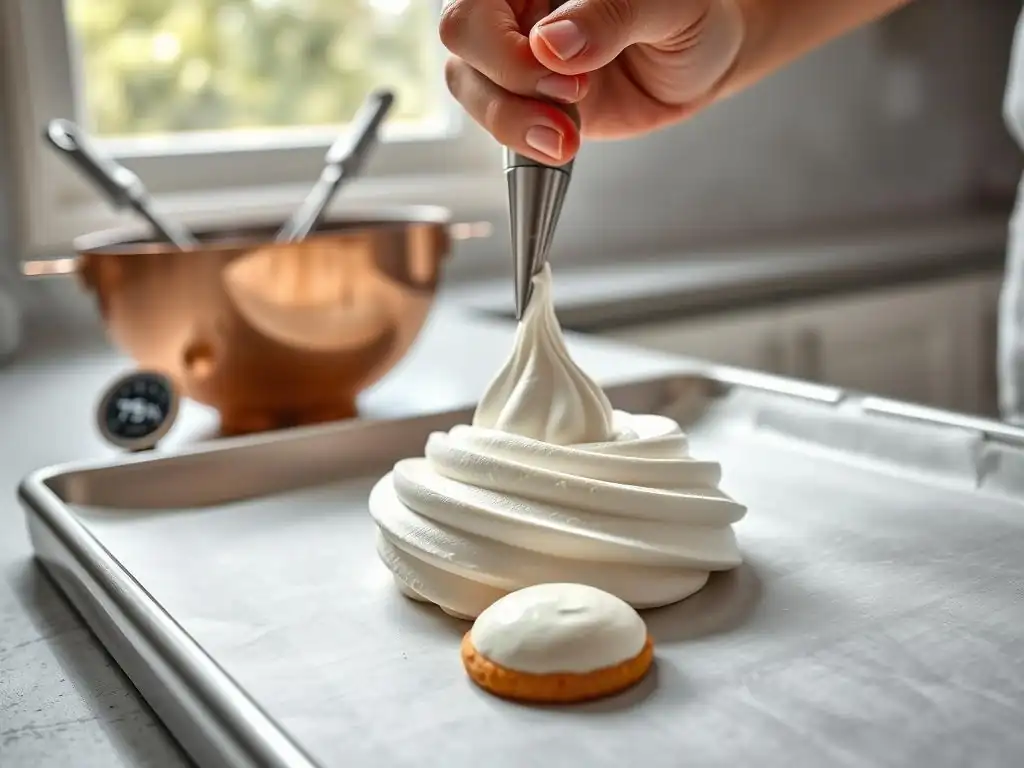
While the techniques described can be applied to many meringue recipes, some are inherently better suited for humid environments than others. Recipes specifically designed for stability, often utilizing the Swiss or Italian method and incorporating stabilizers, offer the highest chance of success when baking meringue high humidity.
Below are descriptions of the types of recipes that incorporate the humidity-proofing techniques we've discussed, giving you a starting point for conquering moisture in your meringue baking.
Humidity-Resistant Swiss Meringue Kisses Recipe
This type of recipe focuses on the inherent stability of Swiss meringue. It would involve the classic method of heating egg whites and sugar over a double boiler before whipping. Key elements might include using cream of tartar for extra protein reinforcement, potentially adding a small amount of cornstarch towards the end of whipping, and providing specific instructions for low-temperature baking (e.g., 200°F or 90°C) for an extended period (e.g., 1.5 to 2 hours) followed by cooling in the oven. This method provides a robust structure less prone to weeping and softening when baking meringue high humidity.
No-Fail Italian Meringue Buttercream Recipe
Italian meringue buttercream is a popular frosting choice precisely because of the stability of its Italian meringue base. This recipe would guide you through making the hot sugar syrup and incorporating it into whipped egg whites. The high heat of the syrup guarantees a cooked and stable meringue that is very resistant to breaking down or absorbing moisture. While this recipe is for buttercream, the principles of creating the humidity-proof Italian meringue base are directly applicable to standalone Italian meringues and are invaluable for baking meringue high humidity.
Conclusion: Confidently Baking Meringue in Any Weather
Conquering the challenge of baking meringue high humidity might seem daunting at first, but with the right knowledge and techniques, it's entirely possible to achieve beautiful, crisp results regardless of the weather. We've explored the science behind why humidity is problematic, learned how to identify humid conditions, and detailed specific techniques and ingredient choices that provide a strong defense against moisture.
From choosing the stable Swiss or Italian meringue methods to incorporating stabilizers like cream of tartar and cornstarch, and crucially, mastering the low-temperature, long-duration baking process followed by in-oven cooling, you now have a comprehensive toolkit. Troubleshooting common issues like weeping and stickiness is also within your grasp.
Achieving Meringue Mastery
Meringue mastery isn't about having perfect weather; it's about understanding the process and knowing how to adapt. By paying attention to the signs of humidity, measuring your environment if possible, and implementing the proven techniques discussed, you gain control over the variables that often lead to meringue failures.
Practice makes perfect, and each batch you bake, even those in challenging conditions, will teach you more. Don't be discouraged by initial setbacks when baking meringue high humidity. Analyze what happened, adjust your approach using these tips, and try again.
Embrace the Humidity: Your New Meringue Baking Confidence
Instead of dreading humid days, you can now approach them with confidence. You understand why humidity affects your meringue and, more importantly, how to counteract its effects. You have the knowledge to choose the right recipe, prepare your ingredients and mixture optimally, and bake your meringues to perfection even when the air feels thick with moisture.
Go forth and bake! Whether you're making delicate meringue kisses, a towering pavlova, or a stable meringue frosting, you are now equipped to handle the challenges of baking meringue high humidity. Embrace the process, trust in your techniques, and enjoy the sweet rewards of your successful meringue creations.
Frequently Asked Questions
How does humidity affect meringue baking?
High humidity introduces excess moisture to the meringue. This moisture can prevent the egg whites from whipping properly and cause the meringue to weep or become sticky.
What are some adjustments I can make to my meringue recipe when baking in humid weather?
Consider adding a stabilizer like cream of tartar or cornstarch to your meringue recipe. These ingredients help the egg whites maintain their structure and resist the effects of humidity.
What oven temperature is ideal for baking meringue in humid conditions?
Baking meringue at a lower temperature for a longer time helps to dry it out thoroughly. This is especially important in humid weather to combat excess moisture absorption.
Can I use a dehumidifier in my kitchen while baking meringue?
Yes, using a dehumidifier can significantly improve your chances of success. Reducing the ambient humidity in your kitchen will help the meringue dry and set properly, minimizing the risk of failure.
What are some visual cues to look for to know if my meringue is baked properly, even in humid weather?
A properly baked meringue should be dry, crisp, and easily lift off the baking sheet. It shouldn't be sticky or weeping. The color should be a pale golden brown.
Final Reflection: Mastering the Delicate Dance of Meringue and Humidity
The quest for the perfect meringue, a seemingly simple confection, reveals a profound truth about baking: success hinges on understanding and adapting to the environment. Even the most meticulous recipe can falter in the face of high humidity, a challenge many bakers face, especially during certain seasons. This article has explored the science behind meringue instability and offered practical solutions to overcome the hurdles posed by fluctuating atmospheric moisture.
The journey of mastering meringue in humid conditions is a microcosm of the larger culinary journey itself – a constant process of learning, adapting, and refining. It's about embracing the unexpected and finding creative solutions. The subtle shifts in texture, the delicate balance of ingredients, all contribute to a final product that is more than just a dessert; it's a testament to patience and precision. The art of baking is not just about following a recipe, but about understanding the science behind it.
– This quote, though not directly about meringue, encapsulates the core message of this article perfectly.
Now, armed with these humidity hacks, I invite you to embark on your own meringue adventures. Don't let the weather dictate your baking success. Experiment with the techniques outlined, observe the subtle changes in your meringue, and most importantly, enjoy the process. The perfect meringue awaits – not just in ideal conditions, but in any kitchen, regardless of the humidity. Go forth and conquer those sticky situations!
Unlock Your Perfect Meringue: Conquer Humidity, Conquer Baking!
Thanks for joining us on this humidity-busting meringue adventure! You've now got the secrets to flawlessly fluffy peaks, no matter the weather. Ready to put your new skills to the test?
- Whip up your dream meringue today: Grab those eggs and sugar and let's bake! Use the tips we shared to perfect your technique.
- Share your meringue masterpieces: Show off your baking prowess on social media – use #BakeWithEaseMeringues and tag us! We can't wait to see your creations.
- Explore more baking tips: Dive into our other articles for more expert advice on mastering your favorite recipes.
What unique ingredient or technique will you experiment with in your next meringue creation?